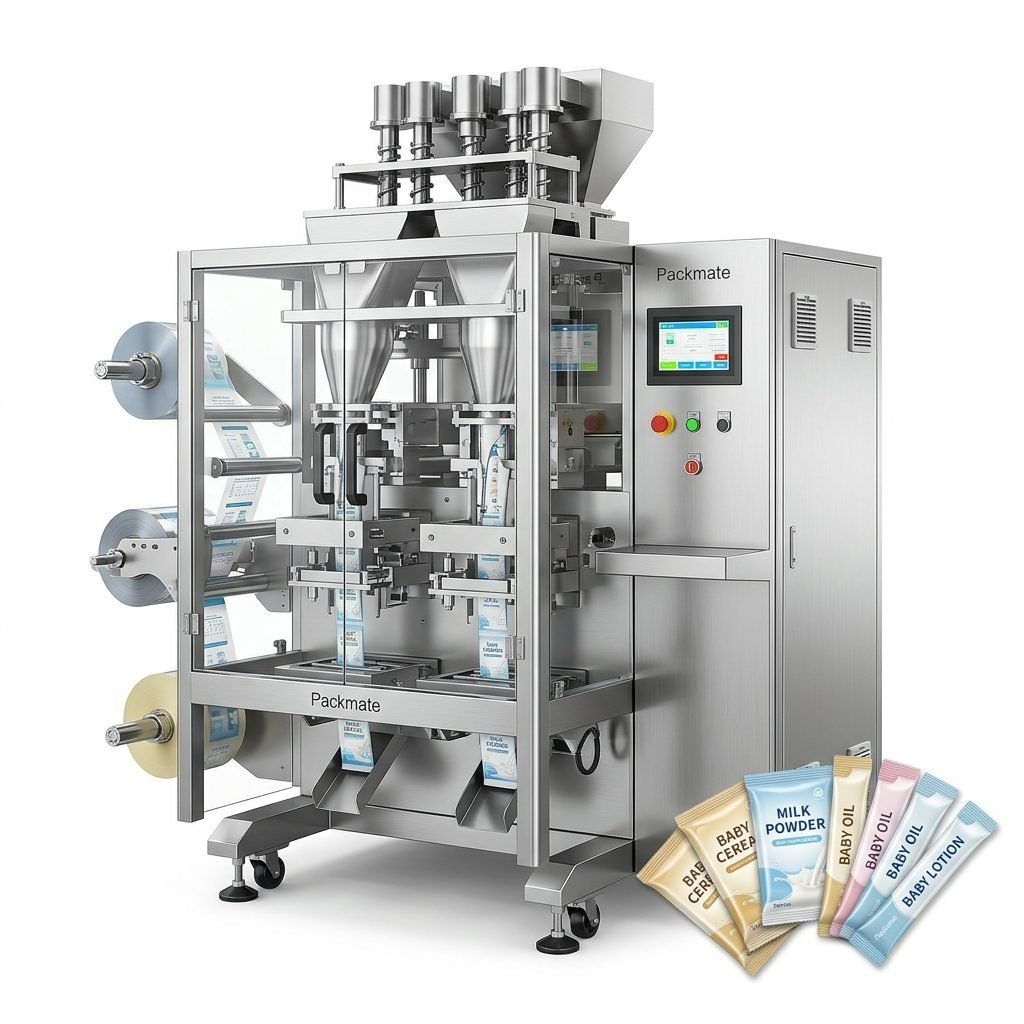
Navigating the complex landscape of packaging machinery requires more than just a product catalog—it demands expert guidance. Effective packaging is the silent ambassador of your brand, influencing everything from shelf appeal to supply chain efficiency. For businesses in the food, pharmaceutical, and health sectors, the stakes are even higher, where precision, hygiene, and reliability are non-negotiable. This is where specialized packaging machine consulting services become an invaluable strategic investment, transforming operational challenges into competitive advantages.
The Critical Role of Expert Packaging Consultation
Choosing the wrong packaging equipment can lead to a cascade of problems: production bottlenecks, inconsistent product quality, increased waste, and ultimately, financial loss. A consultant acts as your navigator, providing unbiased, experience-driven advice to align your machinery with your specific product characteristics, output goals, and regulatory environment. They help you see beyond the initial purchase price to the total cost of ownership, including maintenance, energy consumption, and future scalability.
Key Benefits of Professional Consulting
- Risk Mitigation: Consultants conduct thorough needs analyses to prevent costly mismatches between your operation and the equipment.
- Technology Insights: They provide up-to-date knowledge on the latest automation trends, smart controls, and hygienic design standards.
- Vendor Neutrality: A true consultant prioritizes your needs, offering objective comparisons rather than pushing a specific brand.
- Streamlined Integration: Expert planning ensures new machines work seamlessly with existing production lines and auxiliary systems.
Core Phases of a Comprehensive Consulting Engagement
A structured consulting process is methodical and collaborative, designed to deliver a clear roadmap for your packaging investment.
Phase 1: Deep-Dive Discovery & Needs Assessment
This foundational phase involves a meticulous evaluation of your current and future state. Consultants will analyze your product formats (granules, powders, liquids), required packaging speeds, available factory footprint, and compliance requirements. They assess your existing workflow to identify bottlenecks and opportunities for improvement. This stage often includes a review of your packaging materials to ensure machine compatibility and cost-efficiency.
Phase 2: Solution Design & Machine Specification
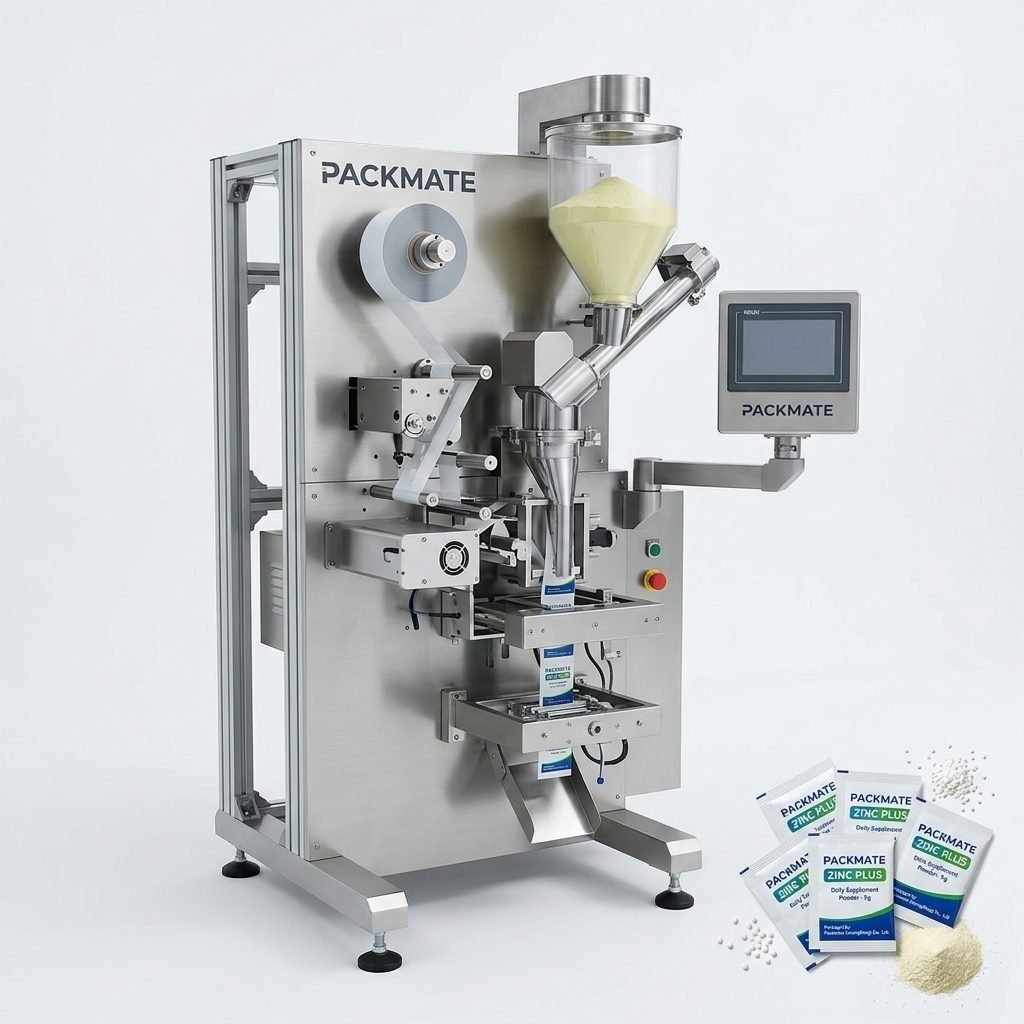
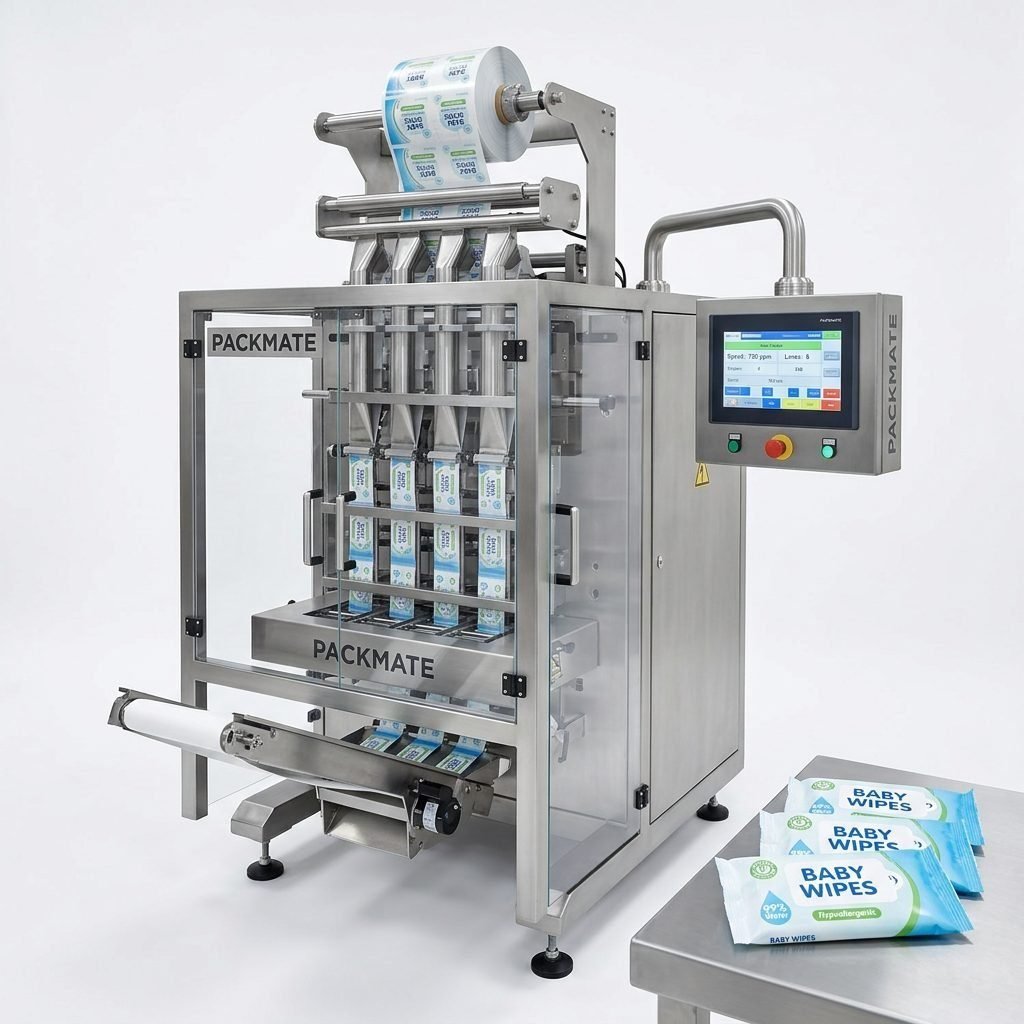
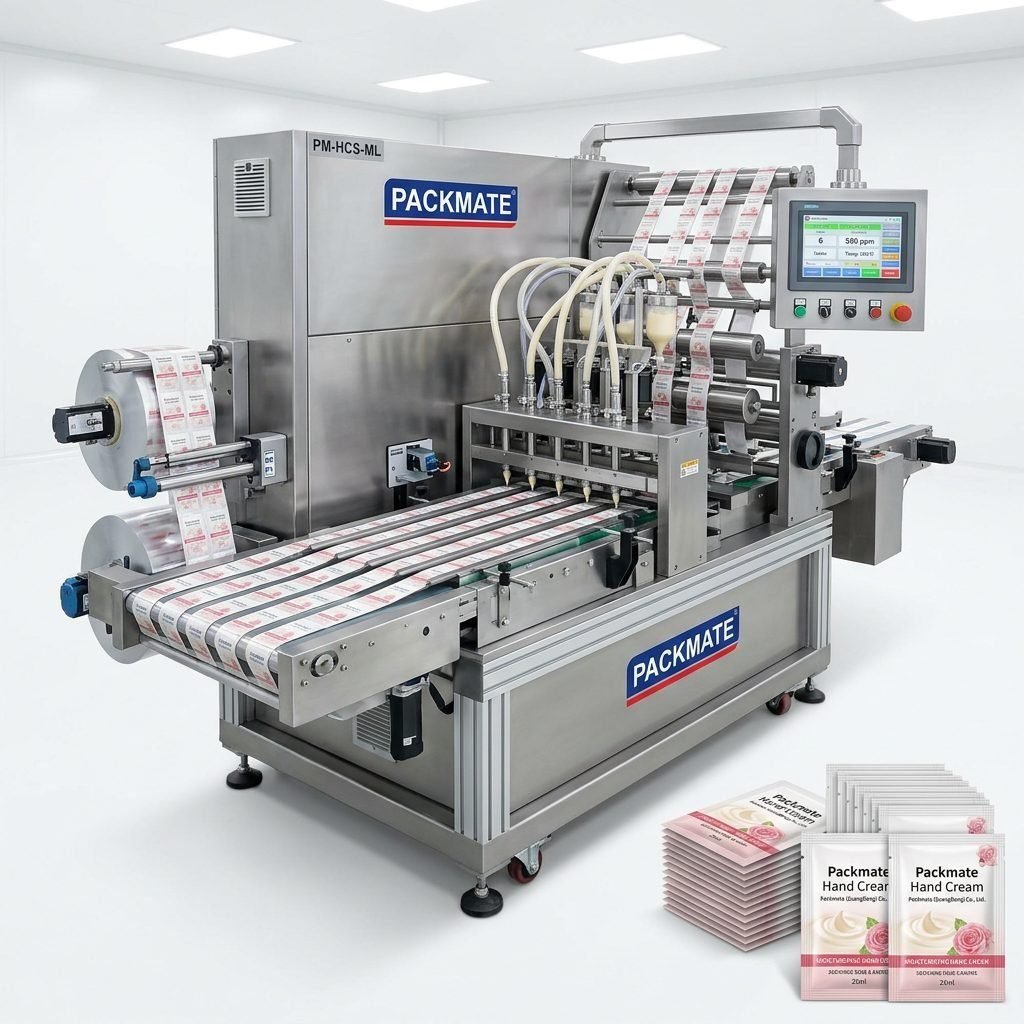
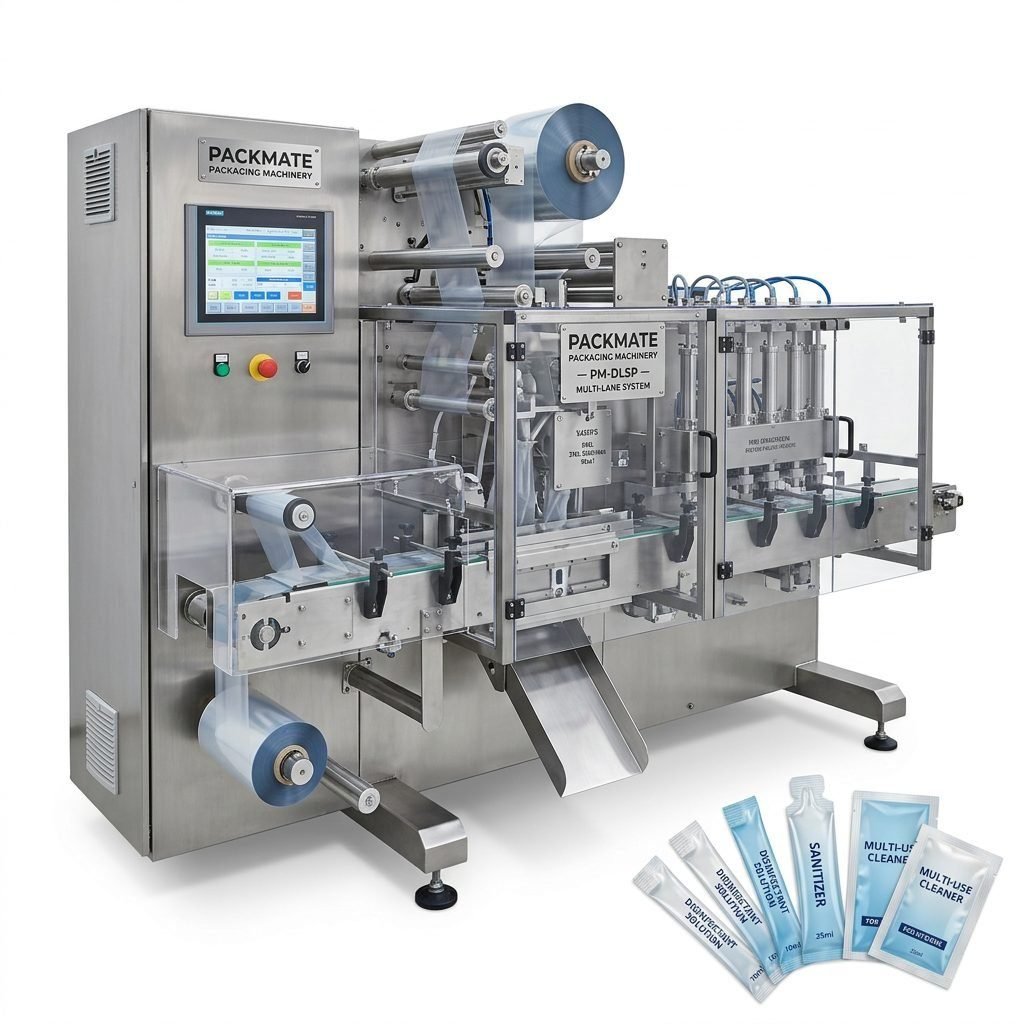
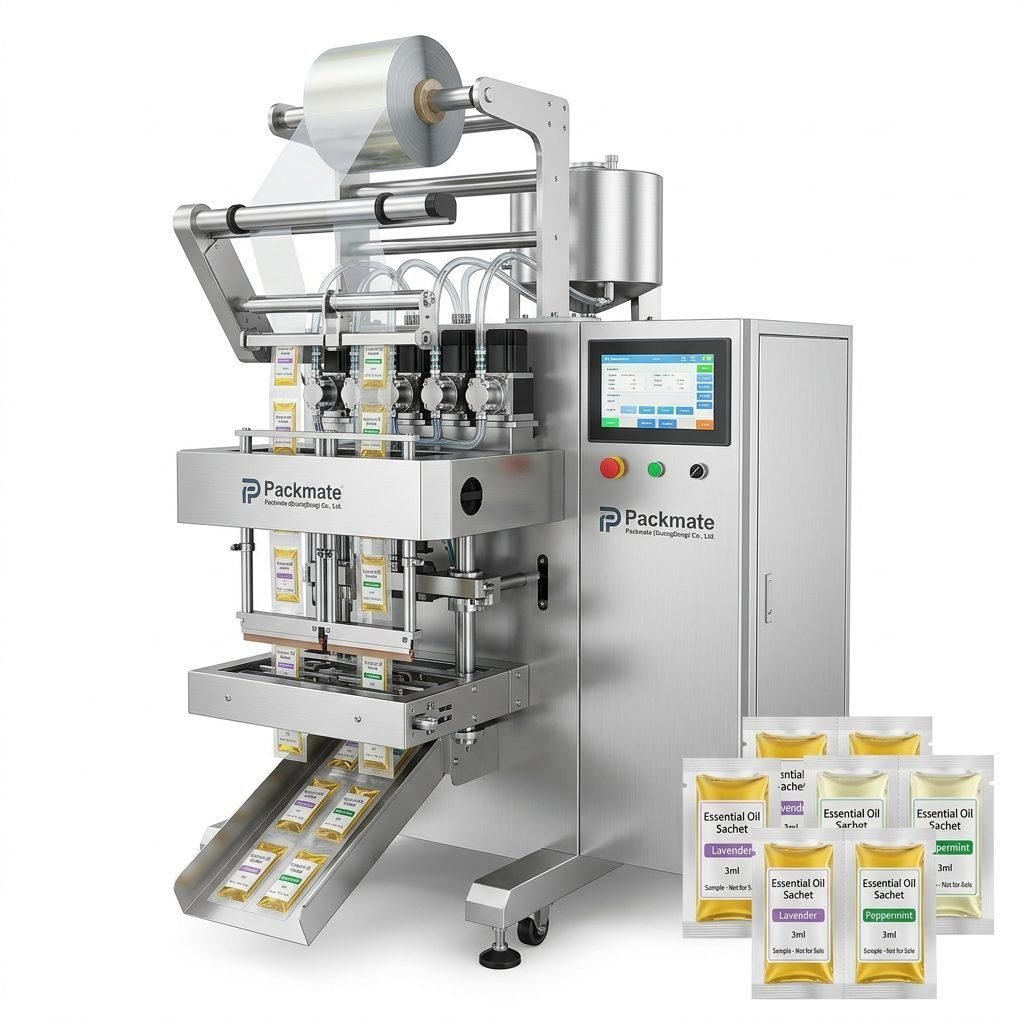
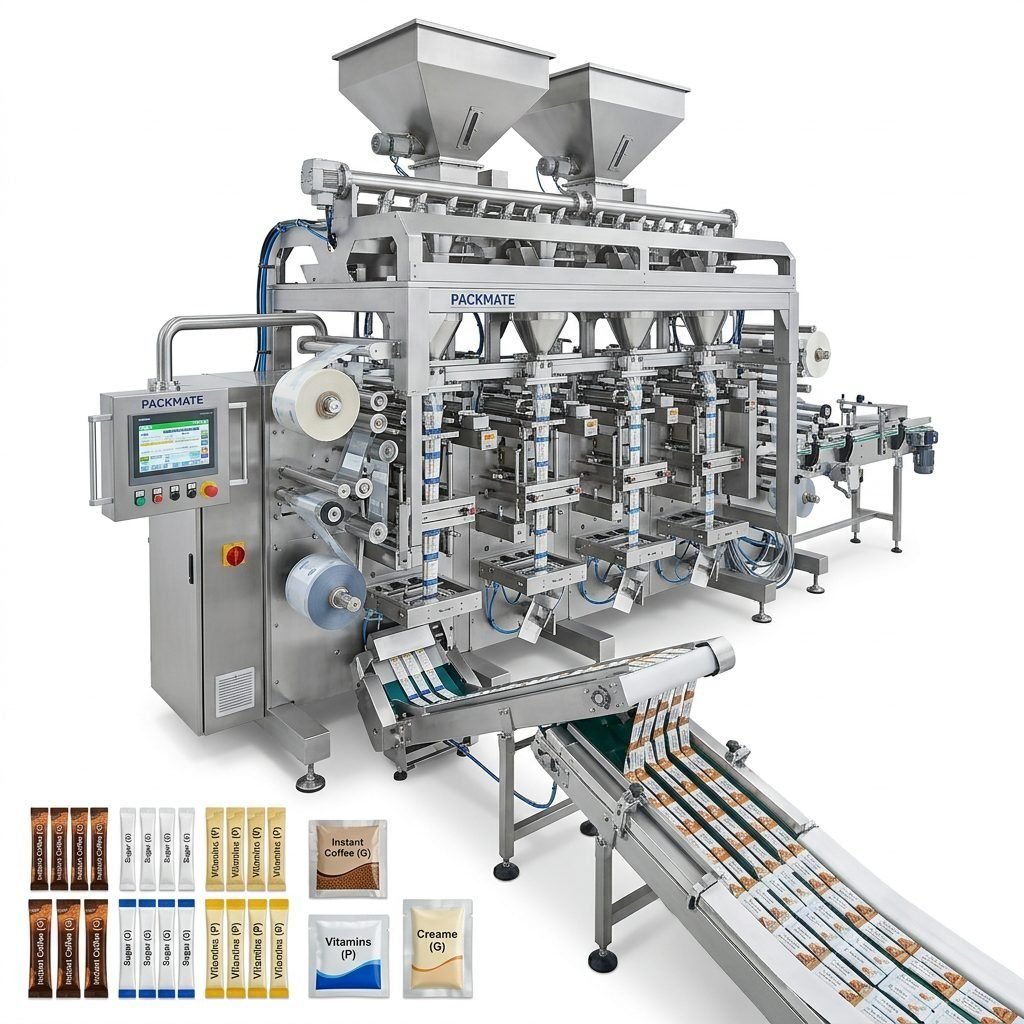
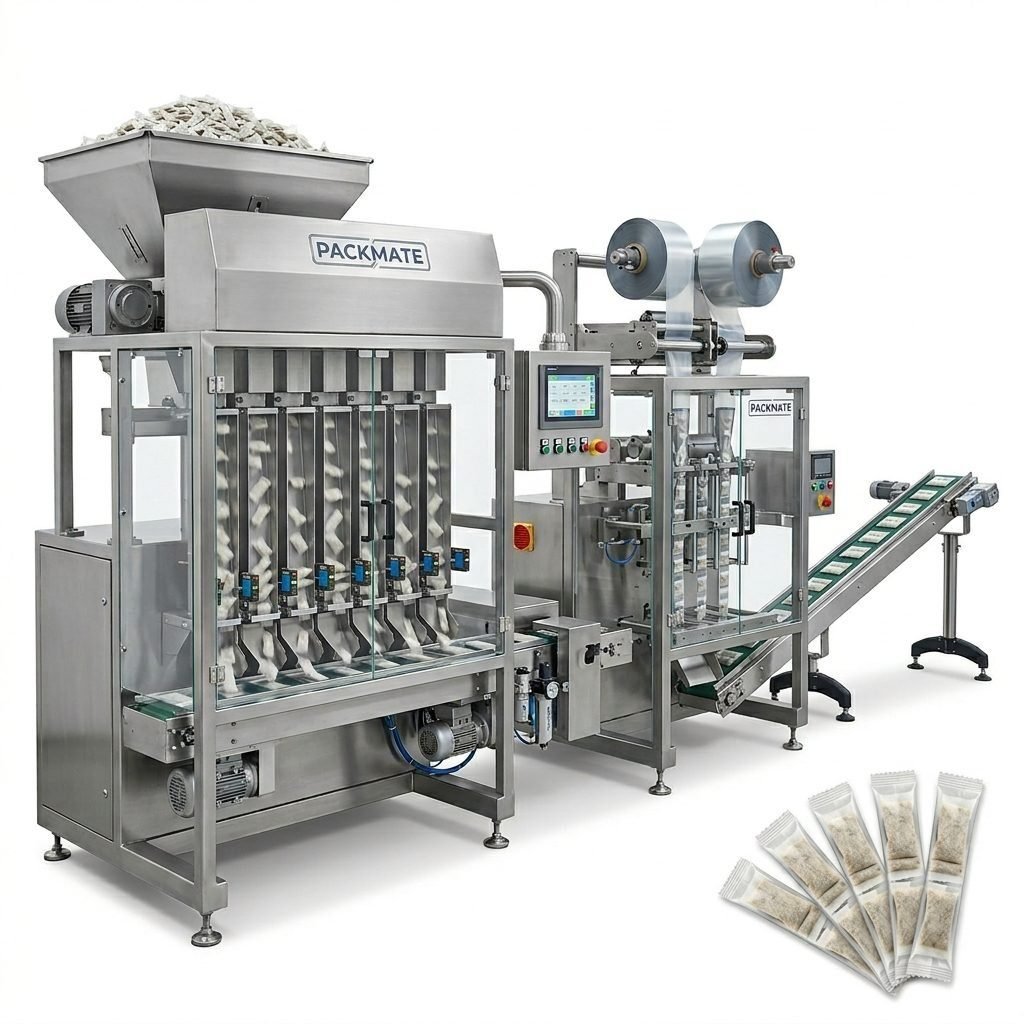
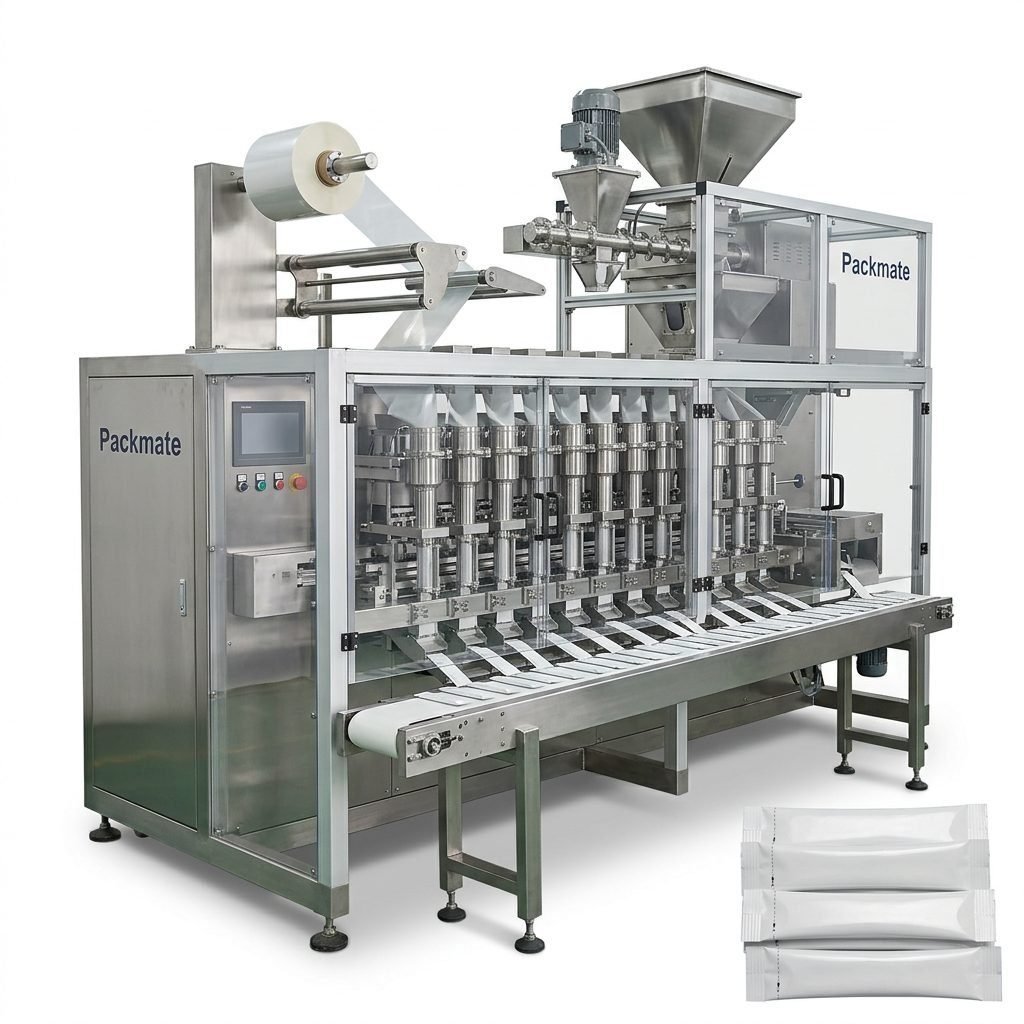
Armed with data, the consultant translates your needs into precise technical specifications. This involves recommending the type of machine (e.g., multi-lane stick pack, sachet, large bag filling) and creating a detailed feature list. They will evaluate options ranging from sachet & stick pack machines for single-serve portions to complete filling & packaging lines for higher-volume production. The output is a clear, comparative proposal outlining different technological paths.
Phase 3: Vendor Selection & Procurement Support
With a clear specification in hand, the consultant assists in identifying and vetting potential machinery suppliers. They leverage their industry network to source reputable manufacturers, evaluate proposals, and facilitate communication. Their expertise is crucial during factory audits and technical negotiations, ensuring you partner with a provider that offers robust quality, reliable after-sales service, and a proven track record, much like the standards upheld by established firms such as Packmate Machinery.
Phase 4: Implementation & Operational Handover
The consultant’s role continues through installation, commissioning, and staff training. They oversee the machine’s integration into your line, coordinate between your team and the supplier, and help troubleshoot initial teething problems. A critical deliverable is a comprehensive operational handover, ensuring your personnel are fully trained and confident in running and performing basic maintenance on the new system.
When Should You Engage a Packaging Consultant?
Consider seeking expert advice in these specific scenarios:
Launching a New Product: The packaging format is integral to the product’s success. A consultant ensures the chosen machinery delivers the desired presentation and functionality from day one.
Scaling Production Capacity: Moving from semi-automatic to fully automated lines is a significant leap. A consultant designs a scalable solution that grows with your business.
Facing Persistent Quality Issues: If you’re experiencing frequent seal failures, inaccurate fills, or high rejection rates, a consultant can diagnose whether the root cause is machine-related and prescribe the correct remedy.
Maximizing the Value of Your Consultation
To get the most from a consulting partnership, come prepared. Gather data on your current production rates, downtime logs, and quality control reports. Clearly define your budget parameters and long-term business goals. Be open to challenging existing processes—a good consultant will ask probing questions to uncover hidden inefficiencies. View the engagement as a collaborative project where shared knowledge leads to the optimal outcome.
Conclusion: An Investment in Operational Excellence
In today’s competitive market, packaging is a dynamic element of your business strategy. Packaging machine consulting services provide the clarity and confidence needed to make capital investments that drive efficiency, ensure quality, and support brand integrity. By leveraging external expertise, you bypass the trial-and-error approach, accelerating your path to a more productive, reliable, and profitable packaging operation.
Frequently Asked Questions (FAQs)
1. What is the typical cost range for packaging machine consulting services?
Costs vary widely based on project scope and complexity, ranging from a fixed fee for a basic assessment to a percentage-based model for full turnkey project management. Most consultants offer an initial discovery call to define needs and provide a transparent quote.
2. How do consultants stay updated on new packaging technologies?
Reputable consultants actively participate in global industry exhibitions, maintain networks with leading manufacturers and research institutes, and continuously evaluate new equipment, ensuring their advice reflects the latest advancements in automation and smart packaging solutions.
3. Can a consultant help with retrofitting or upgrading my existing machinery?
Absolutely. A key part of a consultant’s role is to evaluate whether upgrading or retrofitting current equipment is a more cost-effective solution than a complete replacement. They can identify compatible upgrades and oversee the integration process.
4. What should I look for when choosing a packaging consultant?
Prioritize proven industry experience, a strong track record with projects similar to yours, clear methodology, and absolute vendor neutrality. Request case studies or client references to validate their expertise and results.
5. How long does a standard consulting project usually take?
A complete engagement from assessment to operational handover can take anywhere from a few weeks for a simple machine selection to several months for designing and implementing a complex, multi-machine production line. The timeline is established during the initial project planning phase.