In the fast-paced world of food service, efficiency is not just a goal—it’s a necessity for survival and growth. For businesses centered around pizza, a beloved global staple, the challenge extends beyond crafting the perfect crust and blend of toppings. It involves delivering that product to the customer in a state that preserves its quality, temperature, and appeal. This is where specialized pizza packaging machinery becomes a game-changer, transforming a logistical hurdle into a streamlined competitive advantage.
The Critical Role of Packaging in the Pizza Business
Pizza presents unique packaging challenges. It requires ventilation to prevent sogginess, structural integrity to prevent crushing, and thermal retention to keep it hot. Manual or generic packaging solutions often fall short, leading to customer dissatisfaction, waste, and negative reviews. Investing in automated pizza packaging solutions directly addresses these pain points by ensuring consistency, hygiene, and speed.
An efficient packaging line does more than wrap a product. It safeguards your brand’s reputation with every delivery. By guaranteeing that a pizza arrives as intended—hot, intact, and appetizing—you turn a simple transaction into a reliable, repeatable customer experience that builds loyalty.
Key Benefits of Automated Pizza Packaging Systems
Transitioning to an automated system offers multifaceted benefits that impact nearly every aspect of a food business’s operations.
Enhanced Operational Efficiency: Machines drastically outpace manual labor. A single automated system can handle hundreds of pizzas per hour, reducing bottlenecks during peak hours and allowing staff to focus on food preparation and customer service.
Superior Consistency and Hygiene: Every package is identical, eliminating human error. The automated, touch-free process also maintains a higher hygiene standard, which is paramount in food handling and a critical concern for consumers.
Significant Cost Reduction: While the initial investment is a consideration, the long-term savings are substantial. Automation reduces labor costs, minimizes material waste through precise application, and decreases losses from damaged or poorly packaged goods.
Improved Brand Presentation: Custom-printed boxes or films produced on-demand allow for vibrant branding, promotional messages, or even personalized orders, turning the package into a powerful marketing tool.
For businesses looking to scale, these systems are not an expense but a strategic investment. Exploring a range of packaging machinery solutions is the first step toward building a more resilient and profitable operation.
Core Components of a Pizza Packaging Line
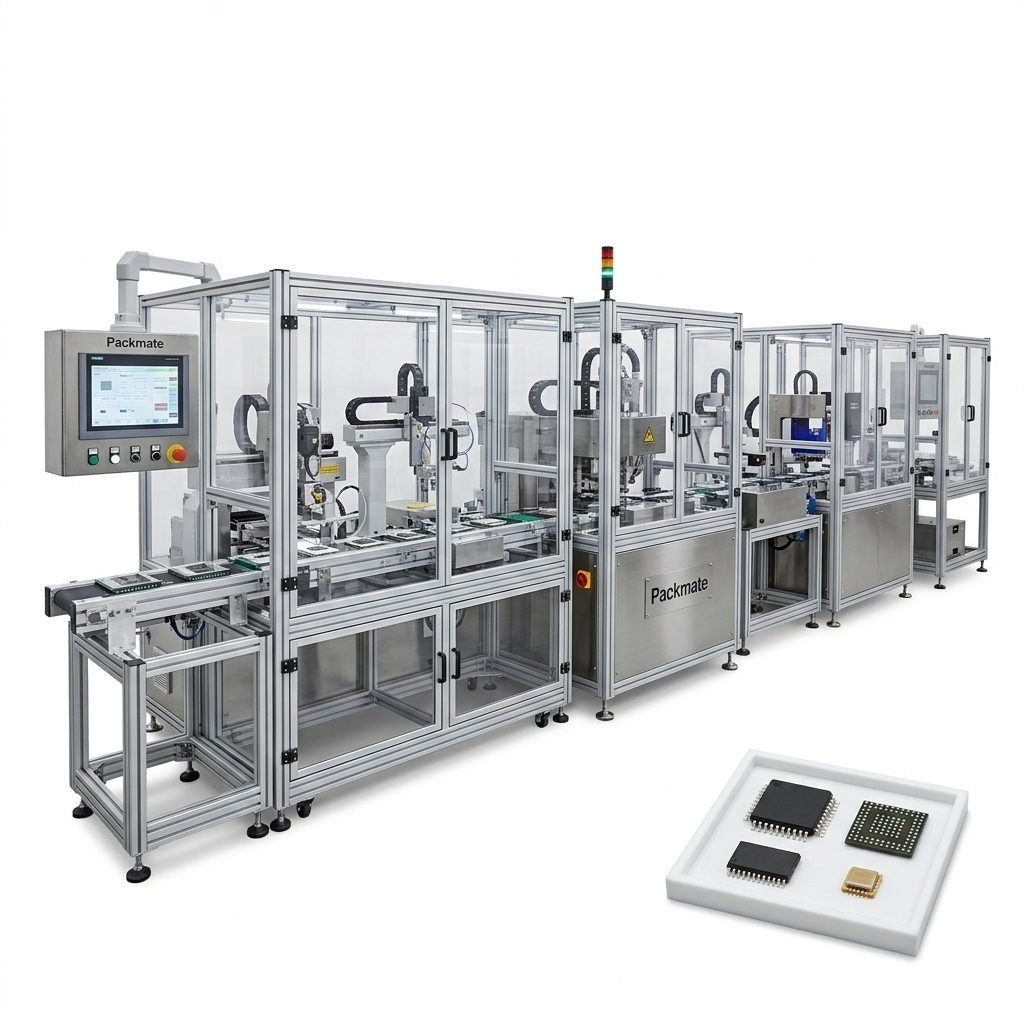
A complete solution is more than just a sealing machine. It is an integrated line designed for a seamless workflow.
1. Boxing and Tray Forming Systems
These machines automatically erect, fold, or form the pizza box or tray from a flat die-cut sheet. Advanced systems can handle various sizes and styles, from classic flat boxes to innovative compartmentalized trays for side items.
2. Loading and Placement Automation
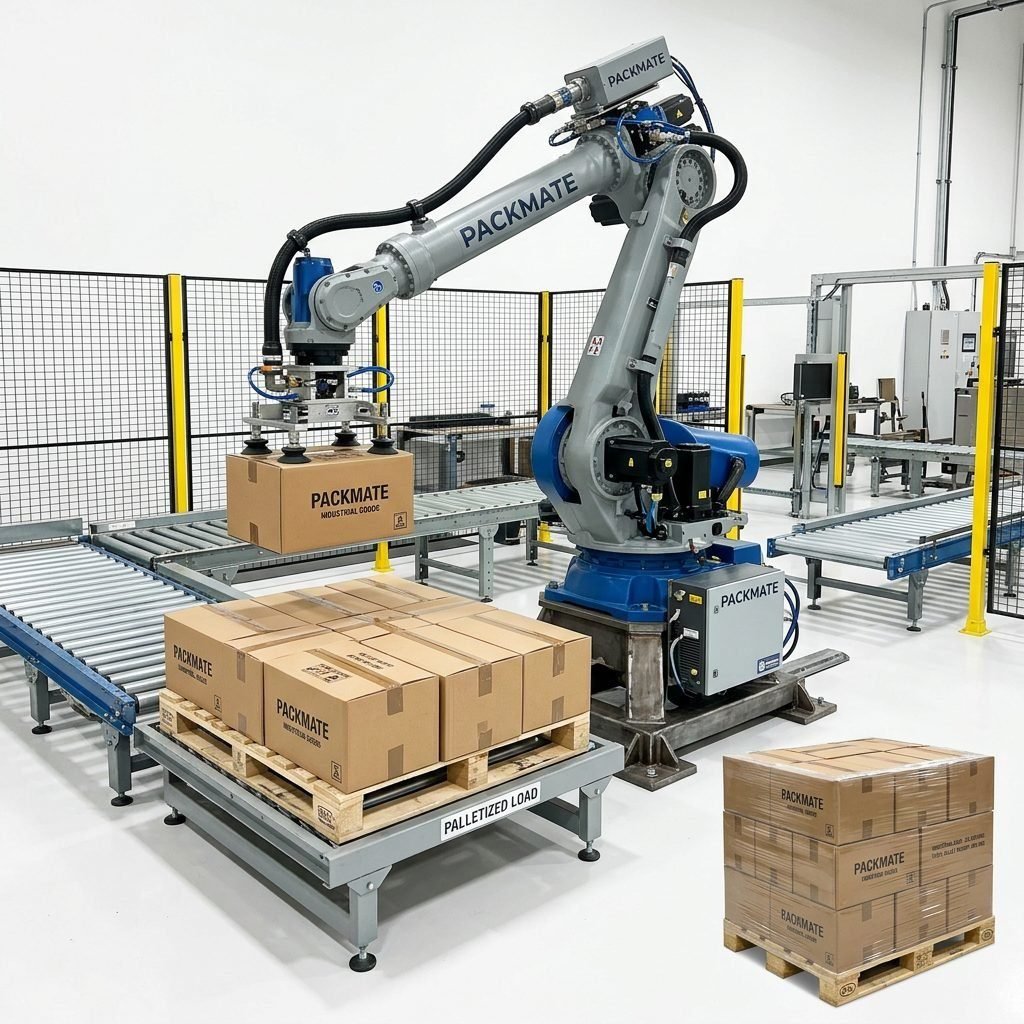
Robotic arms or conveyor-guided systems gently but precisely place the finished pizza into the waiting box. This step is crucial for preventing topping displacement and maintaining the product’s visual integrity.
3. Sealing and Closing Units
Once loaded, the package must be securely closed. This can involve automatic flap folding, adhesive sealing, or heat sealing for certain film-lid combinations, ensuring the pizza stays contained and hot during transit.
Integrating these components creates a synchronized packaging line that moves product from the oven to the delivery driver with minimal manual intervention.
Choosing the Right Partner for Your Packaging Needs
Selecting the right equipment is only half the battle. Partnering with a knowledgeable and reliable manufacturer is critical for long-term success. A partner with deep industry experience brings invaluable insight into optimizing your specific workflow.
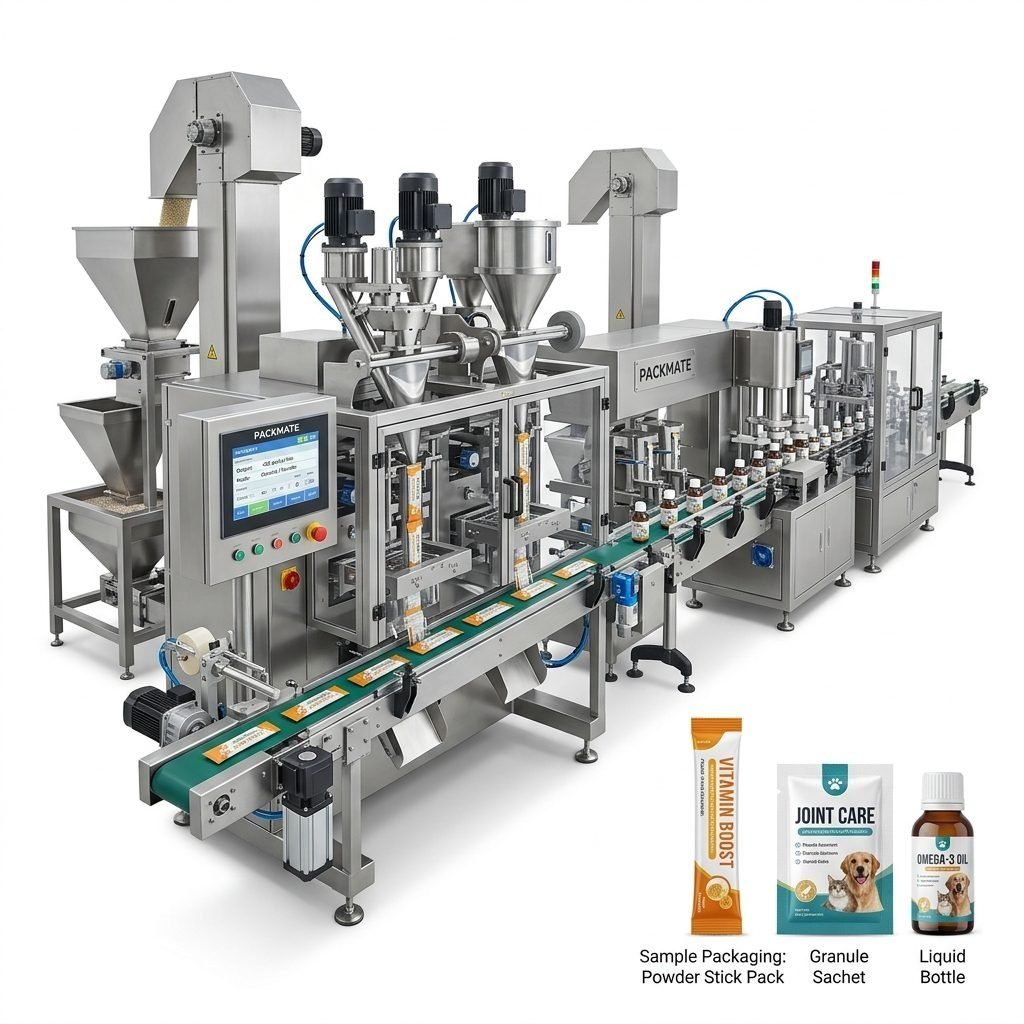
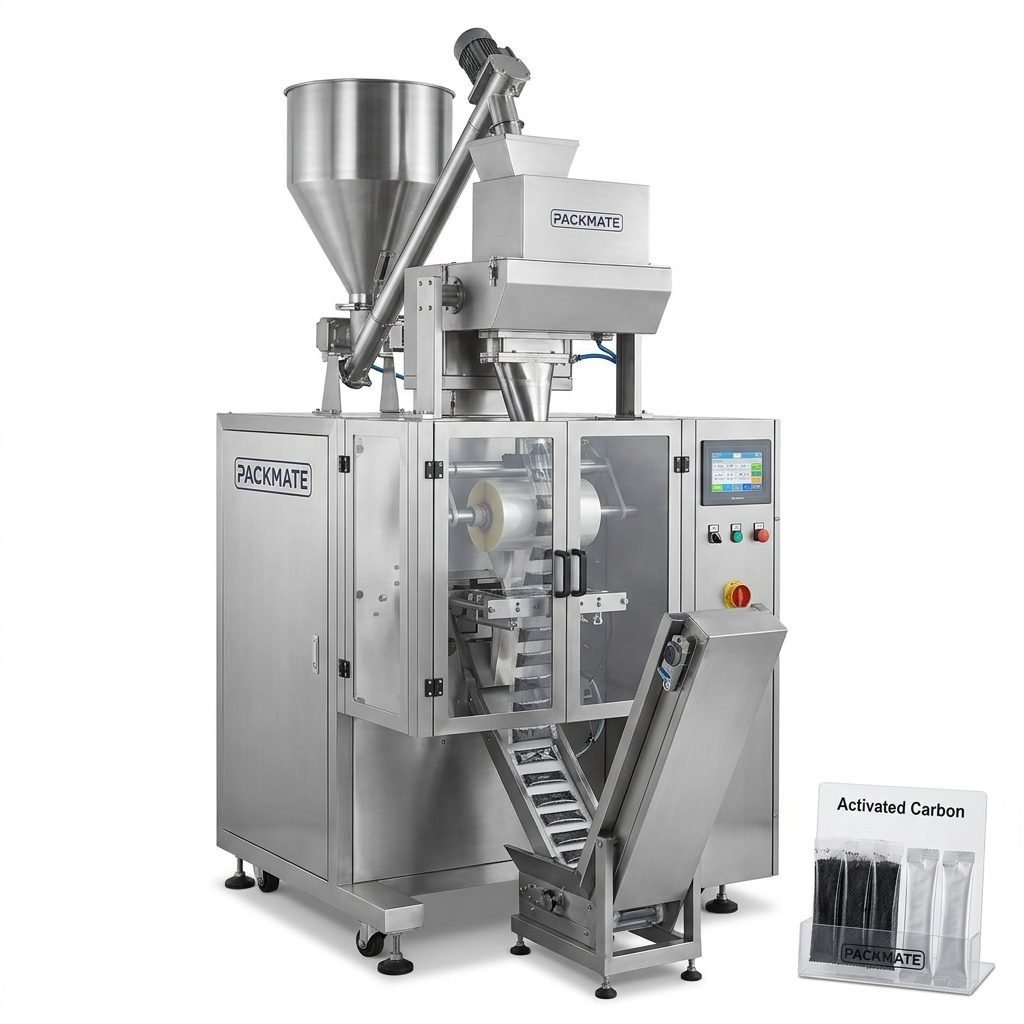
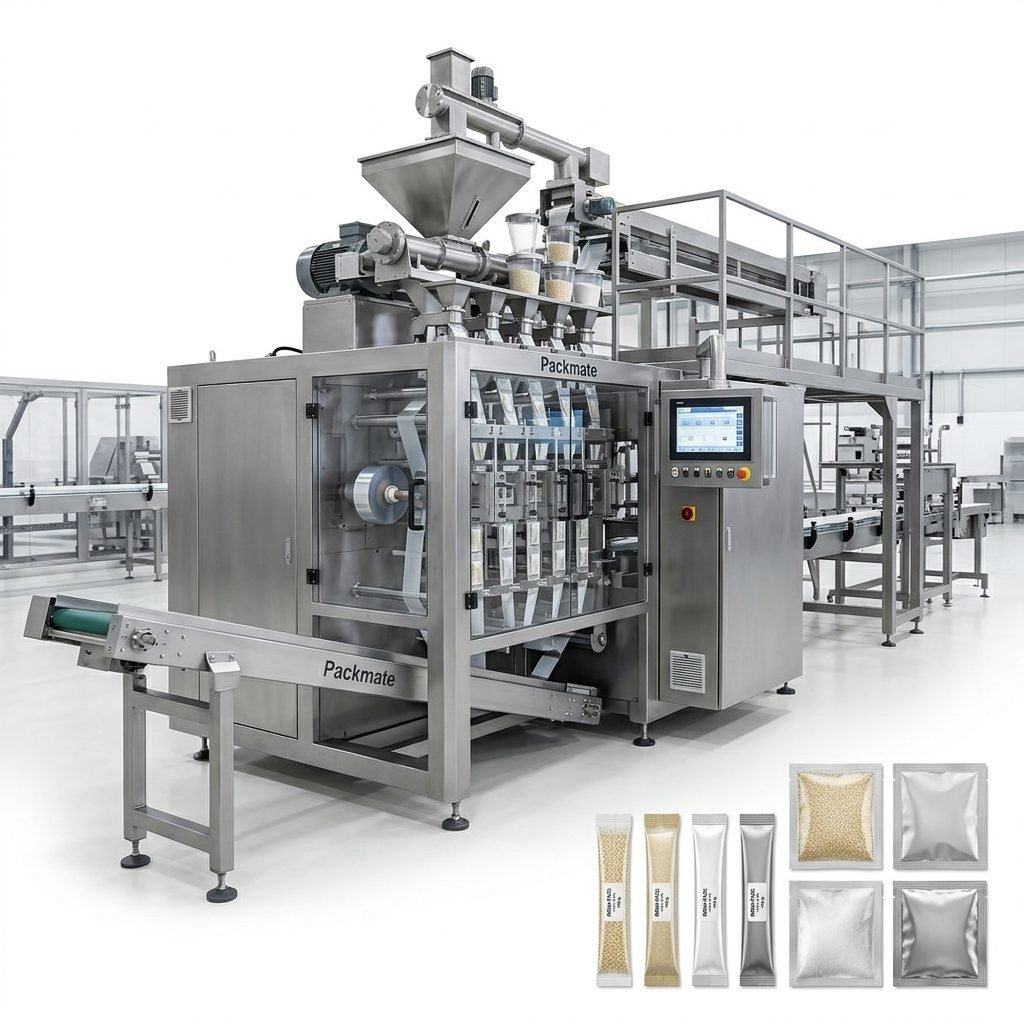
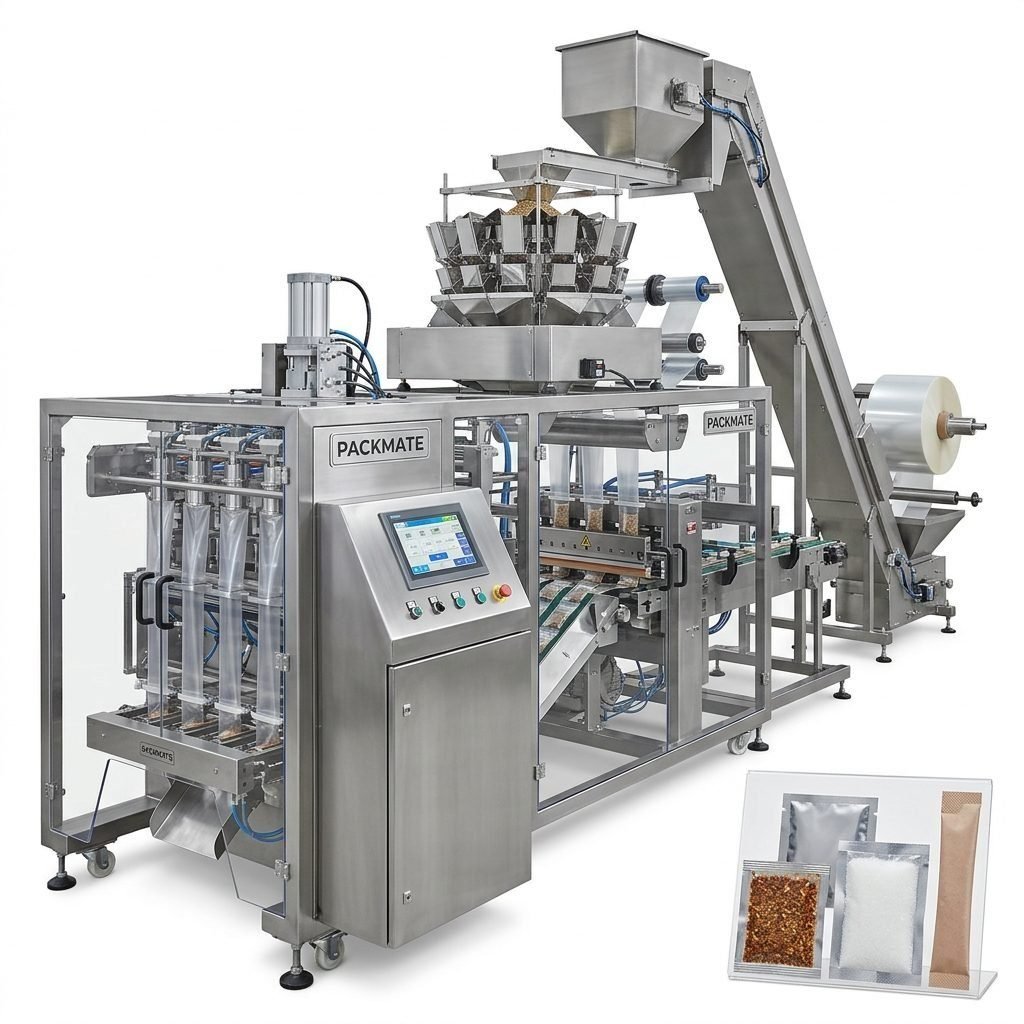
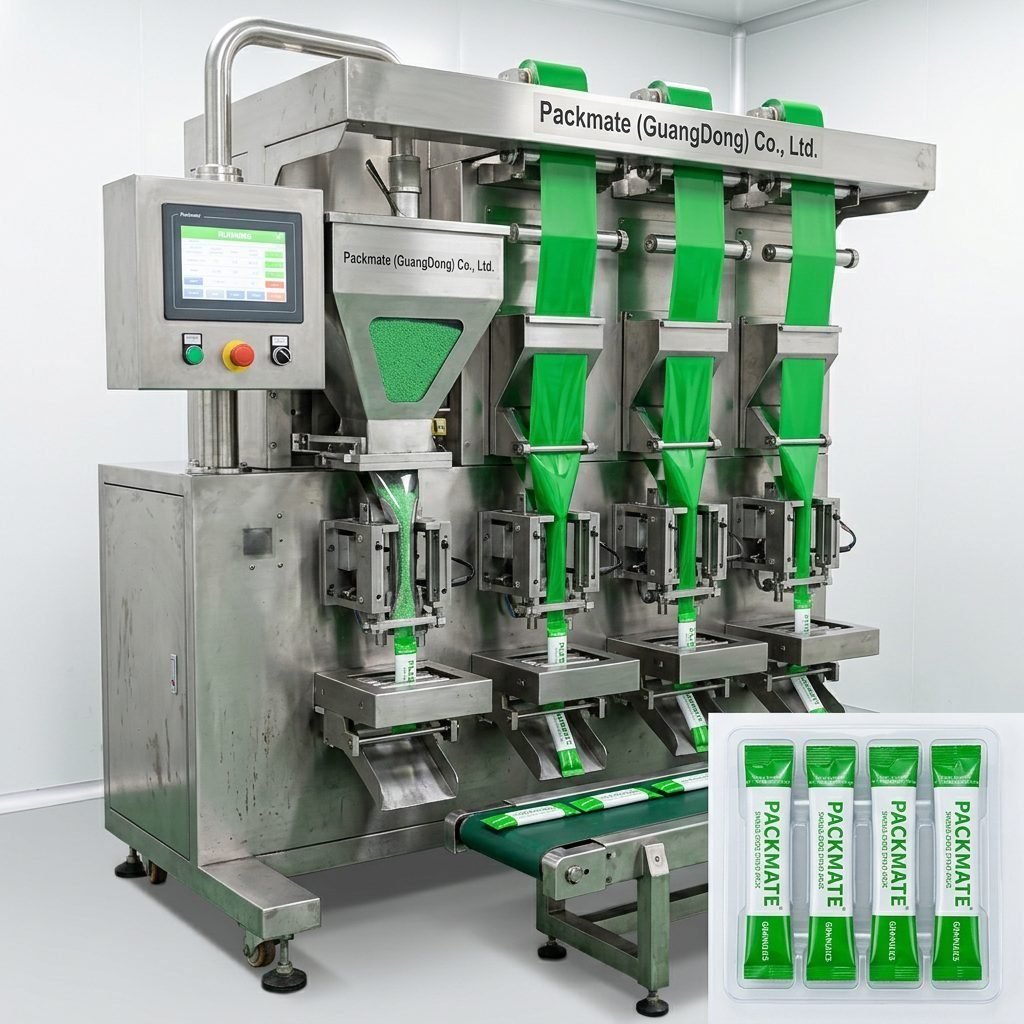
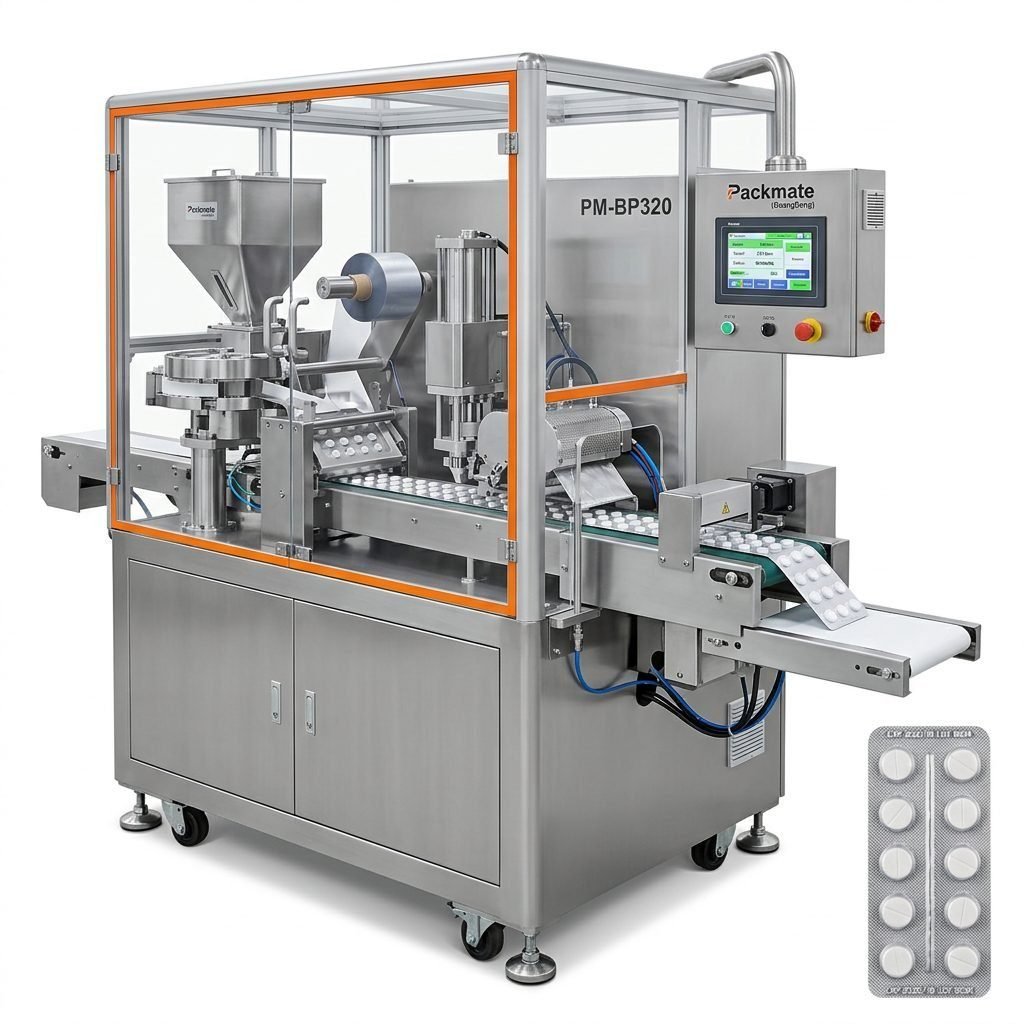
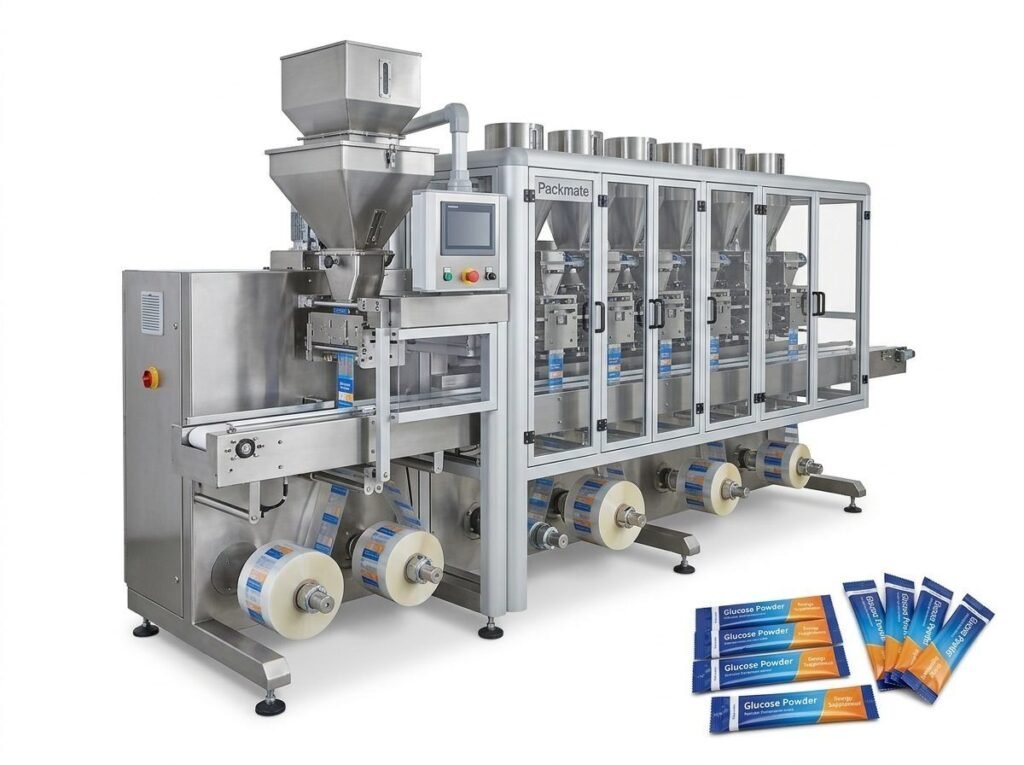
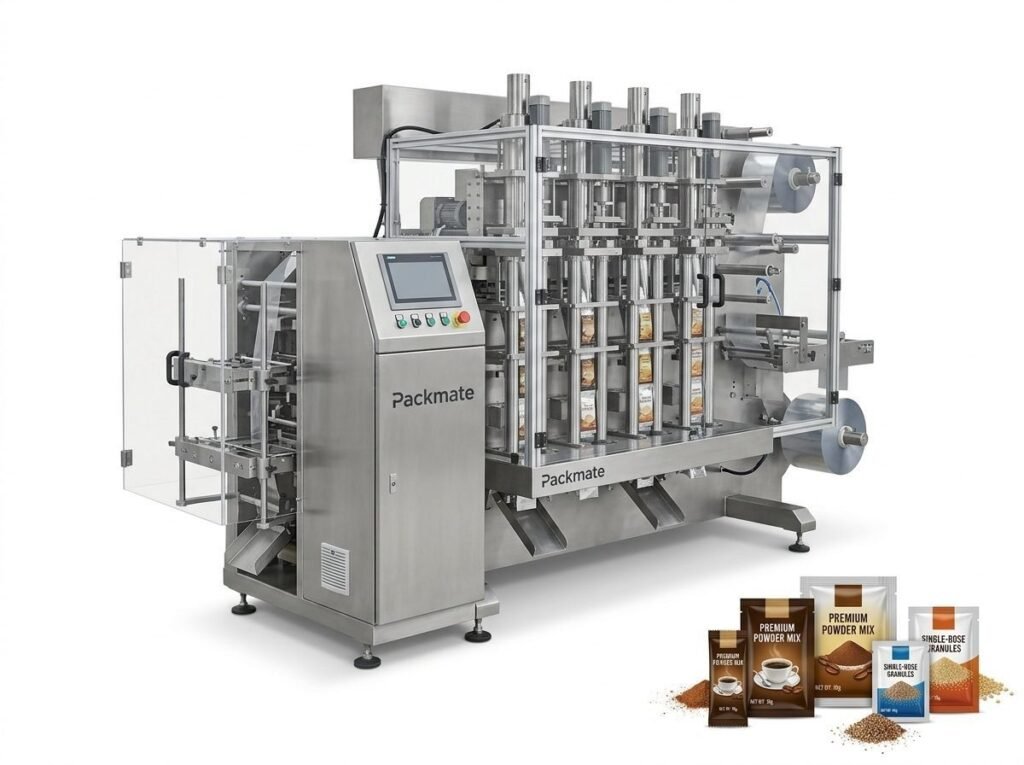
Consider a company like Packmate Machinery. With over 22 years of development in the packaging industry, they understand the evolution of market demands. Starting from a focused workshop in 2003, their journey mirrors the growth many food businesses aspire to. Today, operating from a modern 20,000㎡ facility in Guangdong, they have expanded their portfolio to offer more than 50 machine models.
Their expertise isn’t limited to one type of packaging. While they are leaders in sachet and stick pack machines for condiments like parmesan cheese or chili flakes, their engineering principles of precision, reliability, and adaptability translate directly to the demands of larger-format food packaging. They focus on providing complete turnkey solutions, meaning they can design, integrate, and support the entire system tailored to your production volume and space constraints.
This holistic approach—from a skilled team of over 125 professionals to the use of 100+ advanced production equipment—ensures that the machinery delivered is not just a standalone unit but a core component of your business’s efficiency engine. Learning more about their company profile and history reveals a commitment to innovation and collaboration that is essential for a successful partnership.
Future-Proofing Your Business
The food industry is constantly evolving, with trends like cloud kitchens, hyper-local delivery, and sustainable packaging gaining momentum. A flexible packaging system allows you to adapt. Modern machines can often be reconfigured for different box sizes or integrated with software for real-time production data and traceability.
Furthermore, as environmental concerns grow, partnering with a manufacturer that can advise on or integrate machinery compatible with recyclable, compostable, or reduced-material packaging is a strategic move that aligns with consumer values and potential regulatory changes.
Implementing a robust pizza packaging machine solution is a definitive step toward building an efficient, scalable, and customer-centric food business. It streamlines operations, protects product quality, enhances brand image, and provides the agility needed to thrive in a competitive market.
Frequently Asked Questions (FAQs)
1. What is the typical production speed of an automated pizza packaging system?
Speeds vary based on the machine’s complexity and the packaging style. Basic automatic box formers and sealers can handle 20-30 boxes per minute, while integrated high-speed lines with robotic loading can exceed 60 packages per minute. A detailed assessment of your peak hour output is needed to specify the right system.
2. Can one machine handle different pizza sizes and box styles?
Yes, many modern systems are designed with changeover flexibility. They use quick-adjust mechanisms or digital settings to switch between different box dimensions (e.g., 10-inch, 12-inch, 14-inch) and styles (e.g., standard, deep-dish, or specialty trays) with minimal downtime, often in under 5 minutes.
3. How does automated packaging improve food safety and hygiene?
Automation creates a “hands-off” packaging process. The pizza is handled only by food-grade conveyors and robotic tools, significantly reducing the risk of contamination from human contact. This closed system is easier to clean and maintain, supporting higher HACCP and food safety standards.
4. What kind of maintenance do these machines require?
Regular preventative maintenance is key. This typically involves daily cleaning, weekly lubrication of moving parts, and periodic inspection of seals, sensors, and cutting blades. Reputable manufacturers like Packmate provide comprehensive operation manuals, training, and access to service support to ensure optimal uptime.
5. Is it cost-effective for a small or mid-sized pizzeria?
Absolutely. The ROI calculation isn’t based on size alone but on labor savings, reduced waste, and increased order capacity during rushes. There are scalable solutions suitable for growing businesses. The investment protects your product quality during delivery, which directly impacts customer retention and online reviews—a vital metric for all sizes of businesses.