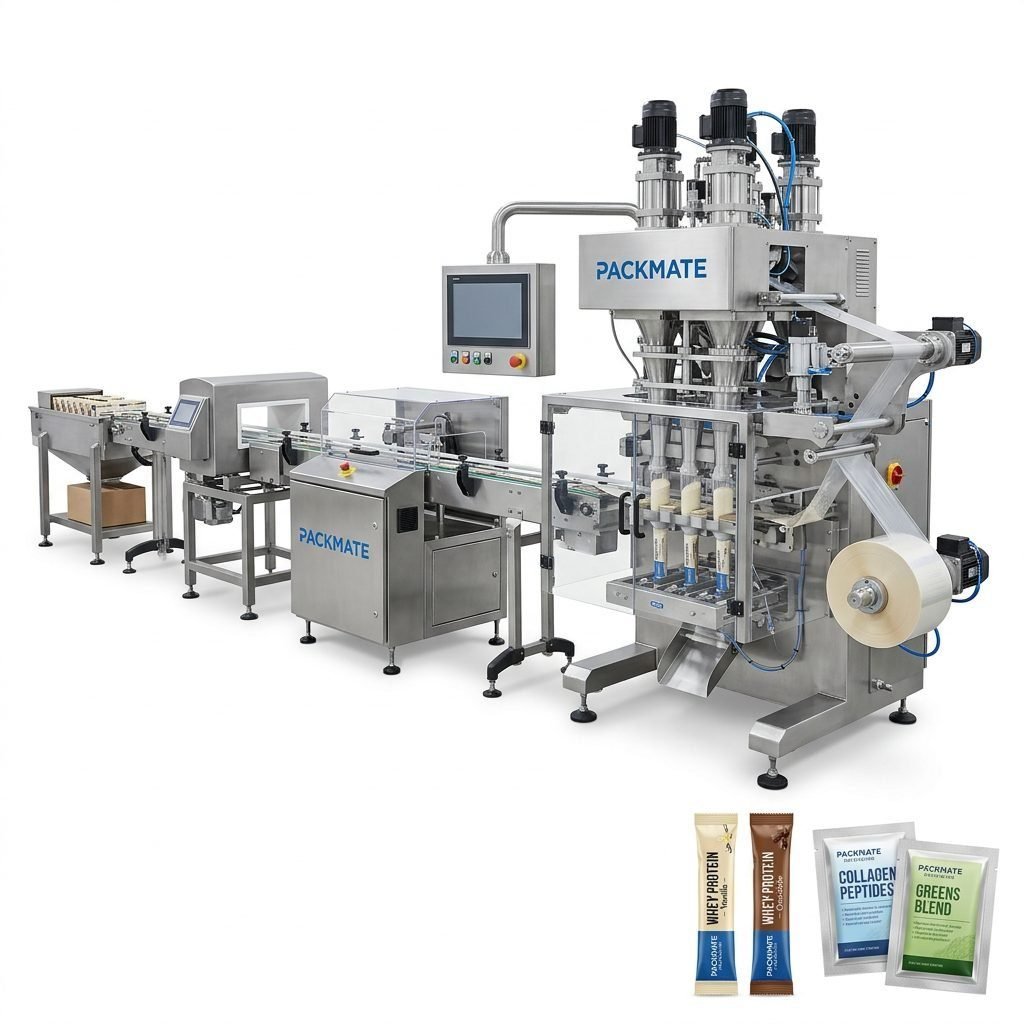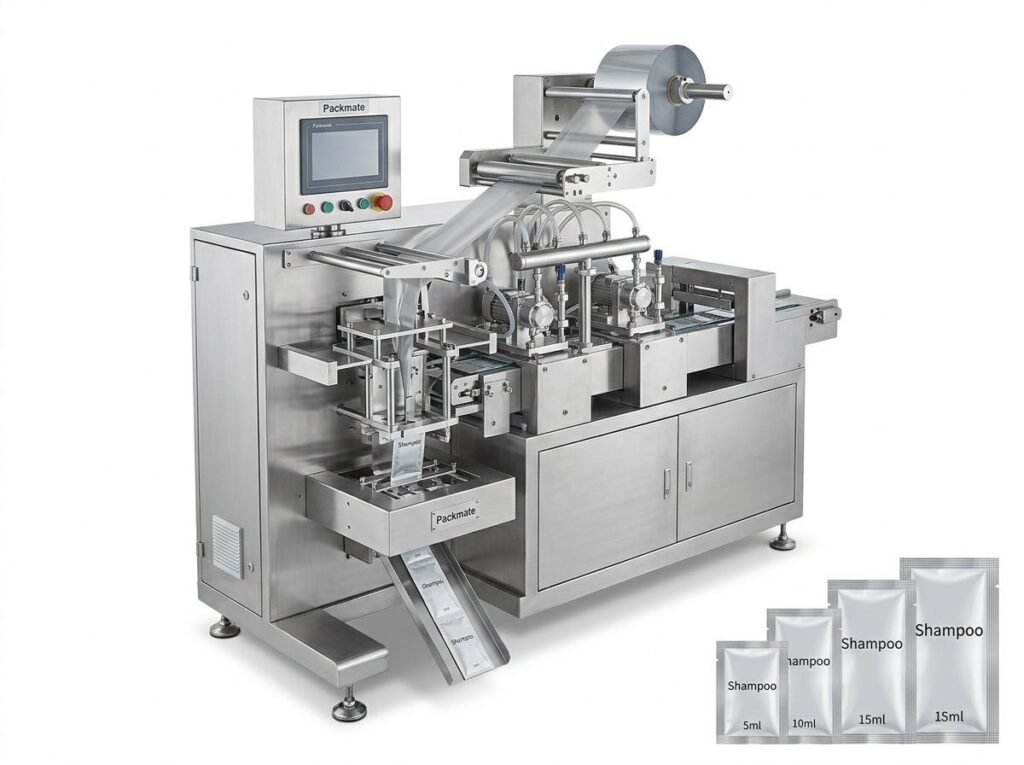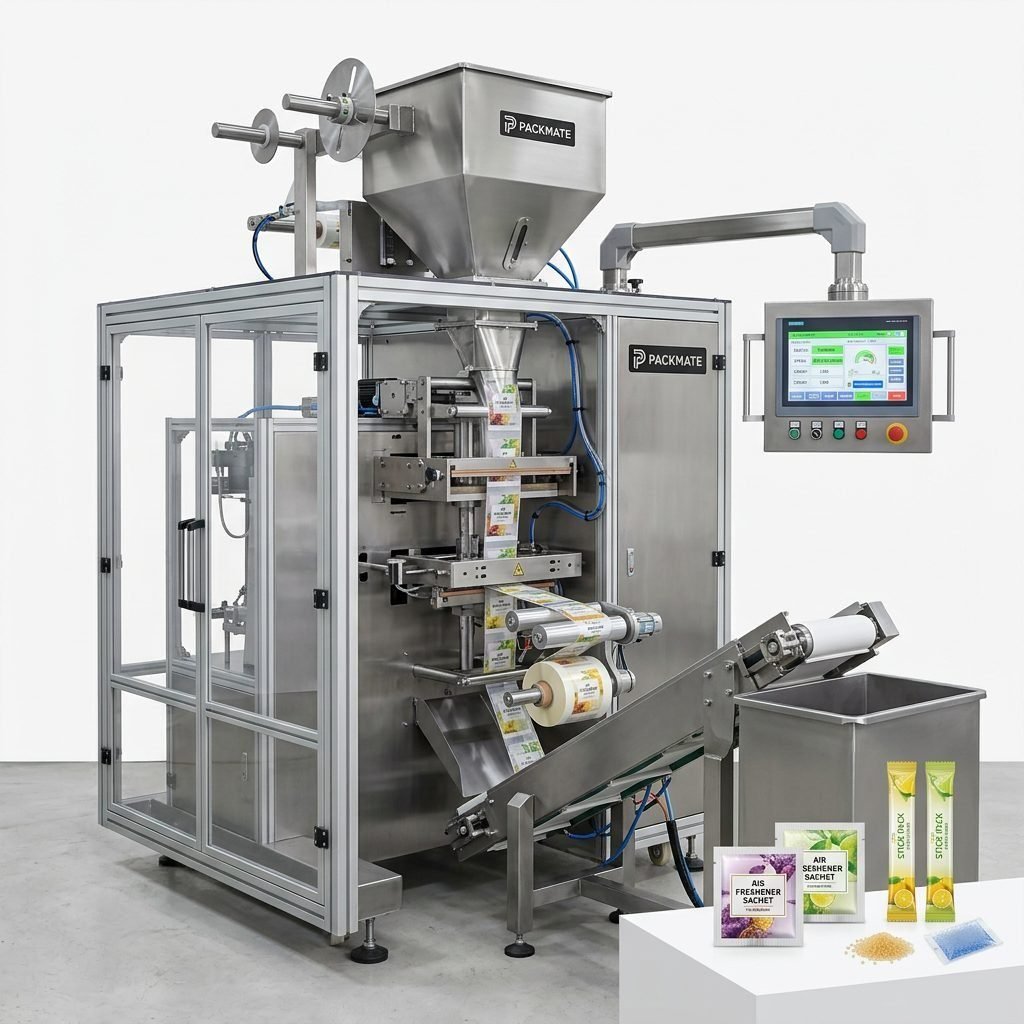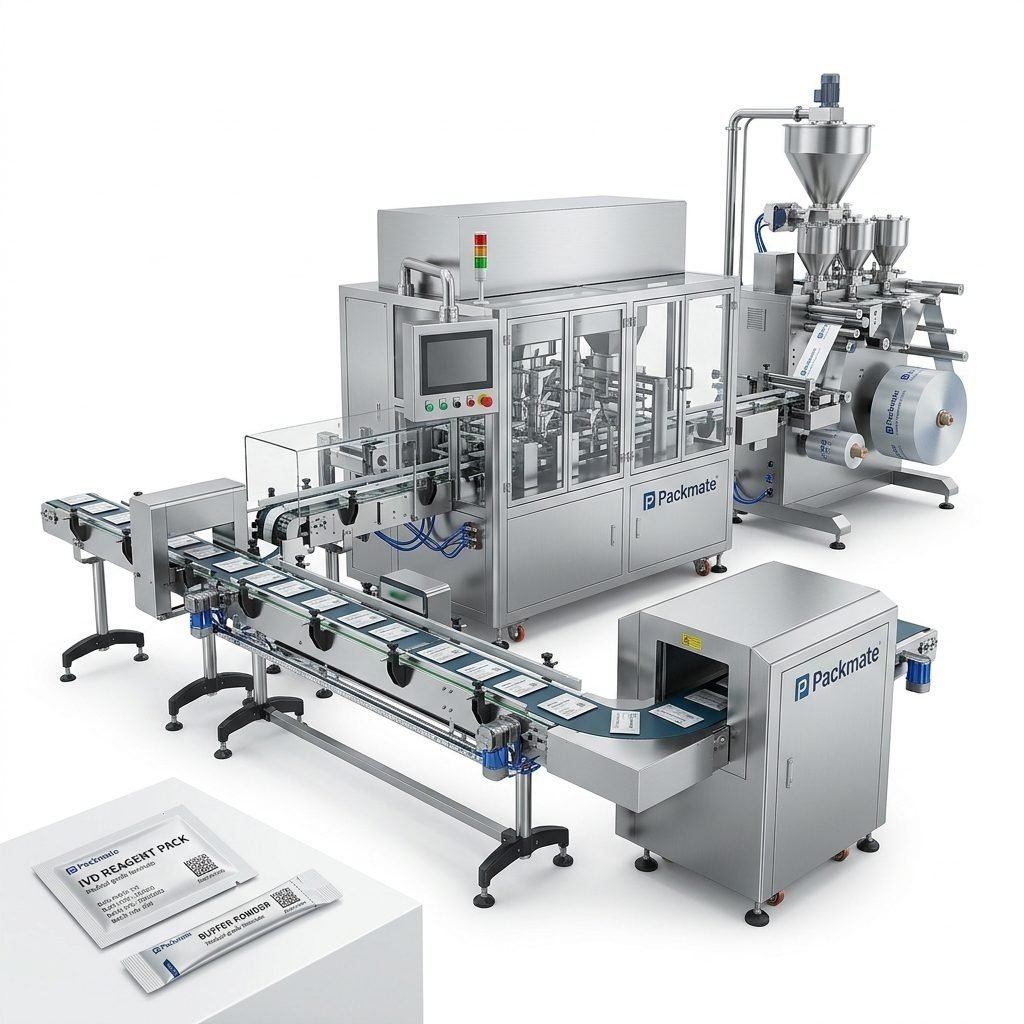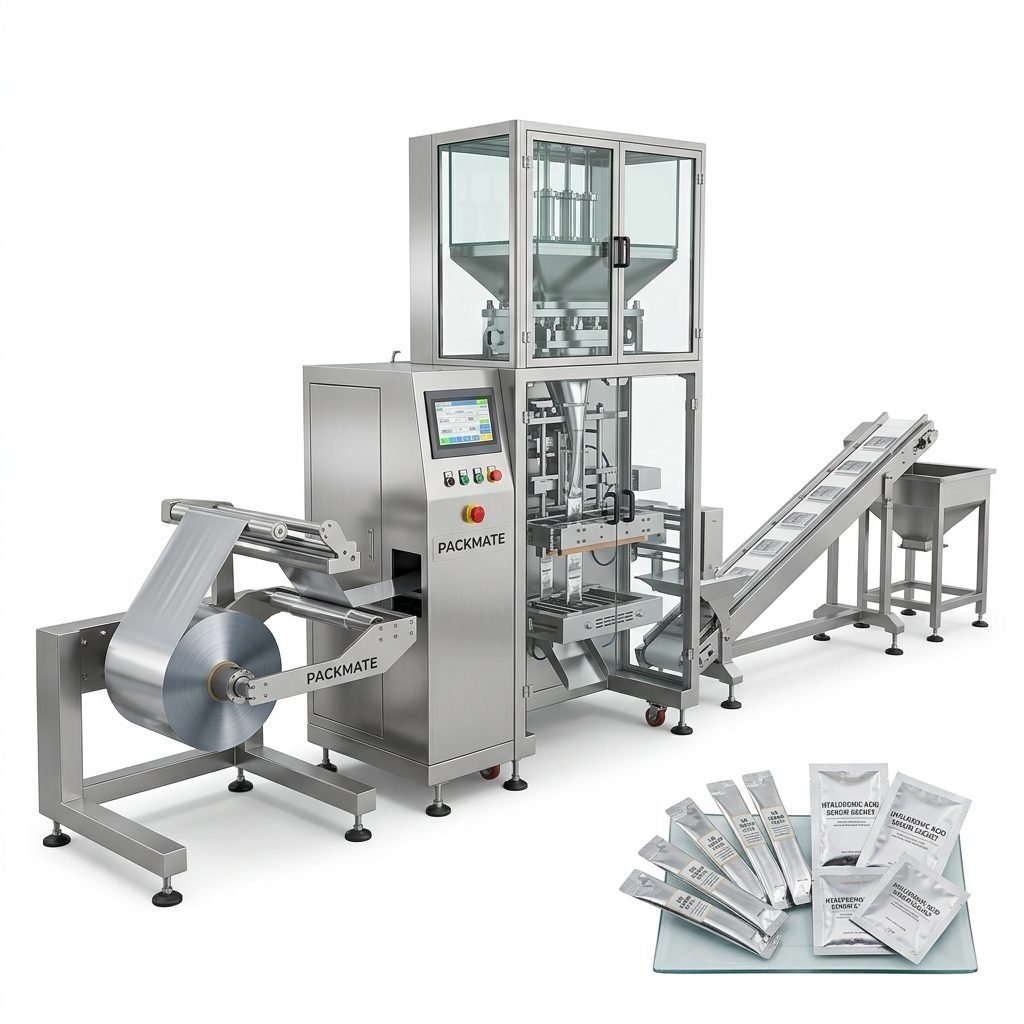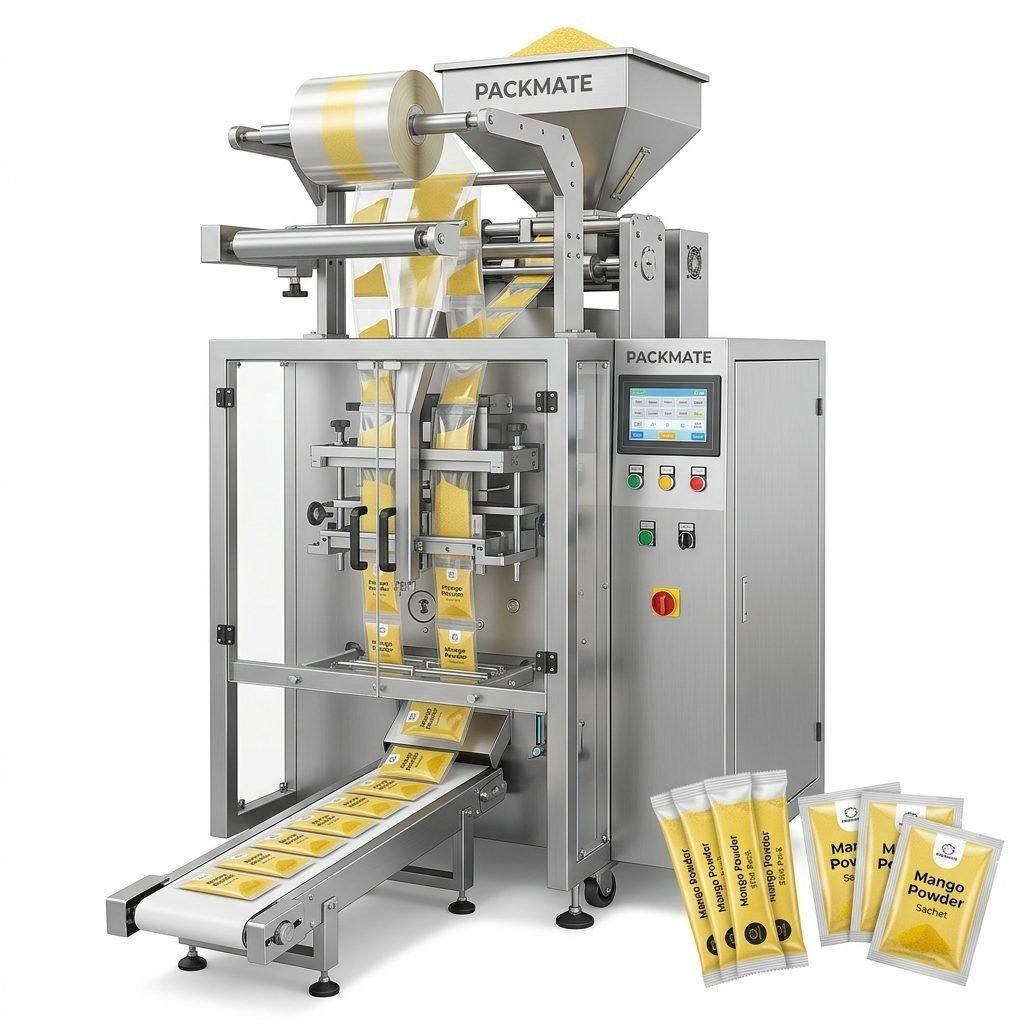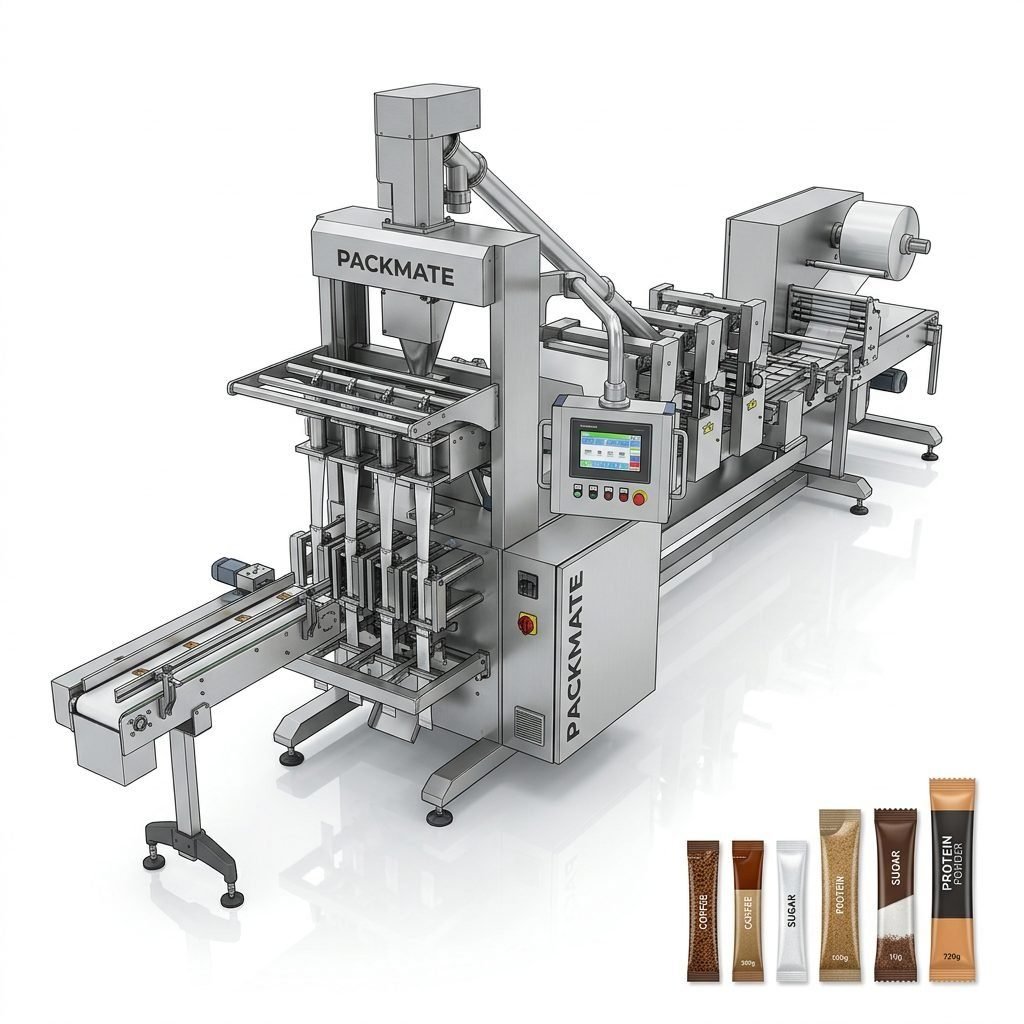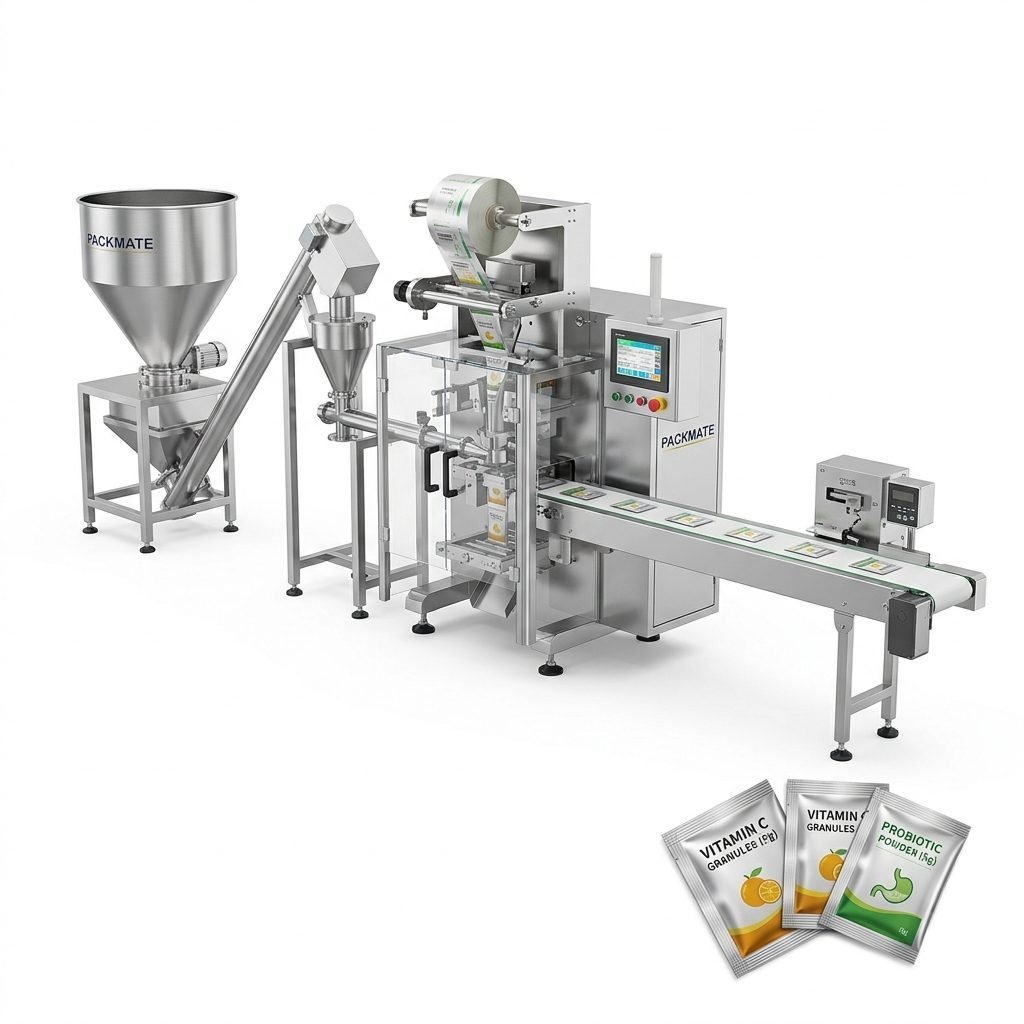
In the competitive landscape of powder packaging, selecting the right manufacturing partner is crucial for operational efficiency, product integrity, and market success. This expert guide delves into the world of top powder packaging machine manufacturers, exploring the key factors that define industry leaders and how their innovations are shaping the future of packaging for food, pharmaceuticals, and health products.
The Hallmarks of a Leading Powder Packaging Machine Manufacturer
Identifying a top-tier manufacturer goes beyond a simple product catalog. It involves assessing a company’s foundational pillars: technological innovation, production capability, industry experience, and commitment to quality. These elements combine to create reliable, high-speed, and precise packaging solutions that can handle a diverse range of powder densities and characteristics, from fine spices to granular supplements.
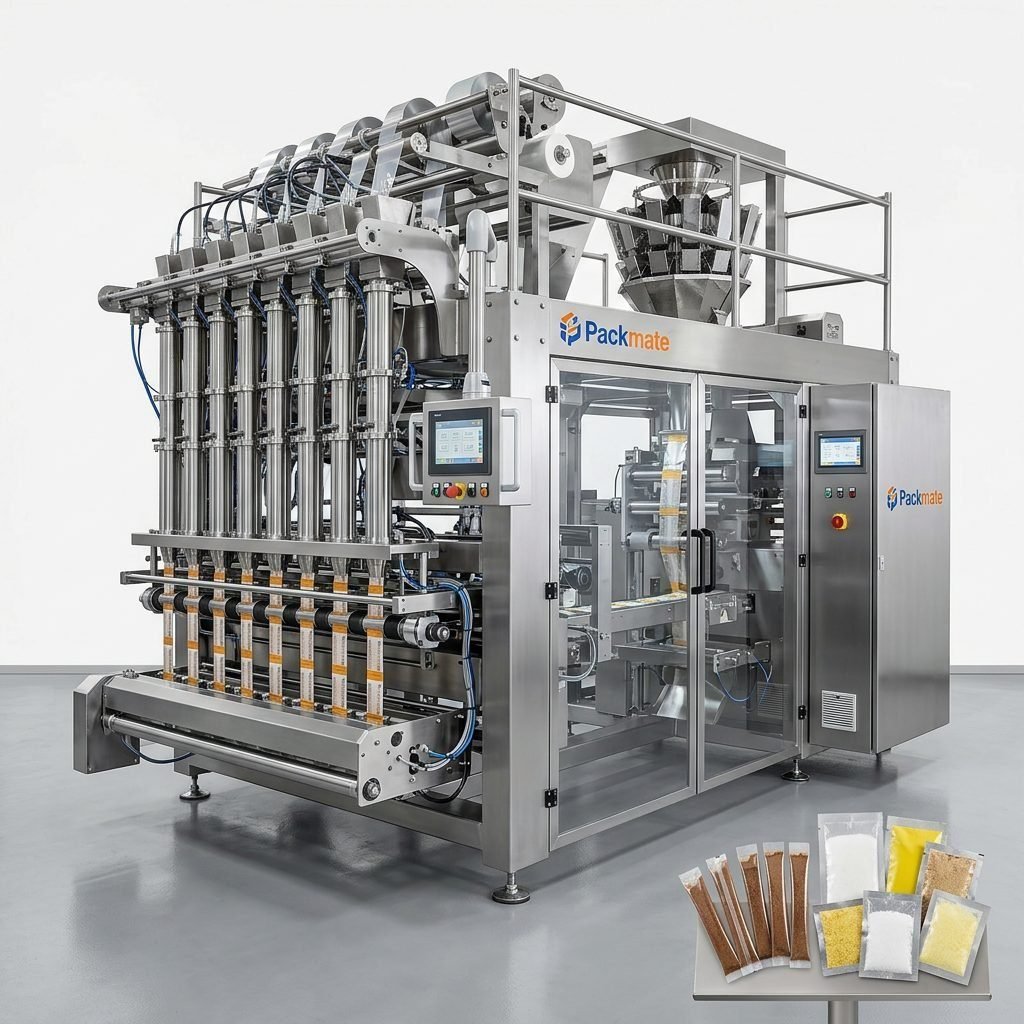
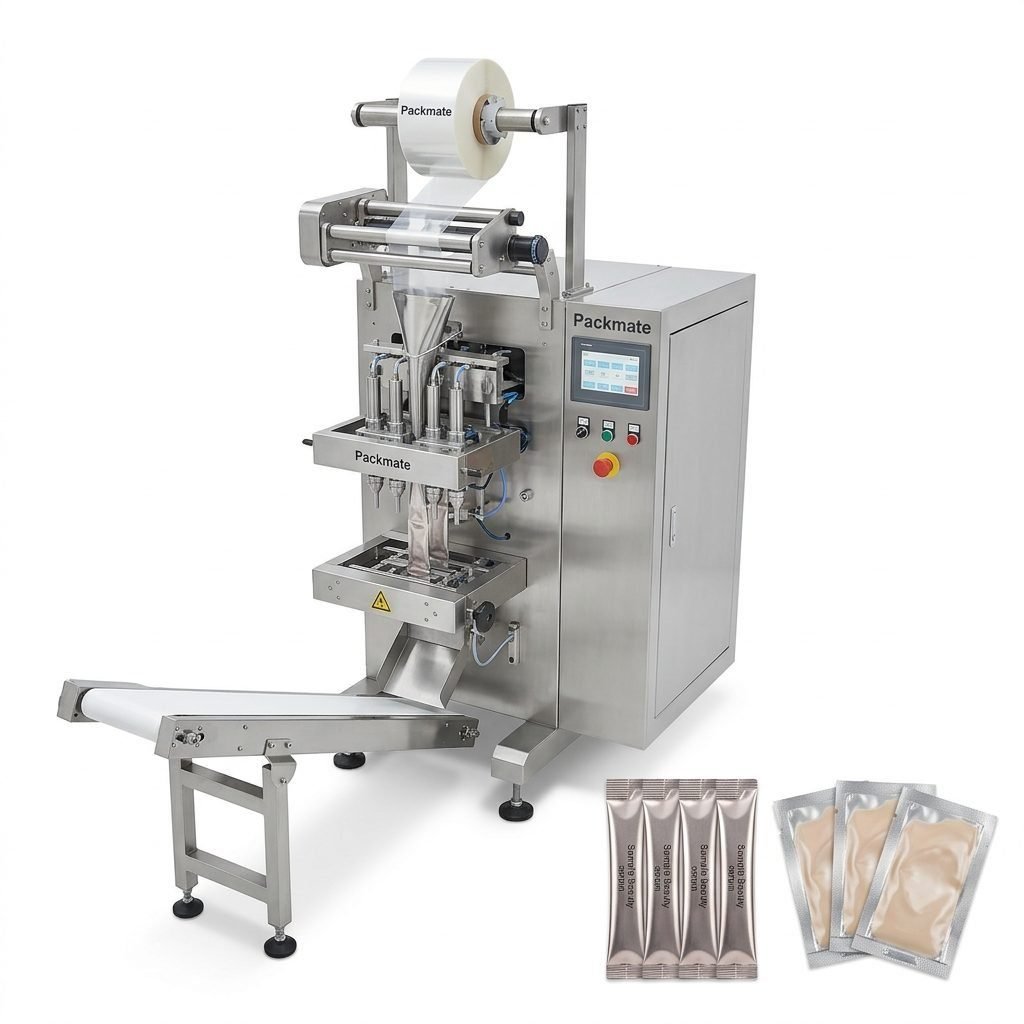
A leader in this field typically operates from a modern manufacturing facility, equipped with advanced production and testing lines. This ensures that every machine, from a single sachet packer to a complex multi-lane stick pack line, is built to rigorous standards. For instance, companies with over 20,000 square meters of production space demonstrate a significant capacity for scale and quality control, allowing them to serve a global clientele effectively.
Engineering Excellence and Customized Solutions
The core of any great packaging machine lies in its engineering. Top manufacturers invest heavily in R&D, employing teams of skilled engineers to solve unique packaging challenges. Whether you need a machine for sachet and stick pack formats or a complete integrated filling and packaging line, the ability to offer customized, turnkey solutions is a definitive marker of expertise. This approach transforms a standard piece of equipment into a strategic asset for your production floor.
Why Experience Matters
Decades of operation translate into invaluable practical knowledge. A manufacturer with over 30 years in the industry has navigated evolving market demands, material science advancements, and regulatory changes. This depth of experience is often rooted in a compelling company story—perhaps beginning in a small workshop driven by a passion for automation, like many industry pioneers. This historical perspective fuels a culture of continuous improvement and resilience.
Global Reach with Localized Understanding
The best manufacturers think globally but understand local nuances. Serving an international market requires machines that comply with various safety and quality standards, such as CE certification. Furthermore, a nuanced understanding of different regional market needs—whether for portion-controlled packaging in Europe or high-volume bulk packing in other regions—allows these companies to provide relevant and effective solutions. Their participation in global exhibitions is a testament to their worldwide engagement and commitment to understanding diverse client needs.
Evaluating Your Powder Packaging Needs
Before engaging with a manufacturer, clearly define your requirements. Consider your product’s characteristics (hygroscopicity, flowability), desired output speed, packaging format (stick pack, pouch, canister), and the level of automation needed. Are you looking for a standalone weighing and packaging system or a machine that integrates with existing line equipment? Answering these questions will help you communicate effectively with potential partners and assess if their product range aligns with your goals.
The Turnkey Advantage
For businesses seeking a seamless start-up or expansion, partnering with a manufacturer offering complete turnkey solutions is invaluable. This means they handle everything from machine design and manufacturing to installation, training, and after-sales service. This holistic approach minimizes downtime, ensures optimal machine performance, and provides a single point of accountability, reducing complexity and risk for the buyer.
After-Sales Support: The True Test of Partnership
The relationship with your machine manufacturer begins after the sale. Top-tier companies distinguish themselves through robust after-sales support. This includes comprehensive training for your operators, readily available spare parts, and responsive technical support. A strong service network, potentially highlighted on their contact page, ensures that help is available when you need it, maximizing your equipment’s lifespan and productivity.
Future Trends in Powder Packaging Machinery
The industry is moving towards greater connectivity and intelligence. The integration of IoT (Internet of Things) for predictive maintenance, touch-screen HMIs for easier operation, and advanced servo-driven systems for unparalleled accuracy are becoming standard among leading manufacturers. Sustainability is also a key driver, with machines designed to minimize material waste and energy consumption. Choosing a partner committed to innovation ensures your packaging line remains competitive and adaptable for years to come.
Conclusion: Building a Foundation for Success
Selecting a top powder packaging machine manufacturer is a strategic decision that impacts your product quality, brand reputation, and bottom line. By prioritizing partners with proven expertise, modern manufacturing capabilities, a comprehensive product portfolio, and unwavering after-sales support, you invest in more than just machinery—you invest in a long-term partnership for growth. The journey from a visionary’s small workshop to a global supplier of intelligent packaging solutions exemplifies the dedication required to lead in this precise and demanding field.
Frequently Asked Questions (FAQs)
What types of powders can your packaging machines handle?
High-quality powder packaging machines are engineered to handle a vast range of dry products. This includes fine powders like milk powder, flour, and spices, granular products such as protein powder and instant coffee, and even challenging powders that are cohesive or hygroscopic. The key is the machine’s weighing system, auger filler design, and vibration technology, which can be customized for specific product characteristics.
How do I determine the right packaging speed for my business?
Required speed is calculated based on your total annual output, shifts per day, and desired packaging format. Manufacturers offer machines ranging from low-speed, semi-automatic models for small batches or R&D to high-speed, fully automatic lines with multiple lanes for mass production. A reputable manufacturer will consult with you to analyze your production goals and recommend a machine that meets your output targets without over-investing in unnecessary capacity.
What is the importance of a “turnkey” packaging solution?
A turnkey solution provides a complete, ready-to-operate system from a single supplier. This encompasses the main packaging machine, all necessary auxiliary equipment (like conveyors, checkweighers, or cartoners), installation, calibration, operator training, and ongoing support. It simplifies project management, ensures compatibility between all line components, and guarantees that the supplier is fully responsible for the system’s performance, significantly reducing risk and time-to-market for the buyer.
What kind of after-sales support should I expect?
You should expect comprehensive support including detailed installation guidance (either on-site or remote), thorough operational and maintenance training for your staff, access to a library of manuals and troubleshooting guides (often found in a FAQ section), a reliable supply of genuine spare parts, and prompt technical assistance—either via phone, email, or on-site service visits. This support is crucial for minimizing downtime and ensuring long-term machine reliability.
Are your machines compliant with international standards?
Leading manufacturers design their machines to meet major international safety and quality standards. The most common certification is CE marking, which indicates conformity with health, safety, and environmental protection standards for products sold within the European Economic Area. Many also comply with other regional standards. Always verify the specific certifications a manufacturer holds, as this is a strong indicator of their commitment to quality and global market accessibility.