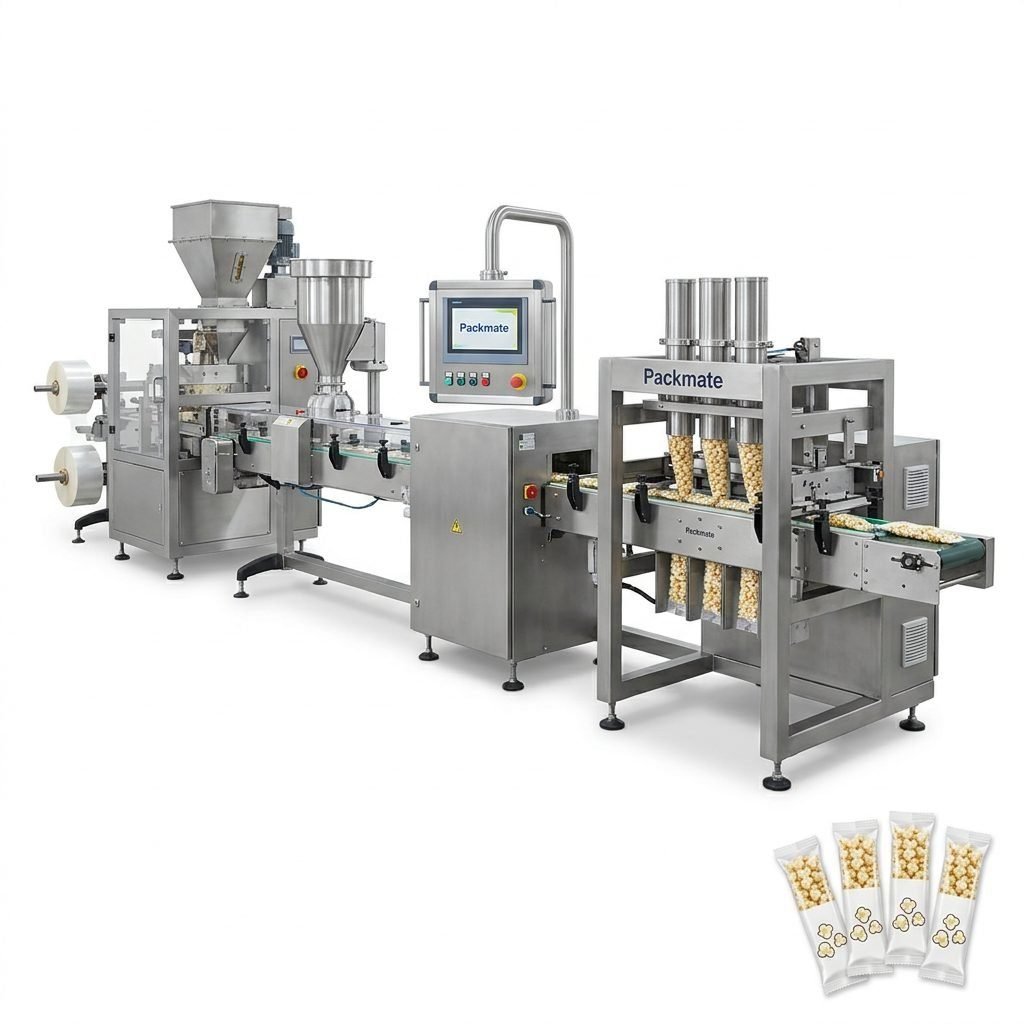
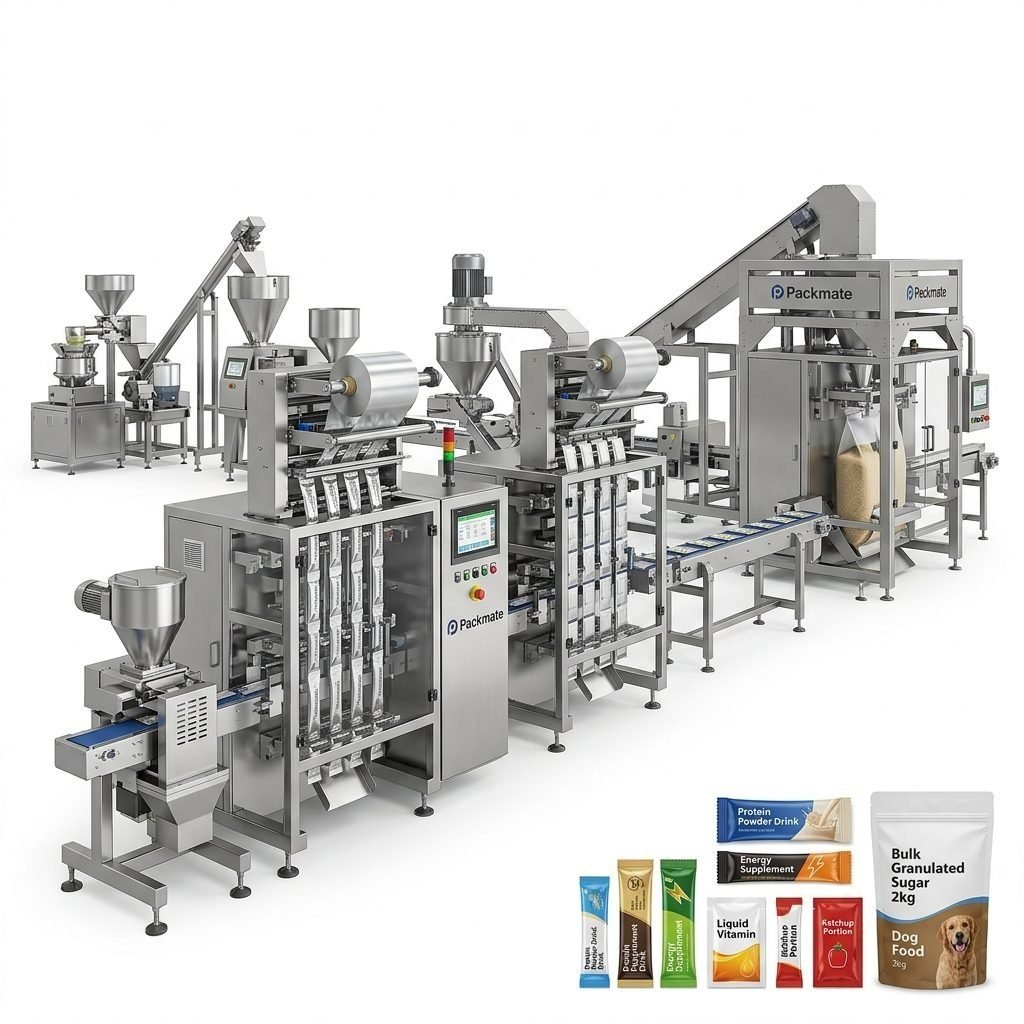
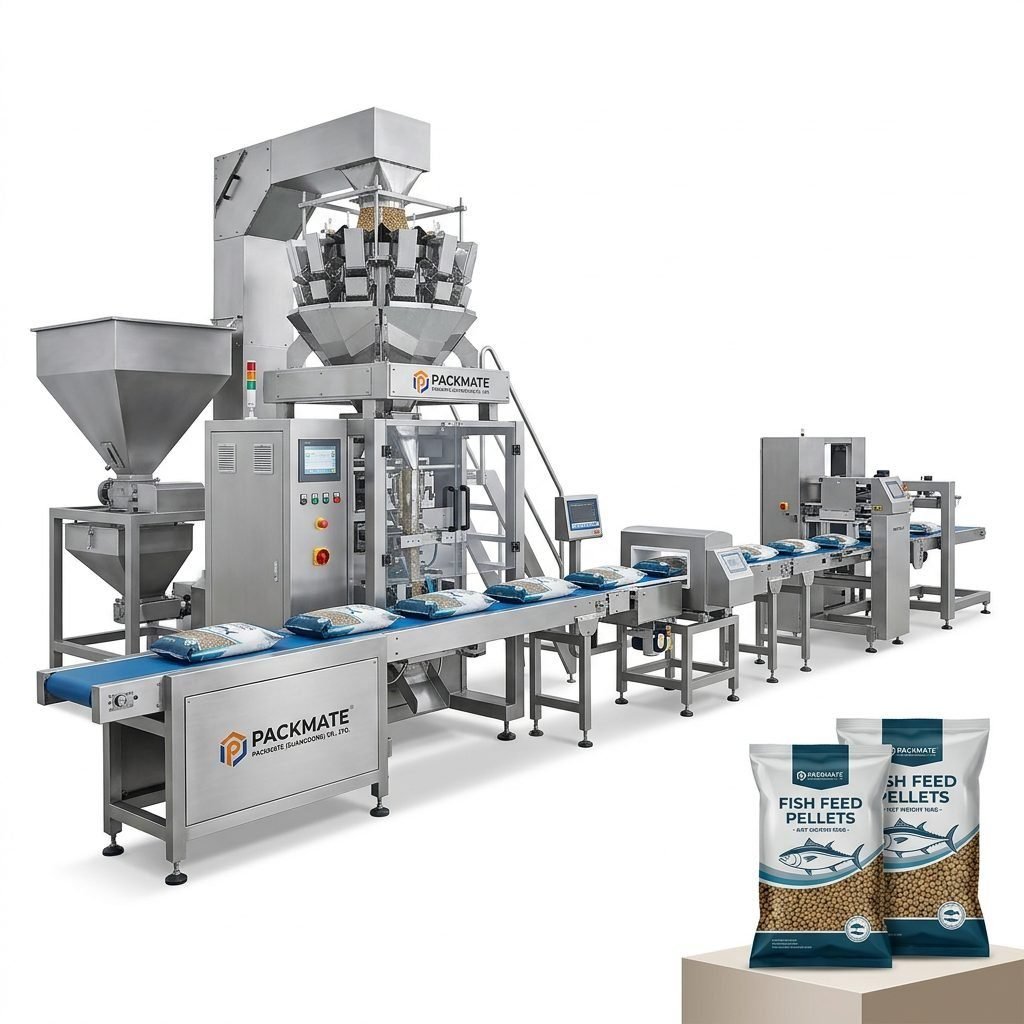
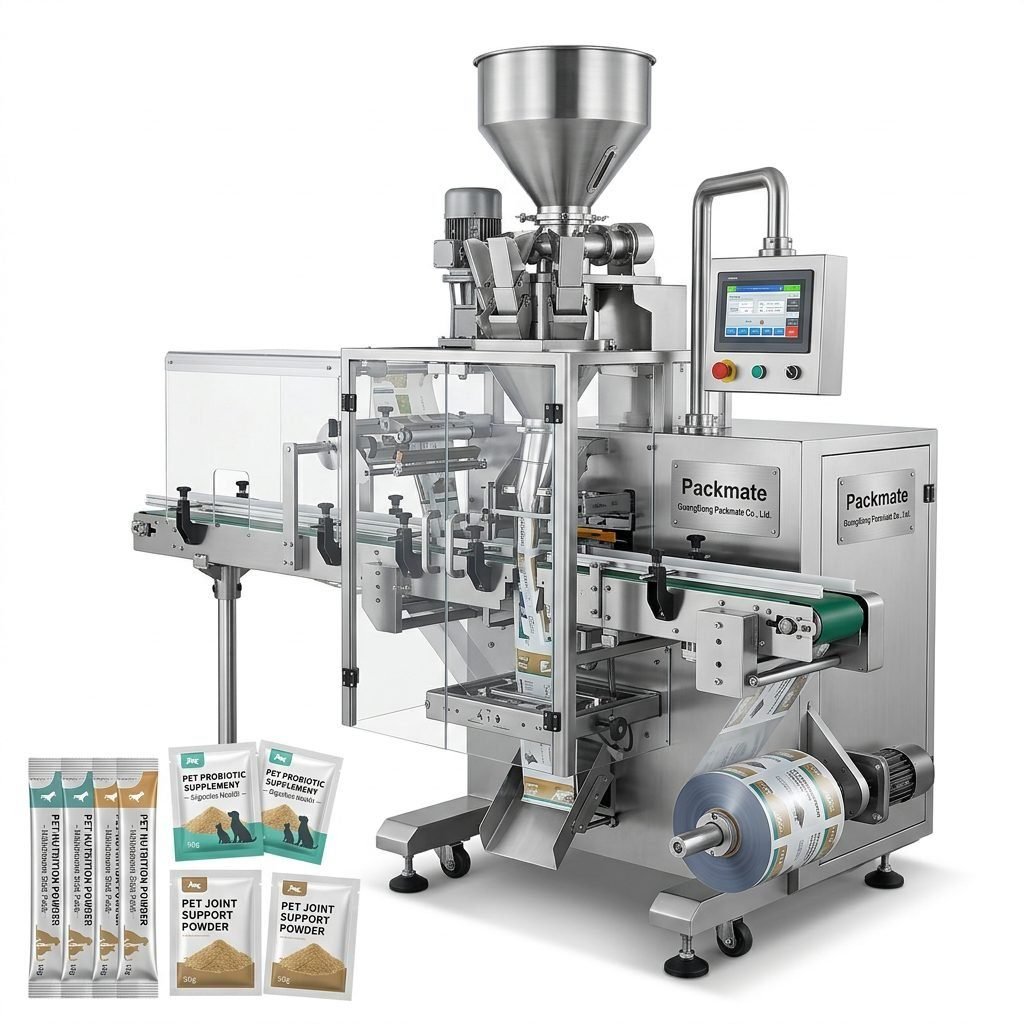
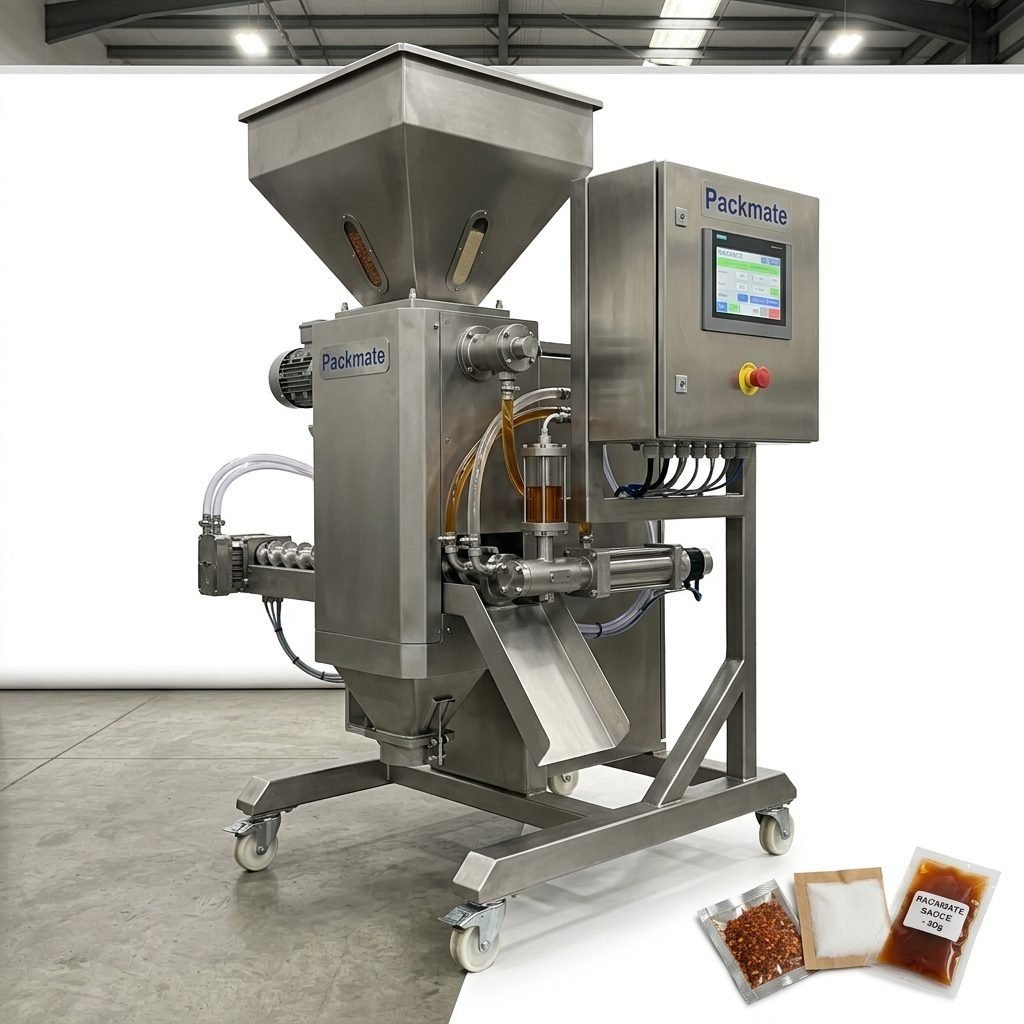
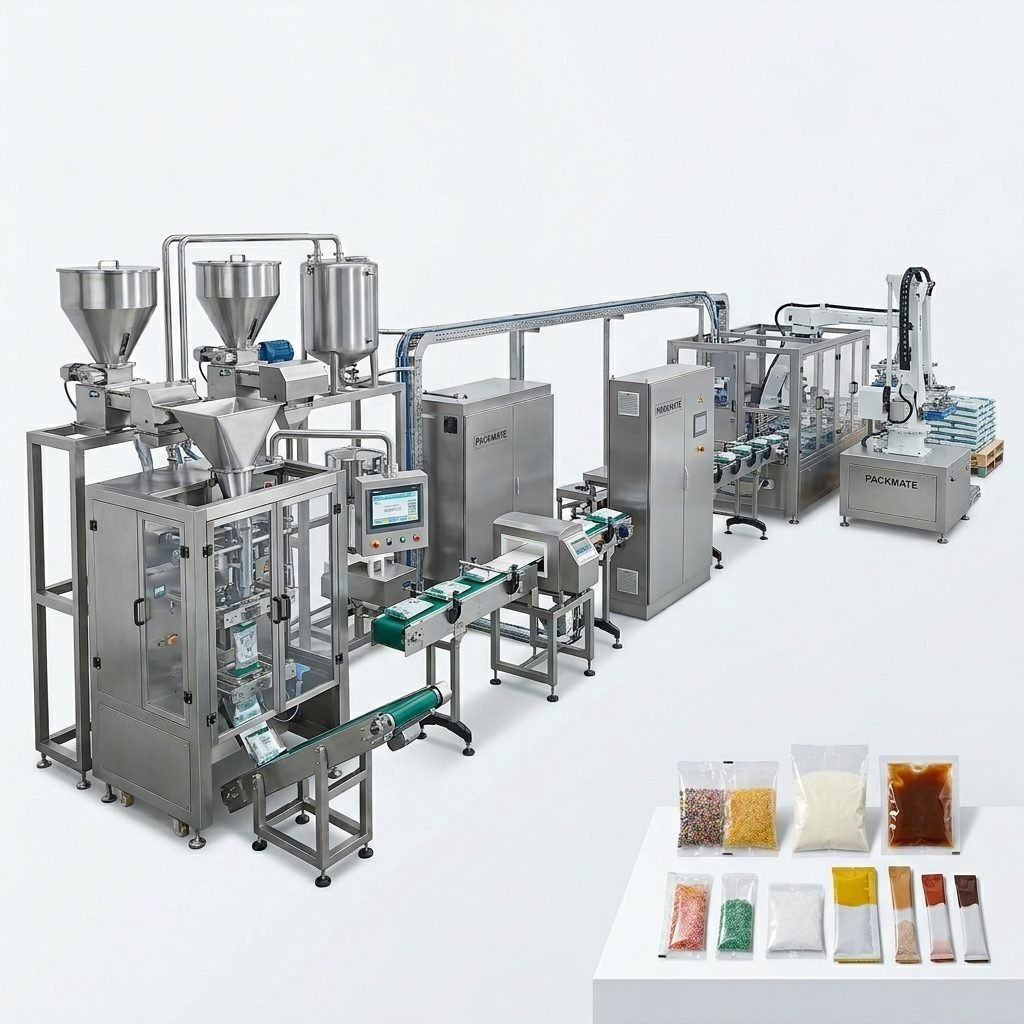
In the fast-paced world of manufacturing and product distribution, the final step of packaging small parts is often the most critical. Small parts packaging machines are the unsung heroes of efficiency, ensuring products from screws and electronic components to pharmaceuticals and food additives are securely, accurately, and attractively presented. This complete guide delves into the world of these specialized machines, exploring their types, benefits, and how to select the best solutions for your operational needs.
Understanding Small Parts Packaging Machines
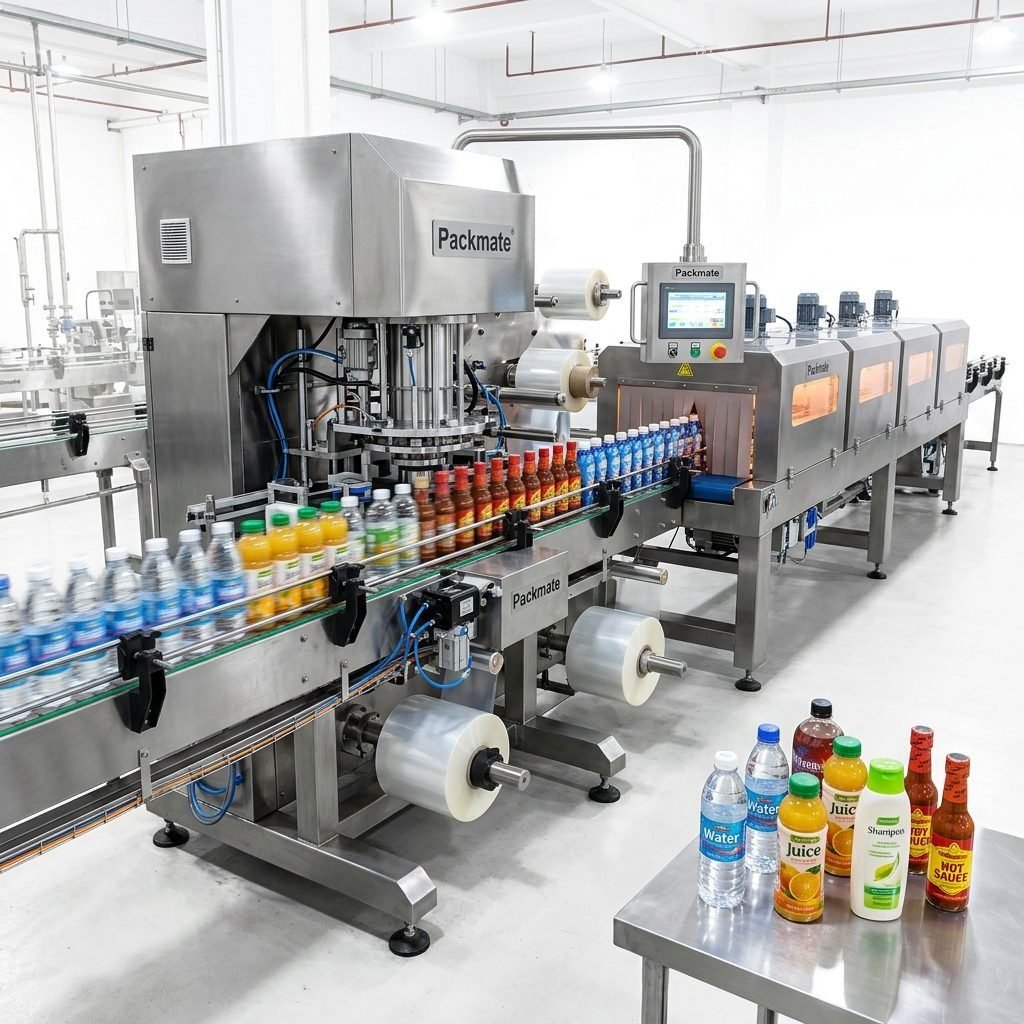
Small parts packaging machines are automated systems designed to handle, count, weigh, and package small items into various formats like bags, pouches, blister packs, or stick packs. They are engineered for precision and speed, eliminating the errors and slowness of manual packaging. These machines are vital across industries such as electronics, automotive, hardware, pharmaceuticals, and food & beverage. The core challenge they solve is maintaining high throughput while ensuring each package contains the exact quantity, whether by count or weight, which is crucial for inventory control, customer satisfaction, and regulatory compliance.
Key Technologies and Machine Types
The technology behind these machines varies based on the product and packaging format. Here are the primary types:
Counting Machines: Ideal for uniform, discrete items like tablets, capsules, or hardware fasteners. They use advanced sensors, vibratory bowls, or linear tracks to achieve precise counts at high speeds.
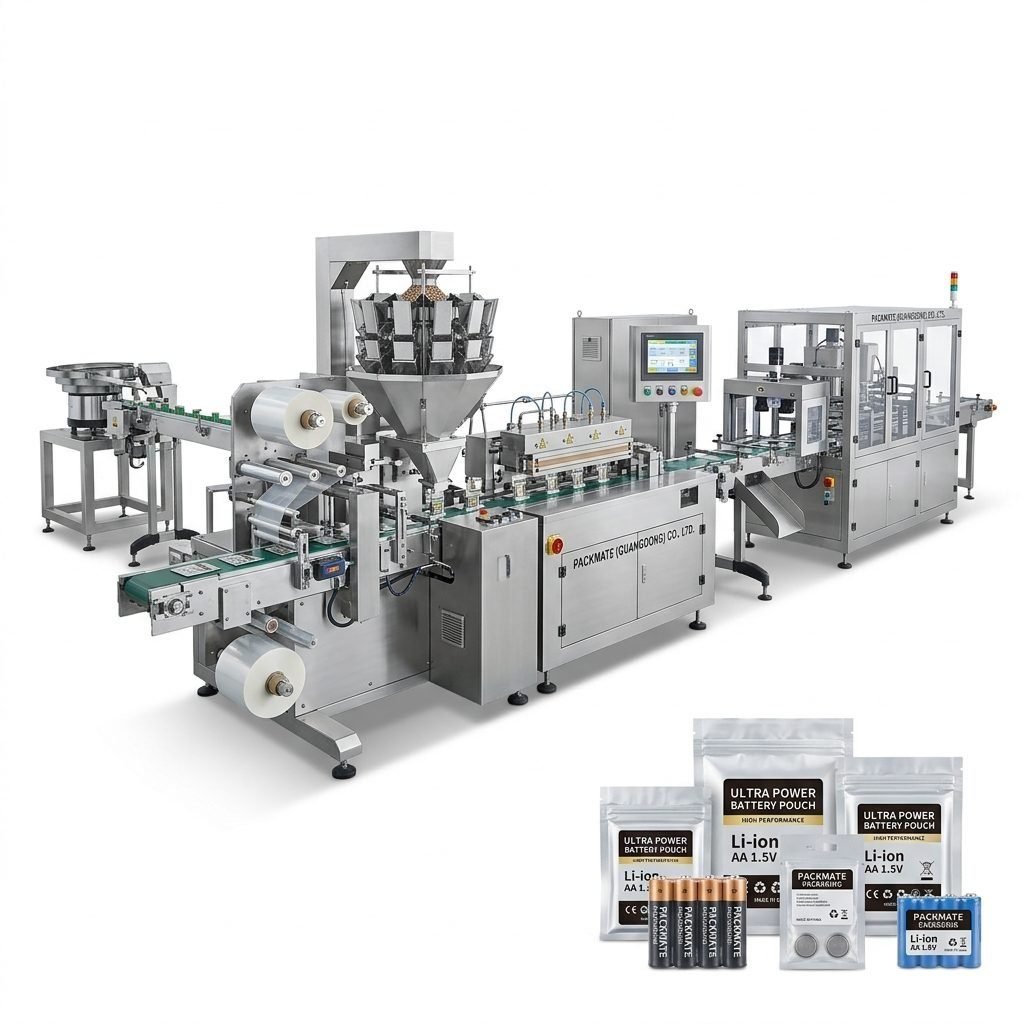
Weighing Machines (Multi-head Weighers): Best for non-uniform or granular products like seeds, powders, or small confectionery. They use a combination of weigh buckets to compute the fastest, most accurate combination to reach the target weight.
Vertical Form-Fill-Seal (VFFS) Machines: These are the workhorses for creating bags from a roll of film. They form the bag, fill it with the product (via count or weight), and seal it—all in one continuous motion. Perfect for a wide range of small parts.
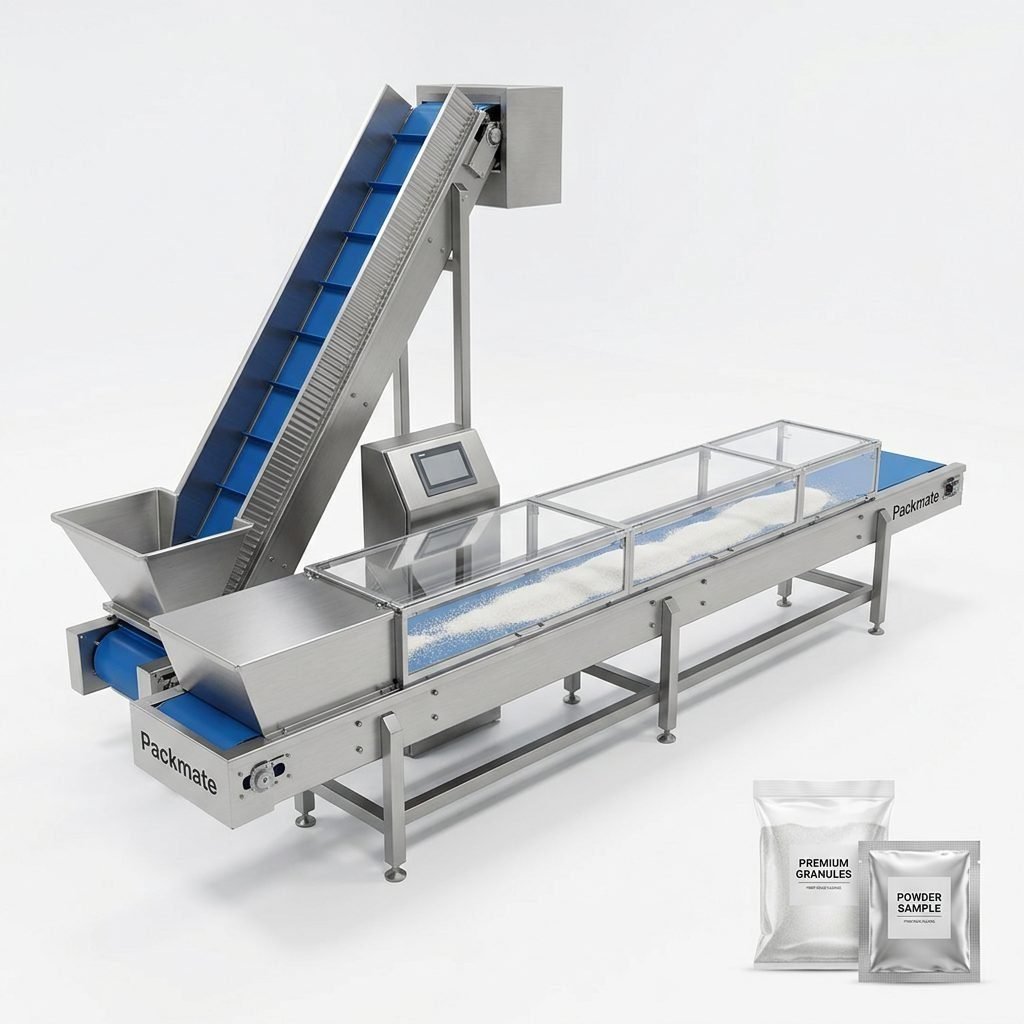
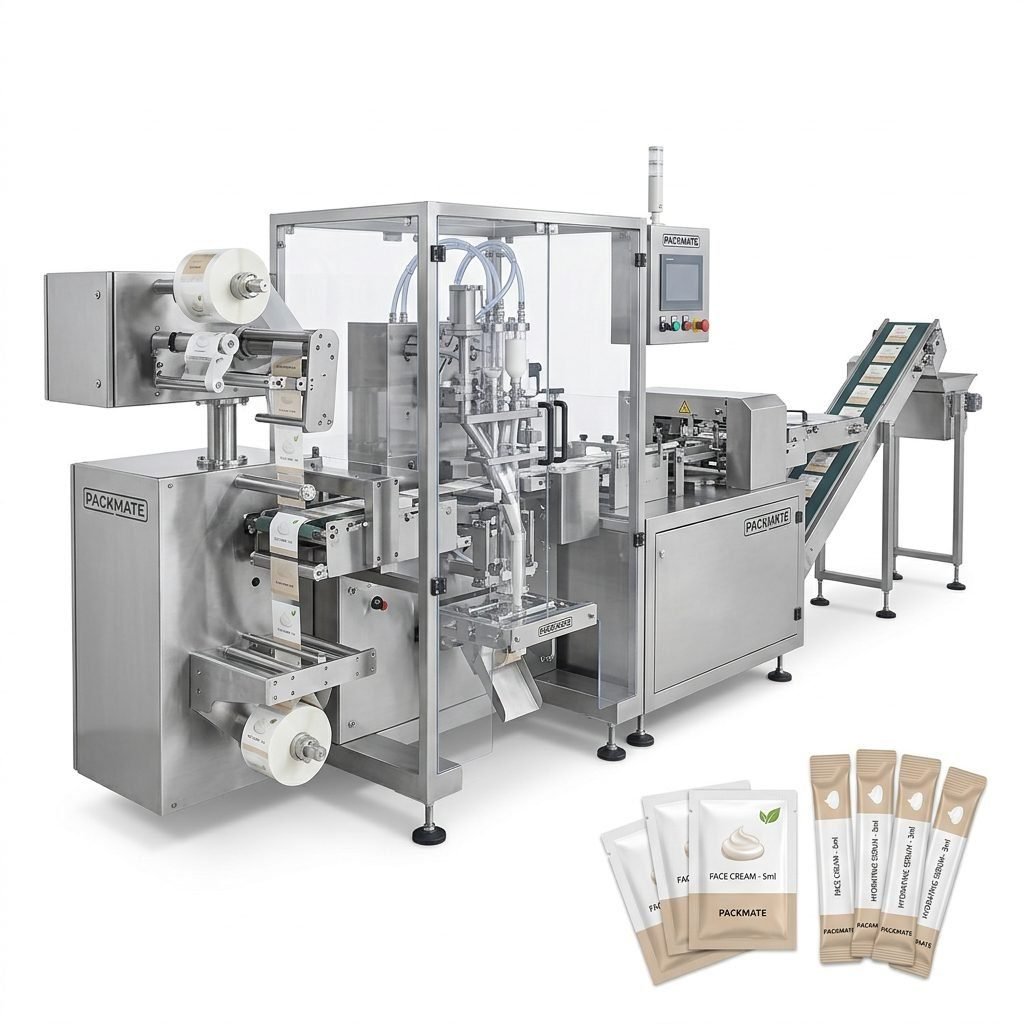
Stick Pack and Sachet Machines: Designed for single-dose or sample-sized packaging of powders, liquids, or granules. Machines like the multi-lane stick pack machines from leading manufacturers offer exceptional output for products like instant coffee, sugar, or pharmaceutical powders.
The Tangible Benefits of Automation
Investing in automated small parts packaging yields a significant return on investment through multiple channels:
Enhanced Accuracy and Reduced Waste: Automated counting and weighing drastically reduce giveaway and short-counts, saving material costs and protecting your brand’s reputation.
Dramatically Increased Speed and Output: Machines can operate 24/7 at speeds impossible for human hands, directly boosting production capacity and meeting tight deadlines.
Improved Worker Safety and Morale: Automating repetitive, mundane, or potentially strenuous tasks reduces ergonomic injuries and allows staff to focus on higher-value supervision and quality control roles.
Consistency and Brand Presentation: Every package is identical—neat, professional, and securely sealed. This consistency is key to building consumer trust and shelf appeal in retail environments.
Choosing the Best Solution: A Strategic Guide
Selecting the right machine is not just about the price tag. It requires a strategic analysis of your specific requirements:
1. Define Your Product and Packaging Specifications
Start with the product itself. What is its size, shape, weight, and material (e.g., abrasive, oily, fragile)? Next, define your desired package: type (bag, stick pack, blister), material (film, foil, paper), and dimensions. This is the foundational data any supplier needs.
2. Determine Your Required Speed and Accuracy
Calculate your current and projected daily/weekly output. Speed (packages per minute) must align with your production line’s pace. Accuracy tolerance (e.g., ±1 piece or ±0.5 grams) is non-negotiable for compliance and cost control.
3. Evaluate Integration and Flexibility
Will the machine stand alone or integrate with existing conveyors, weighing systems, or labeling machines? Consider future needs: does the machine allow for quick changeovers to different package sizes or formats? Modularity can protect your investment.
4. Prioritize Build Quality and Supplier Support
A machine is a long-term asset. Look for robust construction from stainless steel or hardened alloys. More importantly, assess the supplier’s reputation. A company with deep expertise, like Packmate Machinery, which brings over 30 years of engineering experience, offers not just a machine but a partnership. Consider their after-sales service, availability of spare parts, and technical support capabilities.
5. Consider Total Cost of Ownership (TCO)
Look beyond the initial purchase price. Factor in installation, training, maintenance, energy consumption, and potential downtime. A slightly more expensive, reliable machine from a reputable supplier often has a lower TCO than a cheaper, less reliable alternative.
Future Trends in Small Parts Packaging
The industry is moving towards greater intelligence and sustainability. IoT-enabled machines can now provide real-time data on output, efficiency, and predictive maintenance needs. Furthermore, there is a growing demand for machines that can handle recyclable or compostable films, aligning with global environmental goals. The integration of advanced vision systems for 100% inspection is also becoming standard for high-value components.
In conclusion, small parts packaging machines are a transformative investment for any business dealing with granular, counted, or small unit products. By understanding the technology, clearly defining needs, and choosing a reliable partner, you can implement a solution that drives efficiency, accuracy, and growth for years to come. For a comprehensive look at integrated systems, explore options for complete filling and packaging lines.
Frequently Asked Questions (FAQs)
1. What is the main difference between a counting machine and a weighing machine for small parts?
Counting machines are used for identical, discrete items (e.g., pills, bolts) and measure by quantity. Weighing machines, like multi-head weighers, are used for non-identical or granular products (e.g., seeds, powder) and measure by mass/weight to fill a target amount.
2. How fast can a typical small parts packaging machine operate?
Speed varies greatly by machine type and product. Standard vertical form-fill-seal machines can range from 30 to 200 bags per minute. High-speed multi-lane stick pack machines can exceed 1,000 sticks per minute. The exact speed depends on product characteristics and package size.
3. Can one machine handle different types of packaging materials?
Many modern machines are designed for flexibility. With quick-change tooling (like forming tubes and sealing jaws), a single VFFS machine can often run different bag sizes and a range of materials, from polyethylene to laminates. However, a significant switch (e.g., from film to pre-made pouches) may require a different machine type.
4. What kind of maintenance do these machines require?
Regular maintenance is crucial for longevity. Daily cleaning, periodic lubrication of moving parts, and inspection of wear components like sealing jaws and cutting blades are standard. Choosing a supplier that provides clear manuals, training, and readily available spare parts, like the support offered by Packmate’s service team, minimizes downtime.
5. How do I ensure the machine meets industry-specific regulations (e.g., for food or pharmaceuticals)?
For regulated industries, you must select machines built with compliant materials (e.g., food-grade stainless steel, easy-clean surfaces) and designs that prevent contamination. Reputable manufacturers often have models designed for specific sectors and can provide documentation and certifications to aid your validation processes.