In the fast-paced world of logistics and manufacturing, securing and protecting goods for transport is paramount. A stretch film wrapping machine is a cornerstone of efficient packaging operations, automating the process of applying stretch film to palletized loads. This guide delves into the mechanics, benefits, and selection criteria for these vital machines, providing a comprehensive resource for businesses seeking to optimize their packaging lines.
What is a Stretch Film Wrapping Machine?
At its core, a stretch film wrapping machine is an automated system designed to apply plastic stretch film around a pallet load. It replaces the manual, labor-intensive, and inconsistent process of hand-wrapping. The machine rotates the load (turntable type) or rotates the film carriage around a stationary load (rotary arm type) while dispensing film from a roll. This creates a tight, uniform, and secure wrap that stabilizes the load, protects it from dust, moisture, and damage, and prevents items from shifting during transit.
Key Components and How They Work
The efficiency of these machines stems from their integrated components:
• Turntable or Rotary Arm: The platform that rotates the pallet or the mechanism that circles the load.
• Film Carriage: Holds the film roll and controls the film tension, pre-stretch, and up/down movement for spiral wrapping.
• Pre-stretch System: The heart of film savings. It mechanically stretches the film before application, often achieving 250-300% stretch, which reduces film consumption by up to 50% compared to manual wrapping.
• Control System: A user-friendly interface, often with programmable logic controllers (PLCs), allowing operators to set wrap patterns, film layers, and tension levels.
Major Benefits of Automated Stretch Wrapping
Investing in an automated stretch wrapper delivers significant, measurable returns:
1. Dramatic Cost Savings: The combination of precise film usage through pre-stretching and reduced labor requirements leads to a rapid return on investment (ROI).
2. Enhanced Load Stability & Safety: Consistent, machine-applied tension creates a tighter, more secure wrap than manual methods, significantly reducing the risk of load collapse and product damage.
3. Increased Productivity: Machines can wrap a pallet in a fraction of the time it takes a person, freeing up staff for higher-value tasks and increasing overall throughput.
4. Improved Workplace Safety: Automating the process eliminates the repetitive strain injuries associated with manual wrapping, such as back and wrist problems.
5. Consistent, Professional Results: Every pallet is wrapped identically, improving the professional appearance of shipments and ensuring uniform protection.
Integrating with Broader Packaging Systems
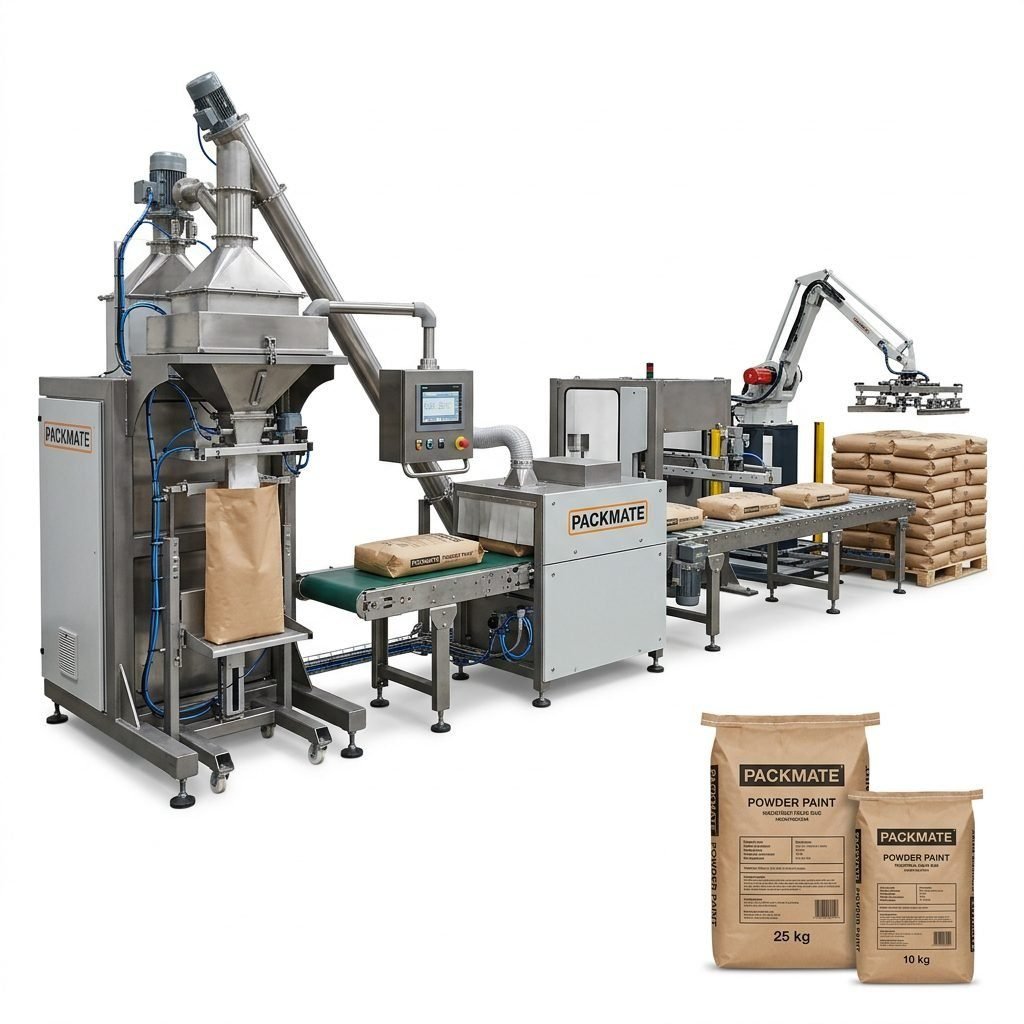
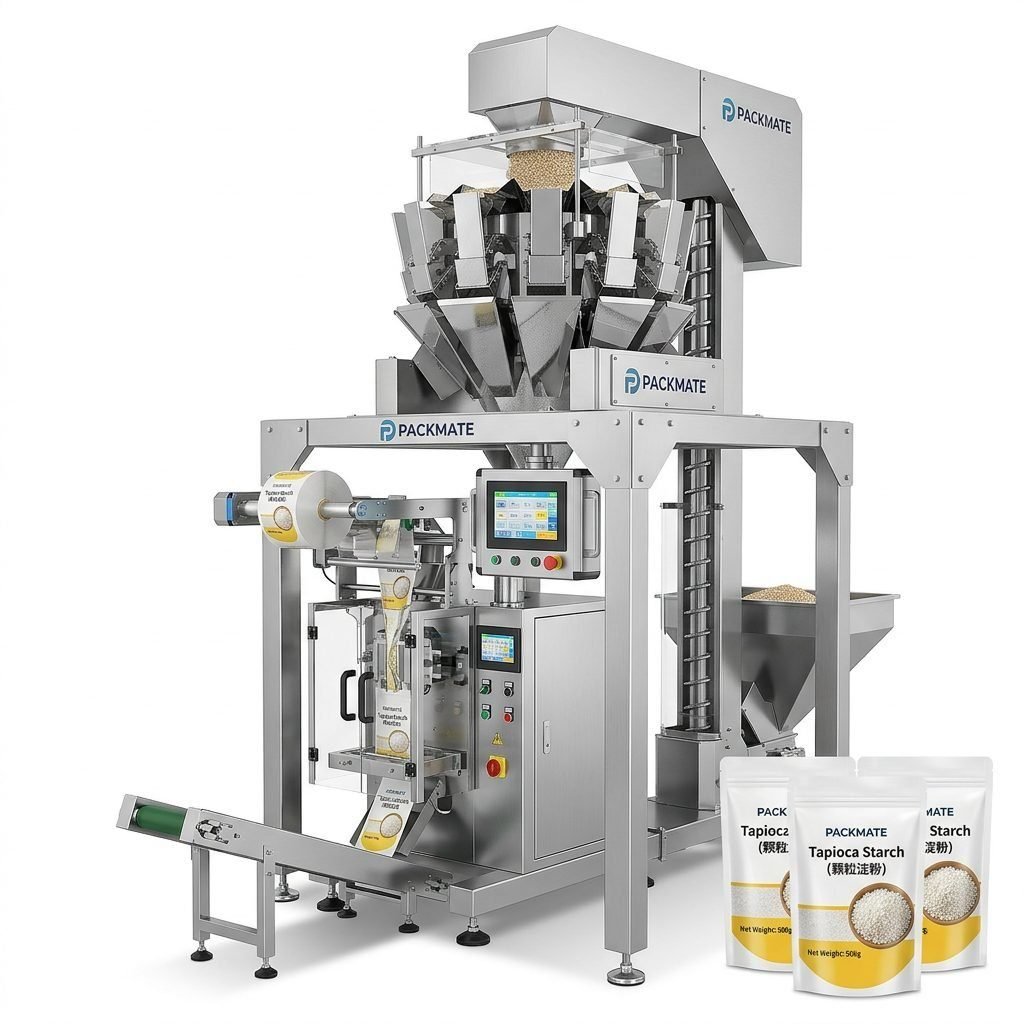
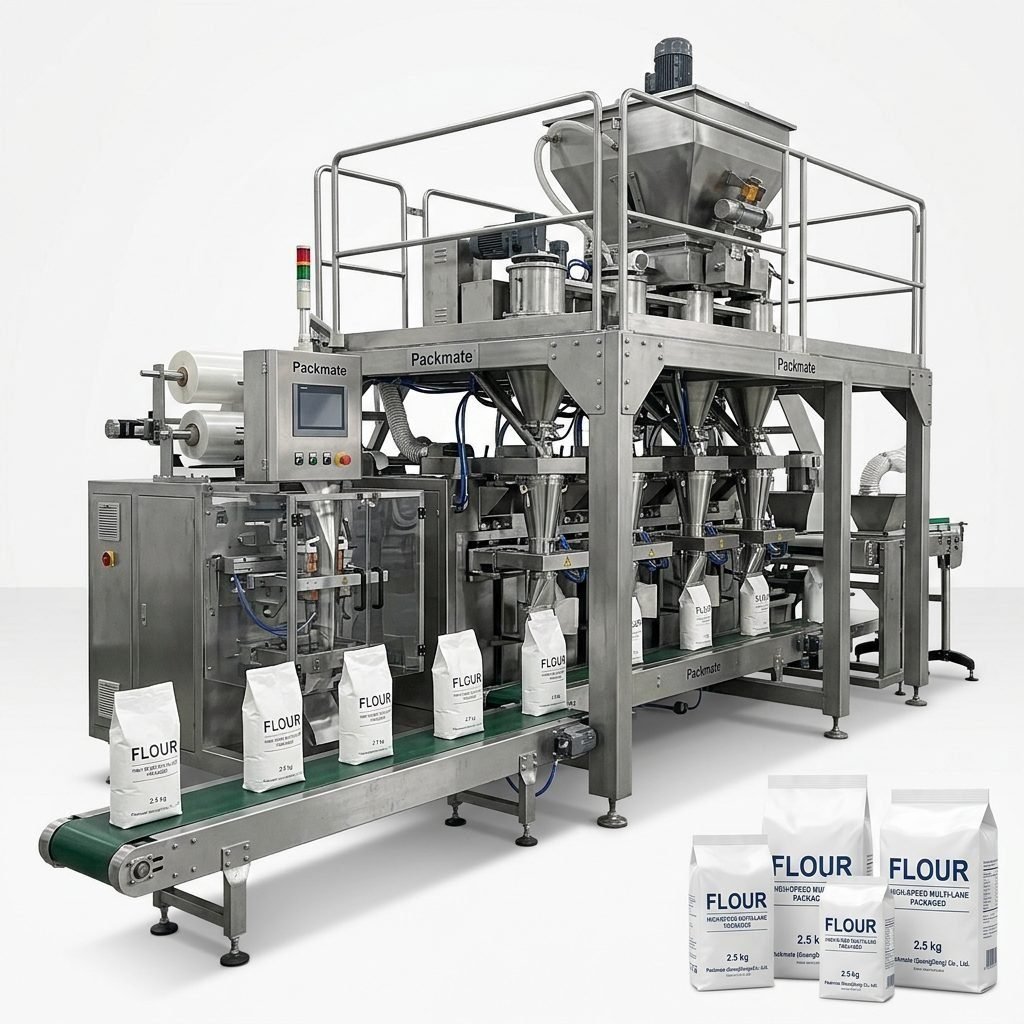
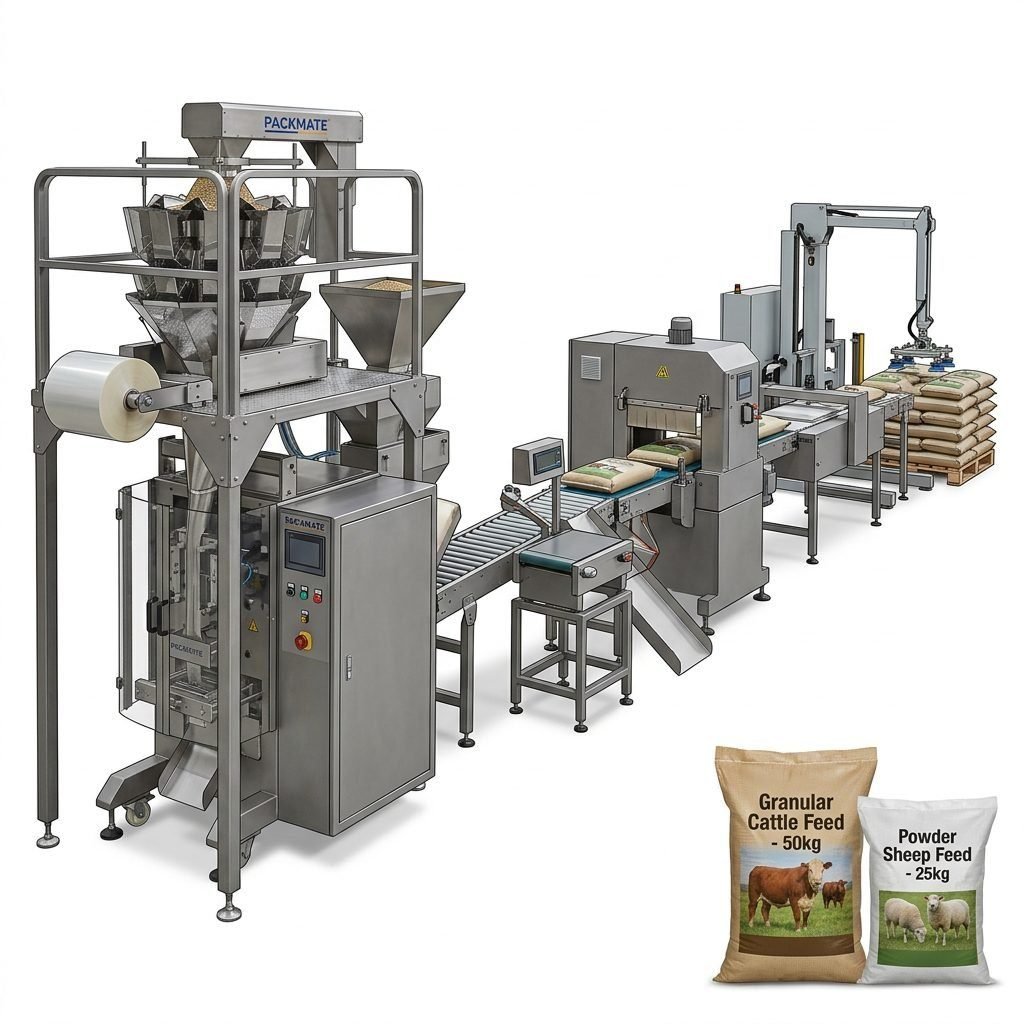
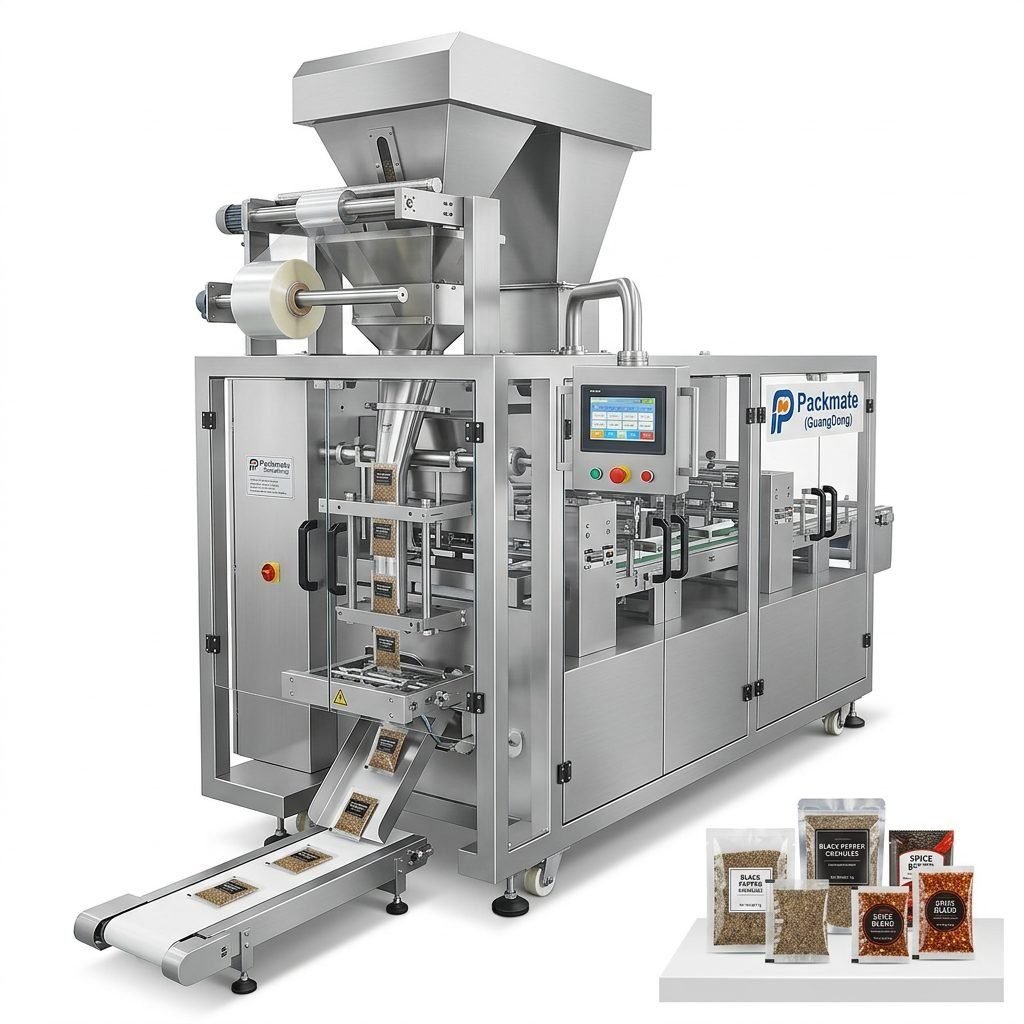
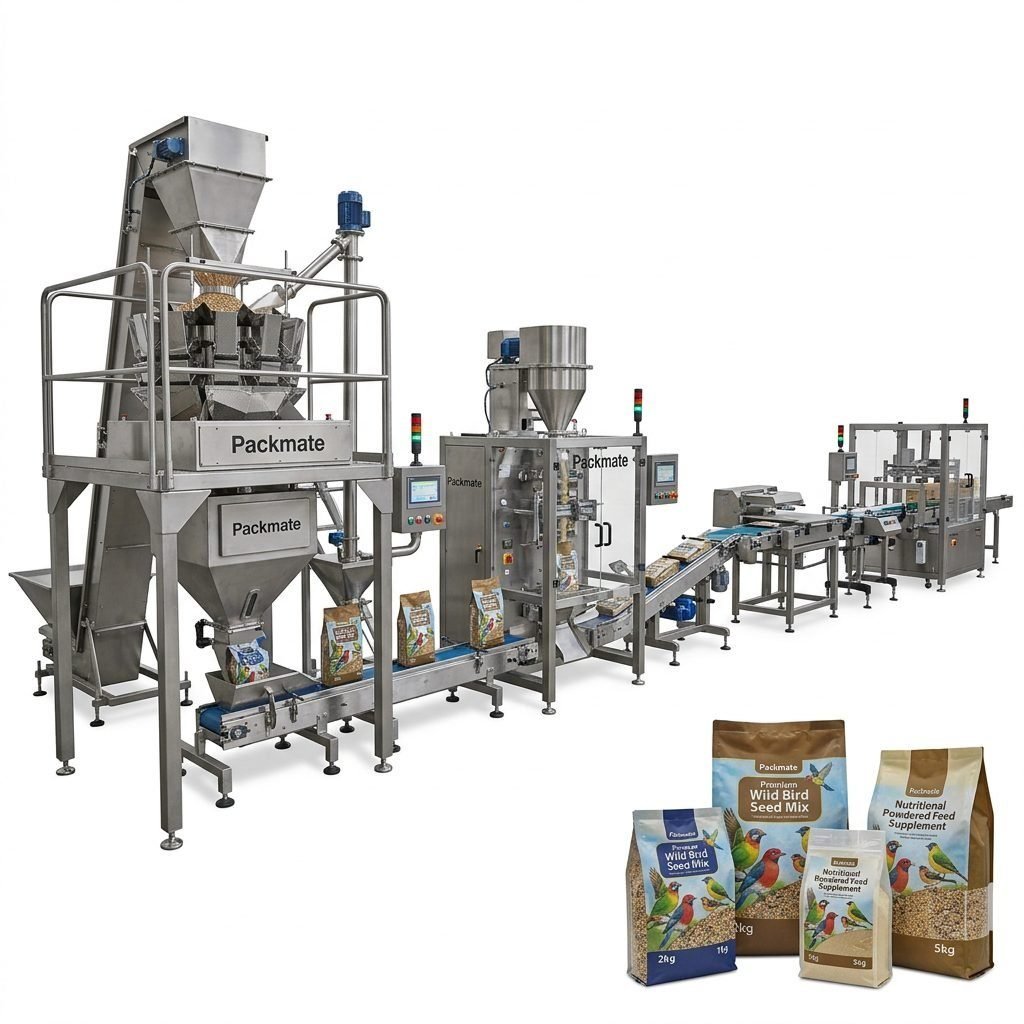
A stretch wrapper is rarely an island. For maximum efficiency, it should be integrated into a complete weighing and packaging system. This can include upstream equipment like automatic palletizers and downstream processes like labeling and conveyance. Companies like Packmate Machinery, with decades of experience in automated packaging, understand that a cohesive line is greater than the sum of its parts. Their expertise in complete filling and packaging lines ensures all components, including stretch wrappers, work in seamless harmony.
Choosing the Right Machine for Your Needs
Selecting the appropriate stretch wrapper depends on several operational factors:
1. Turntable vs. Rotary Arm Wrappers
• Turntable Wrappers: The pallet spins on a turntable while the film carriage moves vertically. Ideal for standard, stable pallets and high-volume, uniform operations. They are generally more cost-effective and common.
• Rotary Arm Wrappers: The film carriage rotates around a stationary pallet. Perfect for heavy, unstable, or oddly-shaped loads that shouldn’t be spun, or for integration into tight conveyor lines where a turntable won’t fit.
2. Automation Level: Semi-Automatic vs. Fully Automatic
• Semi-Automatic: Requires an operator to manually position the pallet on the turntable and initiate the wrap cycle. Best for lower to medium throughput.
• Fully Automatic: Integrated with conveyors. Pallets are fed in and discharged automatically, requiring minimal human intervention. Essential for high-speed production environments.
Other critical considerations include load dimensions (height, weight), required throughput (pallets per hour), and desired wrap patterns (spiral, full-web, cross-web). Partnering with a manufacturer that offers a wide range of auxiliary packaging equipment ensures you get unbiased advice tailored to your specific line requirements.
The Role of a Reliable Manufacturer
The longevity and performance of your stretch wrapping machine hinge on the manufacturer’s quality and support. A company with a strong track record, like Packmate Machinery, which boasts over 30 years of expertise and a 20,000㎡ modern facility, brings invaluable reliability. Their journey from a small workshop in 1993 to a leading provider of intelligent packaging solutions underscores a commitment to innovation and durability. When evaluating suppliers, consider their project case studies and the availability of comprehensive after-sales service and support.
Conclusion & Key Takeaways
A stretch film wrapping machine is not merely a piece of equipment; it is a strategic investment in operational efficiency, cost reduction, and supply chain integrity. By automating the pallet wrapping process, businesses achieve tighter, more secure loads, significant film savings, and a safer work environment. The key to success lies in carefully assessing your operational needs—volume, load types, and space—and selecting a robust machine from a reputable manufacturer with proven engineering and support capabilities. Integrating this equipment into a holistic packaging line maximizes its value, paving the way for a smarter, more competitive operation.
Frequently Asked Questions (FAQs)
Q1: How much film can I save with an automatic pre-stretch wrapper?
A: Modern pre-stretch systems can achieve 250-300% stretch, typically reducing film usage by 40-50% compared to manual wrapping without pre-stretch. The exact savings depend on the film type and machine settings.
Q2: Can a stretch wrapper handle irregularly shaped loads?
A: Yes, but the machine type is crucial. For very tall, unstable, or top-heavy irregular loads, a rotary arm wrapper (which rotates the film around a stationary load) is often recommended over a standard turntable model.
Q3: What maintenance does a stretch wrapping machine require?
A: Regular maintenance is simple but essential. It primarily involves keeping the turntable and mast guides clean, checking and tightening drive chains/belts, and periodically lubricating moving parts as per the manufacturer’s manual.
Q4: How do I choose between a semi-automatic and fully automatic machine?
A: The choice hinges on your throughput and labor model. Semi-automatic machines suit operations wrapping up to 30-40 pallets per hour with an operator present. Fully automatic systems are necessary for higher speeds, 24/7 operation, or when integrating into an unmanned conveyor line.
Q5: What is the typical payback period for investing in an automatic stretch wrapper?
A: The payback period can be surprisingly short, often between 6 to 18 months. This is driven by direct savings on film costs and indirect savings from reduced labor, fewer product damages, and increased throughput.