The toothpaste packaging machine is a cornerstone of modern oral care manufacturing, transforming bulk paste into the familiar tubes and sachets found in bathrooms worldwide. Selecting the right equipment is not merely a purchase; it’s a strategic investment that directly impacts production efficiency, product integrity, and brand reputation. This comprehensive guide will navigate you through the different types of machines, the packaging process, and essential buying considerations to empower your decision-making.
Understanding the Core Types of Toothpaste Packaging Machines
Toothpaste packaging solutions vary significantly based on output, format, and automation level. Understanding these core types is the first step toward identifying the best fit for your production line.
Tube Filling and Sealing Machines
These are the most common machines for standard toothpaste tubes (laminate or plastic). They perform a sequential operation: tube feeding, opening, filling, head sealing, and coding. High-speed rotary models can handle hundreds of tubes per minute, making them ideal for large-scale production. For specialized needs, such as packaging snus or nicotine pouches, the technology principles of precise filling and sealing are similarly critical.
Key Point:
Modern tube fillers often integrate vision systems for cap orientation and tube inspection, ensuring every unit is perfectly sealed and market-ready, which is vital for maintaining consumer trust.
Sachet and Stick Pack Machines
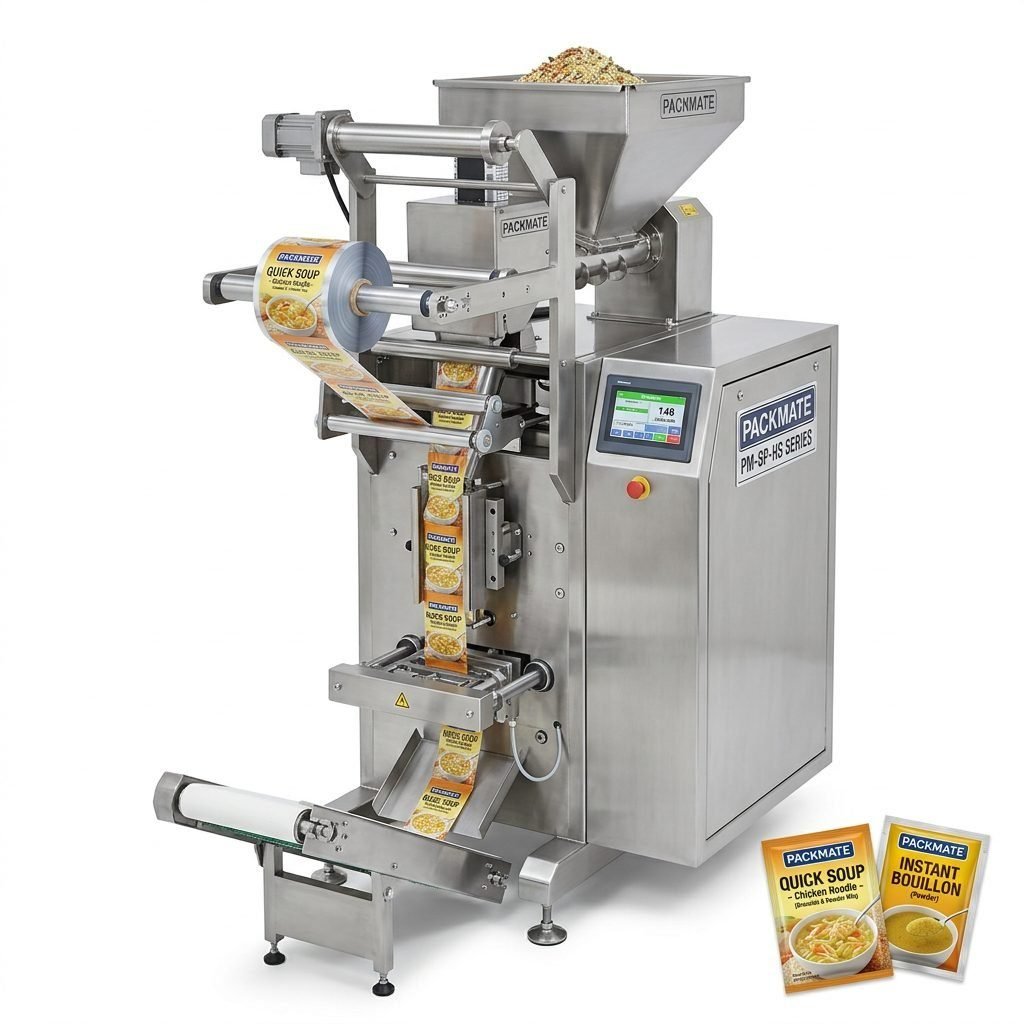
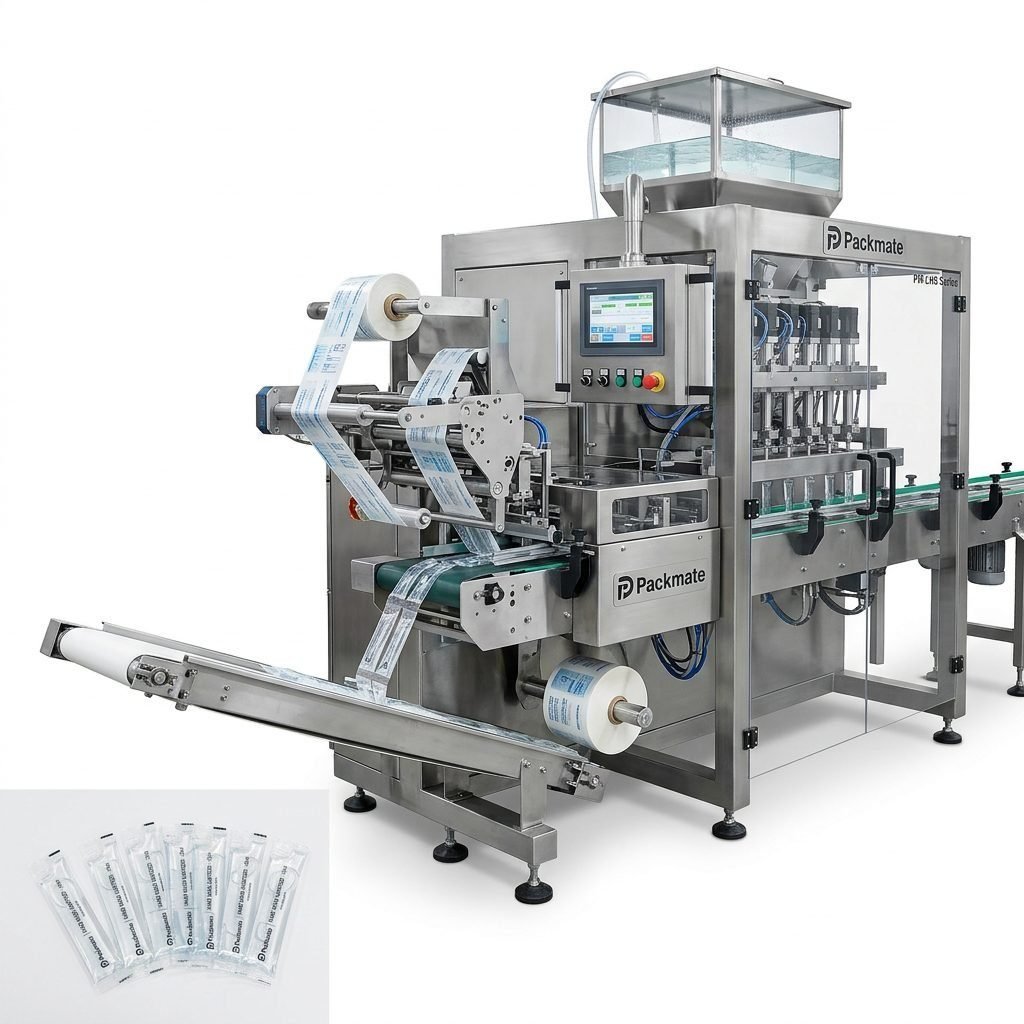
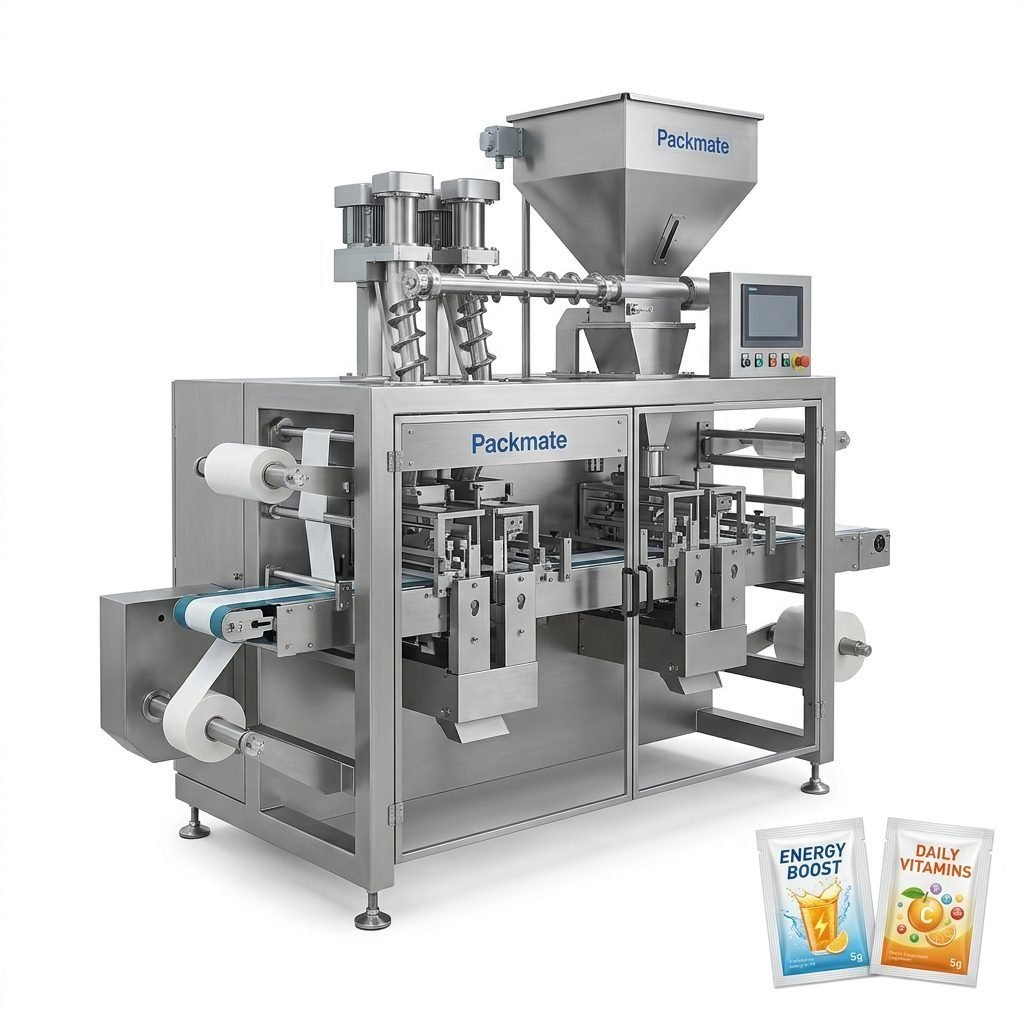
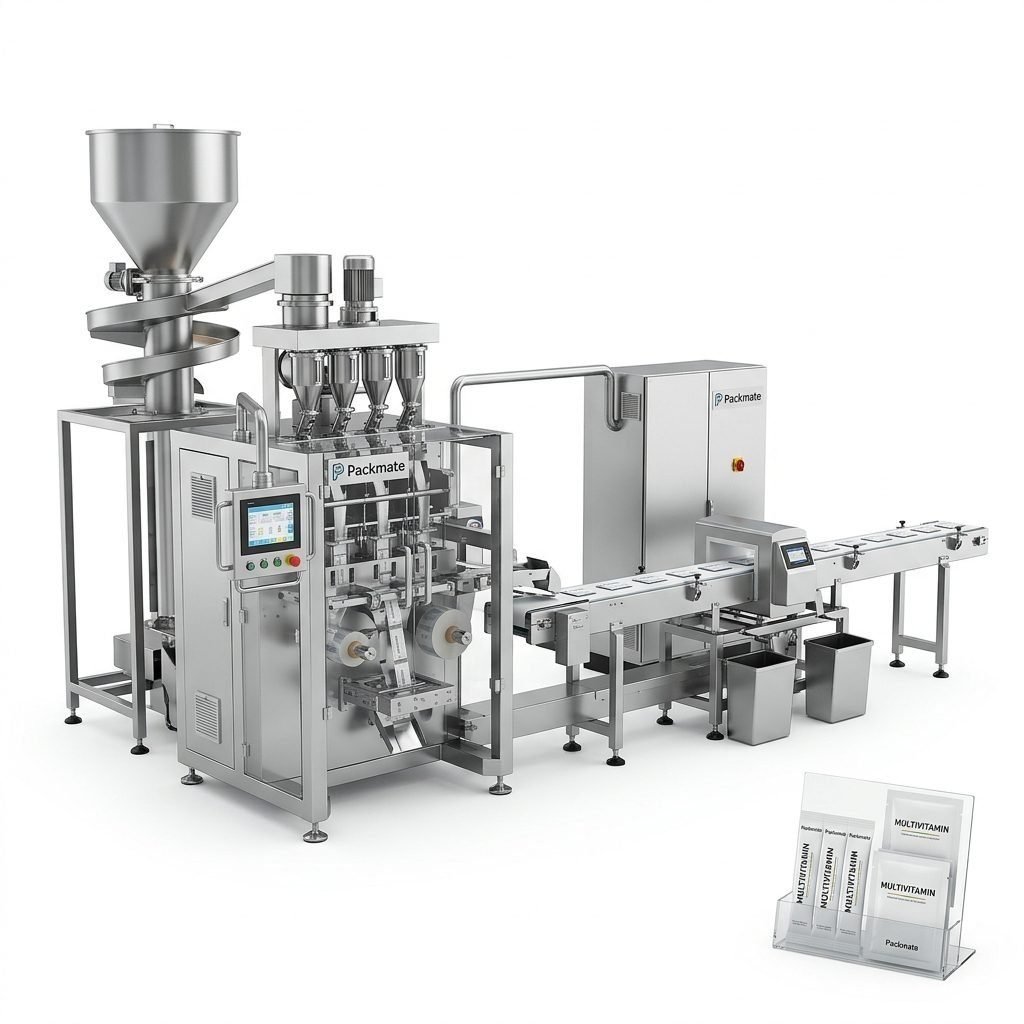
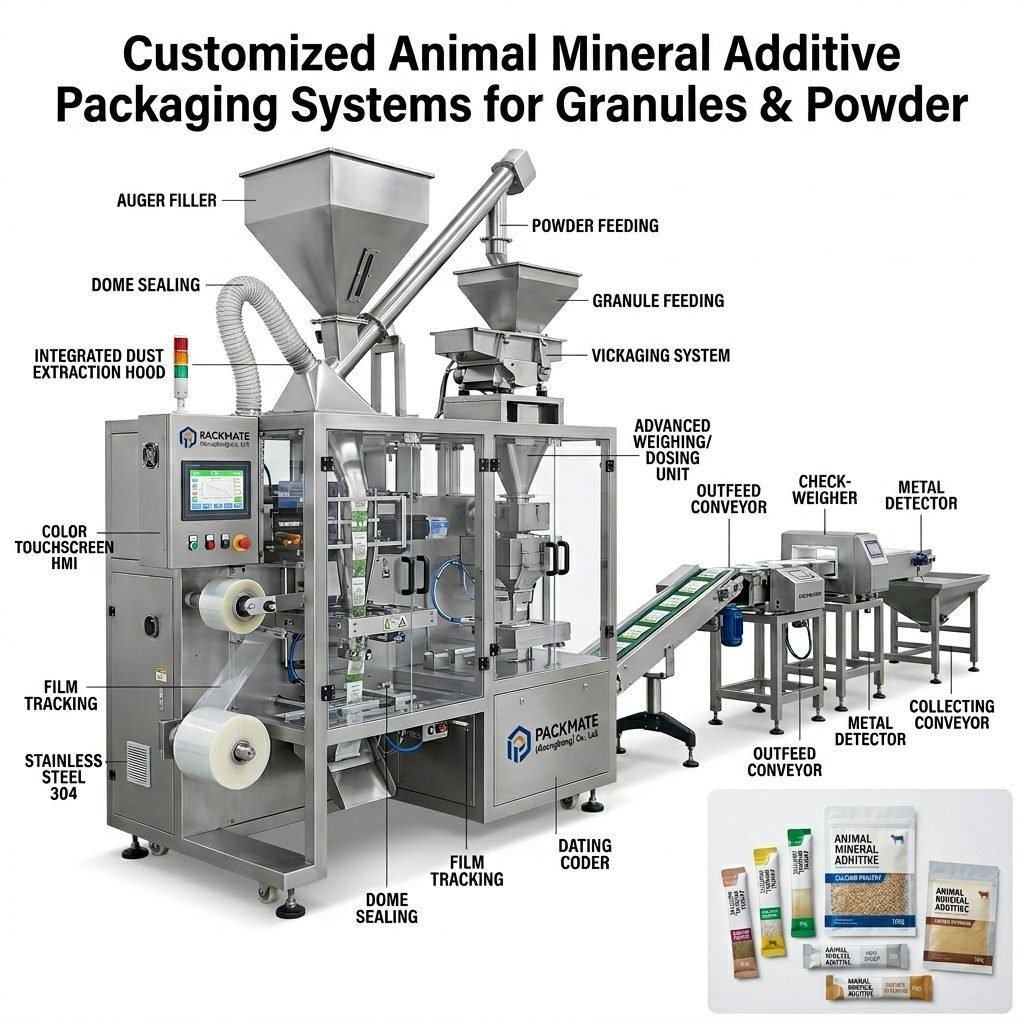
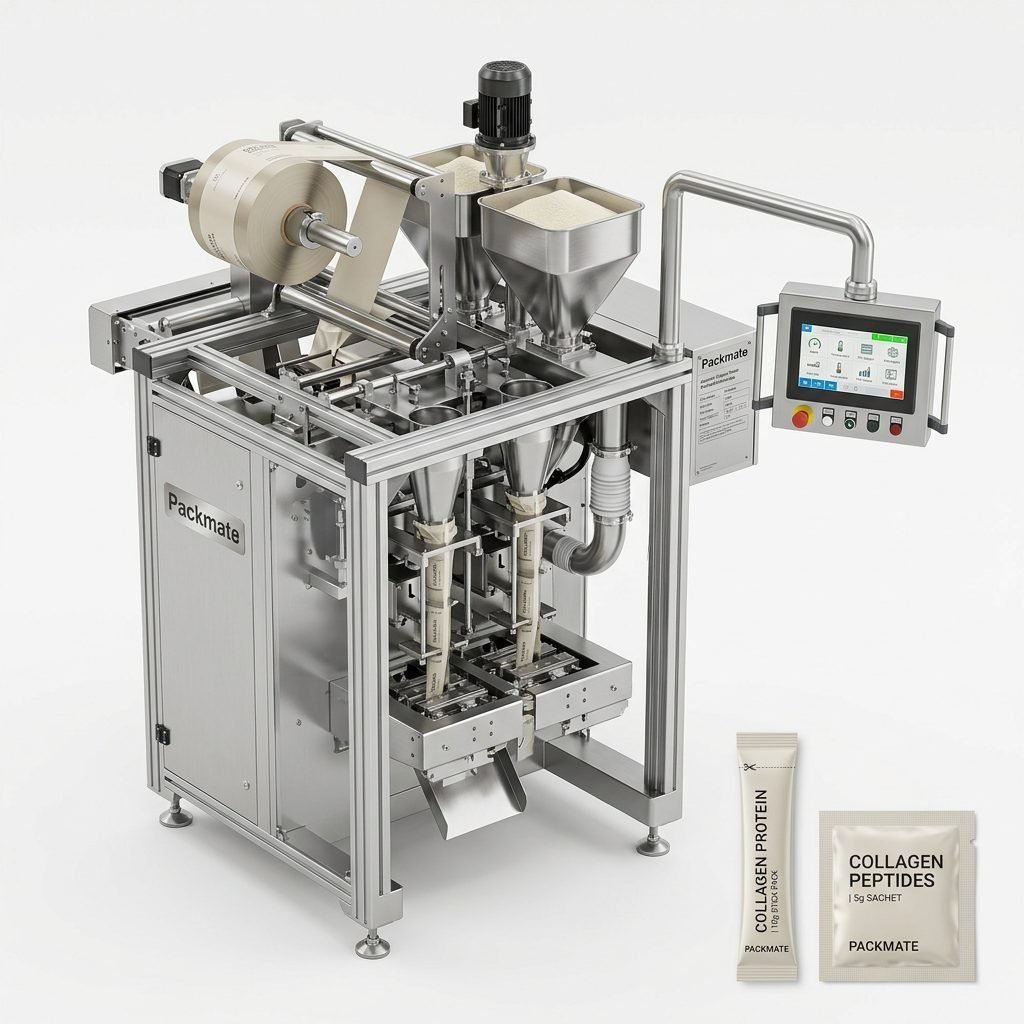
Ideal for single-use, travel-sized, or promotional toothpaste samples, these machines create small sealed packets from a roll of film. They are incredibly efficient for high-volume output of small quantities. Sachet & Stick Pack Machines offer excellent barrier properties to protect the paste and are a popular choice for hotels and airlines.
Automatic Cartoning Systems
While not fillers themselves, these systems are integral to the final packaging stage. They automatically erect cartons, insert the filled toothpaste tube along with any leaflet, and close the box. Integrating a cartoner with your filling line creates a seamless, fully automated packaging line, dramatically reducing manual labor.
The Toothpaste Packaging Process: Step-by-Step
A streamlined packaging process ensures consistency, hygiene, and speed. Here’s a breakdown of a typical automated line for tube packaging.
Step 1: Tube Feeding and Orientation
Empty tubes are loaded into a hopper or magazine. An automated system, often using rotary pick-and-place mechanisms, orients and feeds them onto a conveyor track, ensuring the cap end is positioned correctly for the next stage.
Step 2: Tube Opening and Purging
A nozzle or clamp gently opens the tube’s sealed end. Many systems include a purging station that injects a burst of filtered air to remove any dust or particles, guaranteeing a clean interior before filling—a non-negotiable step for product hygiene.
Step 3: Precision Filling
This is the heart of the operation. A piston filler or pump dispenses a precise volume of toothpaste into the tube. Advanced fillers use weight feedback systems to achieve accuracy within fractions of a gram, complying with strict net content regulations and minimizing costly product giveaway.
Step 4: Head Sealing (Folding and Crimping)
The open end of the tube is neatly folded and crimped shut using heated jaws or ultrasonic sealing technology. This creates a hermetic seal that prevents leakage and preserves the toothpaste’s moisture and active ingredients.
Pro Tip for Buyers
When evaluating a machine, ask for a live test with your specific toothpaste formula. Viscosity and abrasiveness can vary, and a machine that works perfectly with one paste may need adjustments for another. A reputable supplier like Packmate Machinery will always support product testing.
Step 5: Coding, Date Stamping, and Inspection
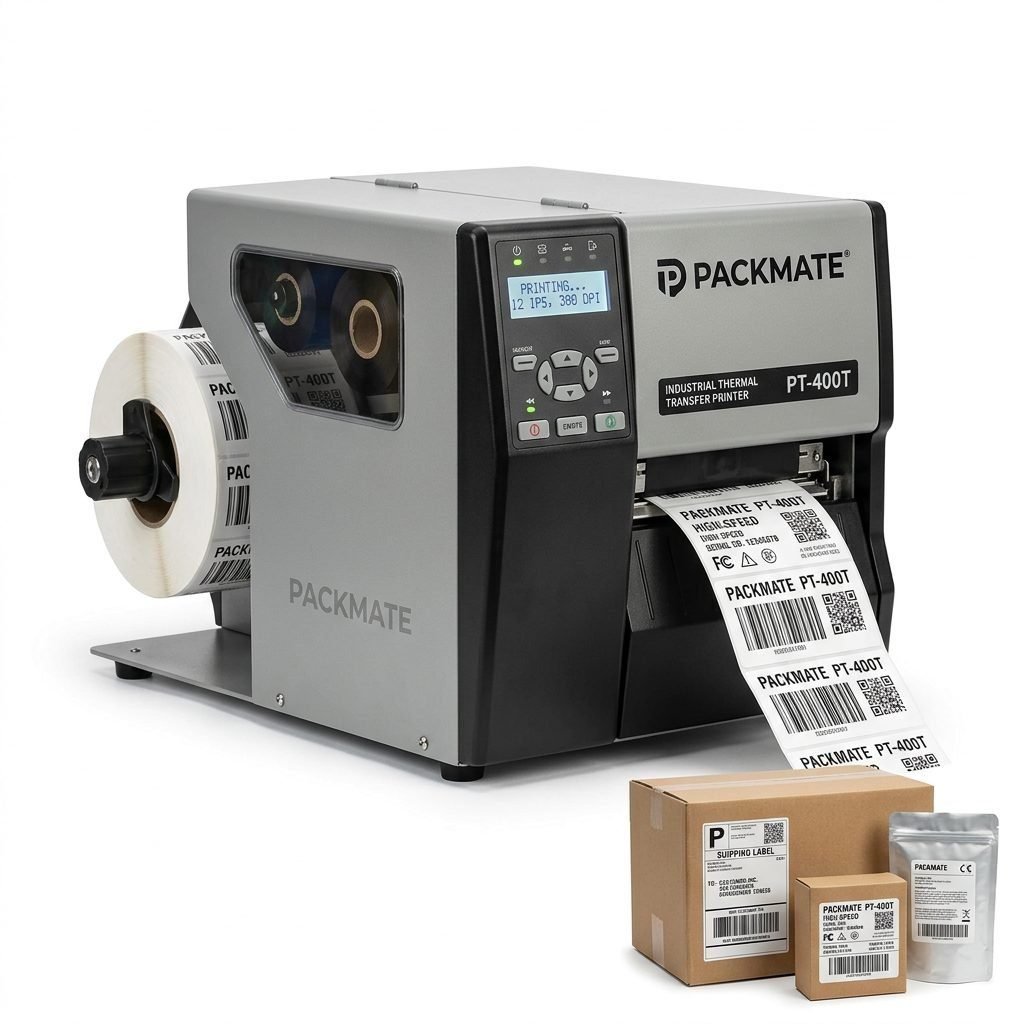
The sealed tube passes through stations for batch coding, expiry date printing, and final inspection. Vision systems check for seal integrity, print quality, and correct cap placement, automatically rejecting any defective units.
Step 6: Secondary Packaging
The finished tubes are collated and fed into an automatic cartoner or bundled for shrink-wrapping. This completes the transformation from a bulk product to a retail-ready item. For a comprehensive solution, explore complete Filling & Packaging Lines.
Essential Buying Tips for Your Investment
Choosing a toothpaste packaging machine requires careful analysis of both your current and future needs. Here are the critical factors to consider.
1. Assess Your Production Requirements
Start with hard data: Required output speed (tubes/minute), tube size range, and desired packaging format. Don’t just buy for today’s capacity; consider potential market growth. A modular machine that allows for future upgrades can be a more prudent long-term investment than a cheaper, fixed-capacity model.
2. Machine Flexibility and Changeover Time
If you produce multiple toothpaste variants (different sizes, flavors, or brands), rapid changeover is crucial. Look for machines with quick-release parts and digital settings memory. Reducing changeover time from an hour to 15 minutes can significantly increase your overall equipment effectiveness (OEE).
3. Build Quality and Compliance
The machine must be constructed from food-grade, corrosion-resistant materials (like 304 or 316L stainless steel) for critical parts in contact with the product. Ensure it complies with relevant safety and manufacturing standards (e.g., CE, GMP). A robust frame and high-quality components from brands like SIEMENS or Mitsubishi indicate reliability and longevity.
4. After-Sales Support and Service
This is often the most overlooked yet vital factor. A machine is a long-term asset. Inquire about the supplier’s warranty, availability of spare parts, technical support responsiveness, and training programs. A company with a strong track record, such as Packmate with over 22 years of development, provides peace of mind that support will be there when you need it.
5. Total Cost of Ownership (TCO)
Look beyond the initial purchase price. Calculate the TCO by factoring in energy consumption, maintenance costs, required operator skill level, and potential downtime. A slightly more expensive machine with higher efficiency and lower maintenance can have a far better TCO over a 5-year period.
Frequently Asked Questions (FAQs)
What is the typical production speed of a standard toothpaste tube filler?
Speeds vary by model. Entry-level machines may run at 40-60 tubes per minute, while high-speed rotary fillers can exceed 200 tubes per minute. The right speed depends entirely on your production volume targets.
Can one machine handle different tube materials (laminate and plastic)?
Many machines are designed to be flexible. However, switching between laminate and plastic tubes usually requires a change in the sealing jaws (for heat sealing vs. ultrasonic sealing) and potentially the tube handling grippers. Always confirm this capability with the manufacturer.
How important is automation for a mid-sized toothpaste manufacturer?
Highly important. Even for mid-sized operations, automation reduces labor costs, minimizes human error, ensures consistent filling weights, and improves overall hygiene. Semi-automatic or fully automatic lines can be scaled to fit your budget and output needs.
What maintenance is required for these machines?
Daily cleaning of product contact parts is essential. Regular maintenance includes lubricating moving parts, checking pneumatic systems, and calibrating the filling and weighing systems. A preventive maintenance schedule provided by your supplier is key to avoiding unplanned downtime.
Where can I see these machines in operation or get a custom quote?
Reputable manufacturers often have showrooms or factory test centers. You can also see their global presence at industry exhibitions. For detailed consultations and to view a range of related equipment like Bag & Pouch Packaging Machines, visiting the supplier’s facility or requesting a virtual demo is the best course of action.