In the fast-paced world of modern manufacturing, the efficiency and reliability of production lines are paramount. At the heart of this industrial efficiency lies a critical component: processing and packaging machinery. These systems are not merely tools but the backbone of industries ranging from food and pharmaceuticals to health supplements and beyond. They transform raw materials into finished, market-ready products, ensuring consistency, safety, and speed. For businesses aiming to scale and compete, understanding and investing in the right machinery is not an option—it’s a necessity.
The Evolution of Industrial Packaging Machinery
The journey of packaging machinery is a story of relentless innovation. From simple manual filling operations to today’s fully automated, intelligent lines, the evolution has been driven by the demands for higher productivity, stringent hygiene standards, and cost reduction. Early machines focused on basic functionality, but modern systems integrate precision weighing, advanced sealing, robotic handling, and real-time data analytics. This shift towards smart, connected packaging solutions allows for unprecedented control over the production process, minimizing waste and maximizing output.
Core Types of Processing & Packaging Equipment
Modern facilities utilize a diverse ecosystem of machinery, each serving a specific purpose in the production chain. Key categories include:
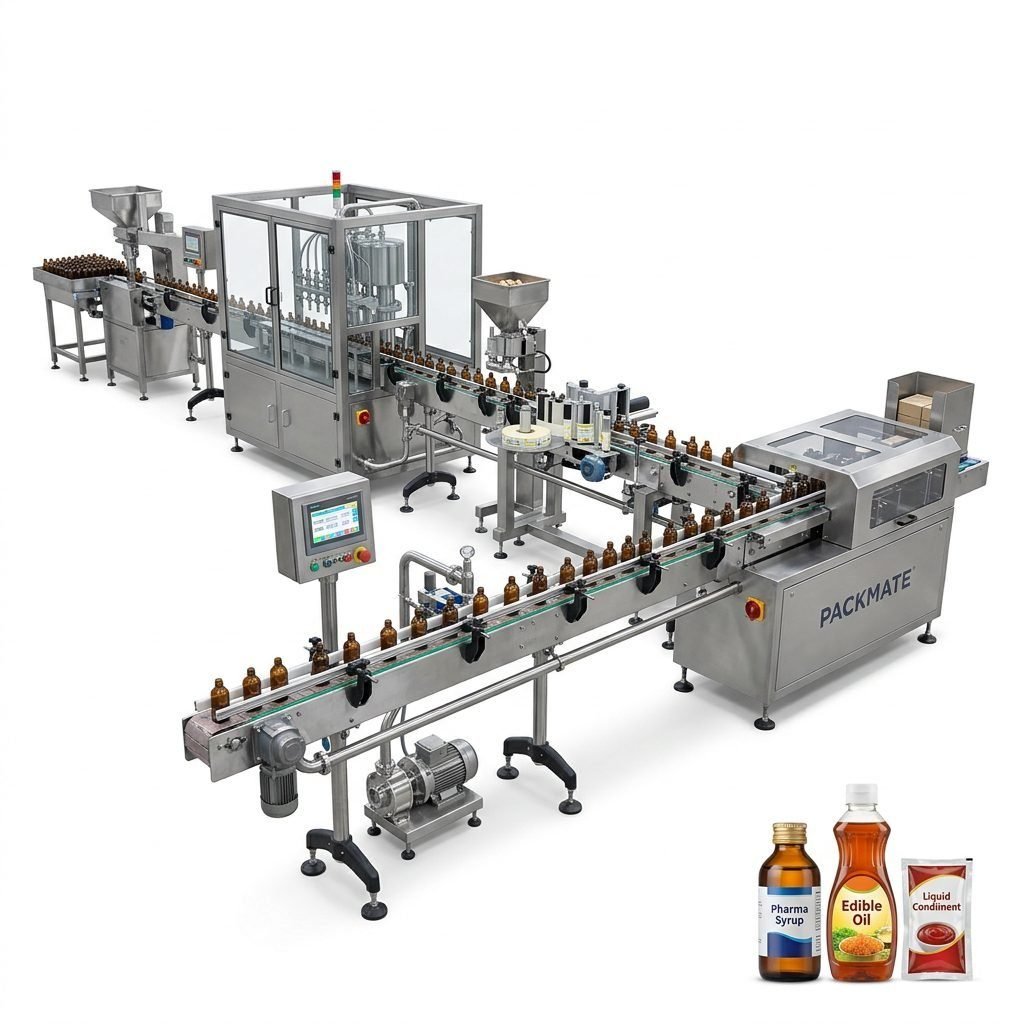
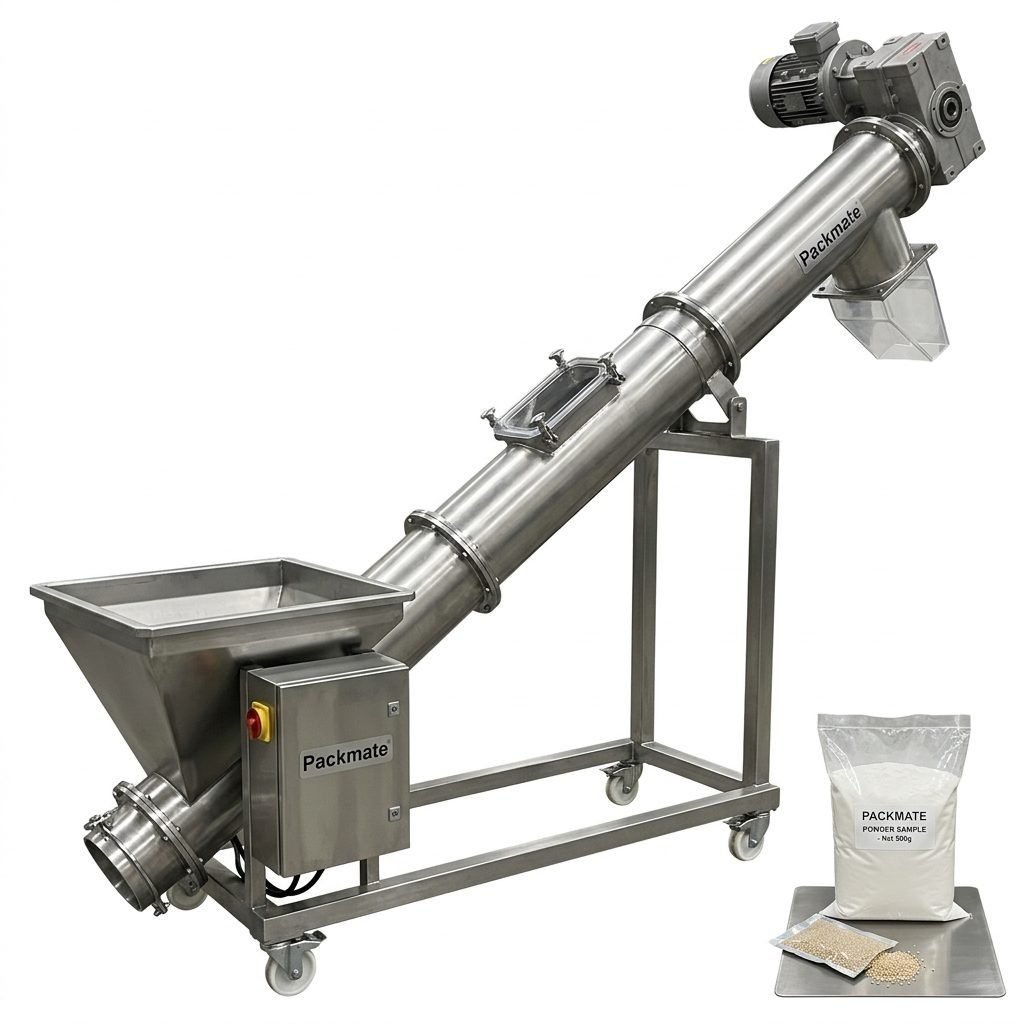
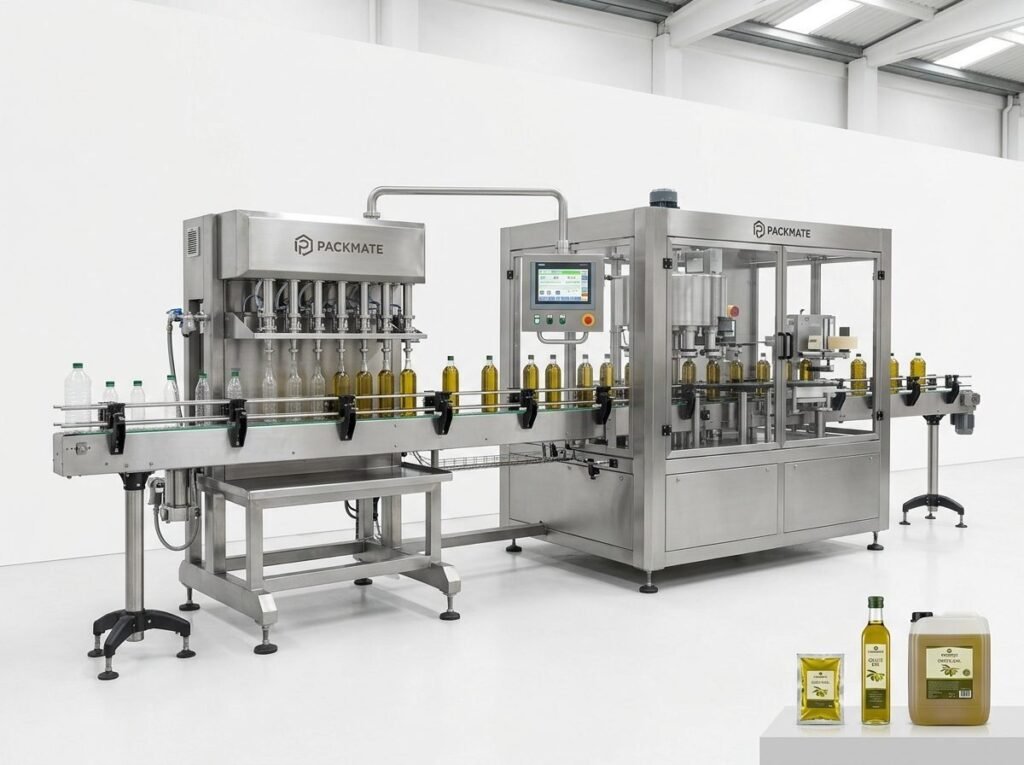
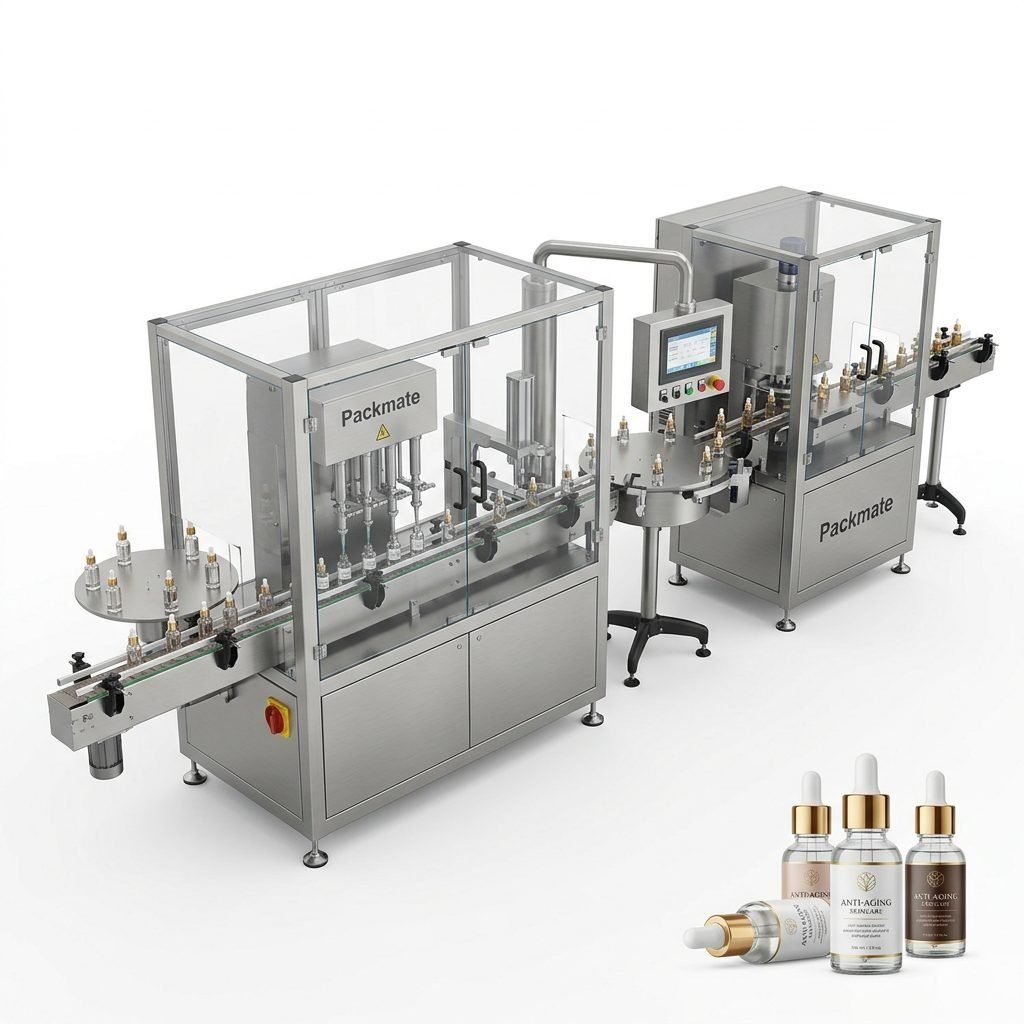
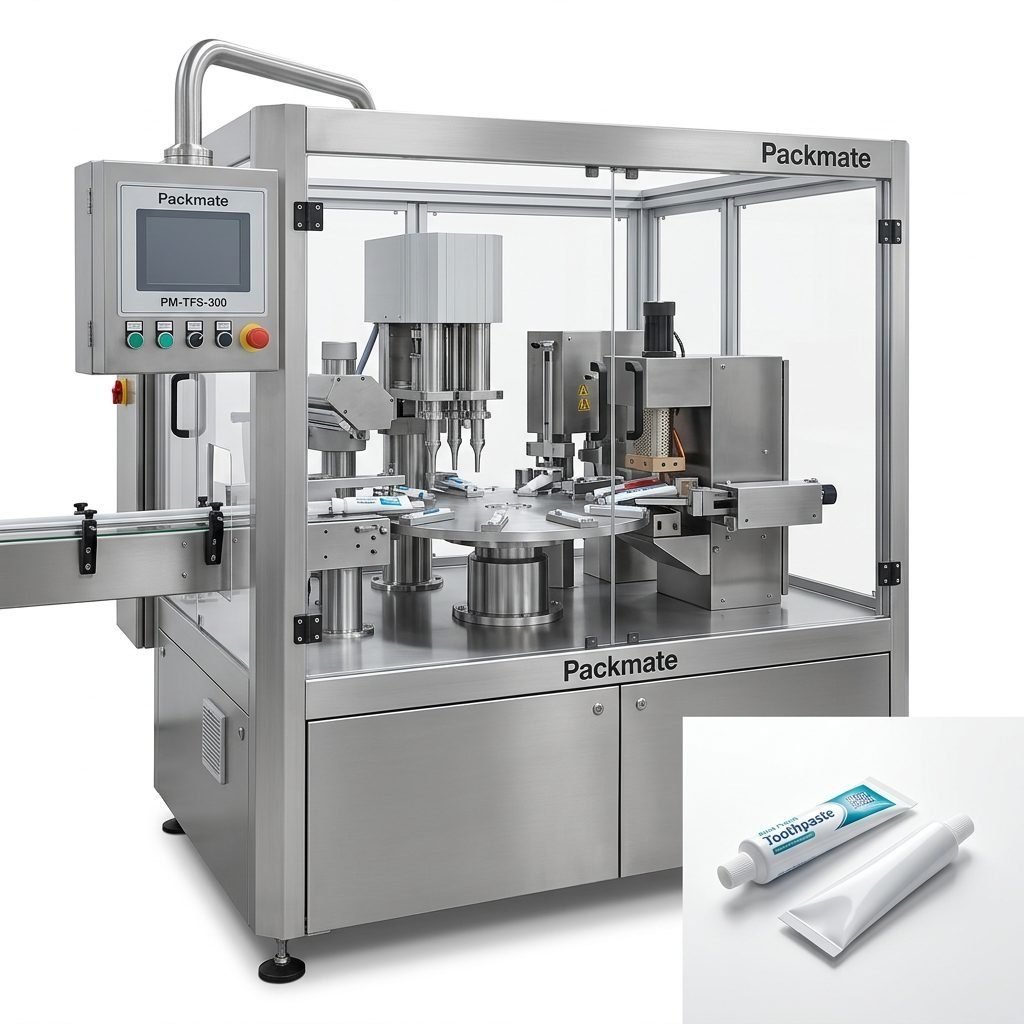
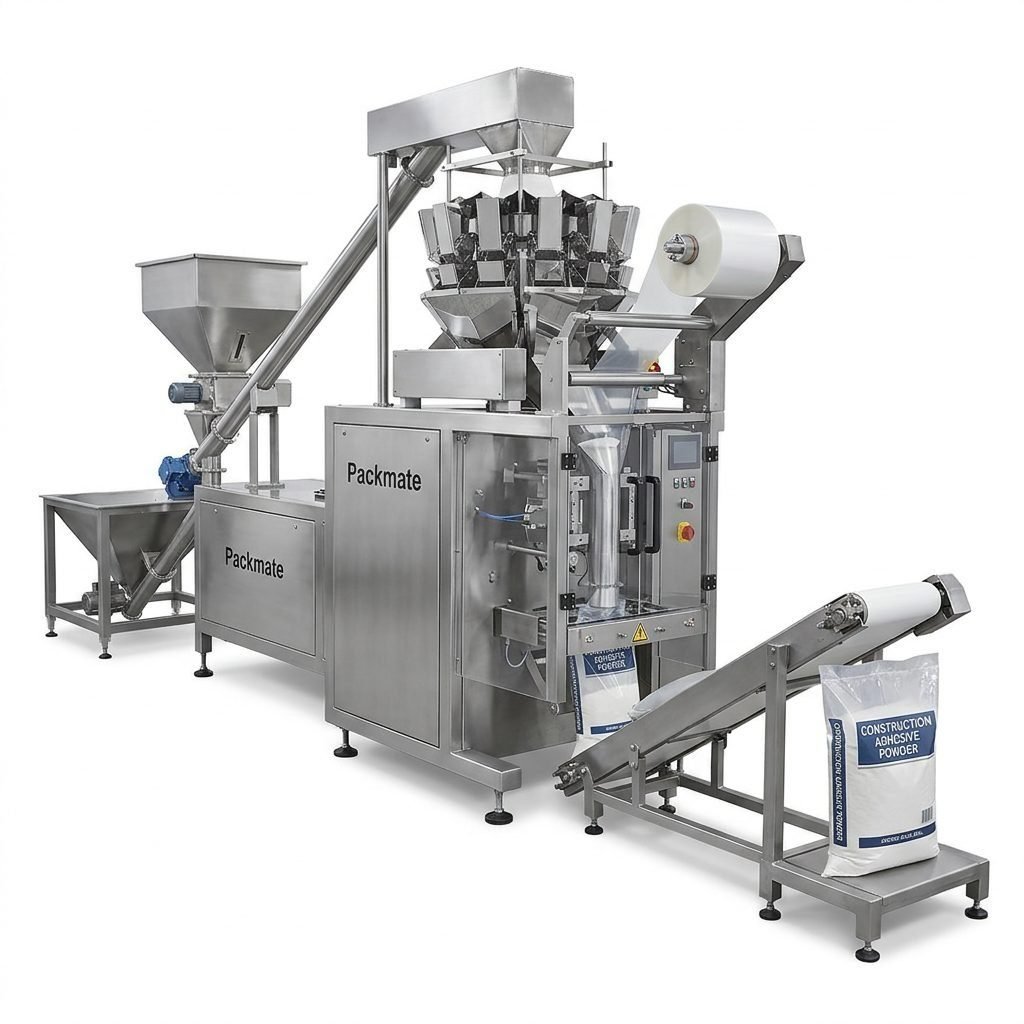
Filling Machines: Essential for accurately dispensing products—be they granules, powders, liquids, or pastes—into containers. Accuracy here is critical to maintaining product consistency and complying with regulatory standards.
Sealing and Wrapping Machines: These ensure product integrity and longevity by creating airtight and tamper-evident seals. Technologies range from heat sealing for flexible films to capping for rigid containers.
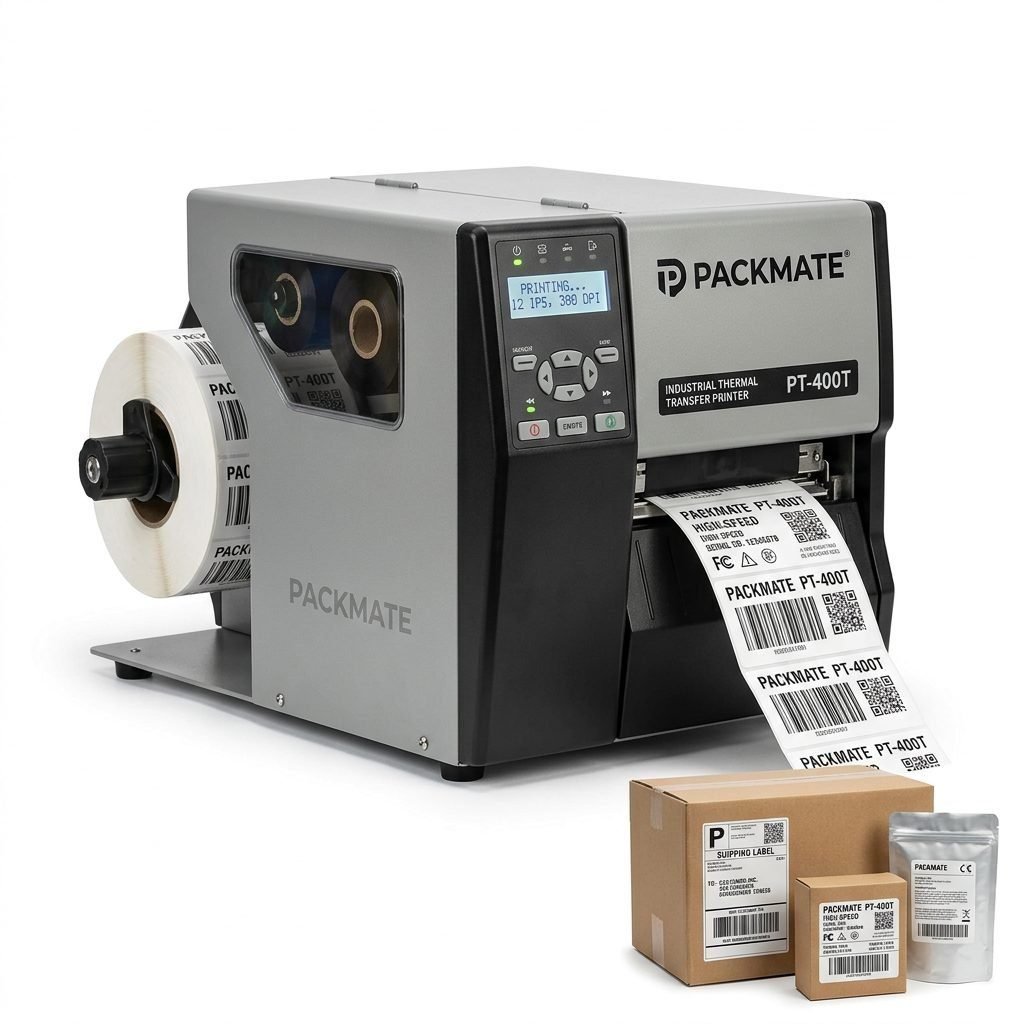
Labeling and Coding Systems: They apply vital information, branding, batch codes, and expiry dates. Modern systems offer high-speed, non-contact printing and application for maximum flexibility.
End-of-Line Packaging: This includes case packers, palletizers, and stretch wrappers that prepare finished goods for storage and shipment, optimizing logistics and supply chain efficiency.
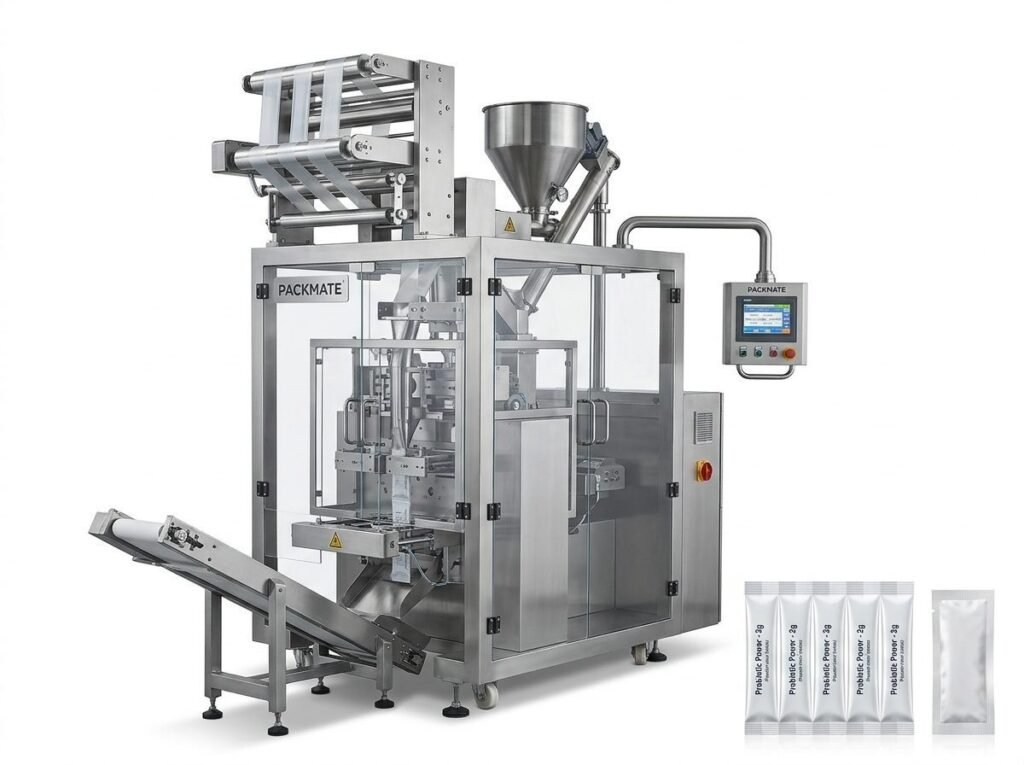
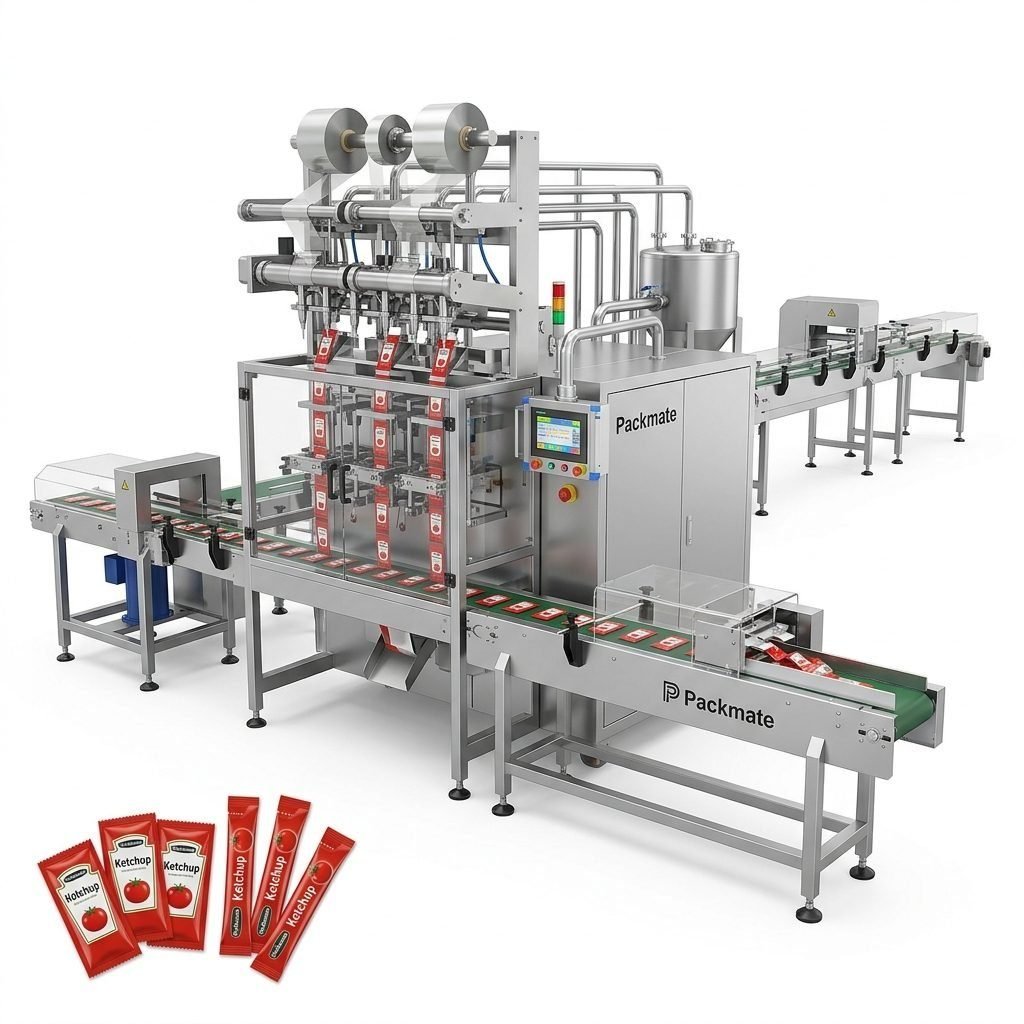
For specialized needs, such as creating convenient single-serve portions, sachet and stick pack machines have become indispensable in the food and pharmaceutical sectors.
The Critical Role in Key Industries
The impact of advanced packaging machinery is profoundly felt across several core industries.
Food & Beverage: Here, machinery must guarantee hygiene, preserve freshness, and often operate at incredibly high speeds to meet consumer demand. From snack packaging to liquid filling lines, automation ensures safety and scale.
Pharmaceuticals & Healthcare: This sector demands the highest levels of precision and sterility. Packaging lines for tablets, powders, or medical devices must comply with Good Manufacturing Practices (GMP) and often require cleanroom compatibility to prevent contamination.
Similarly, the growing health supplements market relies on precise weighing and packaging systems to deliver accurate dosages in formats like capsules and powder sticks, building consumer trust through consistency.
Benefits of Investing in Modern Machinery
Upgrading to contemporary processing and packaging systems delivers a compelling return on investment through multiple channels:
Dramatically Increased Productivity: Automated lines run 24/7 with minimal downtime, outpacing manual or semi-automated processes by orders of magnitude.
Enhanced Product Quality & Consistency: Precision engineering eliminates human error, ensuring every unit meets exact specifications for weight, fill, and seal integrity.
Significant Material & Labor Cost Savings: Reduced product giveaway and lower reliance on large manual labor teams directly improve the bottom line.
Improved Safety and Compliance: Enclosed systems protect products from external contamination and protect workers from repetitive strain injuries, while built-in traceability aids regulatory compliance.
Scalability and Flexibility: Modern machines are often modular, allowing lines to be easily reconfigured for different products or package sizes, future-proofing your investment.
Choosing the Right Machinery Partner: A Strategic Decision
Selecting equipment is more than a purchase; it’s forming a partnership. The right manufacturer provides not just a machine, but a comprehensive solution. Consider a partner with deep industry expertise, like Packmate Machinery, which brings over 30 years of specialization in intelligent packaging for food, pharma, and health industries. Key selection criteria include:
Proven Expertise and Reputation: Look for a history of successful installations and client testimonials.
Customization and Support: The ability to tailor solutions to your specific product and workflow is crucial, backed by reliable after-sales service and spare parts availability.
Technology and Innovation: A partner committed to R&D will offer more future-proof, efficient, and intelligent equipment.
Total Cost of Ownership (TCO): Evaluate energy efficiency, maintenance needs, and operational costs, not just the initial purchase price.
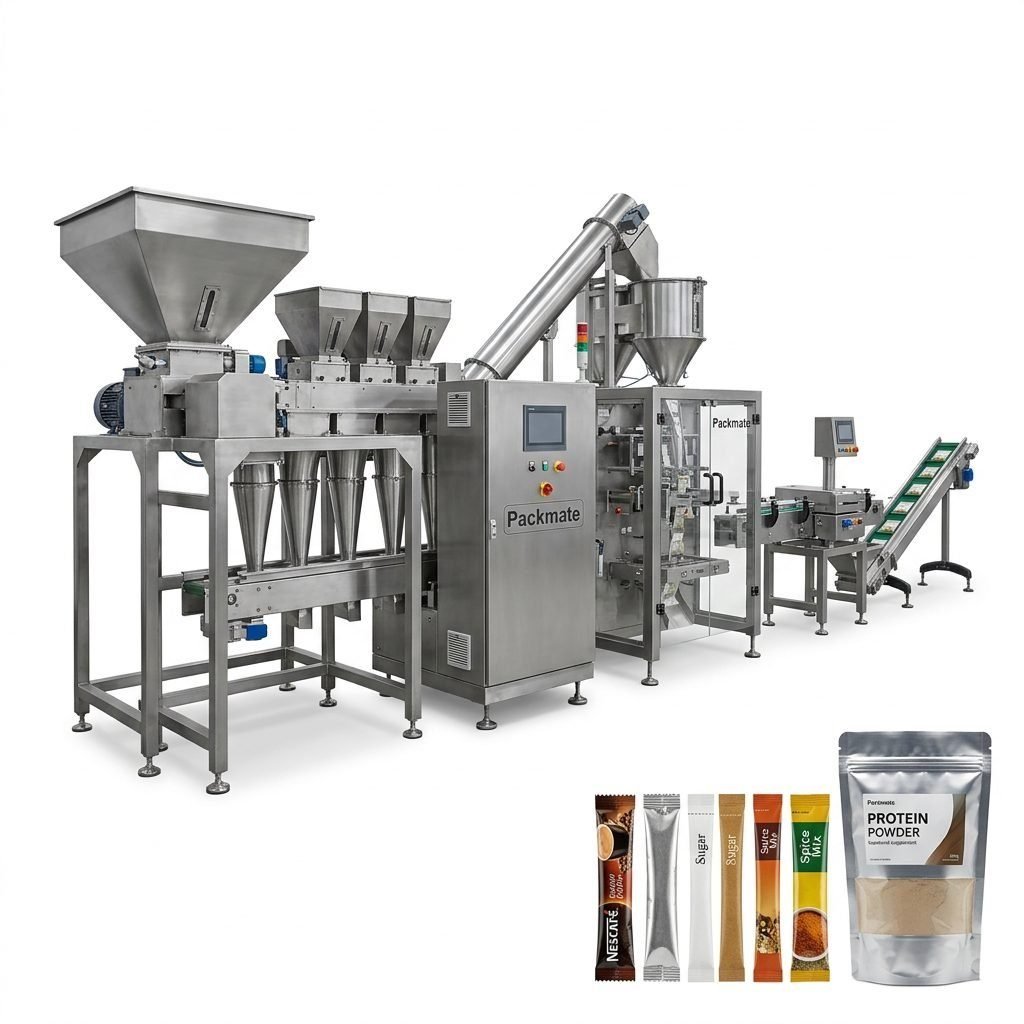
For complex projects requiring seamless integration, exploring a provider’s capability to deliver complete filling and packaging lines is a wise step.
Future Trends: The Smart Factory Integration
The future of processing and packaging is undeniably digital. The integration of Industrial Internet of Things (IIoT) sensors, AI, and machine learning is creating the “smart factory.” Machines will self-diagnose maintenance needs, optimize their own performance in real-time, and communicate seamlessly with enterprise resource planning (ERP) systems. This level of connectivity and data intelligence will drive predictive maintenance, further reduce waste, and enable fully agile, demand-driven production models.
In conclusion, processing and packaging machinery is the silent engine of global commerce. Its continuous advancement empowers industries to meet the challenges of efficiency, quality, and safety head-on. By making informed, strategic investments in this technology and choosing the right partners, businesses can secure a decisive competitive advantage in the modern marketplace.
Frequently Asked Questions (FAQs)
What are the main factors to consider when choosing packaging machinery?
The key factors are your product type (e.g., powder, liquid), required output speed, budget, available factory space, and the level of automation needed. It’s also vital to consider the manufacturer’s reputation for reliability and after-sales support.
How can modern packaging machinery reduce operational costs?
It reduces costs by minimizing product giveaway through precise filling, lowering labor costs via automation, decreasing downtime with reliable performance, and optimizing energy and material usage through efficient design.
What industries benefit most from automated stick pack and sachet machines?
These machines are highly beneficial for the food industry (coffee, sugar, condiments), pharmaceuticals (powdered medication, electrolytes), and the fast-growing health supplements sector (protein, vitamin single-serve packs).
Is it difficult to integrate new packaging equipment into an existing production line?
It can be complex, but a reputable machinery provider will offer engineering support for seamless integration. Choosing modular equipment designed for connectivity can significantly simplify this process.
What does ‘turnkey packaging solution’ mean?
A turnkey solution means the supplier handles everything from design and manufacturing to installation, commissioning, and training. You receive a complete, ready-to-operate production line, essentially needing only to “turn the key” to start production.