In today’s environmentally conscious market, the demand for sustainable practices extends across every facet of business operations. For companies in the food, pharmaceutical, and health industries, packaging presents a significant opportunity—and responsibility—to reduce environmental impact. Transitioning to eco-friendly packaging is no longer just a trend; it’s a business imperative driven by consumer preference, regulatory pressures, and corporate social responsibility goals. However, this transition hinges on one critical factor: the machinery that produces the packaging. Without the right equipment, even the best intentions for sustainability cannot be realized at scale.
The challenge lies in finding packaging machinery solutions that do not compromise on efficiency, reliability, or product integrity while enabling the use of recyclable, biodegradable, or reduced-material packaging formats. This is where specialized, intelligent packaging equipment becomes the cornerstone of an eco-friendly business strategy. By investing in the right technology, companies can achieve their sustainability targets without sacrificing productivity or profitability.
The Core of Eco-Friendly Packaging: Advanced Machinery
True sustainability in packaging is achieved through a combination of material choice and manufacturing precision. Machinery designed with sustainability in mind focuses on several key areas:
Material Efficiency: Modern sustainable packaging machines are engineered for precision. They minimize material waste by ensuring accurate dosing, sealing, and cutting. This is crucial when using often more expensive compostable or recycled-content films, where every gram of waste represents lost cost and environmental benefit.
Energy Consumption: Next-generation packaging equipment incorporates energy-saving technologies, such as efficient servo motors and smart power management systems, reducing the overall carbon footprint of the production process.
Versatility for New Materials: Sustainable packaging often involves novel materials like PLA (polylactic acid) or paper laminates. Machinery must be adaptable, with adjustable heat settings, tension controls, and sealing mechanisms to handle these materials reliably without jams or defects.
Key Sustainable Packaging Formats and Machine Solutions
Different packaging formats serve different sustainability purposes. Here’s how specialized machinery enables each one:
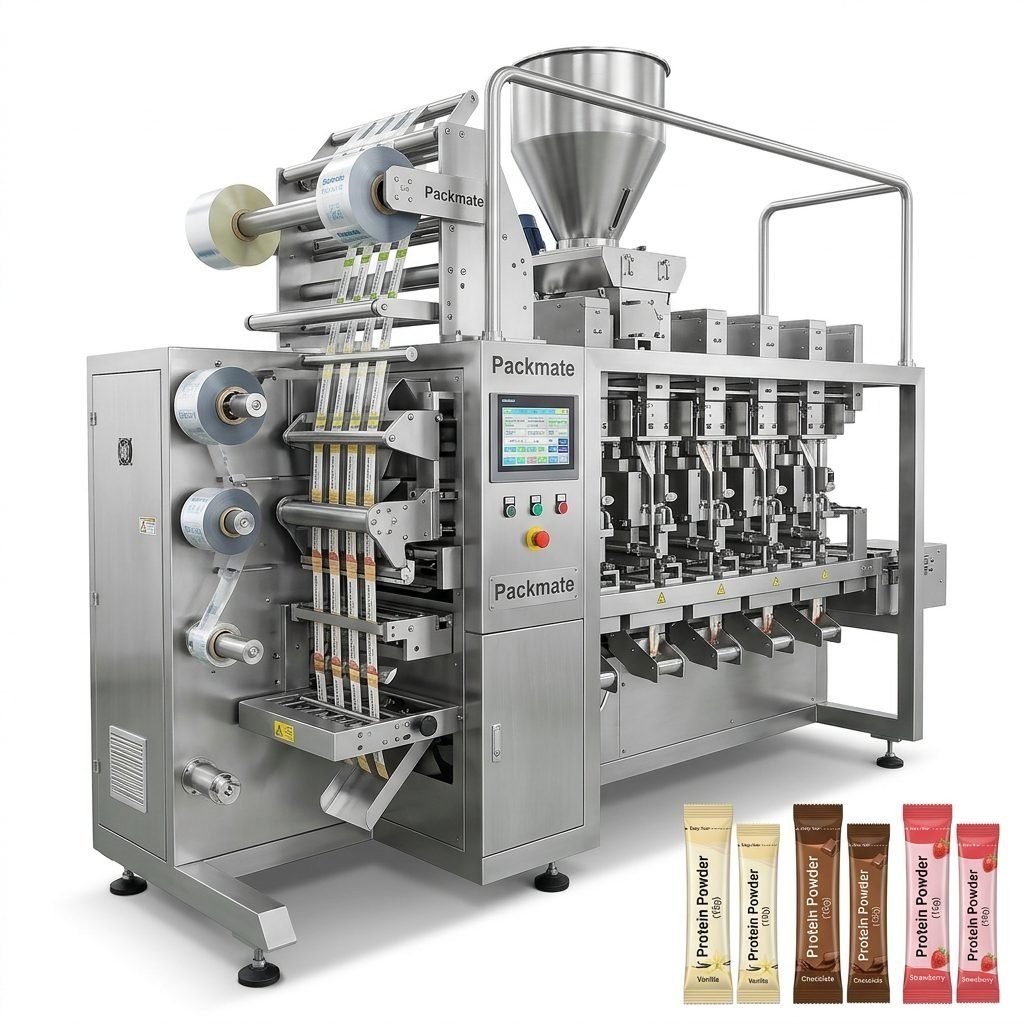
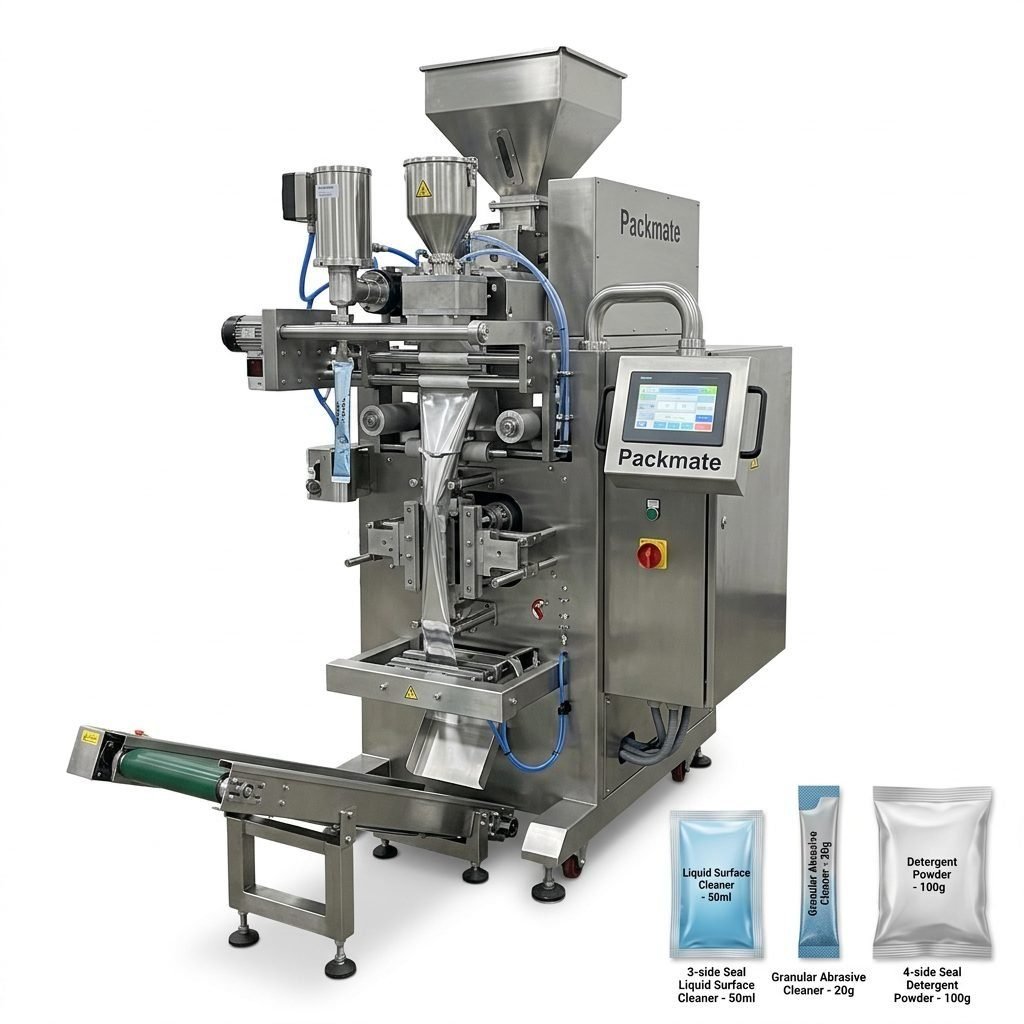
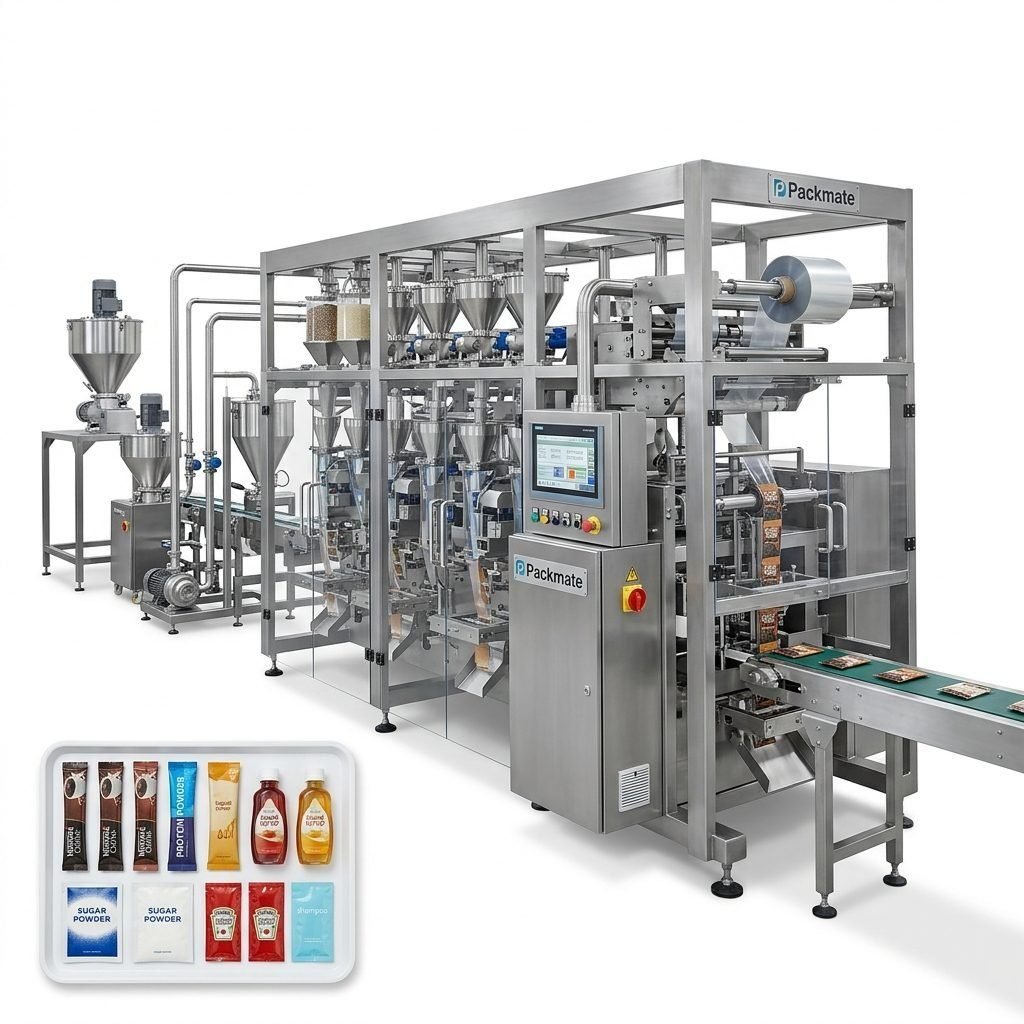
Stick Packs and Sachets: These small-format packages are excellent for reducing portion size and material use per serving. Multi-lane stick pack and sachet packaging machines take this efficiency further. By running multiple lanes simultaneously, they dramatically increase output while maintaining a small machine footprint, optimizing both material and factory space. They are ideal for single-serve products like supplements, drink mixes, or condiments, helping to reduce overall plastic consumption.
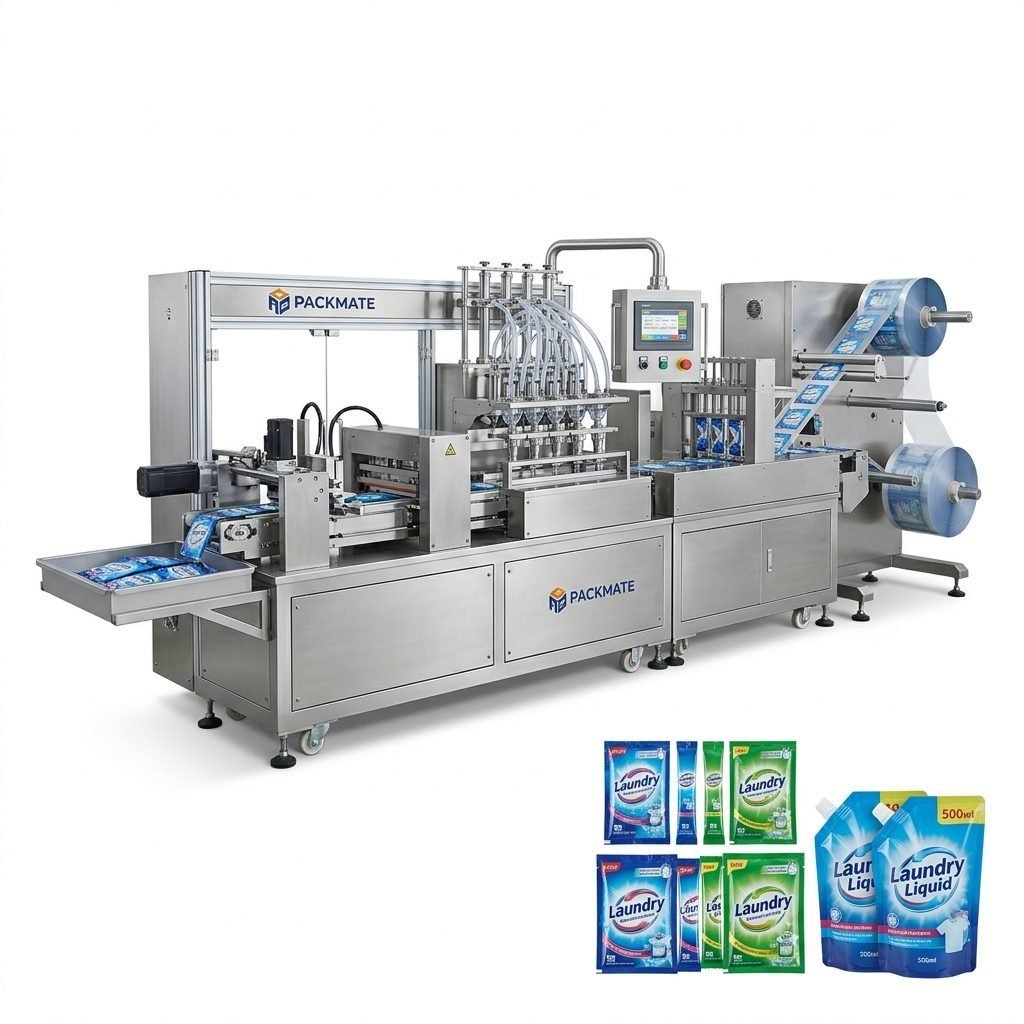
Stand-Up Pouches and Bags: Flexible pouches often use less material than rigid containers and can be designed for recyclability. Advanced bag and pouch packaging machines offer precision filling and sealing for liquids, granules, and powders. Their ability to handle mono-material films (which are easier to recycle) is a significant advantage for brands looking to improve their packaging’s end-of-life cycle.
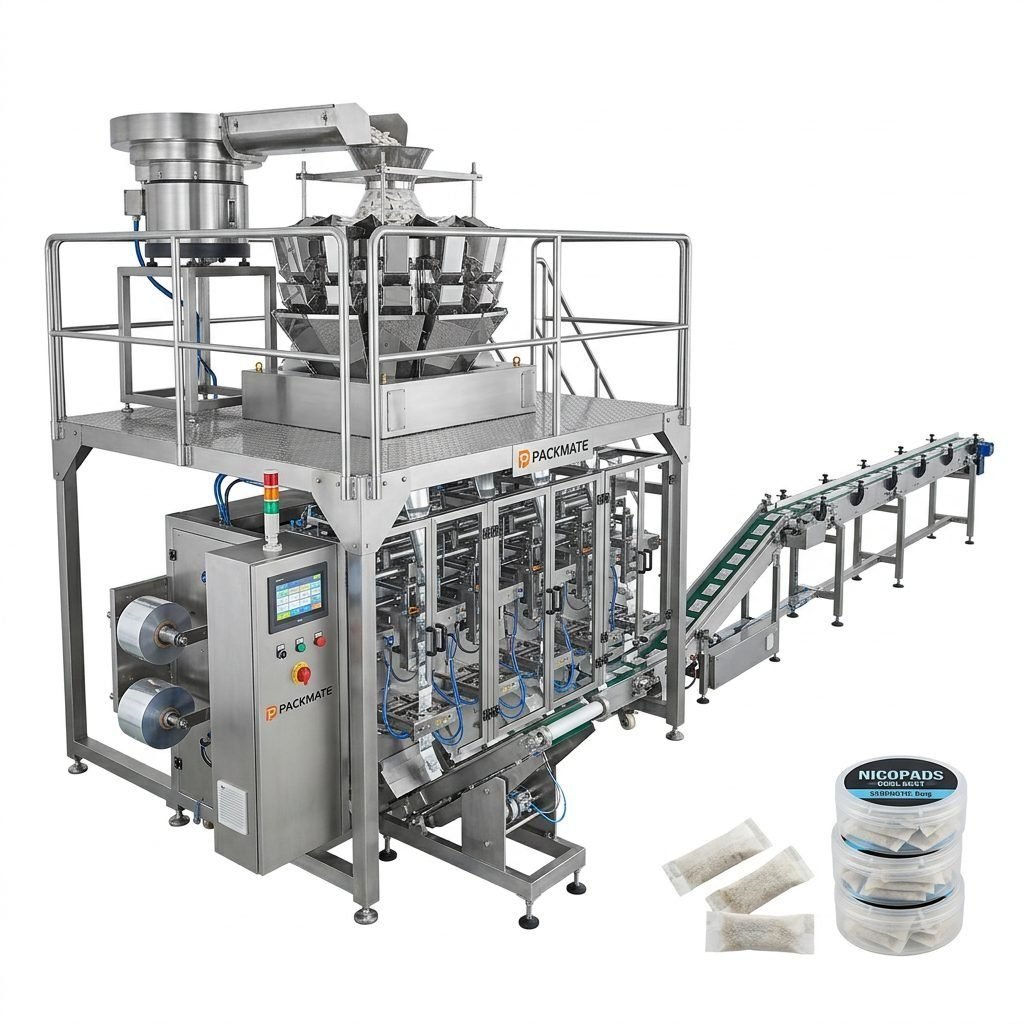
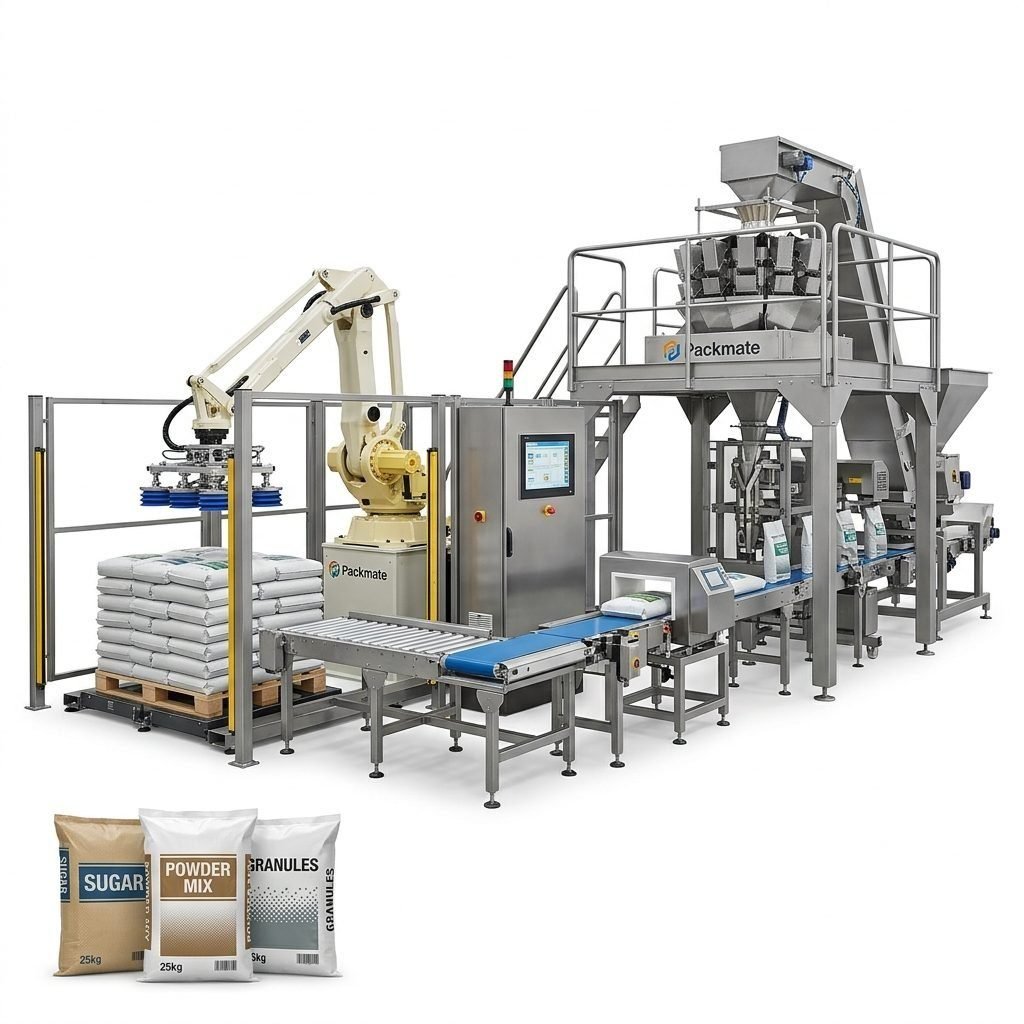
Integrated Weighing and Filling Systems: Product waste is as critical as material waste. Automated weighing and packaging systems ensure exact amounts are dispensed into each package. This high accuracy prevents product giveaway, saving raw materials and reducing the environmental impact associated with overproduction and excess product disposal.
The Role of a Trusted Manufacturing Partner
Implementing a sustainable packaging line is a complex undertaking. It requires more than just purchasing a machine; it demands a partner with deep expertise in both packaging technology and sustainable material science. A partner like Packmate Machinery brings over 30 years of experience to this challenge. With a history rooted in innovation—starting from a small workshop in 1993 to becoming a leader with a 20,000㎡ modern facility—their journey mirrors the evolution of packaging itself towards greater efficiency and responsibility.
Why Expertise Matters
Developing machinery for eco-friendly packaging involves navigating unique challenges. Bioplastics may have different melting points, recycled paper laminates may vary in thickness, and seal integrity is paramount to prevent spoilage and waste. An experienced manufacturer possesses the R&D capability and practical know-how to tailor machine parameters—such as temperature, speed, and pressure—to these specific materials. This ensures the final packaged product is not only sustainable but also secure, attractive, and functional throughout its shelf life.
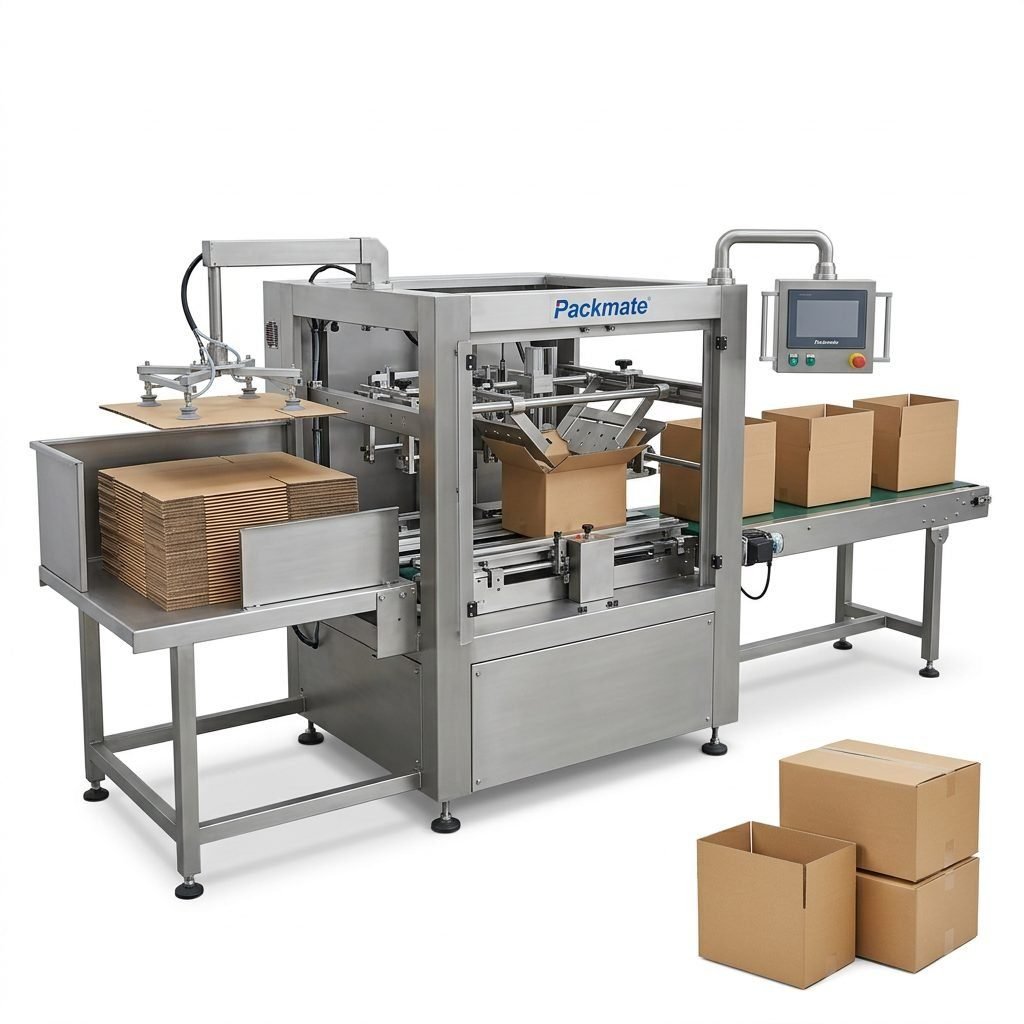
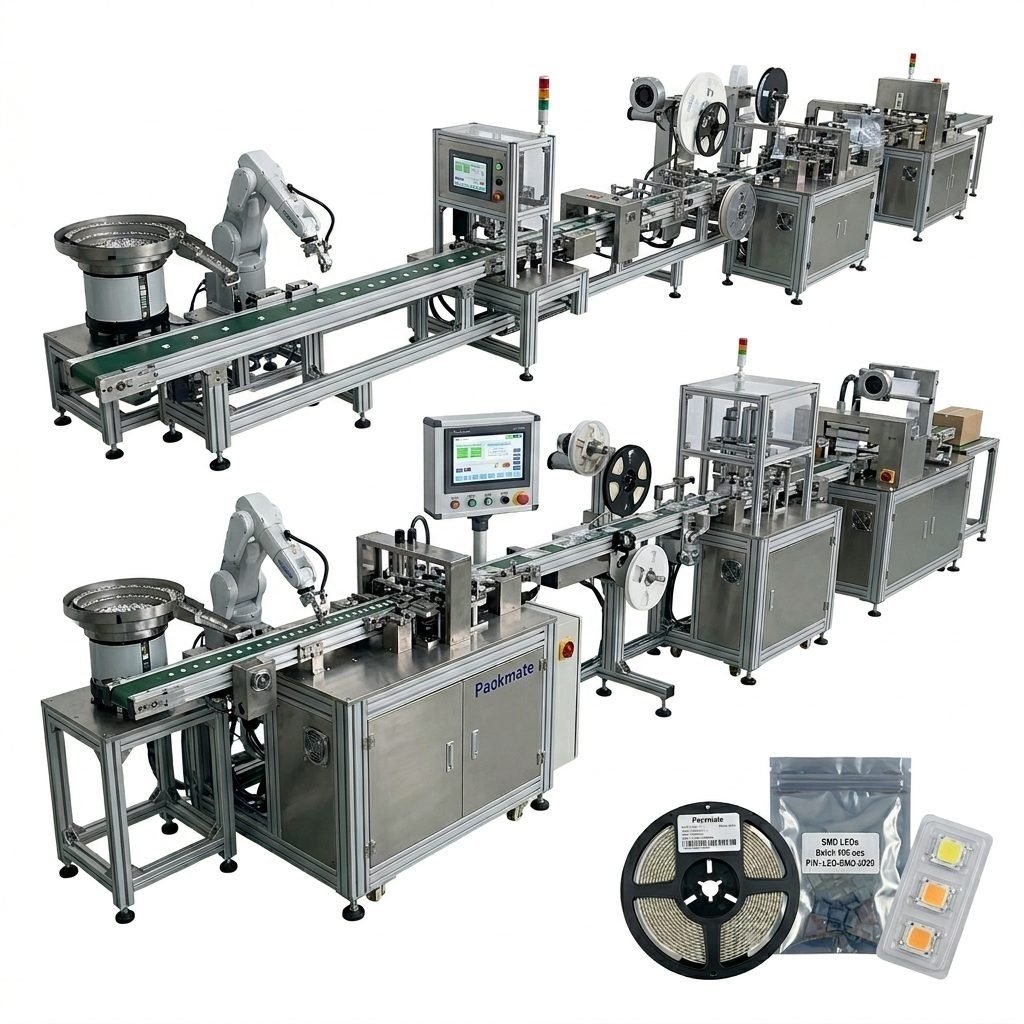
Furthermore, a true partner provides complete turnkey solutions. This means they can design, integrate, and commission an entire filling and packaging line that works harmoniously, from the initial feeding of raw materials to the final boxing of finished goods. This holistic approach eliminates compatibility issues and optimizes the entire process for minimal energy and resource use.
Building a Future-Proof Business
Investing in sustainable packaging machinery is an investment in the long-term viability of a business. It future-proofs operations against tightening environmental regulations and shifting market demands. Consumers are increasingly making purchasing decisions based on a brand’s environmental stance, and sustainable packaging is the most visible proof of that commitment.
Moreover, efficiency gains from advanced machinery often lead to a faster return on investment. Reduced material costs, lower energy bills, decreased product waste, and higher production speeds collectively improve the bottom line. Sustainability and profitability, therefore, are not mutually exclusive but are powerfully aligned when supported by the right technology.
The journey toward becoming an eco-friendly business is continuous. It starts with a commitment and is realized through strategic partnerships and technological investment. By choosing packaging machinery solutions built for sustainability, companies can confidently meet today’s demands while protecting tomorrow’s world.
Frequently Asked Questions (FAQs)
1. Can sustainable packaging machinery handle traditional plastic materials as well?
Yes, most modern sustainable packaging machines are designed for versatility. They can efficiently run conventional plastics, biodegradable films, and paper-based materials. This flexibility allows businesses to transition gradually or offer different packaging lines without needing separate machines.
2. Is the initial investment in sustainable packaging machinery significantly higher?
While advanced machinery may have a higher upfront cost, the total cost of ownership is often lower. Savings are realized through drastic reductions in material waste, lower energy consumption, higher production speeds, and minimal downtime due to the machine’s reliability and precision. Many businesses find the ROI period is shorter than anticipated.
3. How do I know which sustainable packaging format and machine are right for my product?
The best choice depends on your product (granules, powder, liquid), required shelf life, brand image, and sustainability goals. Reputable manufacturers like Packmate Machinery offer consultation and testing services. They can analyze your product and goals to recommend the optimal packaging format and provide a machine demonstration with your chosen materials.
4. What kind of support can I expect after purchasing the machinery?
A comprehensive support package is crucial. Look for a supplier that offers detailed installation guidance, operator training, readily available spare parts, and responsive technical support. This ensures your sustainable packaging line runs smoothly and continues to operate at peak efficiency, protecting your investment.
5. Can these machines be integrated into my existing production line?
Absolutely. A key service from experienced manufacturers is line integration. They can design the new sustainable packaging machine to work seamlessly with your existing conveyors, feeders, and control systems. They also offer a range of auxiliary packaging equipment to complete or upgrade your production line for maximum coherence and flow.