In the world of coffee, the journey from bean to brew is sacred. While much attention is given to origin and roasting, the final steps—grinding and packaging—are equally critical in preserving that hard-won flavor and aroma. For coffee businesses, from artisanal roasters to large-scale producers, selecting the right grinding and packaging equipment is not just an operational decision; it’s a commitment to quality. This guide delves into the essential machinery that ensures your coffee reaches the consumer at its absolute best.
The Heart of Flavor: Coffee Grinding Equipment
The grind is the first variable a consumer controls in their brewing process, making consistent particle size paramount. Industrial coffee grinding equipment is designed to achieve precise, uniform grinds for every brewing method, from Turkish fine to French press coarse.
Key Grinder Types:
• Burr Grinders: The industry gold standard. They crush beans between two abrasive surfaces (burrs), offering superior consistency and minimal heat generation, which protects volatile coffee oils.
• Roller Grinders: Ideal for high-volume production. Beans pass through pairs of corrugated rollers, allowing for highly adjustable and consistent particle size distribution, crucial for espresso blends.
• Blade Grinders: Less common in professional settings due to inconsistent particle size and heat generation, but may be used for specific, non-beverage applications.
When selecting a grinder, consider throughput capacity, grind adjustment range, cooling systems to prevent heat buildup, and ease of cleaning to avoid cross-contamination of flavors. The goal is to preserve the roaster’s intended flavor profile by delivering a perfect, consistent grind every time.
From Grind to Package: The Seamless Connection
Freshly ground coffee is highly susceptible to oxidation and staling. Therefore, an efficient, integrated system that moves coffee quickly from grinder to sealed package is vital. This often involves pneumatic conveying systems or sealed augers that transport ground coffee directly to the packaging machine’s filling head, minimizing exposure to air.
The Shield of Freshness: Coffee Packaging Equipment
Packaging is the final guardian of coffee quality. Modern packaging equipment does more than just bag coffee; it actively preserves it. The primary enemy is oxygen, followed by moisture, light, and heat. Effective packaging machinery addresses these threats head-on.
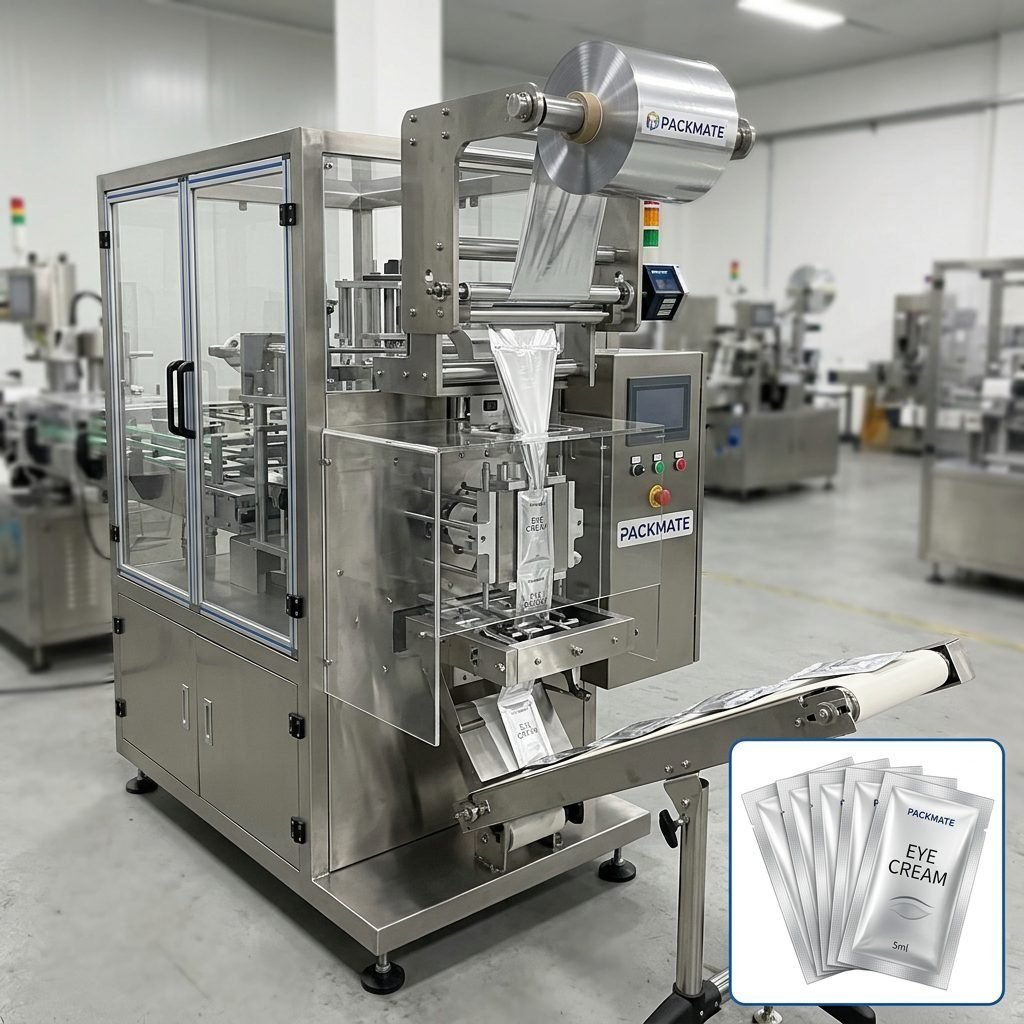
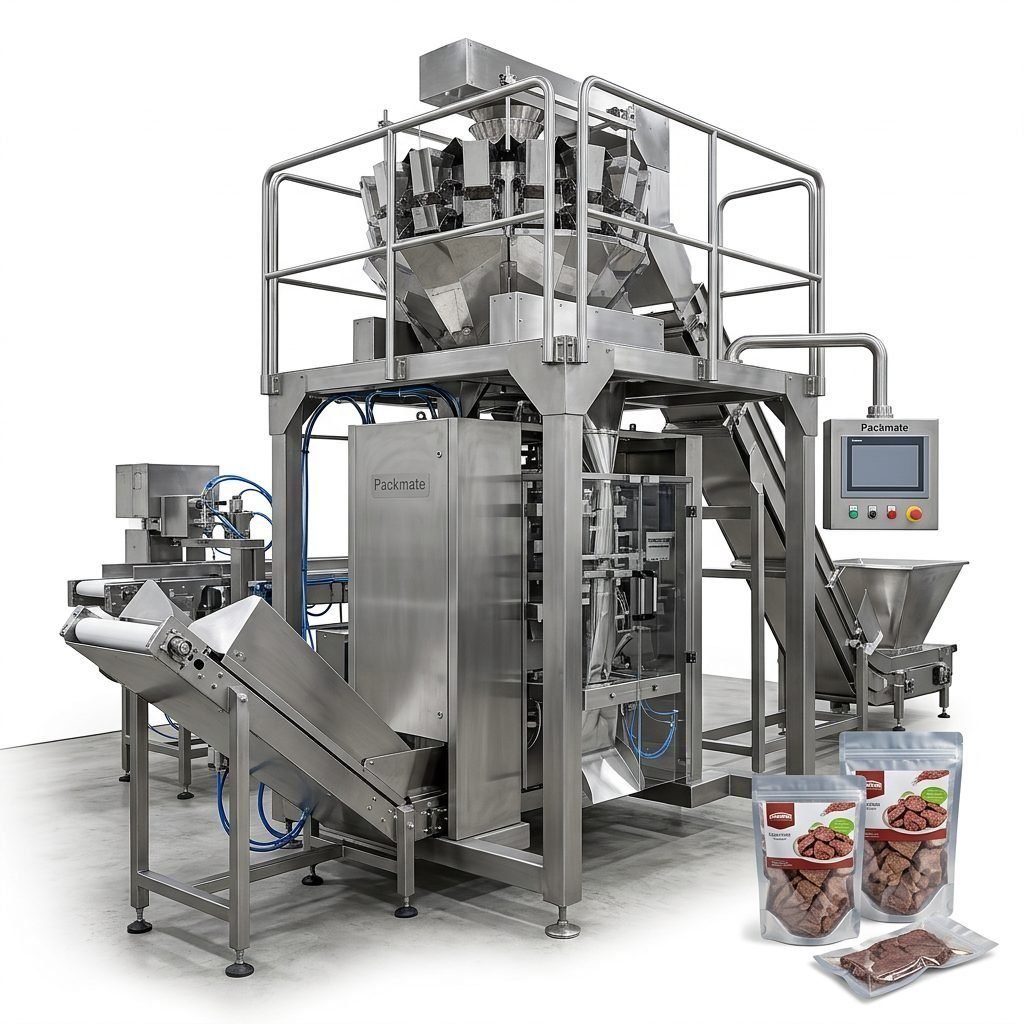
The most common and effective method for whole bean and ground coffee is gas flushing (modified atmosphere packaging). Machines like those from Packmate’s Bag & Pouch Packaging Machines line evacuate ambient air from the package and replace it with an inert gas like nitrogen or a nitrogen-carbon dioxide mix. This dramatically slows oxidation, preserving freshness for months.
Critical Features in Coffee Packaging Machinery:
1. Precision Weighing & Filling: Accuracy is non-negotiable. Net weight fillers, auger fillers, or cup fillers ensure each package contains the exact advertised weight, complying with trade regulations and maintaining consumer trust. Integrated weighing systems are crucial here.
2. Degassing Valve Application: For freshly roasted whole beans, a one-way degassing valve is essential. It allows naturally emitted CO2 to escape without letting oxygen back in, preventing bags from bursting while enabling freshness preservation.
3. High-Quality Sealing: A hermetic seal is the final barrier. Equipment must provide consistent, strong seals on various materials—whether multi-layer foil, metallized film, or compostable laminates—to prevent leaks and contamination.
4. Flexibility & Speed: The ability to run different bag styles (stand-up pouches, flat bottom bags, side gusset bags) and switch between sizes quickly is key for product line diversity. Machines must match your production volume needs.
Specialized Solutions: Stick Packs and Single-Serve
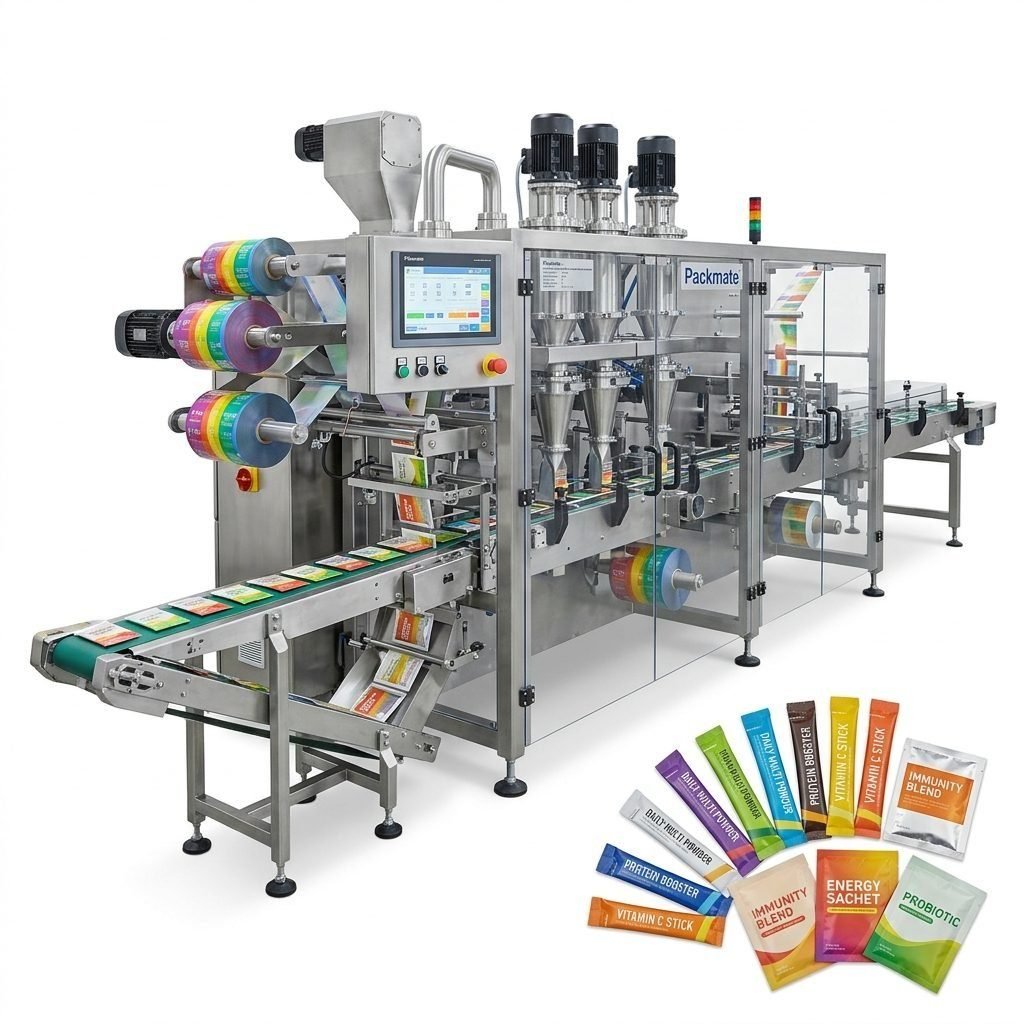
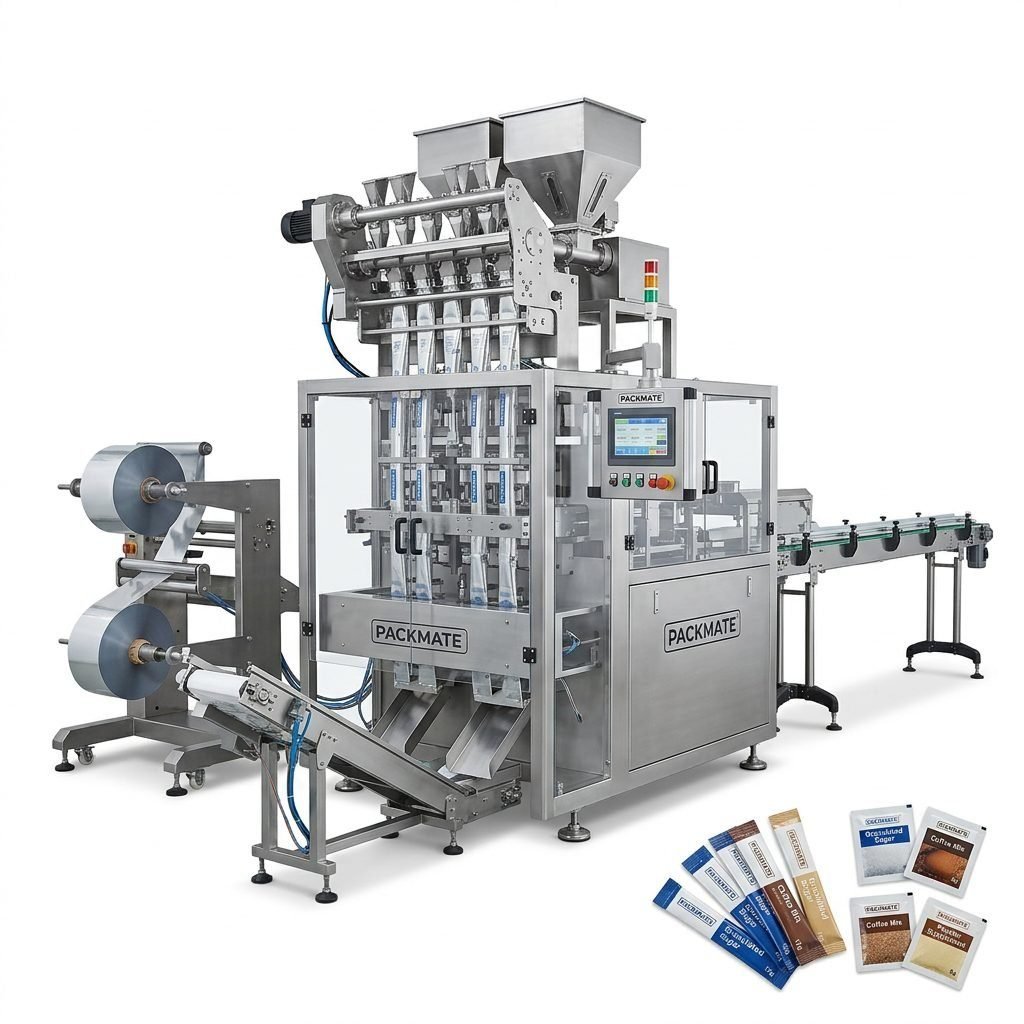
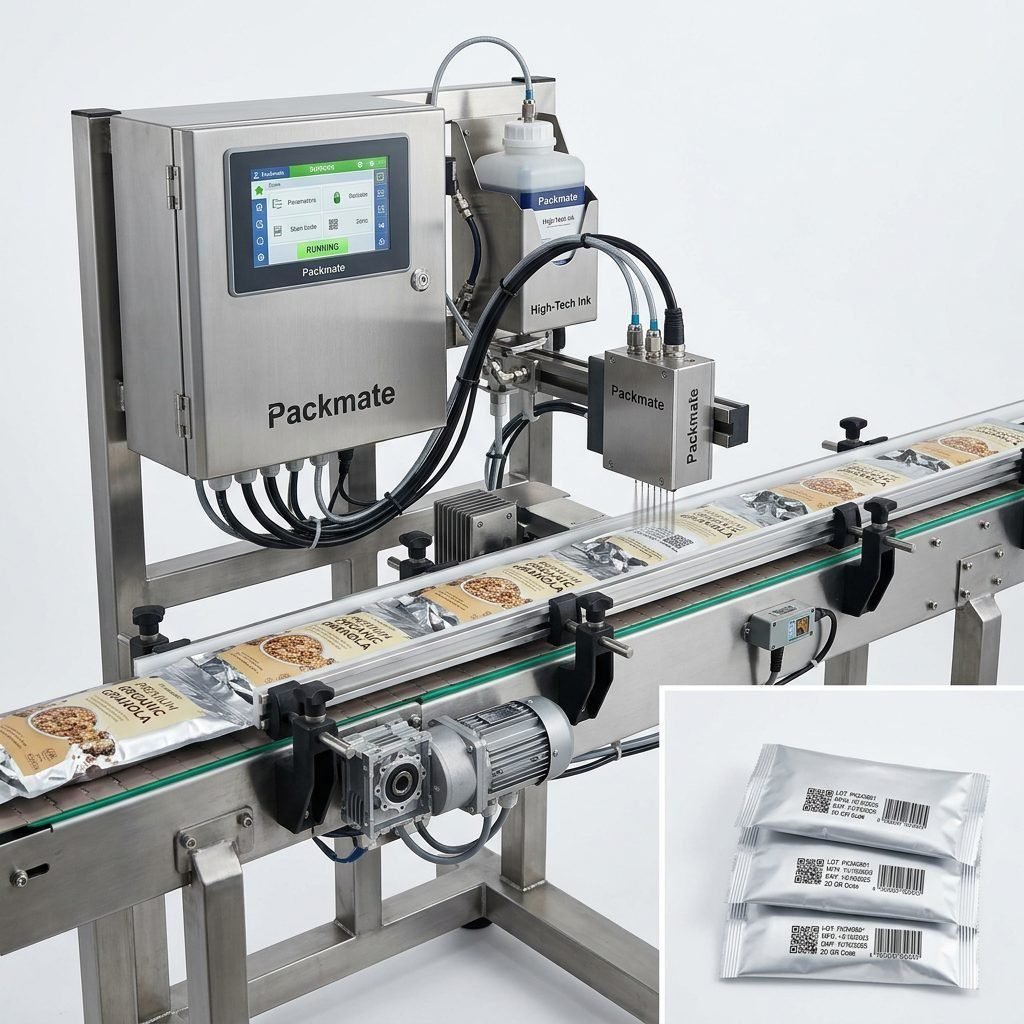
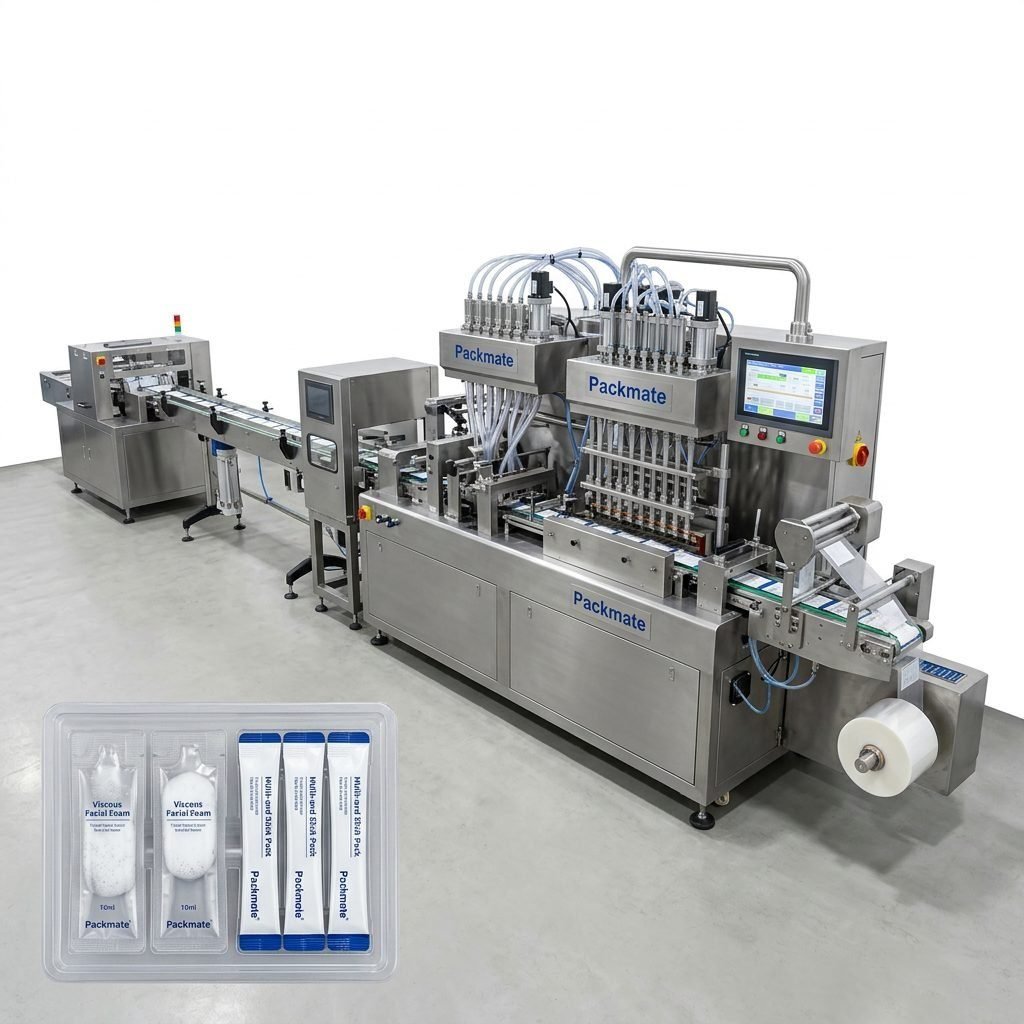
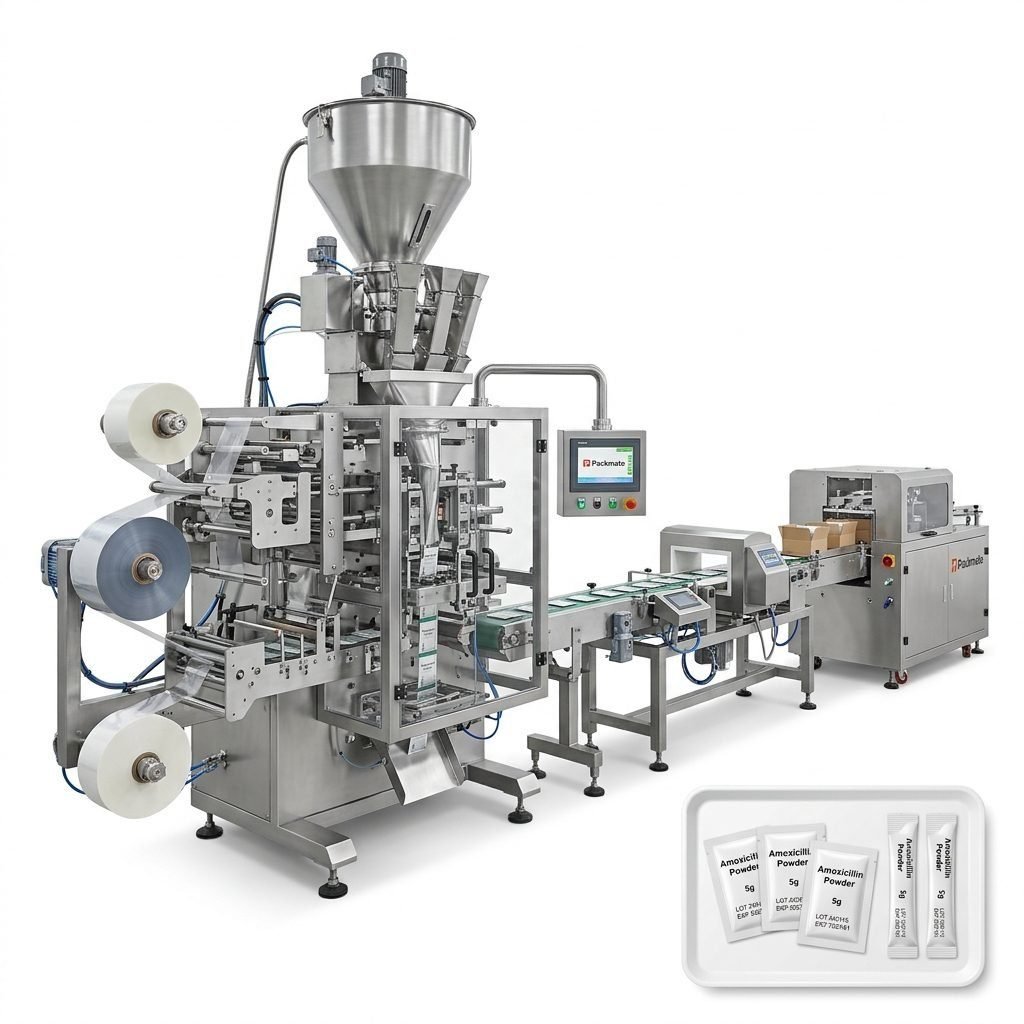
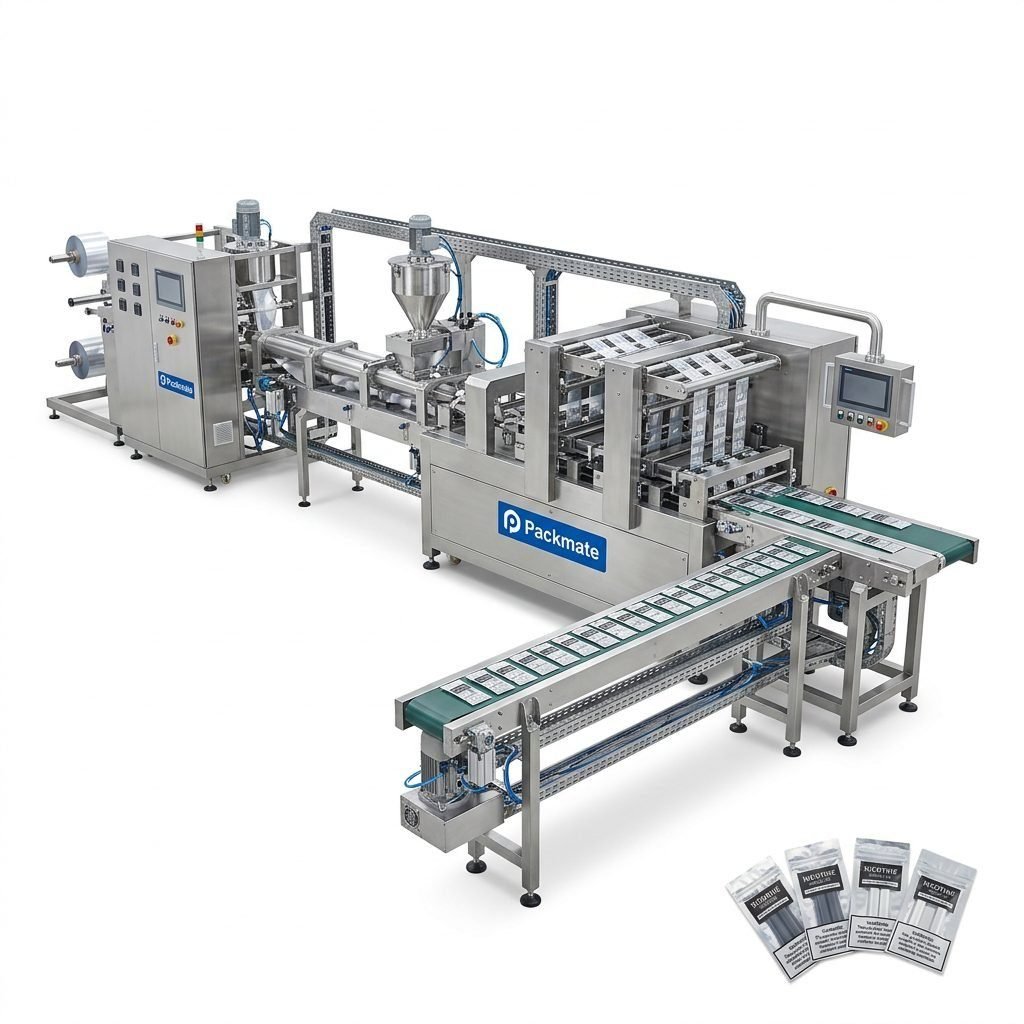
The market for convenience is growing. Single-serve formats like stick packs for instant coffee or pre-ground portions are popular. This requires specialized equipment, such as multi-lane sachet and stick pack machines. These high-speed machines form, fill, and seal small packets from roll stock film with incredible precision and hygiene, perfect for office, hotel, or retail single-serve offerings.
Building a Complete Production Line
For maximum efficiency and product integrity, integrating grinding and packaging into a cohesive turnkey line is the ultimate goal. A complete line might include: a bulk bean hopper > conveyor > grinder > intermediate bulk container > pneumatic conveyor > packaging machine with integrated scale > valve applicator > gas flush system > bag sealer > case packer.
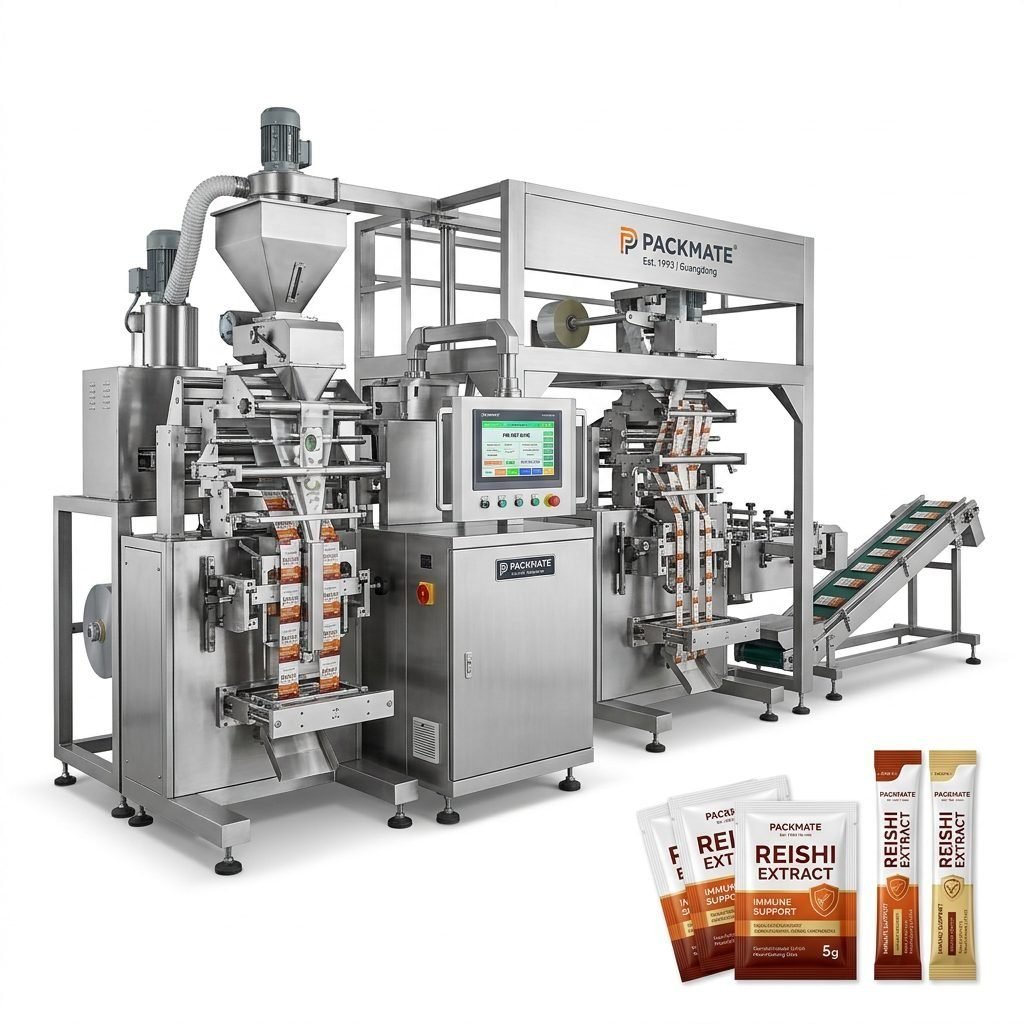
Leading manufacturers like Packmate Machinery specialize in designing these integrated solutions. With over 30 years of expertise, they understand the flow from raw material to finished, shelf-ready product. Their filling and packaging lines are engineered for reliability, minimizing points of failure and ensuring a smooth, automated process that maintains the highest hygiene and quality standards from start to finish.
Investing in a coordinated line from a single supplier often means better compatibility between components, streamlined training, and unified service and support, reducing long-term operational complexities.
Choosing Your Equipment Partner: What to Look For
Selecting machinery is a significant investment. Beyond specifications, evaluate the manufacturer’s industry experience, after-sales service, and ability to provide custom solutions. A partner with a deep understanding of coffee’s specific challenges—like oil management in grinding or precise gas flushing for freshness—is invaluable. Review their company history, client case studies, and technological commitment to ensure they can grow with your business.
The right grinding and packaging equipment forms the backbone of a successful coffee business. It directly impacts product quality, shelf life, operational efficiency, and brand reputation. By prioritizing precision, integration, and freshness preservation, you invest not just in machines, but in the promise of delivering an exceptional cup of coffee every single time.
Frequently Asked Questions (FAQs)
Q1: What is the most important feature in a coffee grinder for commercial use?
The most critical feature is consistent particle size distribution. Inconsistent grinds lead to uneven extraction, ruining coffee flavor. Commercial burr or roller grinders are designed specifically for this consistency, along with durability for high-volume use.
Q2: Why is nitrogen flushing used in coffee packaging?
Nitrogen is an inert gas. Flushing it into the package displaces oxygen, which is the main element causing oxidation and staling in coffee. This process, known as Modified Atmosphere Packaging (MAP), can extend shelf life by months while preserving the coffee’s original aroma and taste.
Q3: Can one packaging machine handle both whole bean and ground coffee?
Yes, many versatile packaging machines can handle both. The key differences will be the type of filler (e.g., a cup filler for beans, an auger filler for grounds) and the potential need for a degassing valve applicator for whole beans. Machine flexibility allows for quick changeovers between product types.
Q4: How do I determine the right packaging speed for my business?
Calculate your current and projected daily/weekly output. Choose a machine that meets your peak demand with about 20% extra capacity for growth. Consider factors like batch size, number of SKUs, and labor availability. A reliable supplier can help you analyze your needs and recommend appropriate machine models.
Q5: What maintenance do coffee grinding and packaging machines require?
Daily cleaning is essential to prevent oil and fine particle buildup, which can affect performance and hygiene. Regular maintenance includes checking and replacing worn burrs or seals, calibrating scales, and lubricating moving parts as per the manufacturer’s schedule. A good service contract from your equipment provider is highly recommended.