In today’s fast-moving consumer goods market, efficient and reliable household product packaging is crucial for brand success, product protection, and customer satisfaction. The right packaging equipment streamlines production, ensures consistency, and can significantly reduce costs. This guide delves into the various types of packaging machinery used for household items, their specific applications, and key factors to consider when making an investment.
Primary Types of Household Product Packaging Equipment
The packaging process for household products—which range from liquid detergents and powdered cleaners to granular air fresheners and solid soaps—requires specialized machinery. The main categories are defined by the form of the product and the final package type.
1. Filling Machines
These are the core of any packaging line, designed to accurately measure and deposit product into containers or pouches. The technology varies greatly:
Liquid Fillers: Ideal for dish soap, laundry detergent, and cleaning sprays. They use piston, gravity, or volumetric cup filling for precise measurement. For viscous products like hand soap or fabric softener, piston fillers are exceptionally accurate.
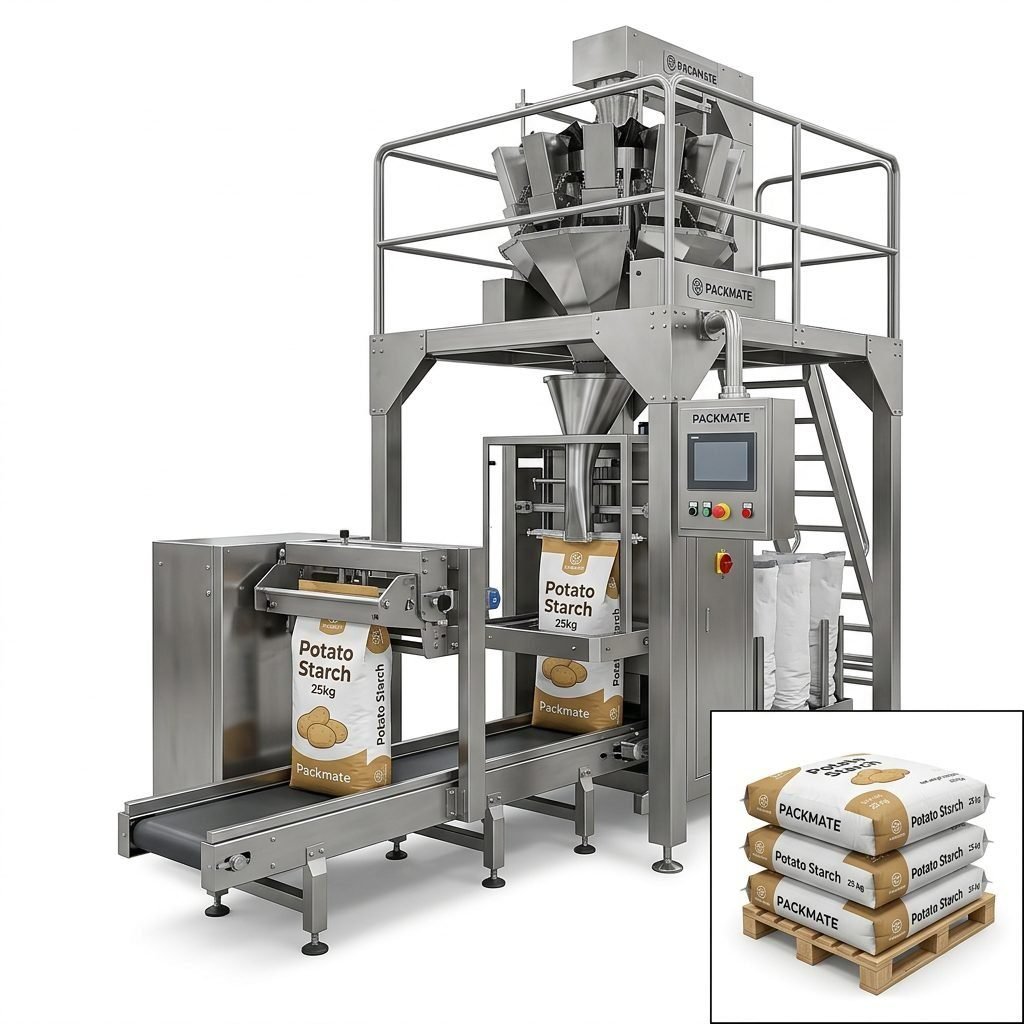
Powder Fillers: Essential for products like baking soda, powdered detergent, and cleaning compounds. Auger fillers use a rotating screw to dispense a precise volume, while weigh fillers use scales for ultimate accuracy, crucial for premium products.
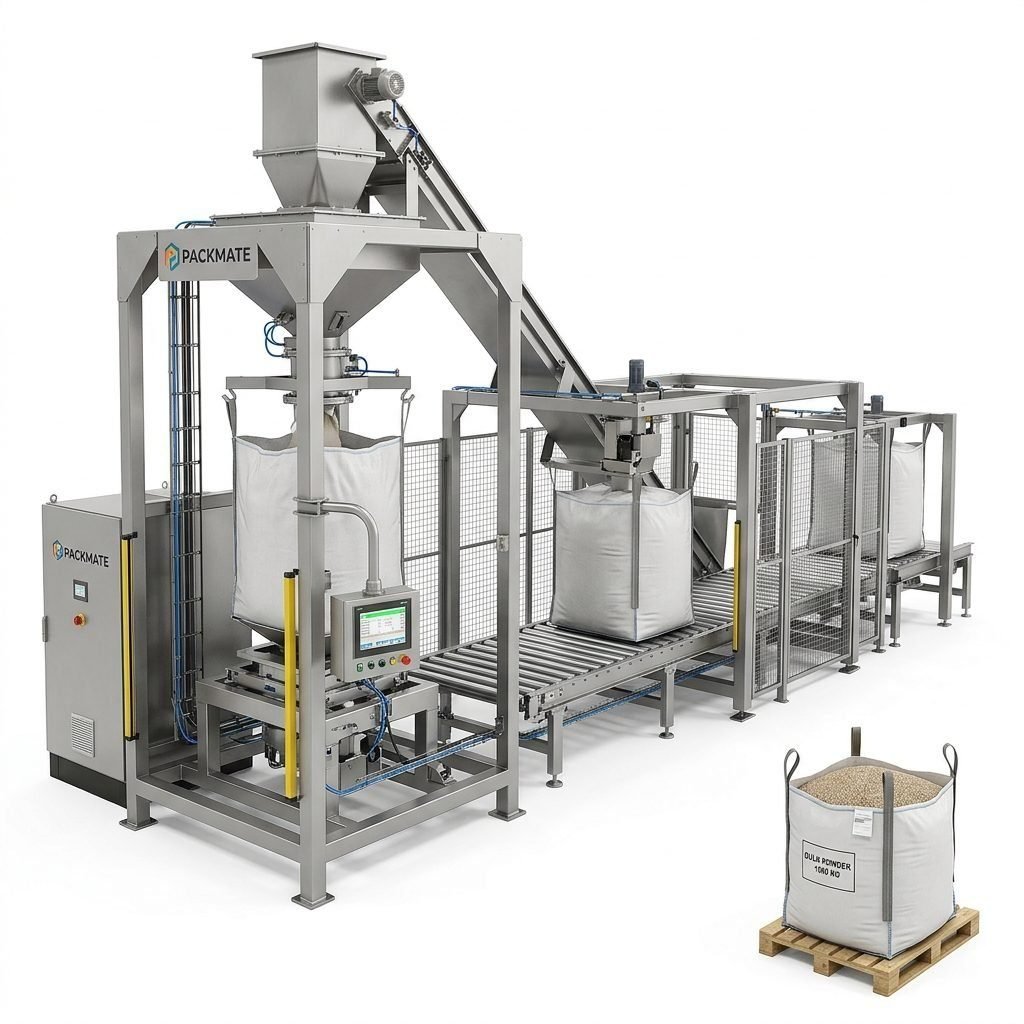
Granule Fillers: Used for cat litter, coffee beans (as a household item), or granular desiccants. These often employ volumetric cup or net weight filling systems.
2. Form-Fill-Seal (FFS) Machines
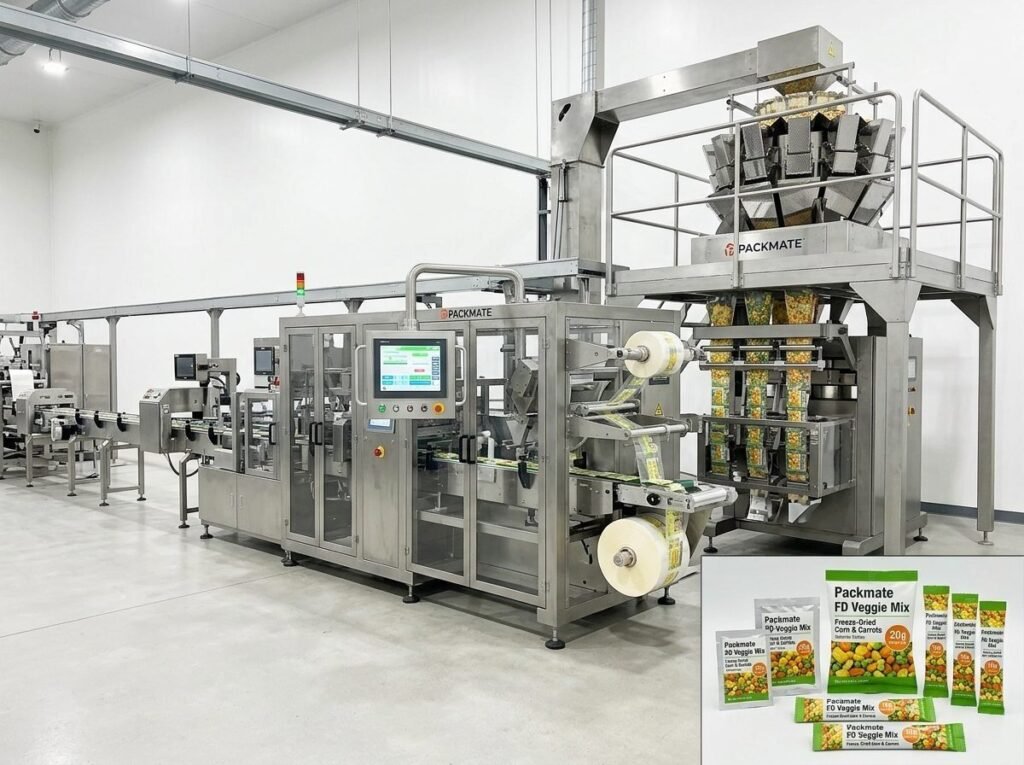
FFS machines are highly versatile and automate the entire process: they form a pouch from a roll of film, fill it with product, and then seal it. This is common for single-use or small-quantity household products.
Vertical Form-Fill-Seal (VFFS): The most common type for granular, powdered, and liquid items like drink mixes, shampoo sachets, or seasoning packets. Product is filled vertically into a tube of film that is then sealed and cut.
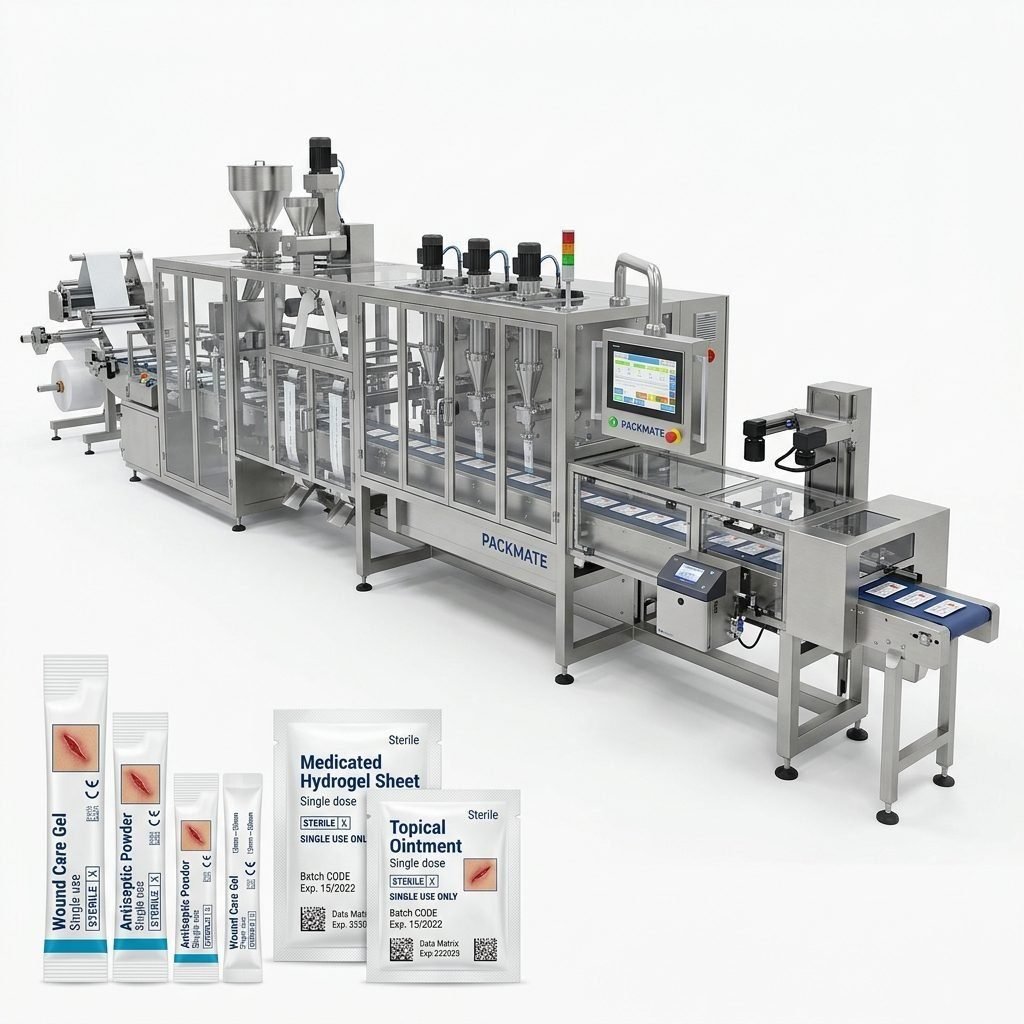
Horizontal Form-Fill-Seal (HFFS): Often used for items that lie flat, such as wet wipes, dishwasher tablets in flow-wraps, or bandages. The film is formed horizontally around the product.
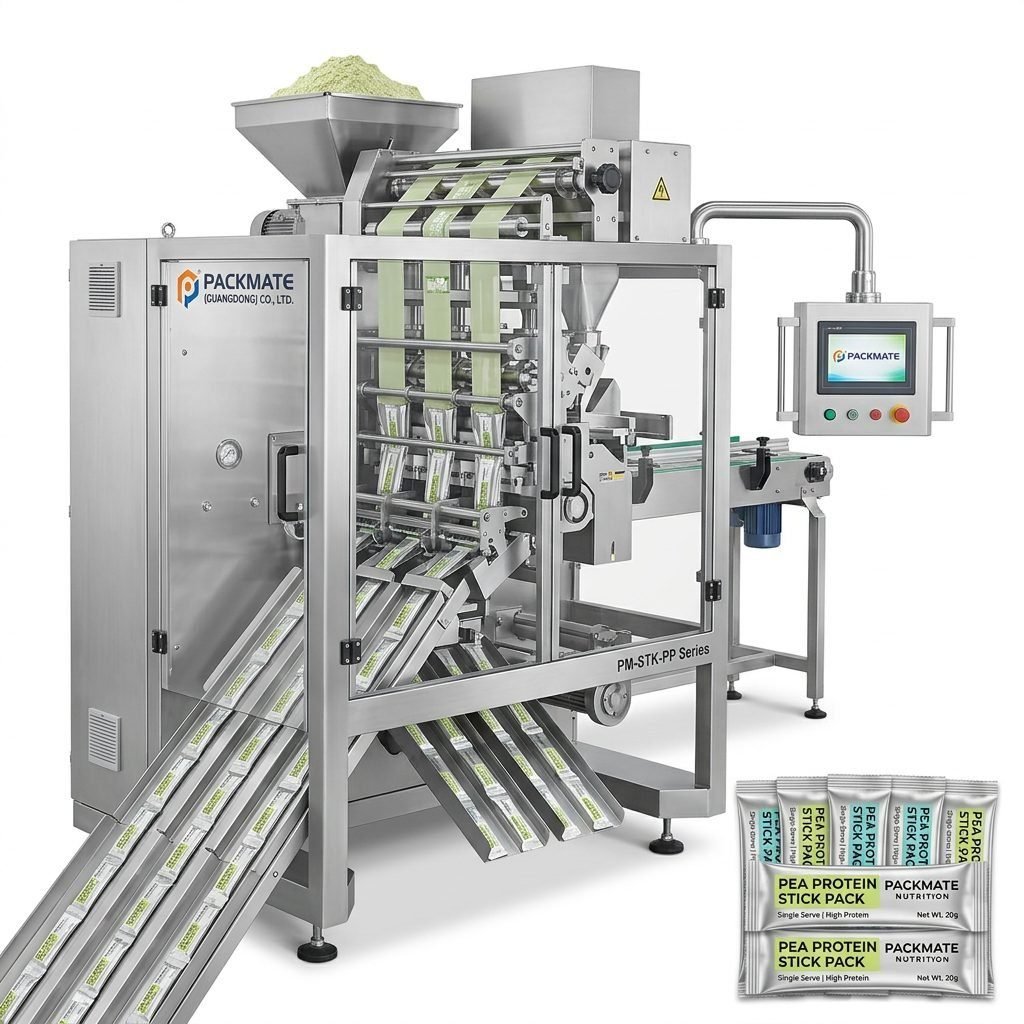
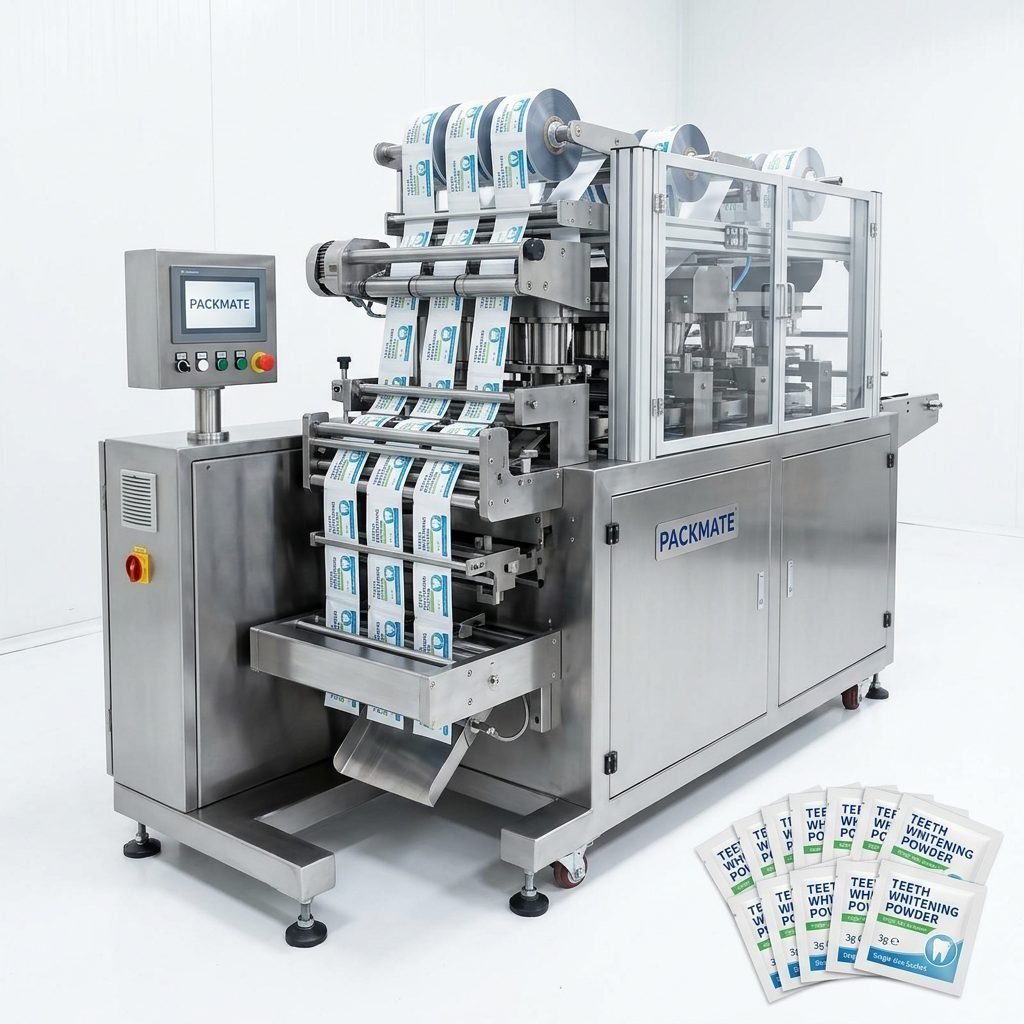
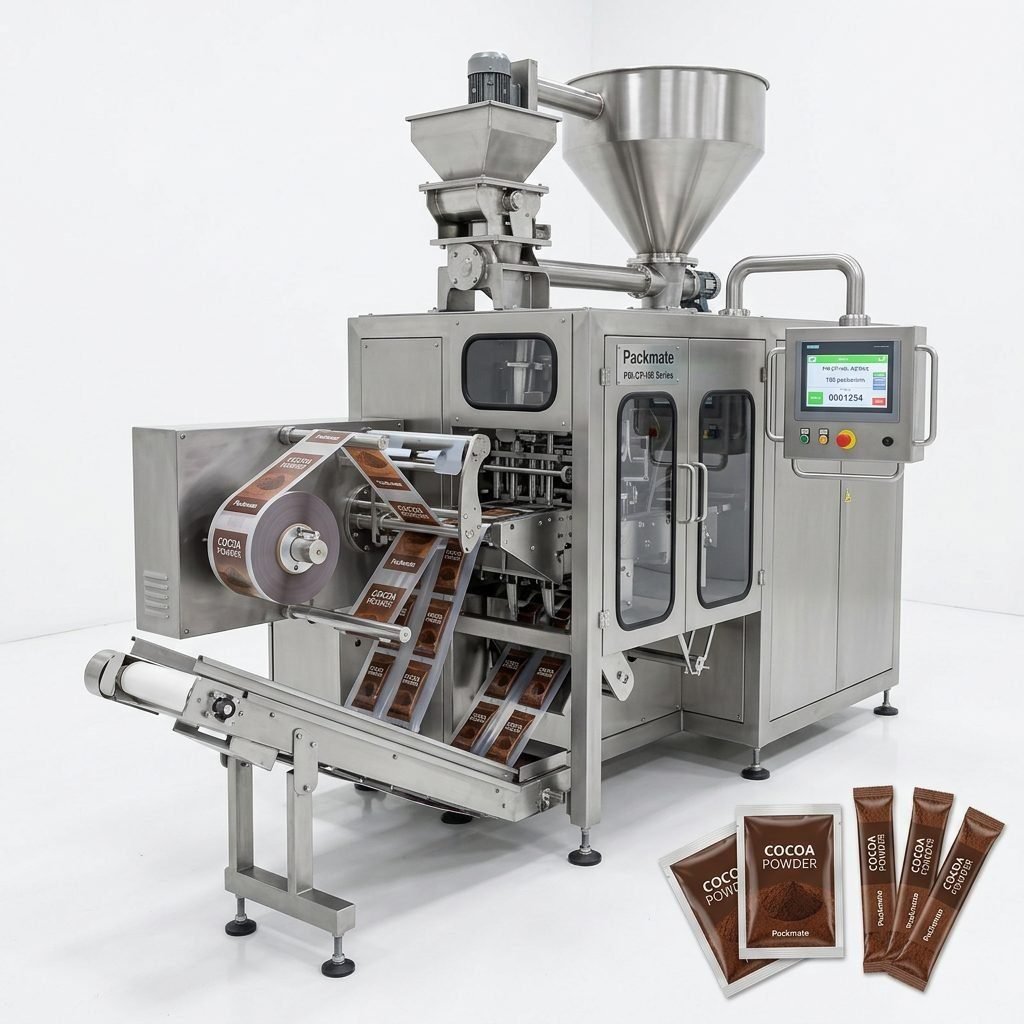
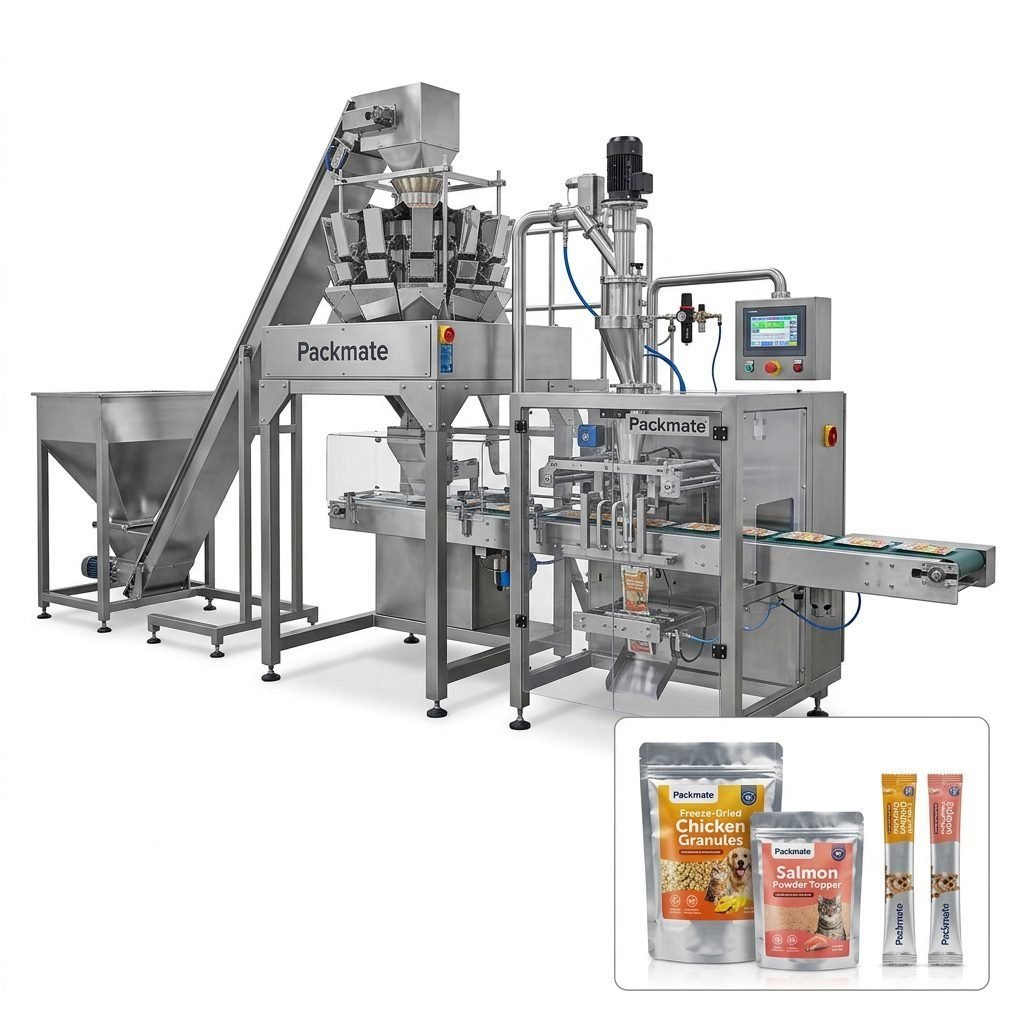
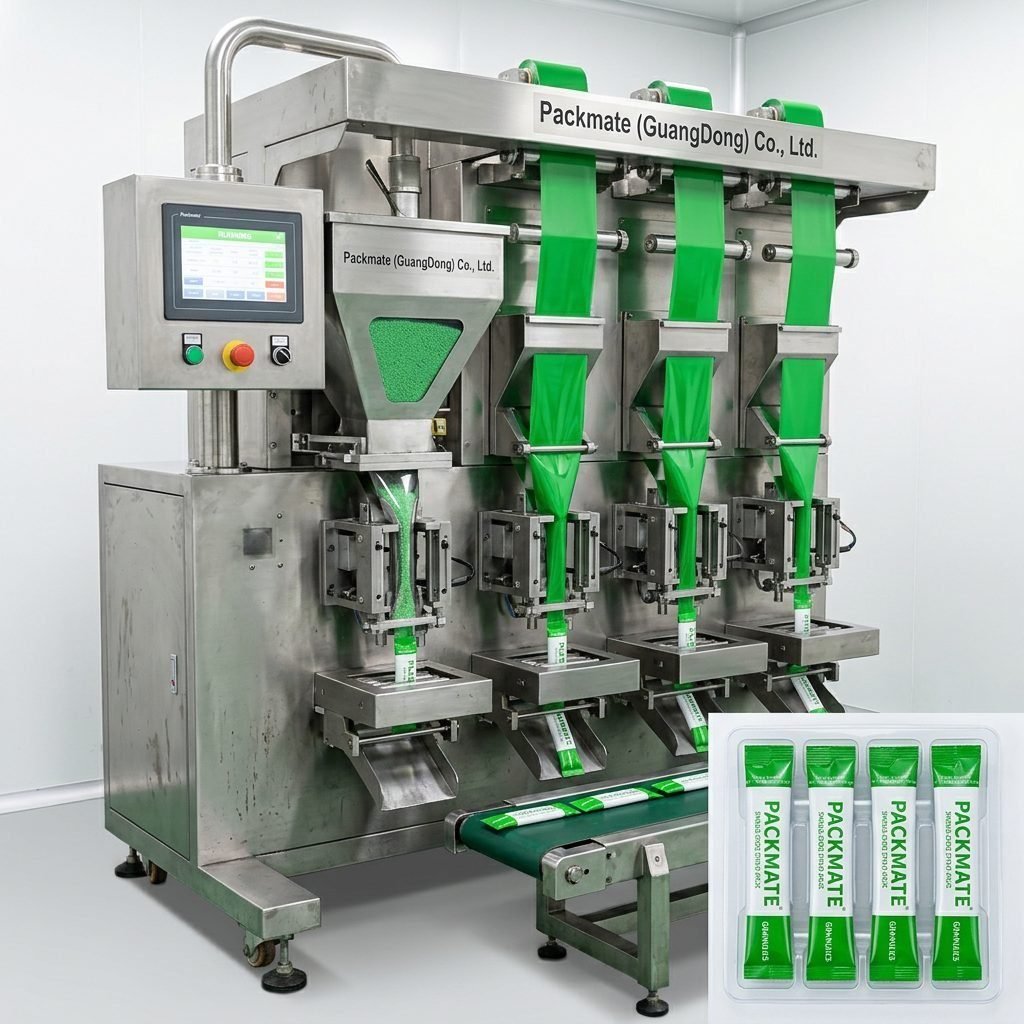
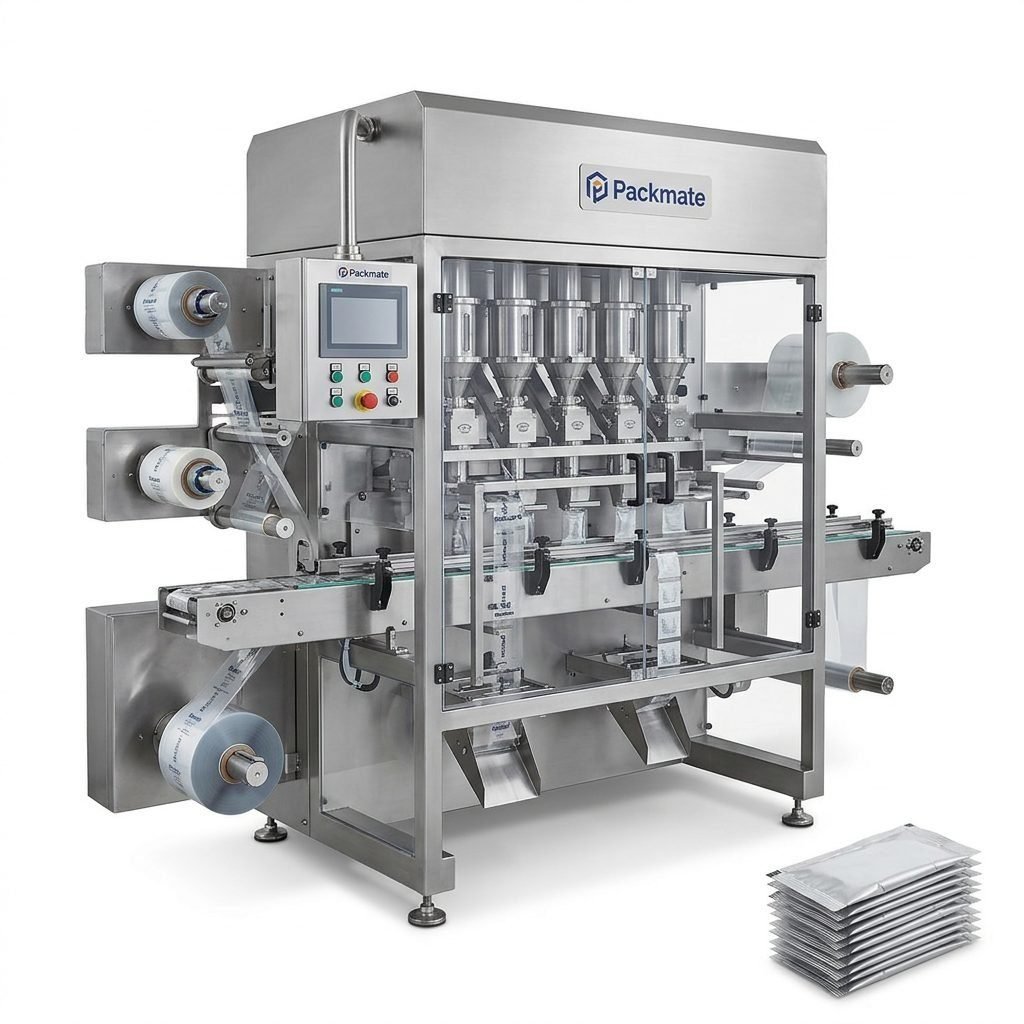
For specialized needs like sachet and stick pack machines, which are perfect for single-serve detergent, coffee, or condiment samples, dedicated high-speed multi-lane machines offer maximum efficiency.
3. Capping, Sealing, and Labeling Equipment
After filling, containers need to be closed and identified.
Cappers: Apply screw caps, snap caps, or pump dispensers to bottles of cleaning solutions, oils, or lotions. Spindle cappers are standard for consistent torque application.
Sealers: Induction sealers apply an airtight foil liner under a plastic cap, preserving product freshness and preventing tampering for liquids. Heat tunnel sealers are used for shrink-wrapping multi-packs.
Labelers: Apply product labels, either front/back or wrap-around. Automatic labelers ensure perfect placement and alignment, which is vital for brand presentation on store shelves.
Key Applications in the Household Sector
Understanding the application helps in selecting the right machinery. Here’s how different equipment serves specific product categories:
Cleaning & Laundry Products: Liquid detergents often use a combination of piston filling and capping lines. Powdered detergents require auger filling and possibly a weighing and packaging system for larger boxes. Dishwasher tablet lines typically involve multi-head weighing, blister packaging, or horizontal cartoning.
Personal & Hygiene Care: Bar soaps might be shrink-wrapped. Liquid hand soap and shower gel are filled on rotary liquid filling lines with pump applicator attachment. Wet wipes are packaged using horizontal FFS machines.
Food-Related Household Items: This includes spices, coffee, sugar, and salt. These are frequently packaged using VFFS machines for pouches or stick packs, offering excellent barrier properties to maintain freshness.
Home Maintenance: Products like hardware items (nails, screws) or gardening supplies (seeds, fertilizer) often use bag and pouch packaging machines with a simple weigh-fill-seal operation.
Comprehensive Buying Guide: What to Consider
Investing in packaging equipment is a major decision. Here are the critical factors to evaluate to ensure you choose machinery that meets your current and future needs.
1. Product Characteristics
The nature of your product dictates the machine type. Consider its physical state (liquid, powder, granule, solid), viscosity, abrasiveness, and sensitivity (hygroscopic, fragile). For instance, abrasive powders require augers made from hardened materials, while foamy liquids need special filling nozzles.
2. Production Speed & Output Requirements
Calculate your required output in packs per minute (PPM) or per hour. A small business might suffice with a semi-automatic machine, while large-scale manufacturers need fully automated, high-speed filling and packaging lines. Always plan for some growth capacity.
3. Machine Flexibility & Changeover
If you package multiple product sizes or types, look for equipment with quick-change parts and easy-to-program settings. Machines with servo motors often allow for faster, tool-less changeovers, reducing downtime between production runs.
4. Hygiene and Construction Materials
For household chemicals or food-adjacent products, hygiene is paramount. Machines should have food-grade contact surfaces (like 304 or 316 stainless steel), be easy to clean (CIP/SIP capabilities), and have a design that prevents product or dust accumulation.
5. Integration and After-Sales Support
Will the machine integrate into your existing line? Consider connectivity (PLC controls, data output) and physical footprint. Crucially, partner with a reputable manufacturer known for robust after-sales service, training, and readily available spare parts. A company with a strong track record, like Packmate Machinery, which brings over 30 years of expertise in building intelligent packaging solutions, can provide invaluable long-term reliability and support.
A turnkey solution from a single supplier often reduces integration headaches and ensures all line components work harmoniously together, from the filler to the case packer.
6. Budget and Total Cost of Ownership (TCO)
Look beyond the initial purchase price. Consider energy consumption, maintenance costs, required operator skill level, and expected lifespan. A slightly more expensive, well-built machine from a quality manufacturer often has a lower TCO due to higher efficiency, less downtime, and longer service life.
Conclusion
Selecting the right household product packaging equipment is a strategic decision that impacts your operational efficiency, product quality, and bottom line. By thoroughly understanding the different machine types—from fillers and Form-Fill-Seal systems to cappers and labelers—and carefully evaluating your product needs, output goals, and the manufacturer’s support capabilities, you can make an investment that drives productivity and growth for years to come. The evolution towards smarter, more integrated, and flexible packaging lines continues, offering businesses the opportunity to enhance their competitiveness in a dynamic market.
Frequently Asked Questions (FAQs)
What is the most versatile type of packaging machine for small household products?
Vertical Form-Fill-Seal (VFFS) machines are often considered the most versatile for small, granular, powdered, or liquid products like spices, drink mixes, or single-serve detergents. They can handle a wide range of pouch sizes and materials with relatively quick changeovers.
How do I choose between an auger filler and a weigh filler for my powder product?
Auger fillers are generally faster and more cost-effective for free-flowing powders where volumetric accuracy is acceptable. Weigh fillers (net weight scales) are slower but offer superior accuracy, which is critical for expensive products or where precise net content is legally mandated. They are also better for non-free-flowing or inconsistent-density powders.
Can one machine handle both liquids and powders?
Some machines are designed to be convertible, but it typically requires significant part changes and thorough cleaning to prevent cross-contamination. It’s usually more efficient and hygienic to have dedicated lines for different product states unless production volumes are very low.
What are the key maintenance requirements for packaging equipment?
Regular daily cleaning is essential. Scheduled maintenance includes lubrication of moving parts, inspection and replacement of wear items (seals, gaskets, filters, augers), calibration of weighing and filling systems, and software updates. Always follow the manufacturer’s maintenance schedule.
Why is after-sales support so important when buying packaging machinery?
Packaging machines are complex and will require service, parts, and occasional troubleshooting over their lifespan. A supplier with strong after-sales support provides faster resolution to downtime issues, genuine spare parts, and expert advice, ensuring your production line remains operational and efficient, protecting your investment.