The global packaging equipment manufacturing sector is a dynamic and critical component of modern industry, driving efficiency and innovation across countless supply chains. Within this competitive landscape, a select group of companies stand out as the largest and most influential manufacturers, setting the standards for technology, reliability, and scale. These industry leaders not only produce the machinery that packages products but also shape the future of automation, sustainability, and smart manufacturing. Their impact is felt from food and beverage to pharmaceuticals and consumer goods, making them indispensable partners for businesses worldwide.
Defining Industry Leadership
What makes a packaging equipment manufacturer one of the “largest” in the industry? It’s a combination of factors that go beyond simple revenue figures. True leadership is measured by global market share, the breadth and depth of the product portfolio, the scale of research and development investments, and a proven track record of deploying solutions on a worldwide scale. These manufacturers operate extensive global networks, providing sales, service, and technical support that few can match. Their machines are often the backbone of high-speed, high-volume production lines for multinational corporations, a testament to their durability and technological sophistication.
Key Attributes of Top Manufacturers:
Innovation Engine: Continuous R&D leading to breakthroughs in speed, precision, and connectivity (Industry 4.0).
Comprehensive Portfolio: Offering solutions from single machines to complete, integrated packaging lines.
Global Service Footprint: Ensuring minimal downtime with readily available parts and expert technicians.
Sustainability Focus: Developing equipment that reduces material waste, energy consumption, and environmental impact.
The Pillars of the Packaging World
The landscape is dominated by several well-established giants, primarily from Europe, North America, and increasingly, Asia. Companies like Bosch Packaging Technology (now part of Syntegon), Tetra Pak, and KHS Group have long been synonymous with large-scale, reliable packaging systems for food, beverage, and pharmaceutical industries. Their expertise in aseptic filling, cartoning, and palletizing is unparalleled. Meanwhile, American powerhouses like ProMach and Barry-Wehmiller design highly flexible and modular systems that cater to a diverse range of consumer packaged goods. These corporations excel in managing complex projects and providing lifecycle support, making them preferred partners for large-scale, long-term investments.
In recent decades, Asian manufacturers have risen to prominence, combining cost-effectiveness with rapidly advancing engineering capabilities. Chinese firms, in particular, have made significant strides, evolving from local suppliers to global competitors. They have captured substantial market share by offering robust, value-oriented machinery and increasingly sophisticated automation solutions tailored for high-growth markets. This global diversity among the top manufacturers ensures that businesses of all sizes and regions can find a partner that meets their specific technical and budgetary requirements.
The Role of Specialized Leaders
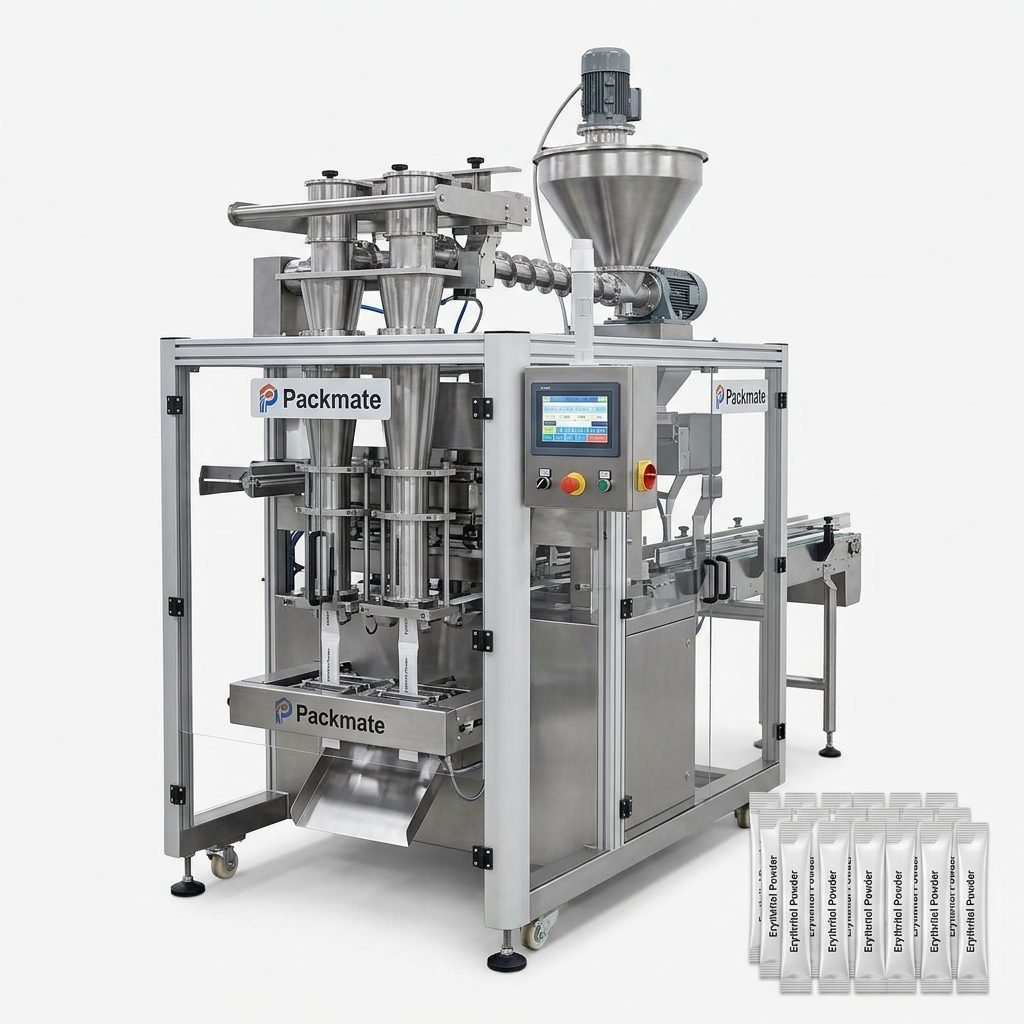
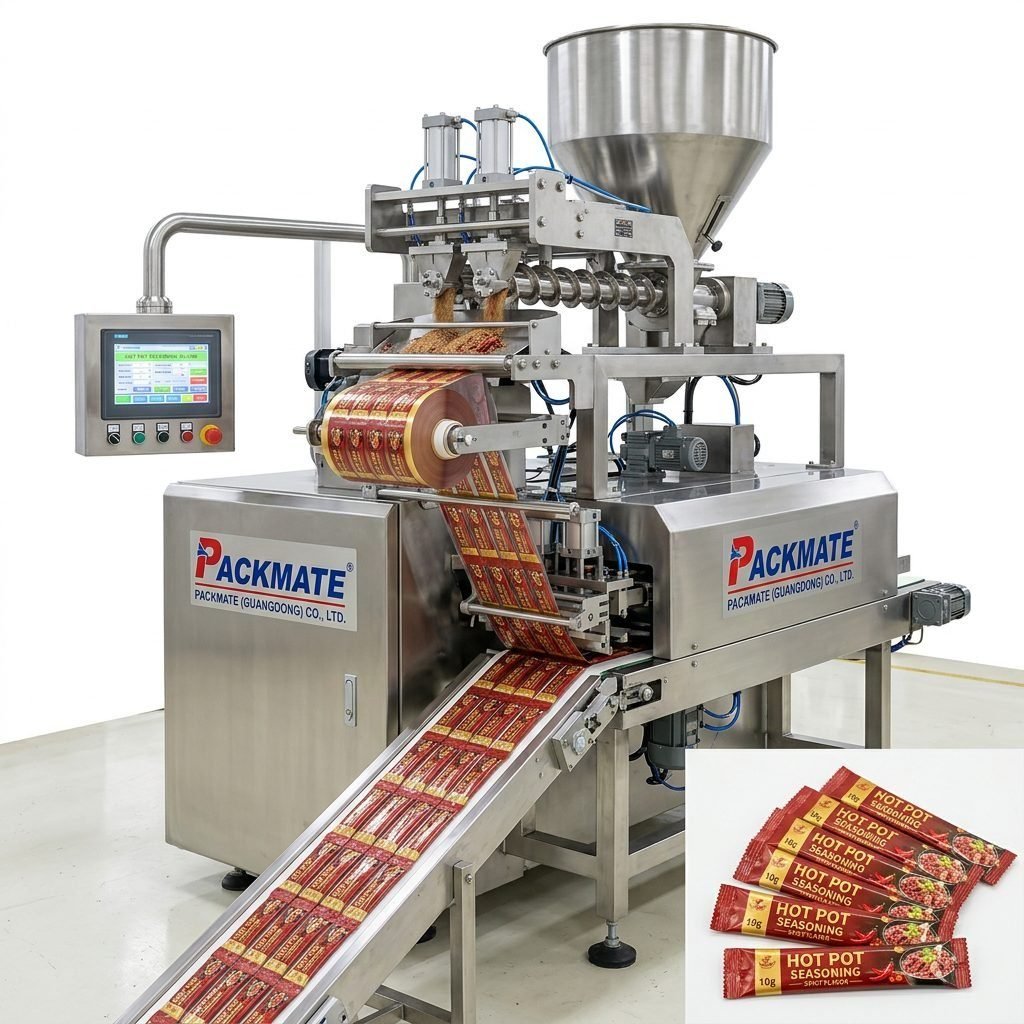
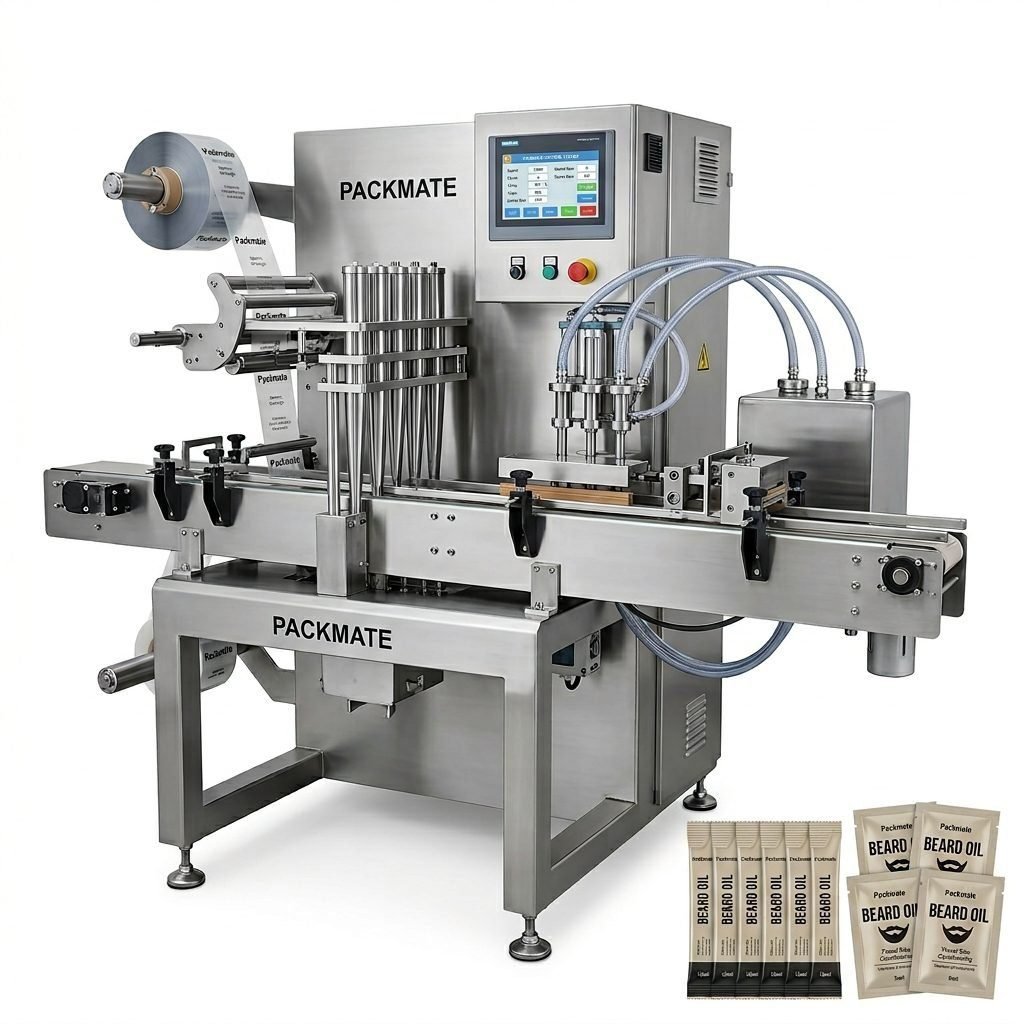
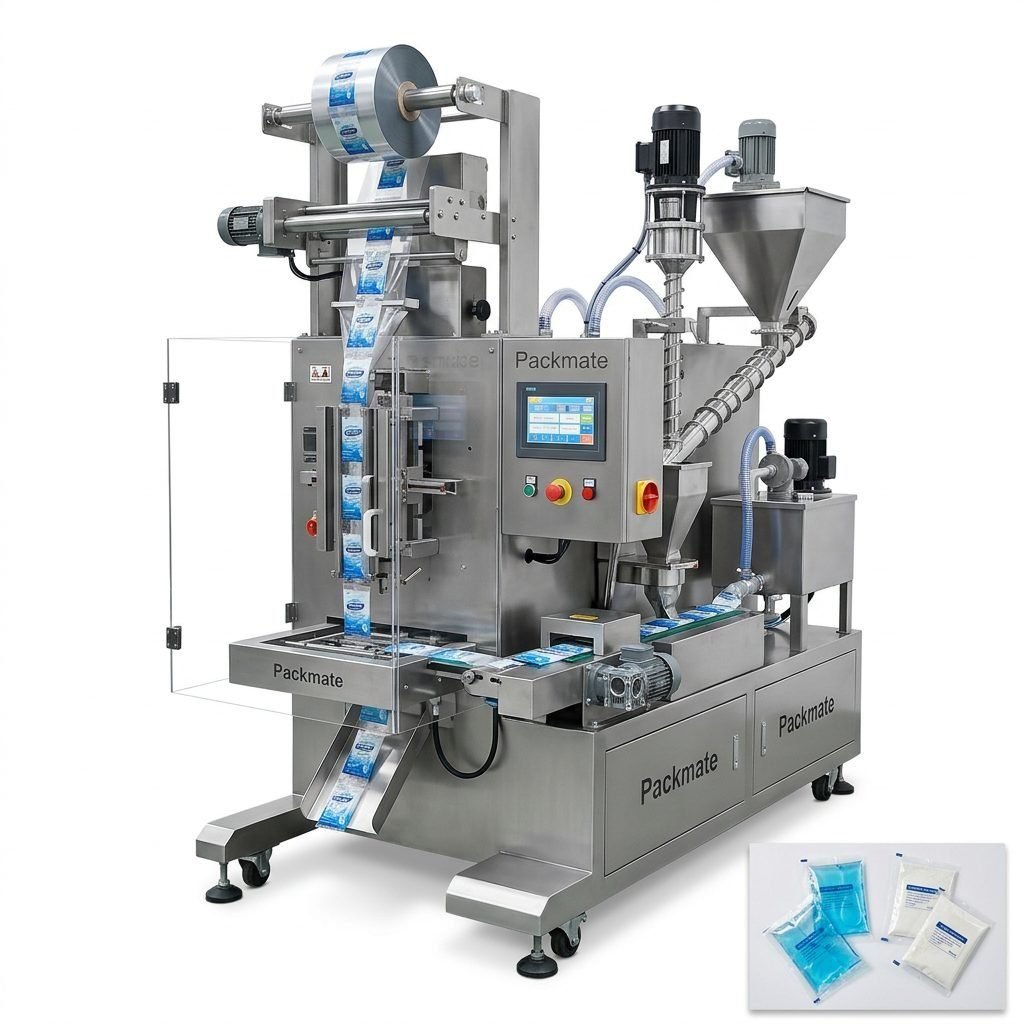
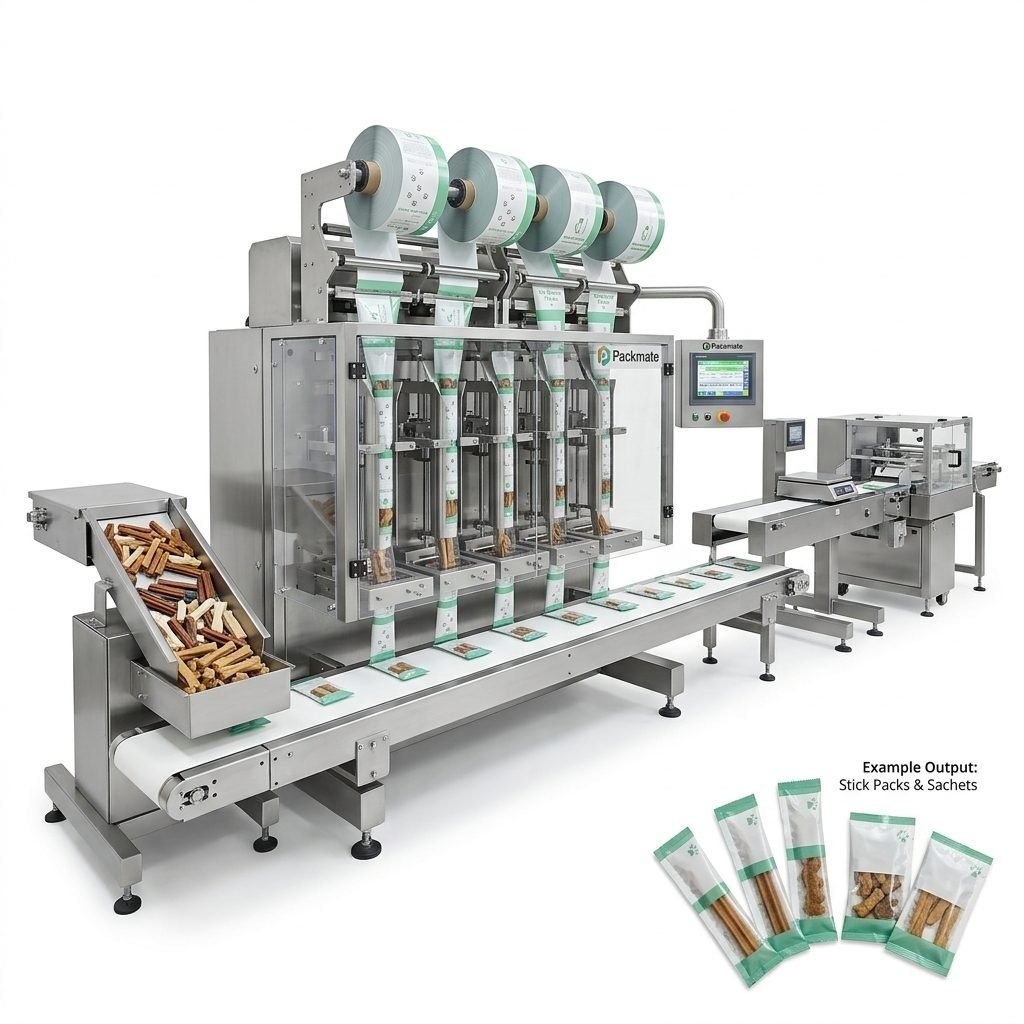
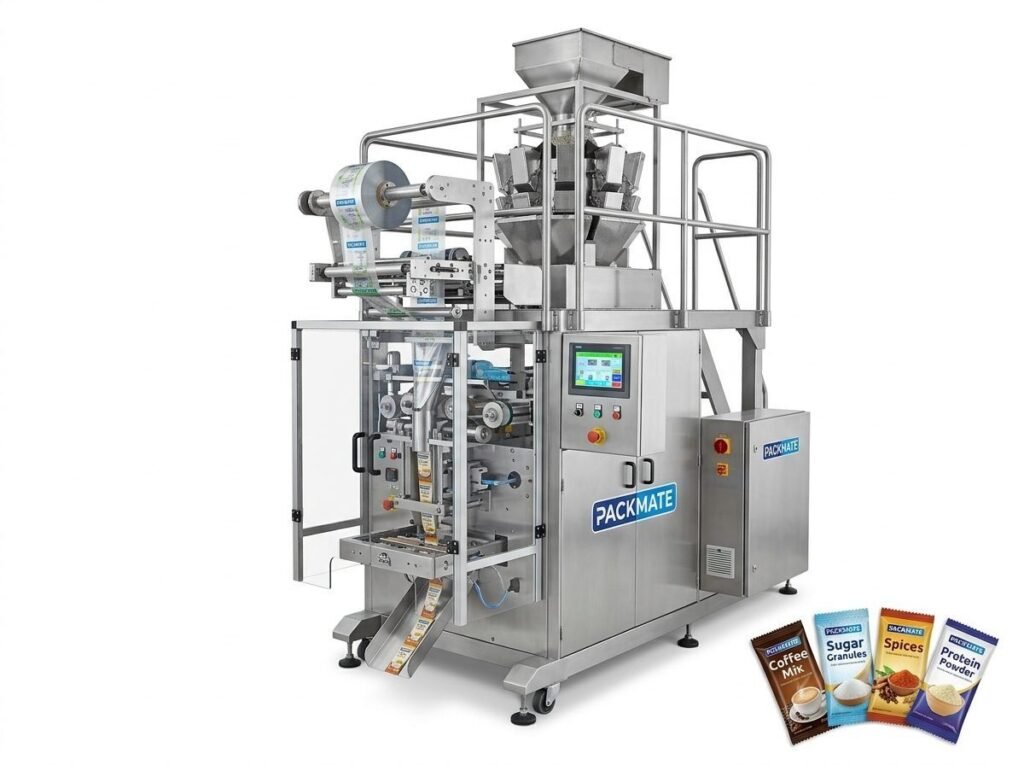
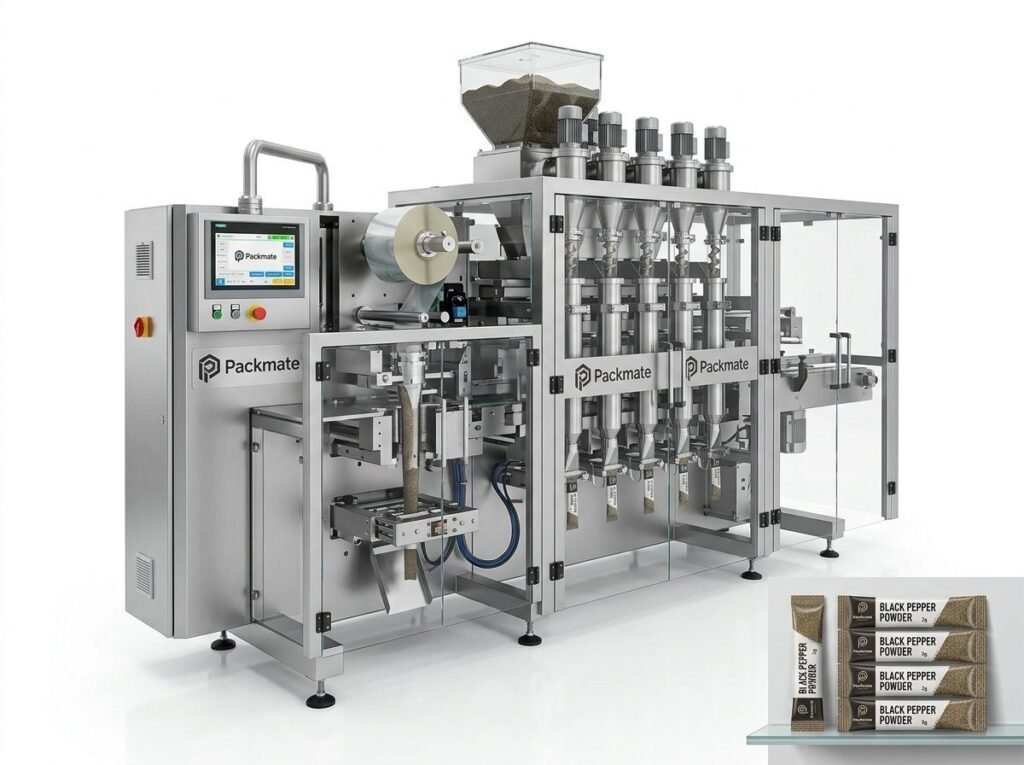
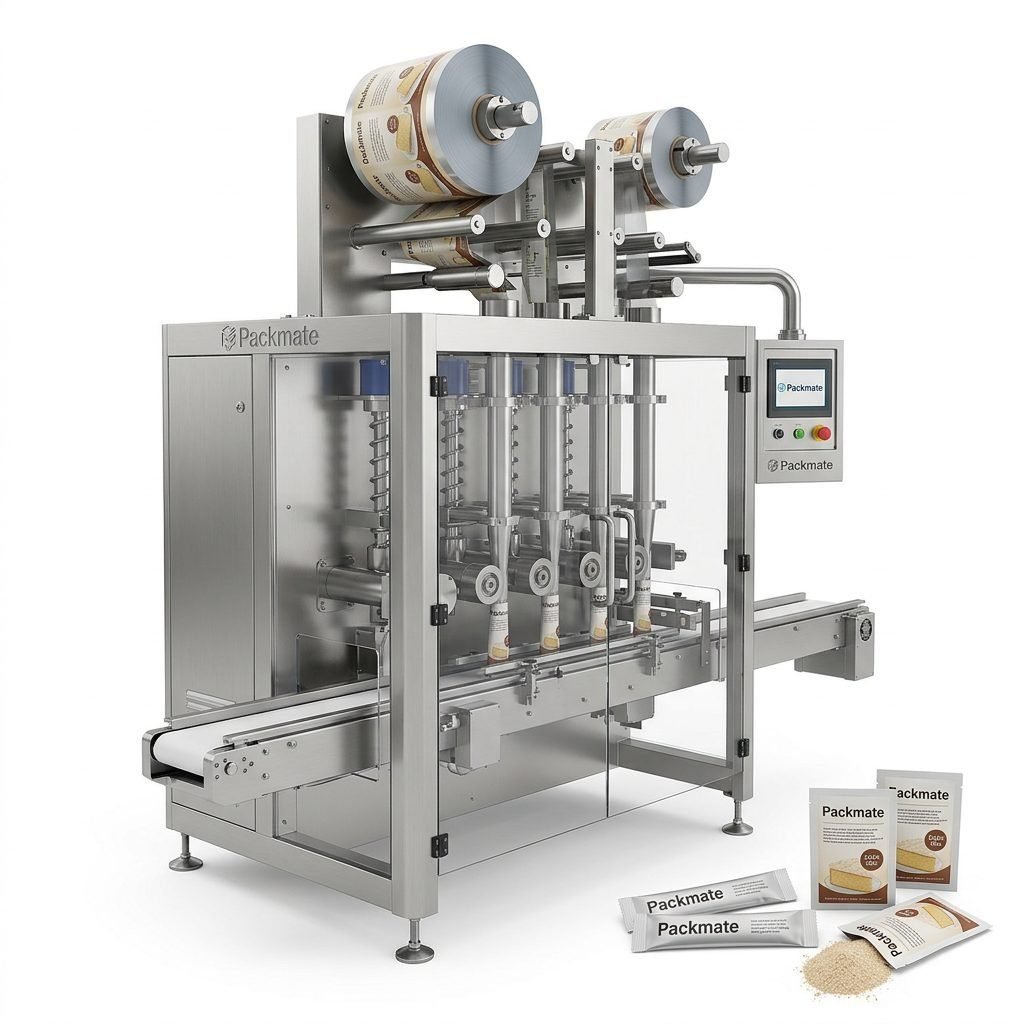
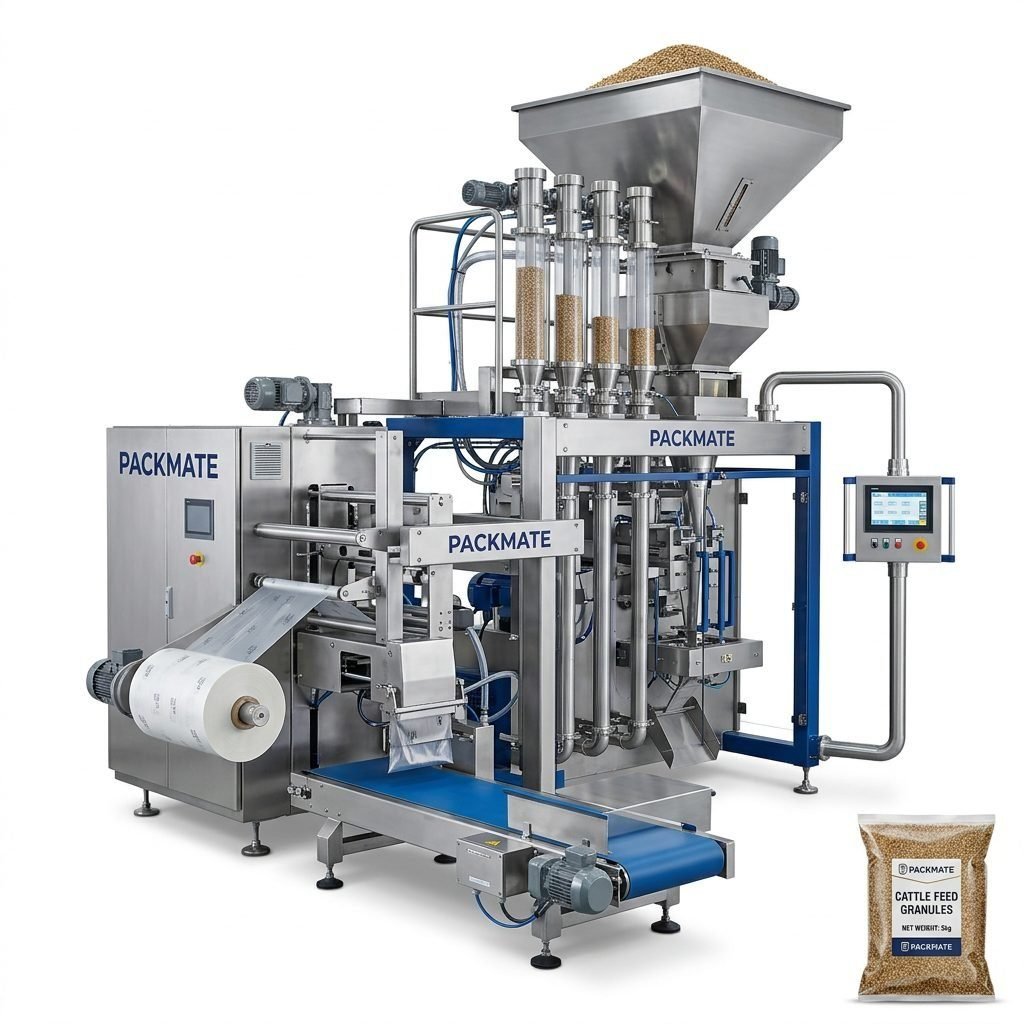
Beyond the conglomerates, leadership is also found in specialization. Some of the most significant players are those who dominate a specific niche. For instance, in the realm of intelligent packaging for granular, powdered, and liquid products within the food, pharmaceutical, and health sectors, companies like Packmate Machinery have carved out a substantial position. With over three decades of focused expertise, such manufacturers demonstrate that depth of knowledge in specific packaging formats—like multi-lane stick pack and sachet machines—can translate into industry-leading status within that segment. Their success is built on deep process understanding, relentless innovation in a focused area, and a commitment to providing complete, turnkey solutions from their modern, expansive facilities.
Drivers of Growth and Innovation
The relentless growth of these top manufacturers is fueled by several key global trends. The foremost is the insatiable consumer demand for convenience, which drives need for single-serve sachets, stick packs, and ready-to-eat formats. This directly benefits manufacturers specializing in sachet and stick pack machinery. Secondly, the global focus on sustainability pushes manufacturers to develop machines that handle recyclable, biodegradable, or lighter-weight materials with high efficiency, minimizing waste. Thirdly, the digital transformation of industry demands smart machines equipped with IoT sensors for predictive maintenance, data analytics for optimization, and seamless integration into broader factory management systems.
Market Demand & Technological Response:
The shift towards e-commerce has created a massive need for durable, right-sized, and automated bag and pouch packaging solutions that can vary from order to order. Top manufacturers are responding with highly adaptable, robotic systems. Similarly, stringent regulations in pharmaceuticals and food safety necessitate equipment that guarantees hygiene, traceability, and precision dosing, areas where the largest firms invest heavily in R&D. Their ability to anticipate and innovate in response to these macro-trends solidifies their market position.
The Importance of Integrated Solutions
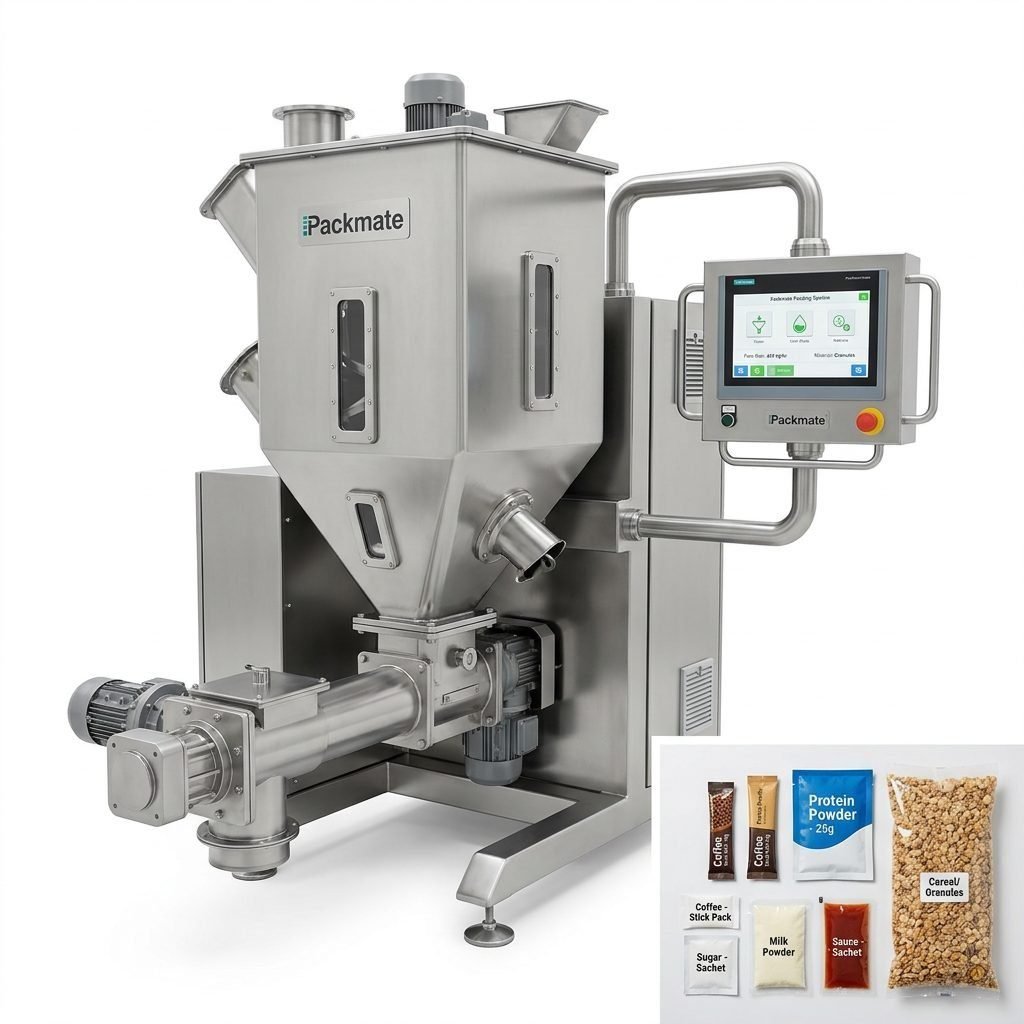
Today’s leading manufacturers are no longer just machine sellers; they are solution providers. The most sought-after partners are those who can deliver a complete filling and packaging line, seamlessly integrating weighing, feeding, filling, sealing, and secondary packaging into one coherent, high-performance system. This turnkey approach reduces complexity for the client, ensures compatibility between line components, and guarantees a single point of accountability. The capability to design, manufacture, install, and commission such integrated systems is a definitive marker of a top-tier, large-scale equipment manufacturer.
Looking Ahead: The Future of Packaging Manufacturing
The future for the largest packaging equipment manufacturers is inextricably linked to artificial intelligence, advanced robotics, and circular economy principles. We will see more self-optimizing lines that adjust parameters in real-time to maintain peak efficiency and quality. Robotics will become more collaborative and dexterous, handling increasingly complex packing tasks. Furthermore, the leaders will be at the forefront of designing equipment for a circular world, enabling efficient packaging reuse, refill, and material recovery. Their continued investment in these future technologies will not only solve current industry pain points but also create new possibilities in packaging design and logistics.
In conclusion, the top largest packaging equipment manufacturers form the essential backbone of global commerce. Their scale enables massive R&D, their expertise solves critical production challenges, and their global presence supports international trade. From established Western giants to agile Asian specialists, these companies compete and innovate, driving the entire industry forward. For any business looking to invest in packaging automation, partnering with these leaders offers a path to greater productivity, sustainability, and competitive advantage. Their machinery is more than metal and software; it is the engine of modern packaged goods economy.
Frequently Asked Questions (FAQs)
What are the main factors to consider when choosing a large packaging equipment manufacturer?
Key factors include the manufacturer’s expertise in your specific product type (e.g., powders, liquids), their portfolio of compatible machines for a complete line, the availability and quality of their global service and spare parts network, their commitment to innovation (Industry 4.0 capabilities), and the total cost of ownership, not just the initial purchase price.
How do leading manufacturers ensure machine reliability and uptime?
Top manufacturers use high-quality, durable components, conduct rigorous factory acceptance testing (FAT) before shipment, and offer comprehensive preventive maintenance plans. Their global service networks provide rapid response times, remote diagnostics, and guaranteed spare parts availability to minimize production downtime.
Can large manufacturers provide customized solutions, or are they only for standard machines?
While they offer extensive standard models, a major strength of large manufacturers is their engineering capability to provide customizations and tailored solutions. They often have dedicated R&D and engineering teams to modify machines for unique container shapes, special materials, or specific integration requirements within a complex production line.
What is the typical lead time for equipment from a major international manufacturer?
Lead times vary significantly based on machine complexity, customization level, and current order backlog. For standard models, it might range from 20 to 40 weeks. For highly customized or large, integrated turnkey lines, planning for 9 to 18 months from order to commissioning is common. Clear communication with the manufacturer’s project management team is essential.
How are top manufacturers addressing sustainability in equipment design?
They are focusing on energy-efficient drives and motors, designing machines that can handle mono-materials or recycled content, reducing material waste through higher precision filling and cutting, and developing platforms that enable easy disassembly for repair and recycling. Many also conduct life-cycle assessments of their equipment to minimize environmental impact.