The beauty industry is a dynamic and ever-evolving sector where presentation is paramount. Beyond the quality of the product itself, the packaging serves as the first point of contact with the consumer, influencing purchasing decisions and brand perception. For manufacturers, selecting the right packaging equipment for beauty products is not just an operational decision; it’s a strategic investment in brand identity, efficiency, and market competitiveness. This guide provides a comprehensive overview of the machinery that brings beauty products to life on the shelf.
Understanding the Beauty Packaging Landscape
Beauty products encompass a vast range, from liquid foundations and serums to powdered eyeshadows and solid lipsticks. Each product type presents unique packaging challenges. Liquids require leak-proof seals, powders need protection from moisture, and creams must be dispensed hygienically. Furthermore, the industry demands high levels of precision, hygiene, and aesthetic appeal. The equipment must handle delicate formulas, apply consistent fills, and create flawless, attractive packages that stand out in a crowded market.
Key Considerations Before Investing
Choosing the correct packaging machinery involves several critical factors:
Product Characteristics: Viscosity, abrasiveness, and sensitivity to air or light dictate the filling technology and material compatibility.
Production Speed & Volume: Are you a boutique brand or a large-scale manufacturer? Output requirements determine whether you need a semi-automatic or a fully automated filling & packaging line.
Packaging Format: The choice between sachets, stick packs, bottles, jars, or tubes directly influences the type of machine required.
Flexibility: For brands with diverse product lines, equipment that allows quick changeovers between formats and sizes is invaluable.
Core Types of Beauty Product Packaging Equipment
1. Filling Machines
These are the workhorses of beauty packaging, precisely dispensing product into containers.
- Liquid Fillers: Ideal for serums, toners, and foundations. Technologies include piston fillers for accuracy and peristaltic pumps for sterile, shear-sensitive formulas.
- Powder Fillers: Used for loose powders, eyeshadows, and blush. Auger fillers provide excellent precision by measuring volume via a rotating screw.
- Cream & Paste Fillers: Handle thick products like moisturizers and masks. Piston fillers and specialized positive displacement pumps are common.
2. Sealing & Capping Machines
Once filled, containers must be securely closed to ensure product integrity and safety.
Induction Sealers: Apply a tamper-evident foil liner under plastic caps, crucial for liquid products. Capping Machines: Automatically screw on caps to jars and bottles with consistent torque. Heat Sealers: Permanently close the ends of flexible pouches or sachets, commonly used for sample-sized products.
3. Labeling & Coding Equipment
This equipment applies vital information and brand aesthetics.
Labelers: Automatically apply front, back, and wrap-around labels to containers. Inkjet & Laser Coders: Print batch numbers, expiry dates, and barcodes directly onto packaging or labels, ensuring traceability.
Specialized Solutions for Modern Brands
The trend towards convenience and sustainability has driven innovation in packaging formats.
Sachet & Stick Pack Machines
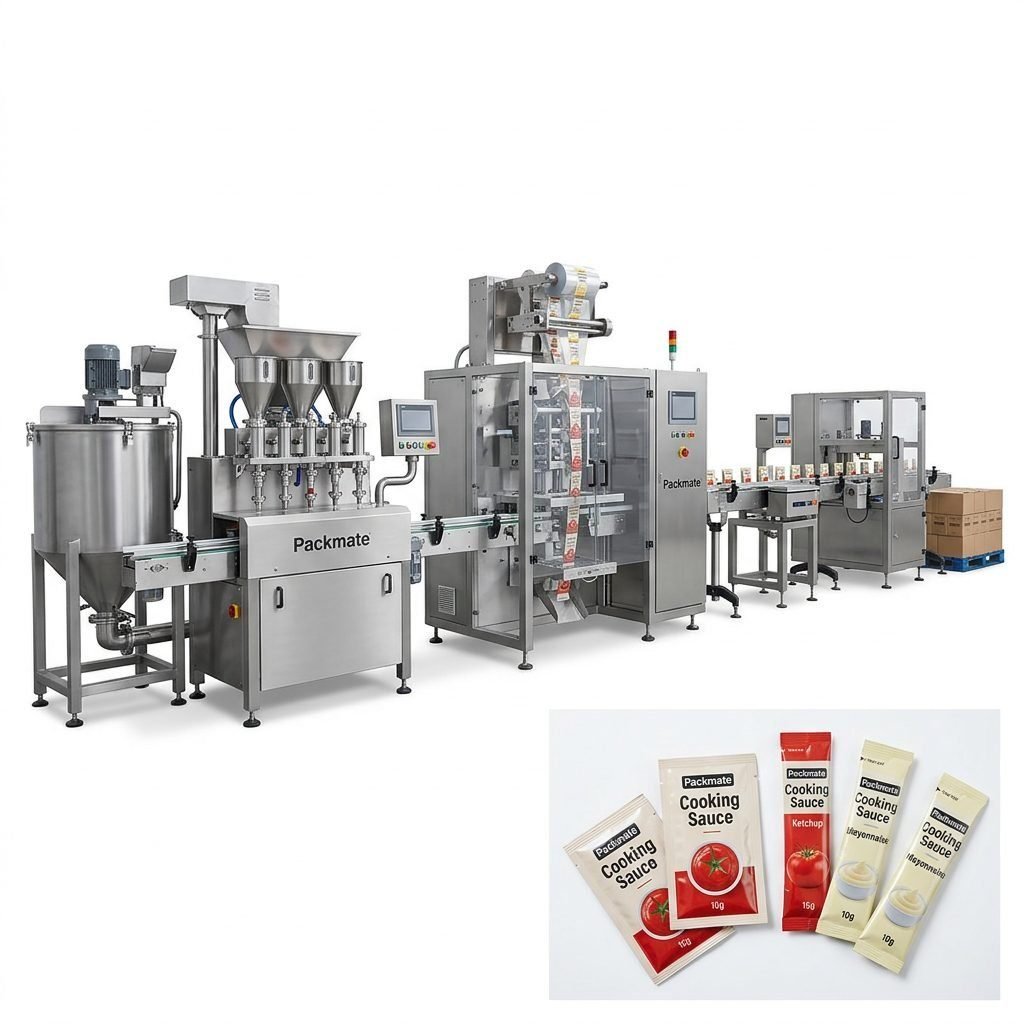
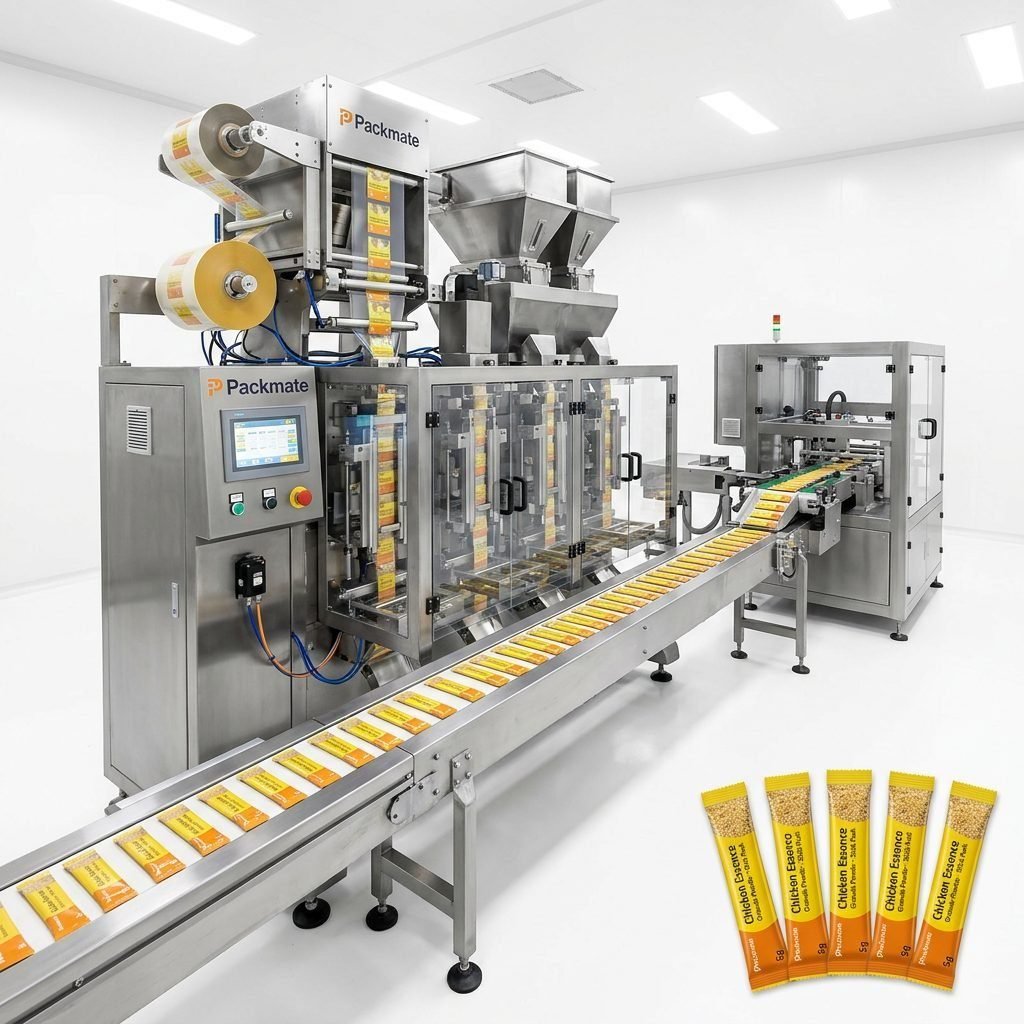
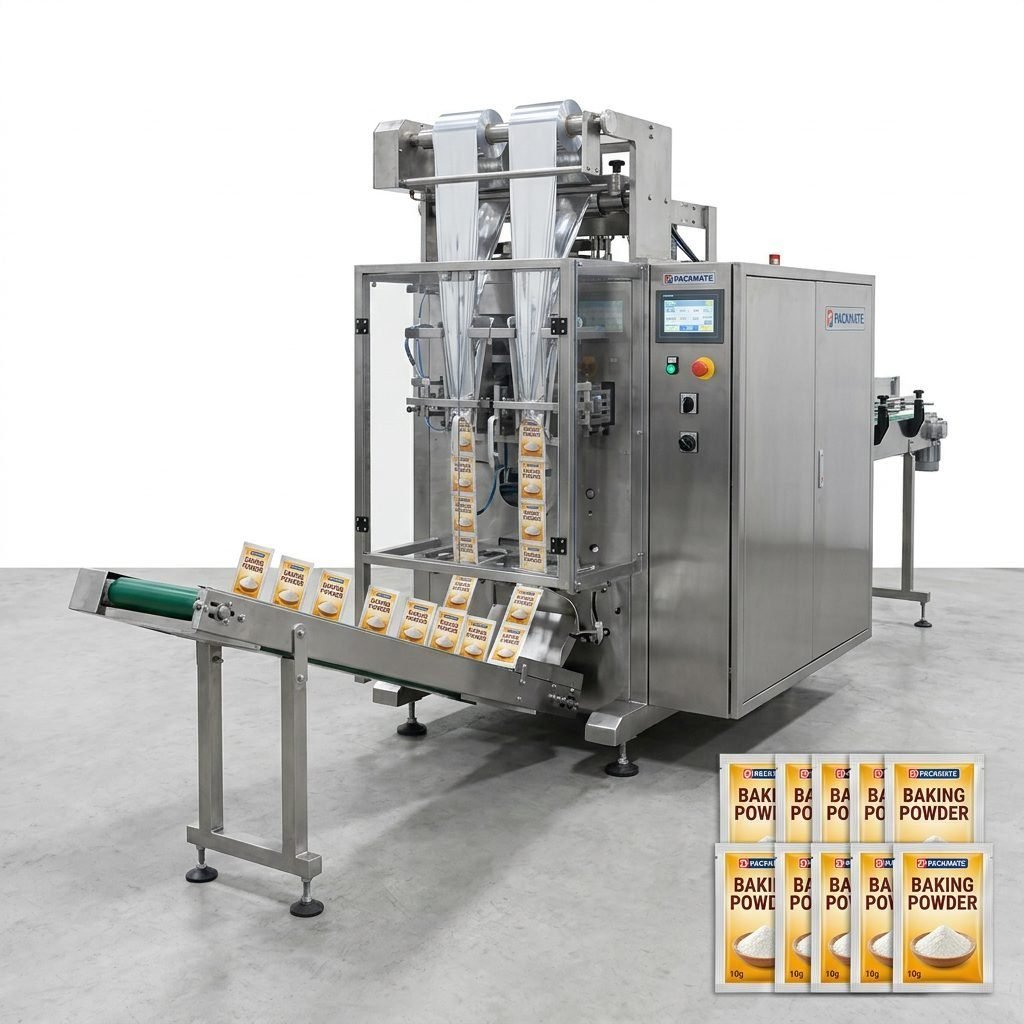
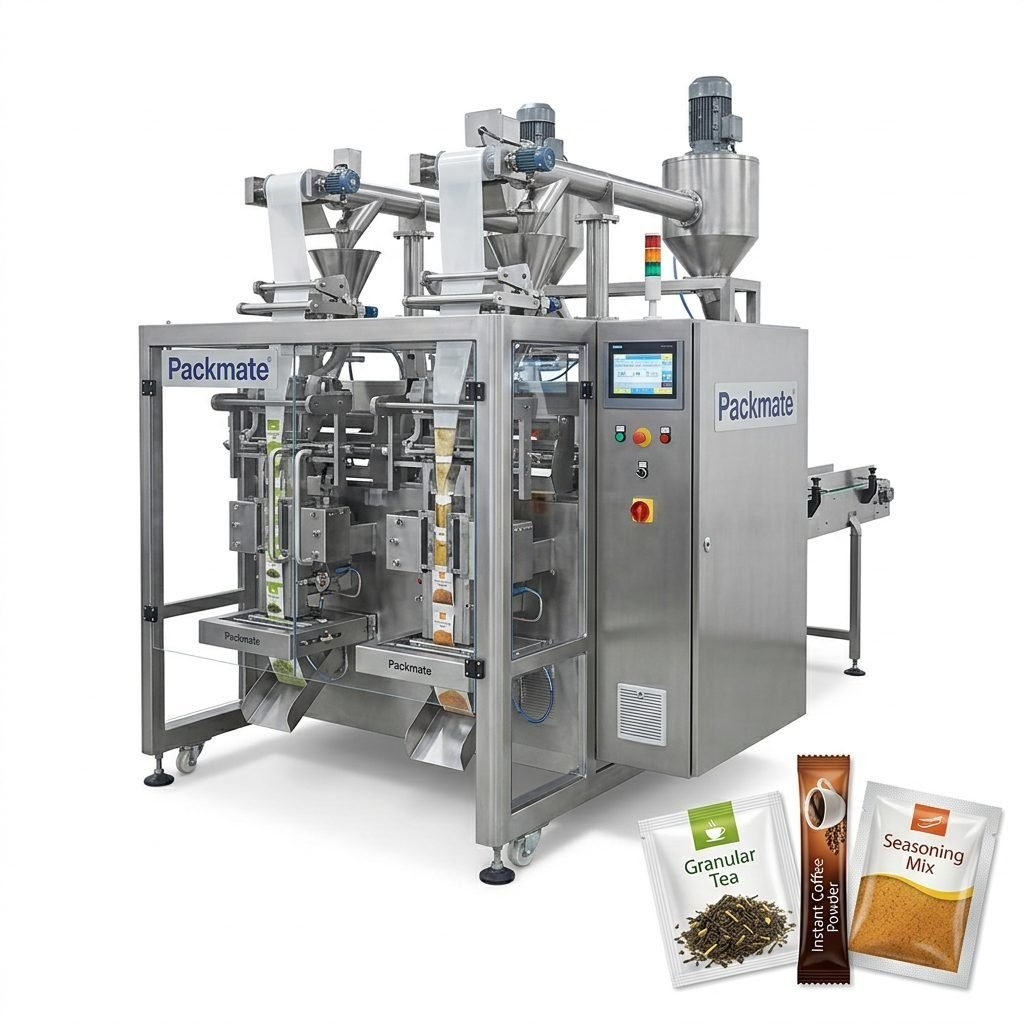
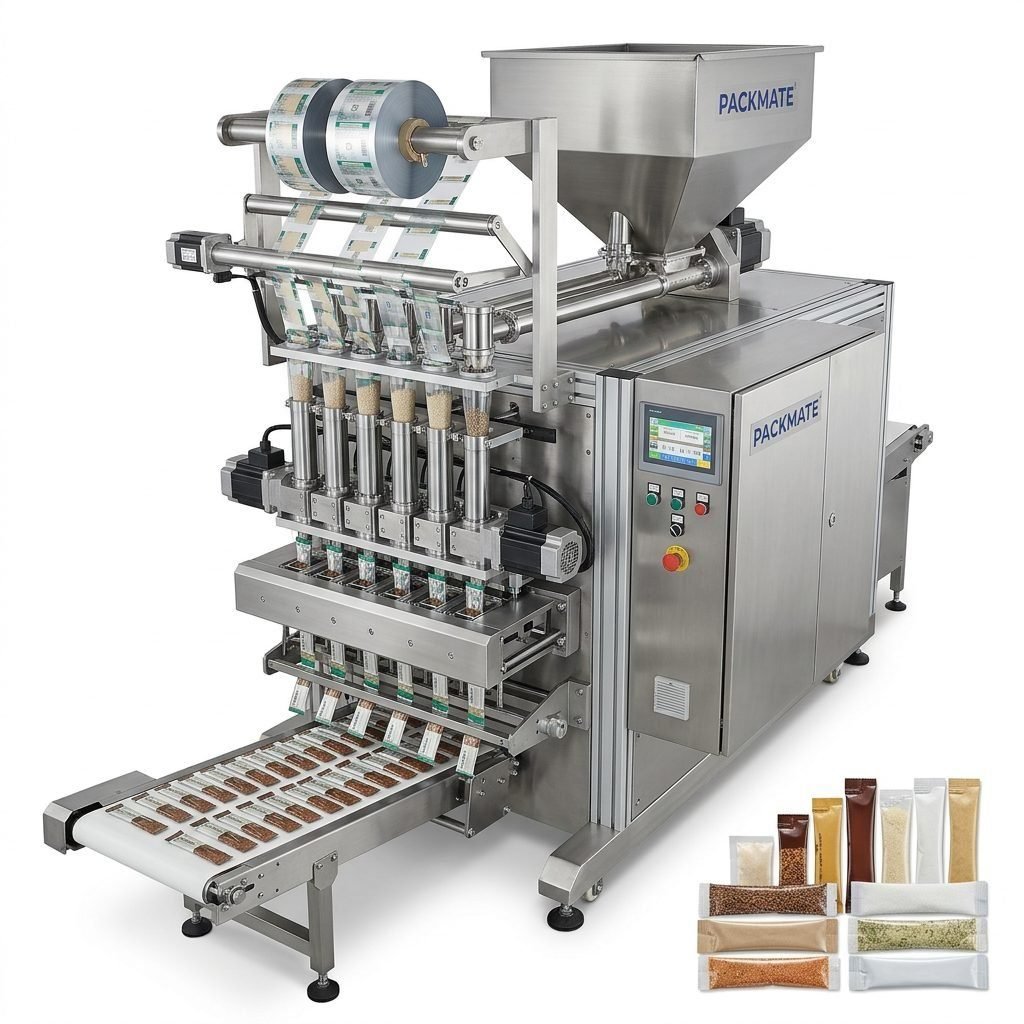
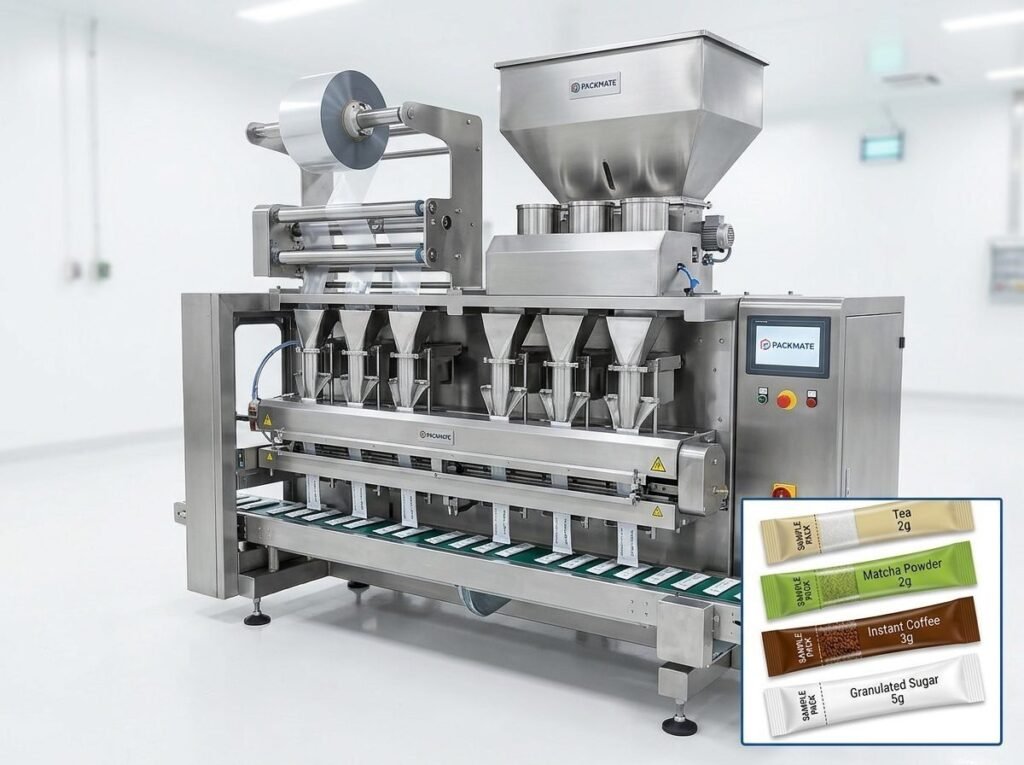
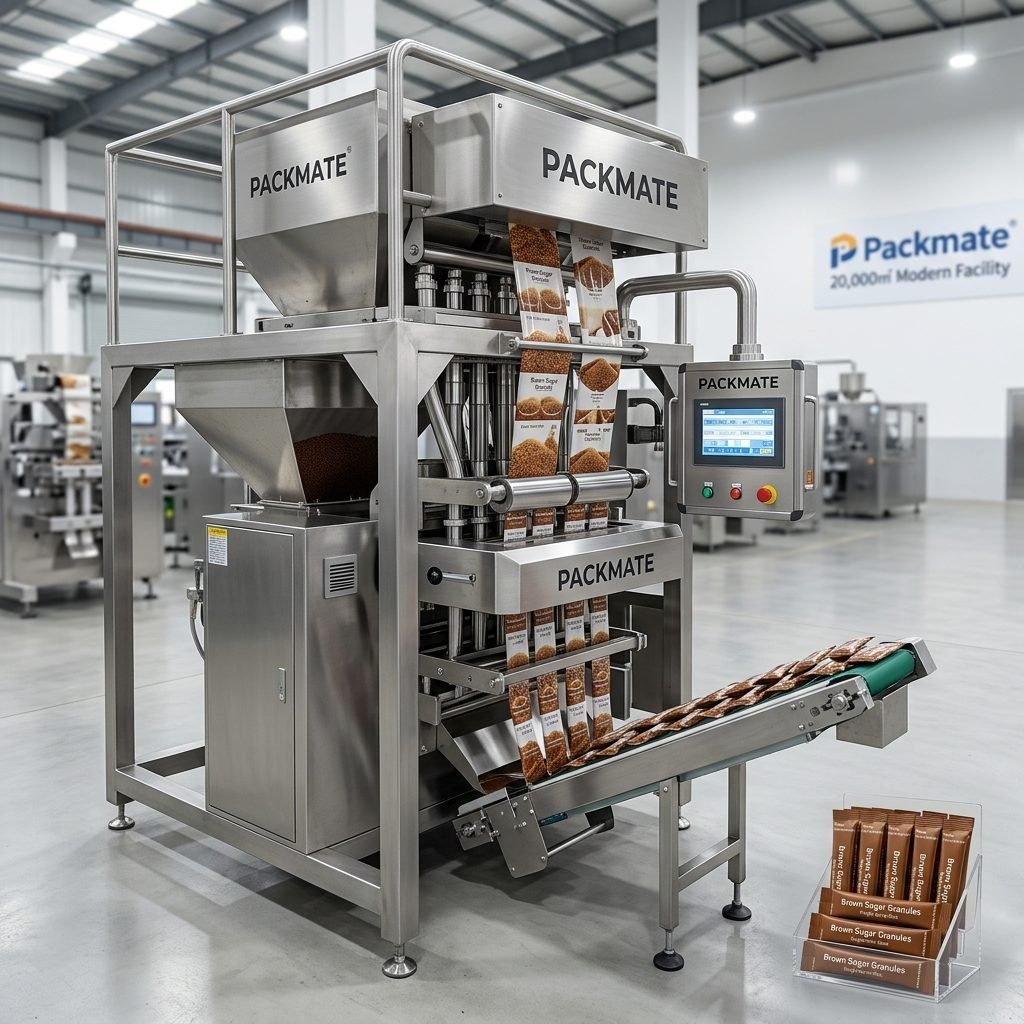
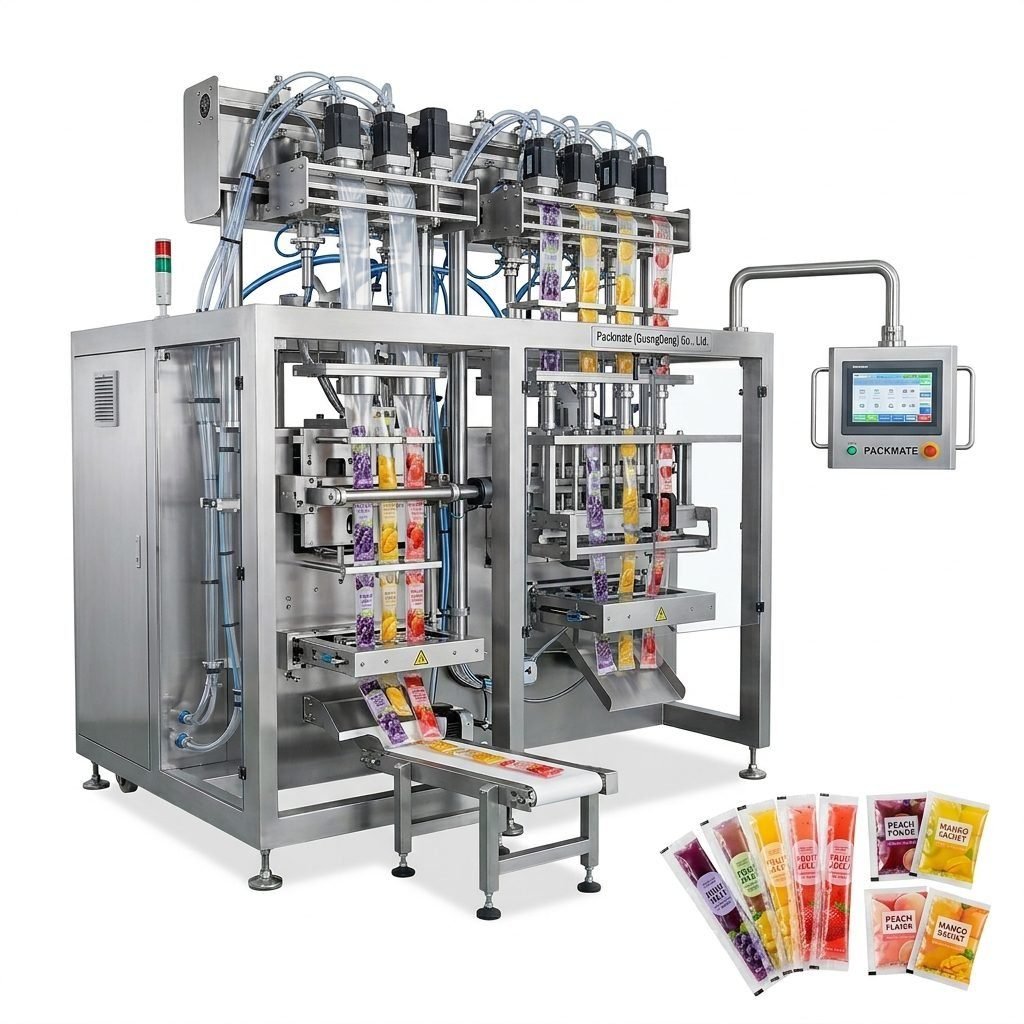
Perfect for single-use samples, travel kits, or portion-controlled serums and powders. These machines form, fill, and seal small pouches from a roll of film at high speeds. They offer a cost-effective and lightweight packaging solution. Explore our range of sachet & stick pack machines designed for precision in small-format packaging.
Tube Fillers & Sealers: Essential for products like creams, gels, and masks packaged in laminated or plastic tubes. The process involves filling and then sealing the tube end via heat or clamping.
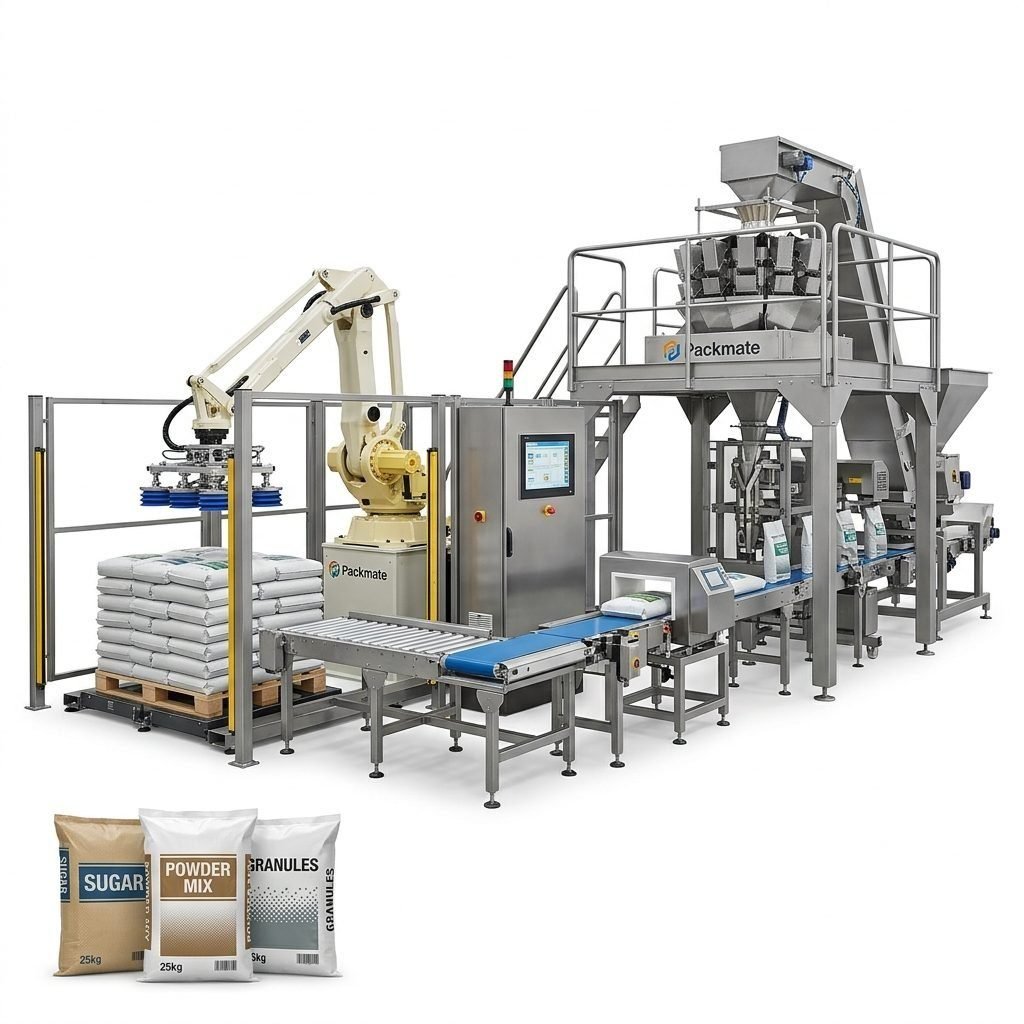
Auxiliary Equipment: A complete line often includes auxiliary packaging equipment like unscramblers (to orient containers), conveyors, and checkweighers to ensure each package meets weight specifications.
Automation: From Semi-Automatic to Turnkey Lines
The level of automation scales with production needs.
Semi-Automatic Machines: Require some operator involvement, such as placing containers. They are ideal for low to medium output, offering a lower initial investment and good flexibility.
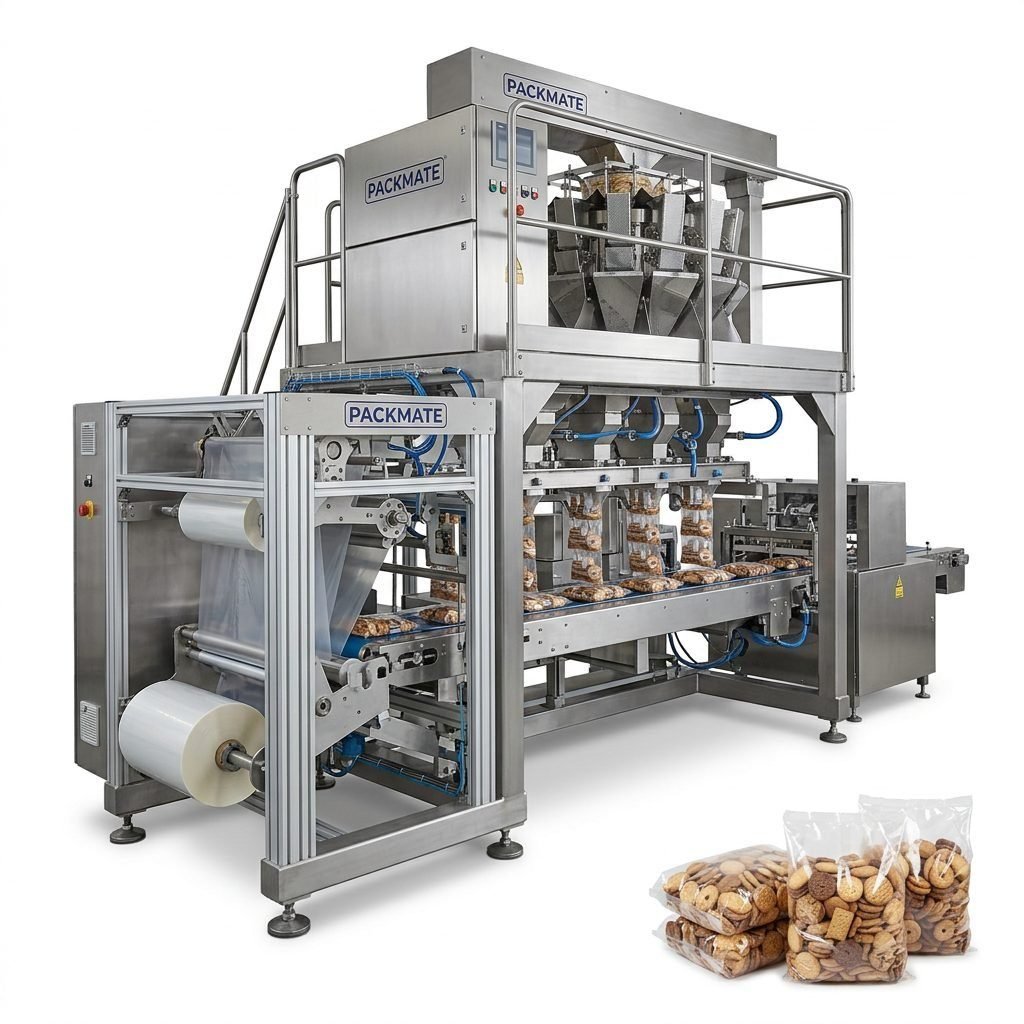
Fully Automated Lines: Integrate filling, capping, labeling, and coding into one seamless system. They maximize output, minimize labor costs, and ensure consistent quality for high-volume production. Partnering with a provider like Packmate Machinery, which specializes in complete turnkey packaging solutions, can streamline this complex integration.
Why Partner with a Specialist Manufacturer?
Investing in packaging machinery is significant. Working with an experienced manufacturer like Packmate Machinery offers distinct advantages. With over 30 years of expertise, such a partner brings deep knowledge of handling diverse products—from granules to sensitive liquids. They can provide tailored recommendations, reliable machines built in a modern 20,000㎡ facility, and crucial after-sales support. Their experience in developing over 50 machine models ensures they can address the specific challenges of beauty product packaging.
Frequently Asked Questions (FAQs)
1. What type of packaging machine is best for a small beauty startup?
Semi-automatic filling and sealing machines are often the best starting point. They offer a balance between cost, flexibility, and output, allowing you to package various products without a massive capital outlay.
2. How can I ensure my liquid beauty products are filled hygienically?
Opt for filling machines with sanitary design, such as peristaltic pumps or piston fillers with CIP (Clean-in-Place) capabilities. Using equipment that minimizes product contact with external parts is key.
3. Can one machine handle different container sizes?
Yes, many machines are designed with quick-change parts. Look for equipment that offers easy-to-switch changeover kits for different container formats to maximize your production flexibility.
4. What is the importance of a turnkey solution?
A turnkey solution means the supplier designs, integrates, installs, and commissions the entire packaging line. This single-point responsibility reduces project risk, ensures compatibility between machines, and gets your line operational faster.
5. Where can I see examples of packaging machinery in action?
Reputable manufacturers often showcase their equipment through case studies or at international trade shows. Reviewing a company’s case studies can provide real-world insights into machine performance.