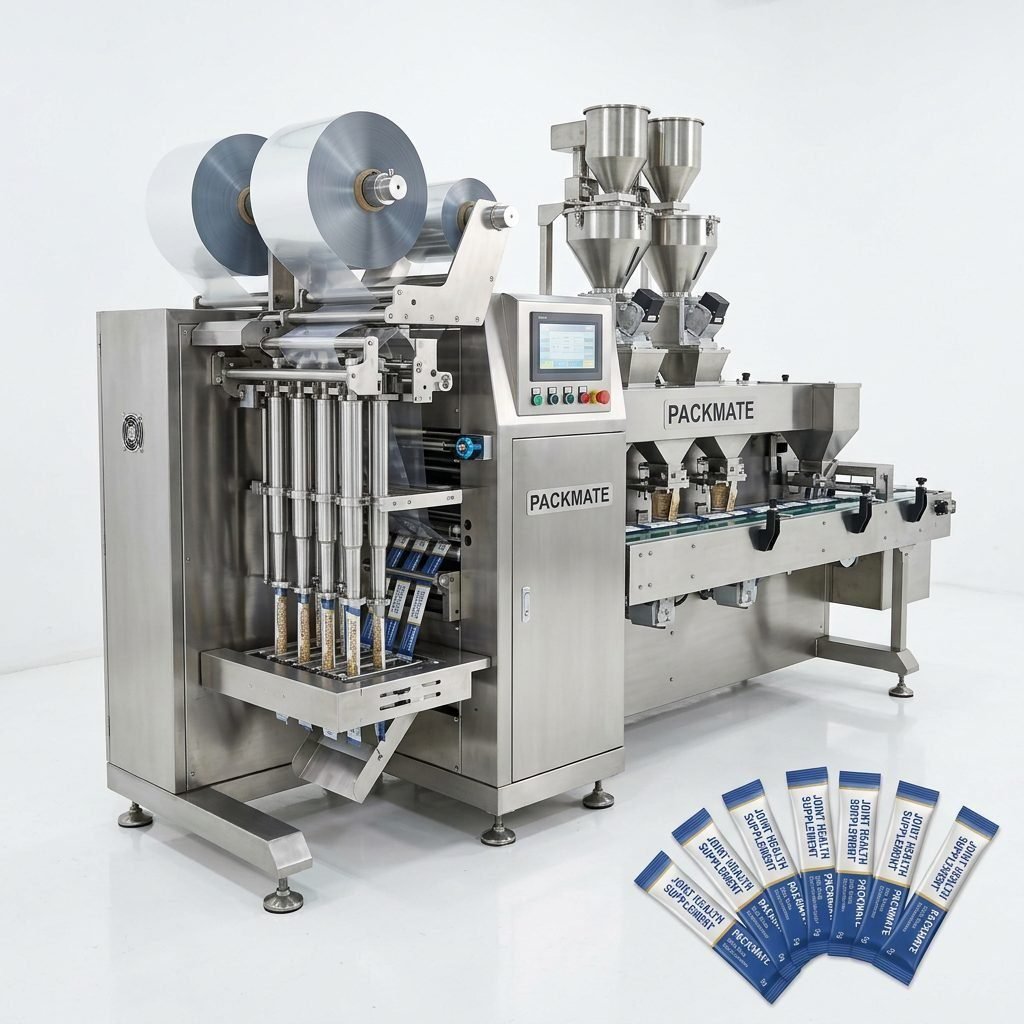
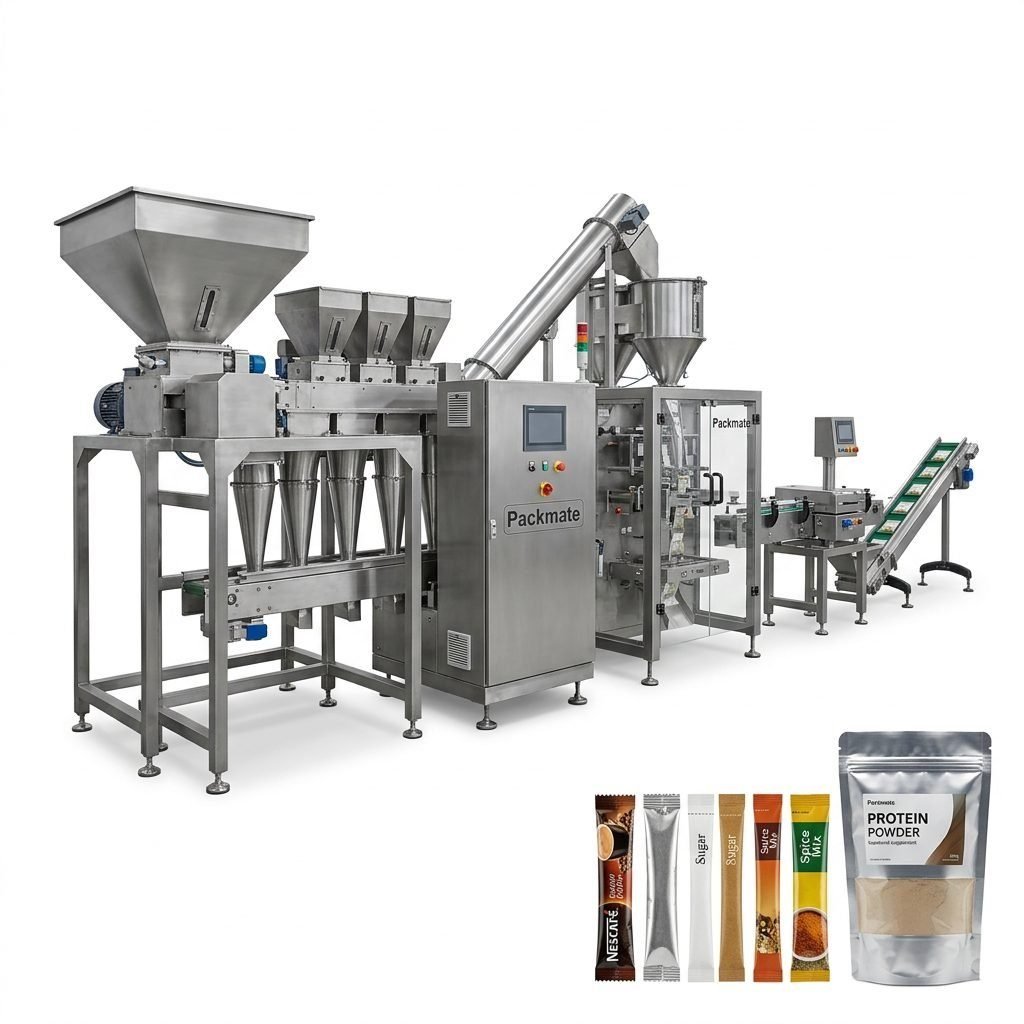
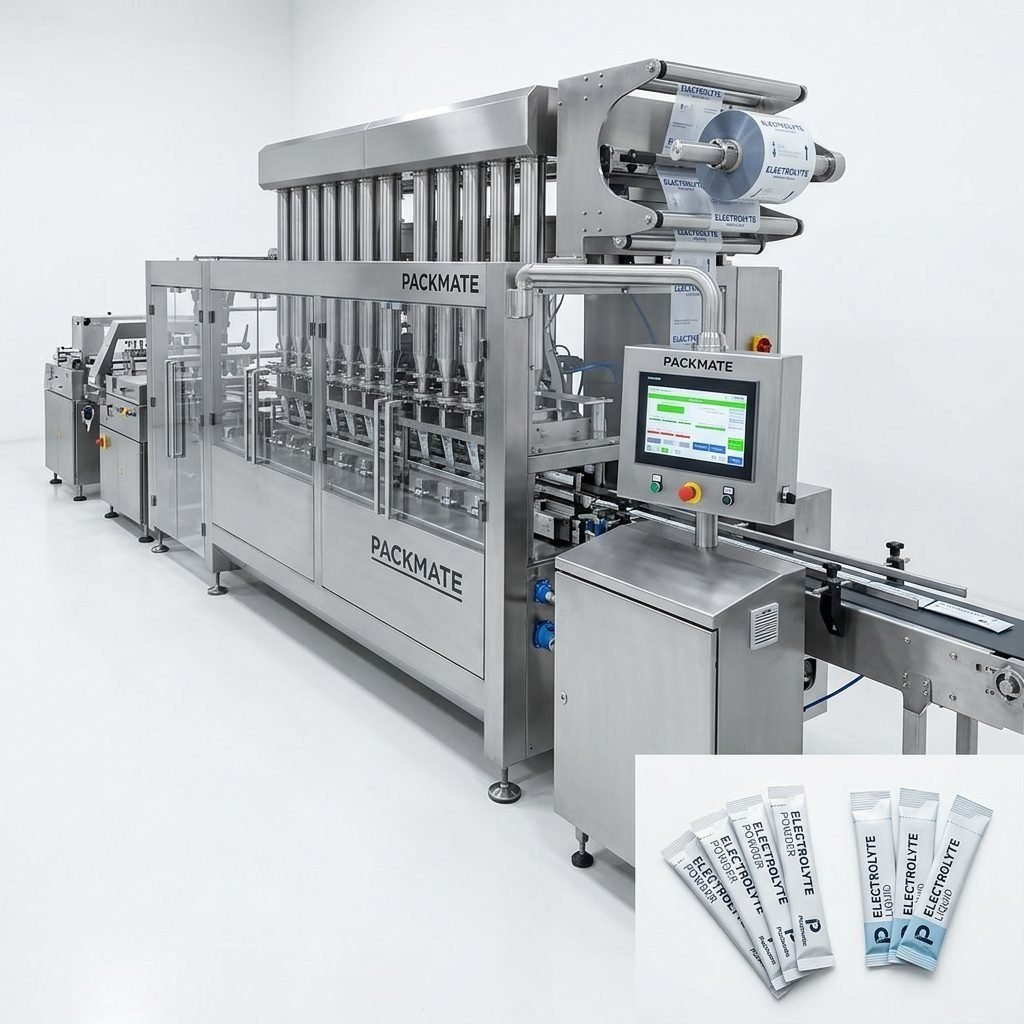
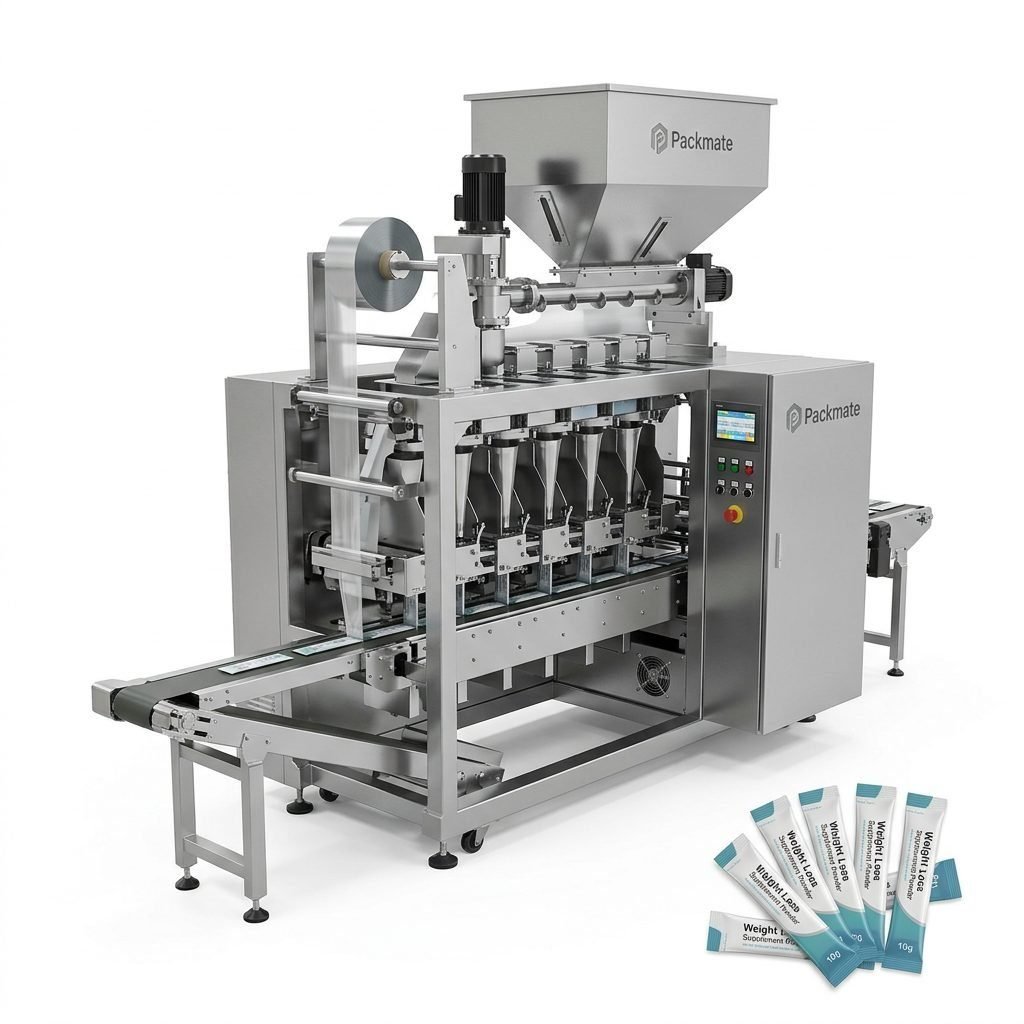
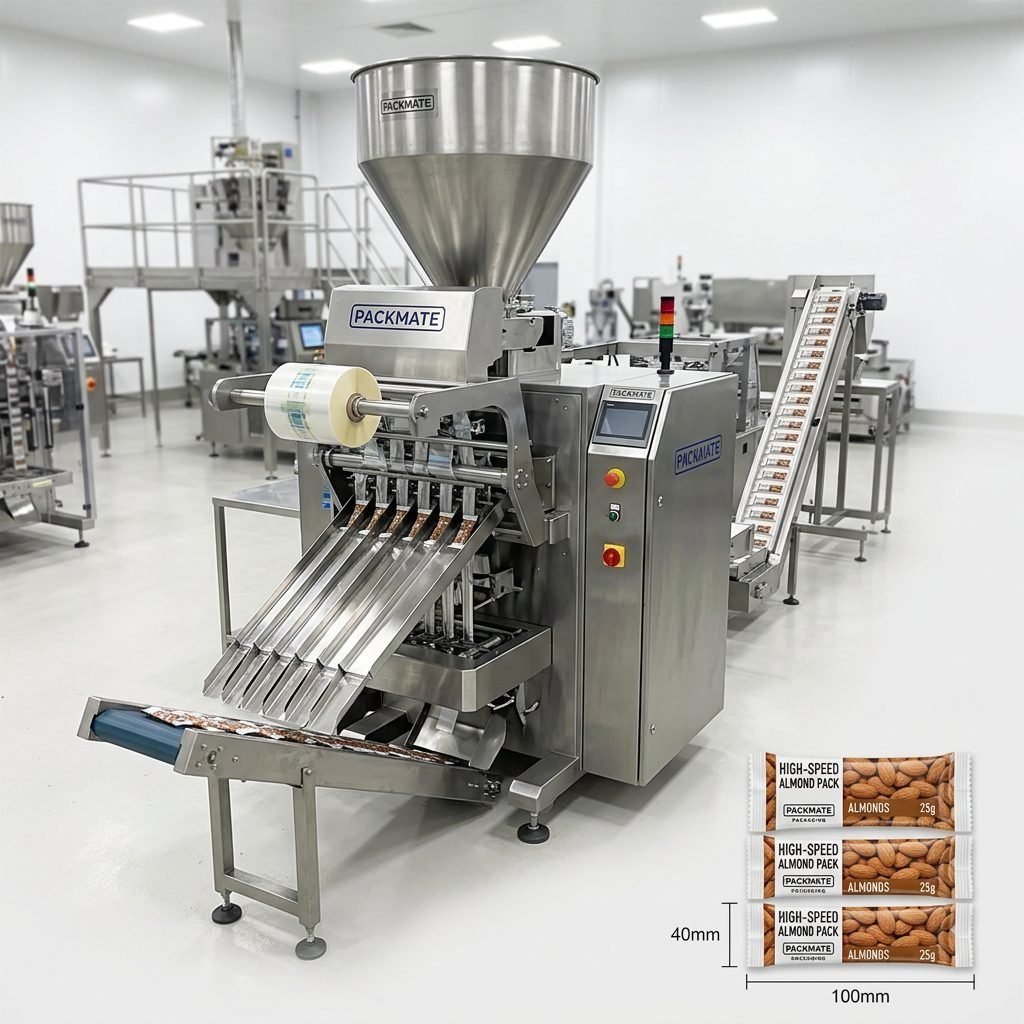
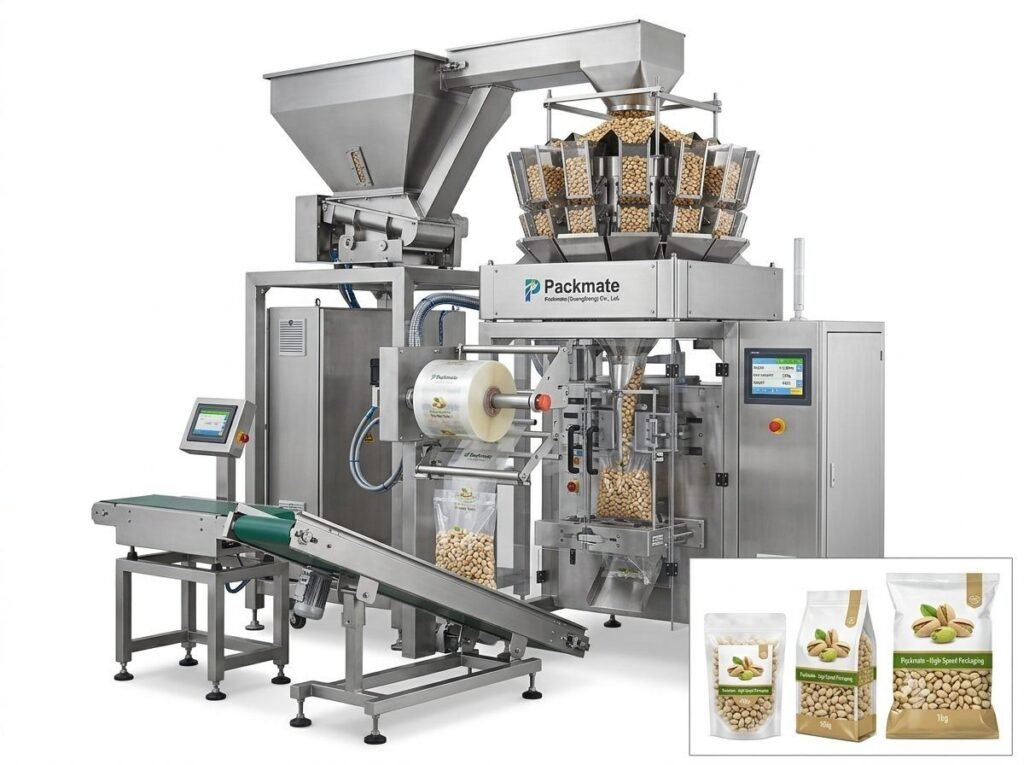
Maintaining your packaging equipment is not just a routine task—it’s a strategic investment in your production line’s longevity, efficiency, and overall output quality. Proper maintenance ensures that your machines operate at peak performance, minimizing unexpected downtime, reducing costly repairs, and safeguarding your product consistency. For businesses relying on precision packaging, such as those in the food, pharmaceutical, and health industries, a well-executed maintenance plan is indispensable.
The Critical Role of Regular Maintenance
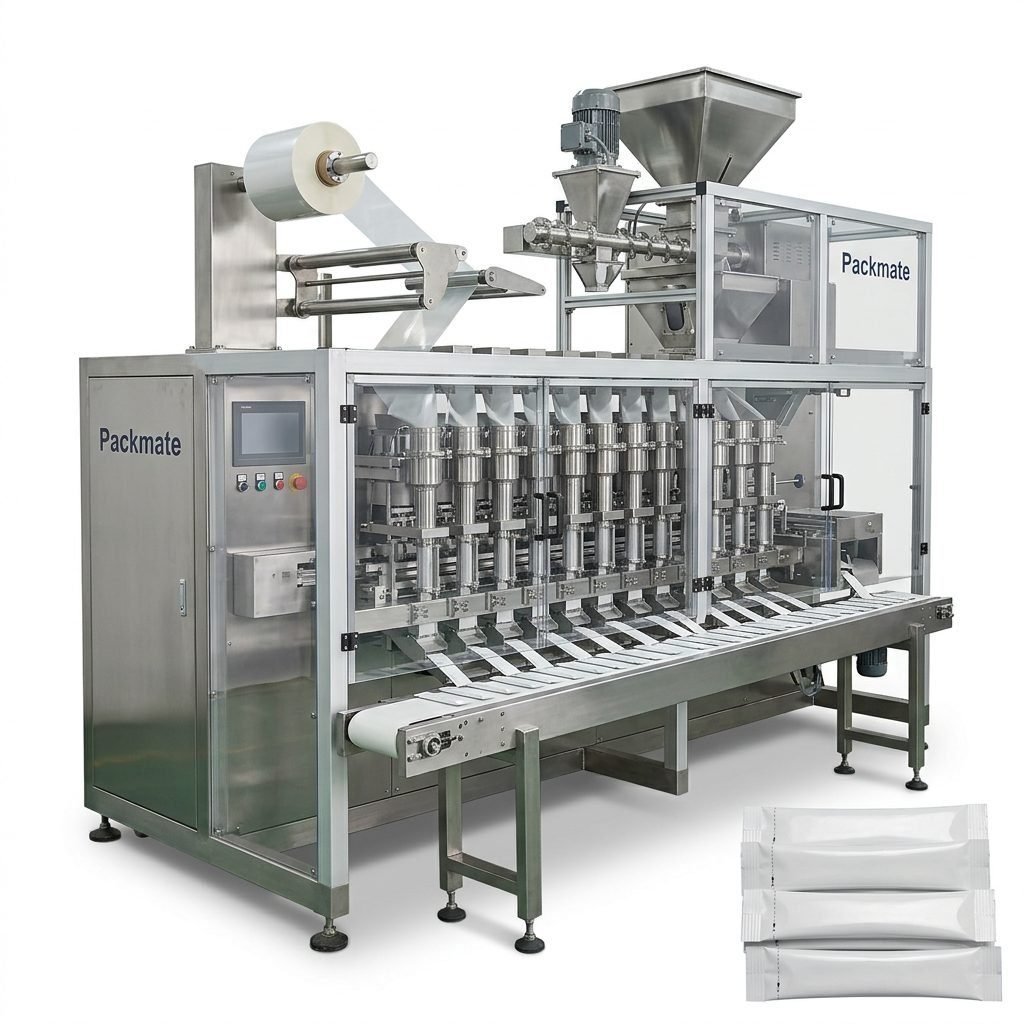
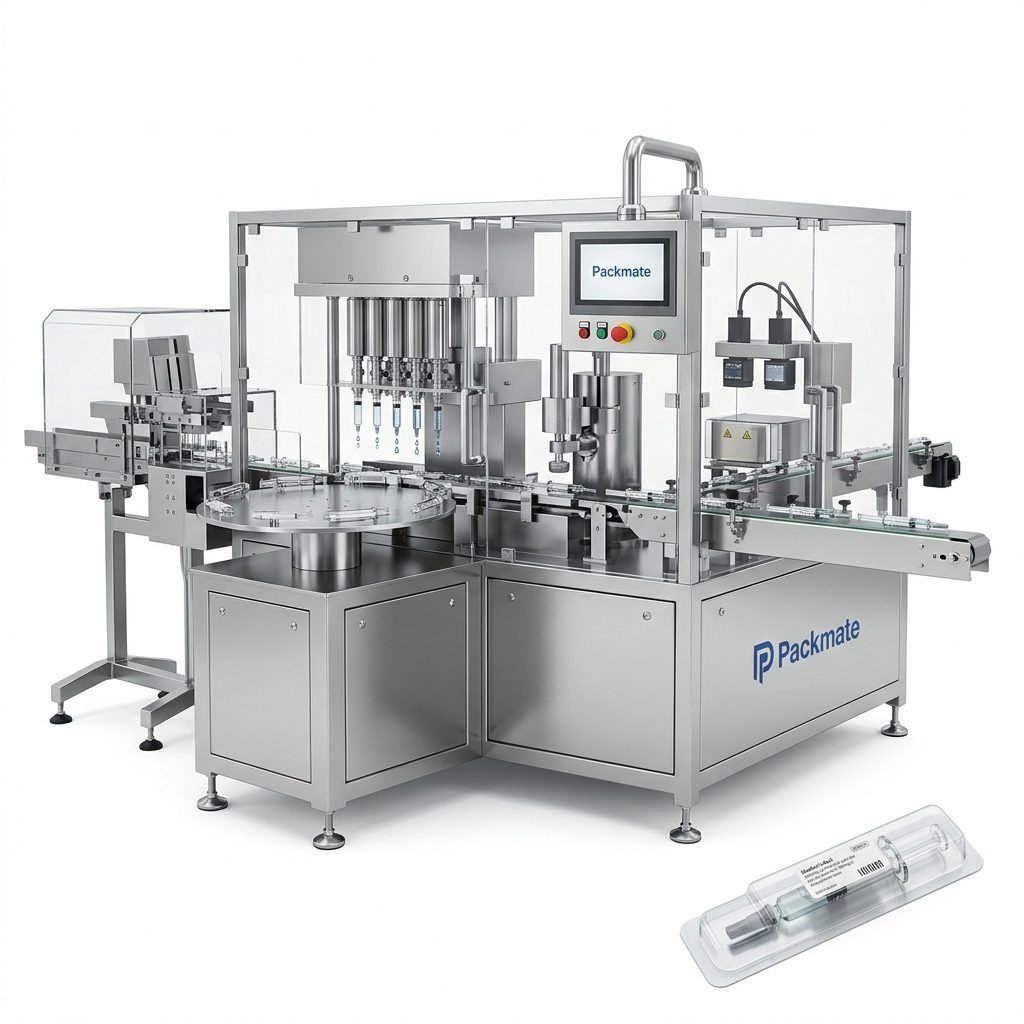
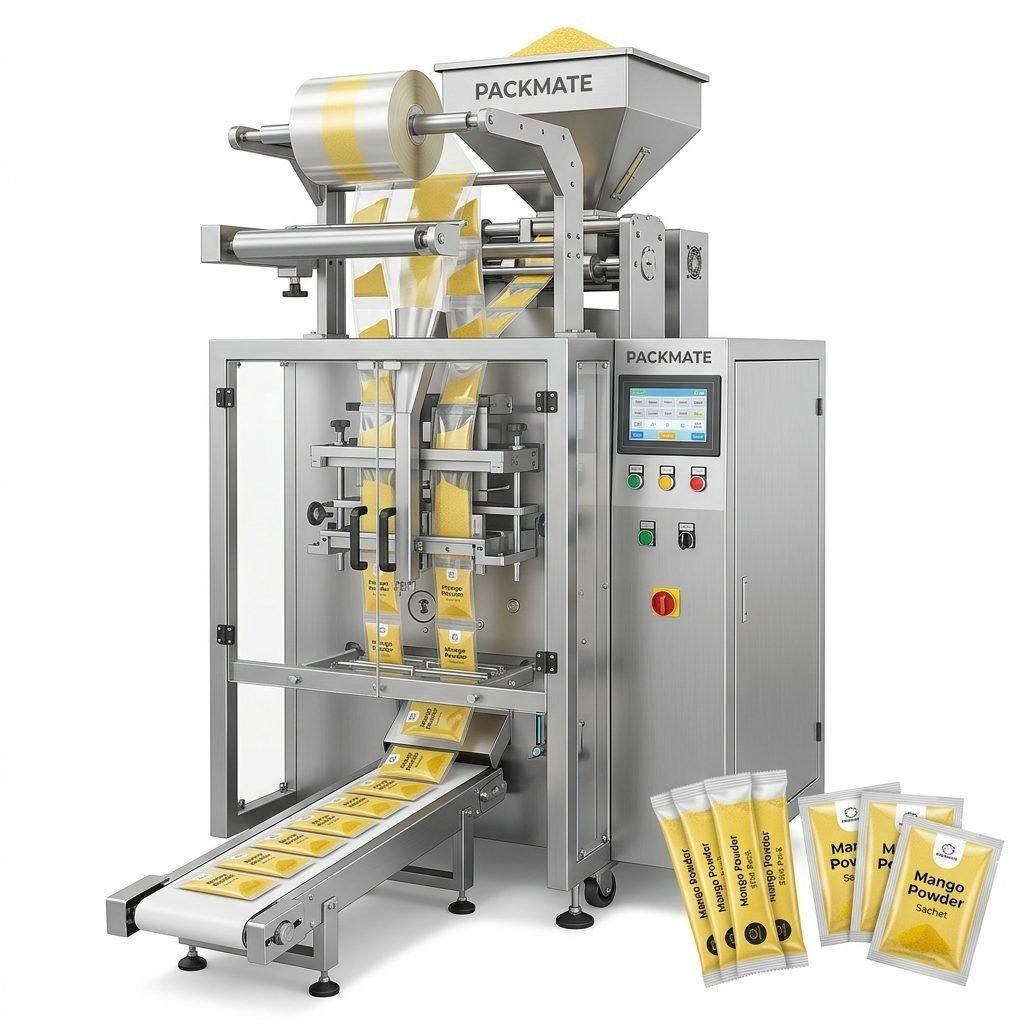
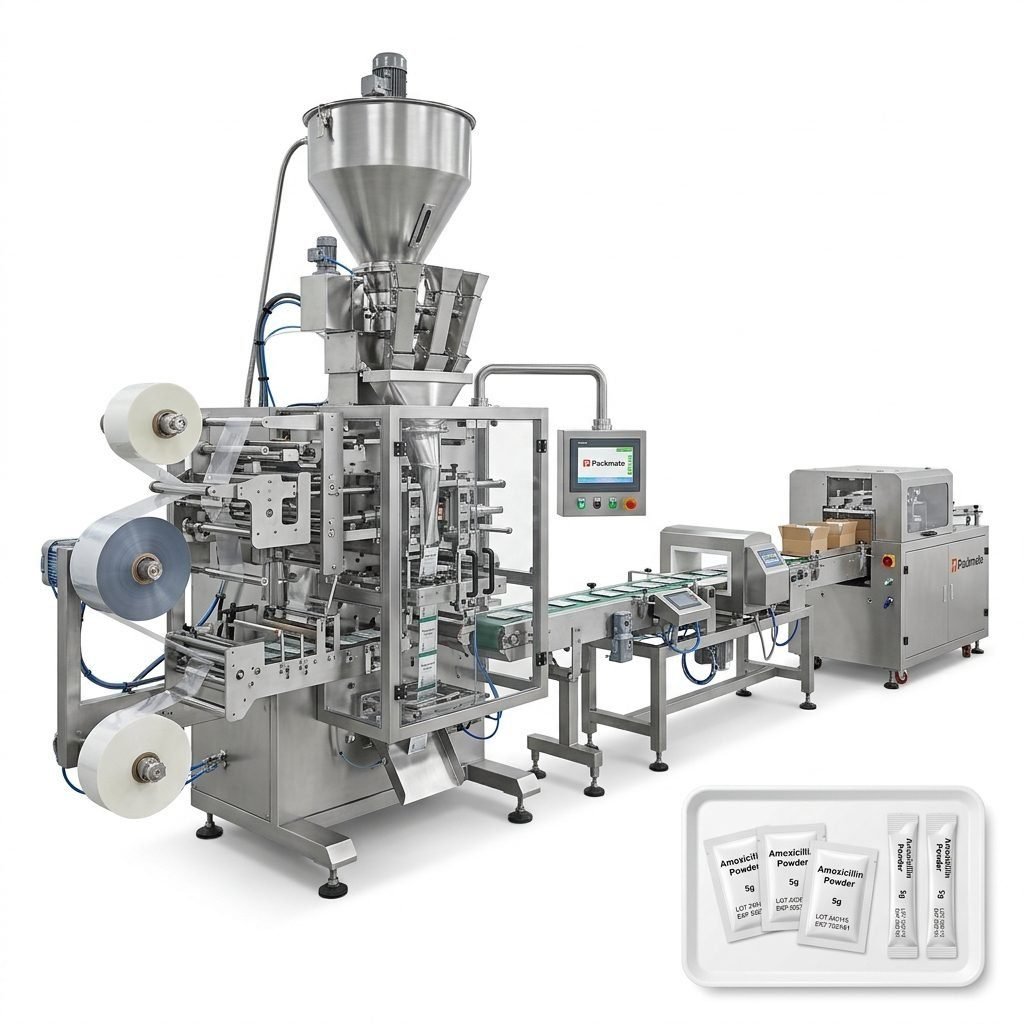
Packaging machinery, from high-speed sachet and stick pack machines to complex filling and packaging lines, consists of numerous mechanical, electrical, and pneumatic components. Daily operation subjects these parts to wear, stress, and potential contamination. Without regular check-ups, minor issues like a loose bolt, a slightly misaligned sensor, or accumulated dust can escalate into major breakdowns that halt production for hours or even days.
A proactive maintenance schedule transforms your equipment from a potential point of failure into a reliable asset. It directly impacts key performance indicators: Overall Equipment Effectiveness (OEE), mean time between failures (MTBF), and total cost of ownership (TCO).
Daily, Weekly, and Monthly Maintenance Checklists
Implementing a tiered maintenance approach is the most effective method. Here’s a foundational guide you can adapt to your specific machinery, such as bag and pouch packaging machines.
Essential Lubrication and Cleaning Protocols
Using the correct lubricants and cleaning agents is non-negotiable. Incorrect chemicals can degrade seals, corrode metal, or contaminate products.
Lubrication Tip: Always refer to the manufacturer’s manual. For example, high-speed gears may require a specific synthetic oil, while guide rails might need a food-grade grease. Over-lubrication can attract dust and cause just as many problems as under-lubrication.
Cleaning for Compliance: In industries like pharmaceuticals, cleaning procedures must be validated to prevent cross-contamination. Establish clear Standard Operating Procedures (SOPs) for disassembly, cleaning, and reassembly of product-contact parts.
Troubleshooting Common Packaging Machine Issues
Even with perfect maintenance, issues can arise. Quick diagnosis saves valuable time.
Poor Seal Integrity
Possible Causes: Incorrect temperature/pressure settings, contaminated sealing jaws, worn Teflon coating, or misaligned film.
Action: Clean jaws thoroughly, check and recalibrate temperature controllers, and inspect the Teflon for scratches or burns. Replace if necessary.
Inconsistent Filling Weight
Possible Causes: Worn augers or pumps, clogged nozzles, unstable product flow from the hopper, or calibration drift in the load cell.
Action: Clean all filling pathways, inspect augers/pumps for wear, and perform a full recalibration of the weighing system. Ensure product in the hopper is not bridging or rat-holing.
Frequent Film Breaks or Misalignment
Possible Causes: Improper film tension, misaligned film guides, damaged registration sensors, or sharp edges on forming collars.
Action: Rethread the film according to the manual path, check and clean all sensors, and inspect all guides and forming tubes for burrs or damage.
When to Call a Professional Service
While operator-level maintenance is crucial, some situations demand expert intervention. If you encounter recurring problems despite basic troubleshooting, complex electrical faults, major mechanical overhauls, or need performance optimization, it’s time to contact the manufacturer. Companies like Packmate Machinery offer dedicated service and support, leveraging over 30 years of expertise to get your line running perfectly.
Investing in an annual or bi-annual professional service contract is often more cost-effective than managing emergency breakdowns. These services include deep cleaning, comprehensive inspection, wear part replacement, and performance tuning.
Building a Sustainable Maintenance Culture
Optimal equipment performance stems from a culture of care. This involves:
Training: Ensure every operator and technician is thoroughly trained on their specific machines using the official manuals and resources.
Documentation: Maintain a detailed log for every machine. Record all maintenance activities, parts replaced, and any irregularities noticed. This logbook is invaluable for diagnosing future issues and proving compliance.
Spare Parts Inventory: Keep a strategic stock of common wear-and-tear parts (seals, gaskets, filters, fuses) to minimize downtime. Your equipment supplier can help you create a recommended spare parts list.
Frequently Asked Questions (FAQs)
How often should I perform a full maintenance overhaul on my packaging line?
The frequency depends on usage (shifts per day), product abrasiveness, and environmental conditions. For continuous 24/7 operations, a major overhaul might be needed annually. For single-shift operations with non-abrasive products, every 18-24 months may suffice. Always follow the manufacturer’s recommended schedule in your manual.
Can I use generic lubricants and cleaning chemicals to save costs?
It is strongly discouraged. Manufacturers specify lubricants and cleaners that are compatible with machine materials and safe for your product type (e.g., food-grade, pharmaceutical-grade). Using generic alternatives can void warranties, damage components, and lead to product contamination.
What are the most commonly overlooked maintenance items?
Often overlooked areas include air system maintenance (draining moisture, replacing filters), electrical cabinet cleaning (dust can cause overheating), and checking mechanical fasteners for loosening due to vibration.
My machine is running but packages are slightly off-spec. Is this a maintenance issue?
Very likely. Gradual performance drift is a classic sign of needed maintenance. It could be due to worn parts causing slight fill inaccuracies, thermal drift in sealing temperature, or calibration shifts in sensors. A thorough maintenance check should be your first step before considering more drastic measures.
Where can I find reliable technical support and original spare parts?
Always contact your original equipment manufacturer (OEM) first. For example, Packmate Machinery’s support team provides direct access to engineers familiar with your specific machine model and guarantees that spare parts meet original specifications for fit and performance.