Retort packaging equipment represents a critical technology for preserving food, pharmaceuticals, and other perishable goods. This process involves sealing products in a pouch or container and then sterilizing them with heat under pressure, ensuring a long shelf life without the need for refrigeration or preservatives. For businesses looking to enhance their production capabilities, understanding the types, applications, and selection criteria for retort equipment is essential.
What is Retort Packaging?
Retort packaging is a method of thermal processing where food or other products are hermetically sealed in a flexible pouch or rigid container and then subjected to high-temperature steam or water under pressure. This process effectively destroys harmful microorganisms and enzymes, resulting in a commercially sterile product that is safe for ambient storage. The key advantage lies in its ability to combine the convenience of flexible packaging with the safety and longevity of traditional canning.
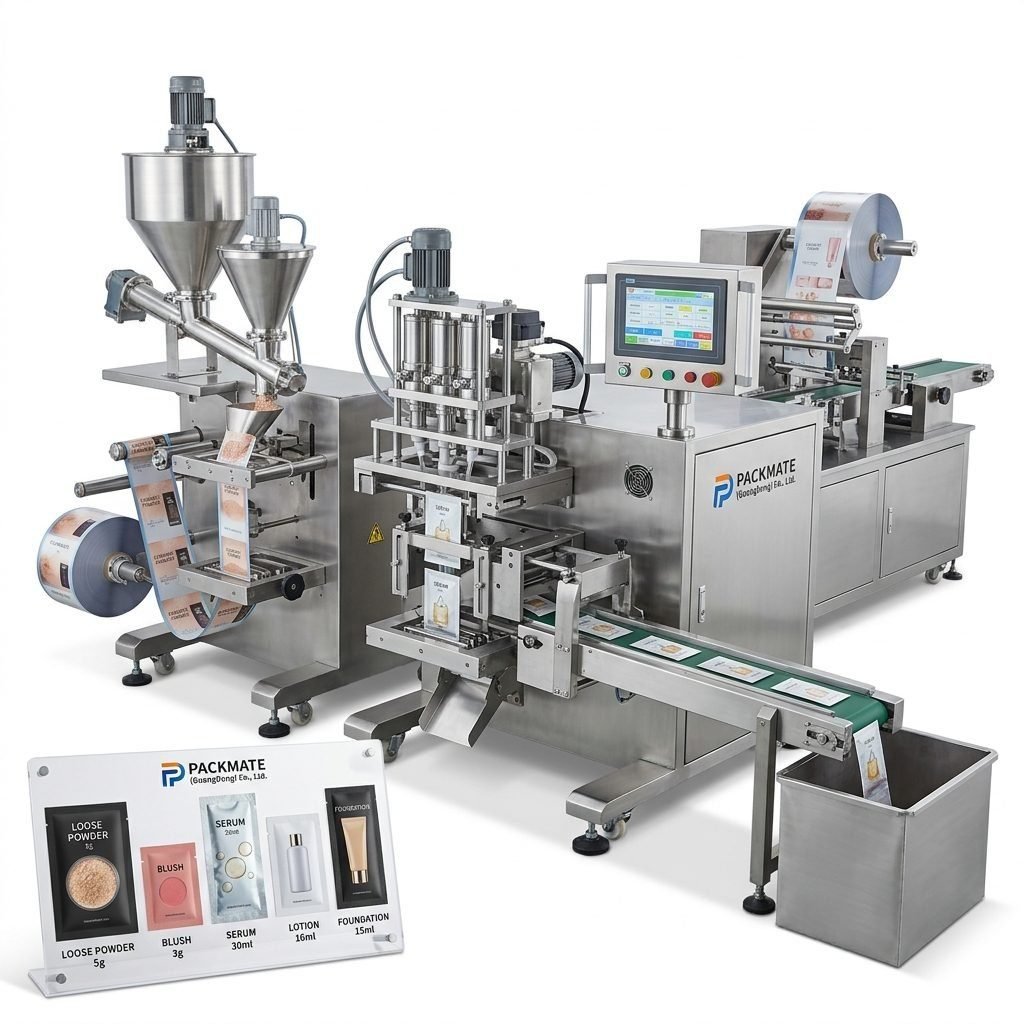
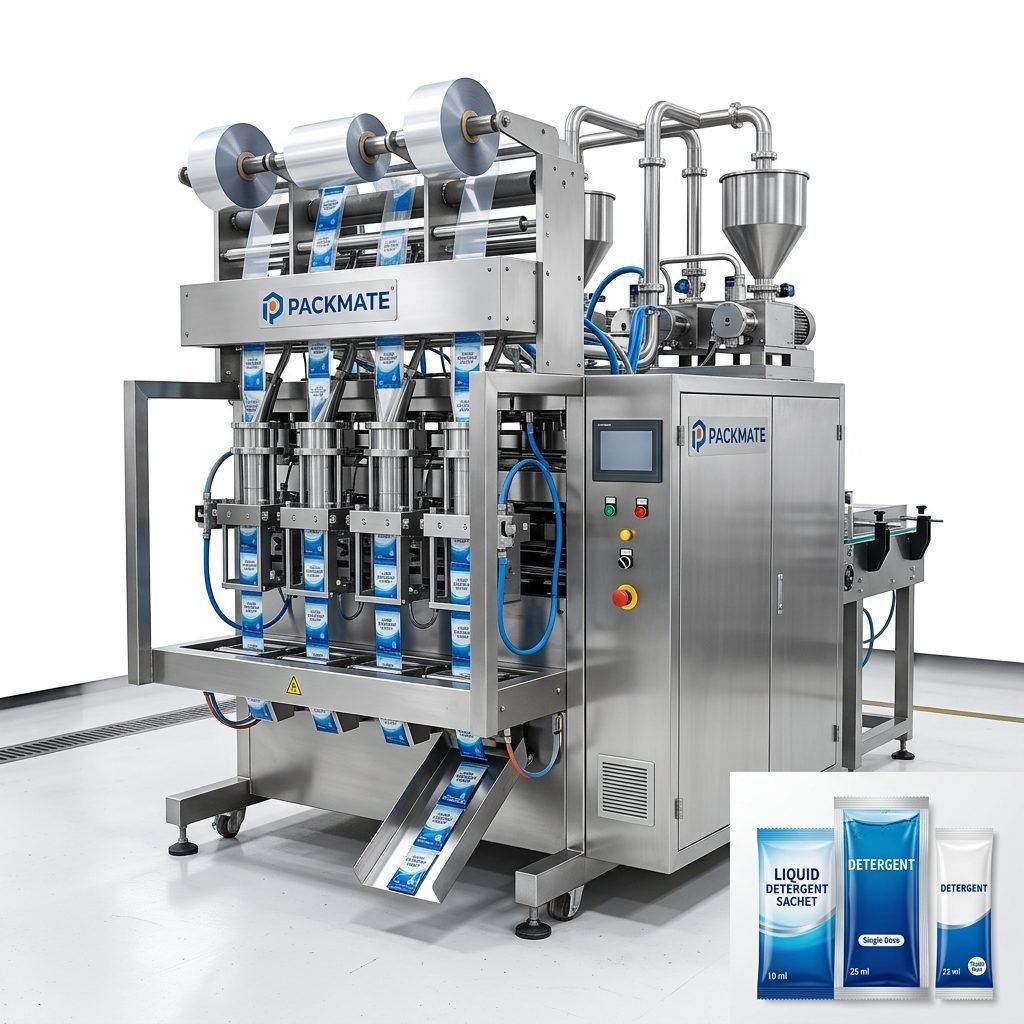
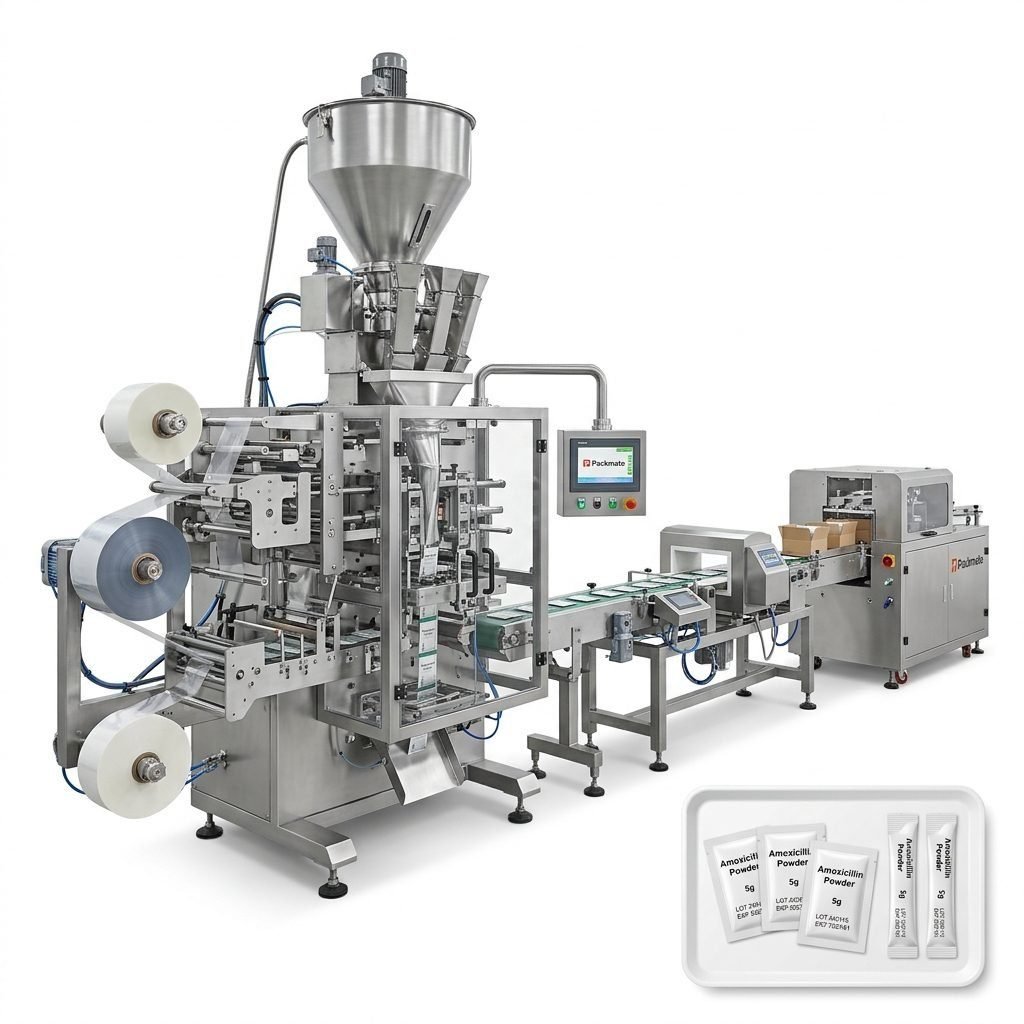
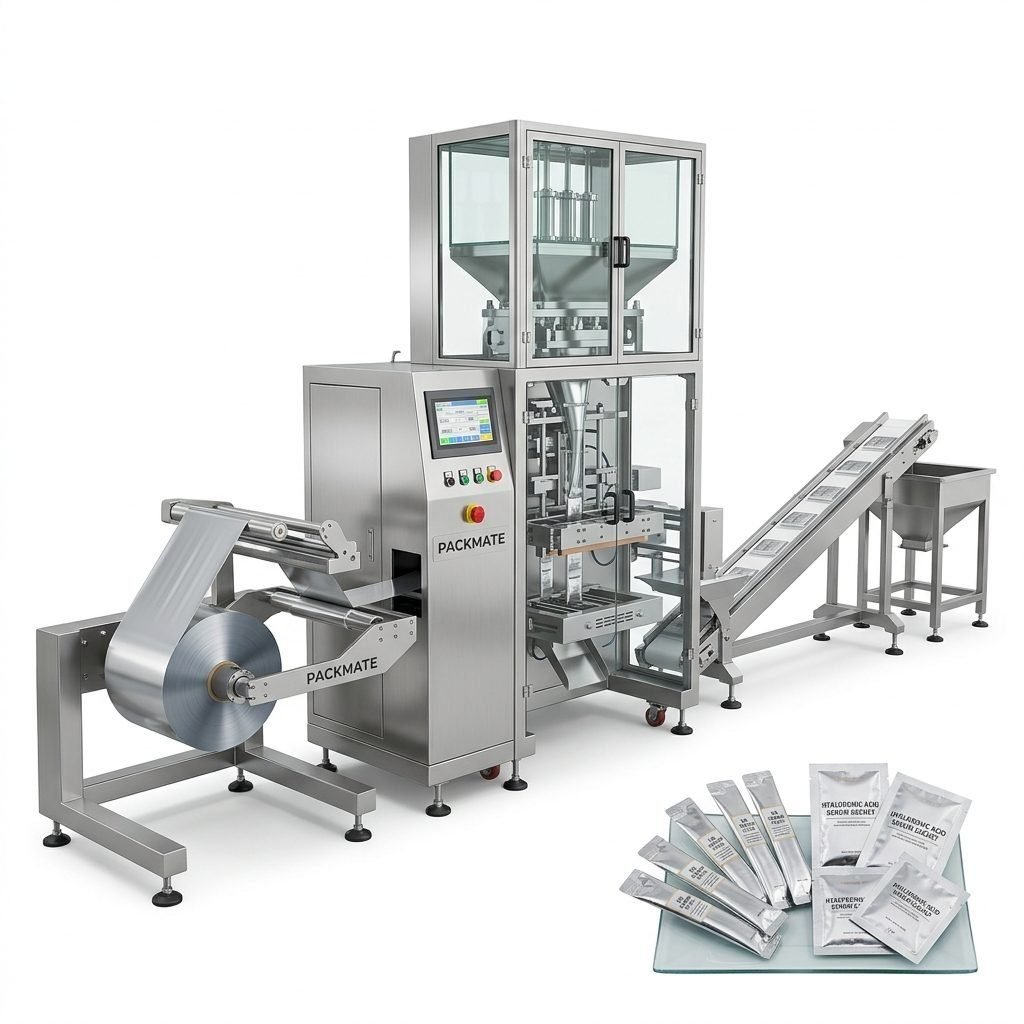
Modern retort systems are highly automated, integrating seamlessly with upstream filling and downstream labeling operations to form complete production lines. This integration is crucial for manufacturers like Packmate Machinery, who provide turnkey solutions that ensure efficiency from start to finish.
Primary Types of Retort Packaging Equipment
The choice of retort equipment depends largely on production volume, product type, and packaging format. The main categories include:
Batch Retorts
Batch retorts, or still retorts, process a defined load of products in a single cycle. They are ideal for smaller to medium-scale production or for companies with a diverse product range. Their operation is straightforward: loaded, sealed, processed, cooled, and unloaded. While offering great flexibility, their throughput is limited by the cycle time.
Continuous Retorts
For high-volume production, continuous retorts are the preferred choice. Products move continuously through different zones for heating, holding, and cooling. Systems like rotary or hydrostatic retorts offer superior energy efficiency and consistent product quality due to uniform heat distribution. They represent a significant investment but provide unmatched output for large-scale operations.
Agitating Retorts
Agitating retorts enhance the heat transfer process by gently moving the containers during sterilization. This motion, either axial or end-over-end, helps to mix the product contents, leading to faster come-up times and more uniform processing. This is particularly beneficial for viscous products like sauces, stews, or products with particulate matter, ensuring the center reaches the required temperature without overcooking the edges.
Core Uses and Applications
Retort packaging is versatile and serves multiple high-demand industries:
Food & Beverage: This is the largest application area. From ready-to-eat meals, soups, and sauces to pet food, seafood, and dairy products, retort packaging locks in flavor and nutrition. The convenience of shelf-stable, microwaveable pouches has driven tremendous growth in this sector.
Pharmaceutical & Healthcare: Sterility is non-negotiable. Retort processing is used for sterilizing surgical kits, medical devices, and certain liquid pharmaceuticals packaged in flexible IV bags or other containers, ensuring they are free from pathogens.
Specialty Products: The technology is also applied to military rations, camping food, and emergency preparedness kits where long shelf life and durability are paramount.
For manufacturers needing specialized bag or pouch formats, exploring dedicated bag & pouch packaging machines that can be integrated with a retort system is a logical step in line design.
Essential Buying Guide: Key Factors to Consider
Selecting the right retort packaging equipment is a strategic decision. Here are the critical factors to evaluate:
1. Production Capacity and Throughput
Accurately assess your current and future production needs. Batch retorts suit lower volumes, while continuous systems are for mass production. Consider not just the retort itself, but the speed of the entire filling & packaging line to avoid bottlenecks.
2. Packaging Material and Format
The equipment must be compatible with your packaging. Retort pouches (typically multi-layer laminates), trays, bowls, or rigid containers each have different handling and processing requirements. Ensure the retort can accommodate your container’s size, shape, and material specifications.
3. Process Control and Validation
Precise control over temperature, pressure, and time is vital for safety and quality. Look for systems with advanced programmable logic controllers (PLCs), data logging, and validation capabilities to meet strict food safety standards like FDA, HACCP, or GMP. The ability to document every process cycle is crucial for audit trails.
4. Automation and Integration Level
Modern lines minimize manual handling. Evaluate the level of automation for loading (auto basket loading), unloading, and conveyance to downstream equipment like drying and labeling machines. Higher automation reduces labor costs and improves consistency.
5. Supplier Expertise and Support
Partner with a manufacturer with proven experience. A supplier like Packmate Machinery, with over two decades in intelligent packaging, offers more than just a machine. They provide comprehensive technical support, training, spare parts availability, and assistance with line integration, which is invaluable for long-term operational success.
Remember, the cheapest upfront cost does not equate to the best value. Consider total cost of ownership, including energy consumption, maintenance needs, and the supplier’s reputation for reliability. Investing in robust equipment from a trusted partner safeguards your production for years to come.
Conclusion
Retort packaging equipment is a cornerstone technology for producing safe, shelf-stable goods. From flexible batch systems to high-speed continuous lines, the right choice hinges on a clear understanding of your product, package, and production goals. By carefully considering capacity, control, automation, and supplier partnership, you can implement a system that ensures product safety, maximizes efficiency, and supports your business growth in a competitive market.
Frequently Asked Questions (FAQs)
What is the typical shelf life of a retort-packaged product?
When processed correctly and stored in a cool, dry place, retort-packaged products can have a shelf life ranging from 12 months to over 24 months, depending on the product and packaging material.
Can retort equipment handle both pouches and rigid containers?
Some retort systems are designed to be versatile and can process different container types with specific baskets or carriers. However, it’s crucial to confirm this flexibility with the equipment manufacturer, as some systems are optimized for one format.
How energy-efficient are modern retorts?
Modern retorts, especially continuous and agitating types, are designed for energy efficiency. Features like heat recovery systems, improved insulation, and efficient water usage significantly reduce utility costs compared to older models.
What maintenance does a retort system require?
Regular preventive maintenance is key. This includes checking and calibrating temperature and pressure sensors, inspecting seals and gaskets, descaling heat exchangers (for water-based systems), and ensuring all safety interlocks function properly. A good supplier will provide a maintenance schedule.
Is retort packaging considered sustainable?
Yes, it offers several sustainable advantages. It reduces food waste by extending shelf life, often uses lighter-weight packaging than cans or glass (reducing transportation emissions), and eliminates the need for energy-intensive frozen supply chains.