In today’s fast-paced manufacturing landscape, achieving efficient production is not just a goal—it’s a necessity for staying competitive. The heart of this efficiency often lies in the packaging process, a critical stage that can significantly impact output speed, product integrity, and overall operational costs. Selecting the right packaging machinery is therefore a strategic decision that goes beyond simple automation; it’s about investing in solutions that streamline workflows, minimize waste, and maximize throughput. This article explores top-tier packaging machine solutions designed to elevate your production line’s performance, ensuring you meet market demands with precision and reliability.
The Foundation of Modern Packaging Lines
Modern packaging is a symphony of precision engineering and intelligent design. At its core, an efficient packaging line seamlessly integrates various machines—from form-fill-seal units to cartoners and palletizers—into a cohesive system. The key to unlocking high efficiency is integration and synchronization. When machines communicate flawlessly, material handling is optimized, downtime between processes is eliminated, and the entire production flow becomes smooth and predictable. This holistic approach is what transforms a collection of machines into a true turnkey packaging solution.
Core Machine Types for Peak Efficiency
Different products and production volumes require specialized machinery. Here, we delve into some of the most effective packaging machine categories that form the backbone of efficient production lines across industries like food, pharmaceuticals, and health products.
1. Vertical Form-Fill-Seal (VFFS) Machines
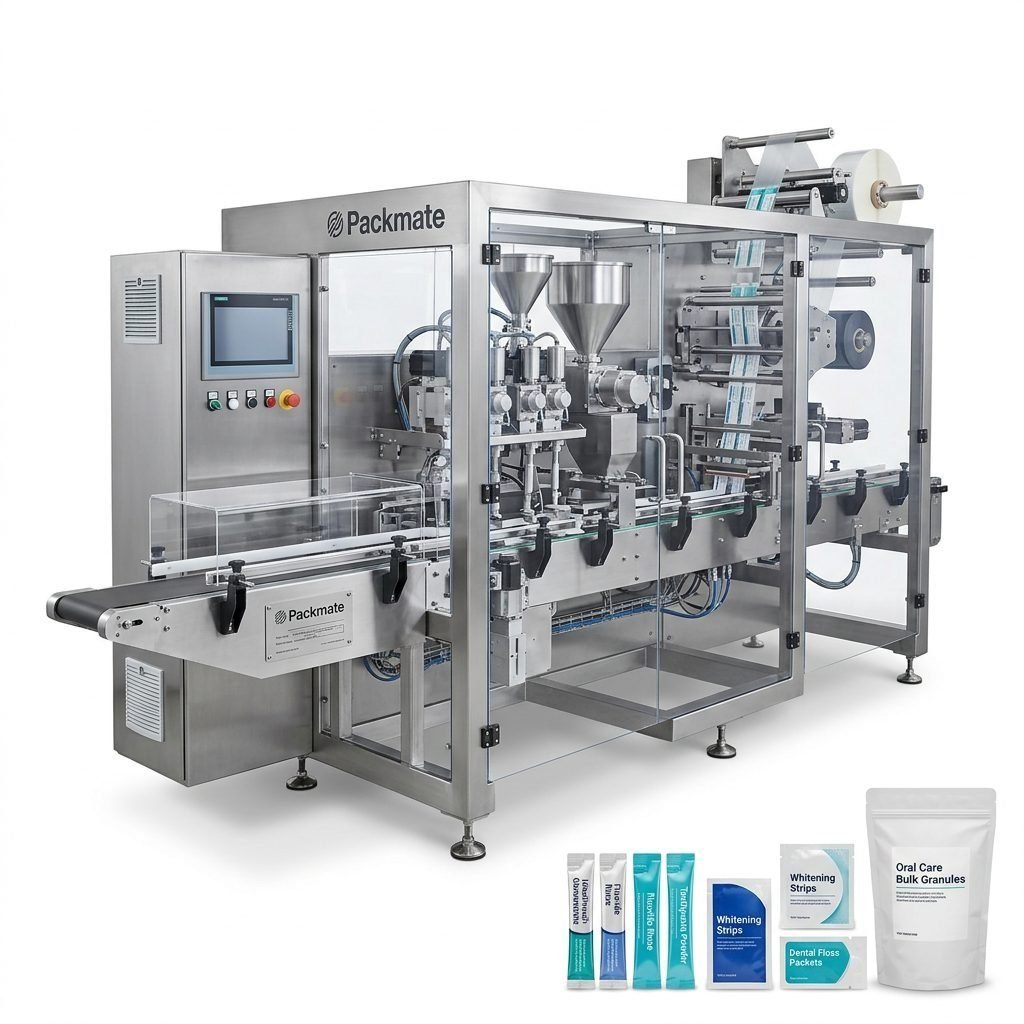
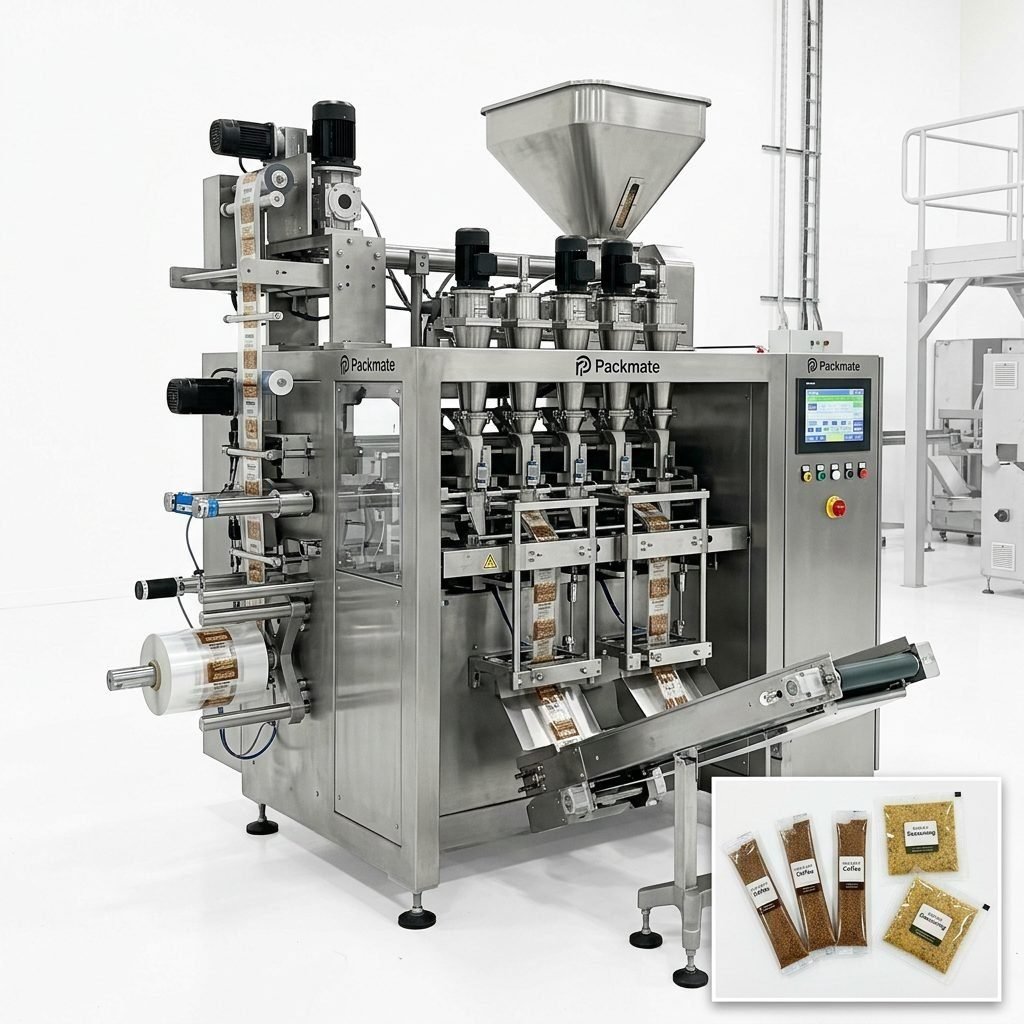
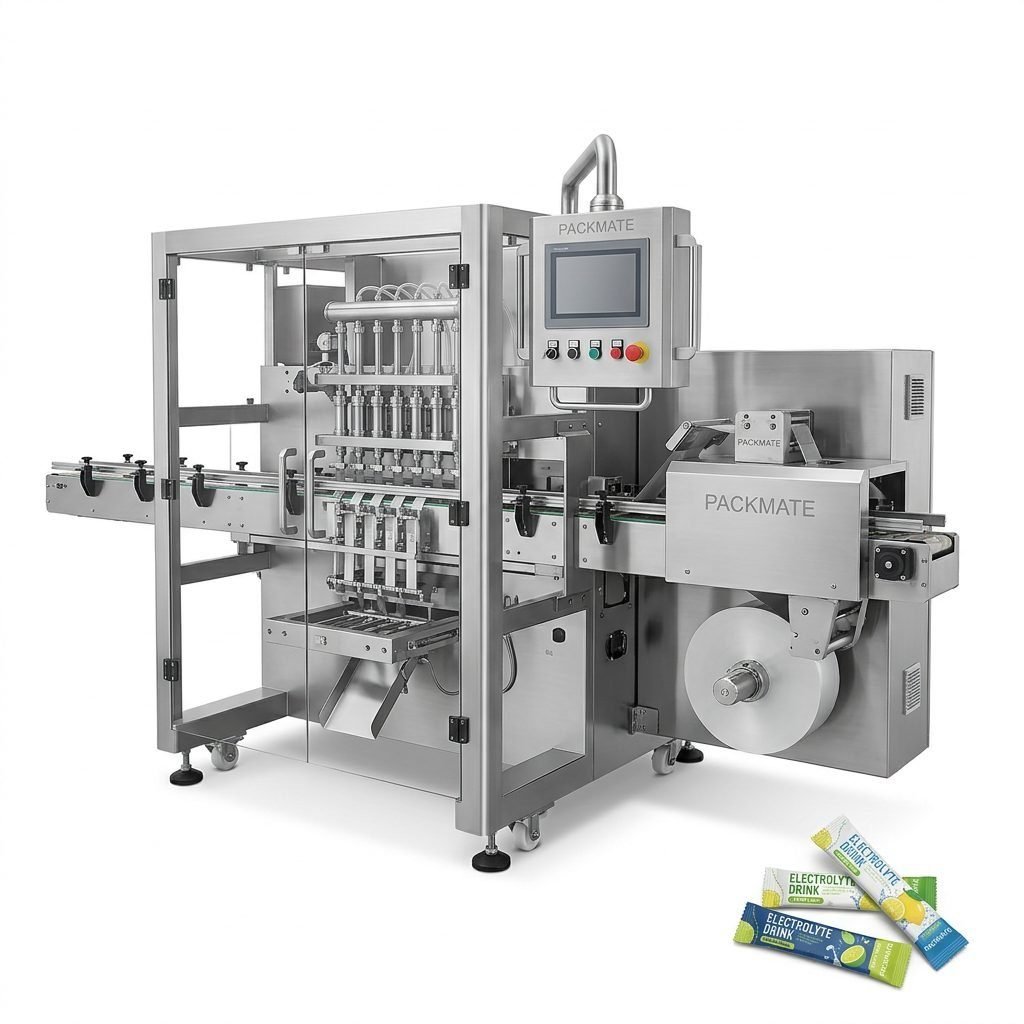
VFFS machines are the workhorses of flexible packaging. They form bags from a roll of film, fill them with product—be it granules, powders, or liquids—and seal them in one continuous, high-speed operation. Their versatility in handling different bag styles and sizes makes them indispensable for high-volume production of single-serve items. The efficiency gain comes from their rapid cycle times and minimal manual intervention.
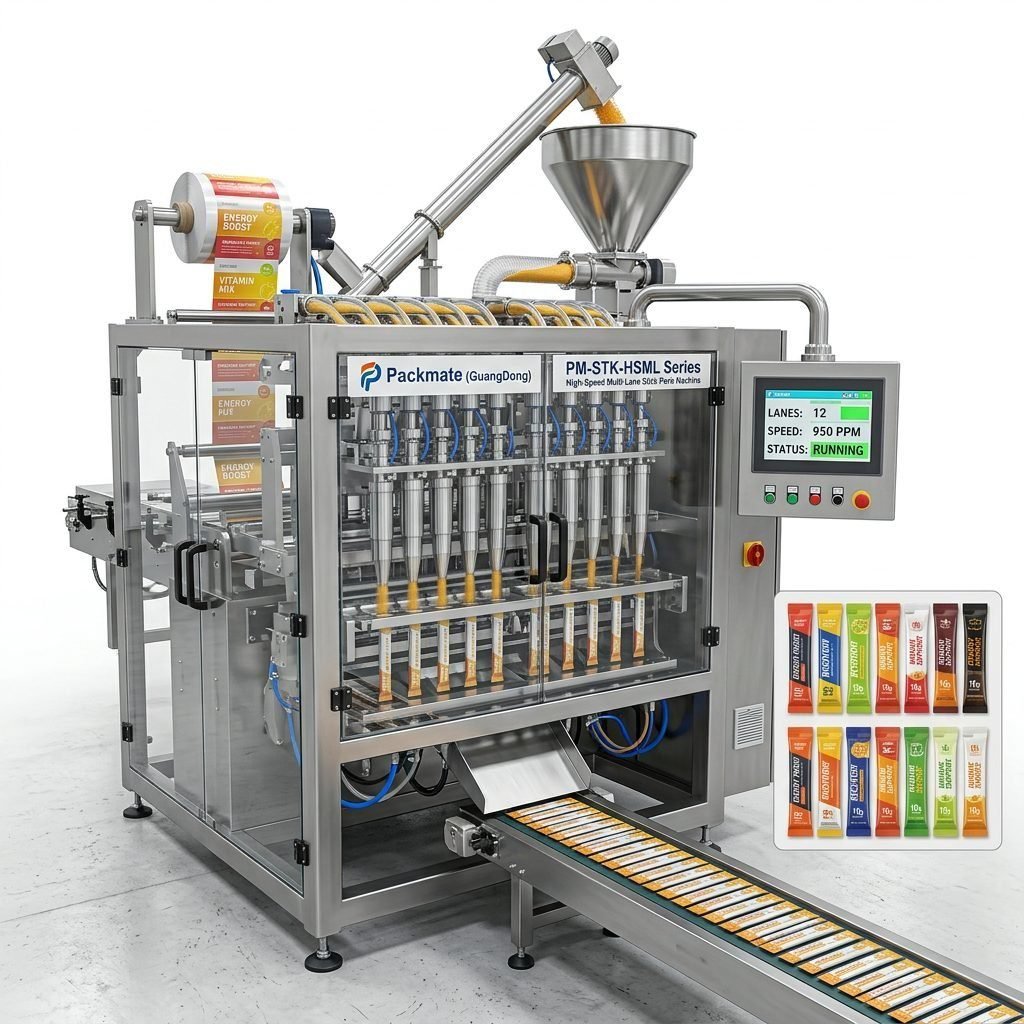
2. Multi-Lane Stick Pack & Sachet Machines
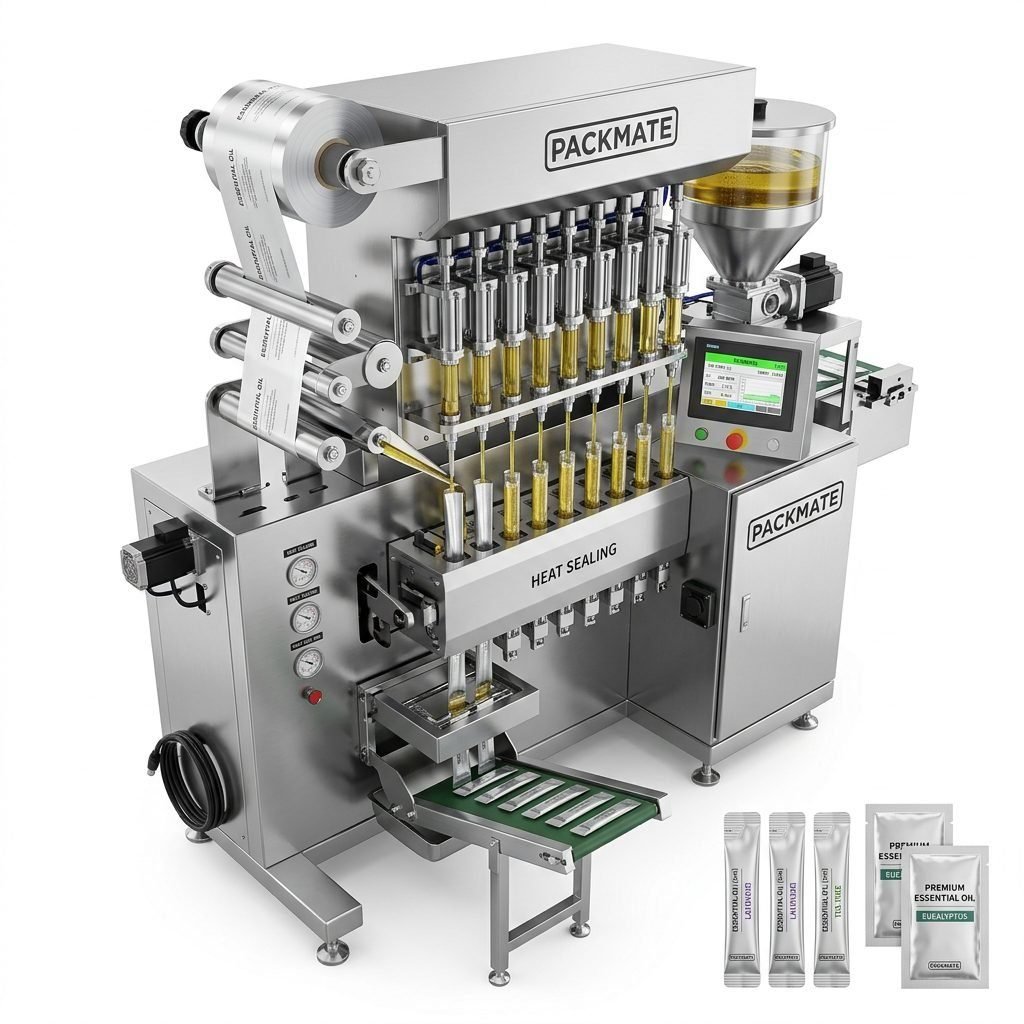
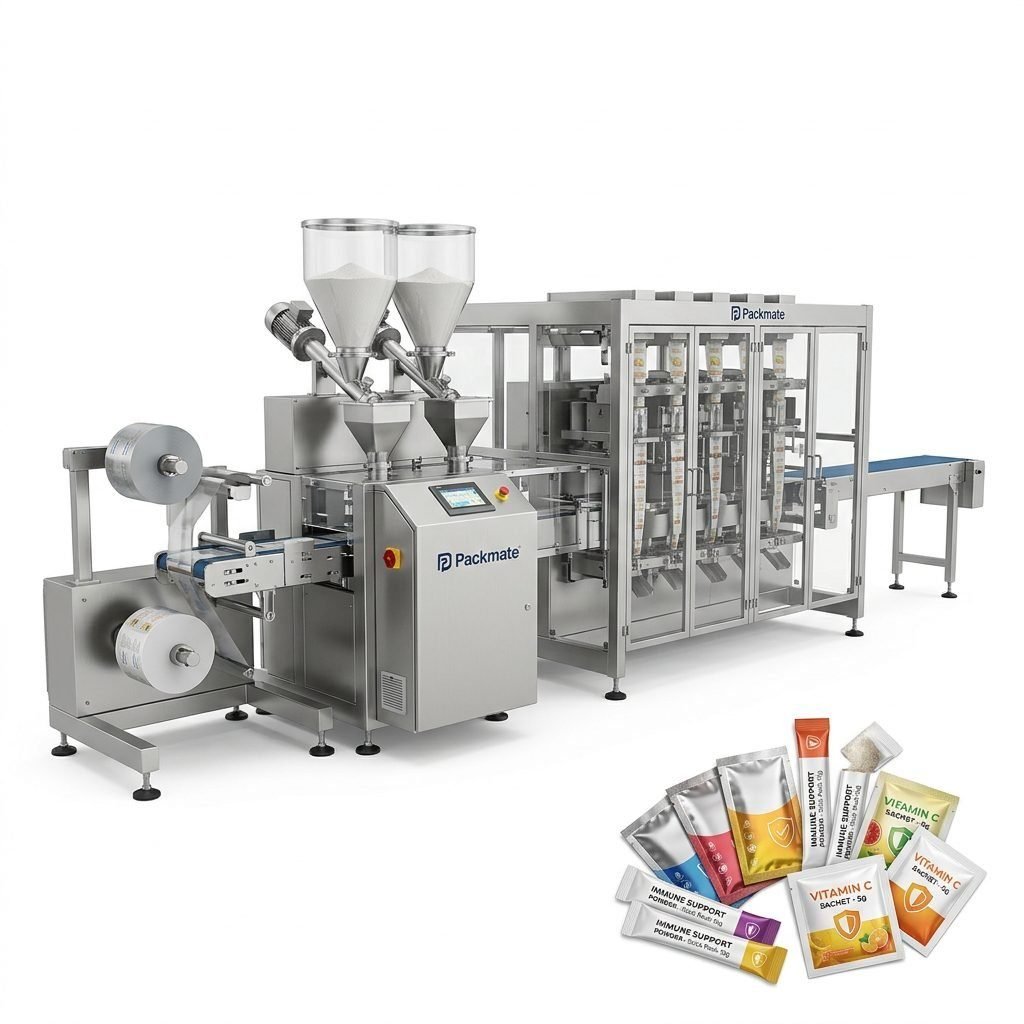
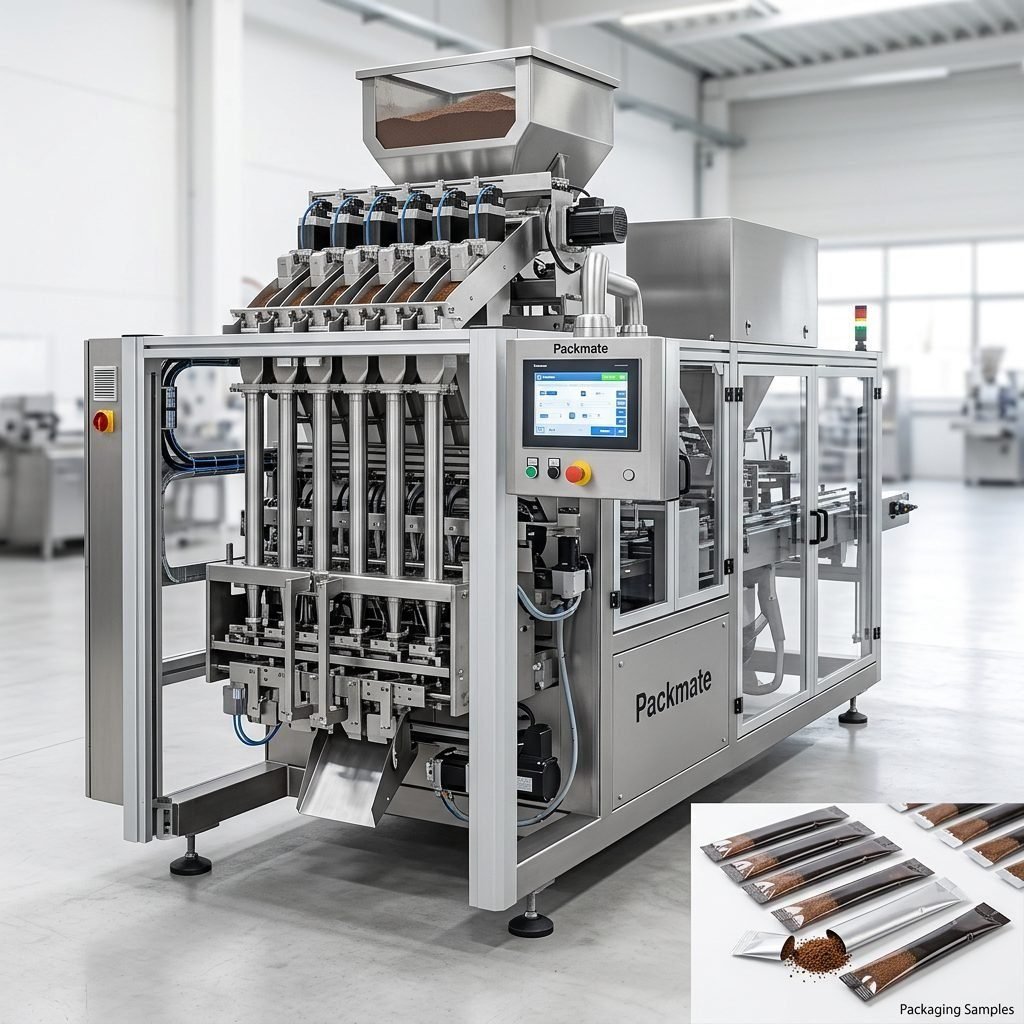
For packaging small quantities of products like condiments, supplements, or pharmaceuticals, multi-lane machines are game-changers. They operate multiple packaging lanes simultaneously from a single film web, dramatically increasing output compared to single-lane units. This technology is perfect for producing stick packs and small sachets at unparalleled speeds, making them a top choice for industries requiring high-count, low-volume packaging.
3. Automated Weighing & Filling Systems
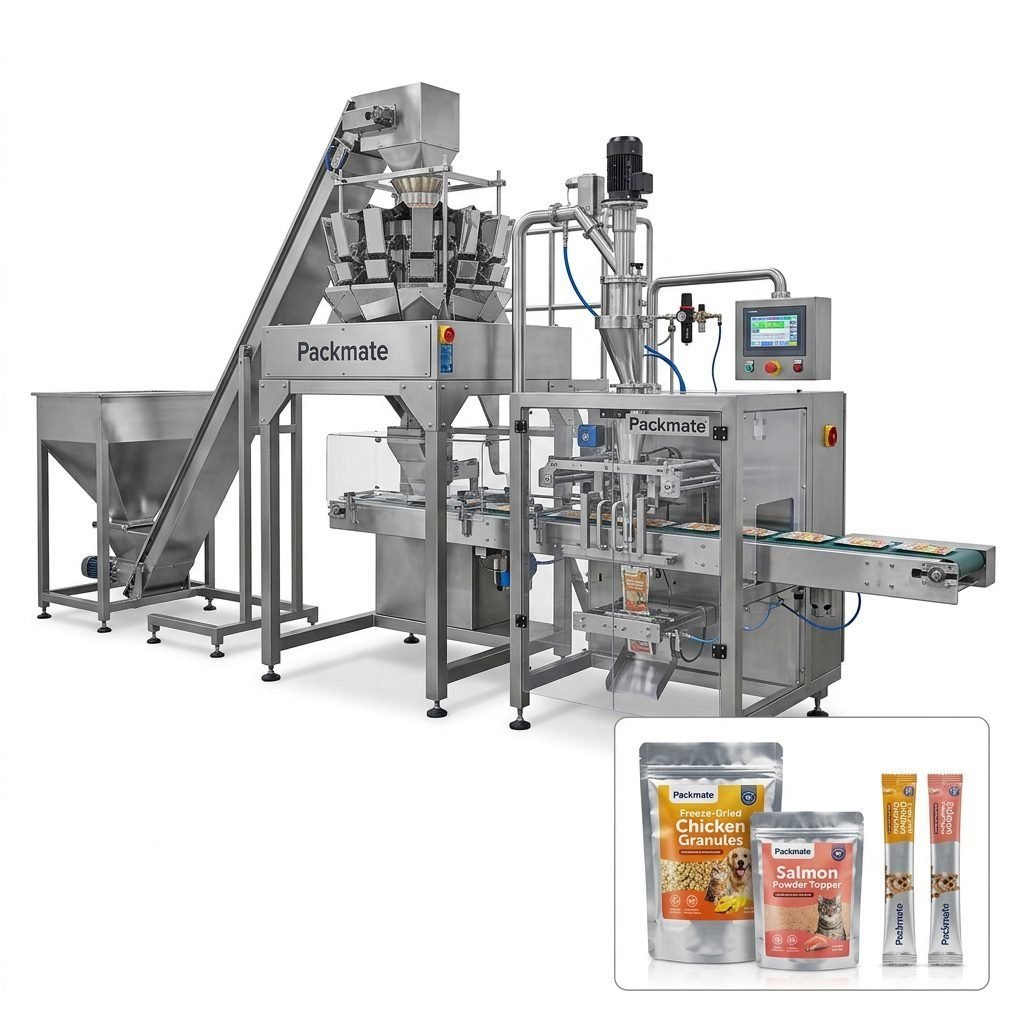
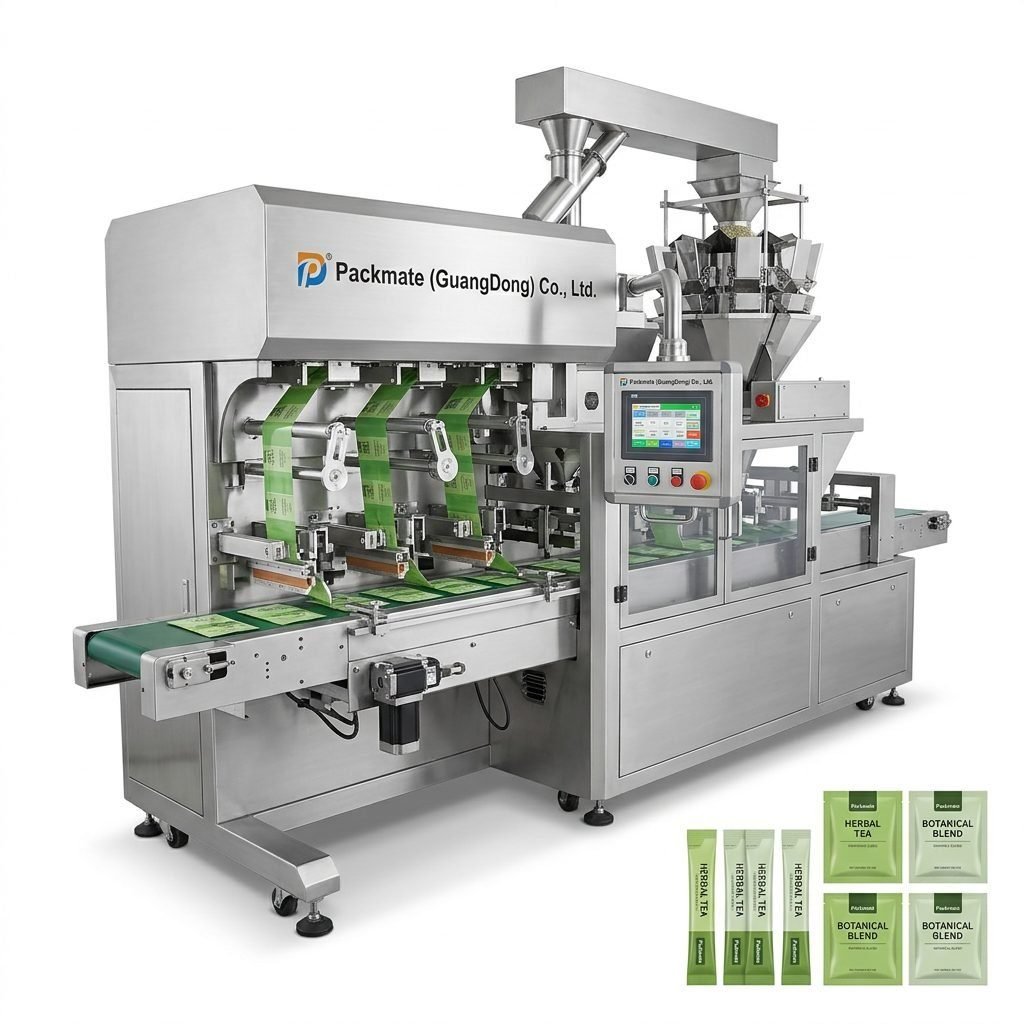
Accuracy and speed in the filling stage are non-negotiable. Automated weighing systems, such as multi-head weighers and auger fillers, ensure precise product dosing at high speeds. This eliminates giveaway (overfilling) and short-weight packages, directly protecting your profit margins. When integrated with the packaging machine, they create a closed-loop system of efficiency and accuracy.
The Role of Innovation and Reliability
Efficiency isn’t solely about speed. It’s sustained by machine reliability and innovative features. Downtime is the enemy of efficiency. Therefore, investing in robust machinery built with quality components and backed by solid engineering is crucial. Look for features like user-friendly HMI touchscreens, quick-changeover systems to reduce switchover time between products, and advanced diagnostics for proactive maintenance. Companies with deep expertise, like Packmate Machinery, leverage decades of experience to build durable and intelligent equipment that stands up to the demands of 24/7 production environments.
Choosing Your Efficiency Partner
Selecting a packaging machine provider is a long-term partnership. Beyond the machine specifications, consider the supplier’s ability to offer comprehensive support. This includes detailed feasibility analysis, custom engineering for unique products, thorough installation and training, and readily available spare parts. A provider that offers a complete packaging line solution—from individual sachet machines to full-line integration—can simplify your project management and ensure system-wide compatibility and performance.
Ultimately, the path to efficient production is paved with strategic investments in the right technology. By focusing on integrated, high-speed, and reliable packaging solutions like advanced bag packaging machines, businesses can achieve significant gains in output, consistency, and cost-effectiveness, securing a strong position in their market.
Frequently Asked Questions (FAQs)
What is the most important factor when choosing a packaging machine for efficiency?
The most critical factor is matching the machine’s capabilities to your specific product and required output. Consider product characteristics (size, form, fragility), desired packaging speed, bag or pouch style, and future scalability. A machine that is over- or under-specified will not deliver optimal efficiency.
How can I reduce changeover time on my packaging line?
Invest in machines with quick-changeover features. This includes tool-less adjustments, pre-programmed recipes stored in the machine’s PLC, and modular components that can be swapped out rapidly. Proper operator training on changeover procedures is equally important to minimize downtime.
Are multi-lane packaging machines suitable for low to medium production volumes?
While multi-lane machines excel at high volume, they can also be configured for flexible production. Many modern models allow individual lanes to be stopped or adjusted, providing the versatility to run smaller batches efficiently without sacrificing the potential for high-output runs when needed.
What kind of maintenance is required to keep packaging machines running efficiently?
Regular preventive maintenance is key. This includes daily cleaning to prevent product buildup, periodic lubrication of moving parts, inspection and replacement of wear items like sealing jaws and film guides, and calibration of weighing and filling systems. Following the manufacturer’s maintenance schedule is essential.
Can older packaging machinery be upgraded for better efficiency?
Yes, in many cases. Retrofits and upgrades are possible, such as adding new servo drives for better motion control, installing updated PLCs and HMIs for easier operation, or integrating new feeding and weighing systems. It’s best to consult with the original equipment manufacturer or a specialist to assess the feasibility and ROI of upgrading existing equipment.