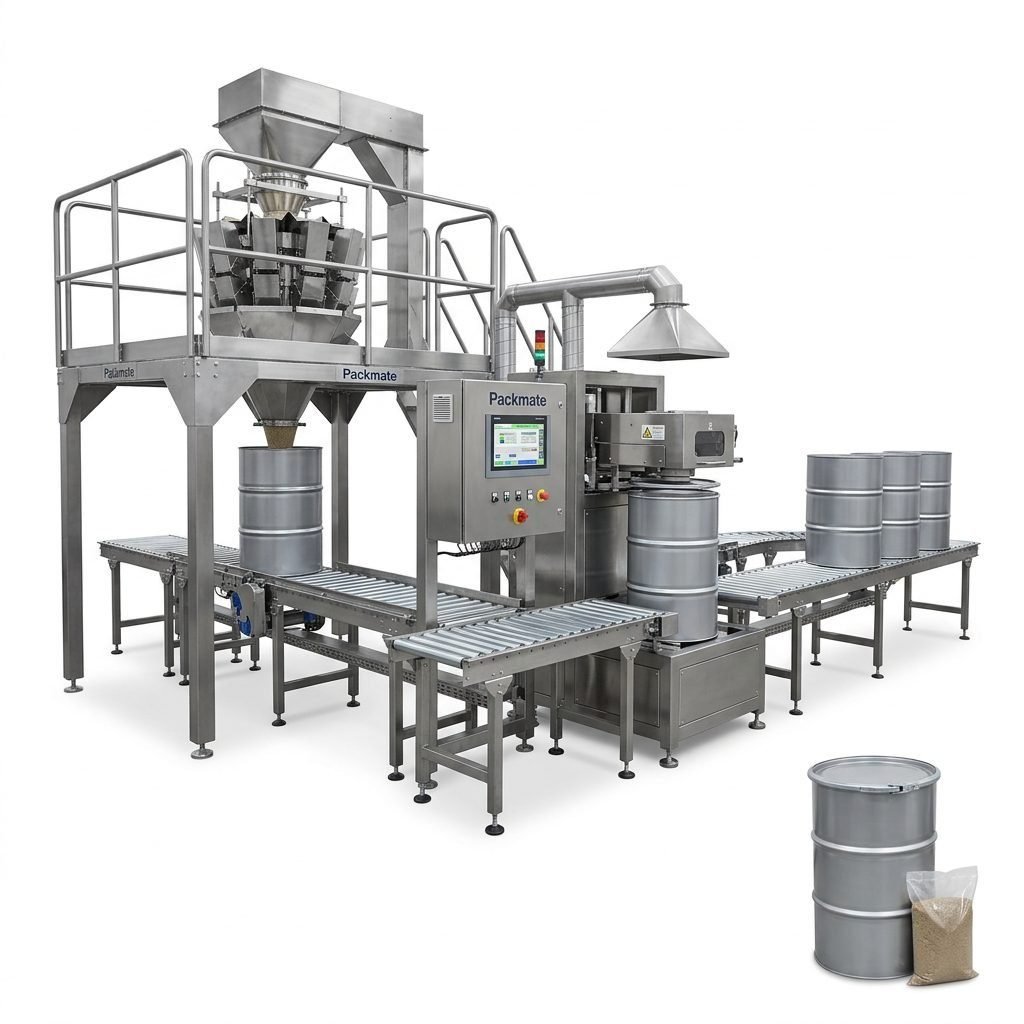
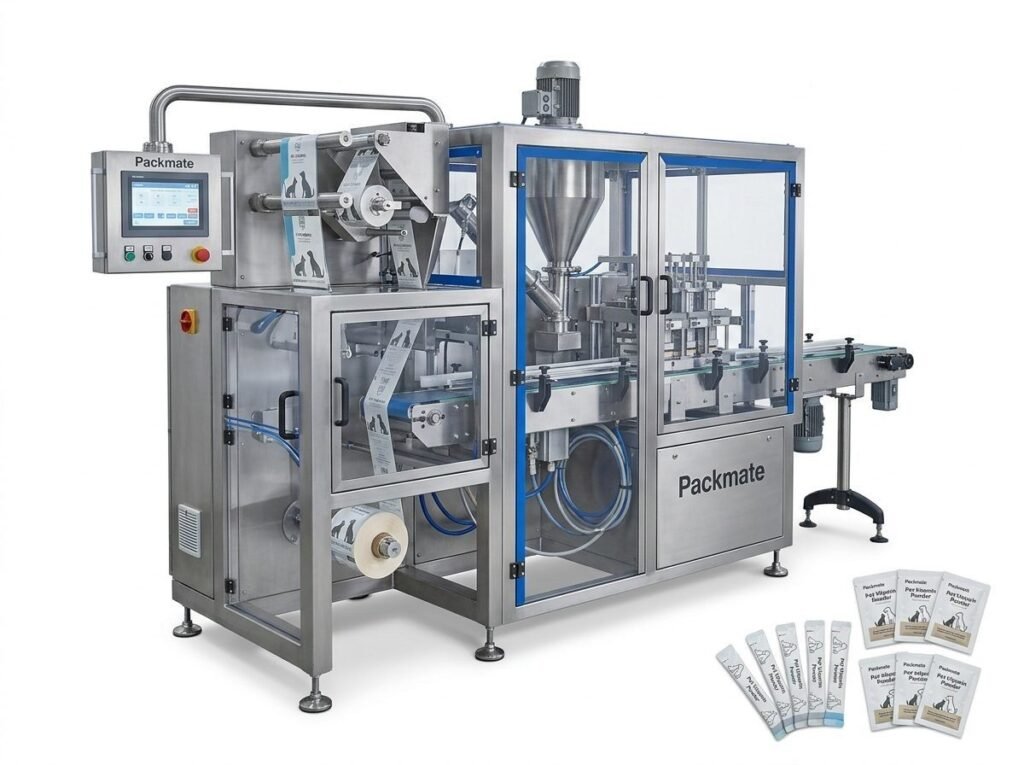
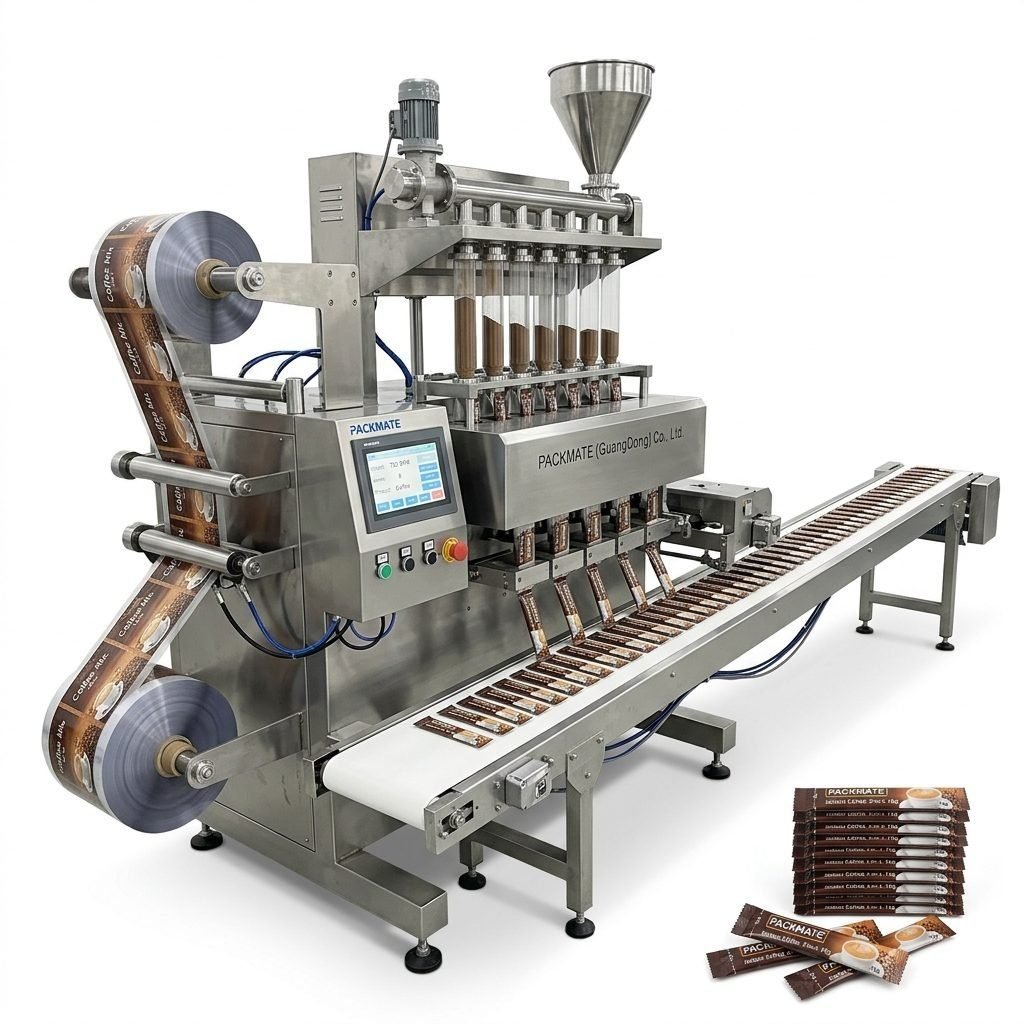
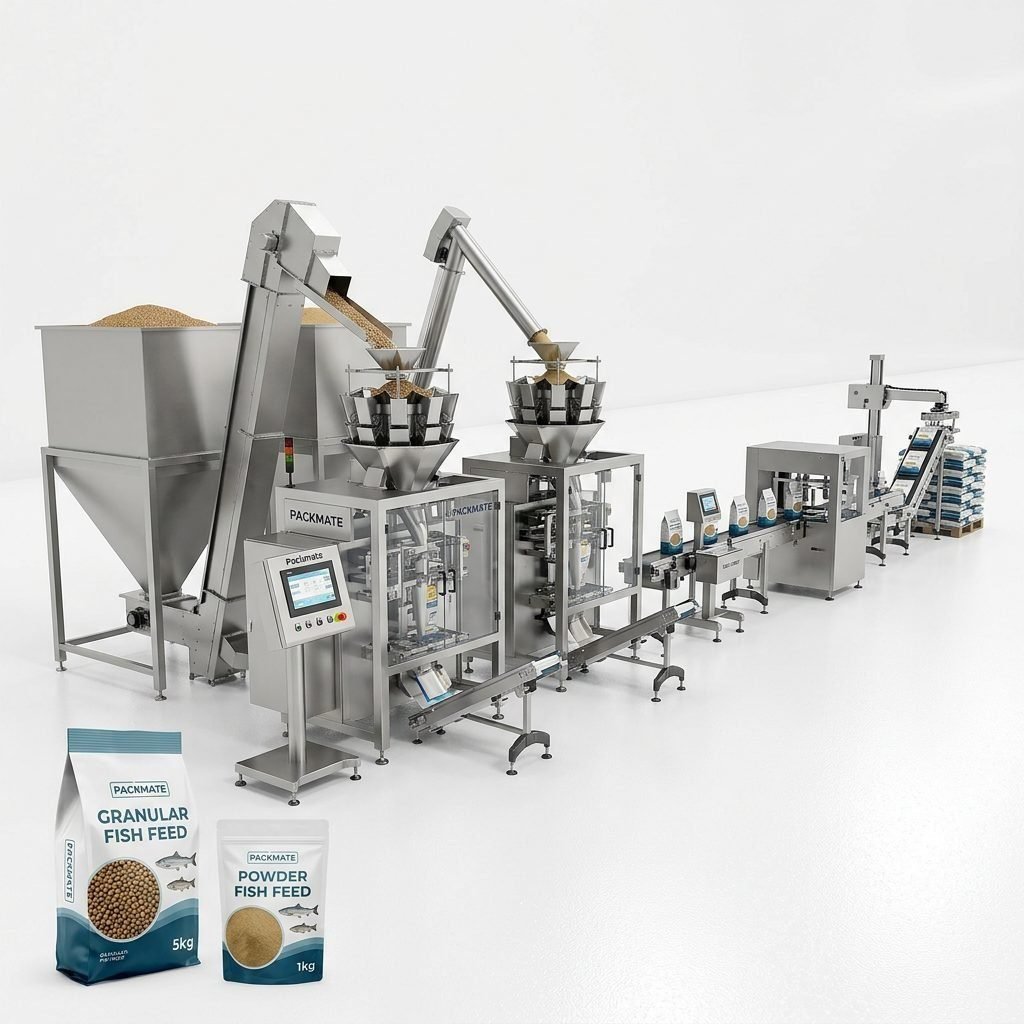
In the competitive bakery industry, efficiency and presentation are paramount. The right bread packaging machine can significantly impact your business’s productivity, product shelf life, and brand perception. For bakery businesses looking to scale operations, maintain freshness, and ensure consistent packaging quality, investing in reliable equipment from top suppliers is a critical decision. This guide explores the key considerations for selecting bread packaging machinery and highlights the value of partnering with experienced manufacturers who understand the nuances of bakery operations.
Key Factors for Bakery Packaging Success
Choosing a bread packaging machine involves more than just finding a device that seals bags. It requires a holistic view of your production line, product types, and business goals. The ideal machine should integrate seamlessly into your workflow, handle your specific bread varieties—from soft sandwich loaves to crusty artisan breads—and adapt to potential future needs. Durability and ease of cleaning are non-negotiable in a food production environment where hygiene and uptime are directly linked to profitability.
Core Machine Capabilities to Evaluate
When assessing suppliers, focus on the core functionalities their machines offer. Speed and output capacity must match your daily production volume to avoid bottlenecks. Look for machines that offer gentle handling to prevent crushing delicate products. Versatility is another crucial factor; a machine that can handle different bag sizes and materials (such as polyethylene, polypropylene, or biodegradable films) provides long-term value and flexibility as your product line evolves.
Modern machines often come with advanced features like nitrogen flushing or modified atmosphere packaging (MAP). This technology replaces the air inside the package with a gas mixture, dramatically extending shelf life by slowing down mold growth and staling. For bakeries distributing products over wider areas or into supermarkets, this feature can be a game-changer, reducing waste and expanding market reach.
Understanding the Supplier Landscape
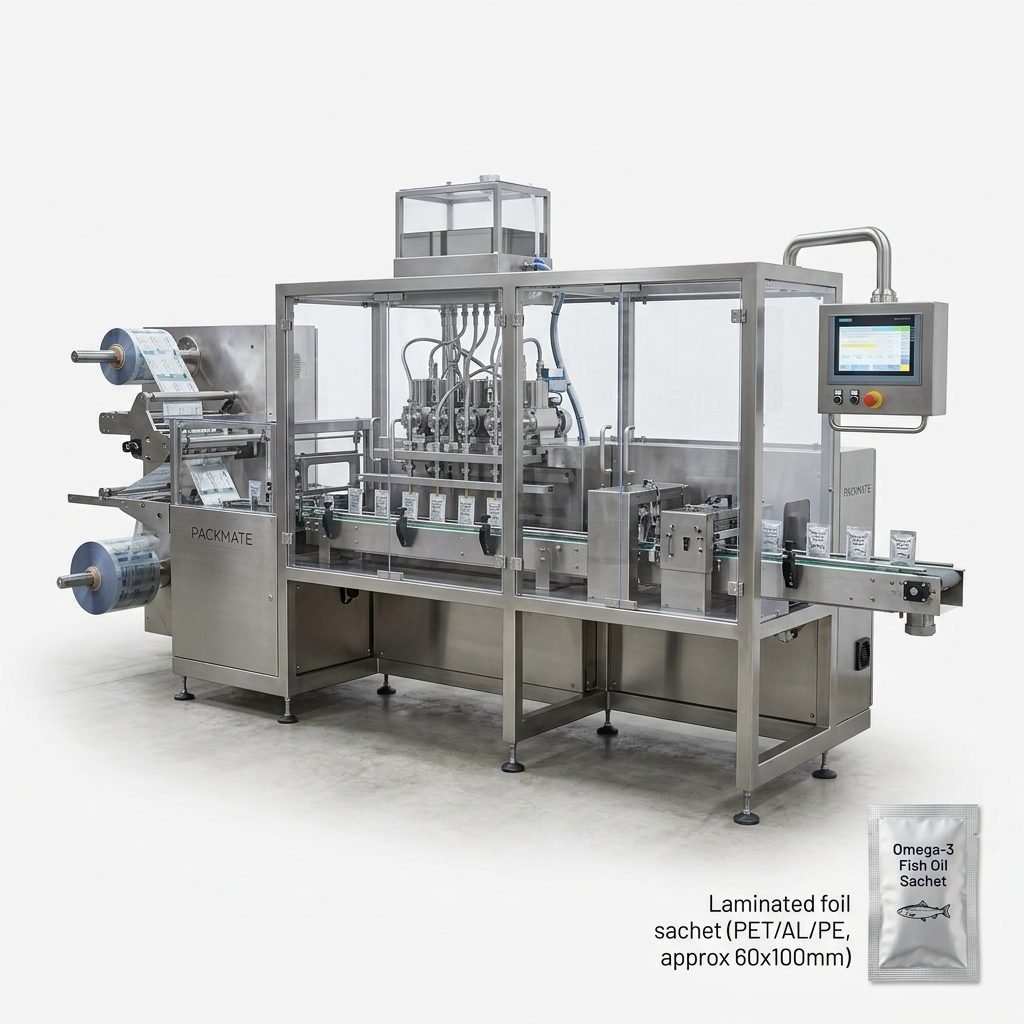
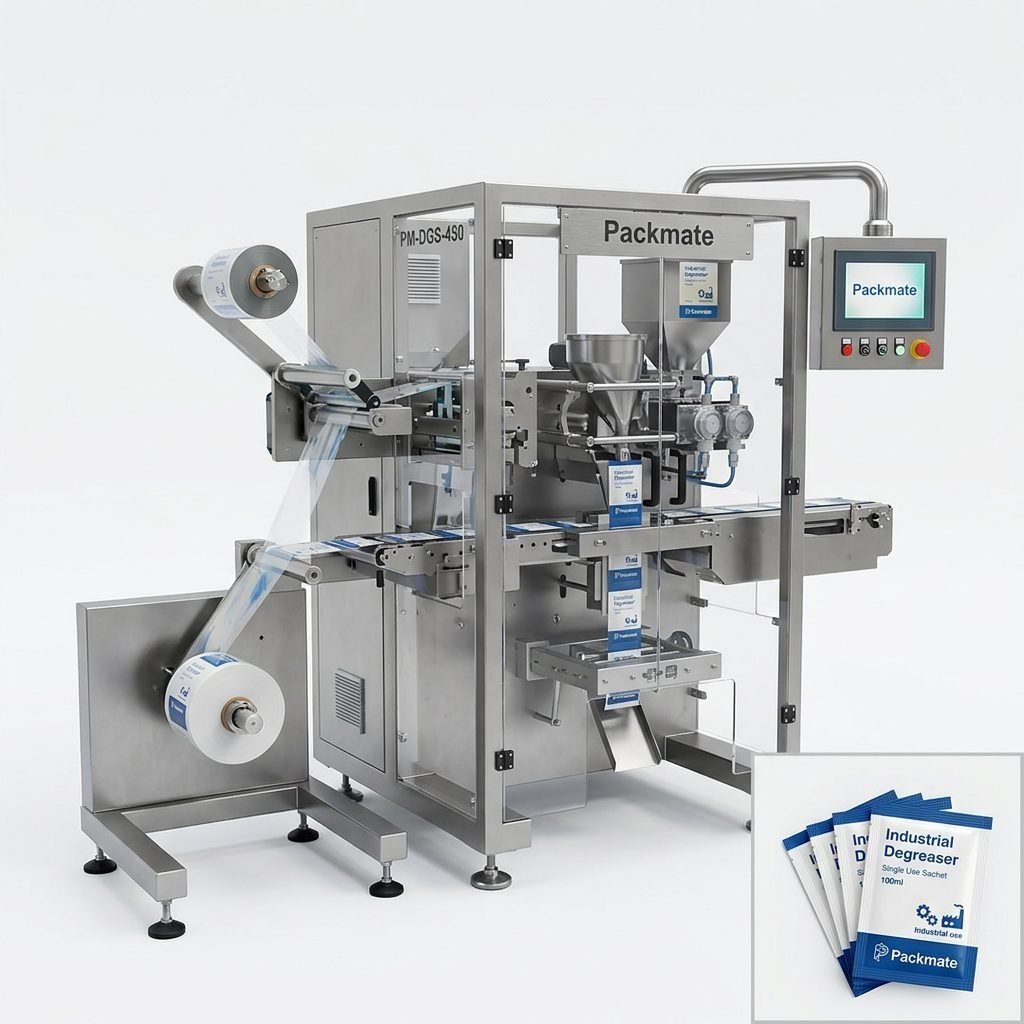
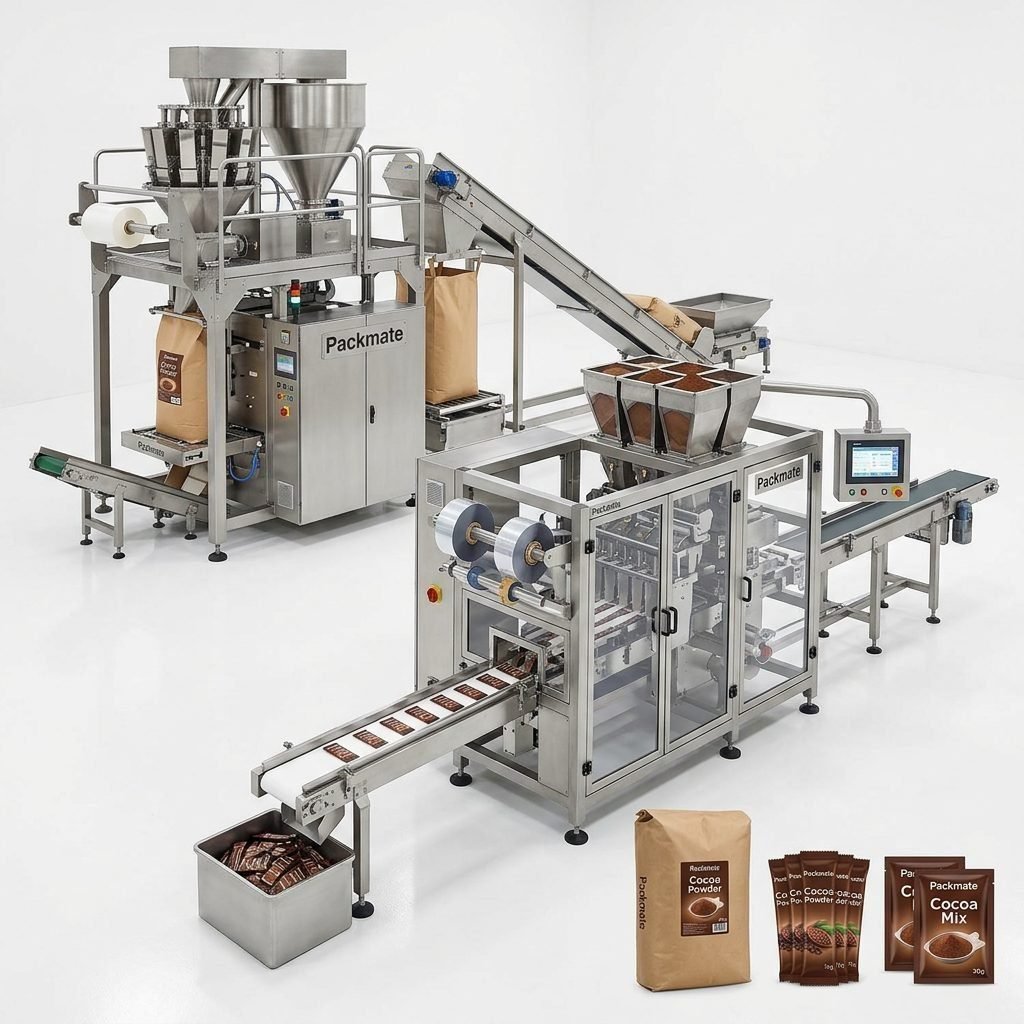
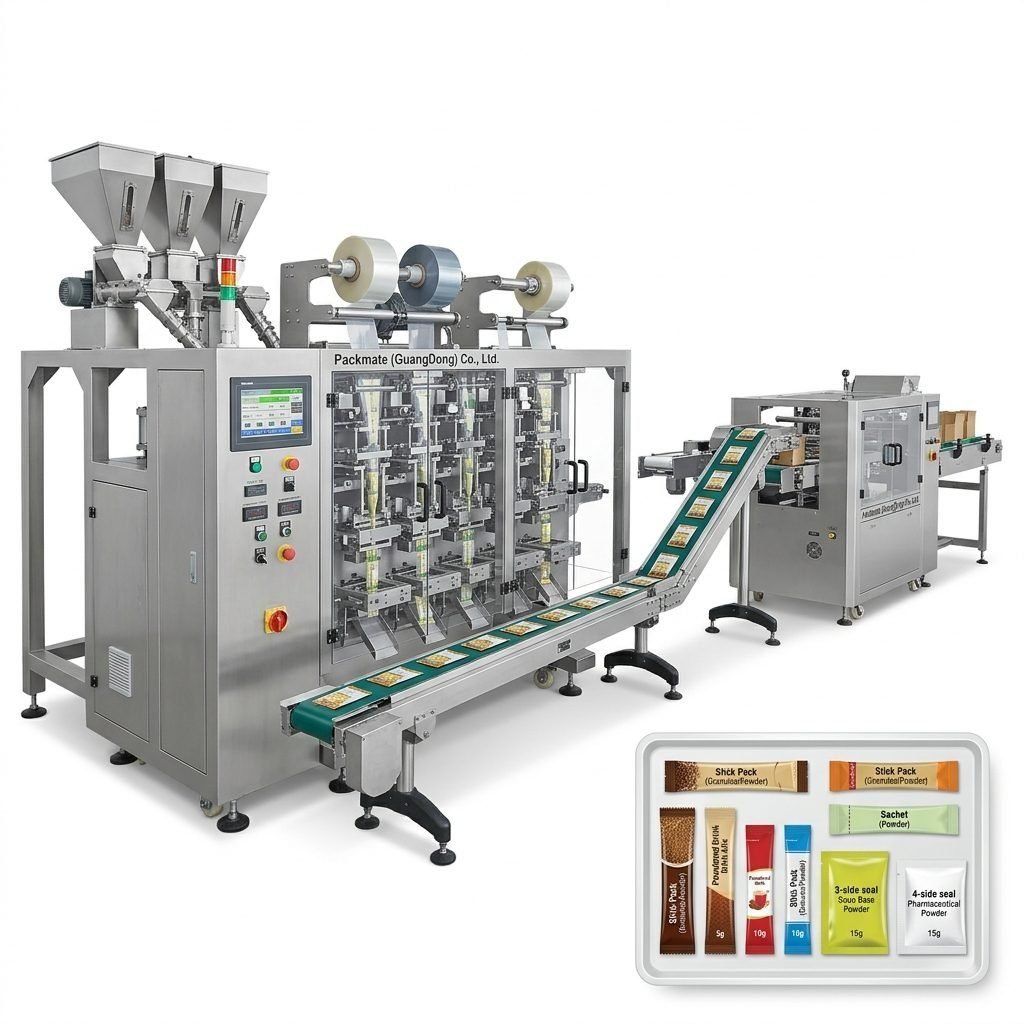
The market for packaging machinery is diverse, ranging from general industrial machine suppliers to specialists in food and bakery equipment. A specialist supplier, like Packmate Machinery, brings intrinsic advantages. Their deep sector knowledge means they design machines with the specific challenges of bakery products in mind, such as crumb management, moisture retention, and gentle product conveyance. They are more likely to offer comprehensive after-sales service and technical support, which is vital for minimizing downtime.
The Importance of Reliability and Support
In a high-volume bakery, a machine breakdown can lead to significant product loss and missed orders. Therefore, the supplier’s reputation for manufacturing reliable and robust equipment is as important as the machine’s features. Investigate the supplier’s history, manufacturing standards, and quality control processes. A company with a long track record, such as one with over 30 years of expertise in packaging solutions, demonstrates stability and a commitment to continuous improvement.
Post-purchase support is where top suppliers truly differentiate themselves. This includes readily available spare parts, detailed operational training for your staff, and responsive troubleshooting assistance. A supplier that offers a clear warranty and maintenance plan provides peace of mind and protects your investment. Exploring a supplier’s case studies or project portfolio can offer real-world proof of their capability and support level.
Technology and Innovation in Modern Packaging
The integration of smart technology is transforming bakery packaging lines. Today’s leading machines feature user-friendly touchscreen PLC controls that allow for easy recipe changes and minimal setup time between different product runs. Precision servo motors ensure accurate bag placement and sealing, reducing material waste. Some advanced systems can even be integrated with upstream and downstream equipment, like slicers and checkweighers, to create a fully automated, smart production line.
Sustainability is no longer a niche concern but a mainstream demand. Forward-thinking suppliers are innovating with machines that can run efficiently on recyclable or compostable packaging films. This allows bakeries to meet consumer expectations for eco-friendly practices without compromising on packaging performance or product protection. When evaluating suppliers, inquire about their developments in sustainable packaging solutions and energy-efficient machine designs.
Making the Final Decision: A Strategic Partnership
Selecting a bread packaging machine supplier should be viewed as forming a strategic partnership. The right partner will work with you to analyze your needs, potentially offering a customized or turnkey solution rather than just selling a standard machine. They should provide a thorough demonstration, possibly using your actual bread products, to prove the machine’s suitability. Transparency in pricing, delivery timelines, and training scope is essential for a smooth project rollout and long-term satisfaction.
Frequently Asked Questions (FAQs)
1. What is the most important feature to look for in a bread packaging machine for a small bakery?
For a small bakery, versatility and ease of use are often the top priorities. A machine that can quickly switch between packaging different loaf sizes and types (e.g., from a standard sandwich loaf to a round boule) maximizes utility. Simple, intuitive controls reduce training time and operational errors, making it an efficient addition to a smaller team.
2. How does Modified Atmosphere Packaging (MAP) extend the shelf life of bread?
MAP works by replacing the oxygen-rich air inside the package with a mixture of gases, typically nitrogen and carbon dioxide. Oxygen promotes mold growth and oxidative rancidity. By drastically reducing the oxygen level, MAP inhibits microbial growth and slows down staling processes, allowing packaged bread to stay fresh and mold-free for several days or even weeks longer than traditional packaging.
3. Can one machine handle both sliced and unsliced bread?
Yes, many modern bread packaging machines are designed with this flexibility. They use adjustable guides, conveyors, and sealing mechanisms that can accommodate the different dimensions and fragility of sliced loaves (which are more prone to crumbling) and whole unsliced loaves. It is crucial to discuss your specific product range with the supplier, such as Packmate’s bag and pouch packaging specialists, to ensure the selected model is configured correctly for both applications.
4. What kind of maintenance do these machines typically require?
Regular maintenance is key to longevity and consistent performance. Daily tasks usually involve cleaning crumb and dust from sealing jaws and conveyors. Weekly or monthly maintenance might include lubricating moving parts, checking and calibrating sensors, and inspecting wear items like sealing wires or Teflon strips. A reputable supplier will provide a clear maintenance schedule and training for your staff.
5. Is it worth investing in a fully automated packaging line?
Investment in automation depends entirely on your production volume and growth trajectory. For high-output bakeries or those planning significant expansion, a fully automated line—integrating slicers, conveyors, baggers, and sealers—can dramatically increase output, improve consistency, and reduce labor costs per unit. For medium-scale operations, a semi-automatic or single robust machine may be the perfect balance of efficiency and investment. A detailed cost-benefit analysis with your potential supplier is the best way to make this decision.