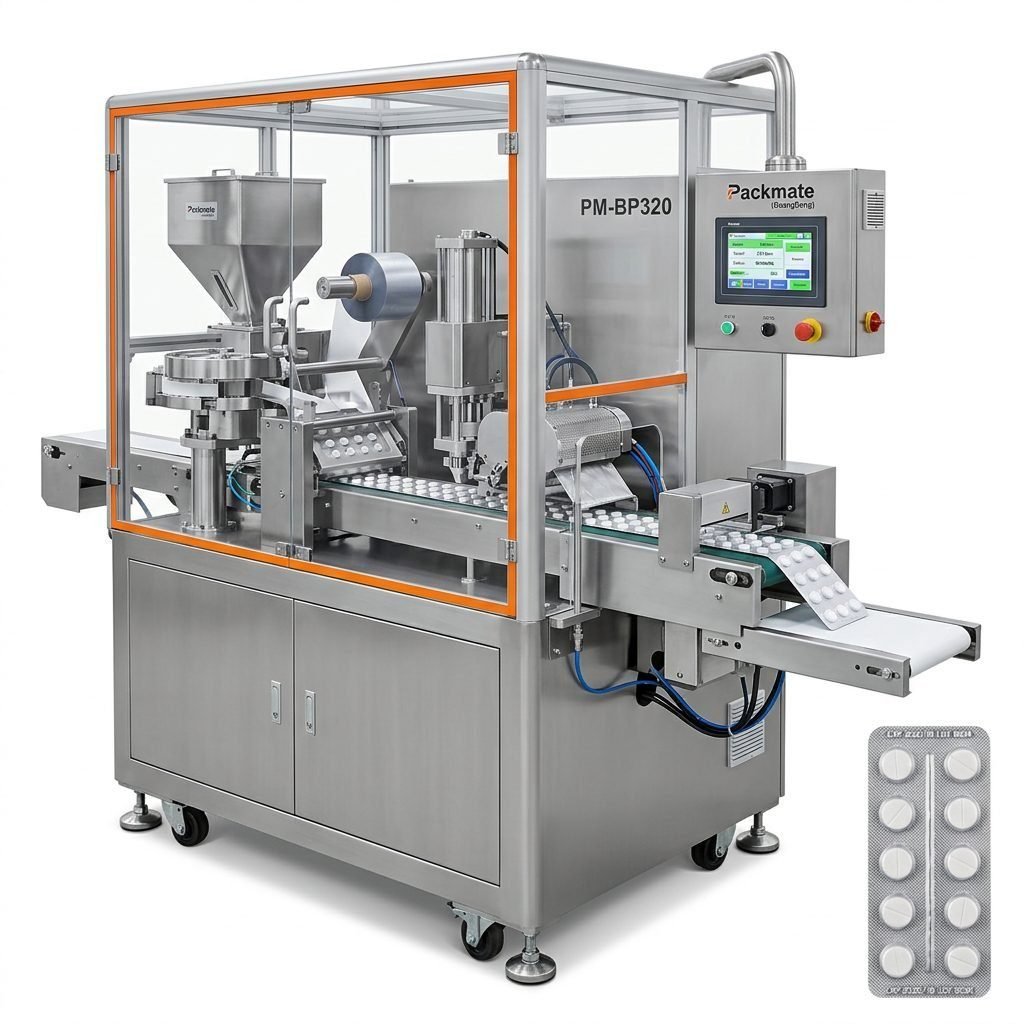
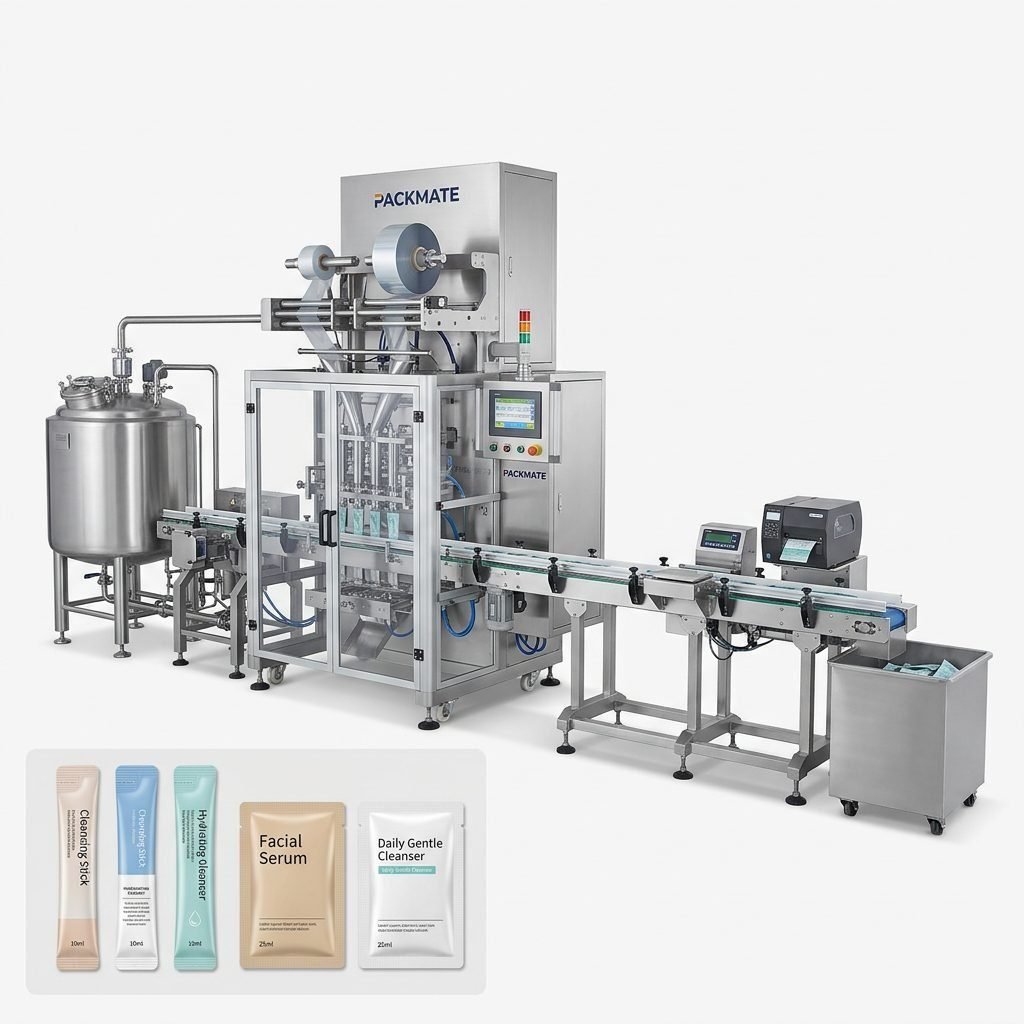
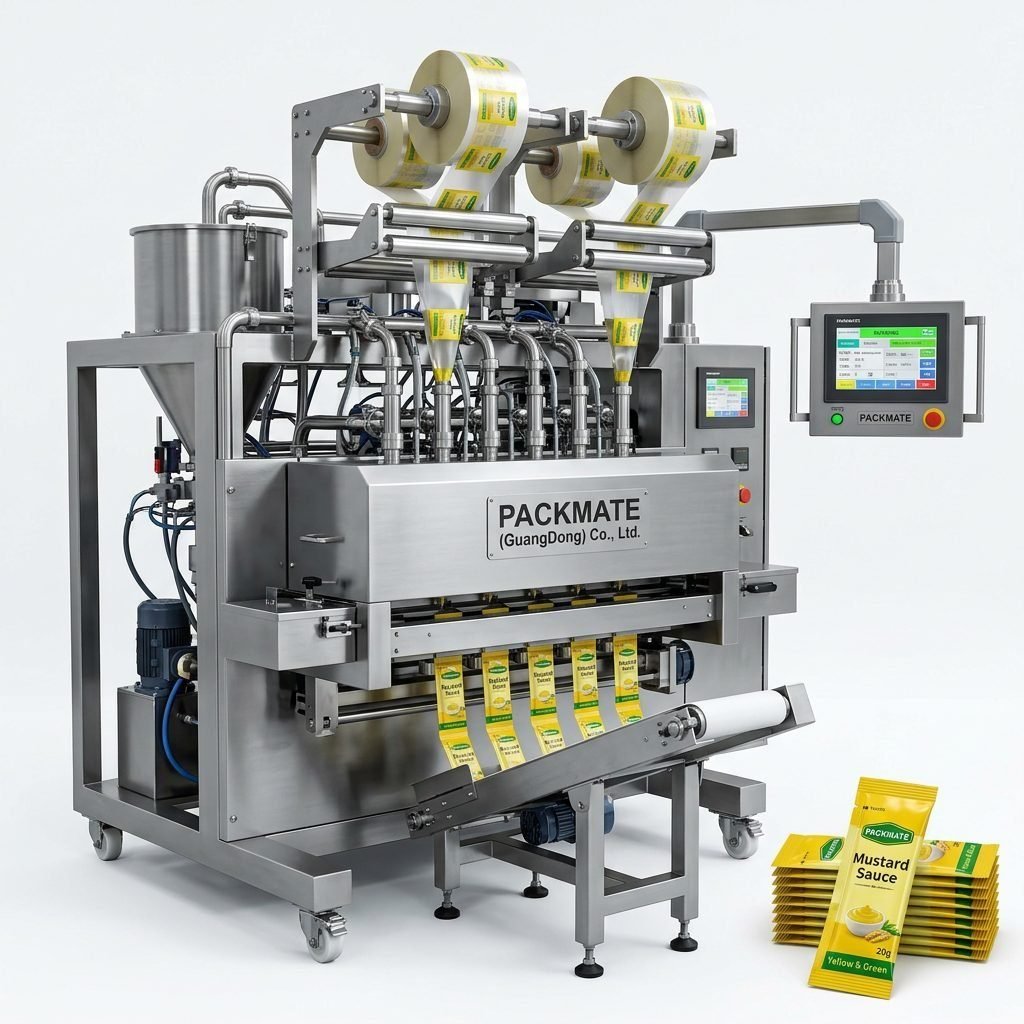
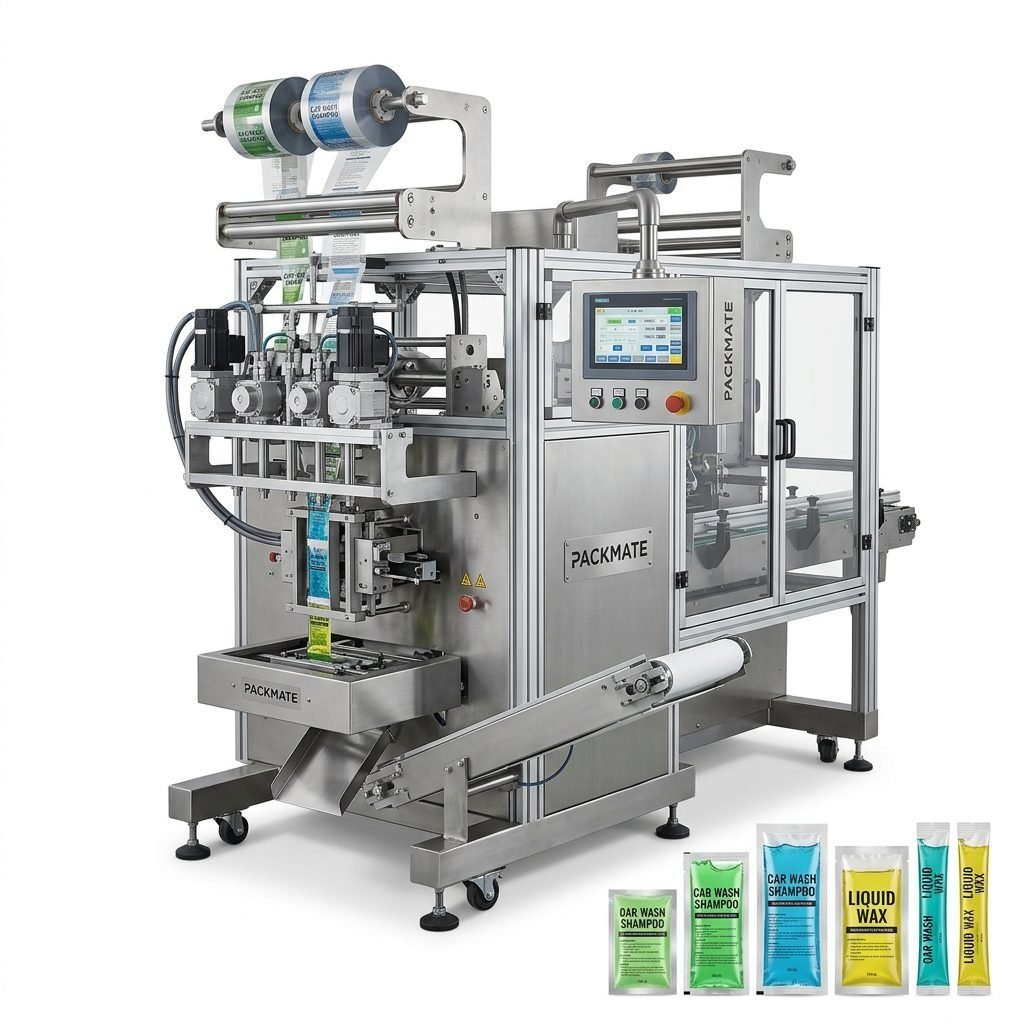
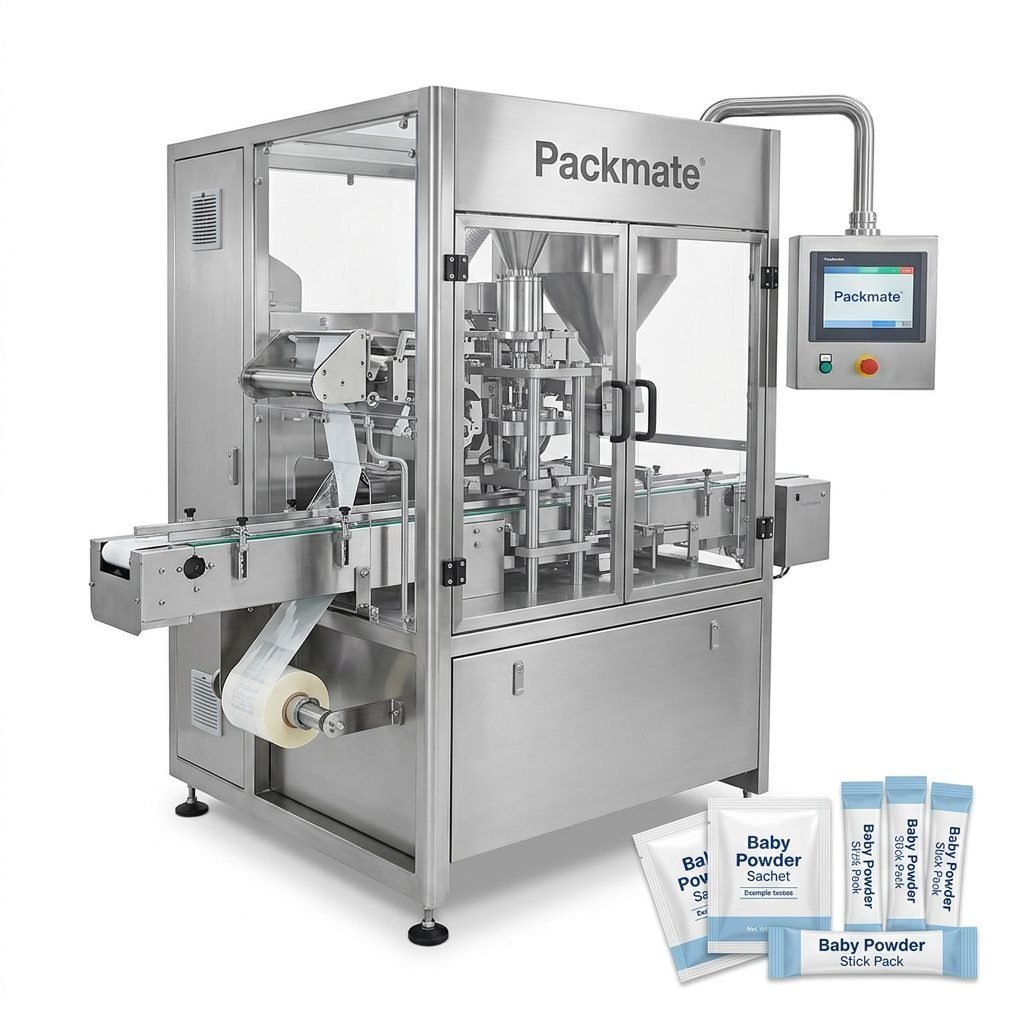
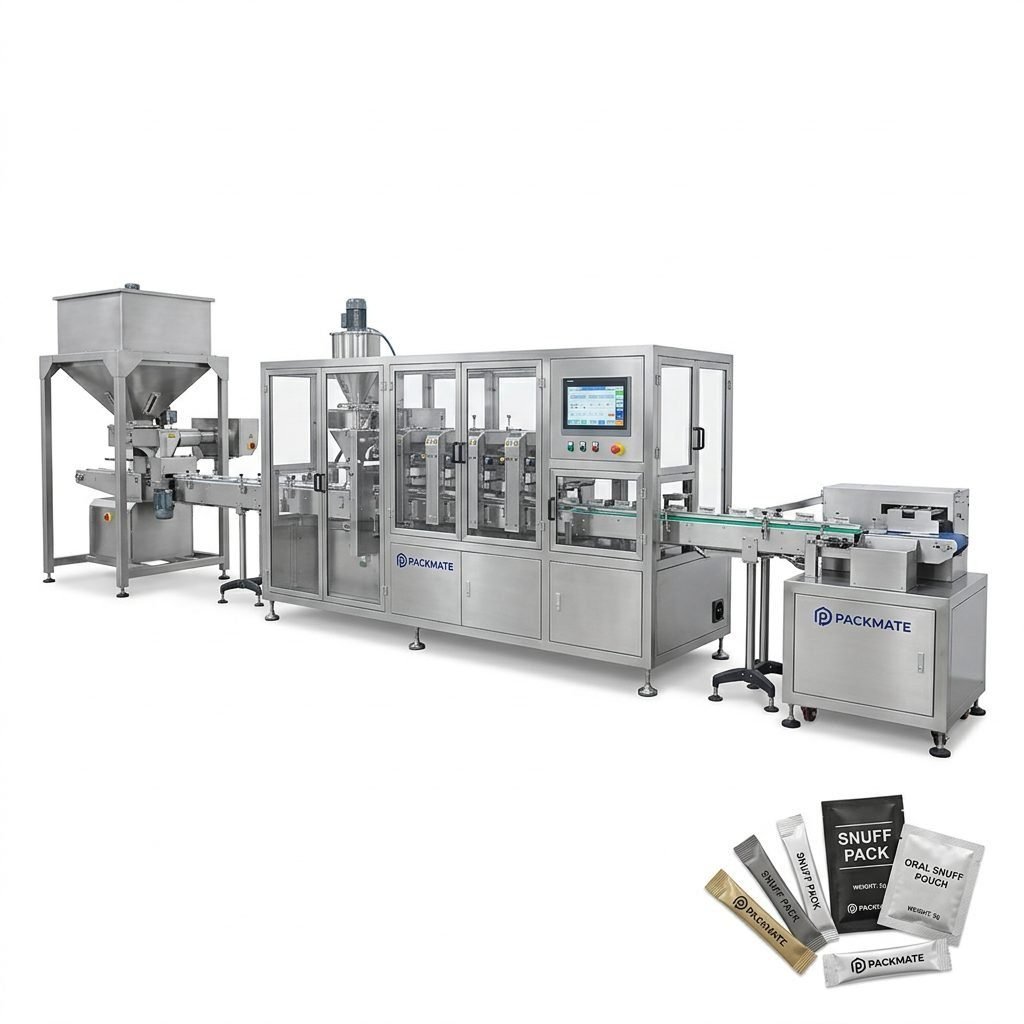
Purchasing a food packaging machine is a significant investment that can dramatically impact your production efficiency, product quality, and bottom line. With a vast array of equipment available, from versatile bag and pouch packaging machines to high-speed sachet and stick pack machines, selecting the right one requires careful consideration. This guide will walk you through the key factors to ensure you choose the best equipment for your specific needs.
Understanding Your Packaging Requirements
Before diving into machine specifications, you must clearly define your packaging needs. This foundational step will guide every subsequent decision.
Product Characteristics
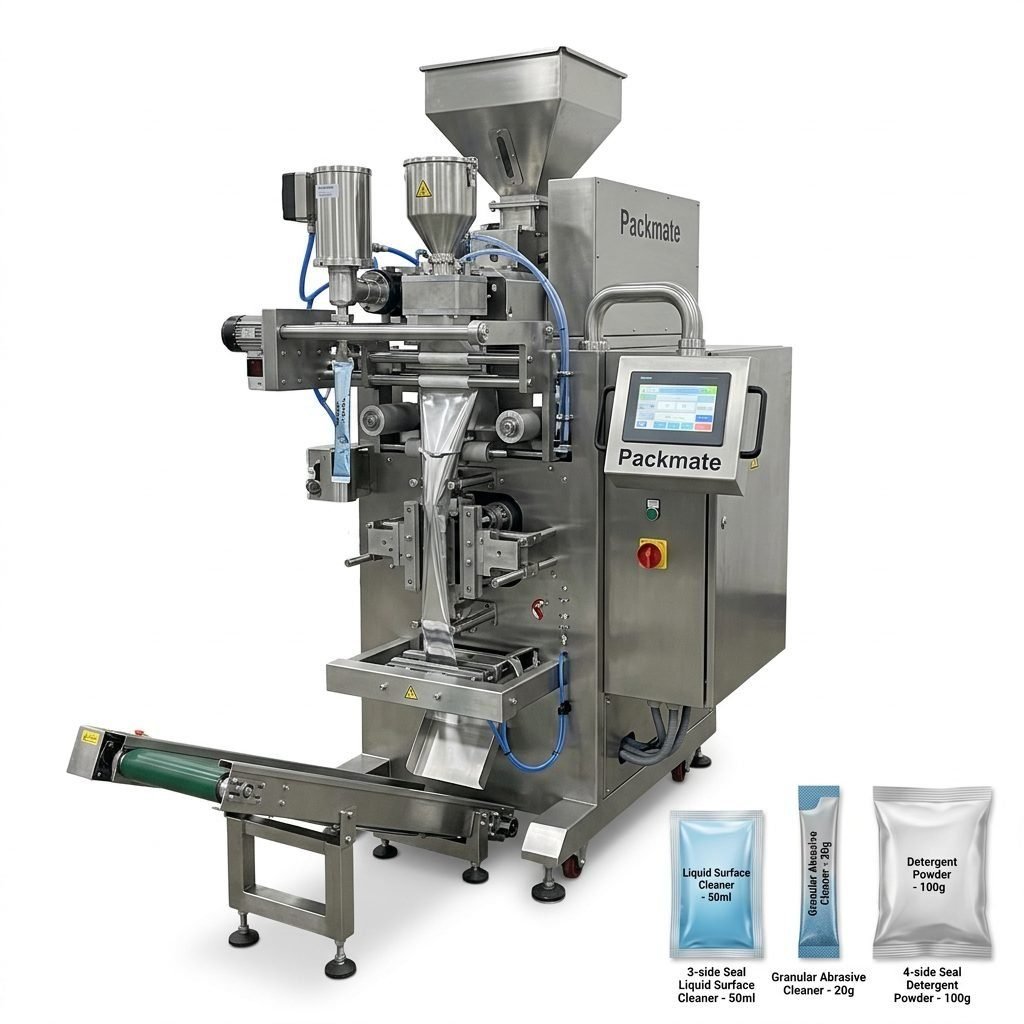
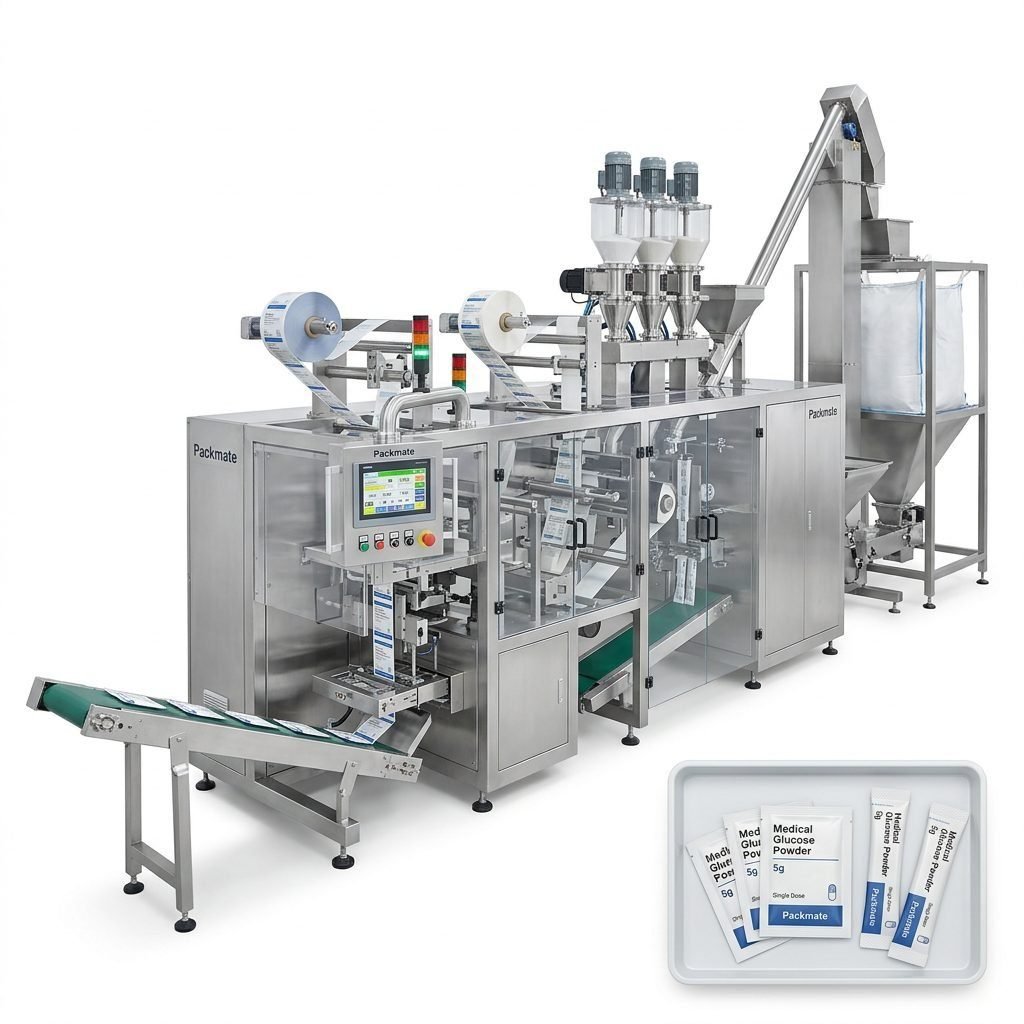
The nature of your product is the primary dictator of machine type. Is it a granule, powder, liquid, paste, or solid? Each form requires different handling mechanisms. For instance, powders need auger fillers with excellent dust containment, while liquids demand precise volumetric or piston pumps. Stick packs, popular for single-serve condiments or supplements, require specialized forming and sealing technology.
Output Speed and Volume
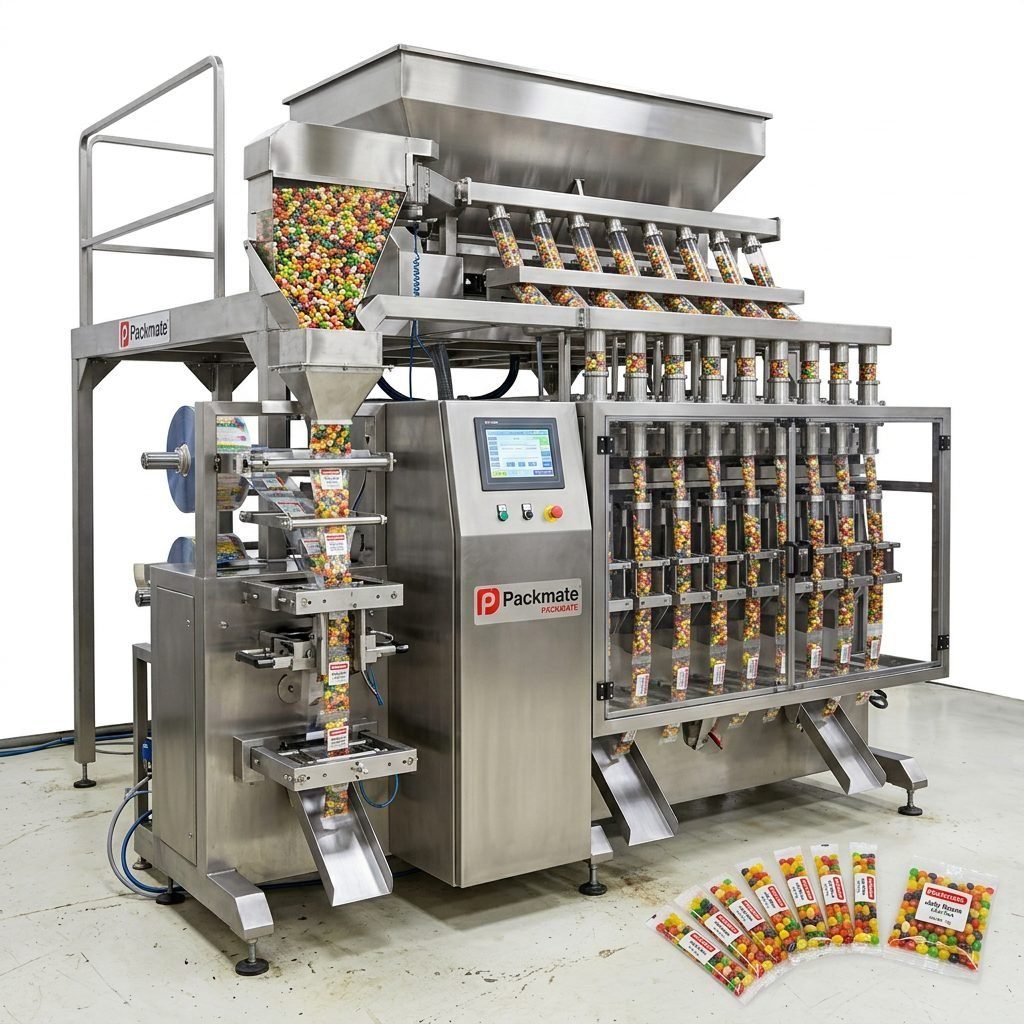
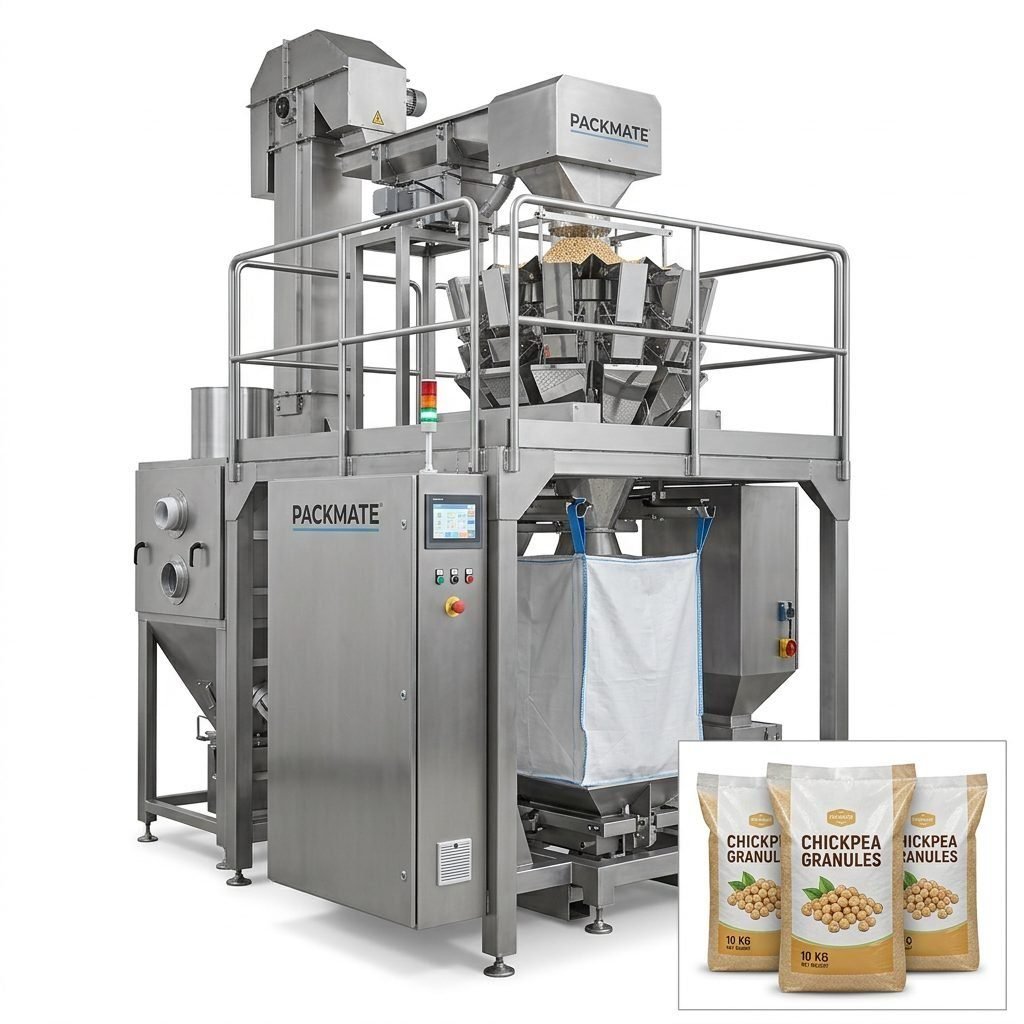
Calculate your current and projected production volumes. Are you a small-batch artisanal producer or a large-scale manufacturer supplying supermarkets? Machines range from semi-automatic tabletop models to fully automated, multi-lane lines that can produce thousands of units per hour. Investing in a machine with significantly higher capacity than you need can be as costly as choosing one that’s too slow and creates a bottleneck.
Packaging Materials and Formats
Determine your desired final package. Will you use pre-made pouches or roll-fed film? Common formats include:
Stand-up pouches, three-side seal bags, pillow bags, and stick packs. The choice of material—whether laminated films for barrier properties or recyclable mono-materials—also influences the type of sealing system (e.g., thermal seal, ultrasonic seal) your machine must have.
Key Machine Features and Technology
Once your requirements are mapped, evaluate the technical aspects of potential machines. Modern packaging equipment incorporates advanced technology for precision and reliability.
Filling Accuracy and Consistency
For product integrity and cost control, filling accuracy is non-negotiable. Look for machines with high-precision servomotors driving the filling system. Weight-checkers and feedback systems can automatically adjust fill volumes in real-time, minimizing giveaway and ensuring every package meets the declared weight. This is especially critical in industries like pharmaceuticals or high-value food ingredients.
Automation Level and Integration
The level of automation directly affects labor costs and operational smoothness. A basic machine might require manual bag placement, while a fully automated filling and packaging line can integrate product feeding, bag forming, filling, sealing, coding, and cartoning. Consider future scalability; can the machine be easily integrated with upstream and downstream equipment like mixers, conveyors, or robotic palletizers?
Hygiene and Cleanability
Food safety is paramount. Machines designed for food contact should have stainless steel construction (grade 304 or 316) on critical parts, smooth surfaces without crevices where bacteria can harbor, and be designed for easy disassembly and cleaning (CIP – Clean-in-Place or COP – Clean-out-of-Place). This reduces downtime during sanitation cycles and ensures compliance with strict food safety standards like HACCP, FDA, or EU regulations.
The Importance of Supplier Selection
The machine manufacturer is as important as the machine itself. A reliable partner provides long-term value beyond the initial sale.
Manufacturer’s Experience and Reputation
Choose a supplier with a proven track record in your specific industry. A company like Packmate Machinery, with over 30 years of expertise in intelligent packaging for food and pharmaceuticals, brings invaluable application knowledge. Review their case studies and client list to gauge their experience with products similar to yours.
After-Sales Support and Service
Ensure the supplier offers comprehensive installation, training, and technical support. Check the availability of spare parts and the responsiveness of their service team. A global presence with local service engineers can be a huge advantage, minimizing downtime if issues arise. Review their warranty terms and the availability of maintenance contracts.
Testing and Customization Capability
Never buy a packaging machine sight-unseen for your product. Reputable manufacturers offer factory acceptance tests (FAT) where you can send your product and packaging materials to run on the actual machine. This validates performance before purchase. Also, assess their ability to provide custom solutions if your product has unique characteristics that require machine modifications.
Total Cost of Ownership (TCO) Analysis
Look beyond the initial purchase price. The true cost of a packaging machine includes several factors over its operational lifetime.
Energy Consumption: Efficient motors and drives can lead to significant savings.
Maintenance Costs: Machines with robust, standard components often have lower long-term maintenance costs.
Material Waste: A machine with high film registration accuracy and filling precision reduces waste of expensive packaging material and product.
Uptime and Reliability: A slightly more expensive but proven, reliable machine that minimizes production stoppages will offer a far better return on investment than a cheaper, problematic unit.
Future-Proofing Your Investment
The packaging landscape evolves rapidly. Consider how adaptable the machine is to future changes.
Can it handle a wider range of package sizes with quick changeovers? Look for machines with digital settings that recall recipes, drastically reducing changeover time and errors.
Is the control system (often PLC-based) upgradable and supported for the long term? Can the machine accommodate new packaging materials, such as compostable films, with minimal modification?
Choosing the best food packaging machine is a multifaceted process that balances technical specifications, operational needs, supplier reliability, and financial planning. By thoroughly analyzing your product, output goals, and the total cost of ownership, you can make an informed decision that enhances your production efficiency and product quality for years to come. Partnering with an experienced and supportive manufacturer like Packmate Machinery can provide the technological expertise and reliable equipment necessary to succeed in a competitive market. Explore their range of packing machines to find a solution tailored to your requirements.
Frequently Asked Questions (FAQs)
What type of packaging machine is best for powdered spices?
For powdered spices, an auger-filling machine is typically the best choice. It offers excellent accuracy and controls dust. A vertical form-fill-seal (VFFS) machine with an auger filler can automatically form bags from roll stock, fill them precisely, and seal them, ideal for creating pillow pouches or stand-up bags of spices.
How do I determine the speed (bags per minute) I need?
Calculate your required output based on your daily/weekly production goals and available shift hours. For example, if you need 20,000 bags in an 8-hour shift, you require a minimum output of ~42 bags per minute, factoring in some downtime. It’s often advisable to choose a machine with a 15-20% higher capacity than your current need to accommodate future growth.
Can one machine handle different package sizes?
Yes, most modern machines are designed for quick changeover. Look for models with digital servo drives where bag length, width, and filling parameters are stored as “recipes” in the control system. Changing sizes may require swapping mechanical parts like forming tubes or sealing jaws, but the process should be tool-free and take less than 30 minutes.
What maintenance is required for a food packaging machine?
Daily cleaning and visual inspection are essential. Regular maintenance includes lubricating moving parts (with food-grade lubricants), checking and replacing worn seals or gaskets, calibrating scales or fillers, and inspecting electrical components. Following the manufacturer’s preventive maintenance schedule is crucial for longevity and consistent performance.
Why is supplier support so critical after purchase?
Even the most reliable machine may require assistance. Strong after-sales support ensures you have access to genuine spare parts, expert troubleshooting, and operator training. This minimizes costly downtime, ensures your machine operates at peak efficiency, and helps you adapt to any production challenges that arise over the equipment’s lifespan. You can learn more about a manufacturer’s commitment by reviewing their service offerings.