Investing in a canned food packaging machine is a significant decision for any food processing business. The right equipment can dramatically increase production efficiency, ensure product safety and consistency, and ultimately boost your bottom line. This comprehensive guide will walk you through the different types of machines available, the associated costs, and the critical factors to consider when making your selection.
Understanding the Core Types of Canned Food Packaging Machines
The packaging line for canned goods is more than just a single machine; it’s an integrated system. Understanding each component’s role is the first step toward choosing the right setup for your operation.
1. Can Seaming Machines
This is arguably the most critical machine in the line. A can seamer, or closing machine, hermetically seals the lid onto the filled can body. The quality of this seal is paramount for product safety and shelf life. There are two main types:
Single-head seamers are suitable for lower-volume production or pilot plants. They are more affordable and easier to maintain but operate at slower speeds.
Multi-head rotary seamers are designed for high-speed production lines. They feature multiple seaming stations on a rotating turret, allowing for continuous, high-volume sealing. These are the standard for large-scale canneries.
2. Liquid Filling Machines
For products like soups, broths, vegetables in brine, or fruits in syrup, precise liquid filling is essential. These machines ensure consistent headspace (the empty space at the top of the can), which is crucial for creating the proper vacuum during the seaming and retorting process. Volumetric piston fillers and gravity-fed fillers are common for this application.
3. Solid Product Fillers
Filling solid or semi-solid products like tuna, meat, or whole vegetables requires specialized equipment. Net weight fillers use scales to deposit an exact weight into each can, offering the highest accuracy. Volumetric cup fillers use a rotating carousel of cups to measure product by volume, which is faster but slightly less precise for irregularly shaped items.
4. Depalletizers & Palletizers
These machines handle the beginning and end of the packaging line. A depalletizer automatically feeds empty cans from a pallet onto the conveyor system. At the line’s end, a palletizer neatly stacks filled and sealed cans back onto pallets for storage or shipment, drastically reducing manual labor.
5. Integrated Packaging Lines
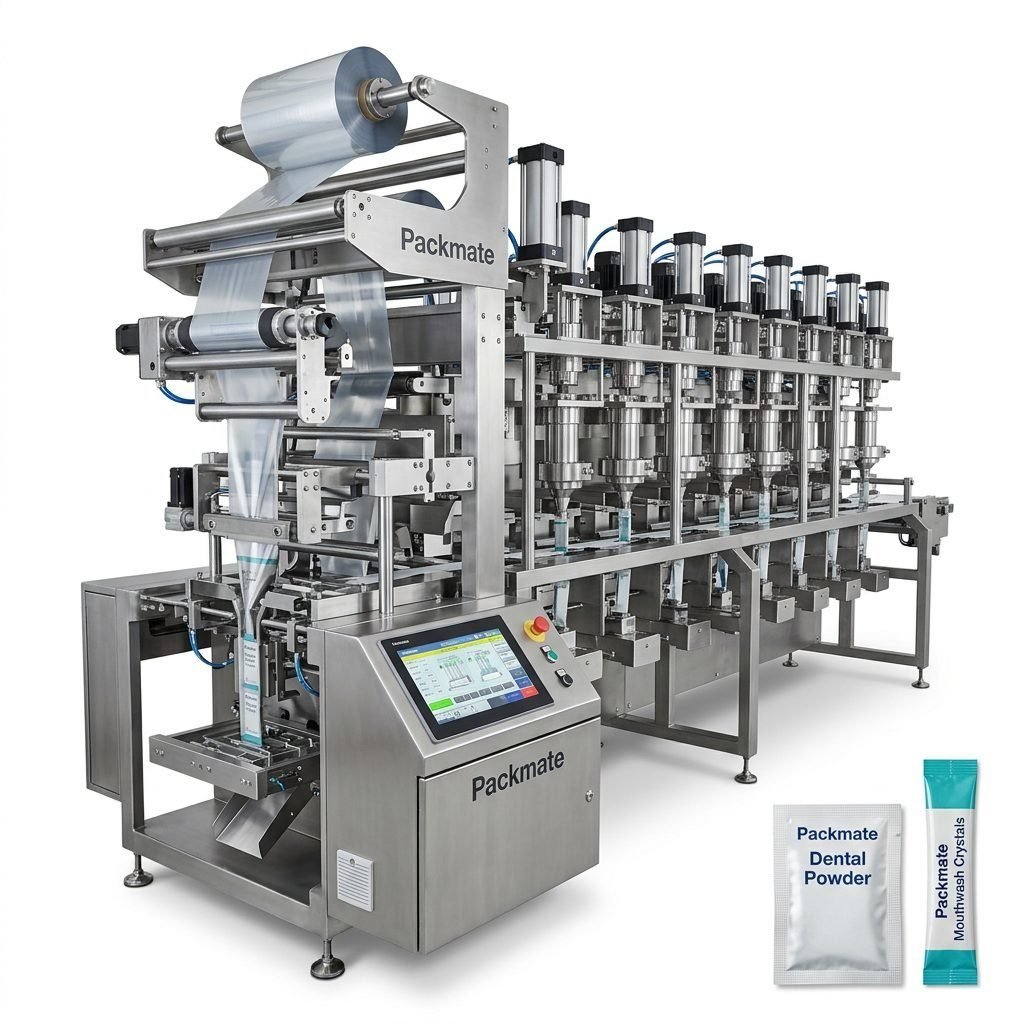
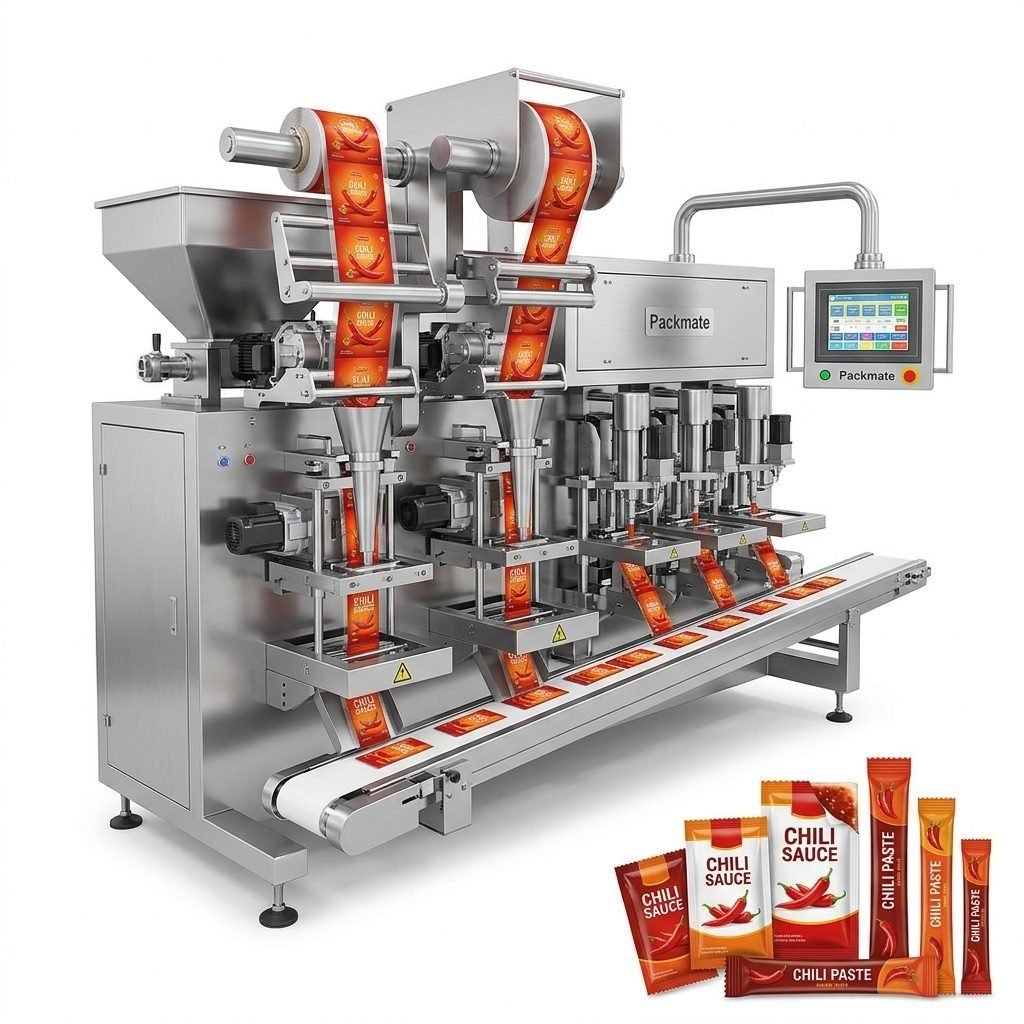
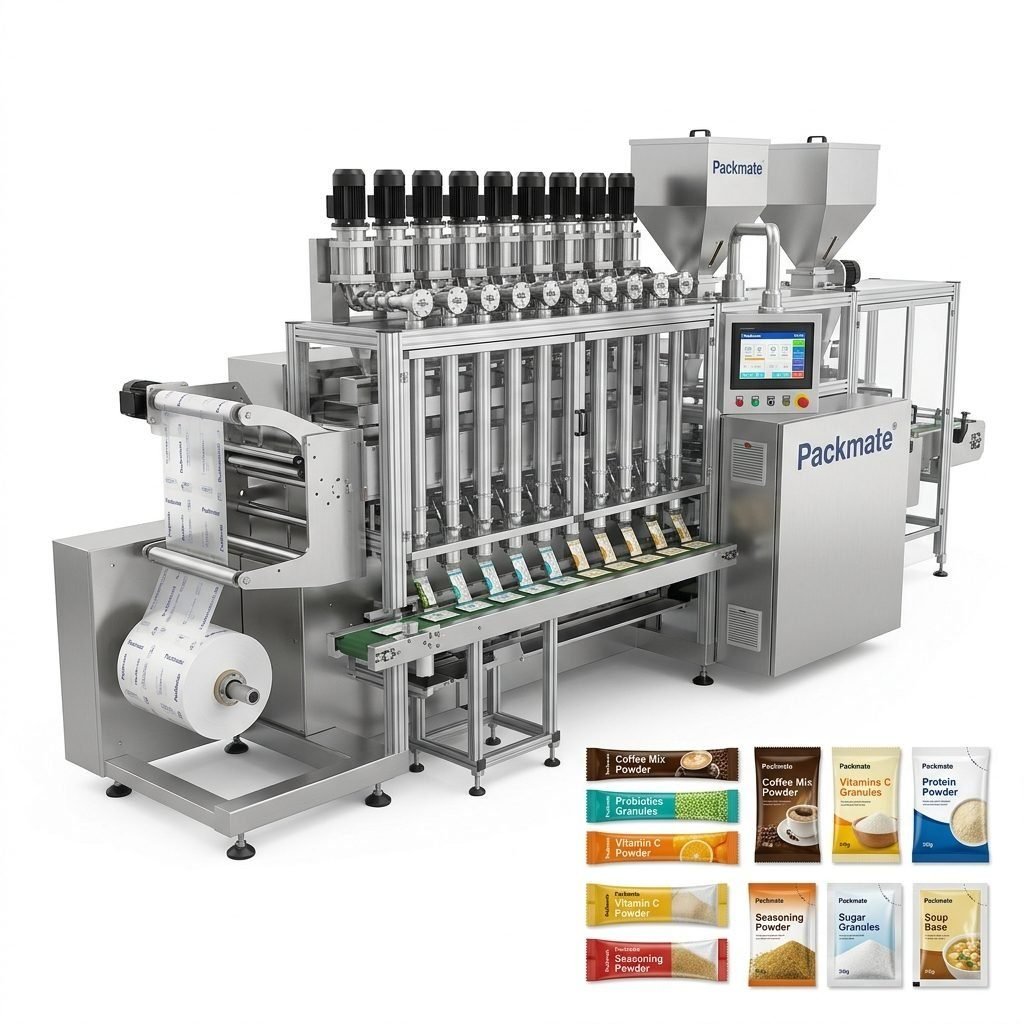
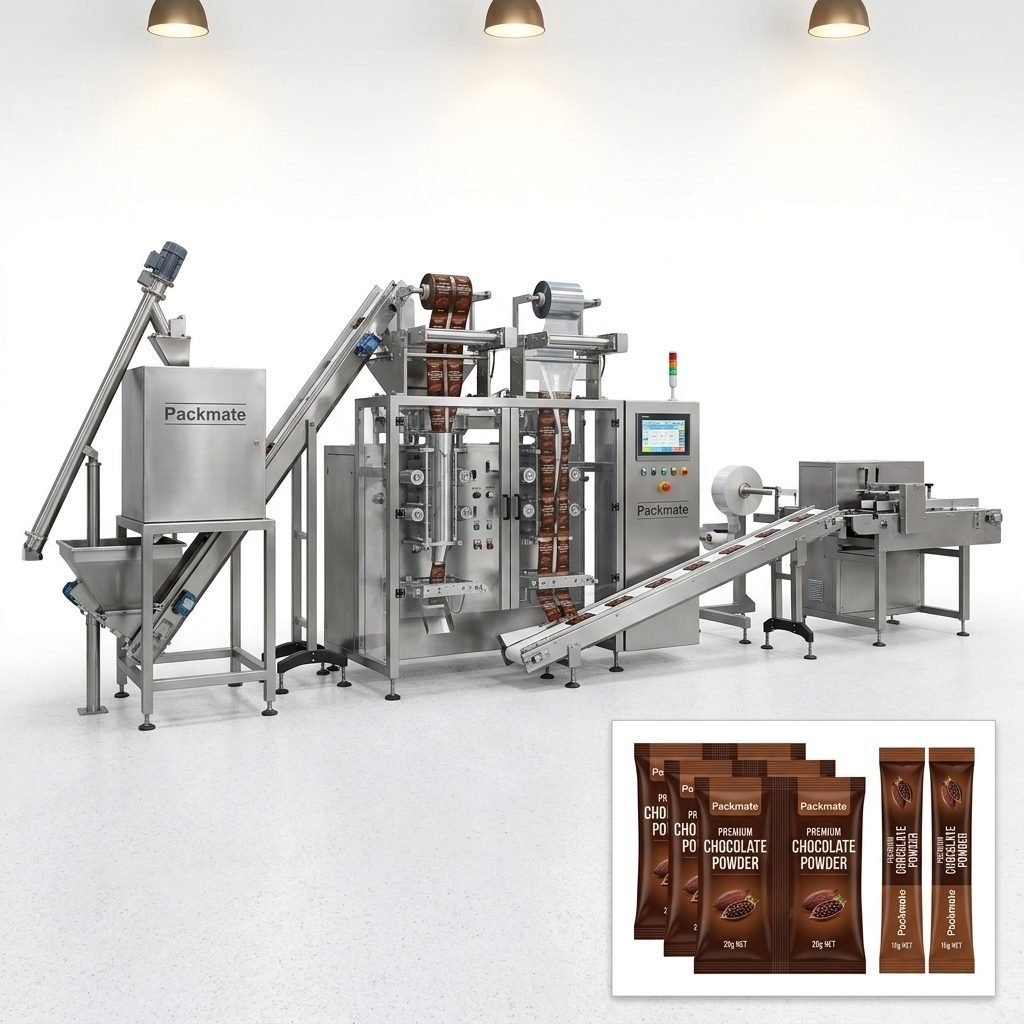
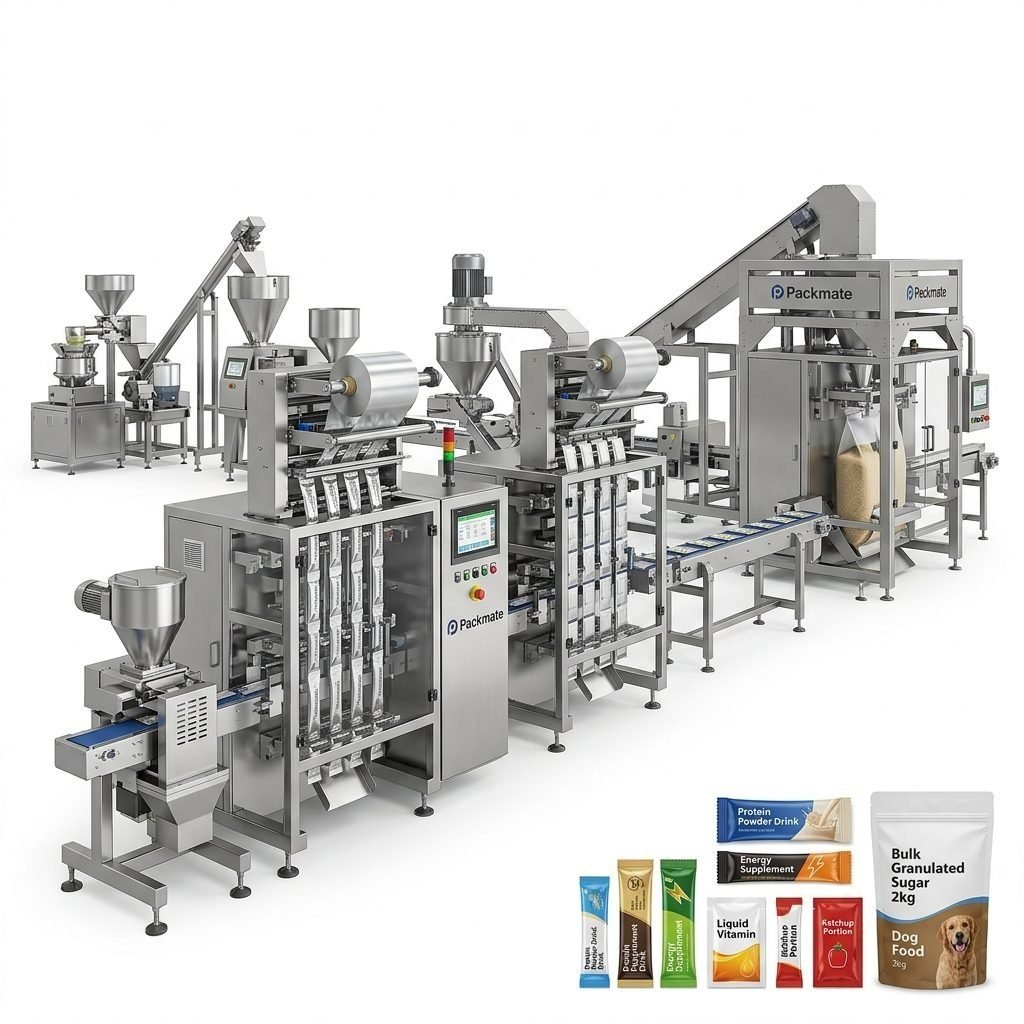
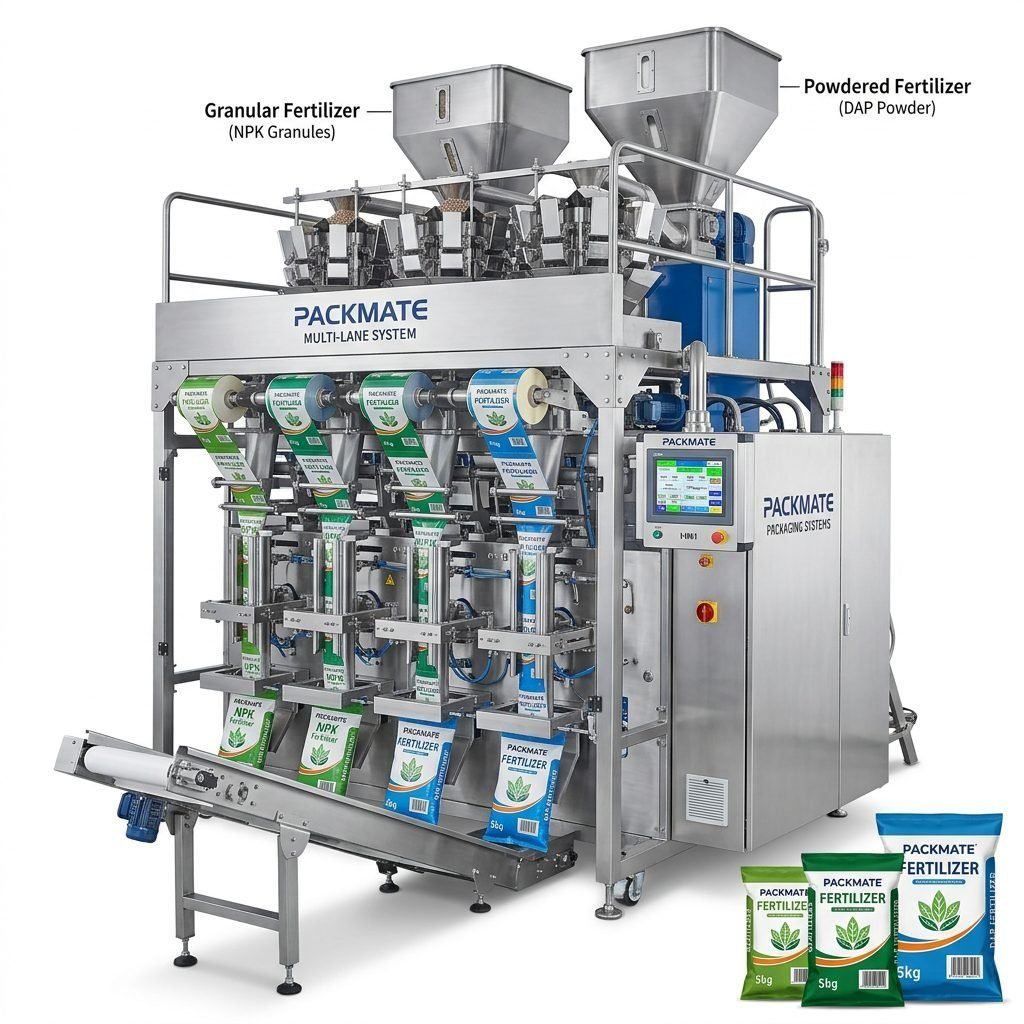
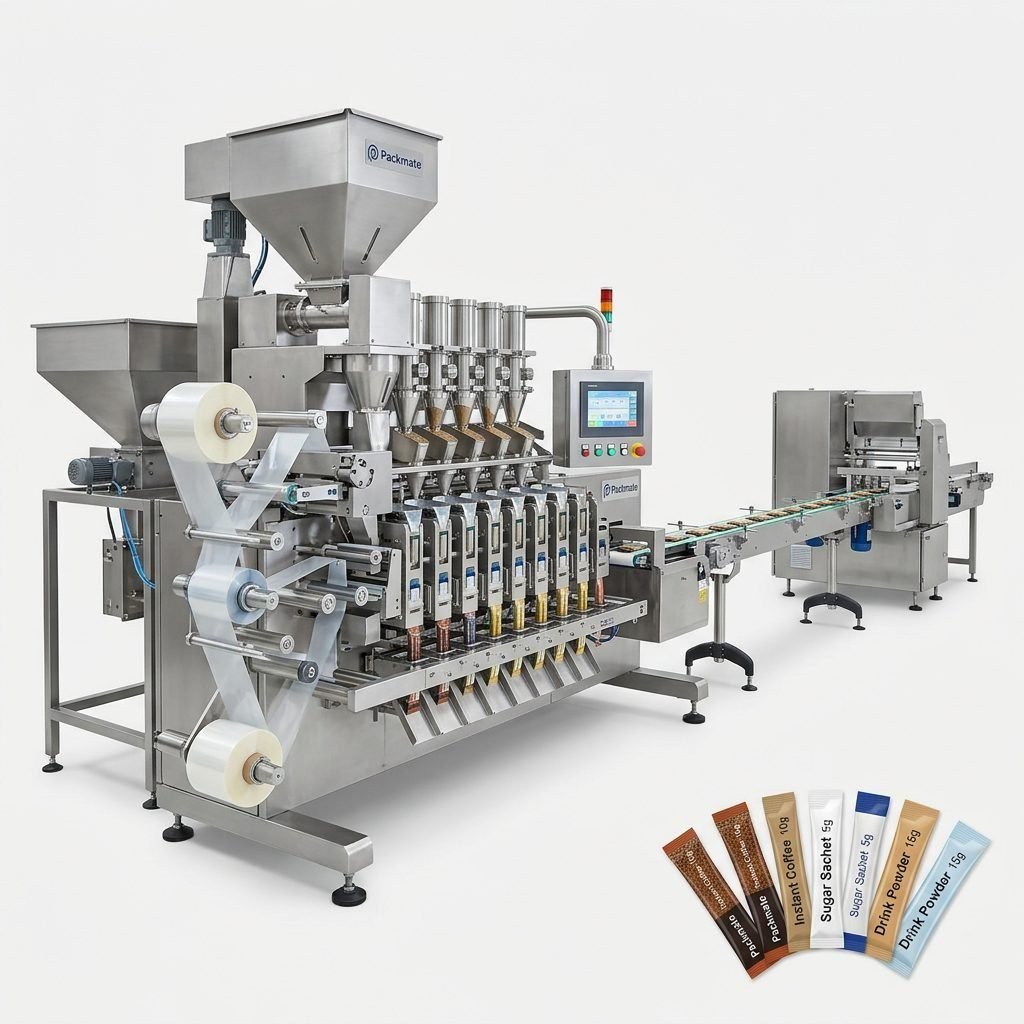
For maximum efficiency, businesses often invest in a complete, integrated packaging line. Companies like Packmate Machinery specialize in designing and manufacturing such turnkey solutions, where all components—from filling to seaming to coding—are synchronized for seamless operation. This approach minimizes bottlenecks and optimizes throughput.
Breaking Down the Costs: Investment and Beyond
The price of a canned food packaging machine is not a single figure. It’s a combination of capital expenditure and ongoing operational costs that must be factored into your business plan.
Initial Purchase Price
This varies widely based on type, speed, automation level, and brand. A basic single-head seamer might start in the tens of thousands of dollars, while a fully automated, high-speed rotary seaming line can cost several hundred thousand dollars or more. Remember: the machine’s capability must match your current and projected production volume.
Installation and Commissioning
Professional installation, calibration, and testing are non-negotiable for complex machinery. This cost includes technician fees, possible facility modifications (electrical, plumbing, floor reinforcement), and the initial run of test products to ensure everything works perfectly.
Maintenance and Spare Parts
Regular preventative maintenance is cheaper than emergency repairs. Budget for annual service contracts, routine replacement parts (like seaming rolls and gaskets), and a small inventory of critical spares to minimize downtime. A reliable supplier will offer comprehensive after-sales service and support.
Operational Costs
These are the day-to-day expenses: energy consumption, compressed air, lubricants, and sanitation chemicals. More efficient, modern machines often have a higher upfront cost but lower long-term operational costs, offering a better return on investment.
How to Choose the Right Machine: A Step-by-Step Guide
Selecting equipment is a strategic process. Rushing this decision can lead to costly mismatches. Follow this framework to make an informed choice.
Step 1: Analyze Your Product and Production Needs
Start with the basics. What are you canning? Is it a liquid, solid, or a mixture? What can size(s) will you use? Most importantly, what is your required output in cans per minute or hour? Be realistic about your growth projections for the next 5-10 years. A machine that’s at capacity on day one is not a good investment.
Step 2: Evaluate Automation Level
How much manual labor do you want to involve? Semi-automatic machines require more operator intervention for loading and monitoring but are less expensive. Fully automatic lines, such as those for bag and pouch packaging, can run with minimal oversight, offering higher consistency and lower labor costs but at a greater capital outlay.
Step 3: Prioritize Hygiene and Safety Features
Food contact surfaces must be made of food-grade stainless steel (e.g., 304 or 316L). The machine design should allow for easy cleaning and inspection, with minimal crevices where product or bacteria can accumulate. Look for machines built with sanitation in mind.
Step 4: Assess Supplier Reputation and Support
The machine is only as good as the company behind it. Research the manufacturer’s history, client testimonials, and industry reputation. A supplier with decades of experience, like Packmate Machinery with its over 30 years in intelligent packaging equipment, brings invaluable expertise. Ensure they offer robust training, detailed documentation, and readily available technical support.
Step 5: Consider Flexibility and Future-Proofing
Will you ever need to run different can sizes or product types? If so, look for machines with quick-change parts or modular designs that allow for future adaptation. Investing in a slightly more flexible system now can save you from needing a whole new machine later.
Step 6: Request a Demo and References
Never buy based on specifications alone. If possible, visit the manufacturer or see the machine running at a trade show. Ask for references from current clients who use the machine for similar products. Their firsthand experience is invaluable.
Conclusion: An Investment in Your Brand’s Future
Choosing a canned food packaging machine is a complex but crucial decision that impacts your product quality, operational efficiency, and scalability. By thoroughly understanding the machine types, accurately forecasting all costs, and methodically following a selection process focused on your specific needs and a reliable partner, you can make an investment that drives your business forward for years to come. Partnering with an experienced manufacturer who provides end-to-end solutions, from individual machines to complete lines, is often the key to a successful implementation.
Frequently Asked Questions (FAQs)
What is the most important factor when choosing a can seamer?
The integrity and consistency of the double seam it creates. A perfect hermetic seal is non-negotiable for food safety. The machine must reliably produce a seal that meets industry standards (e.g., FDA, EU regulations) across all production runs. Always review the machine’s sealing validation data.
Can one machine handle different can sizes?
Many modern machines are designed with quick-change capabilities. You can often switch between certain size ranges by changing the seaming chuck, lifter, and possibly other tooling. However, there are always limits to the size variance a single machine can accommodate. Discuss your specific size requirements with the supplier.
How much floor space is needed for a packaging line?
Space requirements vary dramatically. A simple monoblock filler-seamer might need a 20-foot line, while a full line with depalletizing, filling, seaming, coding, and palletizing could require 50 feet or more in length. Always request a detailed floor plan layout from the equipment supplier during the planning phase.
What kind of maintenance schedule is typical?
Maintenance is daily, weekly, and periodic. Daily: Cleaning and visual inspection. Weekly: Lubrication of specific points and checking for wear. Periodic (e.g., every 6-12 months): In-depth inspection and replacement of wear parts like seaming rolls. Always follow the manufacturer’s prescribed maintenance schedule.
Is it better to buy a new or used packaging machine?
This depends on budget and risk tolerance. A new machine comes with a warranty, latest technology, and full supplier support. A used machine has a lower upfront cost but may come with hidden wear, obsolete controls, and limited support. For critical processes like can sealing, many businesses prefer the reliability and support of new equipment from a trusted manufacturer.