In the competitive world of pet food manufacturing, the final presentation and preservation of your product are as crucial as its nutritional content. Cat food packaging is not merely a container; it’s a vital component of brand identity, shelf appeal, and product integrity. Choosing the right packaging machinery and solutions is a strategic decision that impacts efficiency, cost, and market success. This guide delves into the essential machinery, innovative solutions, and key considerations for packaging dry, wet, and semi-moist cat food, ensuring your product stands out on the shelf and remains fresh for your feline customers.
Understanding Cat Food Packaging Requirements
Before selecting equipment, it’s critical to understand the unique demands of cat food. The primary goals are extending shelf life, preventing contamination, maintaining nutrient integrity, and creating an attractive, convenient package. Dry kibble requires robust barrier properties against moisture and oxygen to prevent staleness. Wet food demands high-integrity, hermetic sealing to prevent spoilage and leakage. Furthermore, the packaging must withstand the rigors of transportation and storage while being easy for consumers to open and reseal.
Key Challenge: Fat and oil content in premium cat foods can accelerate oxidation. Effective packaging solutions must incorporate high-barrier materials and often use gas flushing (like nitrogen) to displace oxygen within the package, significantly prolonging freshness and palatability.
Types of Cat Food Packaging Formats
The market offers several popular formats, each requiring specialized machinery:
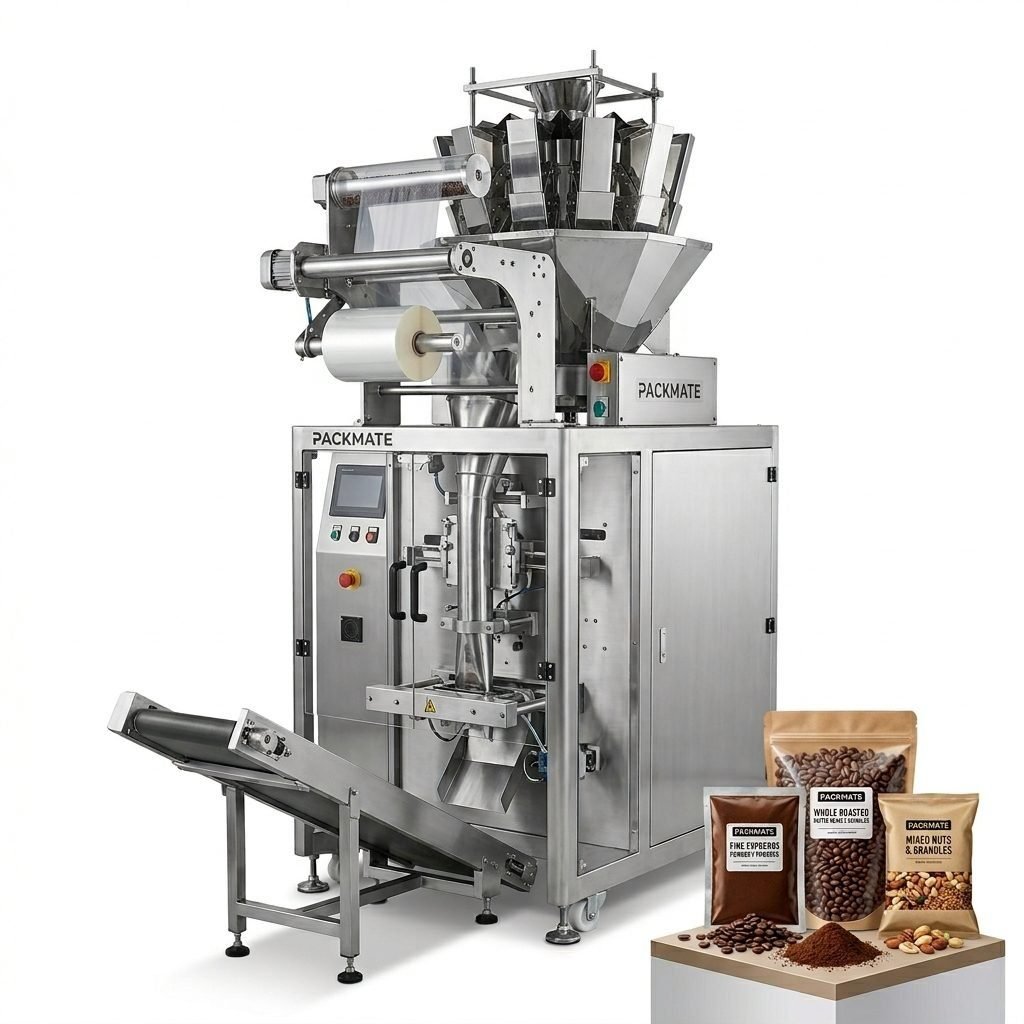
- Bags & Pouches (Stand-up, Flat): The most common for dry food. They offer excellent printability for branding and are lightweight. Machines for this format include vertical form-fill-seal (VFFS) machines and pre-made pouch fillers.
- Cans & Trays: The traditional choice for wet food, offering superior barrier properties. Filling and sealing lines for cans are highly automated and require precise filling and double-seaming technology.
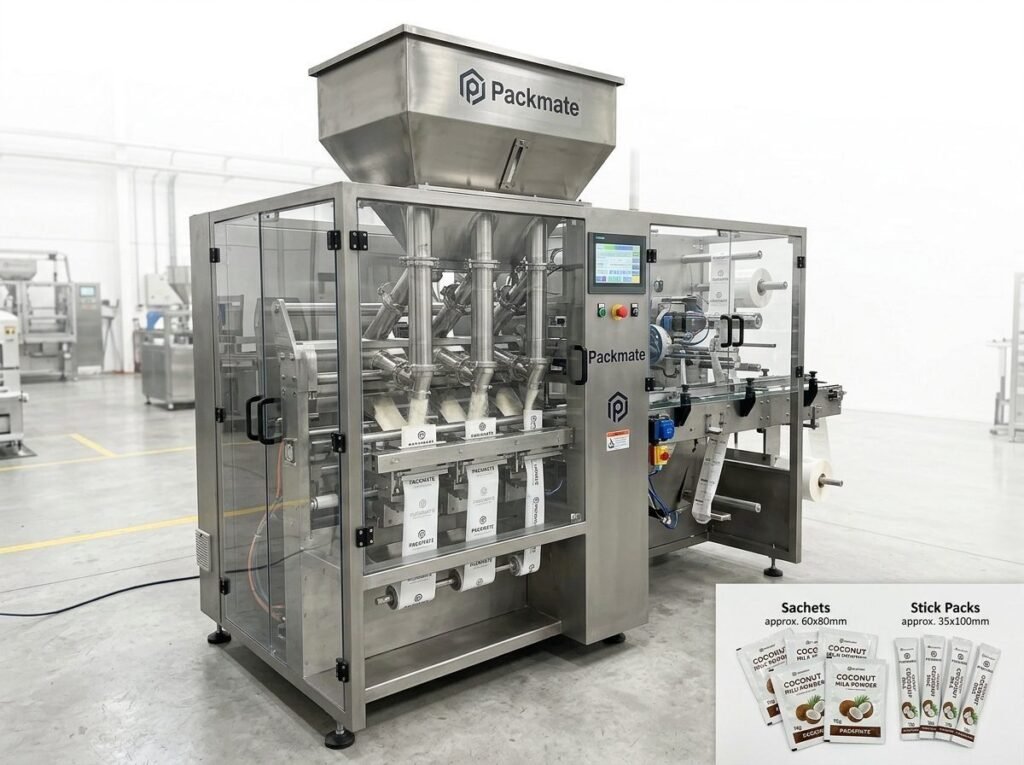
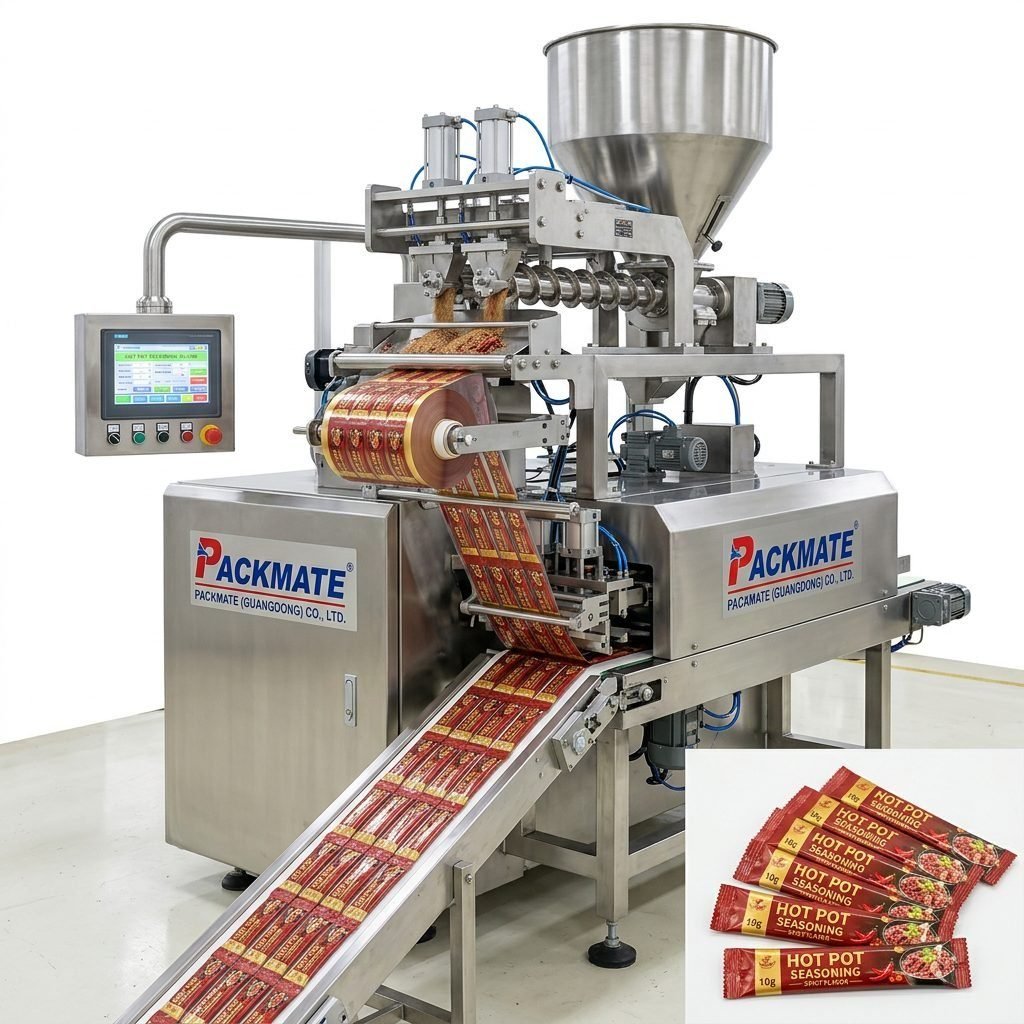
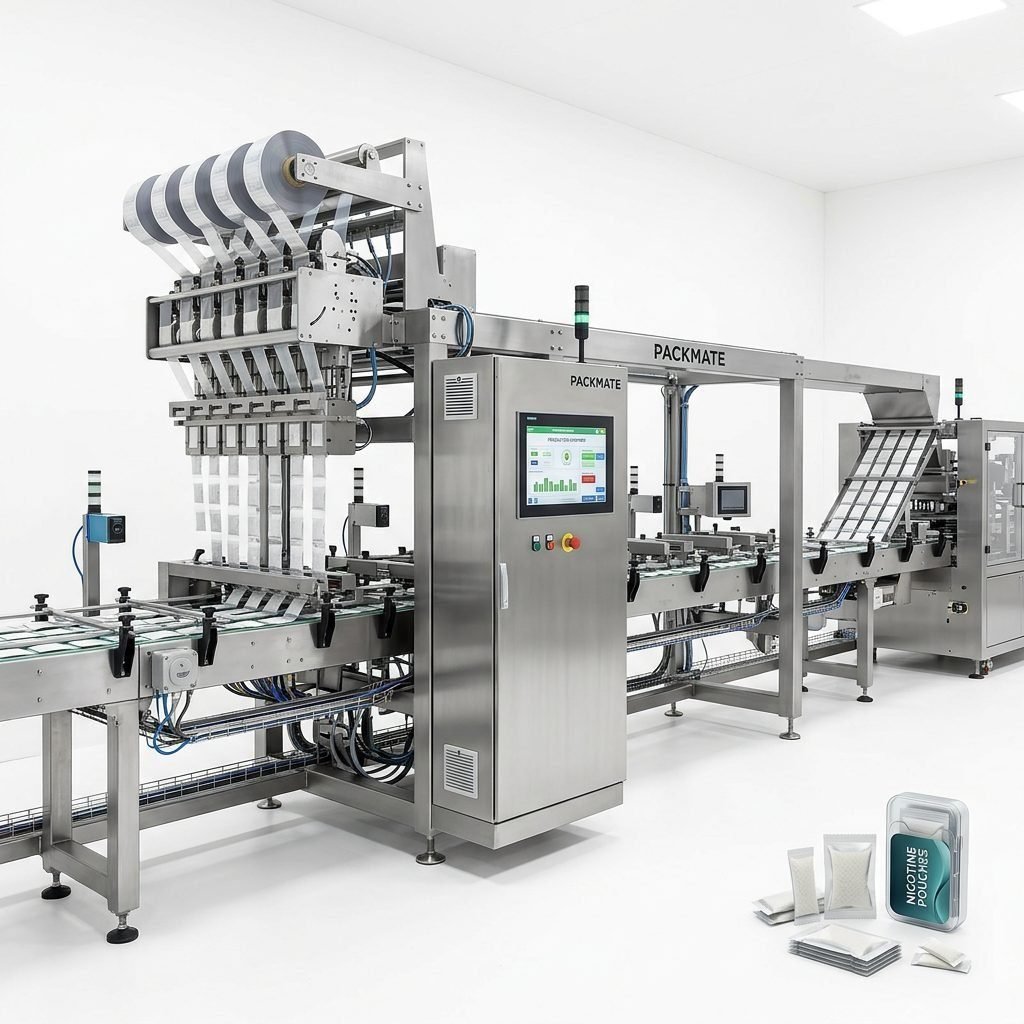
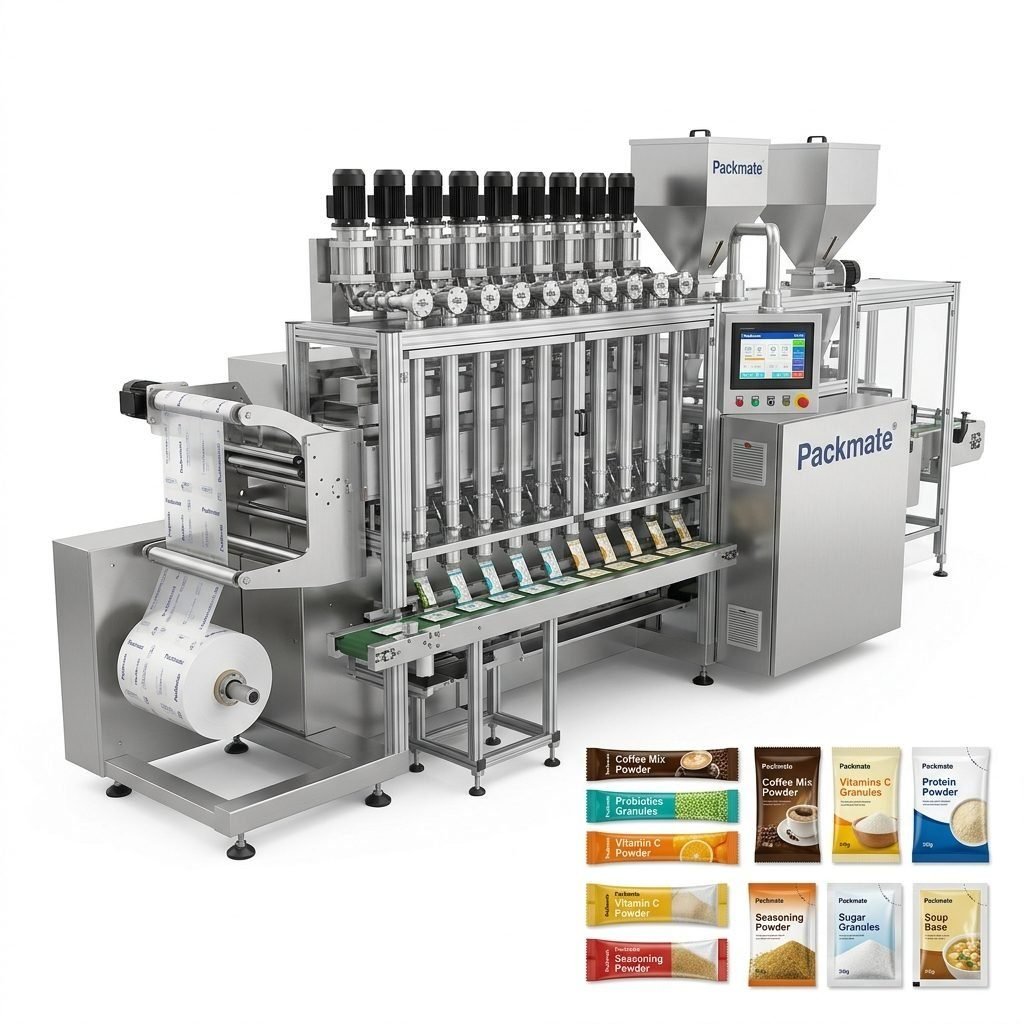
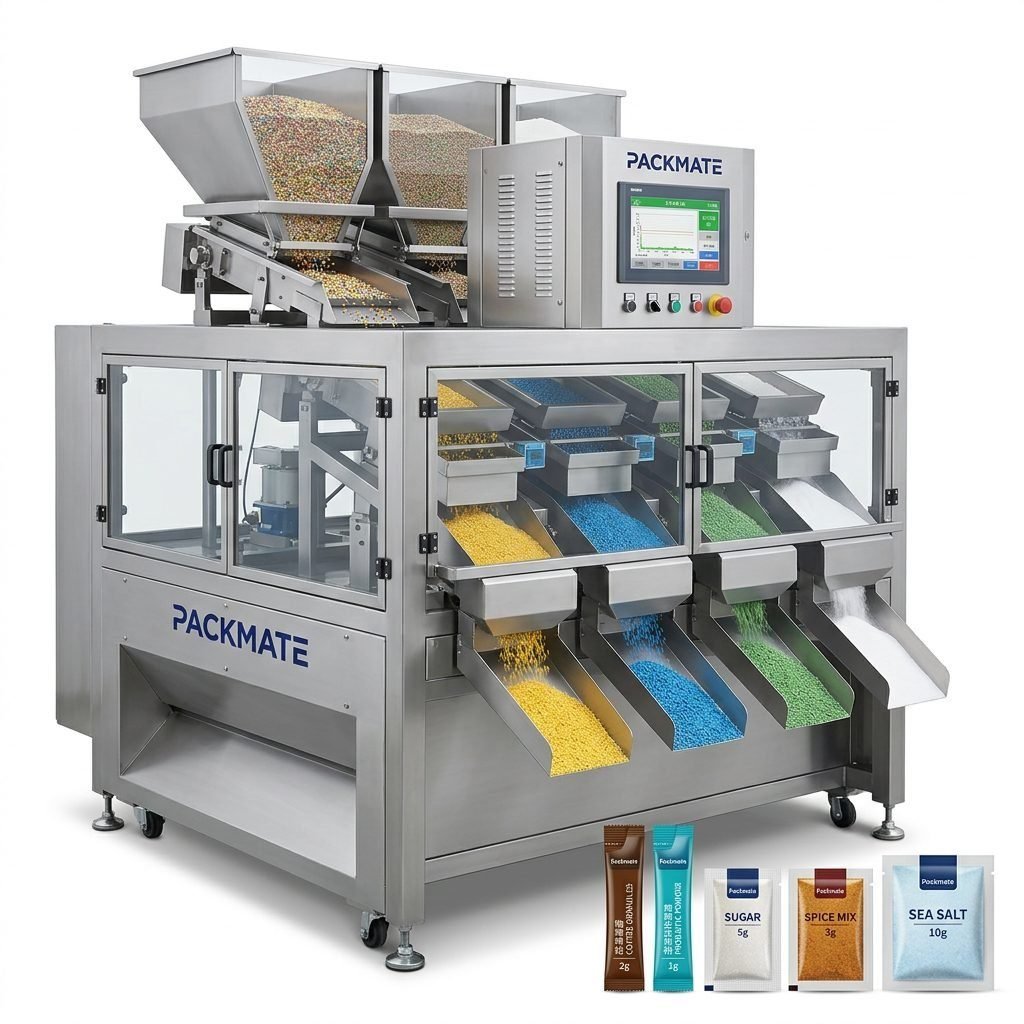
- Sachets & Stick Packs: Gaining popularity for single-serve wet food, gravies, or powder supplements. They are convenient and reduce waste. Multi-lane sachet packaging machines enable high-speed production of these small units.
- Boxes & Cartons: Often used as secondary packaging for bags or multi-packs of cans, providing additional protection and a larger canvas for marketing messages.
Core Machinery for Cat Food Packaging Lines
A complete packaging line is a symphony of integrated machines. Here are the core components:
1. Weighing and Feeding Systems
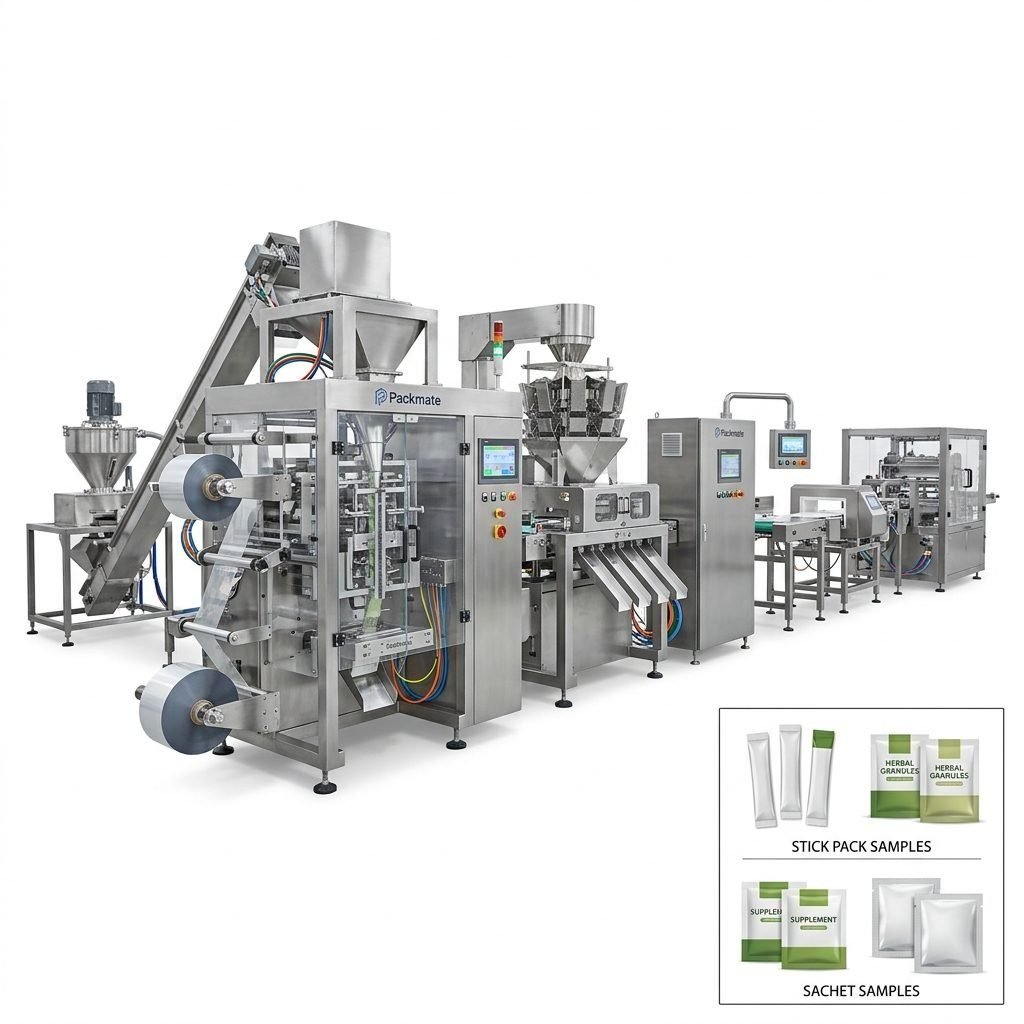
Accuracy is non-negotiable. Overfilling erodes profits, while underfilling violates regulations and disappoints customers. Multi-head weighers and auger feeders are standard for dry food, providing speed and precision. For wet food, volumetric pumps or weigh-in-place fillers are used.
2. Form-Fill-Seal (FFS) Machines
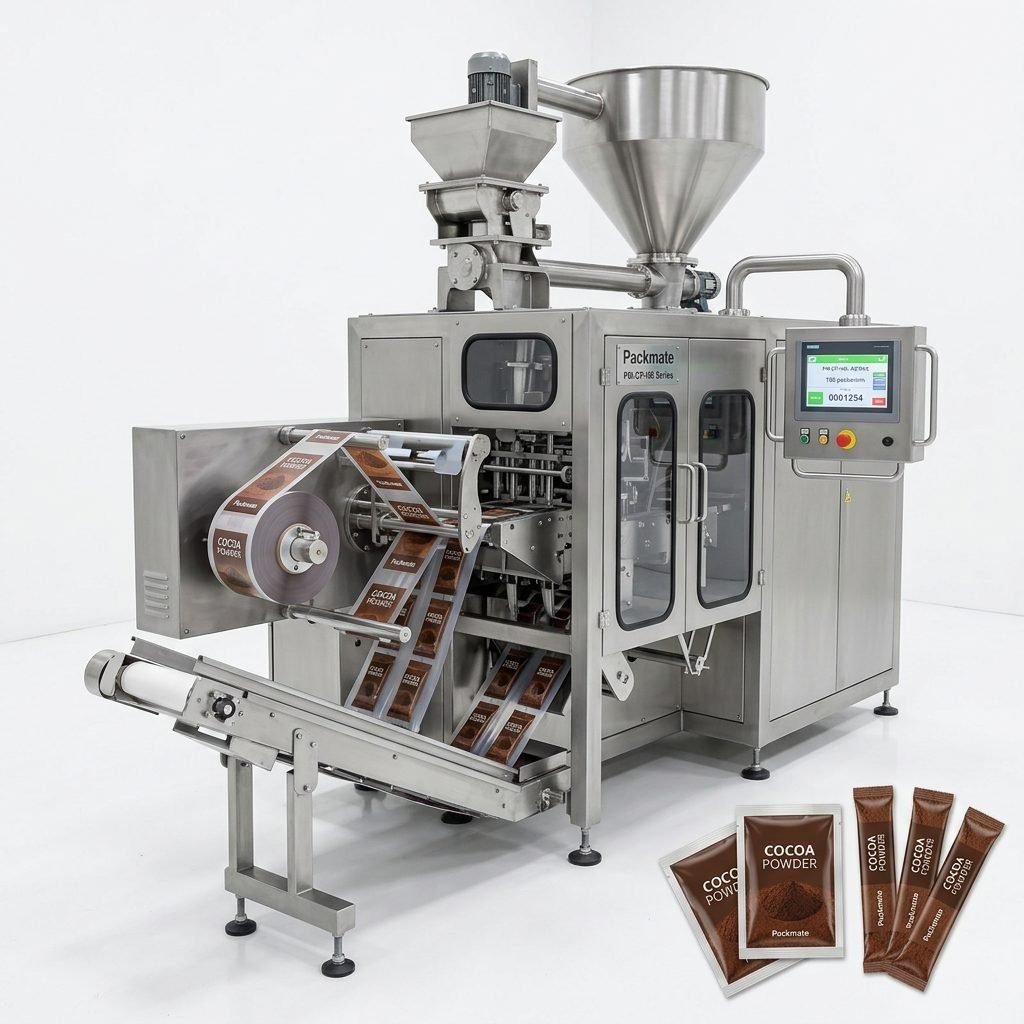
The workhorse of flexible packaging. Vertical Form-Fill-Seal (VFFS) machines are predominant for bags. They form a tube from a roll of film, fill it with product, and seal it into individual bags—all in one continuous motion. Horizontal FFS machines are typically used for pillows or more complex pouch shapes.
3. Filling and Sealing Machines for Rigid Containers
For cans, trays, or tubs, this involves a conveyor system passing containers under a filling head and then through a seamer or lidding machine. Aseptic filling lines represent the high-end for wet food, sterilizing both product and packaging separately for ambient shelf stability.
4. Ancillary and Support Equipment
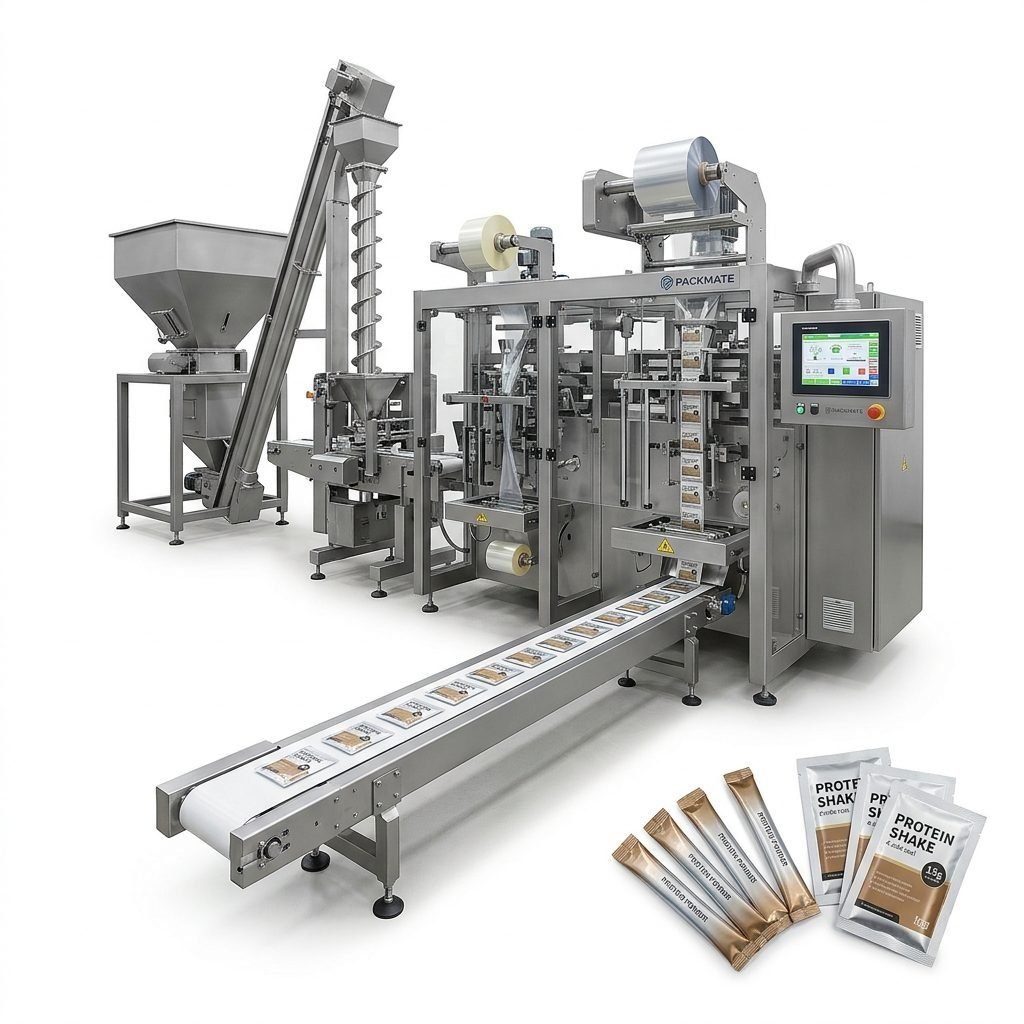
No line is complete without support systems. This includes checkweighers to verify package weight, metal detectors for safety, coders for printing batch/date information, and cartoners for secondary packaging.
The Role of a Trusted Manufacturer
Implementing such a line requires more than just buying machines. It requires a partner with deep expertise. A manufacturer like Packmate Machinery, with over 22 years of development, understands these complexities. From their 20,000㎡ modern facility, they provide more than 50 machine models and can integrate them into a cohesive turnkey packaging line. This holistic approach, born from founder Mr. Jiang Sha’s vision of automation and productivity, ensures all components—from the weighing system to the final sealer—work in perfect harmony for maximum output and reliability.
Selecting the Right Packaging Solution: A Strategic Guide
Choosing equipment is a capital-intensive decision. Follow this framework:
- Define Product & Output: Clearly specify your product type (size, shape, moisture content) and required production speed (bags/minute).
- Material Compatibility: Your machine must handle your chosen packaging material (laminate film, aluminum, etc.) efficiently without excessive waste or downtime.
- Focus on Flexibility: Can the machine handle multiple bag sizes or formats with quick changeovers? This is vital for product diversification.
- Prioritize Hygiene & Cleanability: Food-grade design with easy-access stainless steel surfaces is mandatory to meet safety standards.
- Evaluate Total Cost of Ownership (TCO): Look beyond the purchase price. Consider energy consumption, maintenance costs, spare part availability, and the manufacturer’s support network.
Innovations Shaping the Future
The industry is evolving towards smarter, more sustainable packaging. Trends include:
- Smart Packaging: Incorporating QR codes or NFC tags that link to feeding guides, origin stories, or autosubscription services.
- Sustainable Materials: Increased use of recyclable mono-materials or compostable films in response to consumer demand for eco-friendly options.
- Advanced Robotics: For precise picking and placing of pouches into cartons, improving flexibility in low-volume, high-mix production.
- Industry 4.0 Integration: Machines with IoT sensors for predictive maintenance, real-time production data monitoring, and seamless integration with factory ERP systems.
Investing in the right cat food packaging machinery is an investment in your brand’s future. It ensures product quality, optimizes operational efficiency, and creates the compelling shelf presence needed to win in a crowded market. By partnering with an experienced manufacturer who offers comprehensive solutions—from single machines to complete lines—you secure not just equipment, but a foundation for growth and innovation.
Frequently Asked Questions (FAQs)
1. What type of packaging machine is best for dry cat food?
Vertical Form-Fill-Seal (VFFS) machines are the industry standard for packaging dry kibble into bags and pouches. They offer high speed, flexibility in bag size and design, and efficient use of packaging film. For higher precision, they are paired with multi-head weighers.
2. How can I ensure the shelf life of my premium cat food in flexible packaging?
Use high-barrier laminated films (often containing aluminum or special EVOH layers) and integrate gas flushing technology (like nitrogen) into your packaging line. This process displaces oxygen inside the package, drastically slowing oxidation and fat rancidity.
3. What should I look for in a packaging machine supplier?
Prioritize suppliers with proven industry experience, a strong portfolio of relevant machines, and comprehensive after-sales support. Evaluate their ability to provide a complete line solution, not just isolated machines. Review their company history and client case studies, similar to the longstanding expertise demonstrated by established manufacturers.
4. Can one machine package different formats, like both stand-up pouches and flat bags?
Many modern VFFS machines are designed with quick-change capabilities for different forming tools and sealing jaws. This allows switching between related formats (e.g., different styles of pouches) with minimal downtime, making production lines more versatile.
5. How important is after-sales service for packaging equipment?
It is critical. Packaging lines are central to production. Reliable access to spare parts, remote technical support, and timely on-site maintenance ensures maximum uptime and protects your investment over the machine’s entire lifecycle.