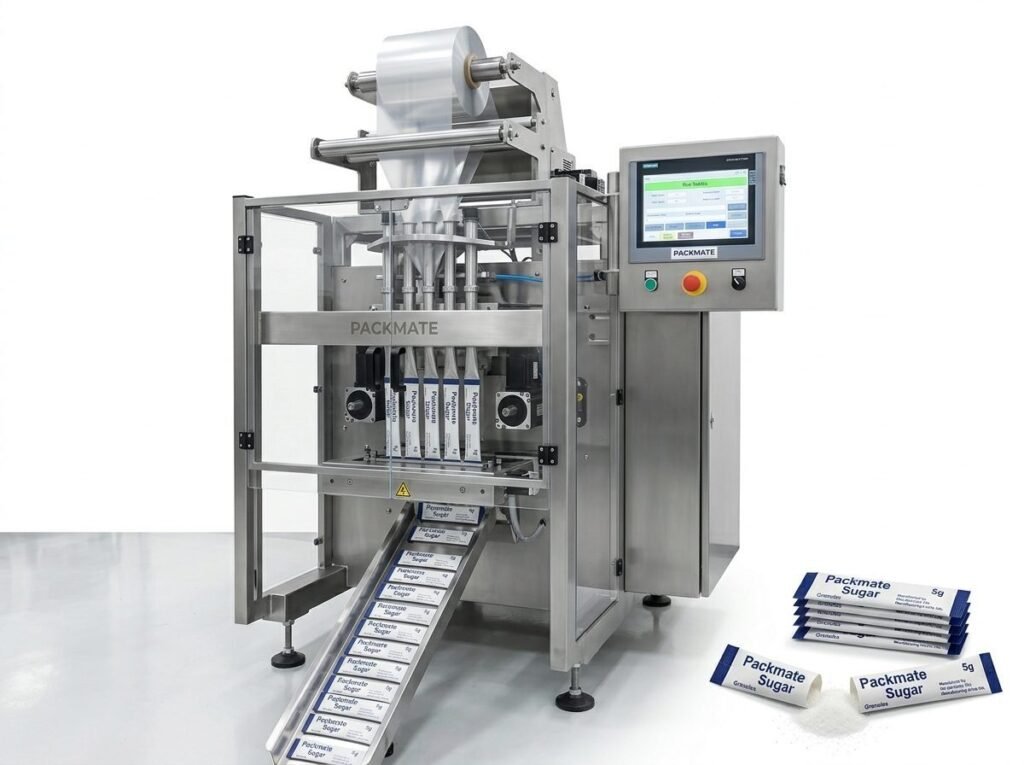
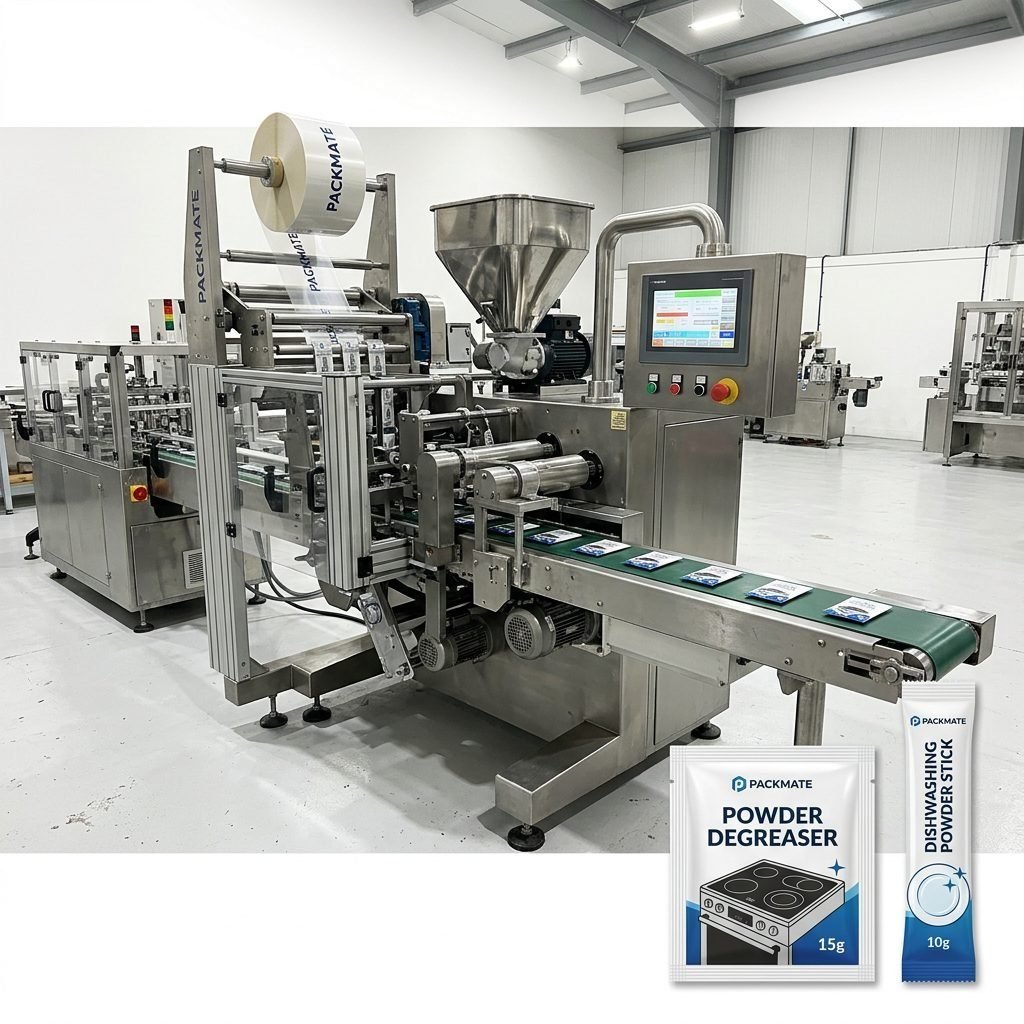
In the fast-paced world of food production, efficiency and presentation are paramount. For manufacturers of sauces, dressings, ketchup, mustard, and other condiments, the right packaging machinery is not just a tool—it’s a critical component of brand identity, operational efficiency, and market success. Commercial condiment packaging machines automate the process of filling, sealing, and sometimes even labeling single-serve sachets, stick packs, or larger pouches, ensuring consistency, hygiene, and speed that manual processes cannot match.
Understanding the Core Types of Condiment Packaging Machines
The market offers a variety of machines tailored to different packaging formats and production volumes. Choosing the correct type is the first step toward optimizing your packaging line.
Vertical Form-Fill-Seal (VFFS) Machines
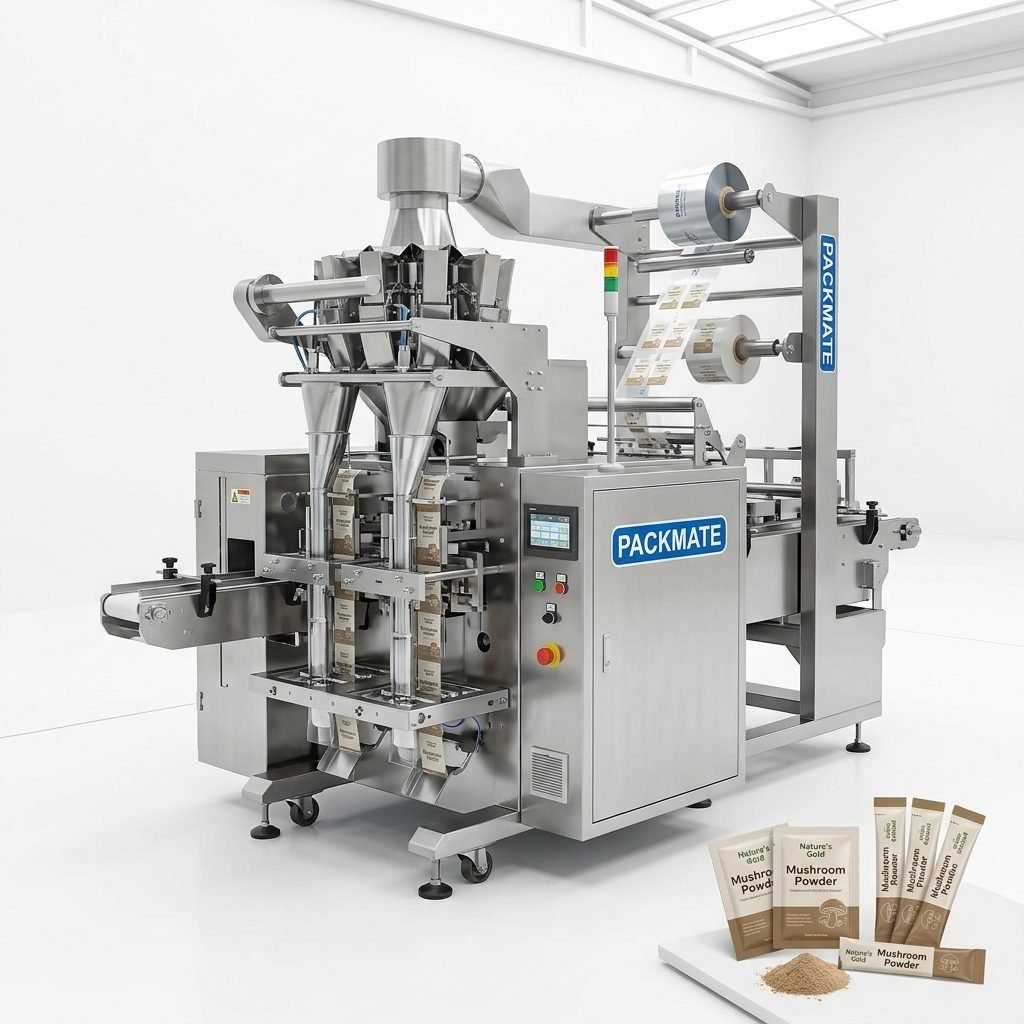
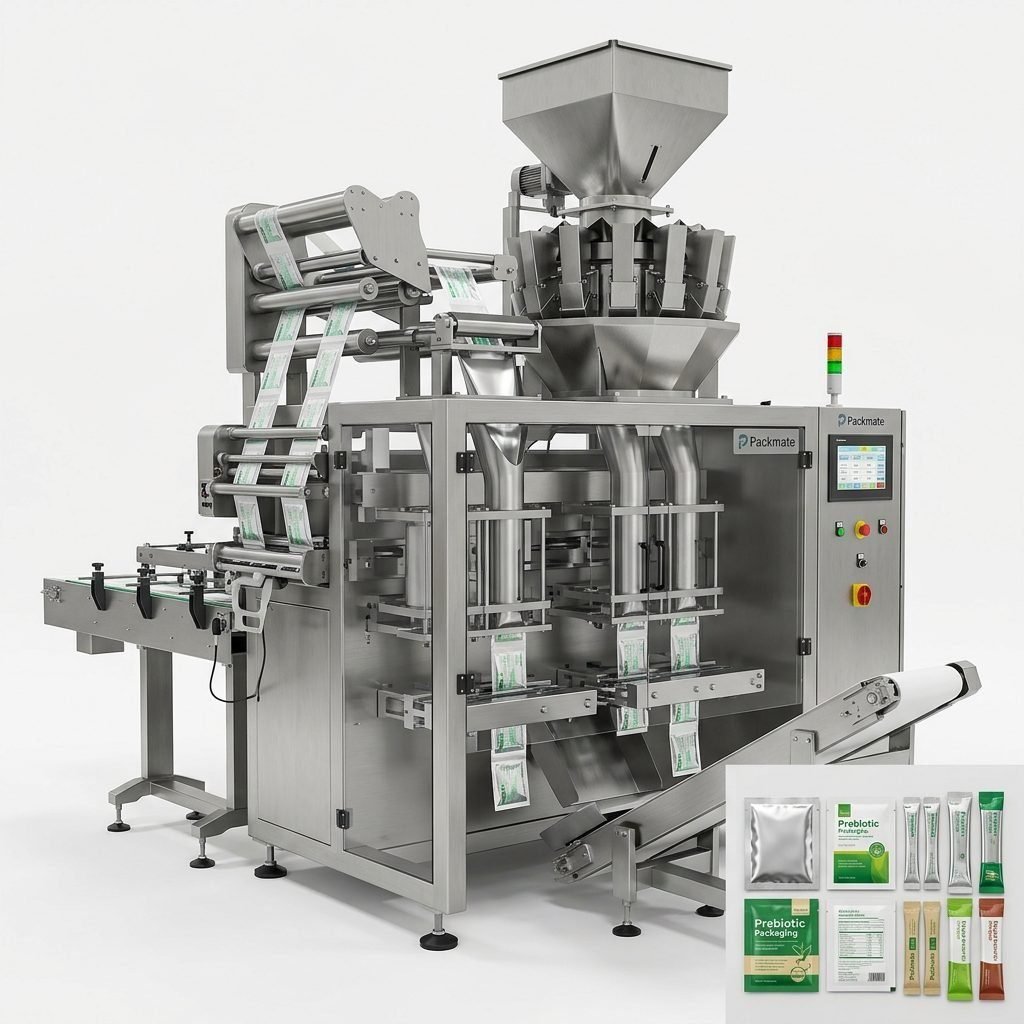
These are the workhorses for producing stand-up pouches or pillow bags for larger volumes of condiments, like a 500ml barbecue sauce pouch. They form the bag from a roll of film, fill it with the precise amount of product, and seal it—all in one continuous, vertical motion. They are ideal for medium to high-speed production.
Horizontal Form-Fill-Seal (HFFS) Machines
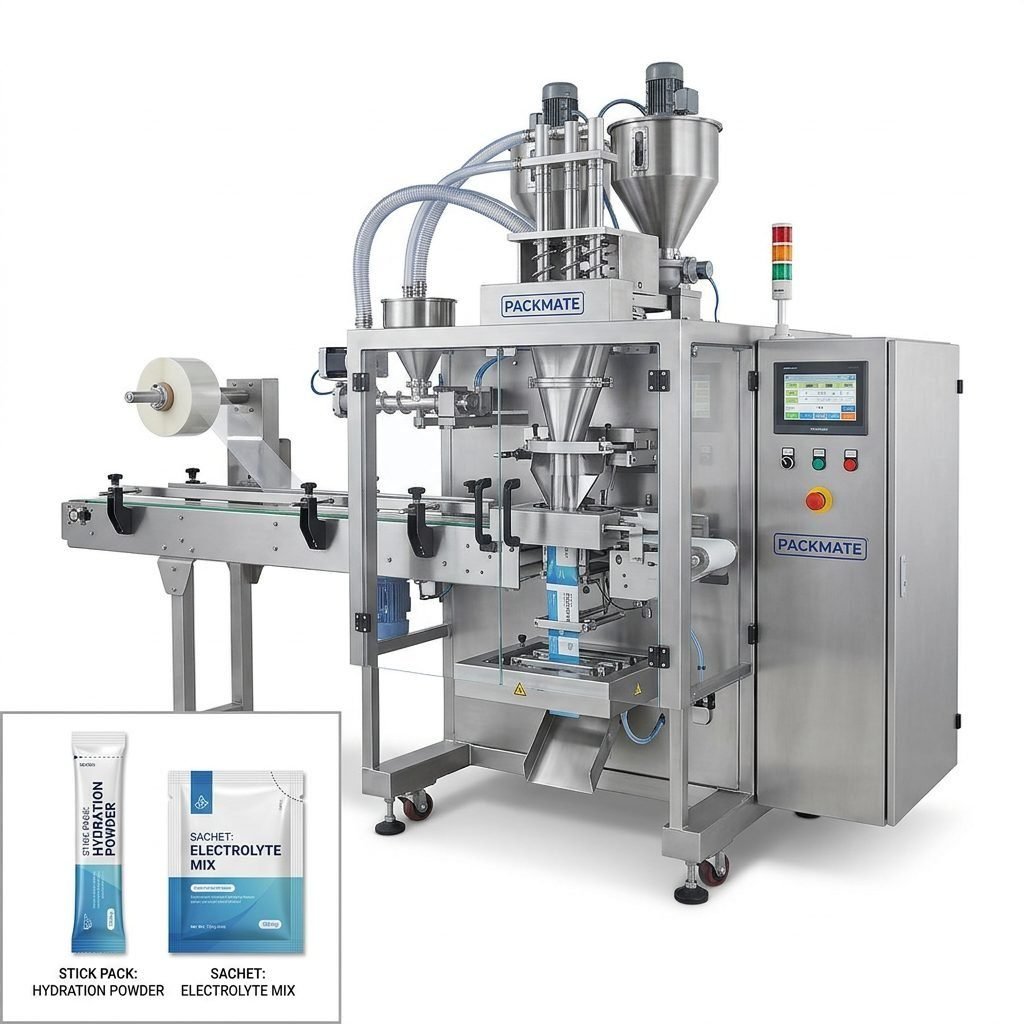
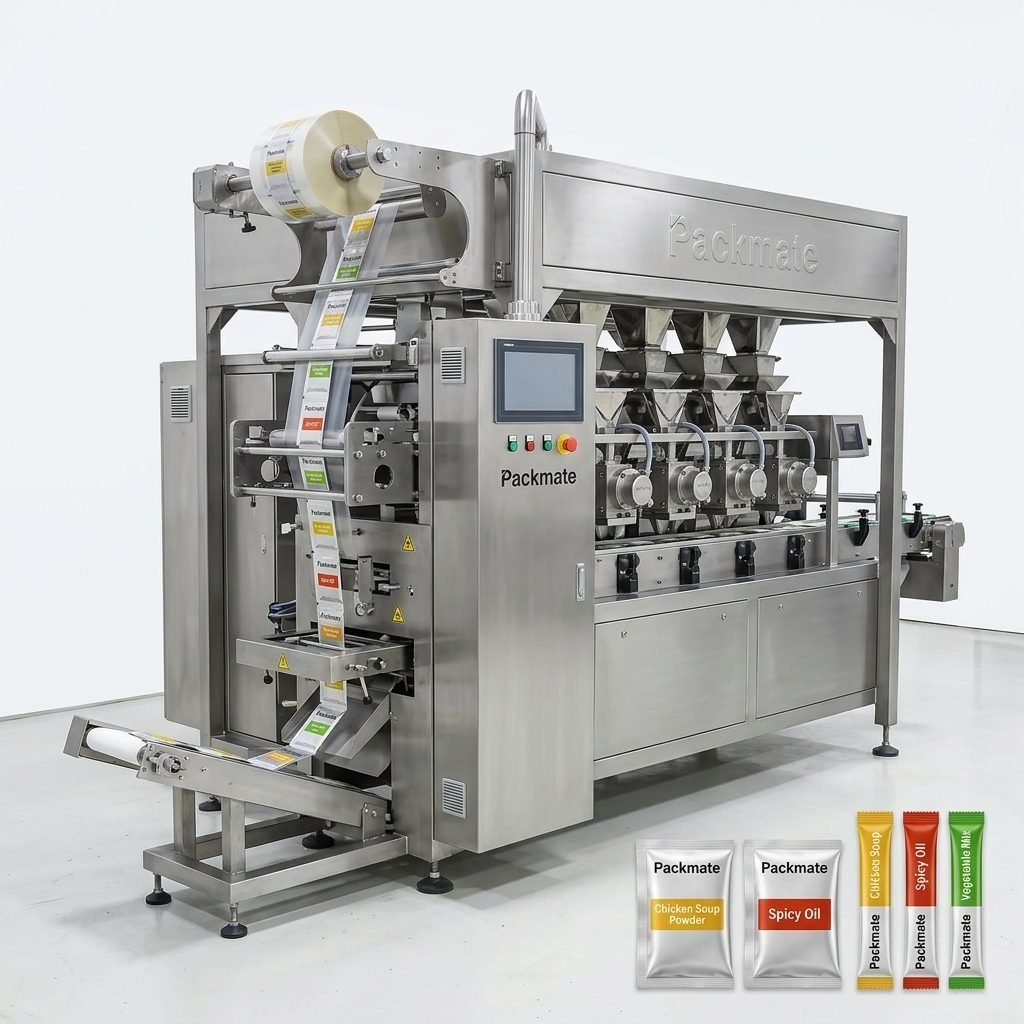
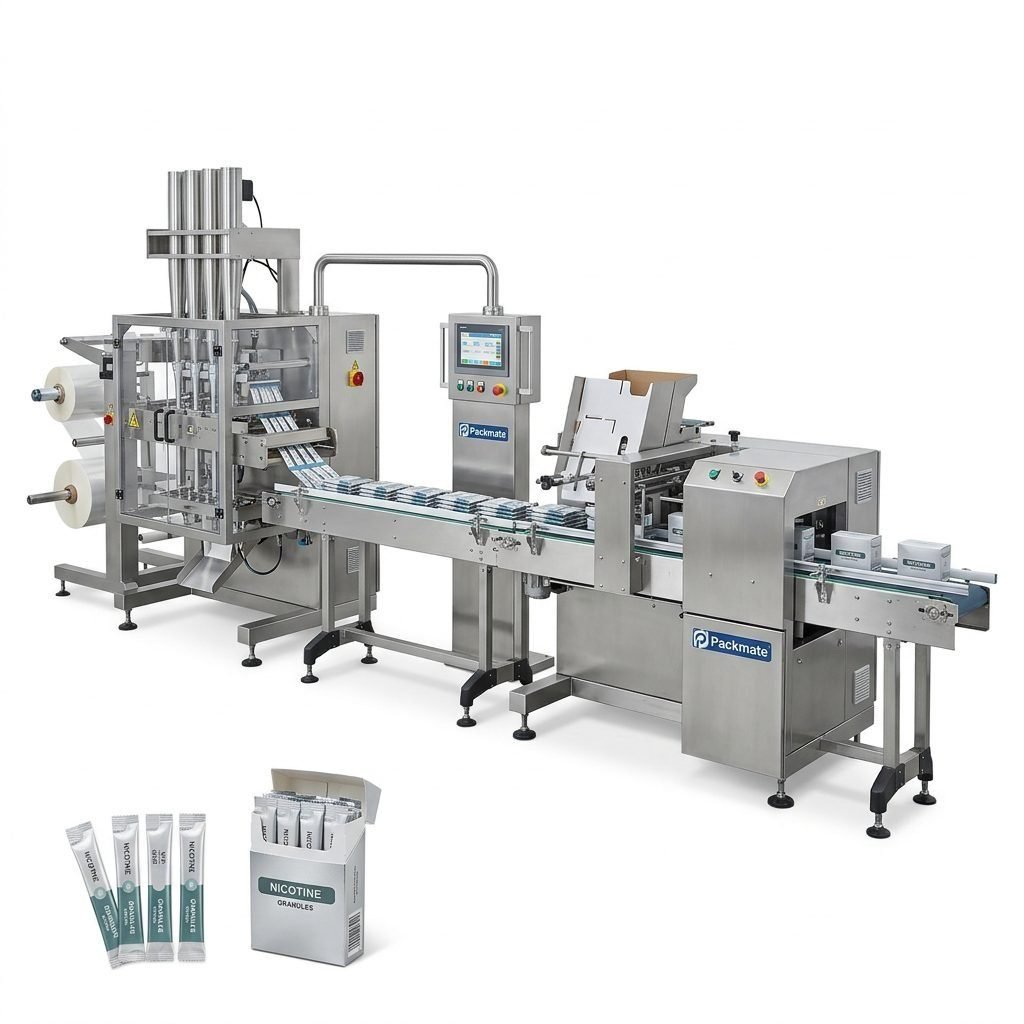
Primarily used for creating sachets and stick packs, these machines are perfect for single-serve condiment portions. The film moves horizontally, and the machine forms, fills, and seals individual packets at very high speeds. This is the go-to technology for ketchup, soy sauce, or mayonnaise packets found in restaurants and takeaway services. You can explore advanced options in our range of Sachet & Stick Pack Machines.
Piston Filling Machines
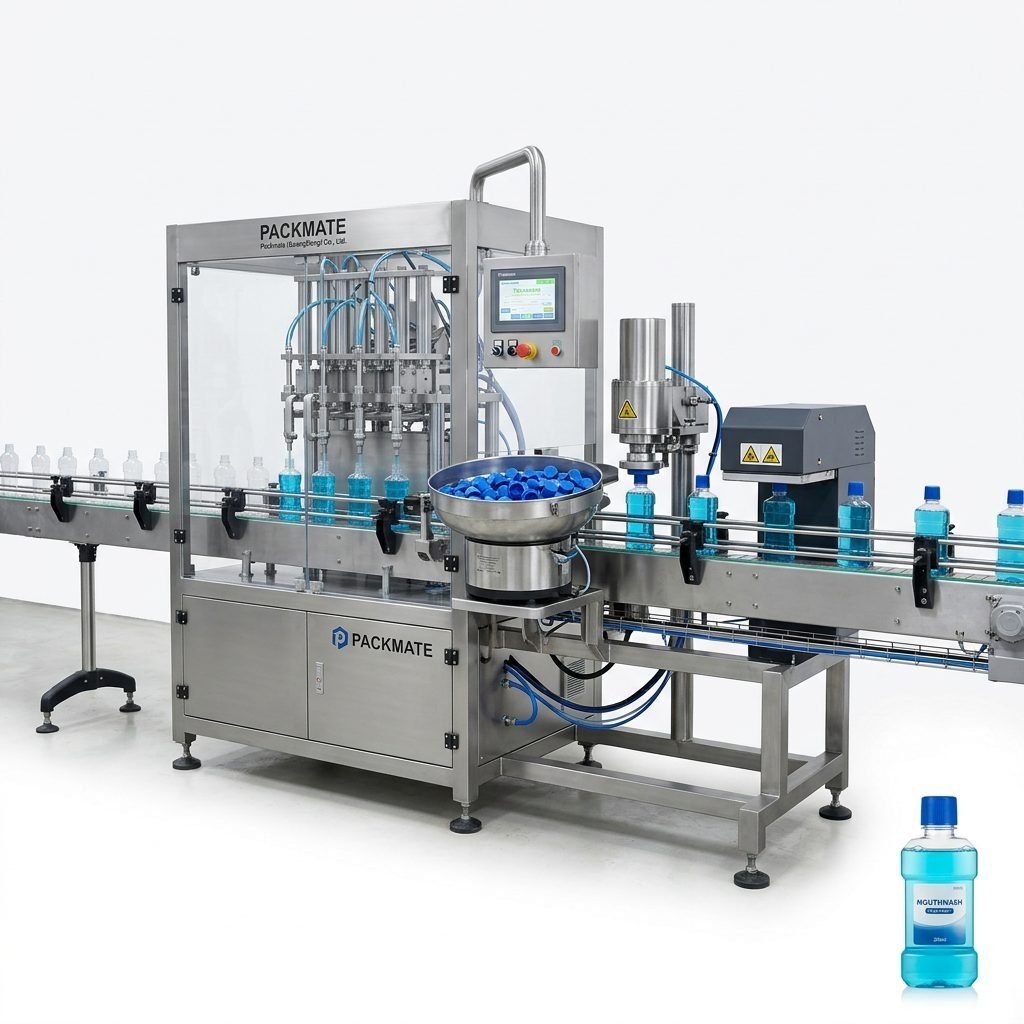
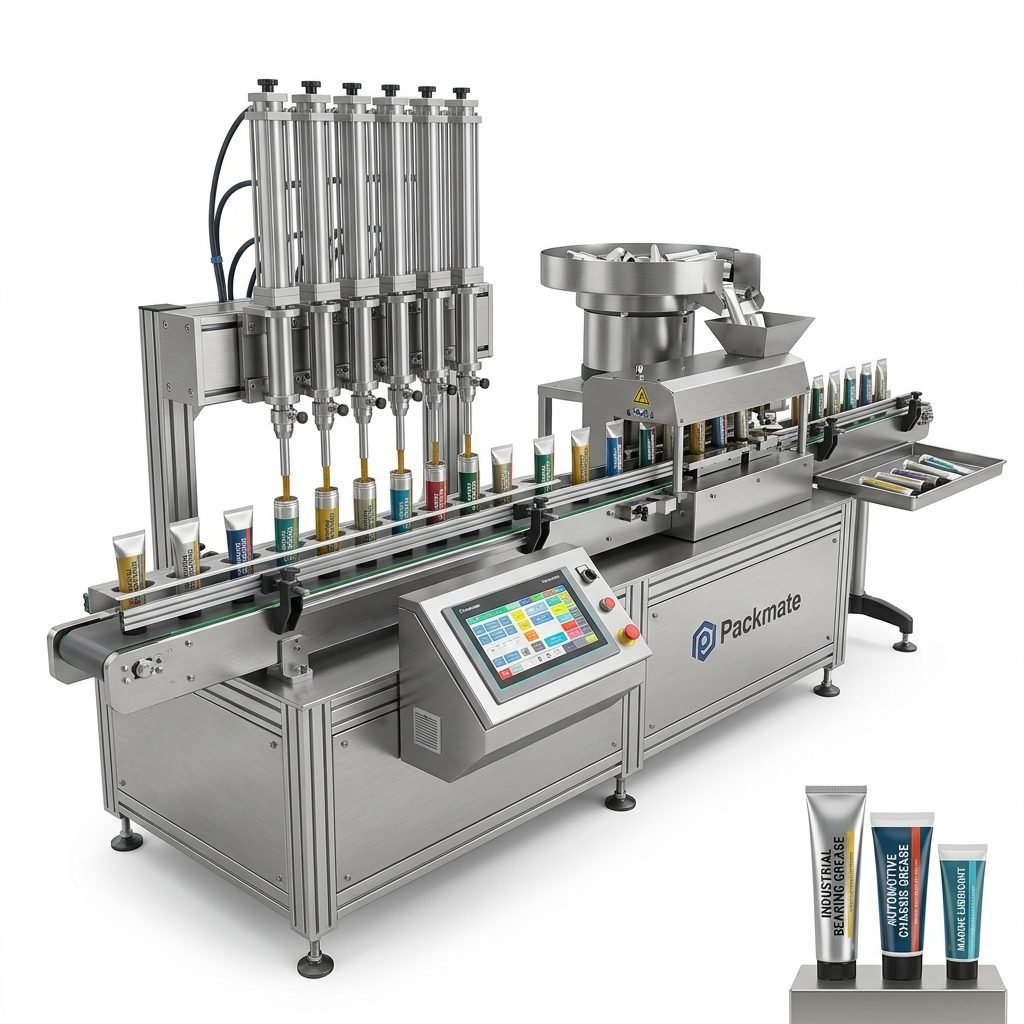
When accuracy is non-negotiable, especially for viscous products like chunky salsa or thick mayonnaise, piston fillers excel. They use a cylinder and piston mechanism to draw a precise volume of product and dispense it into pre-made containers (bottles, jars, or cups). They are often integrated into complete filling and packaging lines.
Key Features to Evaluate Before Purchase
Selecting a machine goes beyond its type. Several technical and operational features directly impact your return on investment and product quality.
Filling Accuracy and Technology: Consistency in portion size is crucial for cost control and customer trust. Look for machines with advanced weighing systems or precise volumetric filling (like piston or pump-based) suitable for your product’s viscosity.
Speed and Output Capacity: Measured in packets or pouches per minute (PPM), this must align with your current and projected production demands. A multi-lane stick pack machine can dramatically increase output by processing several rows of packets simultaneously.
Material Compatibility: The machine must handle the specific laminated films or foil materials required to preserve your condiment’s freshness, prevent leaks, and provide a sufficient barrier against oxygen and light.
Hygiene and Cleanability: Food-grade stainless steel construction, especially in product contact parts, is standard. A design that allows for quick disassembly and easy cleaning minimizes downtime and ensures compliance with food safety regulations.
Automation and Integration: Modern machines offer PLC controls with touchscreen HMIs for easy operation and recipe storage. Consider how well it integrates with upstream (mixing) and downstream (cartoning, case packing) equipment for a seamless weighing and packaging system.
The Role of a Trusted Manufacturer
Behind every reliable machine is a manufacturer with deep expertise. Packmate Machinery, with over 30 years of experience, exemplifies this principle. Starting from a visionary workshop in 1993 to becoming Packmate (GuangDong) Co., Ltd. with a 20,000㎡ modern facility, the company’s journey is built on solving practical packaging challenges. Their commitment to innovation has led to a portfolio of over 50 machine models, including specialized solutions for condiments. Investing in equipment from a manufacturer with a proven company history and global service support mitigates risk and ensures long-term operational stability.
The Business Benefits of Automated Condiment Packaging
The transition from semi-automatic to fully automated packaging delivers tangible advantages across the business.
Substantial Cost Reduction: Automation drastically lowers labor costs per unit and minimizes product giveaway through precise filling. High-speed operation also reduces the cost per packet.
Enhanced Product Quality and Safety: Automated, enclosed processes limit human contact, reducing contamination risk. Consistent sealing ensures package integrity, extending shelf life and reducing waste from leaks.
Unmatched Scalability and Flexibility: A well-chosen machine can handle multiple product types and package sizes with quick changeovers, allowing you to respond swiftly to market trends or custom orders.
Stronger Brand Consistency: Every packet looks identical—professionally sealed and neatly printed—reinforcing a quality brand image to the end-consumer.
Implementing Your Packaging Solution: A Step-by-Step Guide
- Needs Assessment: Define your products, target output, package formats, and budget.
- Supplier Research: Shortlist reputable manufacturers like Packmate, review their case studies, and request consultations.
- Sample Testing: Always send your actual product and packaging material to the supplier for a live machine test. This verifies performance, speed, and seal quality.
- Training and Support: Ensure comprehensive operator training and a clear understanding of the after-sales service, parts availability, and technical support offered.
Choosing the right commercial condiment packaging machine is a strategic decision that impacts your bottom line and brand reputation. By understanding the different machine types, critically evaluating key features, and partnering with an experienced manufacturer, you can build a packaging operation that is efficient, reliable, and ready for growth. For a comprehensive view of packaging technologies, visit our homepage.
Frequently Asked Questions (FAQs)
1. What is the typical speed range for a condiment stick pack machine?
Speeds vary by model and number of lanes. Single-lane machines may run 60-120 packets per minute (PPM), while multi-lane machines from manufacturers like Packmate can achieve 400-1000+ PPM, making them suitable for large-scale production.
2. Can one machine handle different condiment viscosities, like ketchup and oil?
Many machines are versatile, but the filling system may need adjustment or change. Pump fillers are great for liquids, while piston fillers are better for thick, viscous, or particulate-containing products. It’s essential to discuss your full product range with the supplier during testing.
3. How important is after-sales service when purchasing this equipment?
It is critically important. Packaging machines are long-term investments. Reliable service, readily available spare parts, and responsive technical support (often offered globally by established companies like Packmate) are vital to minimize downtime and ensure years of productive operation.
4. What are the key maintenance routines for these machines?
Daily cleaning, lubrication of moving parts as per the manual, and inspection of seals and cutting blades are essential. Regular preventive maintenance schedules, often provided by the manufacturer, help identify wear and tear before it causes a breakdown.
5. Are these machines suitable for small-batch or artisanal condiment producers?
Yes. While focused on commercial scale, some semi-automatic or smaller fully automatic models offer the efficiency and professionalism of automated packaging at a lower output, making them a viable investment for growing brands looking to improve their packaging quality and efficiency.