In the highly specialized world of personal protective equipment manufacturing, condom packaging machines represent a critical link between production and consumer safety. These automated systems are designed to handle delicate products with precision, ensuring each unit is sealed hygienically, discreetly, and in compliance with stringent global health standards. For manufacturers, selecting the right packaging machinery is not merely an operational decision but a strategic one that impacts brand reputation, production efficiency, and market competitiveness.
Primary Types of Condom Packaging Machines
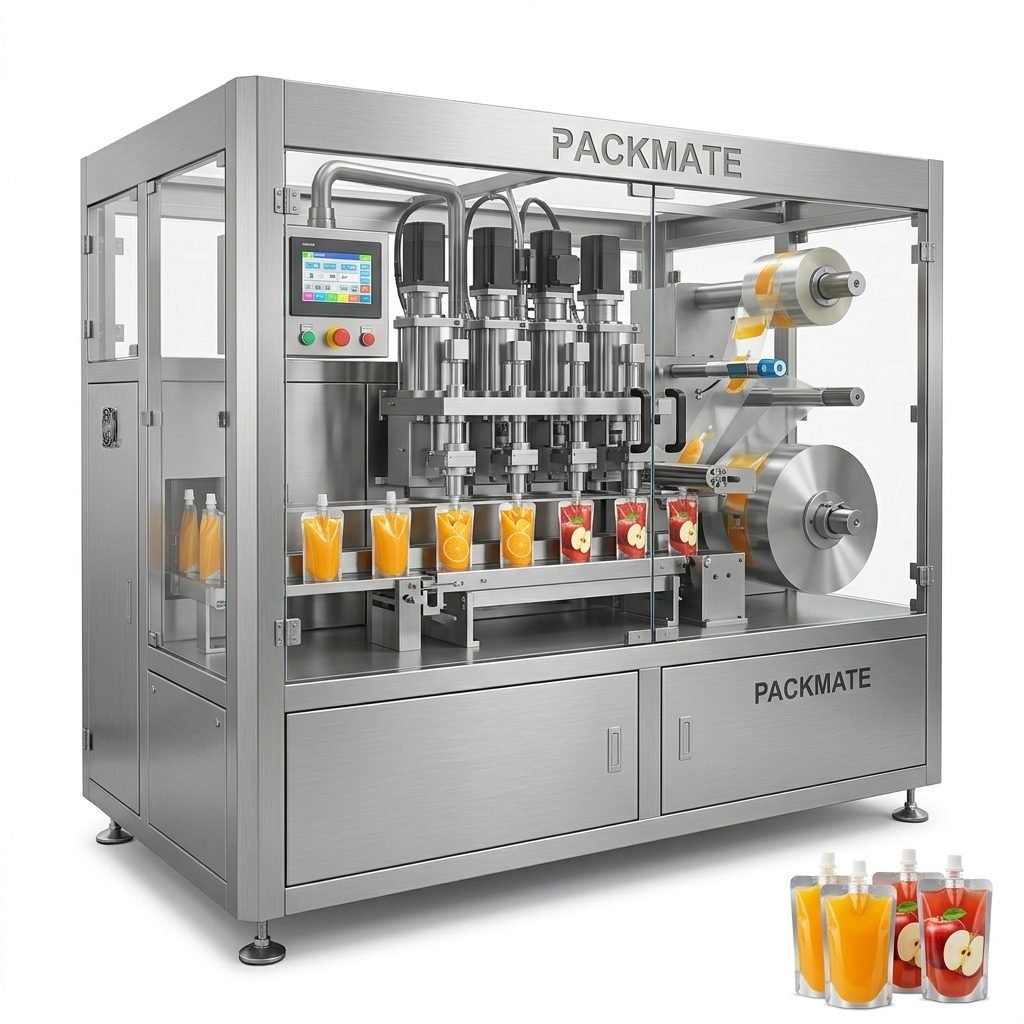
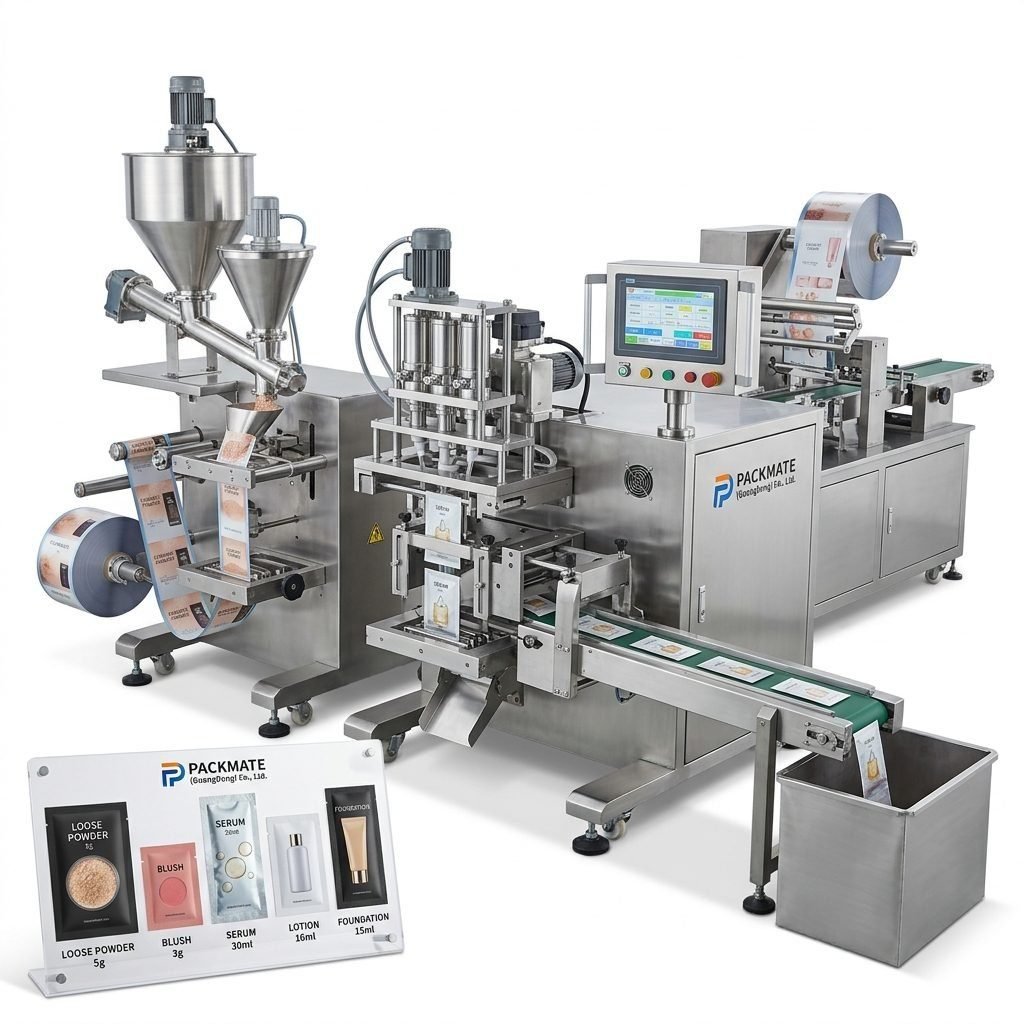
The condom packaging landscape utilizes several machine types, each suited to different production scales, packaging formats, and material requirements.
Vertical Form-Fill-Seal (VFFS) Machines
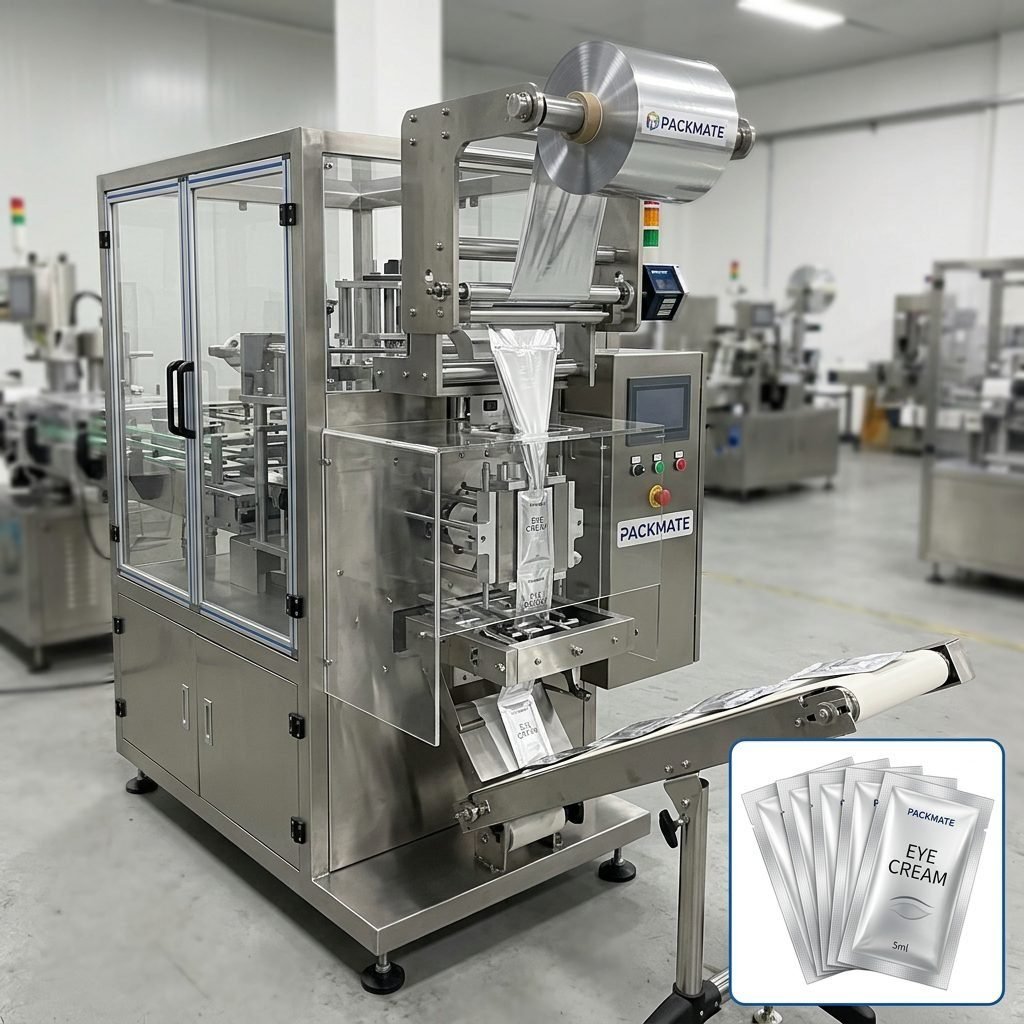
These are the workhorses of high-volume condom packaging. A roll of packaging film (often foil laminate for barrier protection) is formed into a tube, filled with a single condom, and then sealed and cut into individual pouches. VFFS machines offer exceptional speed and efficiency, making them ideal for large-scale production runs of standard pouch formats. They are highly customizable for different pouch sizes and can integrate printing systems for batch codes or branding.
Horizontal Flow Wrappers
Commonly used for packaging condoms already placed in small cartons or blister packs into multi-unit retail boxes. The machine wraps a flat, pre-folded carton around the product and seals the ends. This type is crucial for creating the final retail-ready packaging that consumers see on shelves, ensuring a professional and tamper-evident presentation.
Blister Packaging Machines
These machines create the familiar plastic-and-foil blister packs often used for single condoms. A thermoformed plastic cavity holds the product, and a lidding material (typically foil) is heat-sealed on top. Blister packs provide excellent product visibility and physical protection, and the machines can be configured for various cavity shapes and sizes. They are a popular choice for brands emphasizing premium presentation.
Stick Pack Machines
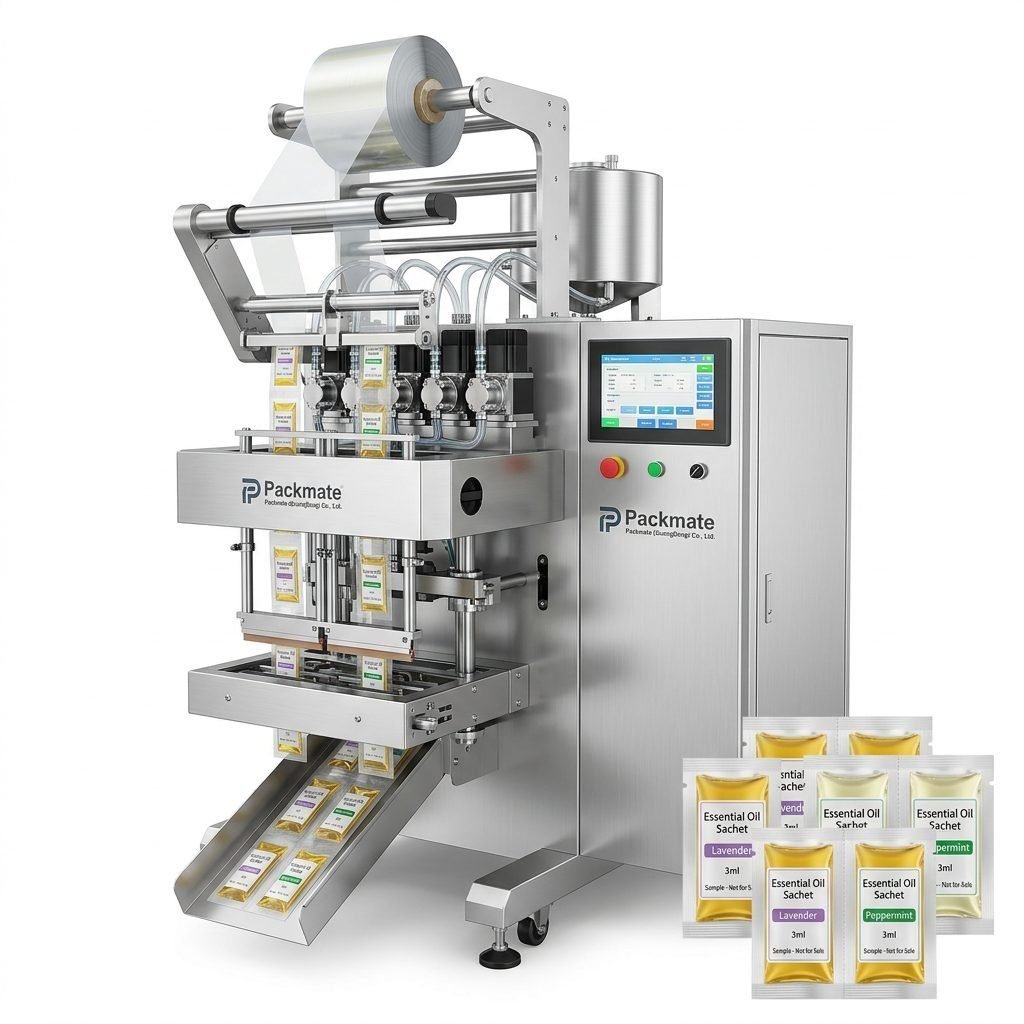
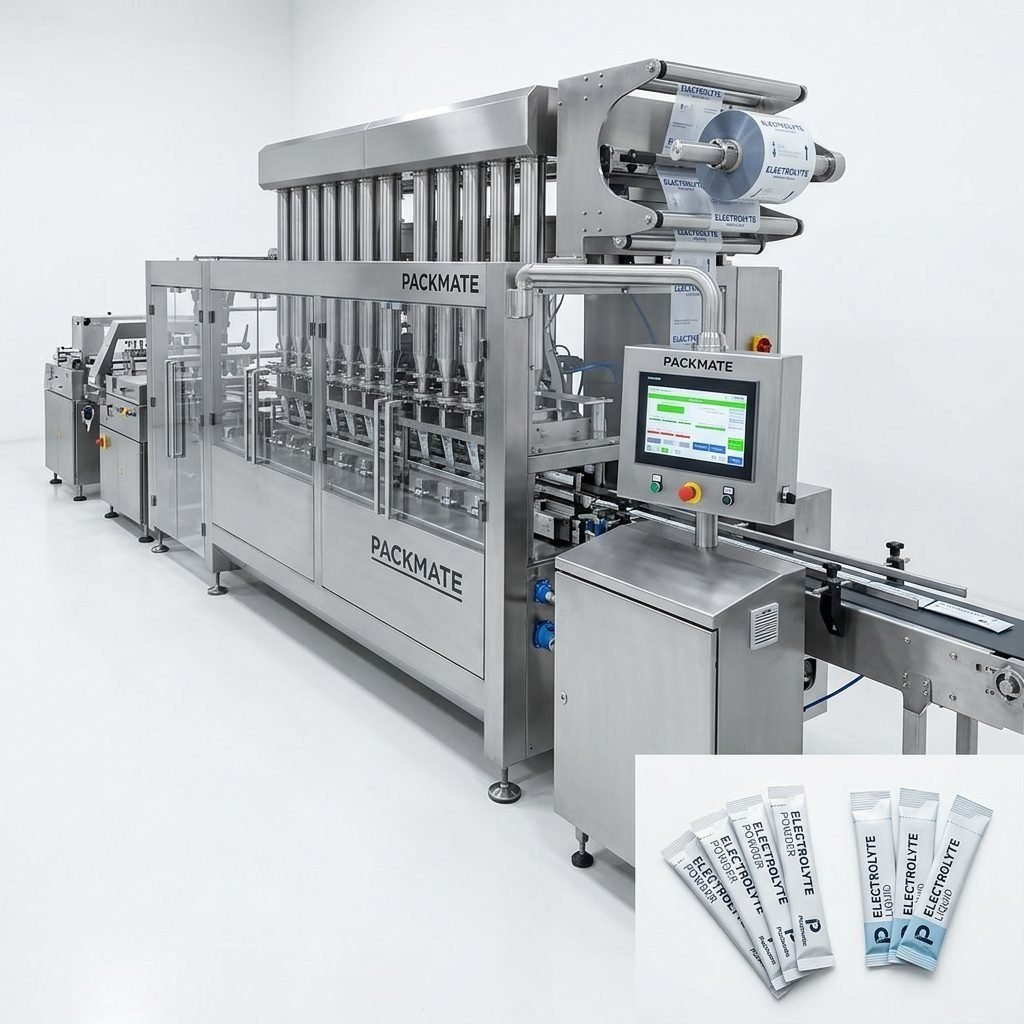
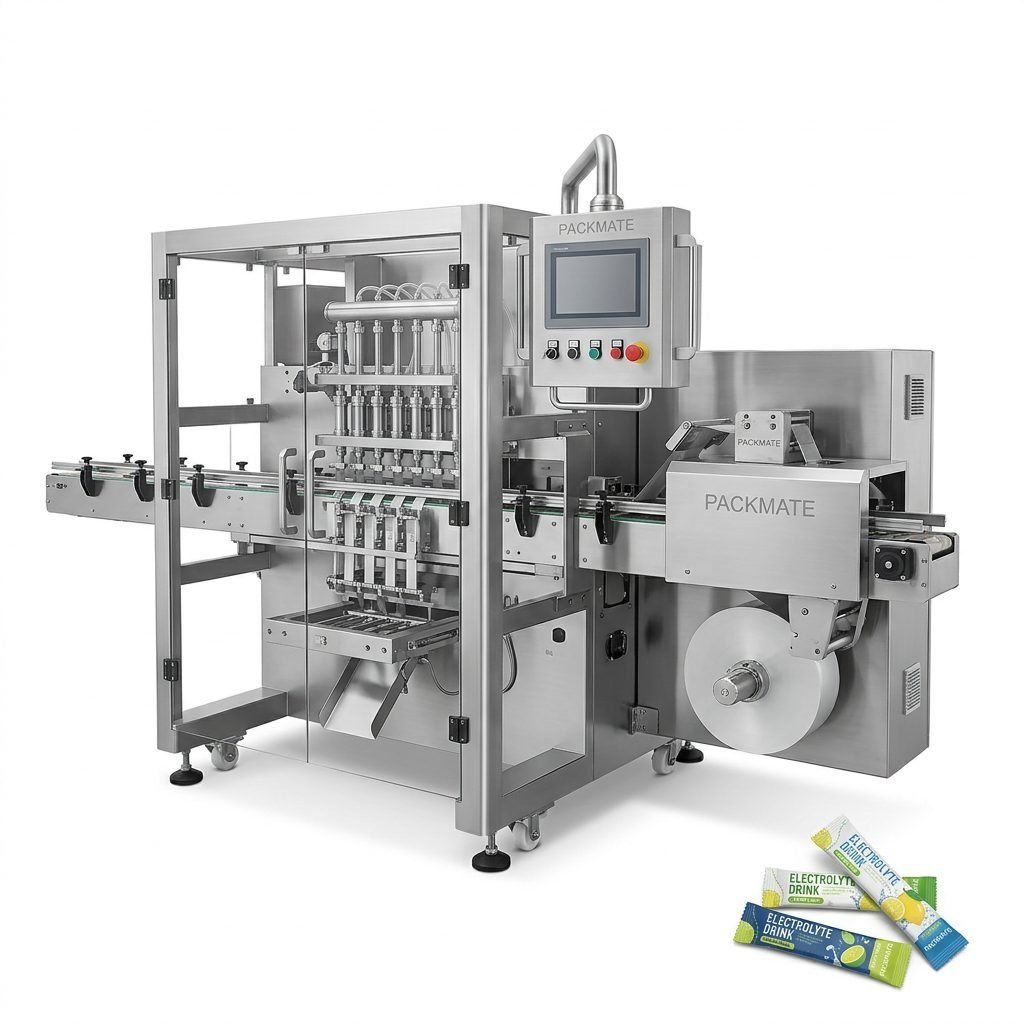
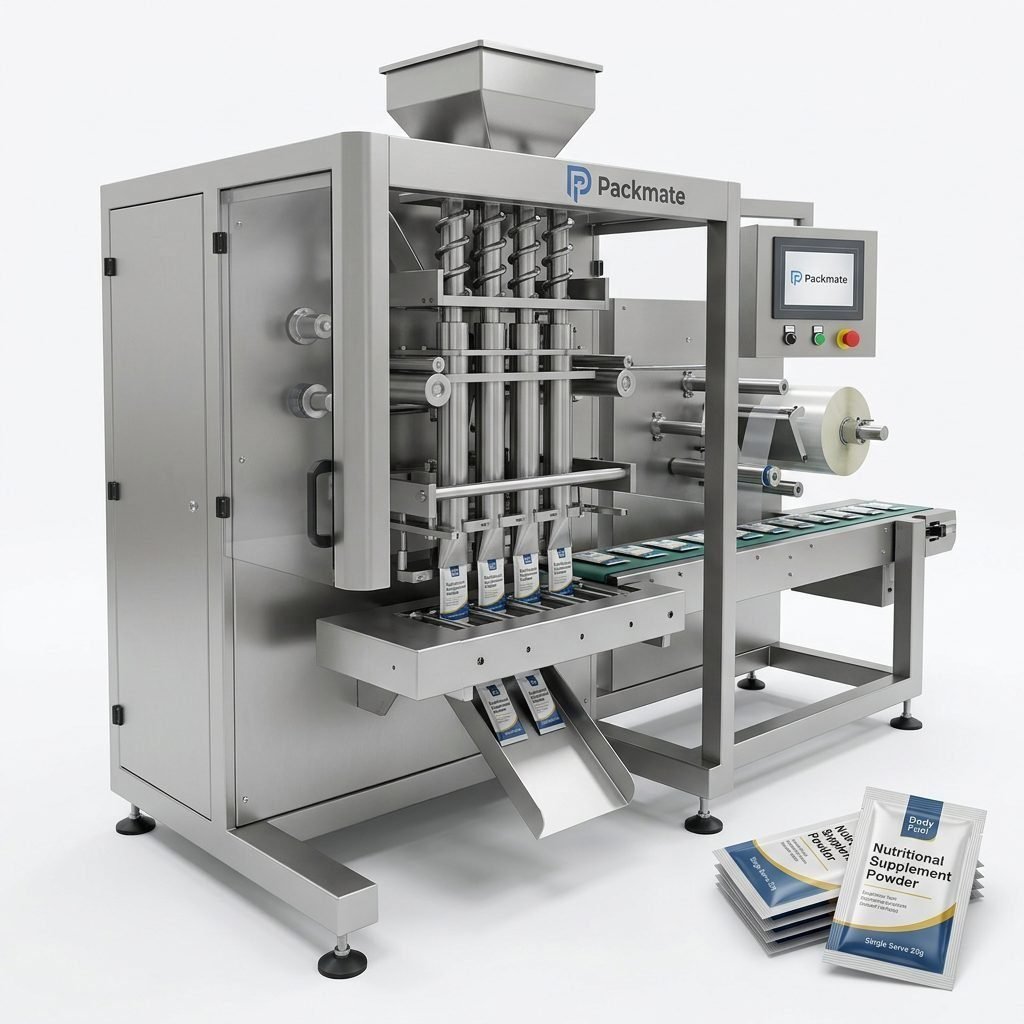
While less common for traditional condoms, stick pack formats are gaining traction for novelty or travel-sized items. Machines like those from Packmate’s sachet and stick pack line form, fill, and seal long, narrow packets. This format can be useful for specific market segments or for packaging complementary items like single-use lubricants alongside condoms.
Key Features & Technological Considerations
Beyond basic type, several features define a machine’s suitability for condom packaging. Prioritizing these ensures reliability, compliance, and quality.
Gentle Product Handling
Condoms are delicate. Machines must have gentle feeding systems, soft-drop mechanisms, and precise placement controls to avoid tearing or damaging the product during the packaging process. Look for systems with adjustable handling speeds and sensitive sensors.
Hygienic Design & Cleanability
Given the product’s intimate nature, machines must be constructed with hygiene as a paramount concern. This includes stainless steel contact surfaces, smooth welds with no crevices, and designs that allow for easy and thorough cleaning and sanitization to meet GMP (Good Manufacturing Practice) standards.
High-Speed Precision
Production throughput is vital. Modern machines utilize servo motors for precise control of film movement, filling, and sealing. High-speed cameras and vision inspection systems can be integrated to automatically reject packages with sealing defects, incorrect labeling, or missing products, ensuring 100% output quality control.
Material Versatility
The machine should handle a range of packaging materials—from standard foil laminates to more sustainable bio-based films—without major changeover downtime. Quick-change tooling for different pouch sizes or formats is a significant efficiency booster.
Data Integration & Traceability
Advanced machines offer connectivity for Industry 4.0. They can log production data (speed, downtime, rejection rates) and print or encode traceable data like QR codes, lot numbers, and expiration dates on each pouch, which is critical for supply chain management and regulatory compliance.
Comprehensive Buying Guide: Selecting Your Machine
Investing in a condom packaging machine is a significant decision. Follow this structured guide to make an informed choice that aligns with your business goals.
Step 1: Assess Your Production Needs
Define Your Output: Calculate your required output in packs per minute (PPM) or per shift. Consider both current needs and projected growth for the next 3-5 years. Determine Packaging Format: Finalize the primary pouch type (e.g., standard foil pouch, blister pack, stick pack) and dimensions. Will you need flexibility for multiple SKUs?
Step 2: Evaluate Machine Specifications
Match the machine’s maximum speed to your output target with a 15-20% buffer. Scrutinize the changeover time between different product sizes; faster changeovers mean less downtime. Ensure the machine’s construction (e.g., 304 or 316 stainless steel) meets hygiene standards and is robust enough for your planned operating hours.
Step 3: Consider the Total Cost of Ownership (TCO)
Look beyond the initial purchase price. Factor in long-term costs like energy consumption, required spare parts, availability and cost of technical support, and the expected lifespan of the machine. A slightly higher upfront investment in a reliable, efficient machine from a reputable supplier like Packmate Machinery often results in a lower TCO.
Step 4: Vet the Manufacturer & Support
The manufacturer’s reputation is crucial. Research their experience in the health and personal care sector. Inquire about their after-sales service structure: Do they offer installation, training, and local technical support? What is the warranty period and spare parts delivery time? A company with a strong track record, such as one with over 30 years of expertise in packaging solutions, provides invaluable peace of mind.
Step 5: Request a Live Demonstration & References
Never buy based on specifications alone. Request a live demonstration using a material similar to yours. Ask for contact information of current clients in similar industries and speak to them about their experience with the machine’s performance, reliability, and the supplier’s support.
Integration and Future-Proofing Your Line
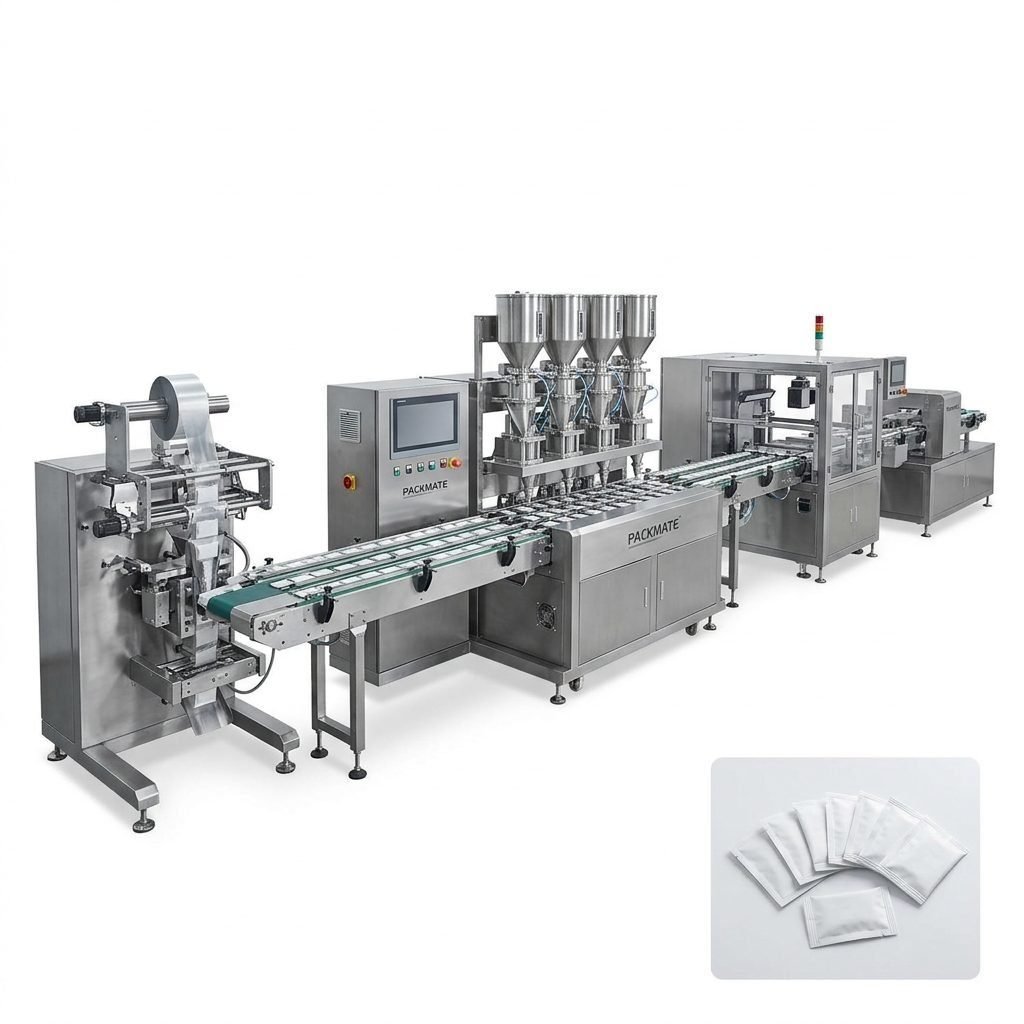
A condom packaging machine rarely operates in isolation. Consider how it will integrate with upstream equipment (like condom feeders or collators) and downstream systems (like cartoners or case packers). Choosing a supplier capable of providing or integrating complete turnkey packaging lines ensures compatibility and smoother project execution. Furthermore, select a machine with a modular design and software-upgradable controls to adapt to future packaging trends or regulatory changes.
Frequently Asked Questions (FAQs)
What is the typical production speed range for a condom VFFS machine?
Speeds vary by machine model and pouch complexity. Entry-level machines may run at 60-120 pouches per minute (PPM), while high-end, multi-lane systems from advanced manufacturers can achieve speeds of 300 PPM or higher for simple formats.
How important is machine certification for condom packaging?
Extremely important. Certifications like CE (for the European market) ensure the machine meets essential health, safety, and environmental protection requirements. For pharmaceutical-grade production, validation support for GMP standards is also a critical consideration.
Can one machine handle different condom sizes and packaging materials?
Yes, most modern machines are designed for flexibility. However, changing product size or material type requires a changeover, which involves swapping parts like forming tubes, sealing jaws, and film unwinders. The key factor to evaluate is the time and complexity of this changeover process.
What are the main maintenance requirements for these machines?
Regular daily cleaning is paramount. Periodic maintenance includes lubricating moving parts (with food-grade lubricants where applicable), checking and replacing worn seals and cutting blades, and calibrating sensors. A proactive maintenance schedule based on the manufacturer’s recommendations is essential to prevent unplanned downtime.
Why should I consider a supplier with industry-specific experience?
A supplier familiar with the health and personal care sector, such as Packmate, understands the unique challenges: stringent hygiene protocols, delicate product handling, and strict regulatory compliance. This expertise translates into better machine design recommendations, more relevant after-sales support, and ultimately, a more reliable and compliant packaging process for your sensitive product.