In the fast-paced world of consumer goods, the final presentation of a product is often as crucial as the product itself. Consumer product packaging machines are the unsung heroes behind this presentation, transforming raw materials into the neatly sealed, branded packages that line store shelves. These machines are vital for ensuring product integrity, enhancing shelf appeal, and optimizing production efficiency. From sachets of ketchup to stick packs of instant coffee, the diversity of packaging formats is matched by the variety of specialized machinery designed to create them. This guide delves into the different types of packaging machines, their key features, and essential considerations for making an informed purchase, ensuring your packaging line is both effective and reliable.
Primary Types of Consumer Product Packaging Machines
The packaging landscape is segmented by the form of the final package and the product type it contains. Understanding these categories is the first step in selecting the right equipment.
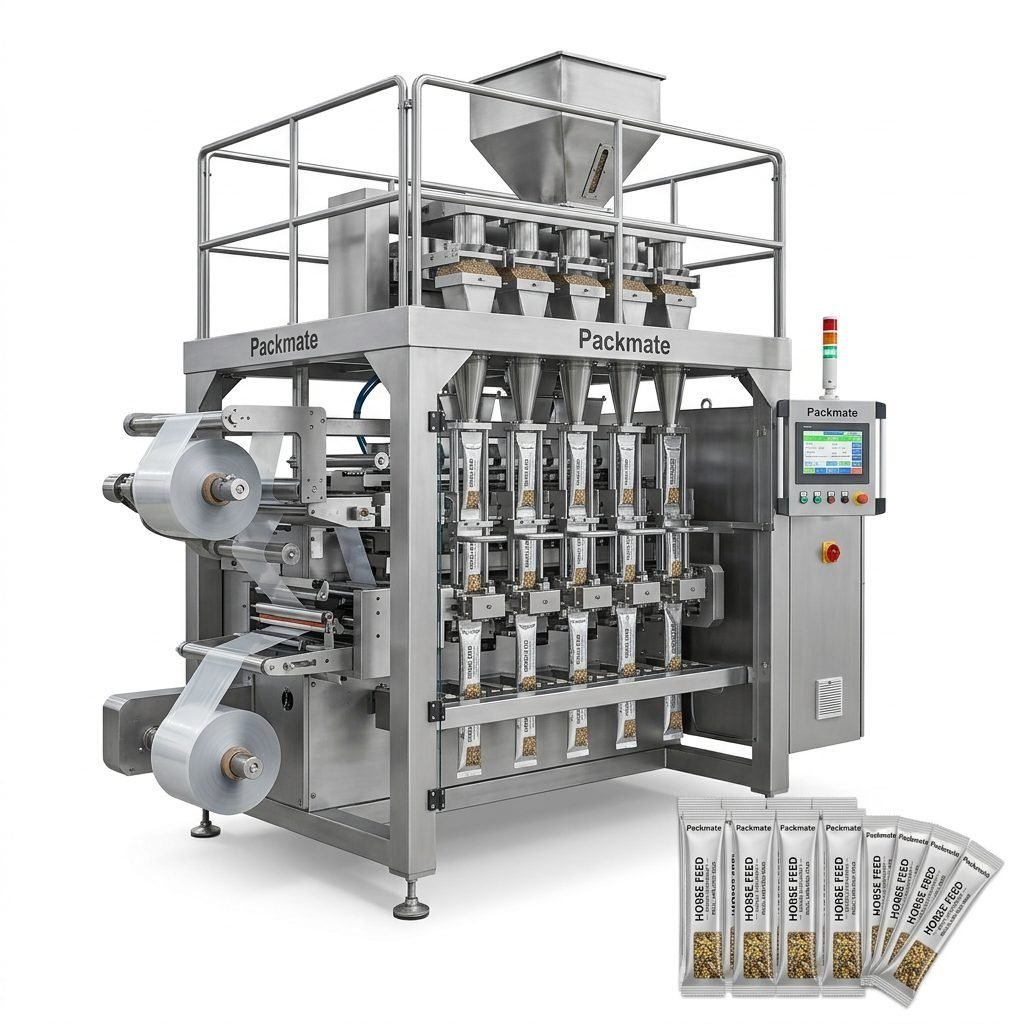
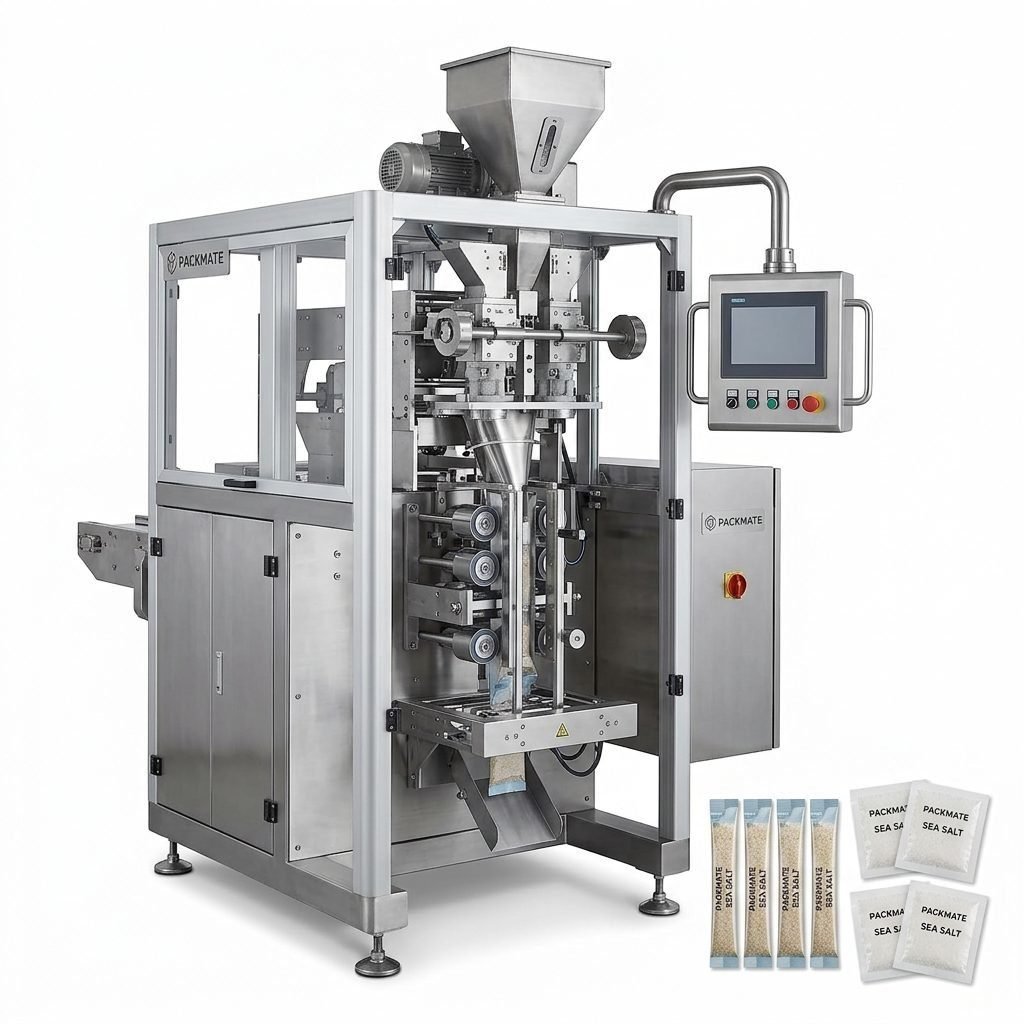
Vertical Form Fill Seal (VFFS) Machines
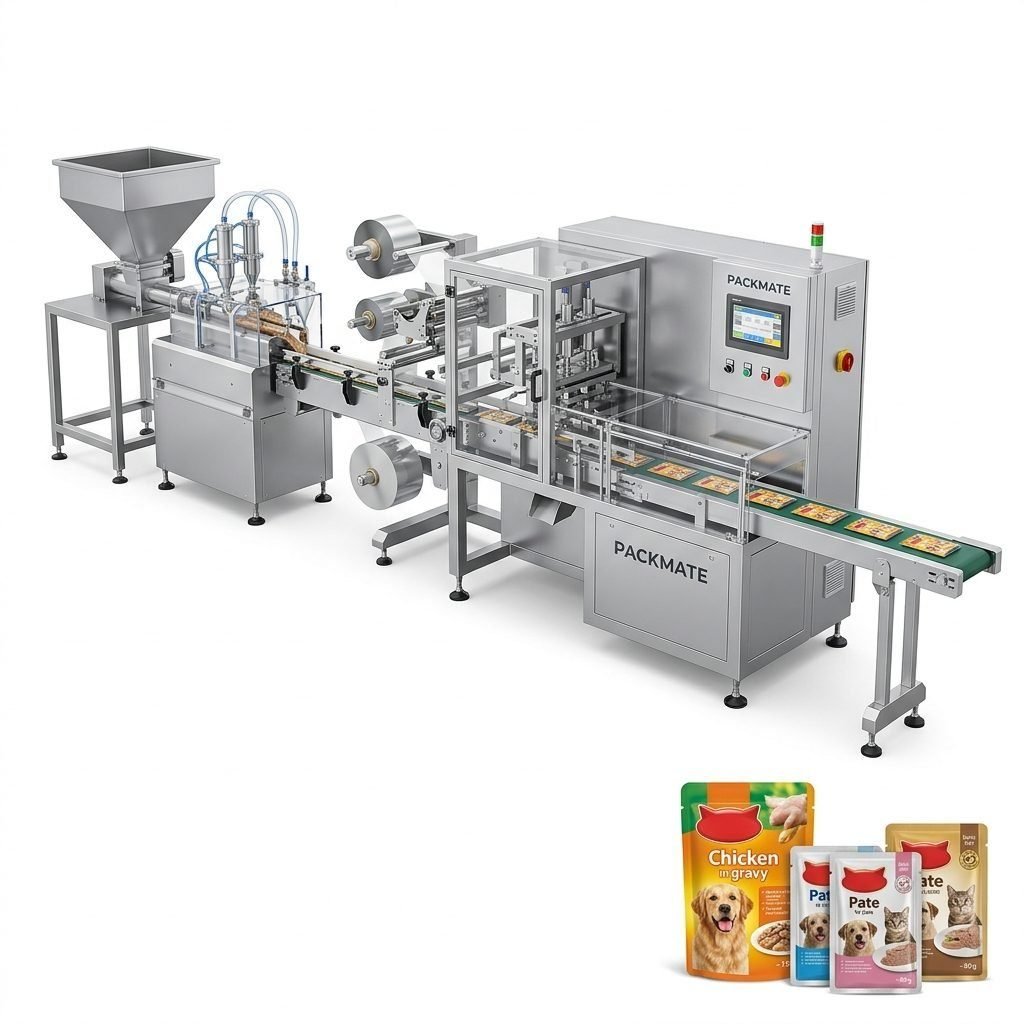
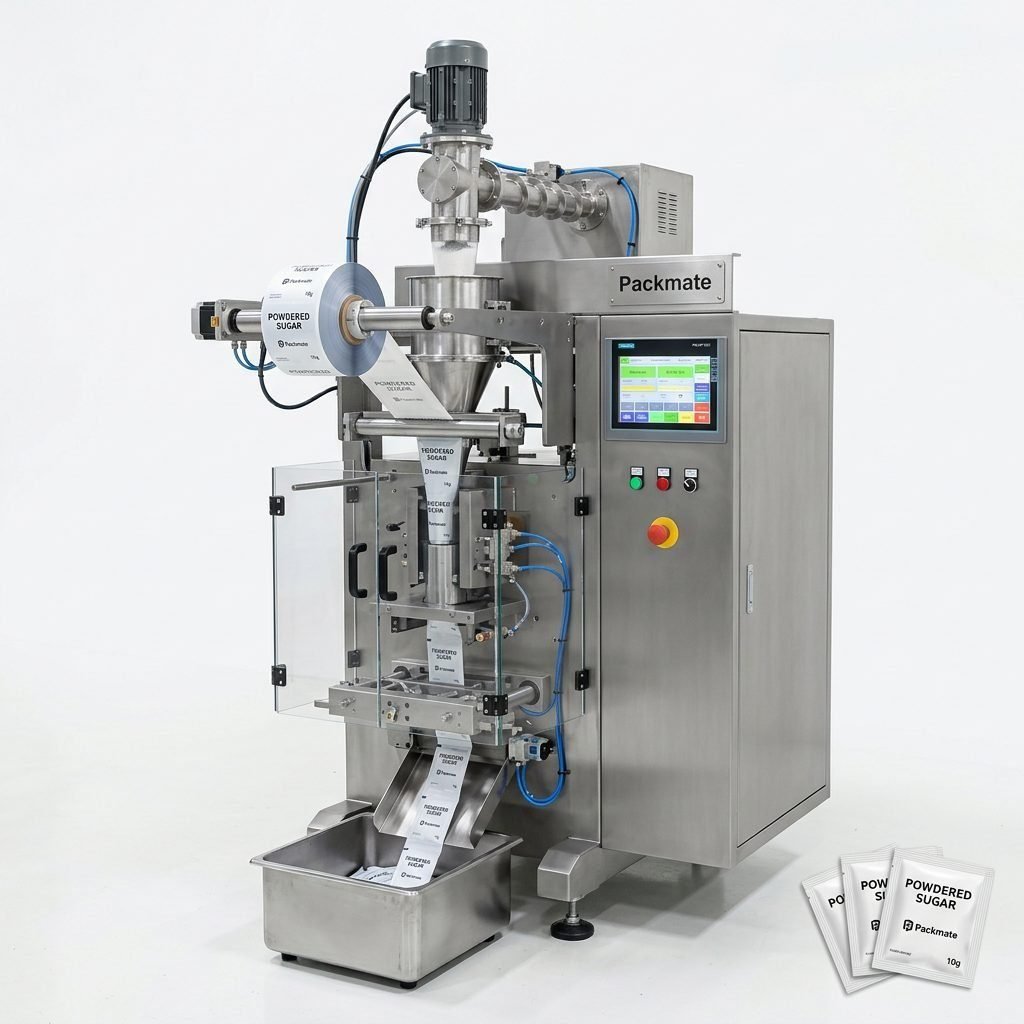
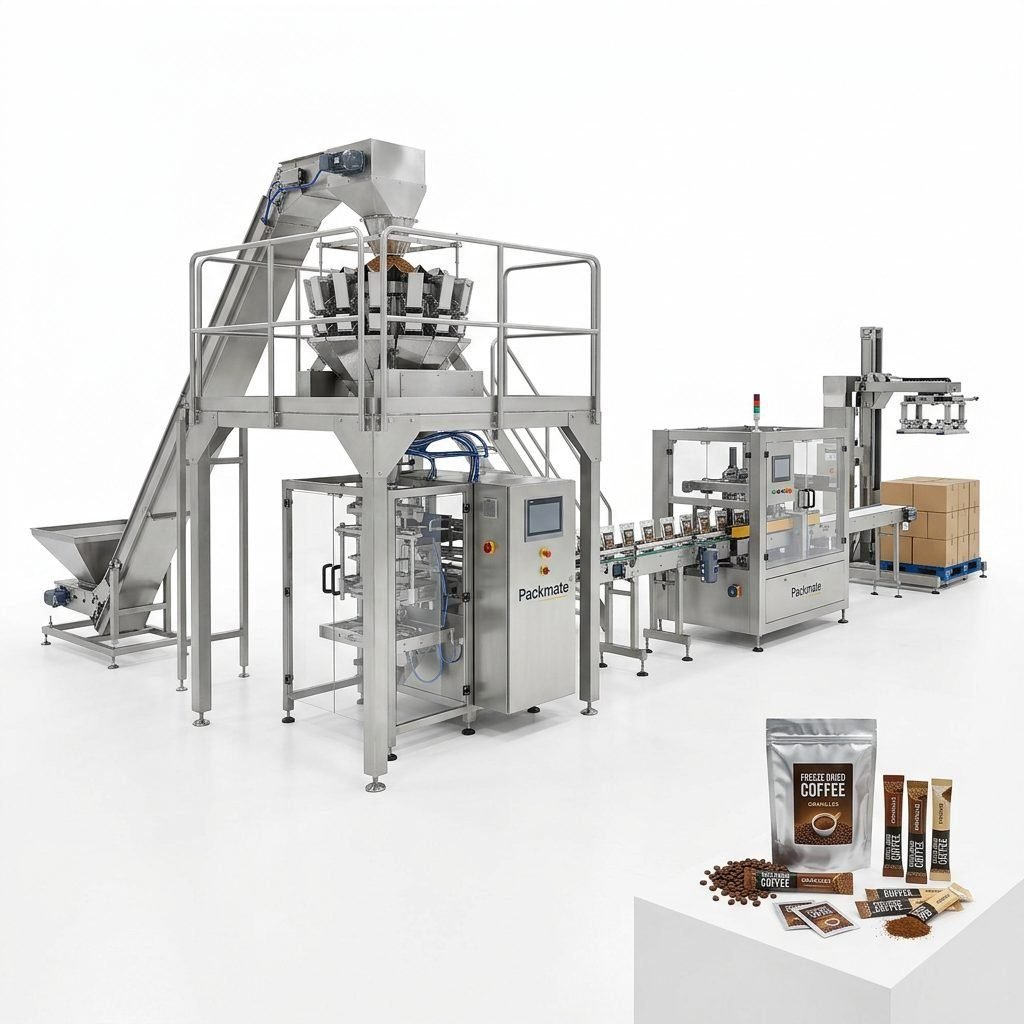
VFFS machines are the workhorses of the packaging industry, particularly for granular, powdered, and liquid products. They form a bag from a roll of film, fill it with a pre-measured amount of product, and then seal it—all in a continuous vertical motion. These machines are highly versatile and can produce a wide range of bag styles, including pillow bags, gusseted bags, and stand-up pouches. Their efficiency and speed make them ideal for high-volume production of items like snacks, pet food, and powdered beverages.
Horizontal Form Fill Seal (HFFS) Machines
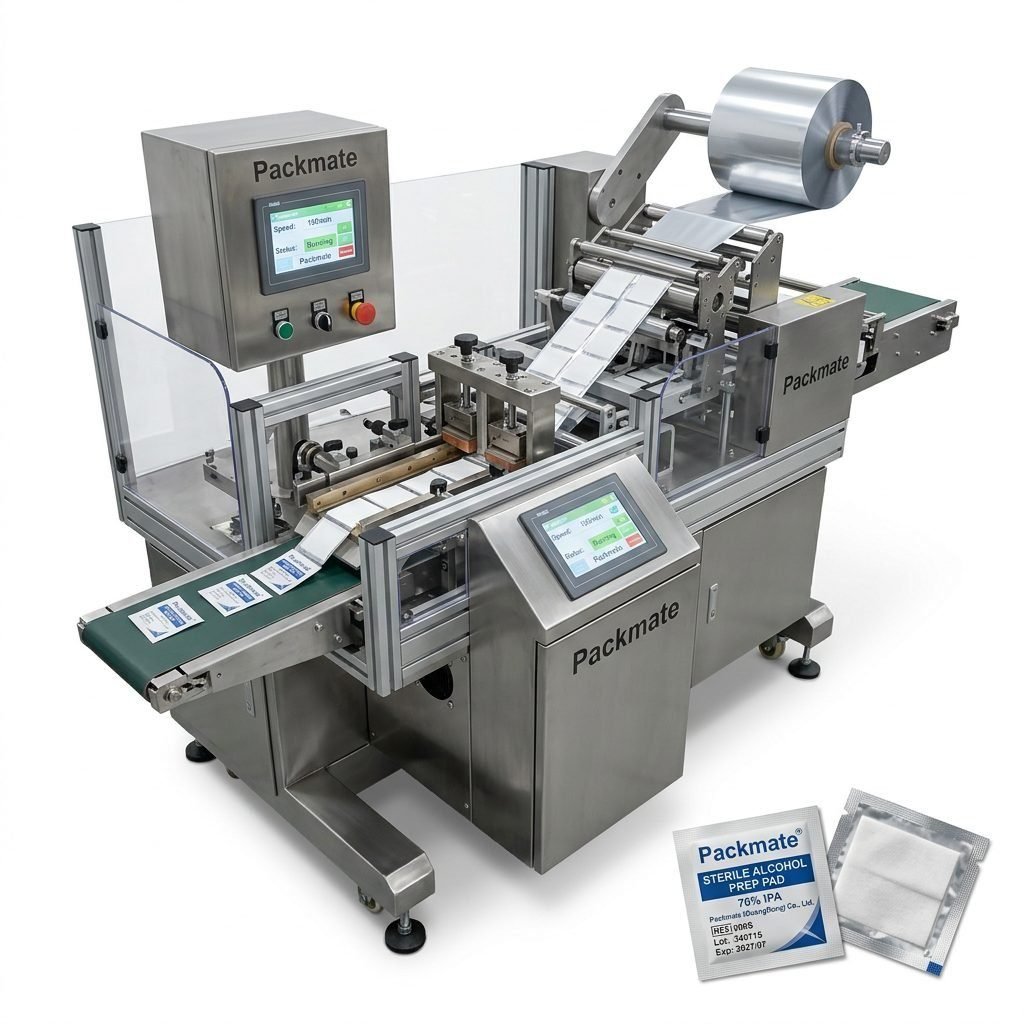
In contrast, HFFS machines operate on a horizontal plane. They are typically used for wrapping solid items or arranging multiple items into a single tray or carton before sealing with a film. This method is common for products like chocolate bars, biscuits, and medical devices. HFFS machines excel at creating attractive, secure packages that offer excellent product visibility and protection.
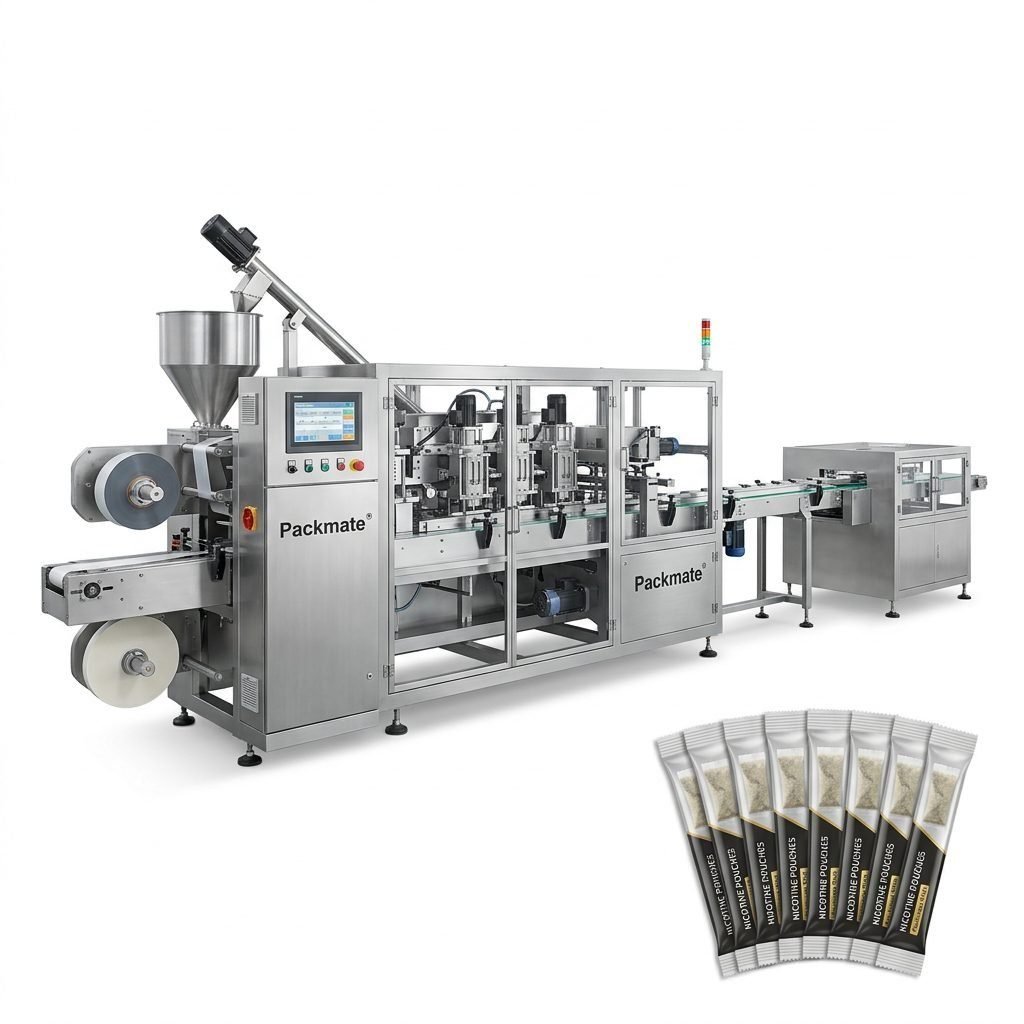
Sachet and Stick Pack Machines
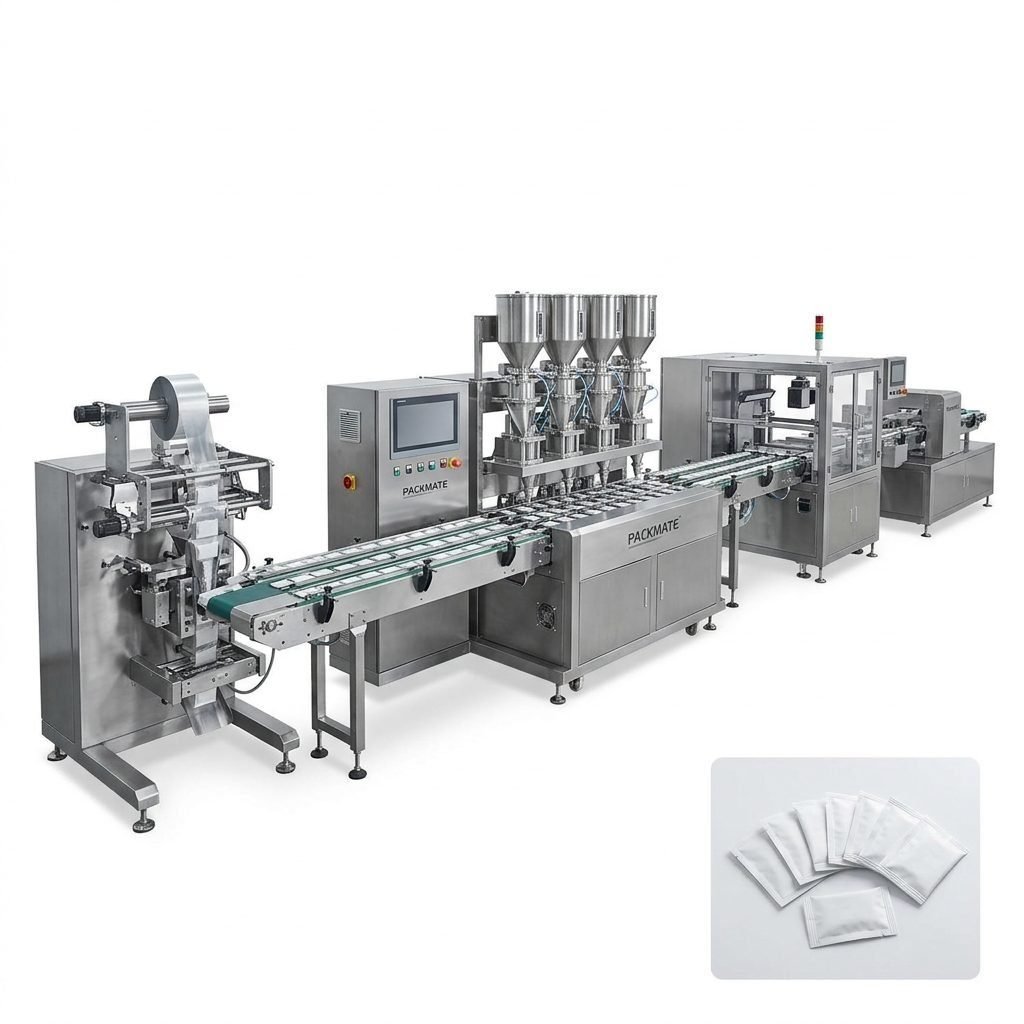
For single-serve or sample-sized portions, sachet and stick pack machines are indispensable. They create small, sealed packets from roll stock film, perfect for condiments, instant drink mixes, pharmaceuticals, and cosmetics. Modern machines, like the advanced multi-lane sachet and stick pack machines offered by industry leaders, can run multiple lanes simultaneously, dramatically increasing output for small-format packaging. This technology is crucial for brands looking to offer convenience and portion control.
Pouch Packaging Machines
Pouch packaging has surged in popularity due to its lightweight nature, reduced material usage, and strong shelf presence. Pouch packaging machines handle pre-made pouches, performing functions like opening, filling, and sealing. They are suitable for a vast array of products, from liquids and pastes to solids and powders. Stand-up pouches, spouted pouches, and zipper pouches all fall under this category, requiring specialized equipment to ensure a perfect, leak-proof seal every time.
Key Distinction: Form-Fill-Seal vs. Pre-Made Pouches
It’s vital to distinguish between Form-Fill-Seal (FFS) machines, which create the package from film roll stock, and Pouch Packaging machines, which use pre-manufactured pouches. FFS machines offer greater material cost efficiency and flexibility in bag size, while pouch machines often provide faster speeds and are ideal for complex pouch structures with built-in spouts or zippers. The choice depends heavily on your packaging design, volume, and budget.
Essential Features and Technological Advancements
Modern packaging machines are far more than simple mechanical sealers. They integrate sophisticated technology to ensure precision, hygiene, and data-driven operation.
Precision Weighing and Filling Systems
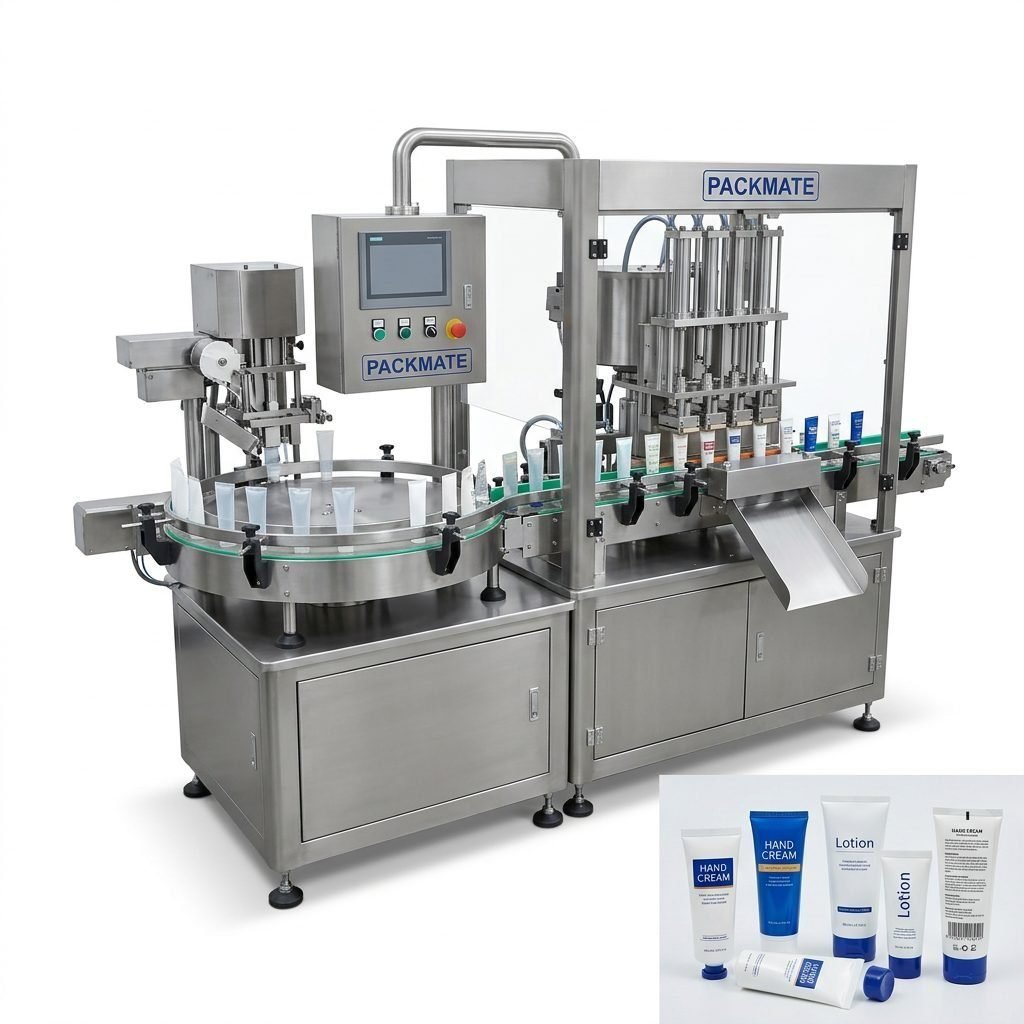
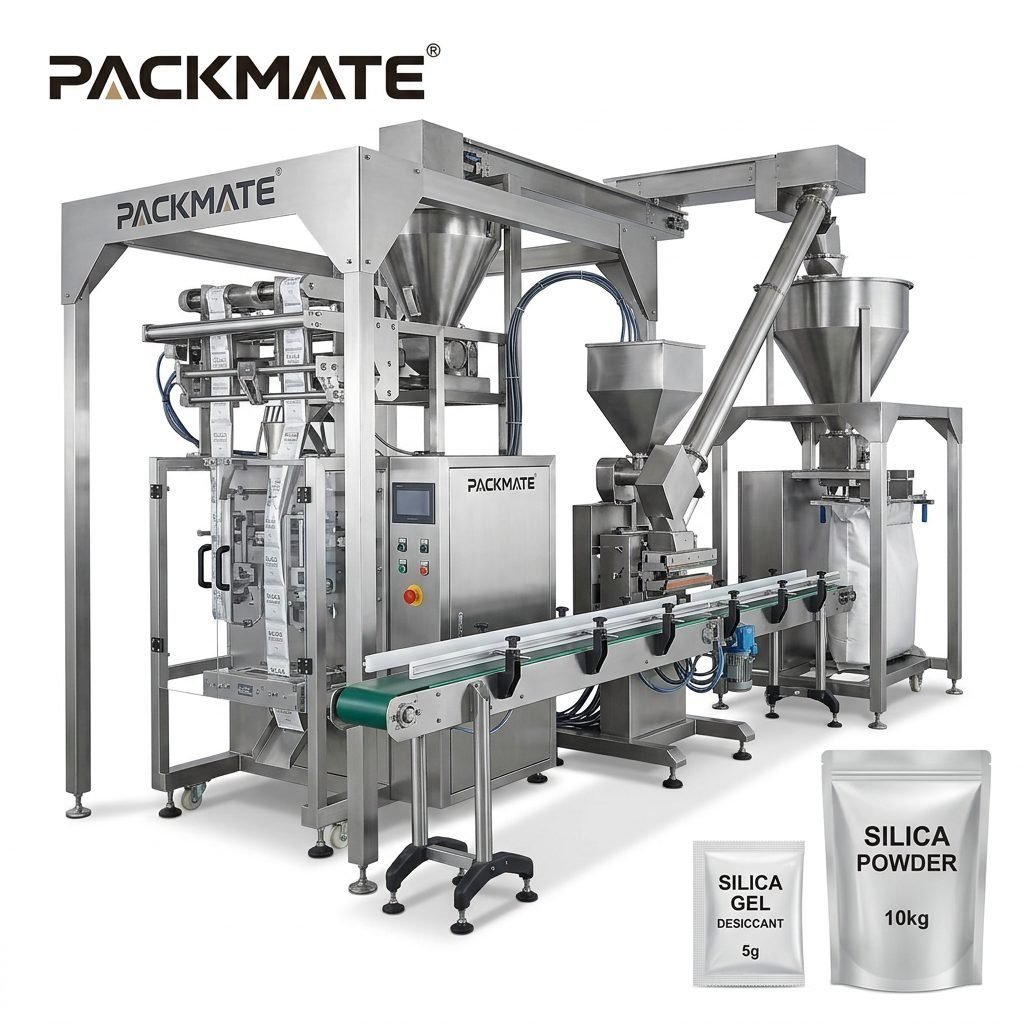
Accurate filling is non-negotiable for compliance and customer satisfaction. Advanced machines incorporate multi-head weighers, auger fillers, liquid piston fillers, or volumetric cup fillers. The choice depends on product characteristics: multi-head weighers are superb for granular snacks, auger fillers for powders, and piston fillers for viscous liquids. Look for systems with high accuracy (±0.5-1% is common for high-end equipment) and quick changeover capabilities for different products.
Intelligent Control Systems
The brain of the machine is its Programmable Logic Controller (PLC) and Human-Machine Interface (HMI). A user-friendly touchscreen HMI allows operators to set parameters, monitor production speed, track output, and diagnose faults. Modern systems offer recipe storage for quick changeovers, production data logging for OEE (Overall Equipment Effectiveness) analysis, and even connectivity for Industry 4.0 integration, enabling remote monitoring and predictive maintenance.
Hygiene and Construction Quality
For food, pharmaceutical, and health products, hygiene is paramount. Machines should feature stainless steel contact parts (often 304 or 316 grade), easy-clean designs with minimal ledges where product can accumulate, and, where necessary, IP-rated protection against moisture and dust. Robust construction with high-quality components from reputable brands (e.g., for drives and sensors) directly correlates with machine longevity and reduced downtime.
Flexibility and Changeover
Market demands change rapidly. A machine that can handle multiple bag sizes, pouch types, or products with minimal tooling changeover and downtime is a valuable asset. Features like quick-release mechanisms, servo-driven adjustments that can be saved as digital recipes, and compatibility with a range of film materials greatly enhance operational flexibility.
Comprehensive Buying Guide: Key Considerations
Investing in packaging machinery is a significant decision. A systematic evaluation based on your specific needs will lead to a successful purchase.
1. Define Your Product and Packaging Specifications
Start with the basics. What are you packaging (powder, granule, liquid)? What is your desired package type (stick pack, stand-up pouch, sachet)? Determine the required production speed (packages per minute), bag/pouch dimensions, and the film or laminate material you plan to use. This information forms the core requirement list for any machinery supplier.
2. Evaluate Production Capacity and Speed
Match the machine’s maximum speed to your current and near-future production volumes. It’s often wise to choose a machine with a 15-20% higher capacity than your immediate need to accommodate growth. Remember, theoretical maximum speed and sustainable operational speed can differ, so ask for real-world case studies or references.
3. Assess Total Cost of Ownership (TCO)
Look beyond the initial purchase price. Consider the cost of spare parts, expected energy consumption, required maintenance, and the machine’s expected lifespan. A slightly more expensive machine from a reputable manufacturer like Packmate Machinery, known for reliability and comprehensive service support, often results in a lower TCO due to fewer breakdowns and higher productivity over time.
4. Prioritize After-Sales Service and Support
The relationship with your supplier begins after installation. Inquire about the warranty period, availability of spare parts, technical support (remote and on-site), and operator training programs. A supplier with a strong global service network, such as one that provides dedicated packaging machine services, is crucial for minimizing downtime, especially for international buyers.
5. Request a Live Demo or Factory Test
Never buy based on specifications alone. If possible, visit the manufacturer’s facility to see the machine in operation. Better yet, arrange a factory acceptance test (FAT) using your own product and packaging materials. This is the only way to verify performance, speed, and seal quality under conditions that match your production line.
The Role of a Trusted Manufacturer
Choosing a manufacturer with a proven track record is perhaps the most critical factor. A company like Packmate (GuangDong) Co., Ltd., with over 30 years of expertise, embodies the stability and innovation needed in this field. Operating from a modern 20,000㎡ facility, they have evolved from a specialized workshop in 1993 to a provider of over 50 machine models and complete turnkey packaging solutions. Their journey from designing small sachet machines to developing sophisticated multi-lane systems demonstrates a deep understanding of market evolution and a commitment to quality and reliability—key attributes that translate directly into a lower-risk investment for the buyer.
Conclusion
Selecting the right consumer product packaging machine is a strategic decision that impacts product quality, brand perception, and operational profitability. By thoroughly understanding the different machine types—from VFFS and HFFS to specialized sachet and pouch systems—and critically evaluating features like precision filling, intelligent controls, and hygiene design, businesses can make an informed choice. The buying process should be grounded in a clear assessment of product needs, production capacity, total cost of ownership, and, most importantly, the reliability and support of the manufacturer. Partnering with an experienced and innovative supplier ensures not just a machine, but a long-term solution that drives packaging efficiency and success.
Frequently Asked Questions (FAQs)
What is the main difference between a sachet machine and a stick pack machine?
The primary difference lies in the shape and typical application of the final package. Sachet machines generally produce rectangular or square packets, often used for sauces, shampoo samples, or wet wipes. Stick pack machines create long, narrow tubes, ideal for free-flowing powders like instant coffee, sugar, or protein supplements. However, many modern machines are highly versatile and can be configured to produce both formats with appropriate tooling changes.
How do I determine the right production speed for my needs?
Calculate your required output based on daily/weekly production targets, factoring in standard line efficiency (typically 80-85%). For example, if you need 100,000 packs per 8-hour shift, you require a machine capable of approximately 208 packs per minute (100,000 / (8 hours * 60 minutes * 0.85 efficiency)). Always choose a machine with a maximum speed 15-25% higher than this calculated figure to allow for peak demand and future growth.
Can one machine handle different types of products?
Yes, many machines offer flexibility, but with limitations. A machine designed for fine powders may struggle with large granules without modification. The key is “quick changeover” capability. Machines with servo motors and digital recipe storage can switch between similar products (e.g., different flavors of the same powder) in minutes. Switching between vastly different product types (e.g., powder to liquid) usually requires significant component changes, such as swapping an auger filler for a piston pump.
What are the most important maintenance routines for packaging machines?
Daily: Clean all product contact surfaces and the sealing jaws. Check for film debris. Weekly: Lubricate moving parts as per the manual (using food-grade lubricant if applicable). Inspect wear parts like sealing jaws, cutting blades, and filler parts. Monthly/Quarterly: Conduct a more thorough inspection of drives, belts, and sensors. Calibrate the weighing system if applicable. Always follow the manufacturer’s specific maintenance schedule.
Why is supplier reputation more important than a lower initial price?
Packaging machines are long-term investments. A reputable supplier ensures: 1) Higher machine quality and reliability, reducing costly unplanned downtime. 2) Access to genuine spare parts to maintain performance. 3) Expert technical support to resolve issues quickly. 4) Comprehensive training for your operators. A cheaper machine from an unknown source often leads to higher total costs through frequent repairs, production losses, and a shorter operational lifespan.