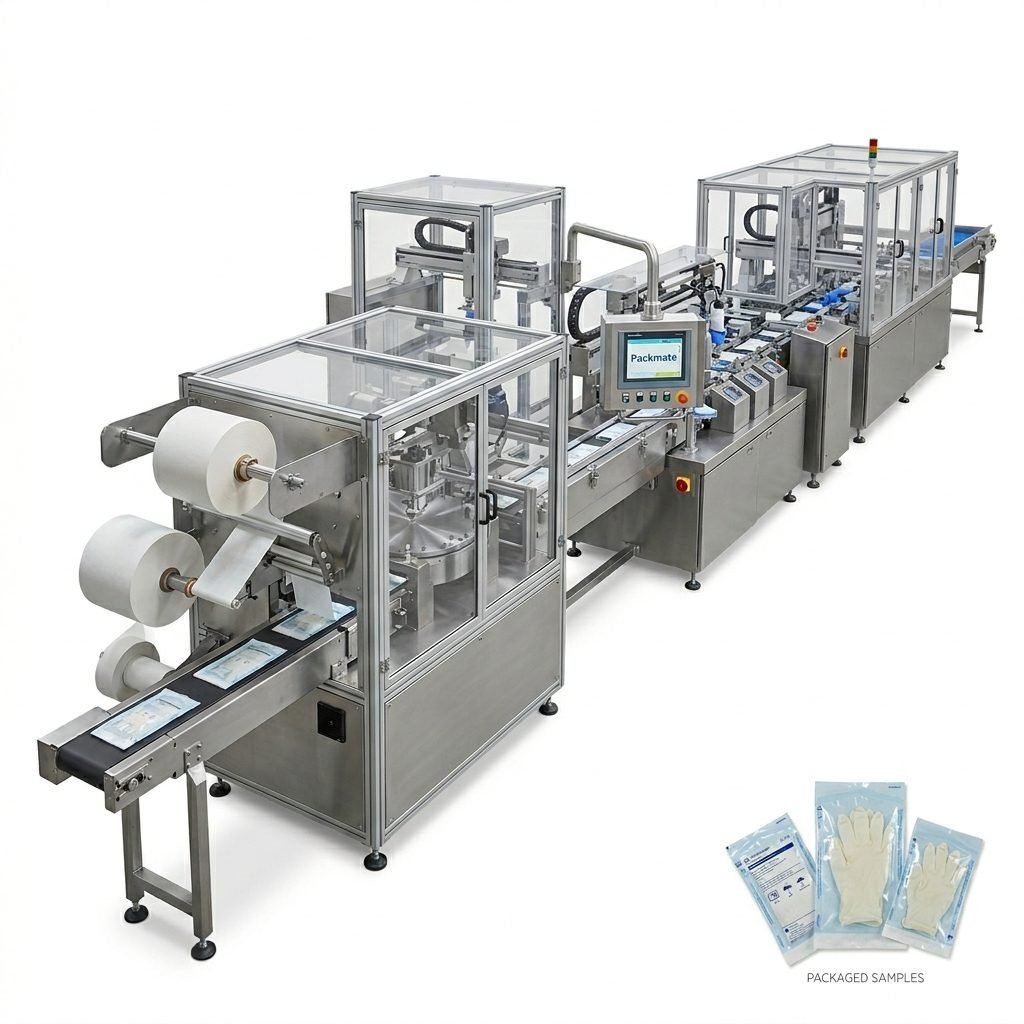
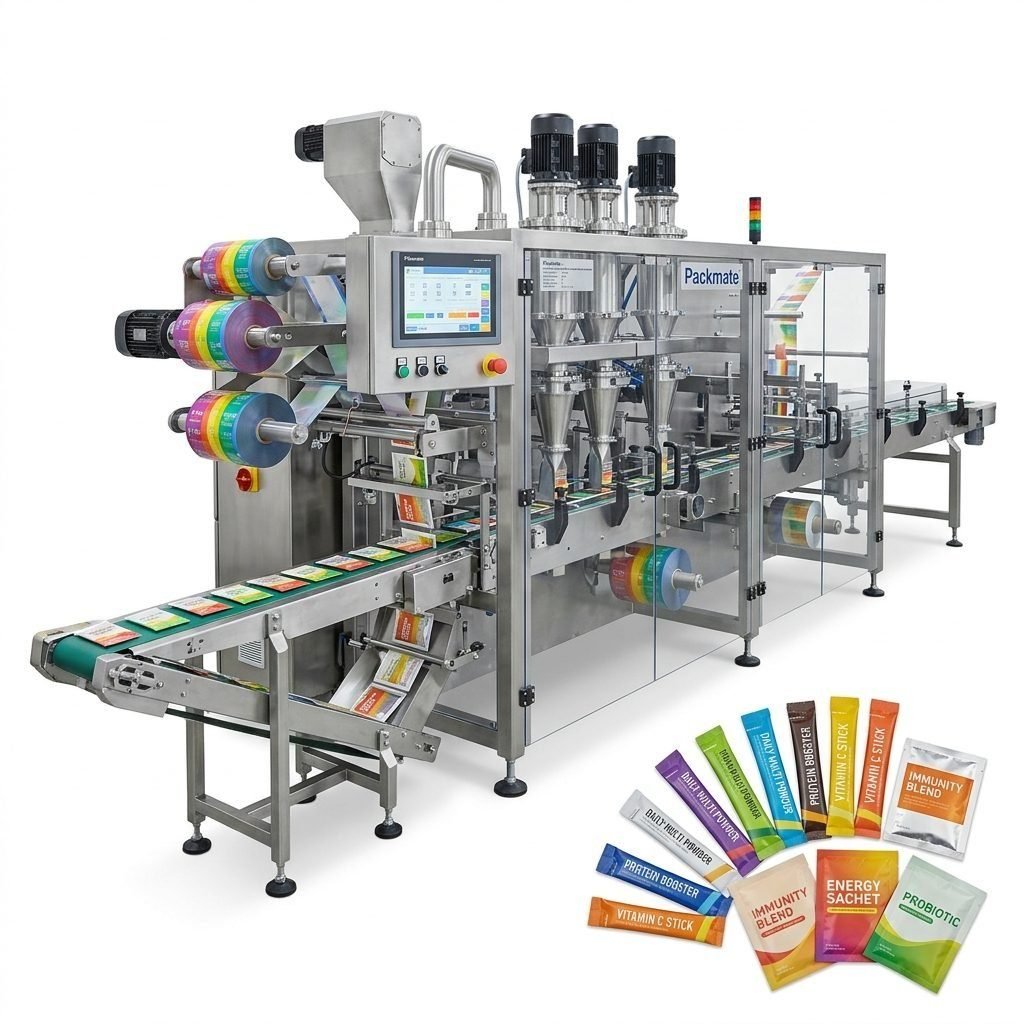
In today’s fast-paced food industry, efficiency, hygiene, and presentation are paramount. Cooked food packaging machines are the unsung heroes that bridge the gap between kitchen preparation and consumer enjoyment. These sophisticated systems ensure that prepared meals, from gourmet restaurant takeaway to large-scale catering and ready-to-eat supermarket lines, are sealed with freshness, safety, and appeal. This guide delves into the world of cooked food packaging machinery, exploring the various types, their specific applications, and the undeniable benefits they bring to businesses of all sizes.
Understanding Cooked Food Packaging Machines
At their core, cooked food packaging machines are automated systems designed to portion, fill, and seal cooked food items into various types of packaging. Unlike primary packaging for raw ingredients, these machines handle delicate, often temperature-sensitive products that require careful handling to maintain texture, flavor, and most importantly, food safety. The process typically involves placing the cooked food into a pre-formed pouch, tray, or container and then hermetically sealing it to create a protective barrier against contaminants, moisture, and oxygen.
The primary goal is to extend shelf life while preserving quality. This is achieved through various sealing methods, including heat sealing for plastic films, vacuum sealing to remove air, or modified atmosphere packaging (MAP), which replaces the air inside the package with a gas mixture like nitrogen or carbon dioxide to drastically slow down spoilage.
Key Types of Cooked Food Packaging Equipment
The right machine depends entirely on your product format, production volume, and packaging material. Here’s a breakdown of the main categories:
1. Vertical Form-Fill-Seal (VFFS) Machines
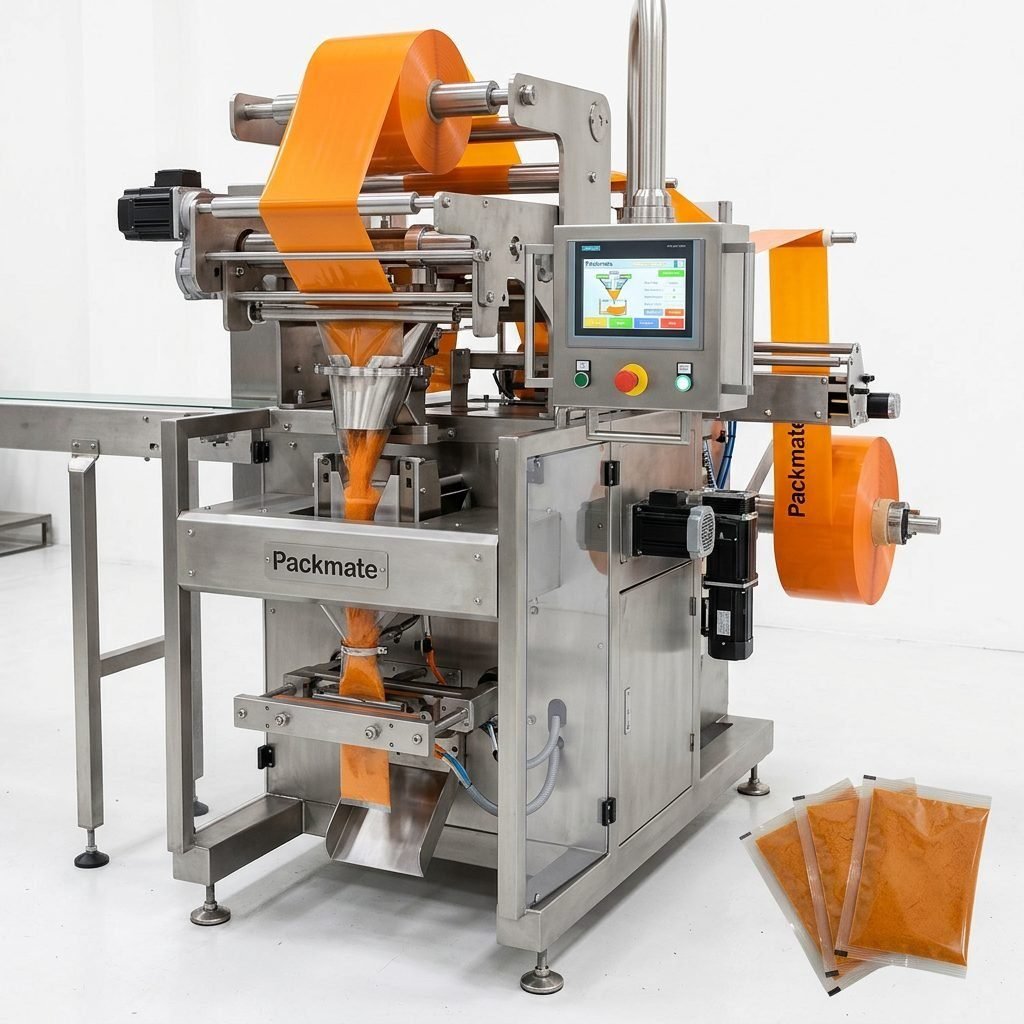
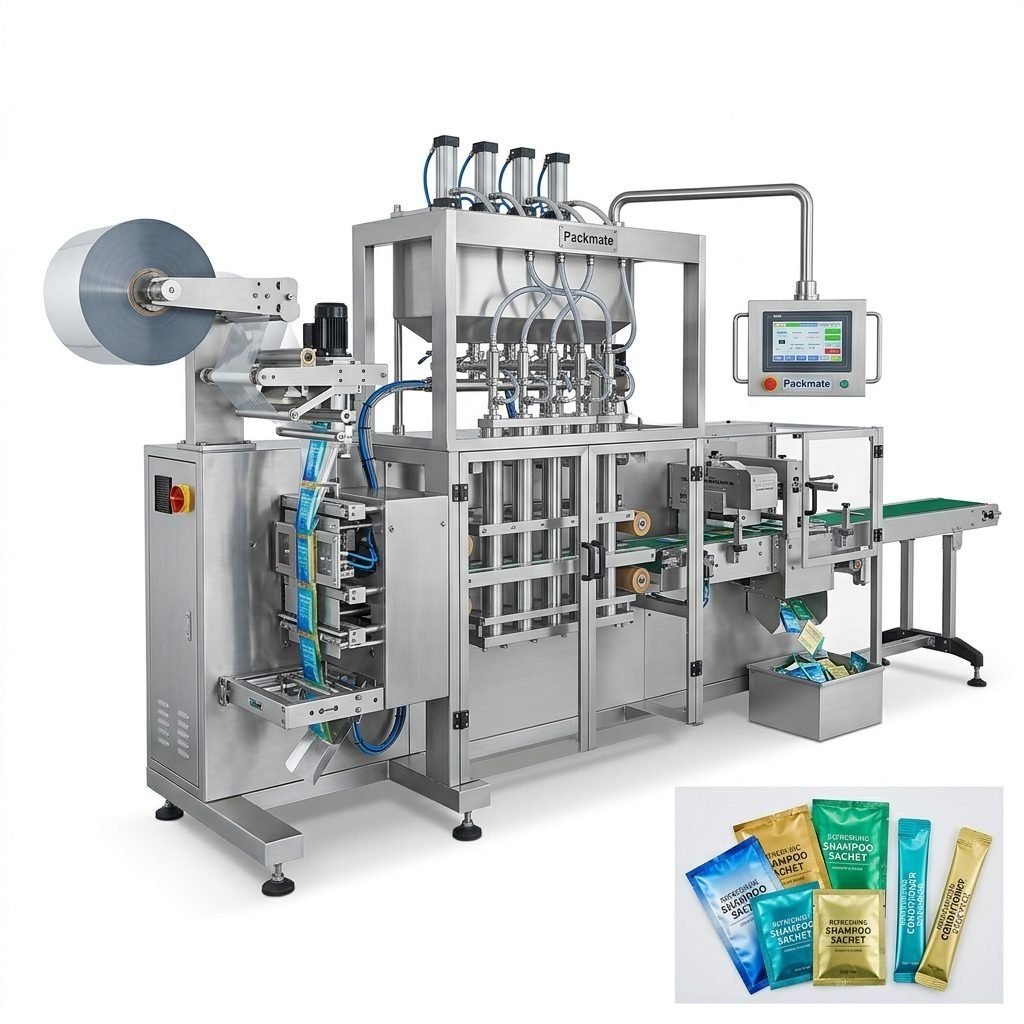
These are among the most versatile and common machines in food packaging. A VFFS machine forms a bag from a roll of flat packaging film, fills it with the cooked product (like rice, pasta, chopped vegetables, or stews), and then seals it. They are ideal for granular, powdered, or liquid-based cooked foods and offer high-speed operation. For businesses looking into efficient bag and pouch packaging solutions, VFFS technology is often the cornerstone.
2. Thermoforming Packaging Machines
This type is perfect for presenting cooked meals in a tray format, commonly seen with ready meals. The machine heats a roll of plastic film and forms it into cavities (trays). The cooked food is placed into these trays, a top film is applied, and the package is sealed. This method is excellent for portion-controlled meals, curries, lasagnas, or any product that benefits from a rigid container. It often integrates seamlessly with complete filling and packaging lines.
3. Tray Sealing Machines
Similar to thermoforming but starting with pre-made trays. Cooked food is manually or automatically loaded into pre-formed plastic, aluminum, or compostable trays. The machine then applies a lidding film and hermetically seals it. This is highly flexible for small to medium batch production and is widely used for fresh salads, cooked meats, and gourmet takeaway dishes.
4. Vacuum and Modified Atmosphere Packaging (MAP) Machines
These are not always standalone machines but are critical sealing technologies integrated into other systems. Vacuum sealers remove air from the package before sealing, ideal for preventing freezer burn on cooked foods. MAP machines flush the package with a protective gas mix. This technology is crucial for greatly extending the chilled shelf life of cooked meats, prepared salads, and pasta dishes without using preservatives.
5. Liquid & Sauce Filling Machines
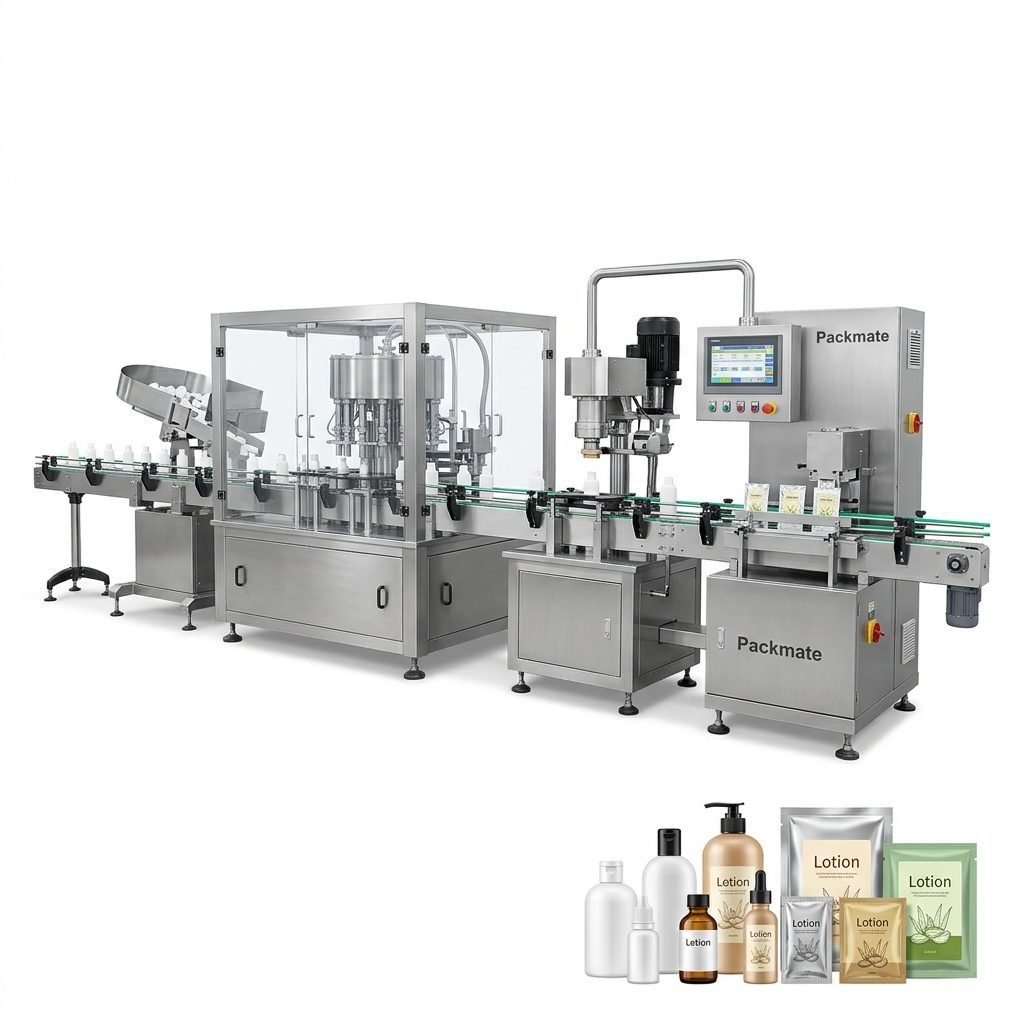
Many cooked food offerings include sauces, gravies, or soups. Dedicated liquid filling machines ensure precise, hygienic, and drip-free filling of these components into cups, pouches, or bottles. Accuracy is key here to maintain consistent product weight and cost control. These fillers are often part of a larger weighing and packaging system.
Primary Uses and Applications Across the Food Sector
Cooked food packaging machines serve a diverse range of segments within the food industry:
Ready-to-Eat (RTE) & Meal Kit Manufacturers: These companies rely heavily on high-speed, hygienic packaging lines to deliver fresh, convenient meals. Portion control and attractive sealing are critical for consumer appeal.
Large-Scale Catering & Central Kitchens: For hospitals, schools, and airlines, packaging machines enable efficient bulk preparation and portioning of hot or cold foods, ensuring consistency and safety during transport.
Gourmet Takeaway & Restaurant Brands: Upscale restaurants offering premium takeaway or delivery services use tray sealers or MAP technology to ensure their culinary creations arrive in perfect condition, maintaining the brand’s high standards.
Food Service and Wholesale: Packaging bulk-cooked ingredients like taco fillings, shredded meats, or pre-cooked vegetables for sale to other food businesses requires durable, sealed packaging that these machines provide.
The Multifaceted Benefits of Automation
Investing in a cooked food packaging machine yields significant returns beyond just putting food in a bag.
Enhanced Food Safety & Extended Shelf Life: Automated, hermetic sealing drastically reduces the risk of contamination from human handling. Technologies like MAP can multiply the shelf life of chilled products, reducing waste and expanding distribution reach.
Dramatically Improved Operational Efficiency: Machines package at speeds no manual line can match, increasing output and reducing labor costs. This allows staff to be redeployed to more skilled tasks like food preparation and quality control.
Consistent Quality & Portion Control: Every package is identical in weight and seal integrity. This eliminates giveaway (overfilling), ensures compliance with labeling laws, and builds consumer trust through consistent product delivery.
Professional Presentation & Brand Enhancement: A clean, tight seal and professional package appearance elevate a product’s perceived value. It communicates quality and care, which is essential in competitive markets like gourmet takeaway or premium meal kits.
Reduced Material Waste & Cost Savings: Precise sealing and portioning minimize packaging material waste. Over time, the savings on labor, reduced food spoilage, and optimized material use contribute to a strong return on investment.
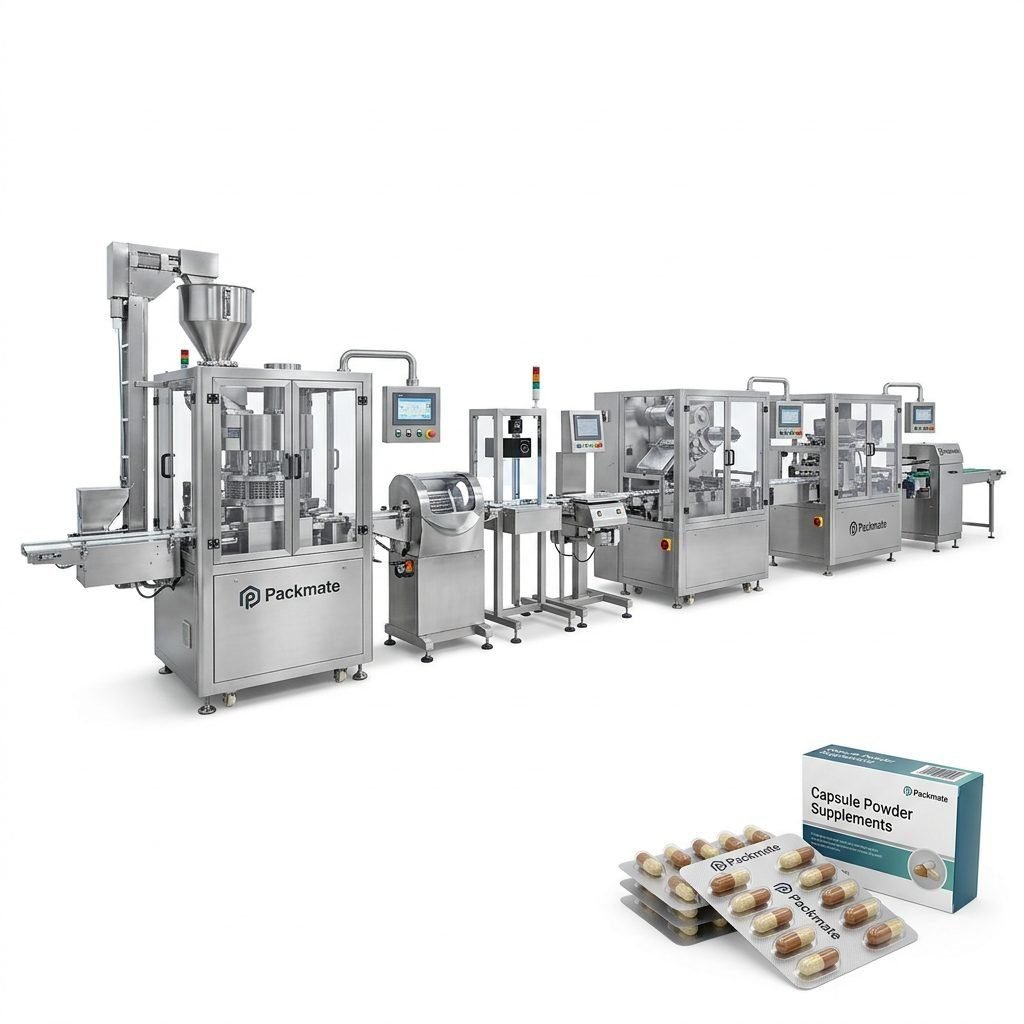
Choosing the right partner for your packaging machinery is as important as selecting the machine type. A manufacturer with deep industry experience, like Packmate Machinery, brings invaluable expertise. With over 30 years in designing intelligent packaging solutions, they understand the nuanced requirements of packaging cooked foods—from handling heat and moisture to ensuring seal integrity with oily or saucy products. Their range of equipment, developed in a modern 20,000㎡ facility, can be tailored into a complete turnkey solution that fits your specific production line needs.
Frequently Asked Questions (FAQ)
What is the most important factor when choosing a cooked food packaging machine?
The product characteristics are paramount. The physical state (solid, liquid, granular), temperature (hot fill or chilled), presence of oils or sauces, and desired shelf life will directly determine the most suitable packaging technology (e.g., VFFS, tray sealing, MAP) and the required machine specifications.
Can one machine handle different types of cooked food?
Many machines offer a degree of flexibility, especially within a product category (e.g., different granular foods on a VFFS machine). However, switching between vastly different formats (e.g., from liquid soup to solid meat portions) typically requires changeover of parts like filling nozzles, forming tools, or sealing jaws. It’s crucial to discuss your product range with the machine supplier.
How does Modified Atmosphere Packaging (MAP) work for cooked foods?
MAP replaces the air inside a food package with a controlled mixture of gases (like nitrogen and carbon dioxide). This inert atmosphere inhibits the growth of spoilage bacteria and slows down oxidation, which are the main causes of food degradation. For cooked meats and prepared meals, MAP can extend shelf life by several days or even weeks under refrigeration.
What maintenance do these machines require?
Regular daily cleaning is essential for food safety. Beyond that, maintenance involves routine lubrication, inspection of sealing elements for wear, and calibration of weighing systems. Choosing a supplier with strong after-sales support and readily available spare parts, as highlighted in Packmate’s service commitment, is critical for minimizing downtime.
Are there packaging machines suitable for small restaurants or startups?
Absolutely. The market offers semi-automatic and tabletop models for tray sealing, vacuum sealing, and simple pouch filling. These are cost-effective entry points that automate the most critical sealing step, improving hygiene and presentation without the need for a large-scale, fully automated line. They allow smaller businesses to professionalize their output and scale up gradually.