The pet care industry is booming, and with it, the demand for efficiently packaged, high-quality dog treats. For manufacturers, selecting the right packaging machine is not just about wrapping a product; it’s about ensuring freshness, maintaining brand appeal, and optimizing production costs. This guide delves into the world of dog treat packaging machines, exploring the various types, key features to consider, and a practical buying guide to help you make an informed investment.
Primary Types of Dog Treat Packaging Machines
Dog treats come in various forms—soft chews, crunchy biscuits, jerky strips, and powdered supplements—each requiring specific packaging solutions. The core machinery types are defined by the packaging style they produce.
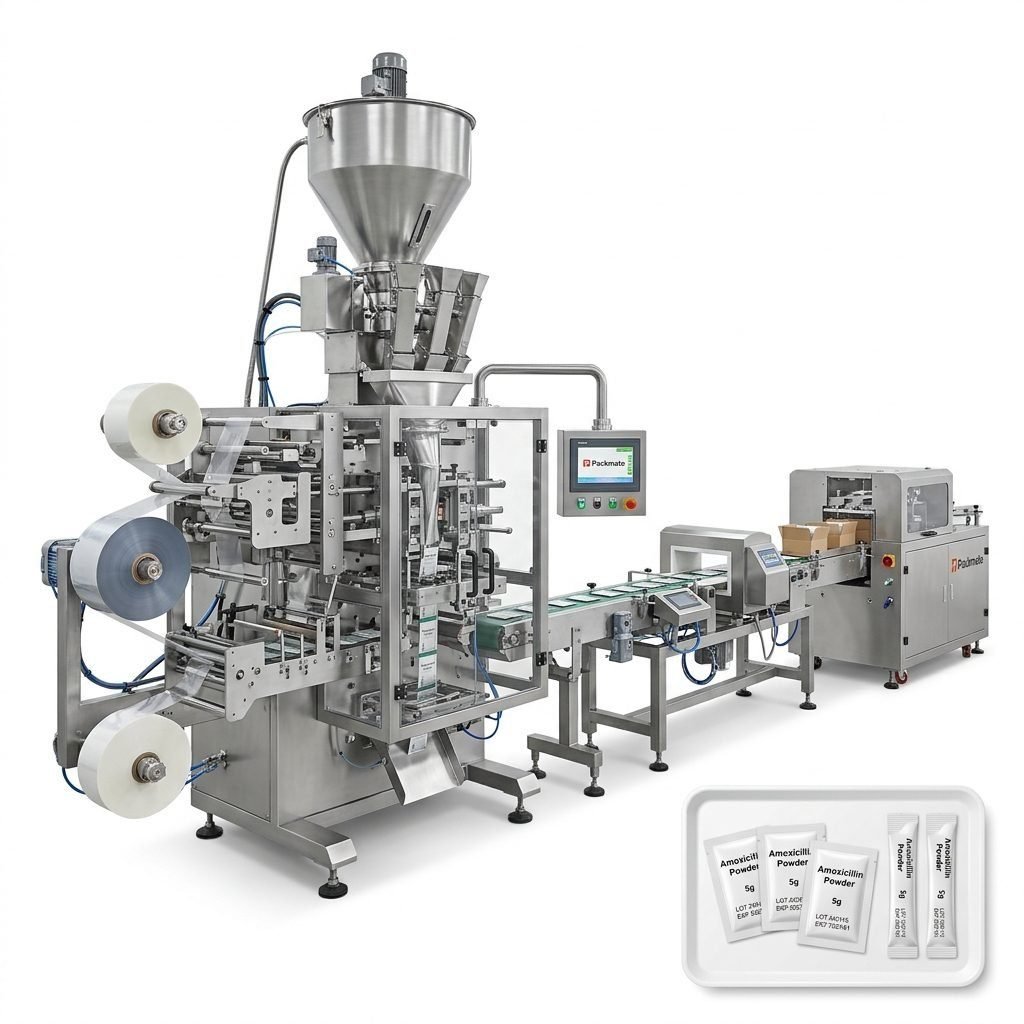
Vertical Form-Fill-Seal (VFFS) Machines
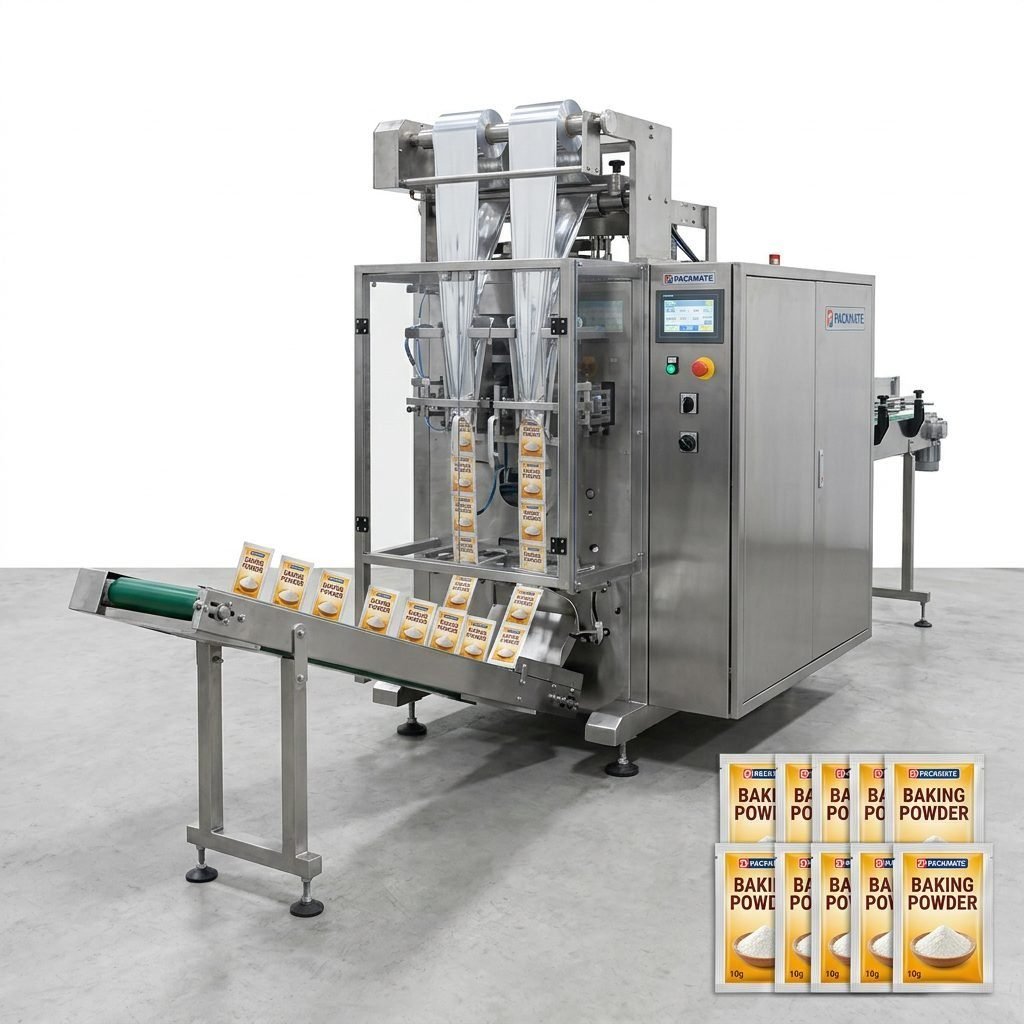
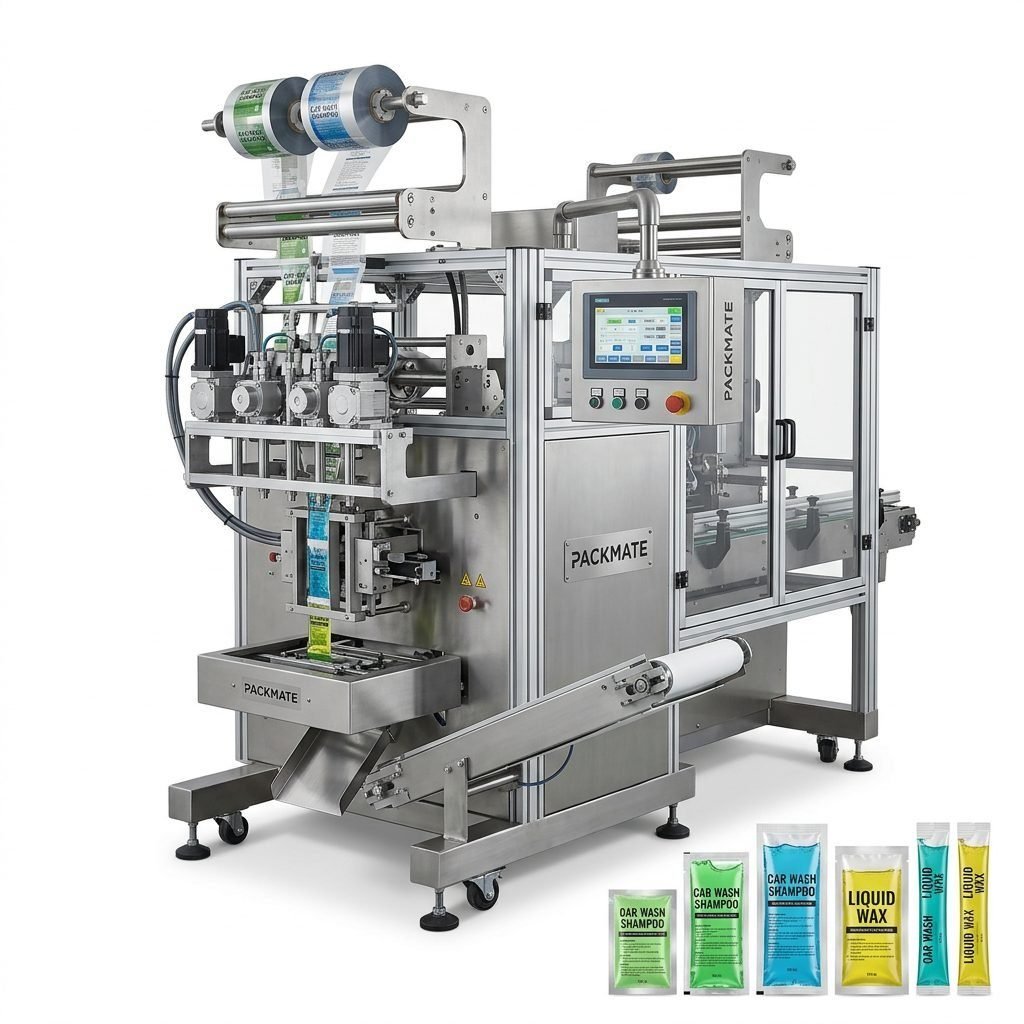
These are the workhorses of the industry for producing pillow bags or stand-up pouches. A VFFS machine forms a bag from a roll of film, fills it with the product, and seals it—all in one continuous vertical operation. They are incredibly versatile and suitable for a wide range of treat sizes and shapes, from small training treats to larger chews. Their speed and efficiency make them ideal for medium to high-volume production lines.
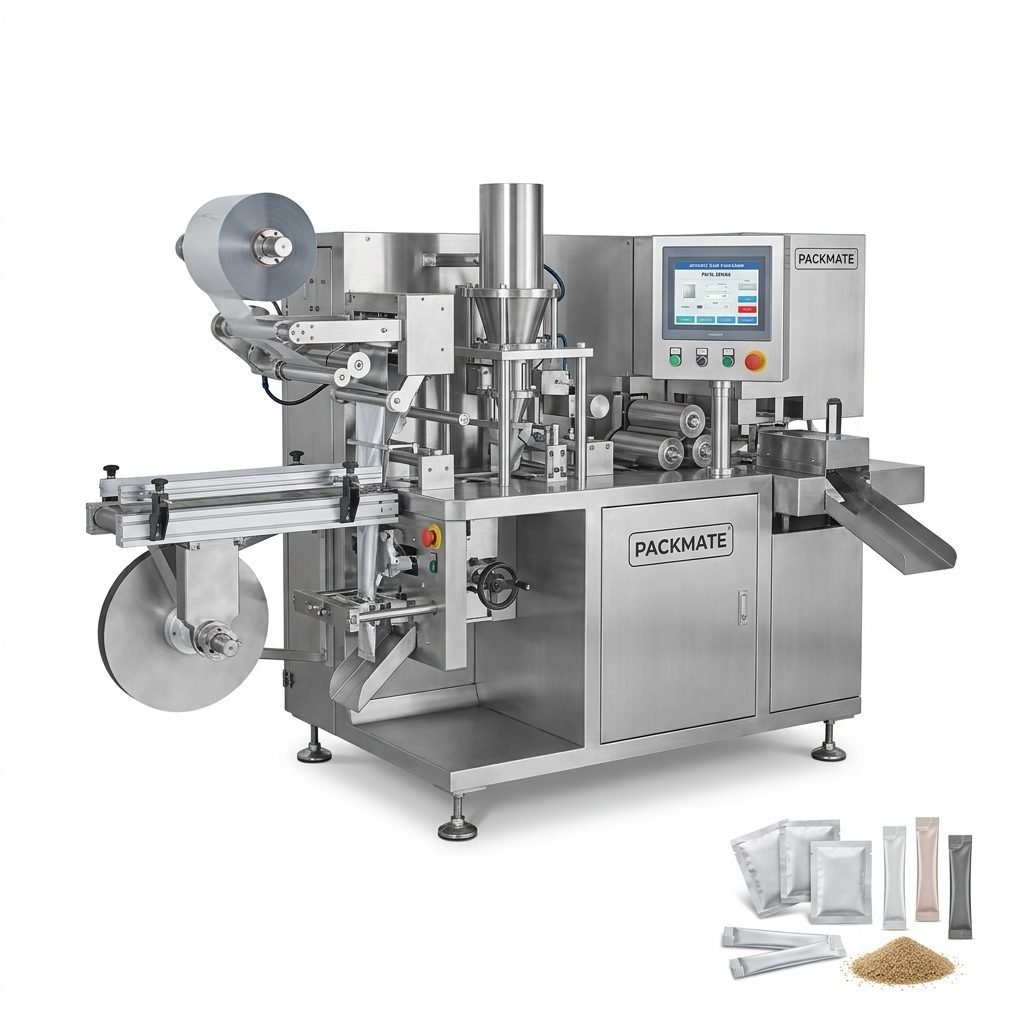
Horizontal Form-Fill-Seal (HFFS) Machines
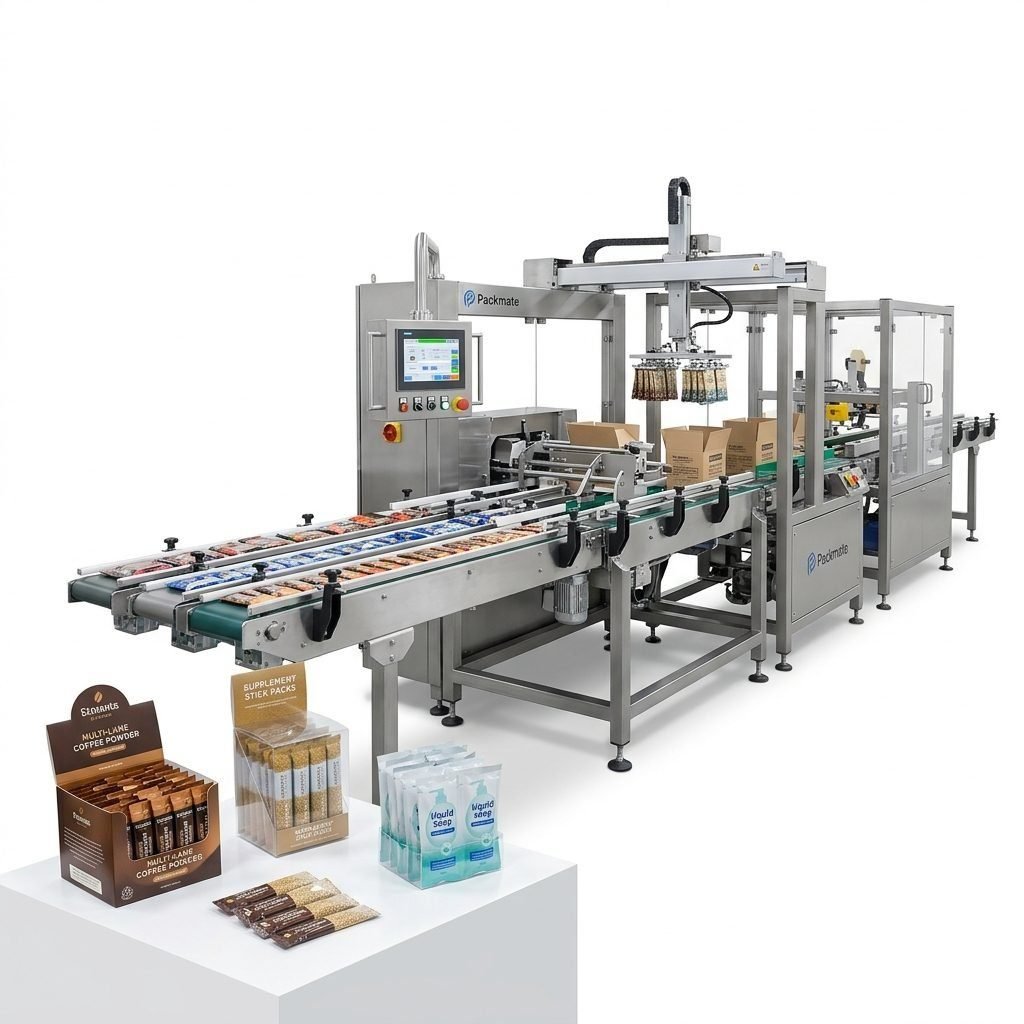
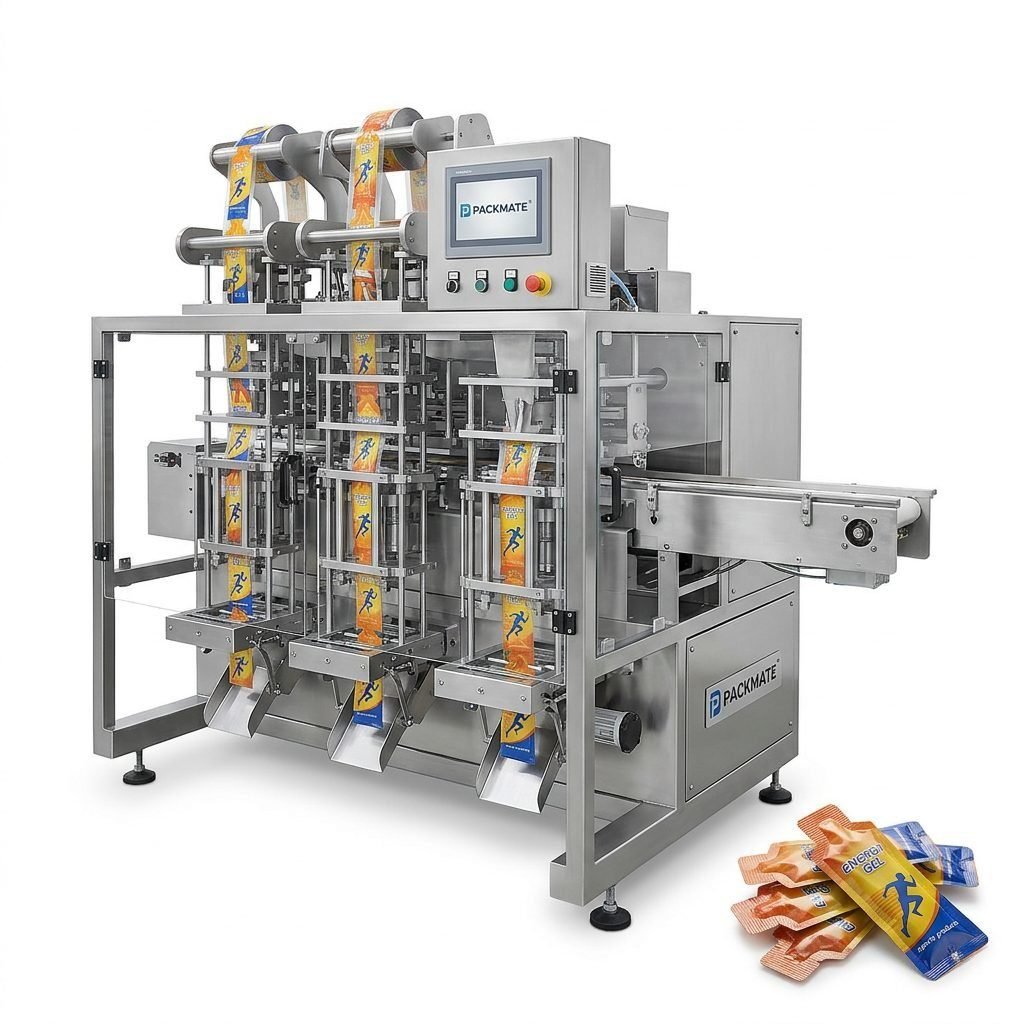
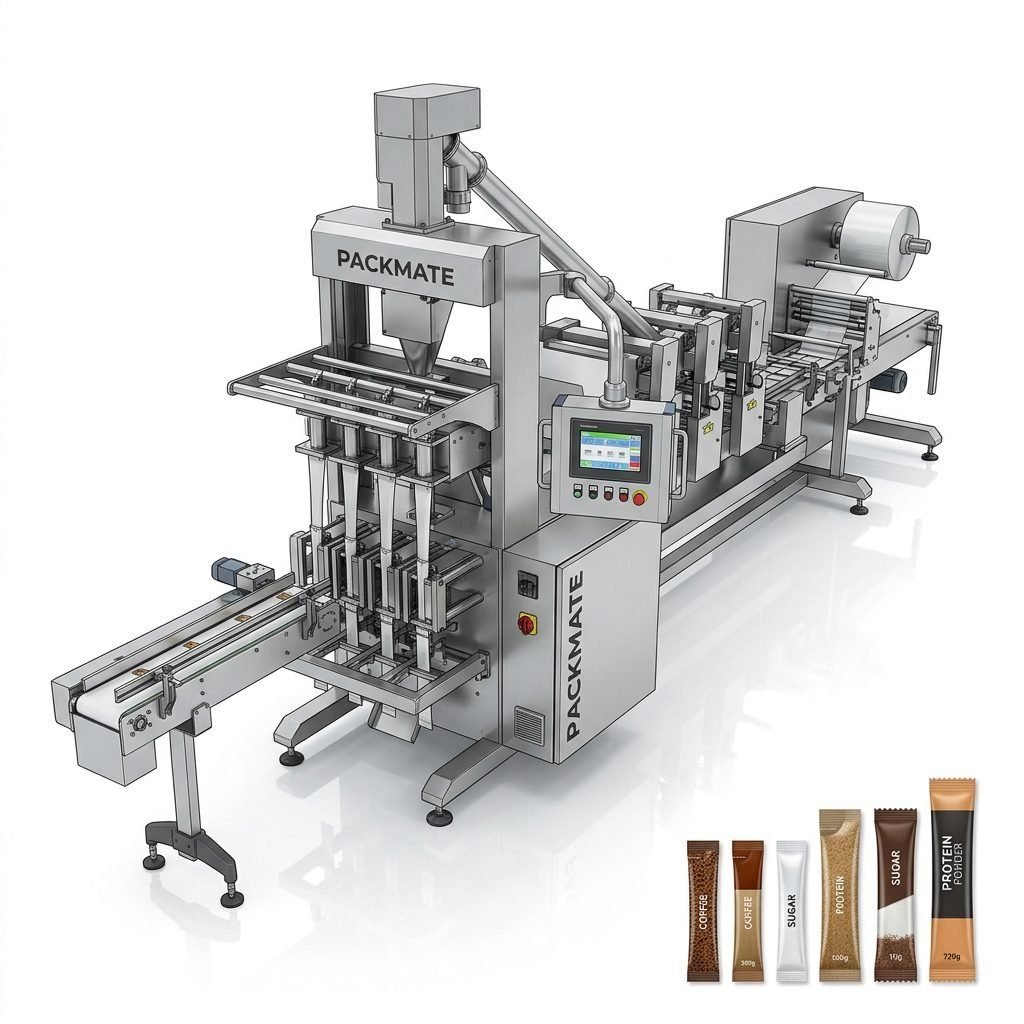
Perfect for creating more rigid structures like stick packs or sachets, HFFS machines are often the choice for powdered or granular treats, such as glucosamine supplements or powdered meal toppers. The machine forms the package horizontally, which can allow for more precise placement of products and sophisticated multi-lane configurations for blistering output speeds. For companies looking at sachet and stick pack production, this technology is essential.
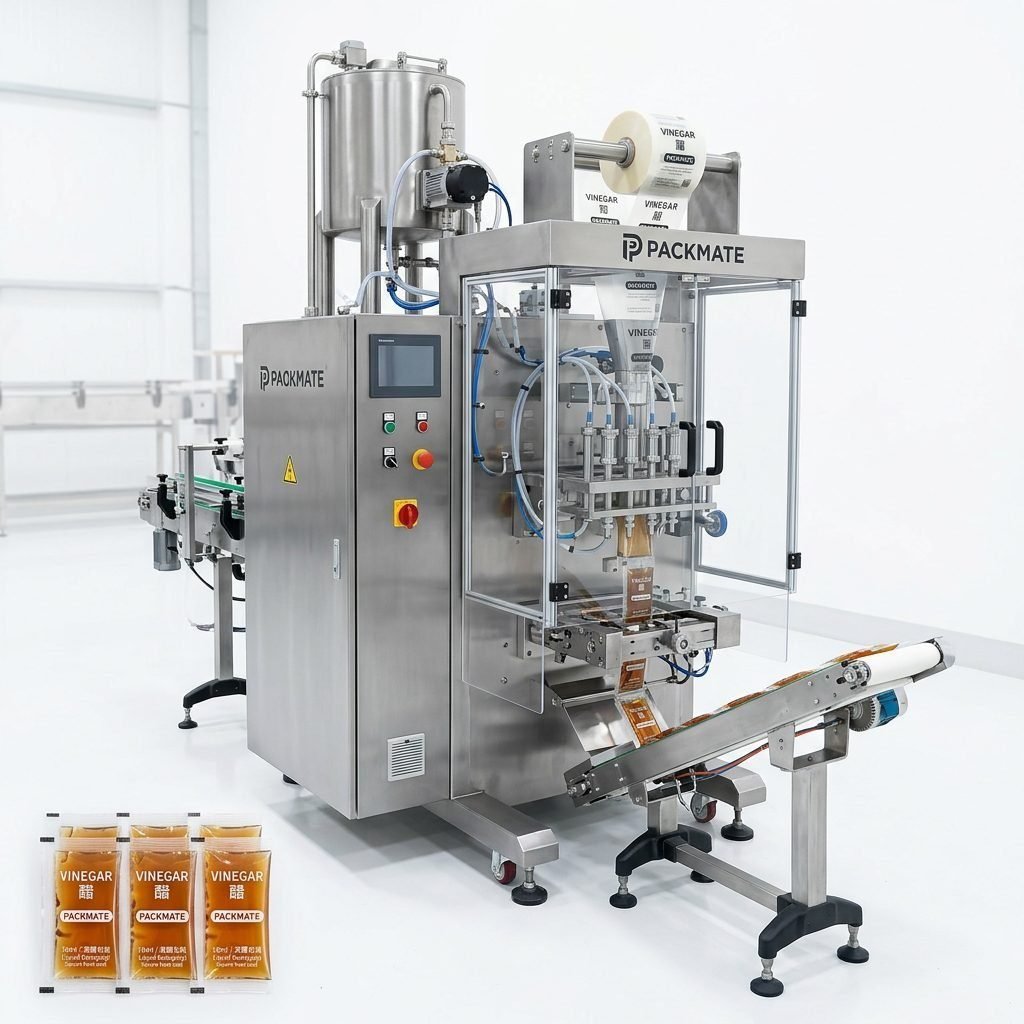
Pre-Made Pouch Fillers
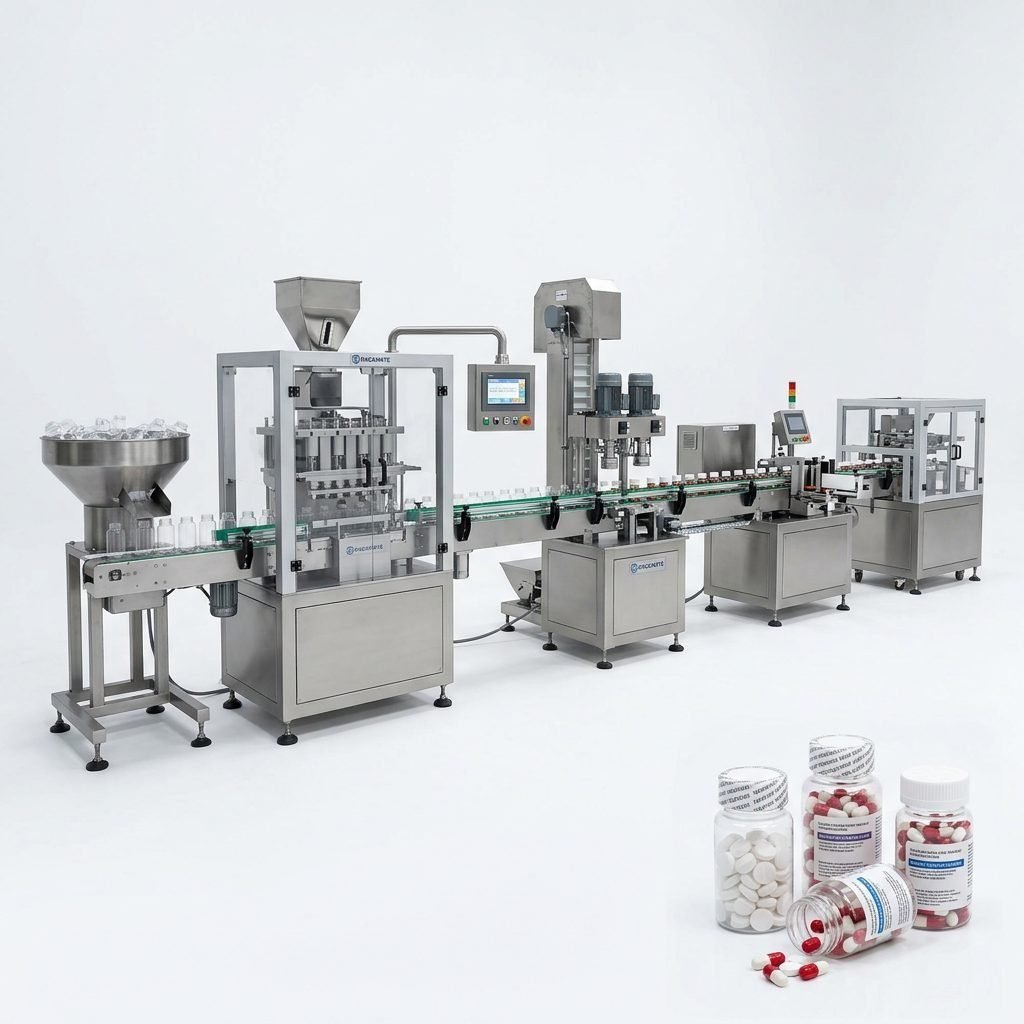
For brands prioritizing premium branding and unique pouch shapes, pre-made pouch fillers are the answer. These machines use ready-made, often custom-printed pouches. The machine opens, fills, and then seals the pouch. While generally slower than VFFS, they offer superior graphic presentation and are excellent for products where shelf appeal is paramount. They integrate seamlessly into complete filling and packaging lines.
Weighing and Dosing Systems
Accuracy is non-negotiable. Integrated multi-head weighers or volumetric cup fillers ensure each bag contains the exact weight of product advertised. Advanced systems handle fragile treats gently to prevent breakage and maintain product integrity, which is a critical component of any reliable weighing and packaging system.
Key Takeaway:
Your choice between VFFS, HFFS, or pre-made pouch systems will be dictated by your product format, desired packaging style, production volume, and branding requirements. A consultation with an experienced manufacturer like Packmate Machinery can clarify the best path forward.
Essential Features for Modern Packaging Lines
Beyond the basic type, modern dog treat packaging machines come equipped with features that enhance efficiency, safety, and quality control.
Material Compatibility & Sealing Integrity
The machine must handle the specific films or laminates required for dog treats, which often need high barrier properties to lock out moisture and oxygen, preserving freshness and crunch. Look for machines with adjustable heat sealing systems that can consistently create strong, leak-proof seals even with challenging materials.
Changeover Flexibility
Market trends change rapidly. A machine that allows for quick and easy changeover between different treat sizes or pouch dimensions minimizes downtime and increases operational agility. Features like tool-less adjustments and saved recipe settings are invaluable.
Hygienic Design & Easy Cleaning
Food-grade manufacturing demands the highest hygiene standards. Machines should be constructed with stainless steel in product contact zones and designed with smooth, accessible surfaces to prevent residue buildup and allow for thorough cleaning, complying with relevant food safety regulations.
Automation & Integration Capabilities
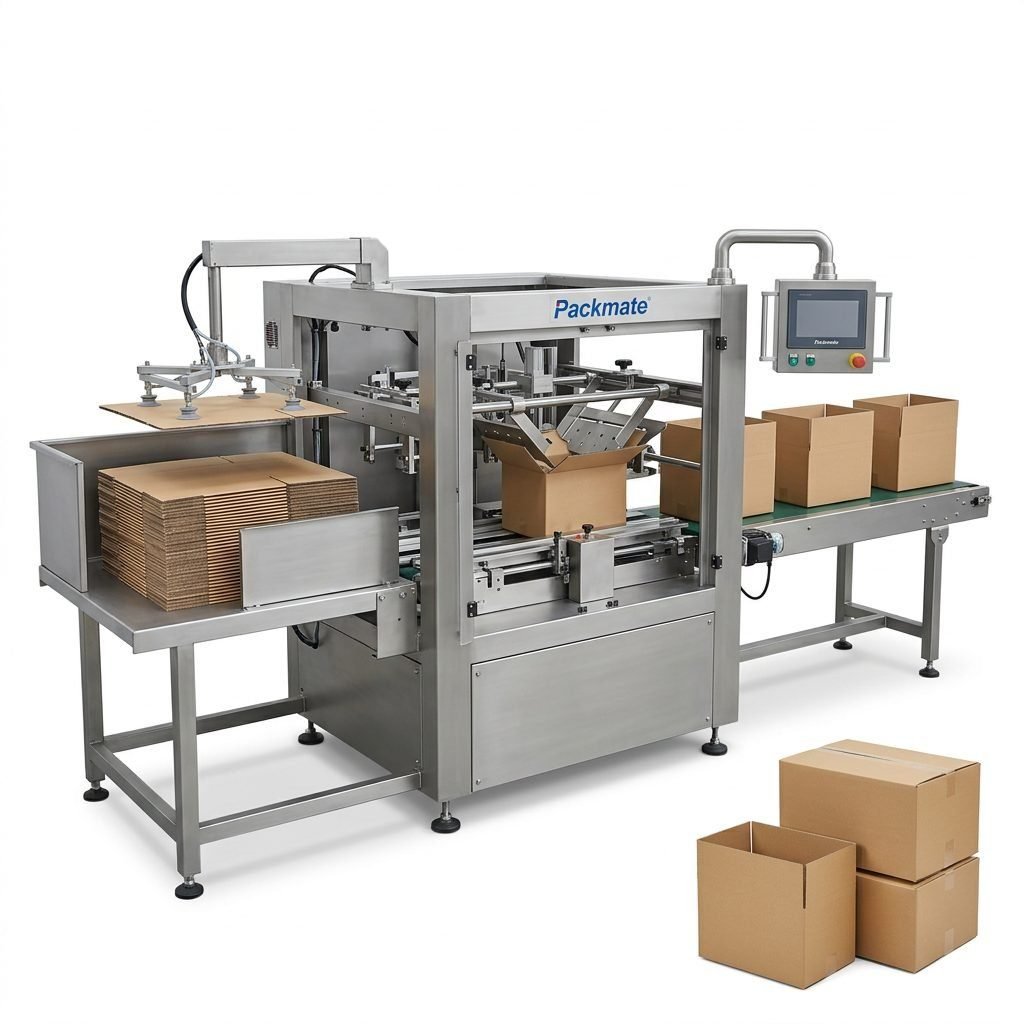
The best machines are not islands. They should integrate smoothly with upstream equipment like mixers and ovens, and downstream systems like checkweighers, metal detectors, and case packers. Programmable Logic Controller (PLC) systems with user-friendly touchscreen interfaces allow for precise control and monitoring of the entire packaging process.
Comprehensive Buying Guide: Steps to Your Ideal Machine
Investing in packaging machinery is a significant decision. Following a structured approach will protect your investment and ensure it delivers a strong return.
Step 1: Define Your Requirements
Start with the basics: Product Details (size, shape, fragility, flow characteristics), Packaging Specifications (desired bag/pouch type, material, dimensions), Production Speed (bags per minute required), and Available Factory Space. Be as detailed as possible.
Step 2: Research and Shortlist Suppliers
Look for manufacturers with proven expertise in food and pet treat packaging. Evaluate their experience, client portfolio, and after-sales service reputation. A company like Packmate Machinery, with over two decades of specialization in intelligent packaging solutions, offers the reliability that comes from deep industry knowledge.
Step 3: Request Demonstrations and Quotations
Always request a live or video demonstration using a product sample similar to yours. This tests the machine’s actual performance. Obtain detailed quotations that include not just the machine price, but also costs for installation, training, spare parts, and warranty.
Step 4: Evaluate Total Cost of Ownership (TCO)
Look beyond the initial purchase price. Consider energy consumption, maintenance needs, expected lifespan, and the supplier’s support structure. A slightly higher initial investment in a robust, efficient machine from a supportive supplier often leads to lower long-term costs.
Step 5: Finalize Support and Service Agreements
Ensure clear terms for installation, operator training, warranty, and availability of technical support and spare parts. A reliable partner will provide comprehensive service support to keep your production line running smoothly for years.
Choosing the right dog treat packaging machine is a strategic decision that impacts your product quality, brand perception, and bottom line. By understanding the different machine types, prioritizing key operational features, and following a diligent purchasing process, you can invest in a system that grows with your business. Partnering with an experienced manufacturer provides not just a machine, but a long-term solution for your packaging success.
Frequently Asked Questions (FAQs)
What is the typical production speed for a dog treat packaging machine?
Speeds vary widely based on the machine type and package size. A standard vertical form-fill-seal machine can range from 40 to over 200 bags per minute. High-speed horizontal stick pack machines can achieve significantly higher outputs across multiple lanes. The exact speed for your needs depends on your product and packaging specifications.
Can one machine handle different shapes and sizes of dog treats?
Yes, many machines are designed for flexibility. The key is the changeover process. Look for machines with “quick-change” features for forming tools, filling heads, and film guides. The easier and faster the changeover, the more versatile your production line can be for running multiple products.
How important is the packaging material, and what should I use for crunchy treats?
Extremely important. The material must provide an adequate moisture and oxygen barrier to prevent treats from becoming stale or soft. For crunchy treats, metallized polyester or polypropylene laminates are common choices. Your machinery supplier should be able to recommend compatible films and test them with your product.
What kind of maintenance do these machines require?
Regular preventive maintenance is crucial for longevity and consistent performance. This typically includes daily cleaning, lubrication of moving parts as per the manual, periodic inspection of seals and cutting blades, and calibration of weighing systems. A good supplier will provide a maintenance schedule and training.
Do suppliers offer training for our operators?
Reputable suppliers absolutely should. Comprehensive training for your operators and maintenance technicians is a standard part of a professional equipment purchase. This ensures safe operation, maximizes machine efficiency, and empowers your team to perform basic troubleshooting.