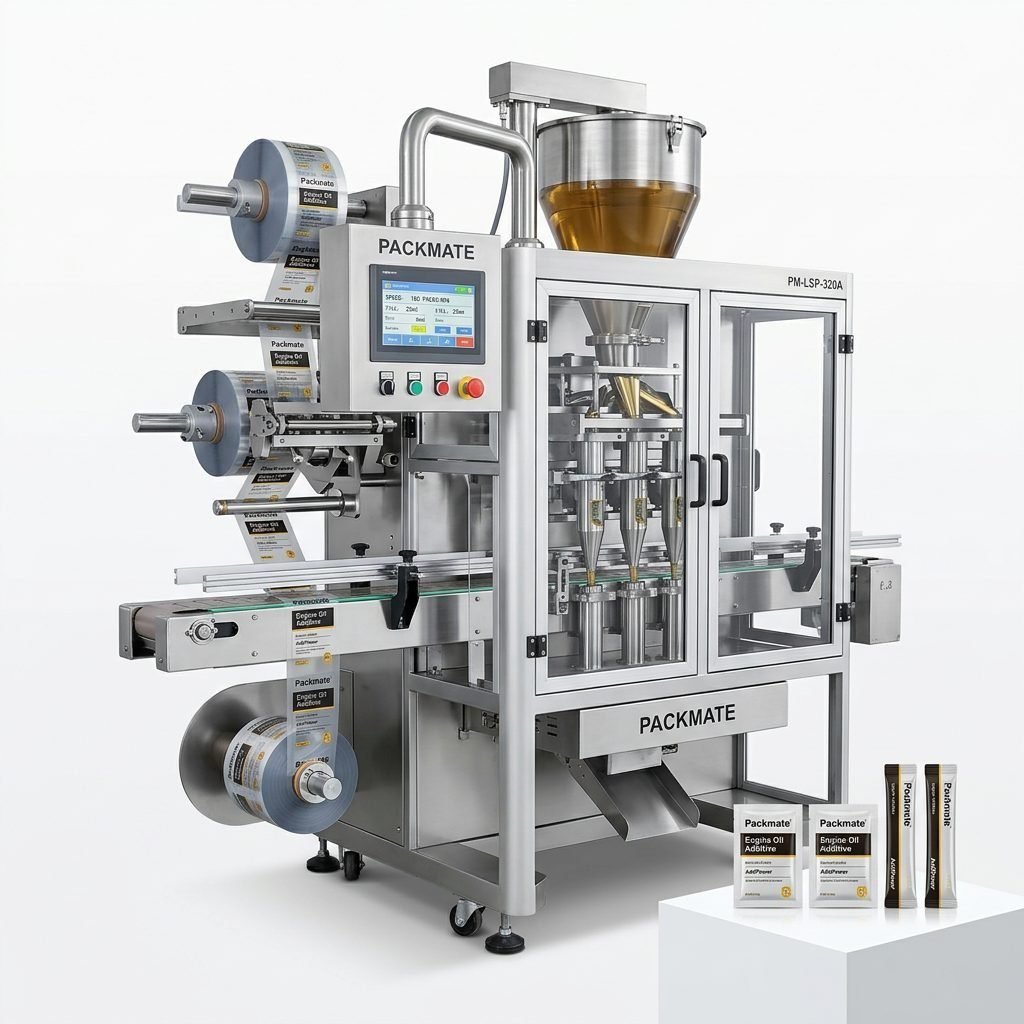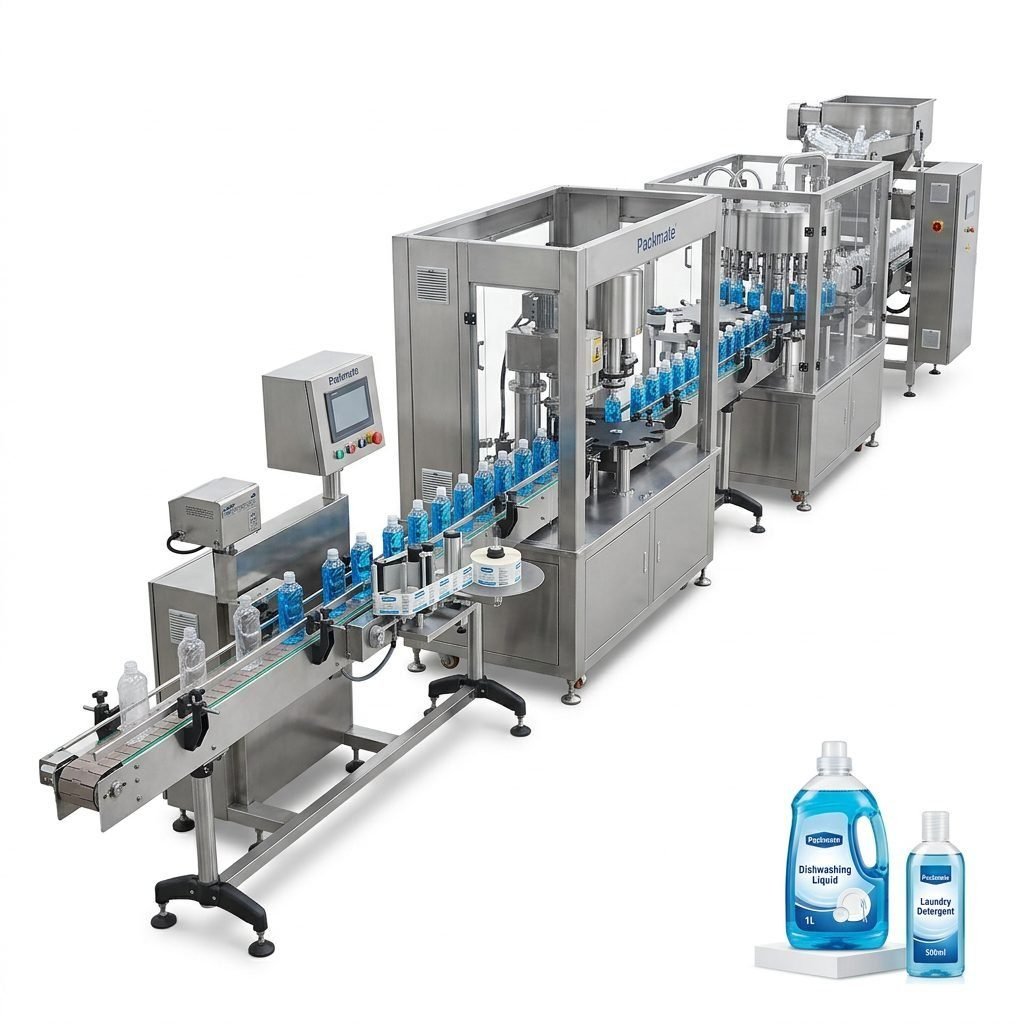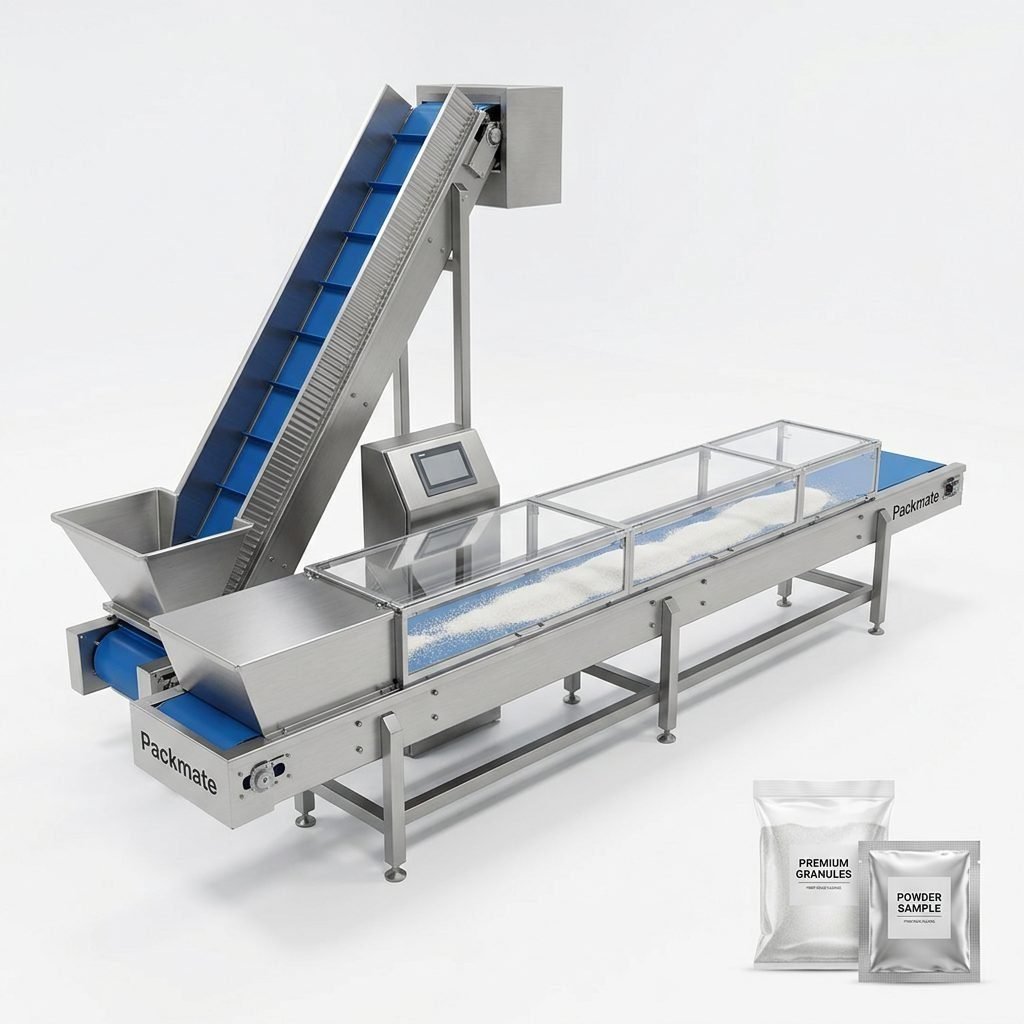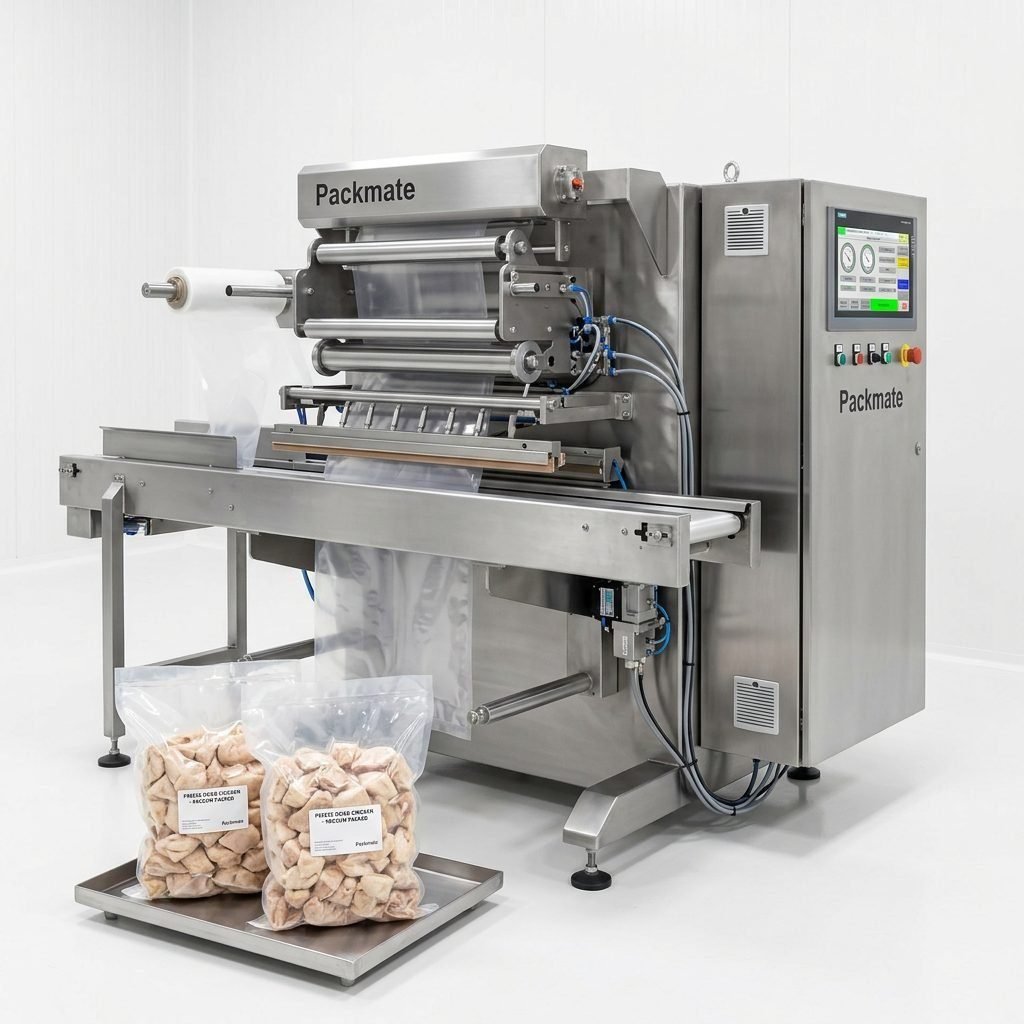
Flat pouch packaging machines are specialized equipment designed to form, fill, and seal flat, pillow-style pouches. These pouches are a popular choice across numerous industries due to their efficient use of materials, sleek profile for retail display, and excellent barrier properties to protect contents. Selecting the right machine is a critical decision that impacts production efficiency, product integrity, and overall operational costs. This guide will explore the various types of flat pouch packaging machines, their key features, and provide a structured approach to help you make an informed choice for your specific needs.
Understanding the Core Technology
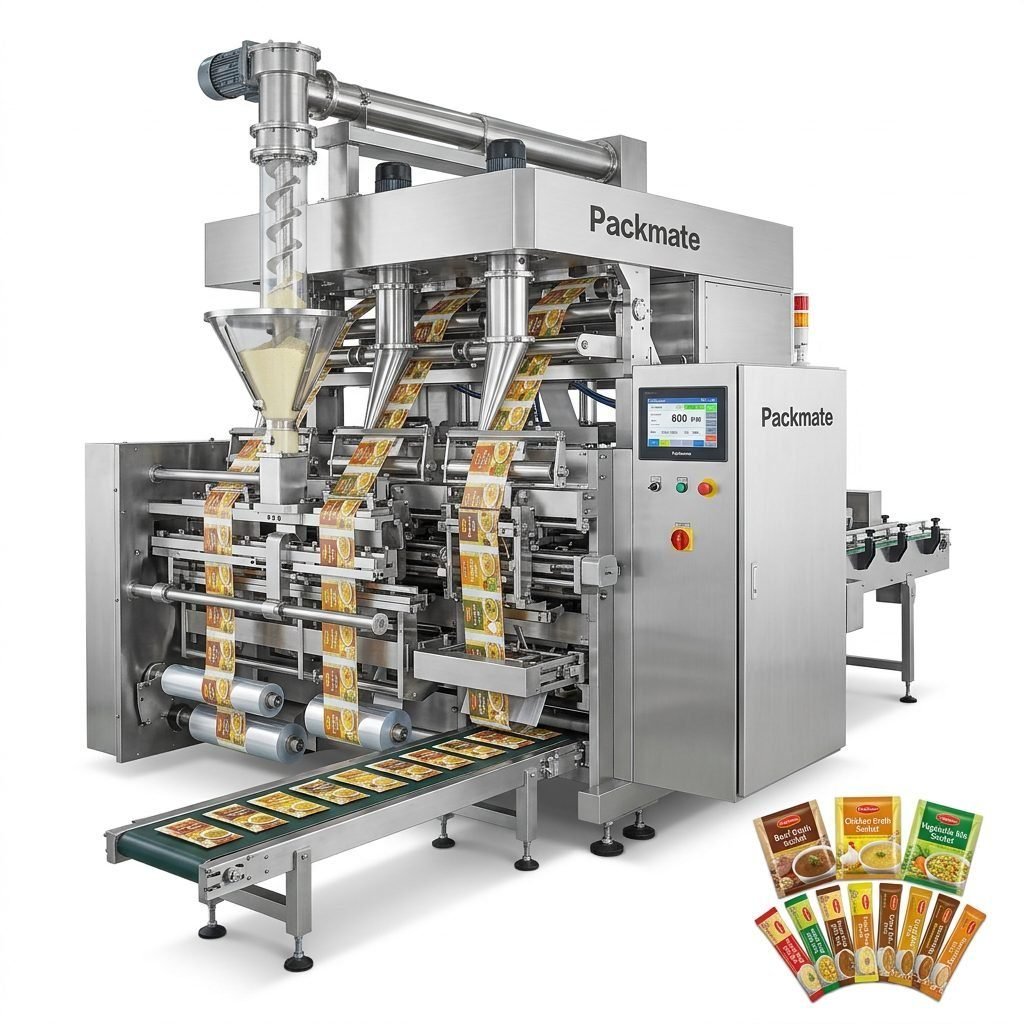
The fundamental operation of a flat pouch packaging machine involves a continuous roll of packaging film. This film is drawn into the machine, formed into a tube, and sealed along a vertical back seam. The product is then metered into this tube. Horizontal seals are made both above and below the product, simultaneously sealing the top of one pouch and the bottom of the next, before a cutting mechanism separates the individual pouches. This efficient, continuous motion process is ideal for high-speed production of a wide range of dry, free-flowing, and semi-liquid products.
Key Advantages of Flat Pouch Packaging
Material Efficiency: Flat pouches use less packaging material compared to pre-formed stand-up pouches, reducing material costs and environmental footprint.
Space-Saving: Their slim profile maximizes shelf space and reduces storage and shipping volumes.
Versatility: Suitable for a vast array of products including snacks, powders, granules, hardware items, and liquids.
High-Speed Production: Modern machines are engineered for rapid output, making them perfect for large-scale manufacturing.
Excellent Barrier Options: Films can be laminated or coated to provide superior protection against moisture, oxygen, and light.
Main Types of Flat Pouch Packaging Machines
The market offers several configurations of flat pouch machines, each suited to different production scales, product types, and automation levels. Understanding these types is the first step in narrowing down your selection.
1. Vertical Form Fill Seal (VFFS) Machines
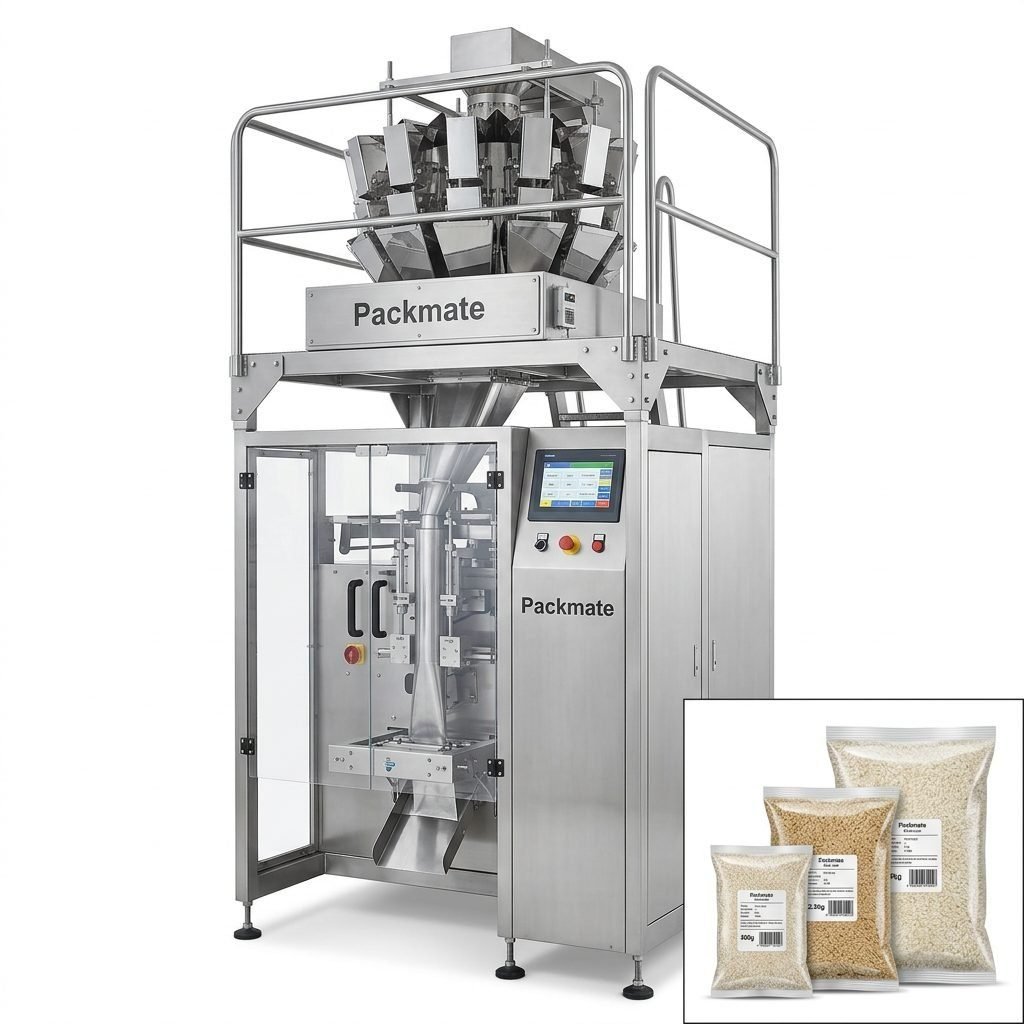
This is the most common and versatile type. As described in the core technology, film moves vertically. VFFS machines are the workhorses of the industry, capable of handling everything from small tea bags to large bags of pet food. They are highly customizable with various auger, volumetric, or net weigher filling systems. For businesses looking to scale, exploring a comprehensive filling and packaging line that integrates a VFFS machine can streamline the entire process from product handling to final packaging.
2. Horizontal Form Fill Seal (HFFS) Machines
In HFFS machines, the film web runs horizontally. The film is formed into pockets, the product is placed inside, and a top lidding film is sealed over it. This type is exceptionally well-suited for delicate, non-free-flowing, or irregularly shaped items that might be damaged in a vertical drop, such as cookies, medical devices, or blister-packed items. The process often allows for more intricate pouch shapes and presentation styles.
3. Single-Tube vs. Multi-Tube Machines
This classification refers to the number of packaging lanes running in parallel on a single machine frame.
Single-Tube Machines are ideal for lower to medium output requirements or for packaging larger products. They offer simplicity and are often more affordable.
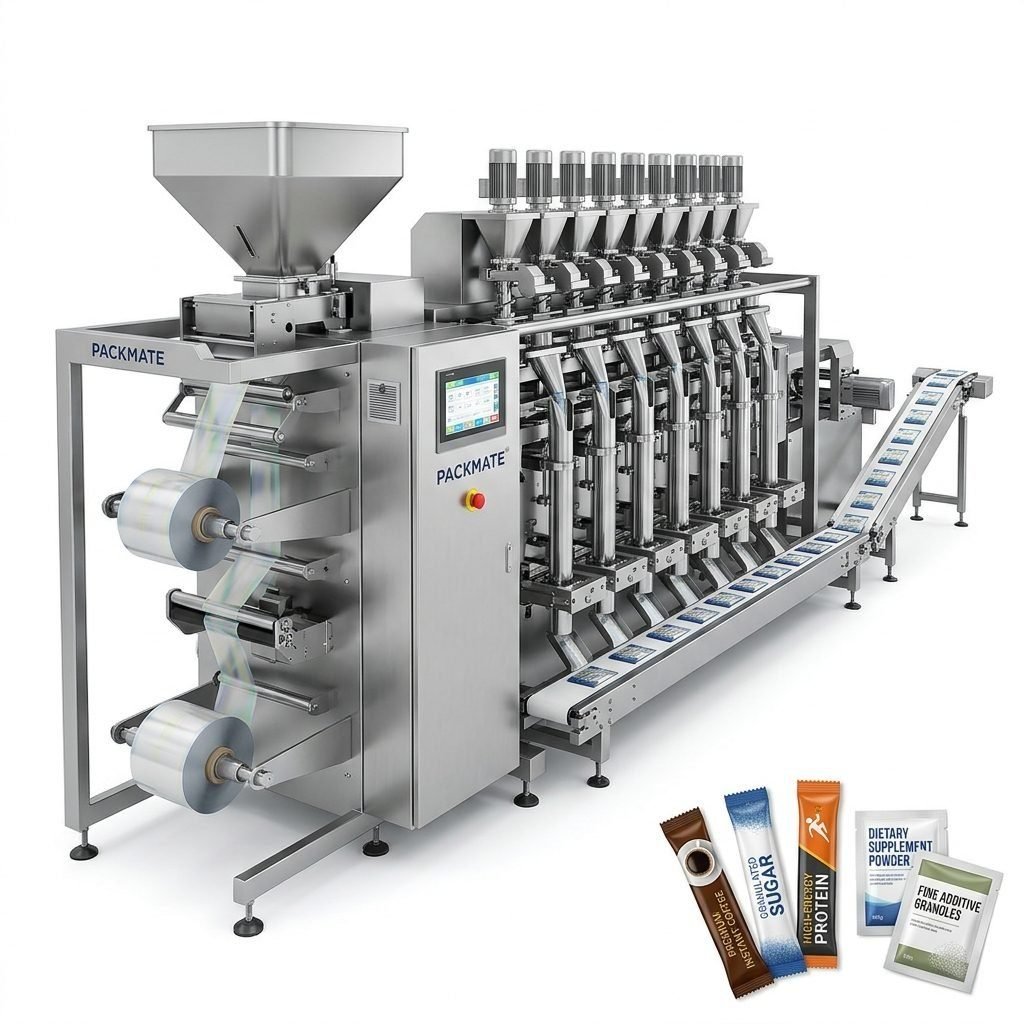
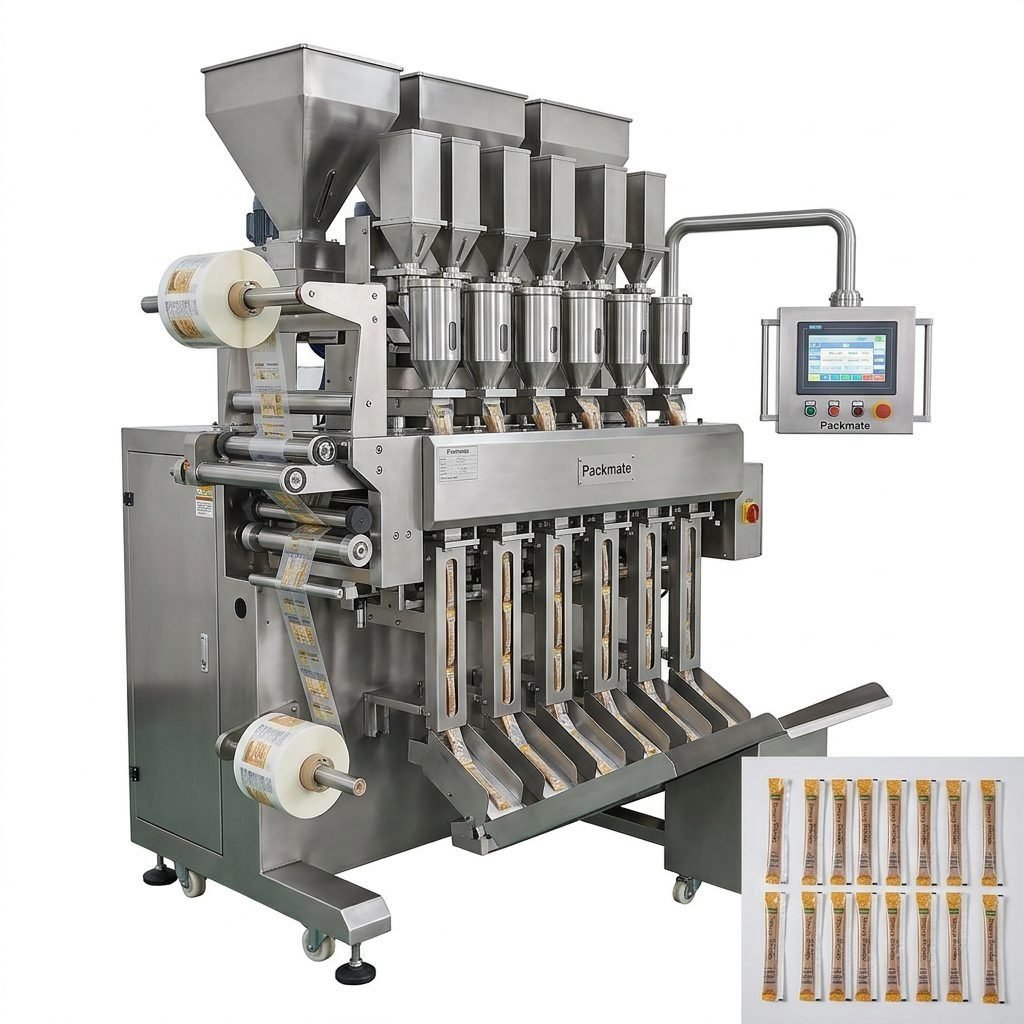
Multi-Tube Machines dramatically increase output by running multiple lanes simultaneously. For example, a 4-lane machine can produce four pouches per cycle. This configuration is essential for high-volume production of small items like sugar sticks, instant coffee sachets, or seasoning packets. Companies like Packmate Machinery have extensive expertise in designing robust multi-lane systems, which you can explore in their sachet and stick pack machines category.
Specialized Machine Variants
Beyond the basic types, specialized machines cater to niche markets:
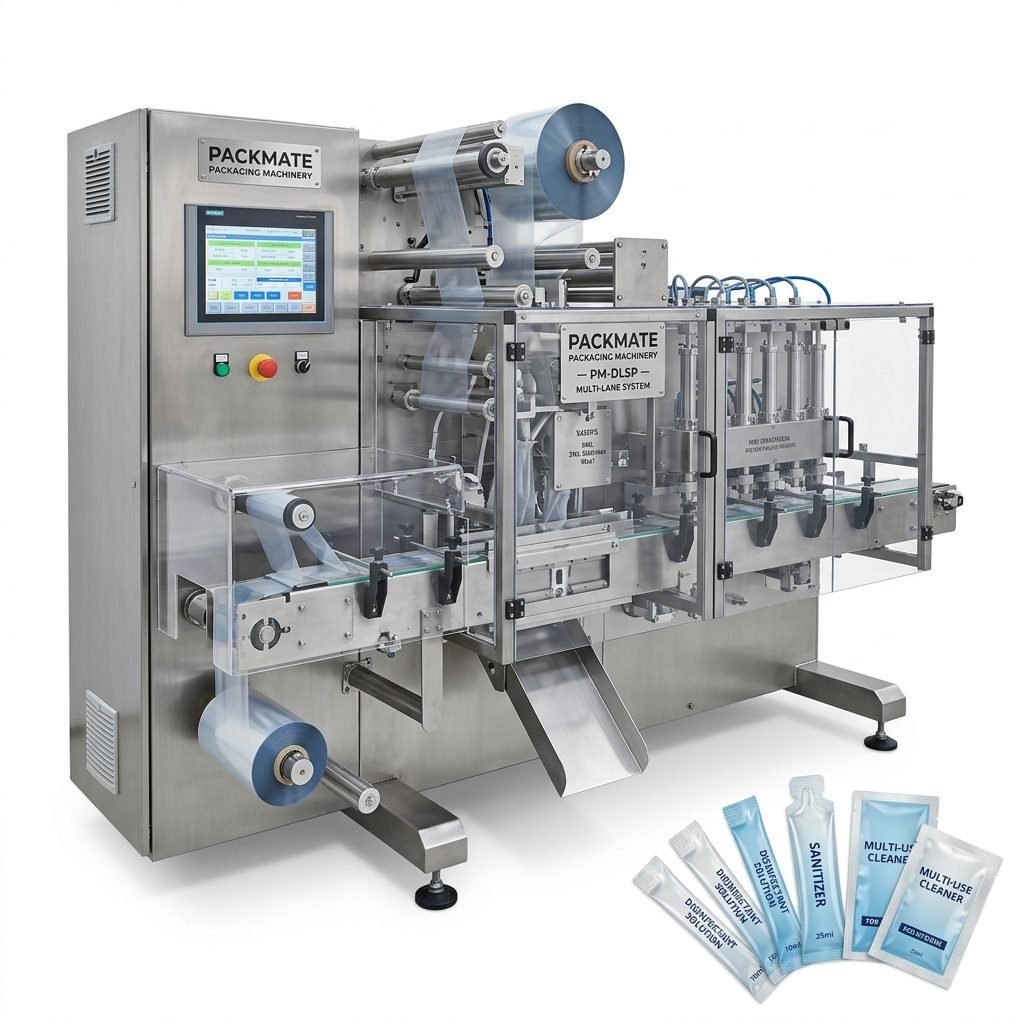
Liquid/Paste Fillers: Equipped with piston pumps for accurate filling of viscous products like sauces, shampoos, or adhesives.
Gas Flushing Machines: Integrate nitrogen or other gas flushing systems to create a modified atmosphere inside the pouch, significantly extending the shelf life of sensitive products like coffee or snacks.
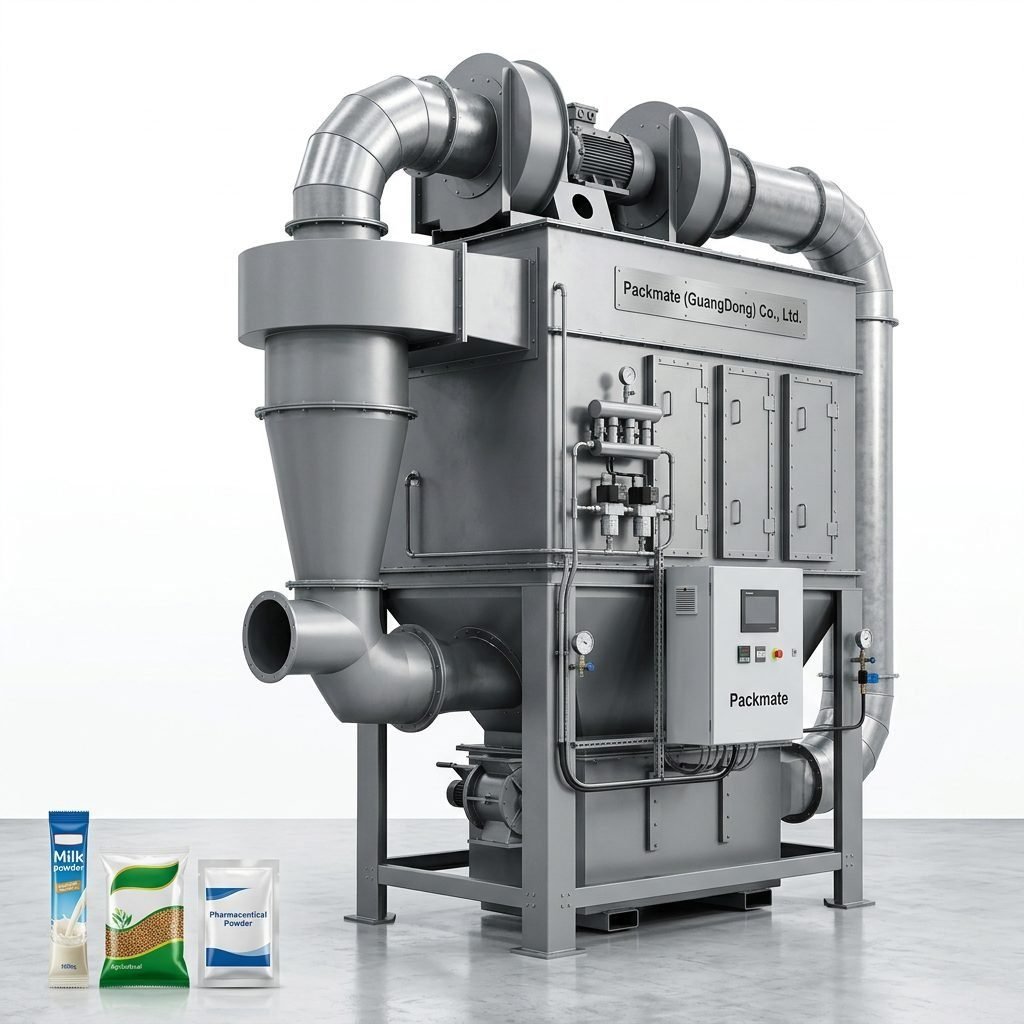
Dosing Machines: For products requiring precise, small-quantity dispensing, such as pharmaceutical powders or drink mixes.
How to Choose the Right Flat Pouch Machine: A Step-by-Step Guide
Choosing the ideal machine requires a careful analysis of your product, production goals, and operational environment. Follow this framework to guide your decision.
Step 1: Define Your Product Specifications
Every detail about your product dictates machine requirements. Create a clear profile:
Physical State: Is it a powder, granule, liquid, solid, or a combination?
Flow Characteristics: Does it flow freely, bridge, or compact?
Particle Size & Abrasiveness: Fine powders need sealed bearings; abrasive materials require hardened contact surfaces.
Required Fill Accuracy: Legal or quality standards may dictate +/- 0.5% accuracy, necessitating a precision net weigher.
Step 2: Determine Your Packaging Requirements
The package itself is just as important as the product inside.
Pouch Dimensions: Define the width, length, and seal width. Ensure your chosen machine can handle the film width (web width) needed.
Film Material: The machine must be compatible with your chosen laminate (e.g., PET/AL/PE, OPP/CPP). Consider seal jaw temperature and pressure capabilities.
Special Features: Do you need a zipper, tear notch, hang hole, or QR code printing? These require additional machine modules.
Step 3: Assess Your Production Capacity Needs
Be realistic about your output targets, both now and in the foreseeable future.
Speed (Pouches Per Minute): Calculate based on your annual volume and shifts. Always factor in a margin for growth.
Uptime & Reliability: A slightly more expensive, robust machine from an established manufacturer like Packmate, with over two decades of development, will save money in the long run through less downtime and higher consistent output.
Changeover Time: If you run multiple products or pouch sizes, quick-change systems for film rolls, forming tubes, and fillers are crucial for flexibility.
Step 4: Evaluate Machine Features & Construction
Look beyond the brochure specifications.
Control System: A user-friendly, programmable logic controller (PLC) with a touchscreen HMI simplifies operation, recipe storage, and diagnostics.
Frame & Build Quality: A heavy-duty, rigid frame minimizes vibration at high speeds, ensuring accuracy and longevity. Stainless steel contact parts are essential for food and pharmaceutical applications.
Safety & Compliance: The machine should meet relevant safety standards (e.g., CE, UL) and have appropriate guards and interlocks.
Step 5: Consider the Total Cost of Ownership (TCO)
The purchase price is only part of the equation.
Initial Investment: Includes the machine, optional modules, spare parts kit, and installation.
Operational Costs: Energy consumption, compressed air usage, and preventive maintenance costs.
Support & Service: Availability of technical support, spare parts, and service engineers is critical. A supplier with a strong service ethos ensures your production line stays running smoothly for years.
Step 6: Partner with the Right Manufacturer
Your machine supplier should be a long-term partner. Evaluate their:
Industry Experience & Reputation: Look for a proven track record with products similar to yours.
Testing Capability: Can they run trials with your actual product and film? This is the best way to verify performance.
After-Sales Support: Clarify warranty terms, training provisions, and response times for service requests.
Conclusion and Next Steps
Investing in a flat pouch packaging machine is a significant step toward optimizing your packaging operations. By systematically analyzing your product, output goals, and the capabilities of different machine types, you can make a selection that delivers reliability, efficiency, and a strong return on investment. The key is to view the machine not as a standalone purchase, but as the core component of a integrated packaging solution that supports your brand’s quality and growth ambitions.
Begin by consulting with experienced manufacturers, requesting detailed product catalogs, and most importantly, arranging live or video product tests. This hands-on evaluation is invaluable for ensuring the machine meets your specific expectations before making a commitment.
Frequently Asked Questions (FAQs)
What is the main difference between a VFFS and an HFFS machine?
The primary difference is the direction of film travel and product placement. VFFS machines move film vertically and product is dropped down into the formed tube, ideal for free-flowing items. HFFS machines move film horizontally, placing product into pre-formed pockets, which is better for fragile or non-free-flowing items.
Can one machine handle different pouch sizes?
Yes, most modern machines are designed for quick changeover between different pouch sizes. This typically involves changing the forming tube, film roll width, and adjusting the sealing jaw and cutter positions. The speed and complexity of changeover vary by machine model.
What kind of maintenance do these machines require?
Regular preventive maintenance is crucial. Daily tasks include cleaning and visual inspection. Weekly or monthly tasks involve lubricating moving parts, checking seal jaw alignment and temperature, and inspecting cutting blades. Always follow the manufacturer’s specific maintenance schedule.
How do I ensure accurate filling for powders?
Powder filling requires careful selection of the filling system. Auger fillers are common and can be very accurate with the right screw design. For the highest precision, especially with expensive or regulated products, a net weight scale system (a weigh cell that weighs each dose) is the best choice, though it is a higher investment.
What film materials can be used on a standard flat pouch machine?
Standard machines are designed for heat-sealable thermoplastic laminates, such as polyethylene (PE), cast polypropylene (CPP), or laminates like PET/PE or OPP/CPP. Materials with aluminum foil or special high-temperature layers may require machines with more powerful or specialized sealing jaws.