Investing in a food packaging machine is a significant decision for any food producer, impacting both operational efficiency and bottom-line profitability. Understanding the factors that influence the price and conducting a thorough cost analysis are crucial steps in selecting the right equipment for your specific needs. This guide aims to demystify the pricing landscape and provide a framework for evaluating the total cost of ownership.
Key Factors Influencing Food Packaging Machine Prices
The price of a food packaging machine is not a single figure but a range determined by a complex interplay of factors. A basic, single-function machine will naturally cost less than a fully integrated, high-speed automated line. The primary cost drivers include:
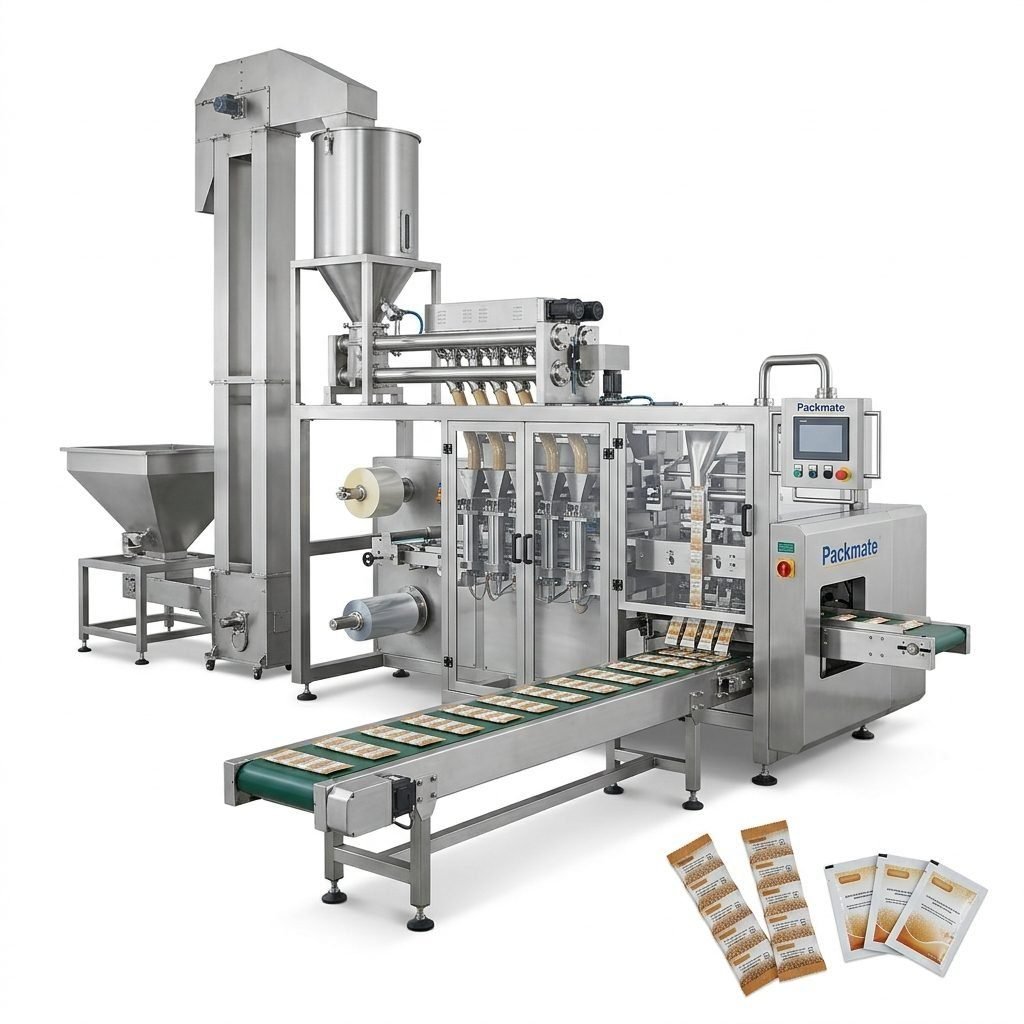
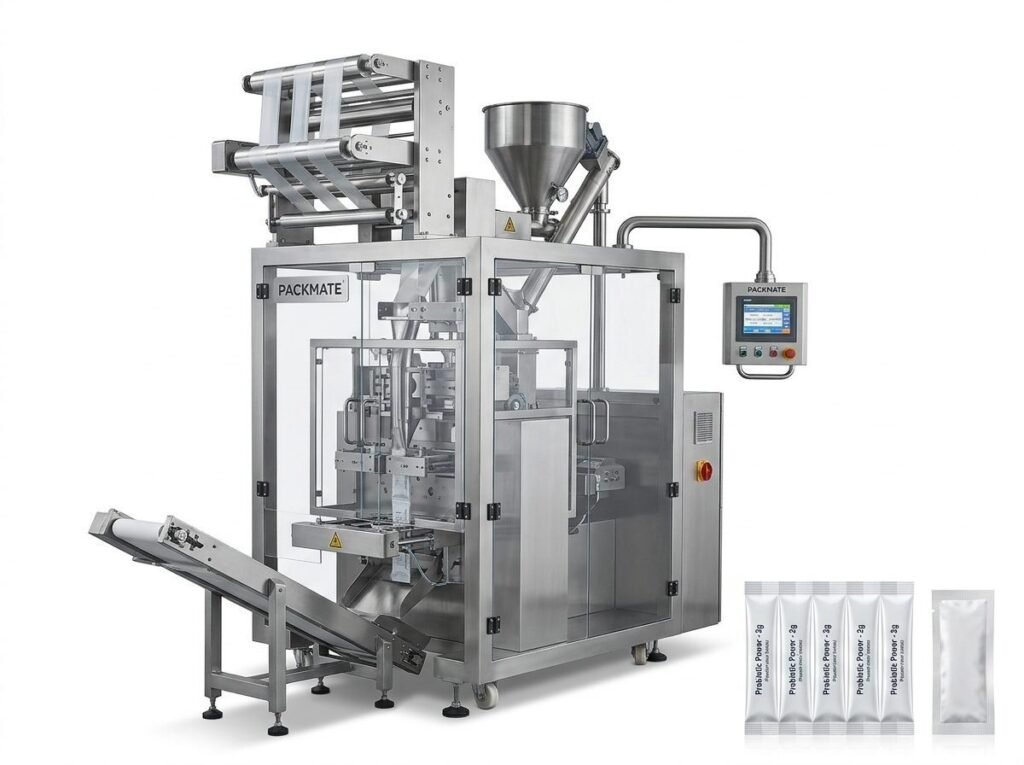
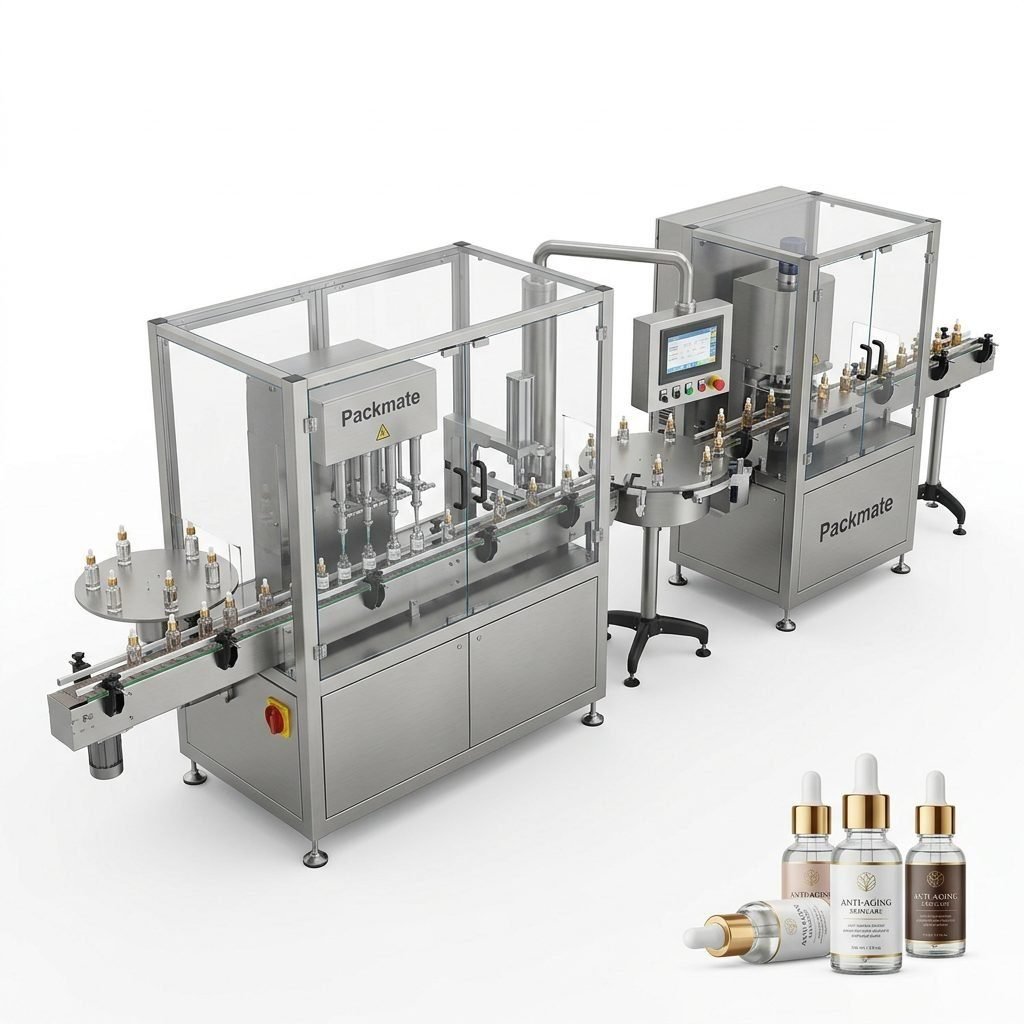
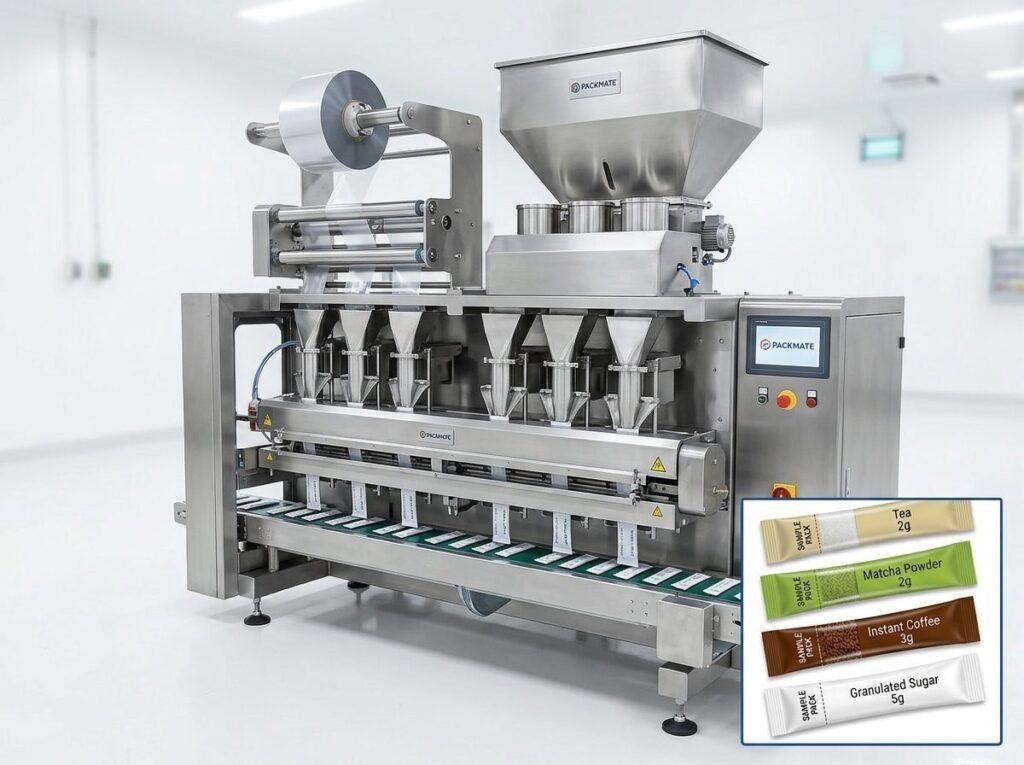
Machine Type and Complexity: A simple vertical form-fill-seal (VFFS) machine for pouches will be at a different price point than a multi-lane, ultra-high-speed stick pack machine for powders or a liquid filling line with capping. Specialized machines for unique products, like snus and nicotine pouches, often command a premium due to their tailored engineering.
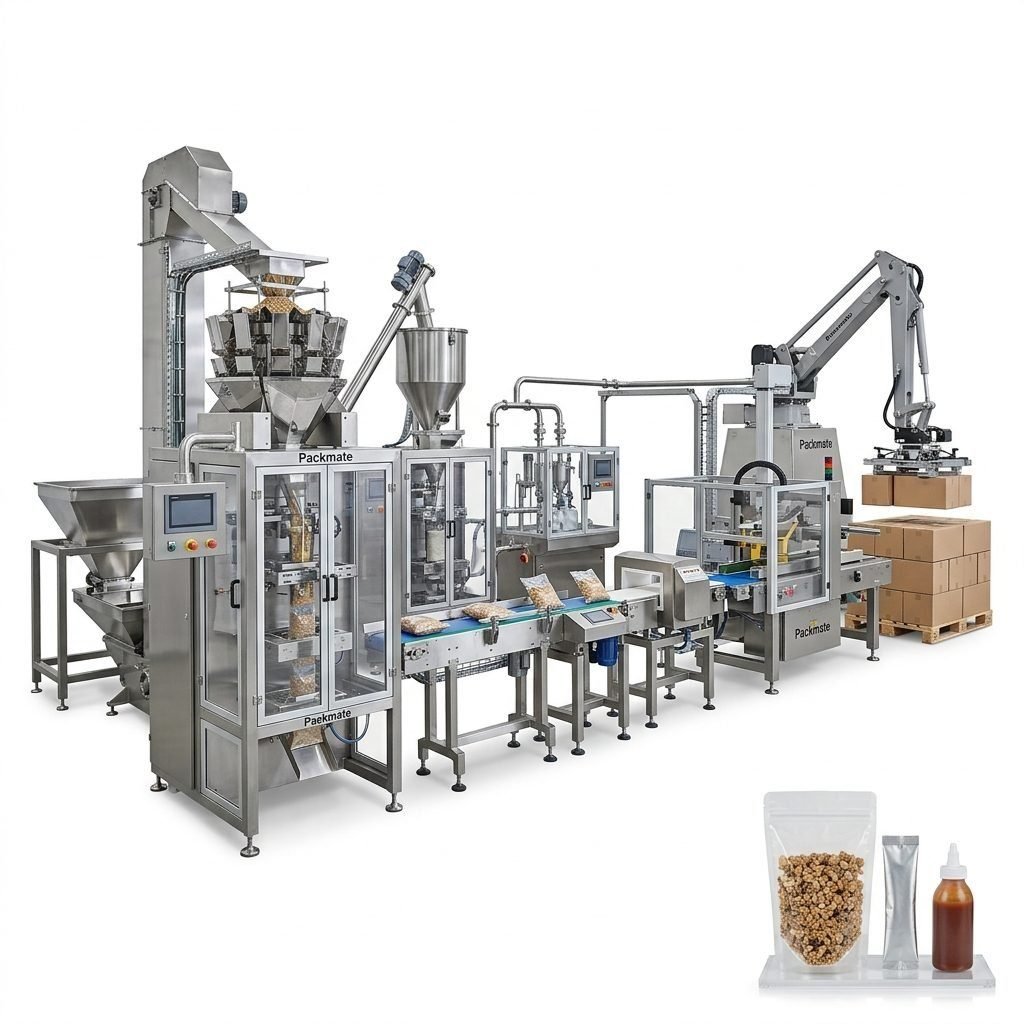
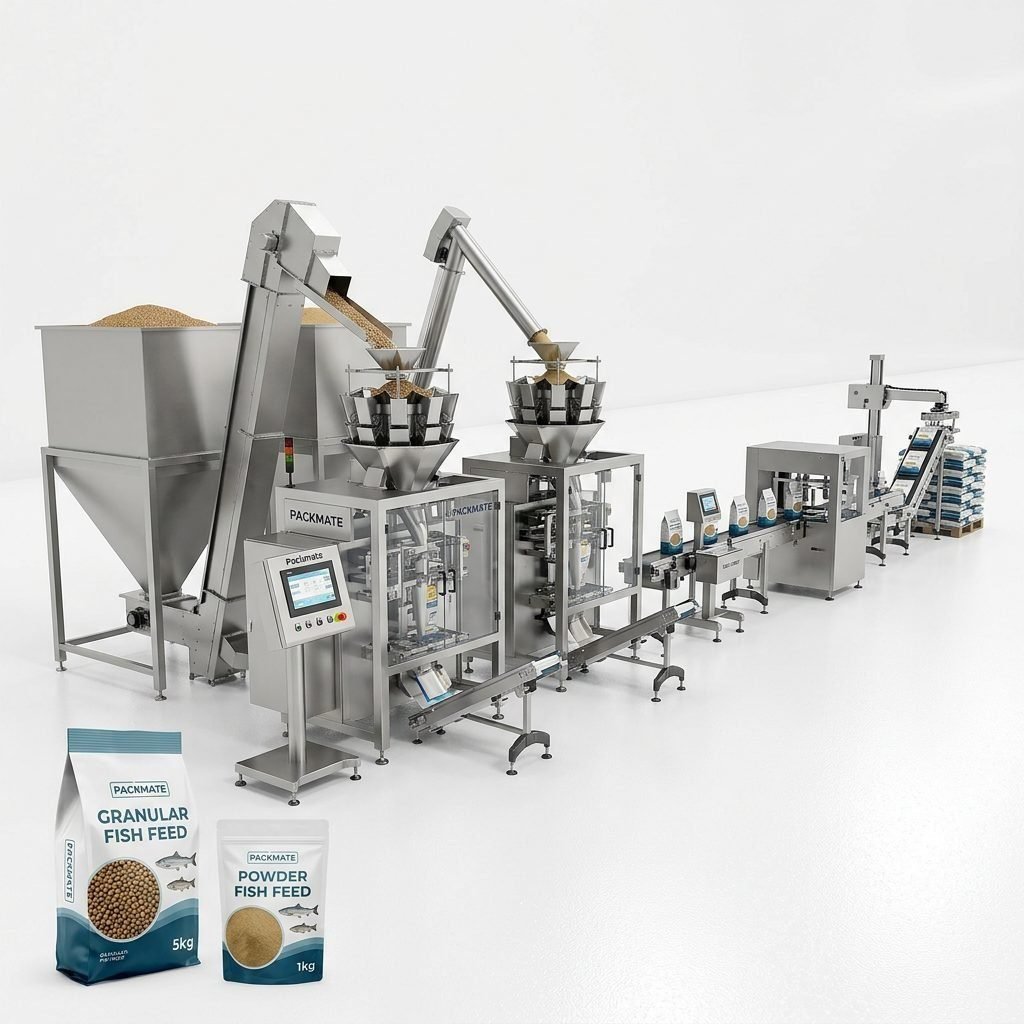
Automation Level: Manual or semi-automatic machines are less expensive upfront but incur higher labor costs. Fully automatic machines, including robotic palletizers or integrated weighing and packaging systems, require a larger initial investment but dramatically reduce long-term operational expenses and minimize human error.
Production Speed and Output: Machines are rated by packages per minute (PPM). A machine capable of 200 PPM will be priced significantly higher than one rated for 50 PPM. It’s vital to match the machine’s speed with your current and projected future production volumes to avoid over or under-investing.
Materials and Build Quality: Machines constructed with high-grade stainless steel (e.g., 304 or 316L) for food-grade applications, precision-machined parts, and branded components (like Siemens or Schneider Electric PLCs) are more durable, hygienic, and reliable, but also more costly. This is a critical area where manufacturers with a strong reputation for quality justify their pricing.
Beyond the Sticker Price: Total Cost of Ownership (TCO) Analysis
A savvy buyer looks beyond the initial purchase price. The Total Cost of Ownership provides a more accurate picture of the machine’s financial impact over its lifespan, typically 7-15 years.
1. Initial Investment
This includes the machine price, shipping, import duties (if applicable), installation, and commissioning fees. It also covers the cost of any essential ancillary equipment or spare parts kits purchased upfront.
2. Operational Costs
Energy Consumption: High-speed machines with numerous servo motors consume more power. Evaluate the machine’s energy efficiency rating.
Consumables: Cost of packaging film, sealing jaws, filters, and lubricants.
Labor: Highly automated systems reduce the number of operators needed per shift, a major recurring saving.
Downtime: Unplanned stoppages are the single largest hidden cost. A reliable machine from a reputable supplier minimizes this.
3. Maintenance and Repair Costs
Regular preventive maintenance (PM) is essential. Factor in the cost of PM kits, annual service contracts, and potential repairs. Machines with good accessibility and standardized parts typically have lower maintenance costs. A robust service and support program from the manufacturer is invaluable here.
4. Cost of Changeover and Flexibility
If you produce multiple SKUs, the time and cost to change packaging formats (size, film type) is critical. Machines with quick-change features, recipe storage, and high flexibility may have a higher price but save substantial money and time in the long run, especially for filling and packaging lines handling diverse products.
Price Ranges for Common Machine Types
Note: These are broad estimates. Exact pricing requires a formal quotation based on your specifications.
Basic Semi-Automatic Machines (e.g., single-head powder filler): \$5,000 – \$25,000. Suitable for low-volume startups, R&D, or pilot plants.
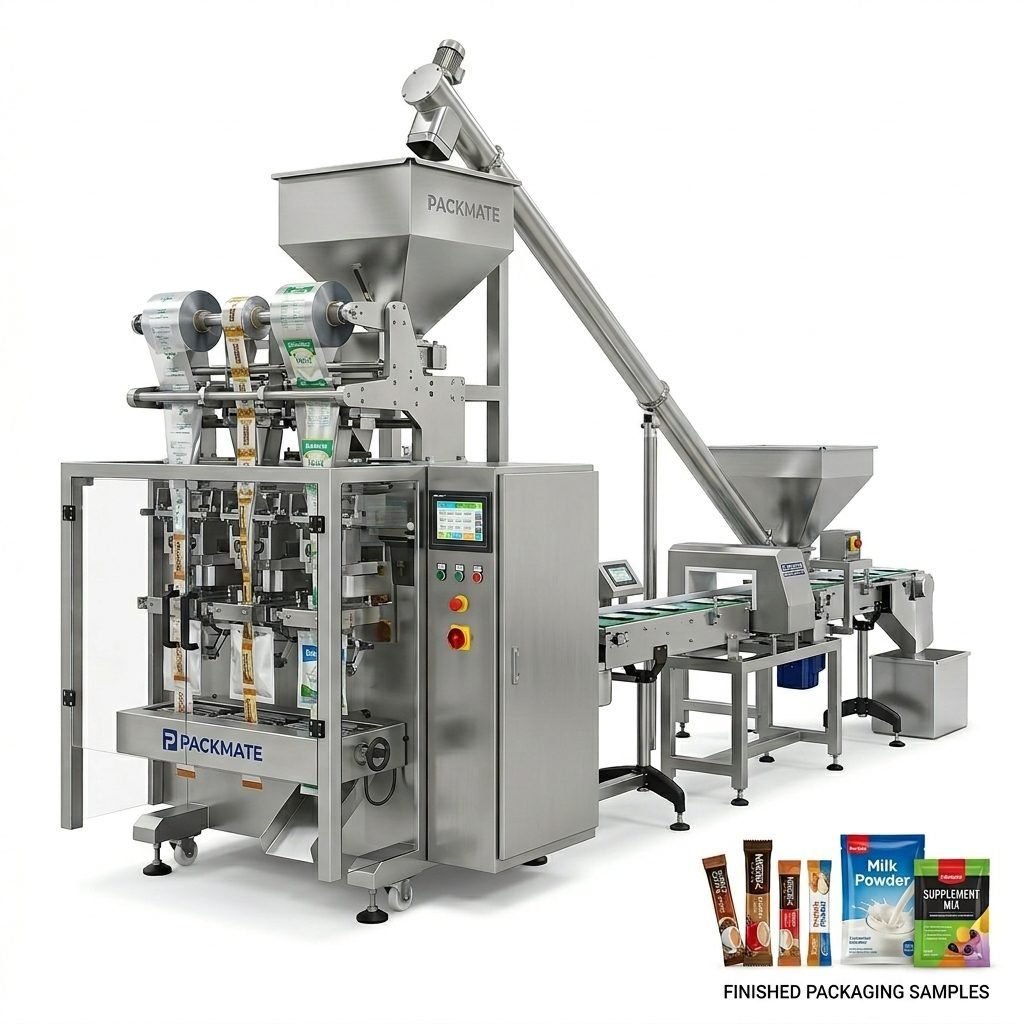
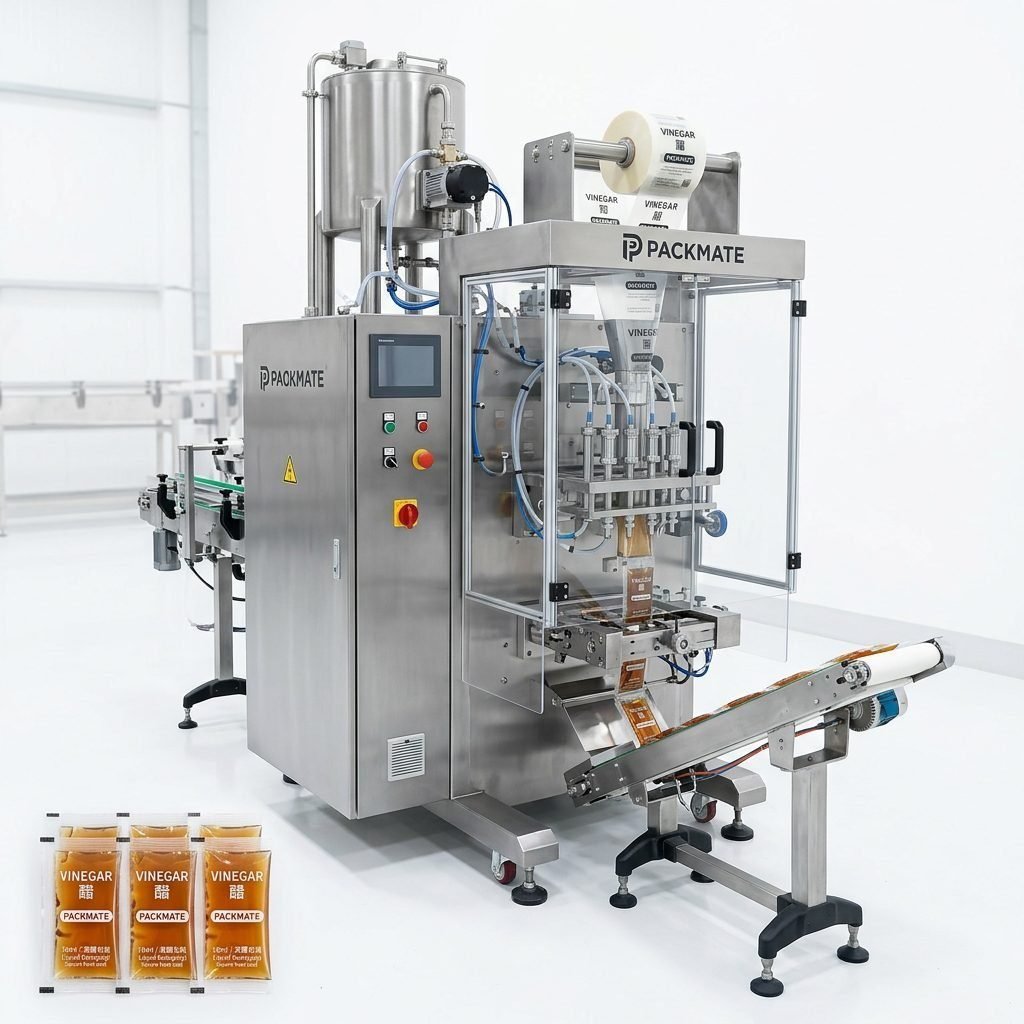
Standard Automatic VFFS Pouch Machines: \$30,000 – \$80,000. The workhorse for many food packaging applications, from snacks to granular products.
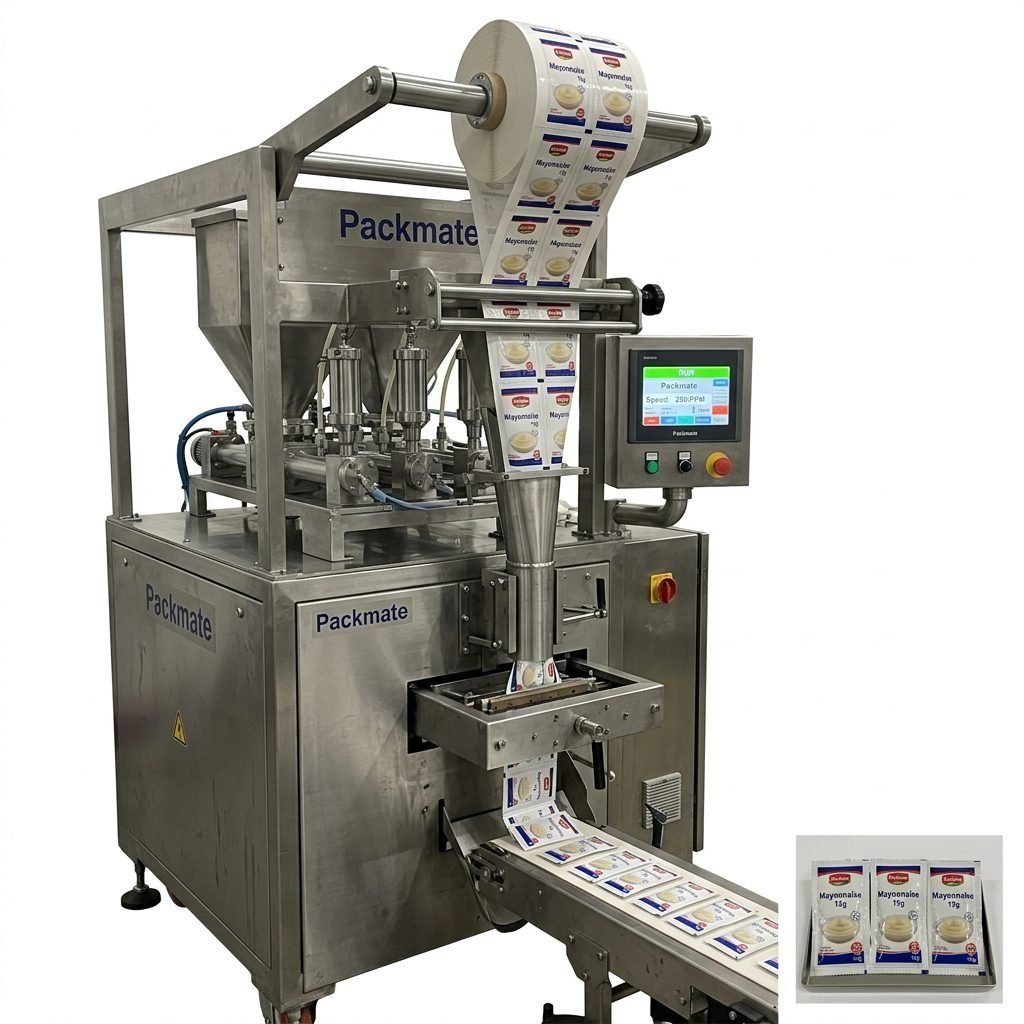
Multi-Lane Stick Pack & Sachet Machines: \$80,000 – \$250,000+. Designed for high-volume output of portion-controlled products like sugar, instant coffee, or sauces. Complexity and lane count (4, 8, 12, 16) greatly affect price.
Complete Turnkey Liquid Filling Lines: \$100,000 – \$500,000+. Includes filling, capping, labeling, and inspection systems. Price scales with automation, accuracy requirements, and hygienic design standards.
Making a Financially Sound Decision
To make an informed purchase, follow these steps: 1) Clearly define your product, output goals, and budget. 2) Request detailed quotations from 3-4 reputable suppliers, ensuring they include all TCO components. 3) Compare not just price, but machine specifications, warranty, delivery time, and the supplier’s track record. 4) Calculate the Return on Investment (ROI) by projecting savings from increased speed, reduced waste, and lower labor costs against the TCO.
Choosing a partner like Packmate Machinery, with over 30 years of experience in building reliable packaging solutions, means investing in a machine designed for longevity and supported by a global service network. This often proves more economical than opting for a lower-priced, less reliable alternative.
Frequently Asked Questions (FAQ)
1. What is the typical lead time for a food packaging machine?
Lead times vary widely. Standard models may ship in 4-8 weeks, while highly customized or complex turnkey lines can take 12-20 weeks from order confirmation. Always confirm this with your supplier during the quotation process.
2. Can I get financing or leasing options for packaging equipment?
Many manufacturers and third-party financial institutions offer equipment financing or leasing plans. This can help preserve capital and align machine payments with the productivity gains the equipment generates.
3. How important is after-sales service and technical support?
It is critically important. Ensure your supplier offers comprehensive training, readily available spare parts, and responsive technical support (remote and on-site). Good support maximizes uptime and extends the machine’s operational life.
4. Are used or refurbished machines a good option to save cost?
They can be, but carry higher risk. A refurbished machine from the original manufacturer, with a warranty, is often a safer bet than a generic used machine. Carefully assess the machine’s condition, service history, and compatibility with your parts and support network.
5. How do I ensure the machine meets my local food safety regulations?
Specify the required hygienic standards (e.g., USDA, FDA, EHEDG) during the design phase. Reputable manufacturers design machines to meet international standards and can provide necessary documentation and material certifications.