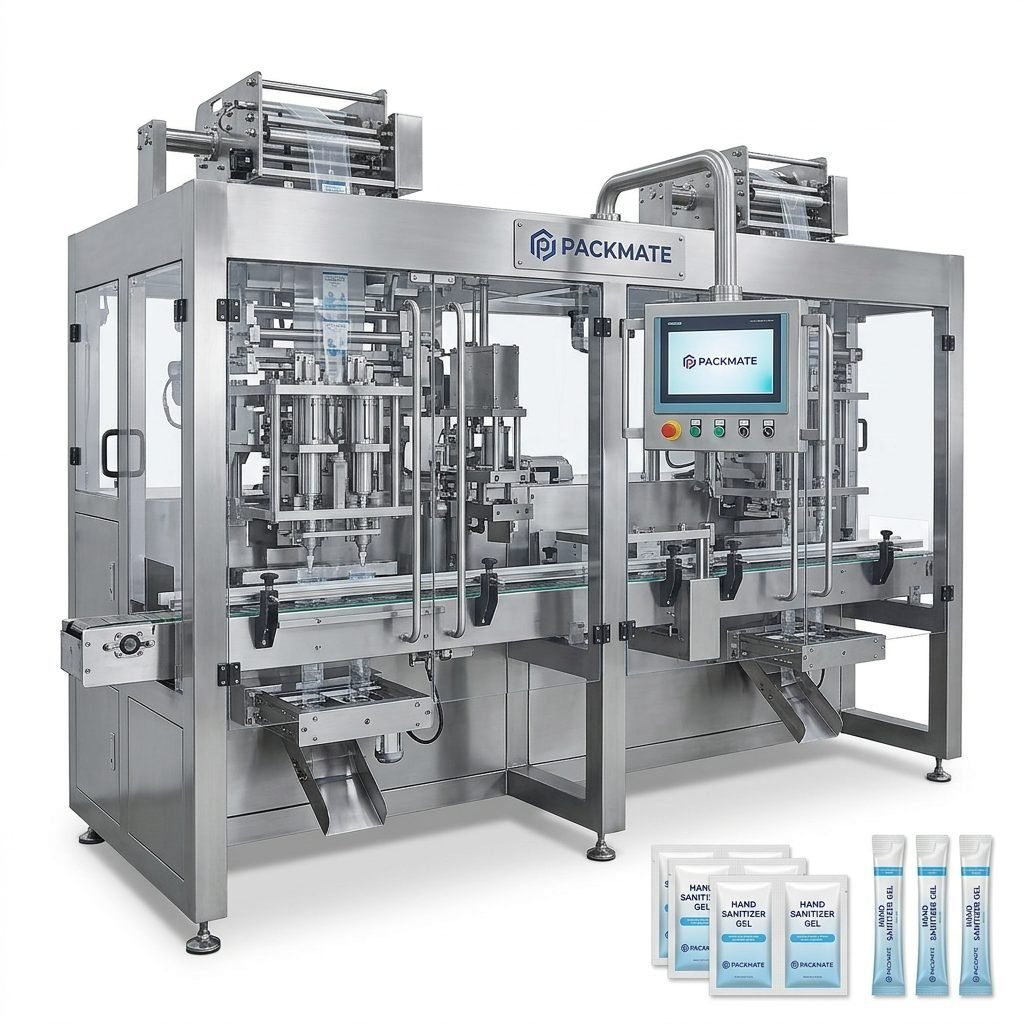
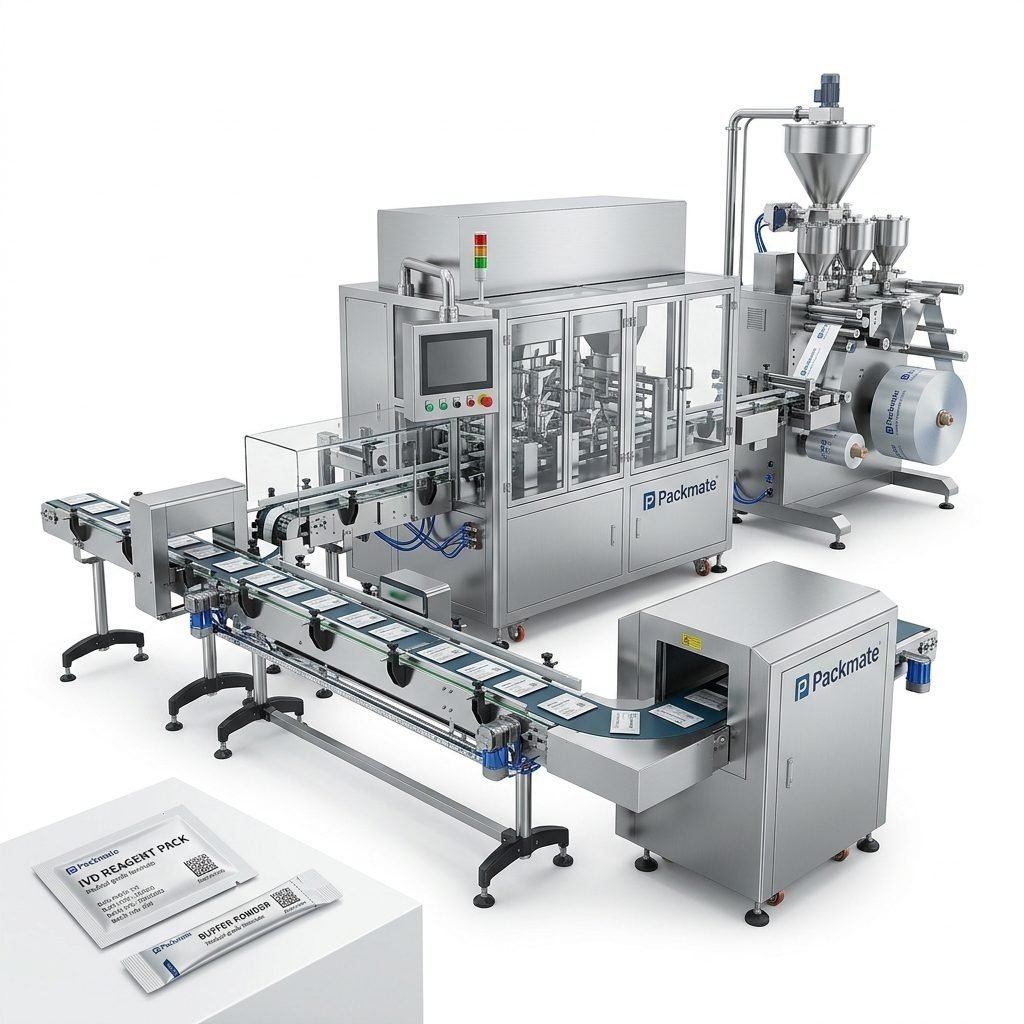
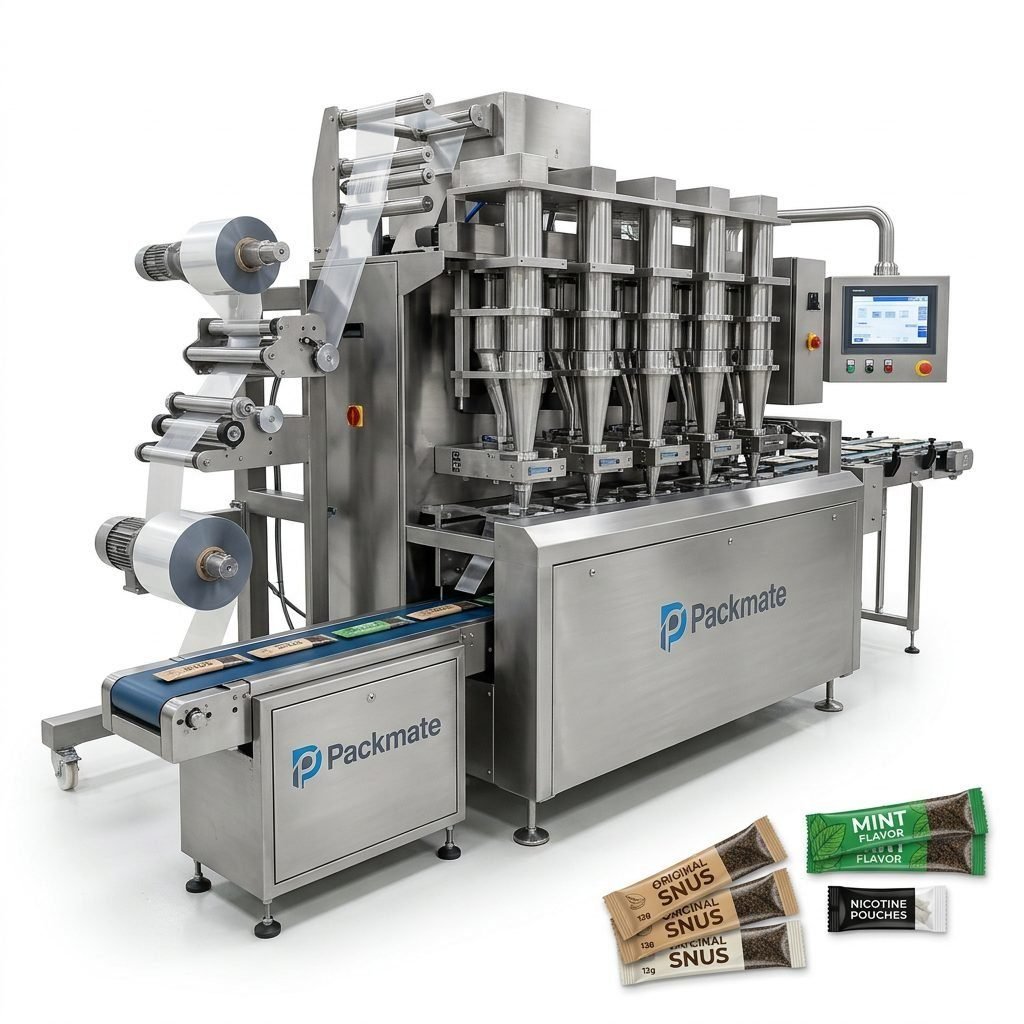
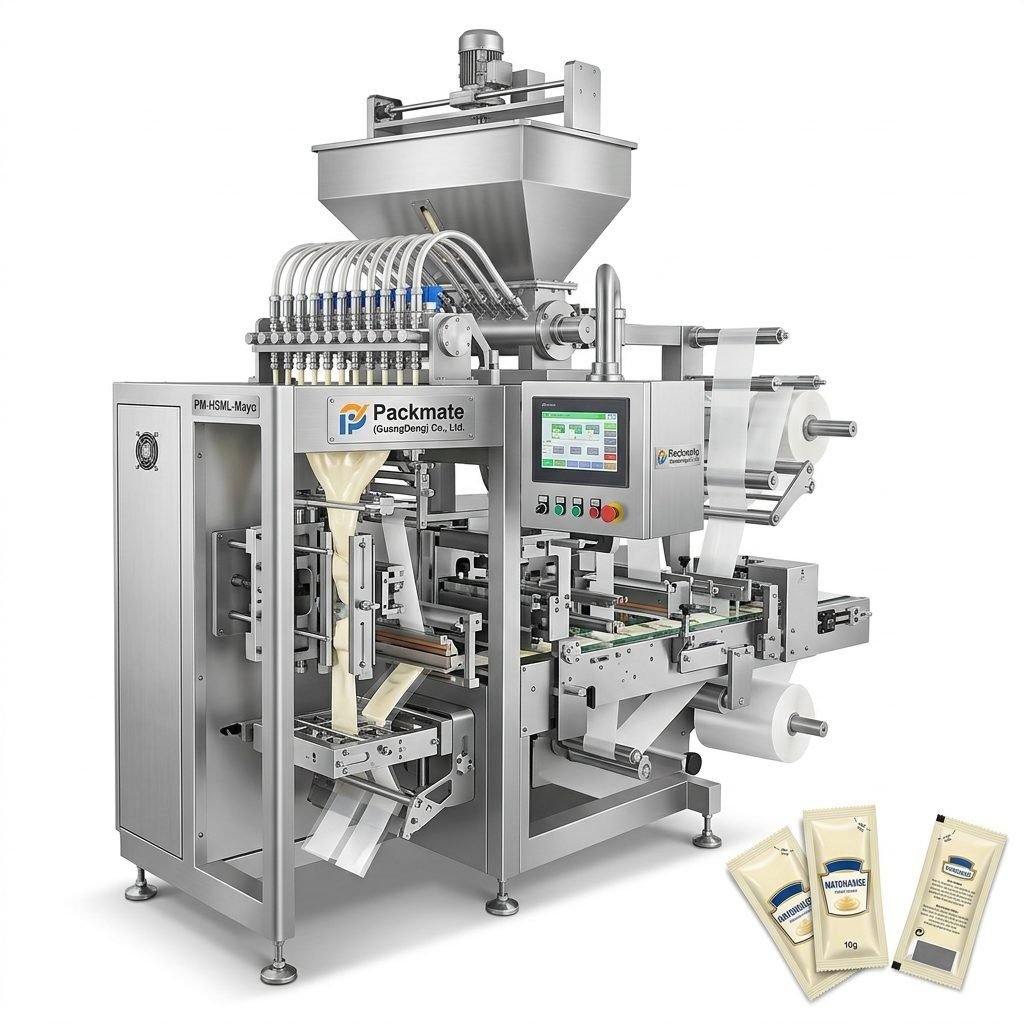
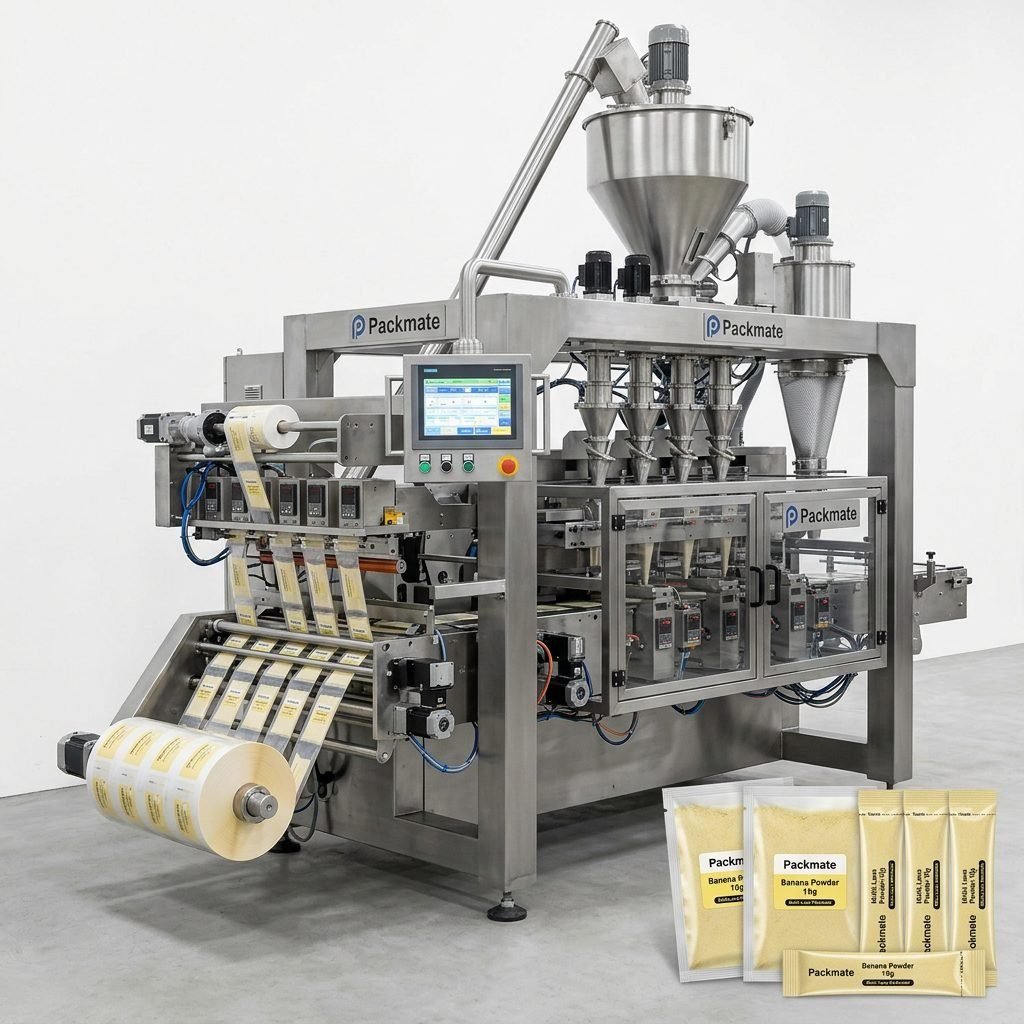
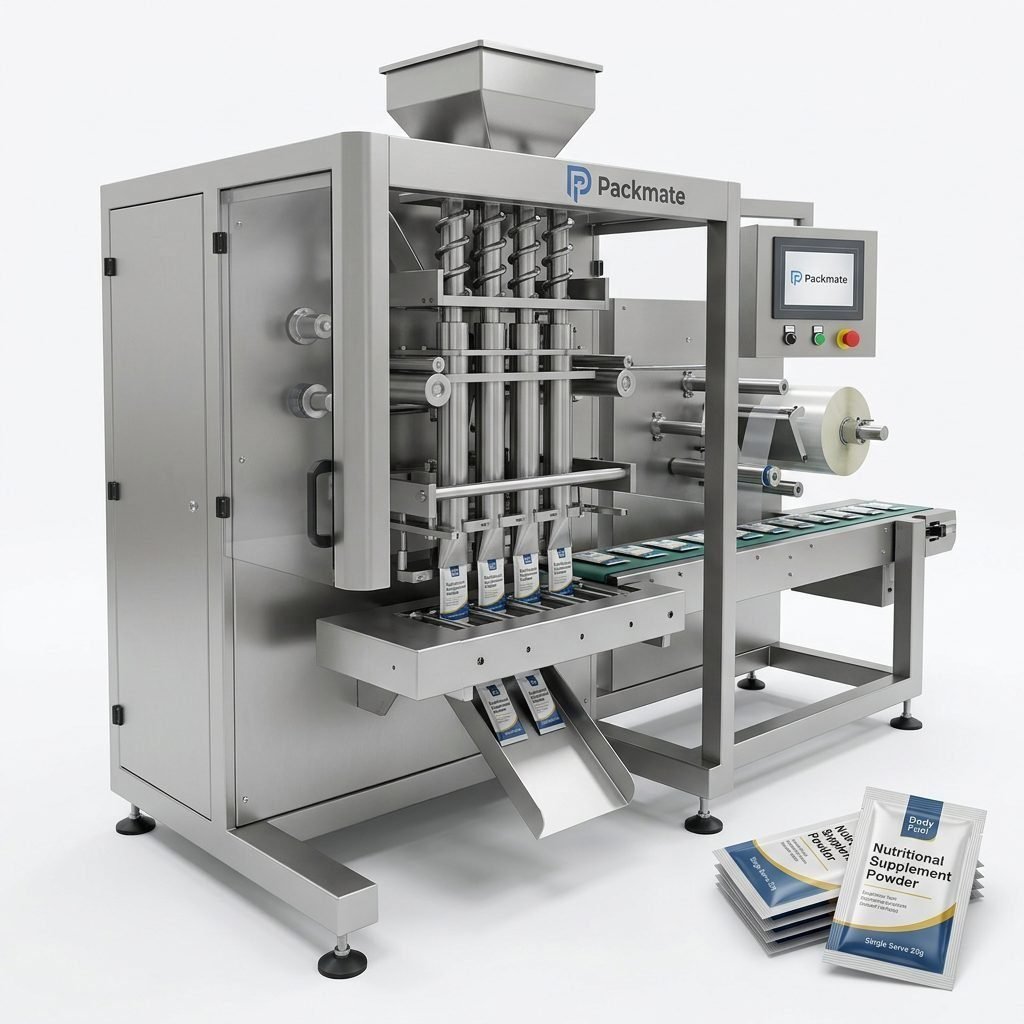
Operating a graphic packaging machine is a specialized and vital role within the manufacturing and production sectors. These professionals are responsible for setting up, operating, and maintaining machinery that packages products into visually appealing and protective materials, often involving printed designs, labels, and specific folding or sealing techniques. The role demands a keen eye for detail, mechanical aptitude, and a commitment to quality and efficiency on the production line.
Core Job Duties of a Graphic Packaging Machine Operator
The daily responsibilities of a graphic packaging machine operator are diverse and crucial to the production workflow. They ensure that packaging not only protects the product but also meets brand and marketing specifications.
Machine Setup and Preparation
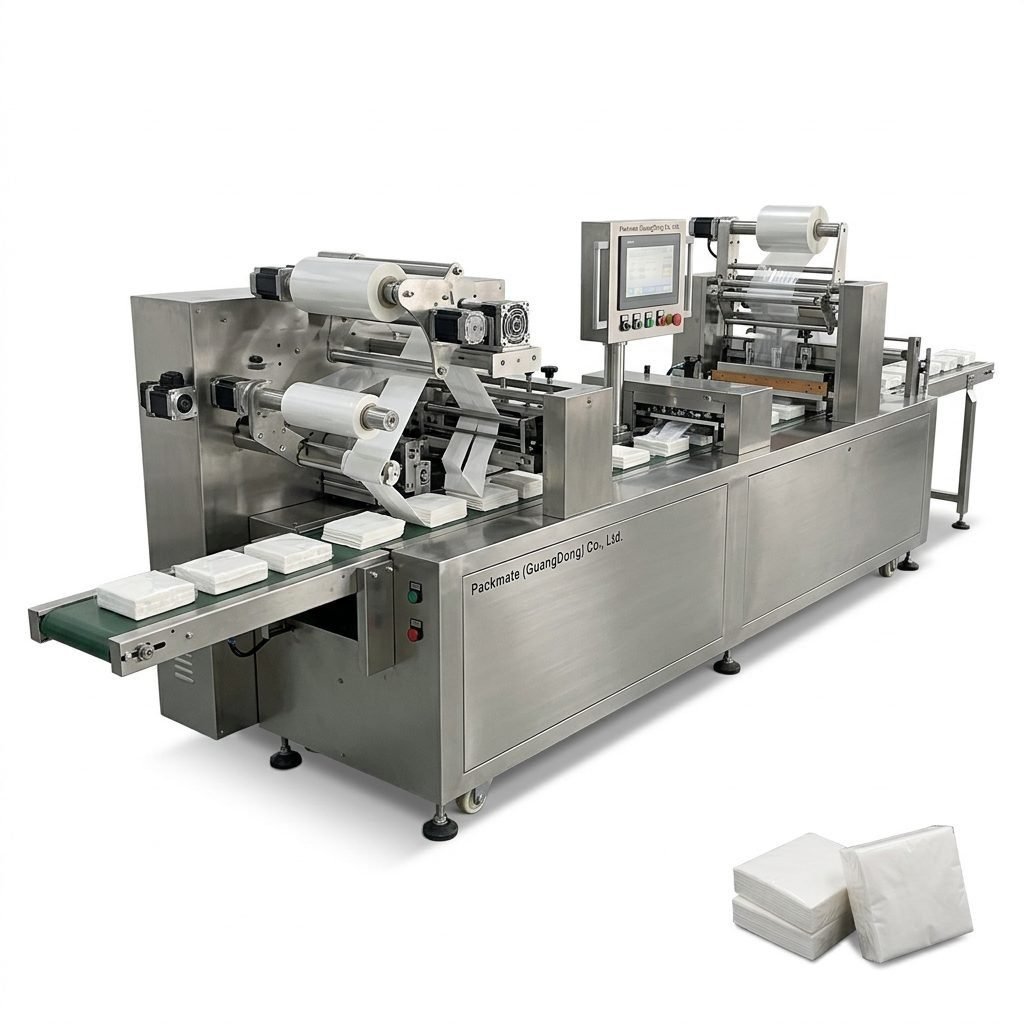
Before a production run begins, the operator must meticulously prepare the machine. This involves loading rolls of pre-printed packaging material, such as cardboard, paperboard, or flexible films, onto the machine’s feeding system. They must thread the material correctly through rollers and guides to ensure proper alignment. A critical part of setup is calibrating the machine for the specific product dimensions. This includes adjusting folding mechanisms, glue applicators, or heat sealers, and setting parameters for cut-off lengths. Operators often consult job sheets or digital instructions to confirm specifications for graphics registration, ensuring logos and text are positioned perfectly on the final package.
Operation and Monitoring
Once the machine is running, the operator’s role shifts to active monitoring and control. They start the machinery and oversee its automatic cycle, which typically involves feeding, forming, filling (if integrated), sealing, and cutting. Constant vigilance is required to check for defects in the packaging, such as misaligned graphics, poor seals, tears, or inconsistent folding. Operators must perform regular quality checks using gauges, calipers, or visual inspection, comparing output against quality standards. They also monitor machine speed and efficiency, making minor adjustments to tension, temperature, or timing to maintain optimal performance.
Troubleshooting and Minor Maintenance
When issues arise—like a jam, a misfeed, or a drop in seal quality—the operator is the first line of defense. They must diagnose common mechanical problems quickly to minimize downtime. This can involve clearing jams, replacing worn parts like blades or sealing bars, cleaning glue nozzles, or realigning sensors. Performing routine preventative maintenance, such as lubricating moving parts and cleaning components, is also a standard duty to ensure machine longevity and prevent major breakdowns.
Quality Control and Record-Keeping
Beyond monitoring, operators are accountable for the final product’s quality. They document production data, including quantities produced, machine speed, downtime reasons, and any quality issues encountered. Rejecting substandard packaging and reporting recurring problems to supervisors or maintenance technicians is essential. This data is vital for tracking efficiency, planning maintenance, and ensuring consistent quality output. For companies like Packmate Machinery, which provides complete turnkey packaging lines, the operator’s role in maintaining seamless, high-quality production is integral to delivering reliable solutions to clients.
Essential Skills and Qualifications
Success in this role is built on a combination of technical knowledge and soft skills. While a high school diploma is often the minimum requirement, employers value hands-on experience and specific competencies.
Technical Skills: A strong mechanical aptitude is fundamental. Operators need to understand how their machine works, read mechanical drawings, and use basic hand tools. Familiarity with programmable logic controllers (PLCs) and touch-screen interfaces is increasingly important. Basic math skills are necessary for measurements and calculations.
Attention to Detail: This is perhaps the most critical skill. Spotting a slight color shift, a millimeter misalignment in a graphic, or a weak seal requires sharp eyes and sustained concentration.
Problem-Solving Ability: Production issues are inevitable. The ability to logically troubleshoot—identifying the root cause of a problem from its symptoms—is invaluable for keeping the line running.
Physical Stamina: The job often involves standing for long periods, lifting moderate weights (like rolls of material), and performing repetitive tasks in a factory environment.
Safety Consciousness: Adherence to lockout/tagout procedures, proper use of personal protective equipment (PPE), and awareness of moving machine parts are non-negotiable for personal and team safety.
Career Path and Advancement Opportunities
A position as a graphic packaging machine operator is an excellent entry point into the manufacturing world with clear pathways for growth.
Entry-Level to Senior Operator
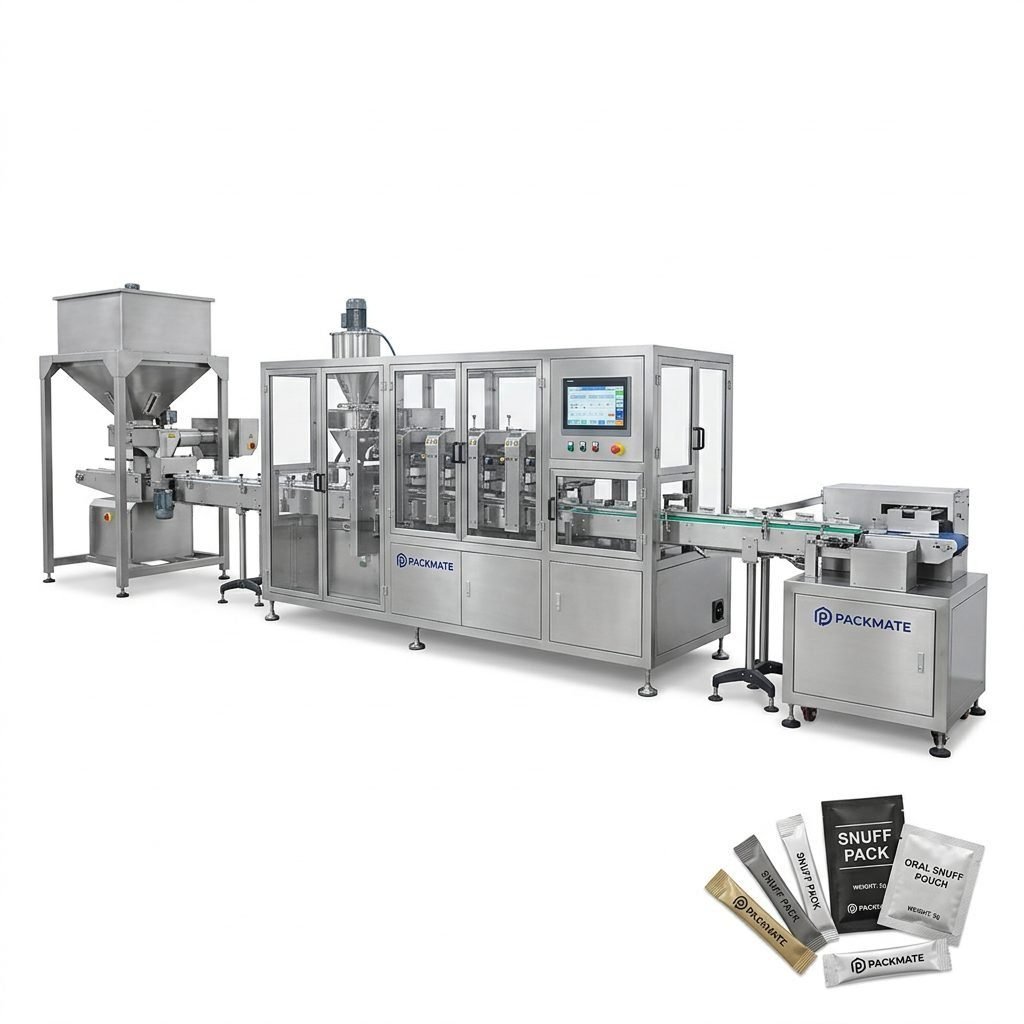
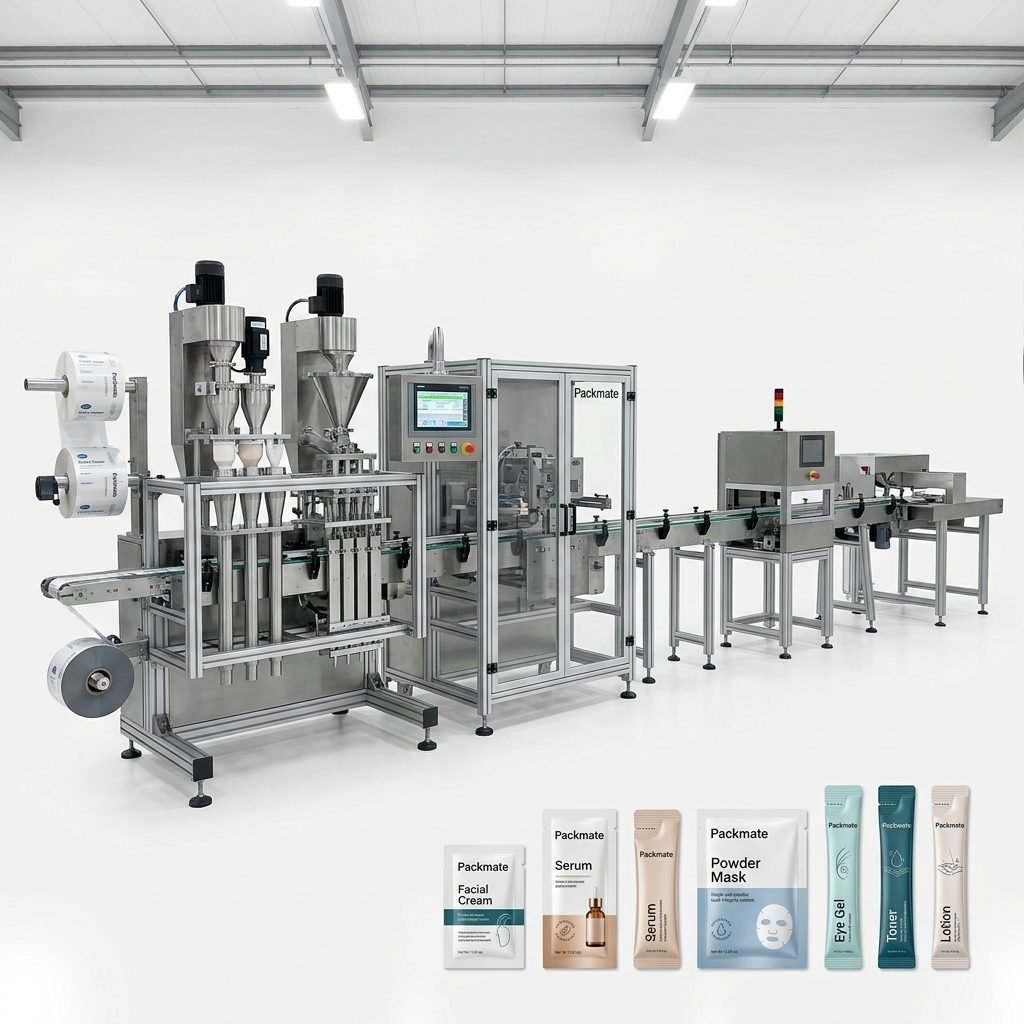
New operators typically start by assisting experienced colleagues, learning basic setups, and performing simple monitoring tasks. With 1-3 years of experience, they progress to independent operation of more complex machines, like the advanced multi-lane sachet and stick pack machines. Senior operators handle the most sophisticated equipment, train newcomers, and may take on lead roles on a shift.
Supervisory and Specialist Roles
Demonstrating reliability, leadership, and deep technical knowledge can lead to promotion to Production Supervisor or Team Lead, responsible for an entire shift or production area. Alternatively, some operators move into specialized roles such as Maintenance Technician, focusing on repairing and overhauling packaging machinery, or Quality Control Inspector, with a dedicated focus on auditing output. Companies that invest in innovation, such as Packmate with its 30+ years of expertise, often provide opportunities for skilled operators to contribute to testing and refining new equipment.
Further Education and Certifications
Pursuing further education in mechatronics, industrial maintenance, or manufacturing technology can significantly enhance career prospects. Certifications from equipment manufacturers or industry bodies in safety (e.g., OSHA), quality (e.g., Six Sigma), or specific machine platforms are highly regarded and can lead to roles in technical support, sales engineering, or production planning.
Work Environment and Industry Context
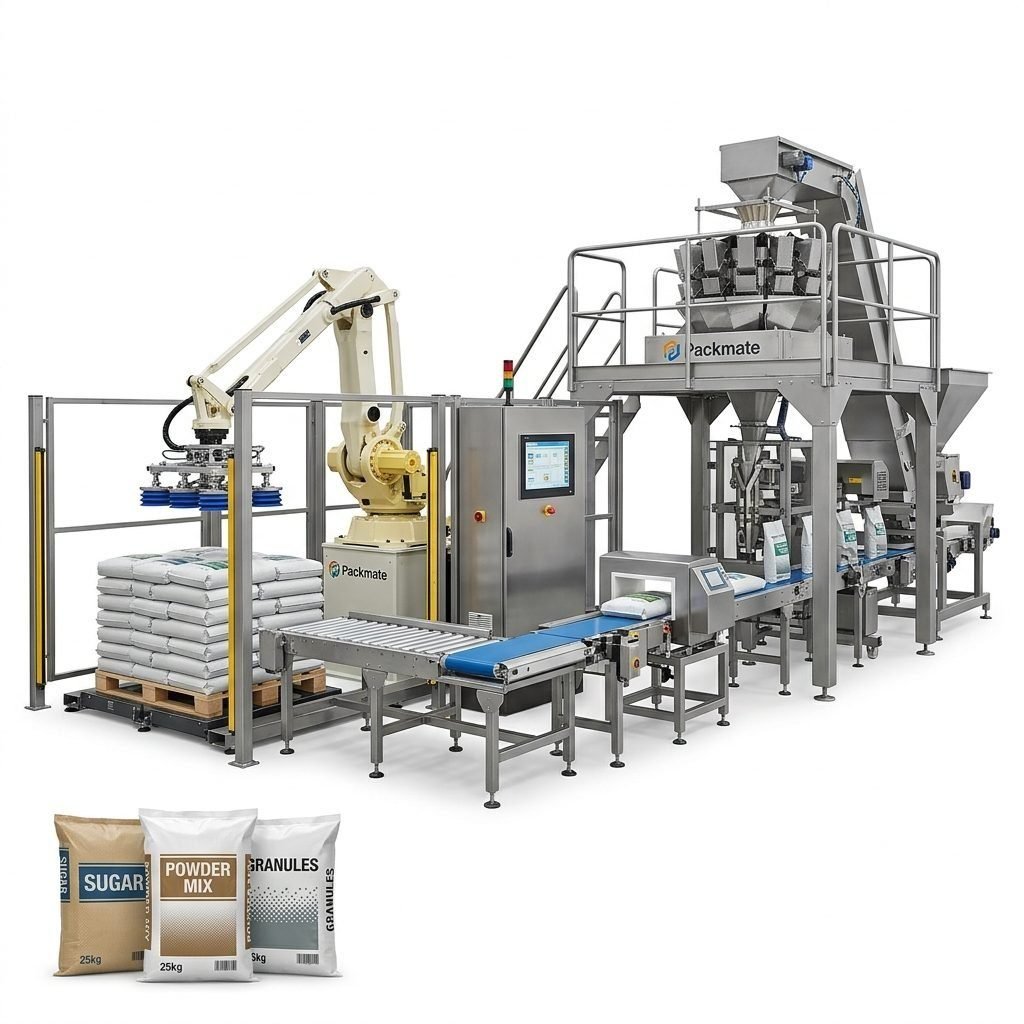
Graphic packaging machine operators are employed across a wide range of industries where product presentation is key. This includes food and beverage, pharmaceuticals, cosmetics, consumer goods, and electronics. The work environment is typically a clean, well-lit, but noisy manufacturing floor. Shifts often follow a pattern (e.g., day, night, or rotating), and overtime may be required to meet production deadlines. The rise of automation and smart packaging lines means operators are increasingly working alongside sophisticated robotics and data collection systems, requiring continuous learning and adaptation.
The Importance in Modern Manufacturing
In an era where branding and shelf appeal are paramount, the graphic packaging machine operator plays a direct role in a product’s market success. They ensure that the brand’s visual identity is perfectly translated onto the physical package. Furthermore, by maximizing machine efficiency and minimizing waste, they contribute directly to the company’s productivity and sustainability goals. The reliability of the machinery they operate is critical; hence, partnering with established manufacturers like Packmate, which offers a wide range of reliable packaging solutions, is a strategic advantage for employers.