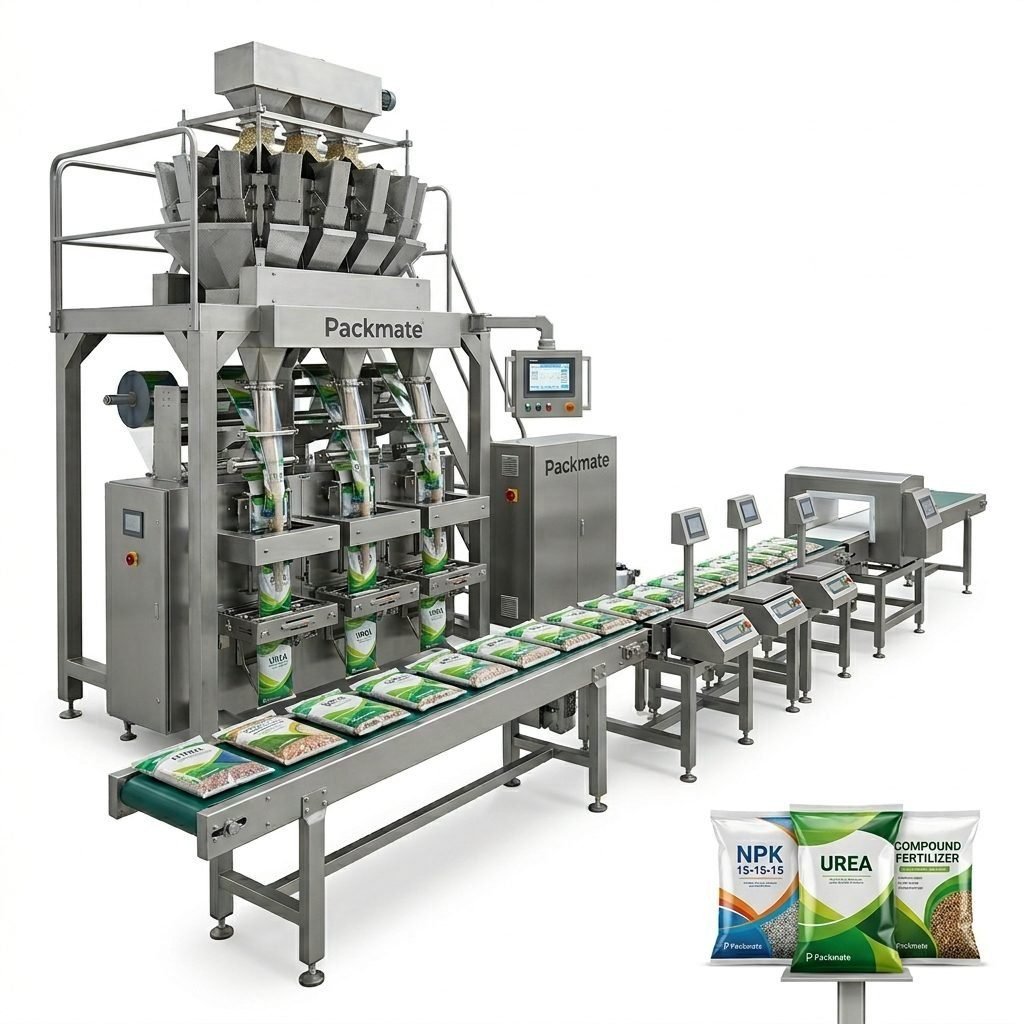
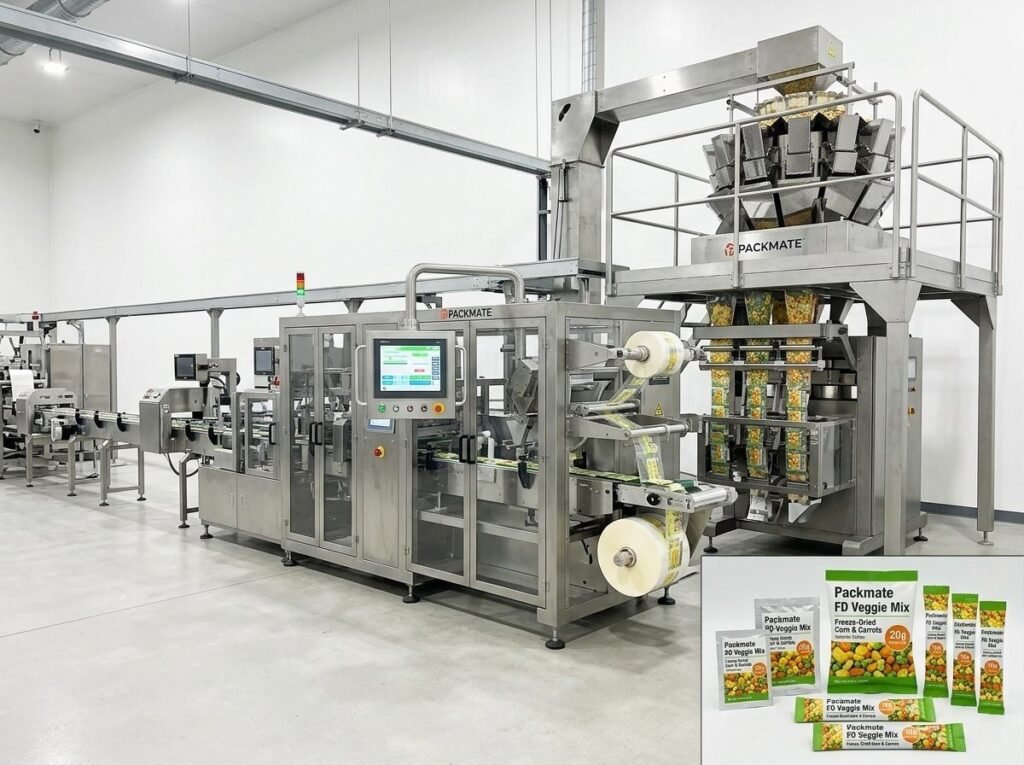
In the world of food packaging, honey presents a unique set of challenges. Its viscosity, tendency to crystallize, and the need for precise, clean filling make manual processes inefficient and costly. This is where a specialized honey bottle packaging machine becomes an indispensable asset for producers, from large-scale manufacturers to artisanal beekeepers. This complete guide delves into everything you need to know about selecting and operating these machines for maximally efficient filling operations.
Understanding the Core Function: How Honey Filling Machines Work
Modern honey bottle packaging machines are marvels of precision engineering. The process typically begins with an unscrambler that orients empty bottles. The bottles are then conveyed to the filling station. For honey, piston fillers and pump-based systems are most common due to their ability to handle thick, non-Newtonian fluids accurately. A precisely measured volume of honey is dispensed into each bottle. The machine then proceeds to capping, which can involve screw capping, press-on lids, or even tamper-evident seals. Finally, labeled bottles are discharged for boxing and palletizing. This seamless, automated flow is what drives the high efficiency these systems are known for.
Key Advantages of Automation
Investing in an automated line from a reputable manufacturer like Packmate Machinery transforms production. Speed and output increase dramatically, often filling hundreds of bottles per minute. More critically, accuracy improves, reducing product giveaway and ensuring consistent fill levels mandated by regulations. Automation also minimizes human contact with the product, drastically improving hygiene and reducing contamination risks. The labor savings are substantial, allowing staff to focus on quality control and other value-added tasks.
Critical Factors for Selecting the Right Machine
Choosing a honey bottle packaging machine is not a one-size-fits-all decision. Several factors must be carefully evaluated to ensure a perfect fit for your operation.
1. Production Capacity and Speed Requirements
Your required output—whether it’s 500 bottles per hour or 5,000—will dictate the machine’s configuration. Semi-automatic single-head fillers suit lower volumes, while fully integrated rotary filling lines with multiple heads are necessary for high-speed production. It’s crucial to plan for future growth when specifying capacity.
2. Bottle Characteristics and Honey Type
The machine must be compatible with your container’s material (glass, PET, HDPE), shape, and size. Furthermore, the physical properties of your honey matter. Raw, unfiltered honey with particulates, creamed honey, or infused varieties may require specialized pump systems or hopper designs to ensure smooth, clog-free operation. Discussing your specific product with the machine supplier is essential.
3. Level of Automation and Integration
Do you need a standalone filler, or a complete turnkey line? A full filling and packaging line includes unscramblers, fillers, cappers, labelers, and case packers, all synchronized. The investment is higher, but the efficiency gains are unparalleled. For many businesses, a modular approach, starting with a core filler and adding automation later, is a strategic choice.
The Packmate Advantage: Built for Reliability
With over 30 years of expertise, Packmate (GuangDong) Co., Ltd. understands the nuances of packaging challenging products like honey. Their machines are engineered in a 20,000㎡ modern facility with robust components to handle sticky, viscous materials day in and day out. The focus on intelligent packaging solutions means features like easy-clean designs, precision servo drives for fill accuracy, and user-friendly PLC controls are standard, ensuring your line runs efficiently with minimal downtime.
Optimizing Your Filling Line for Peak Efficiency
Once the right machine is installed, proper operation and maintenance are key to sustaining high efficiency.
Pre-Operation Setup and Calibration
Accurate filling starts with precise calibration. Always calibrate the filler using the exact honey product and bottle you will run in production, as density can vary. Set the correct fill volume, accounting for any foam or bubbles. Ensure all product contact parts are meticulously cleaned and sanitized to prevent flavor carryover or microbial growth.
Routine Maintenance is Non-Negotiable
Honey is sticky and can harden, making regular cleaning the most critical maintenance task. Establish a daily cleaning-in-place (CIP) or disassembly protocol. Lubricate moving parts as per the manufacturer’s schedule, and regularly inspect seals, gaskets, and pistons for wear. This proactive approach prevents major breakdowns and maintains fill accuracy.
Training Operators for Success
Efficiency depends on skilled operators. Ensure your team is thoroughly trained not just on startup and shutdown procedures, but also on troubleshooting common issues like leaks, under-fills, or cap misalignment. Understanding the machine’s logic will empower them to make minor adjustments and keep the line running smoothly.
Future Trends in Honey Packaging Automation
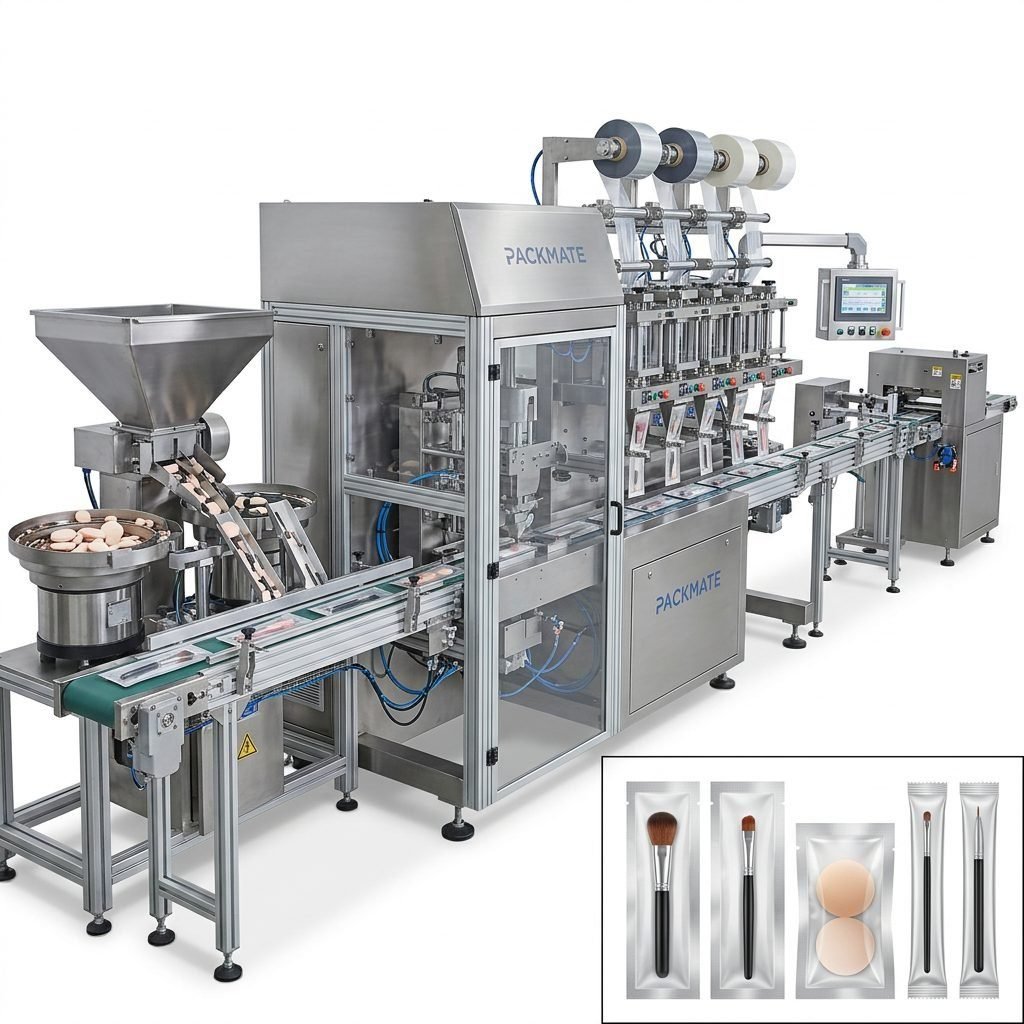
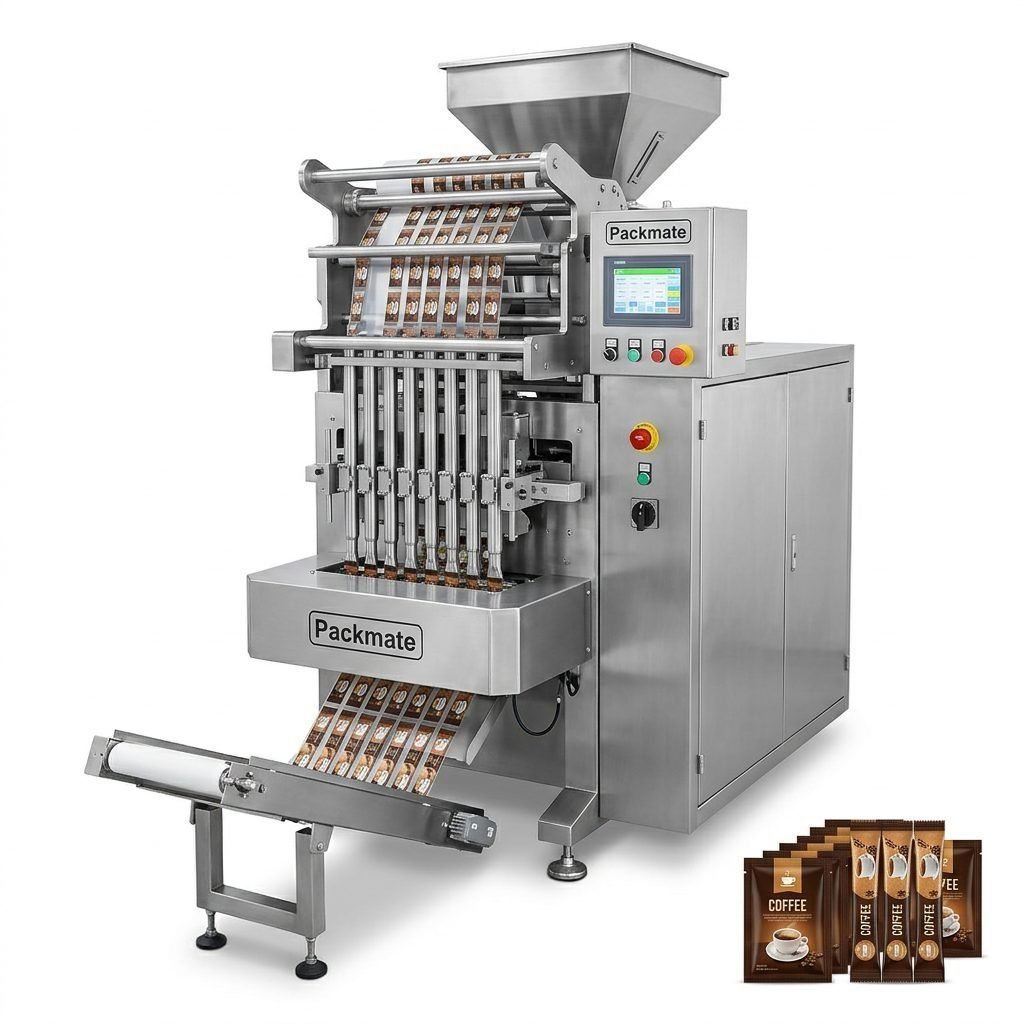
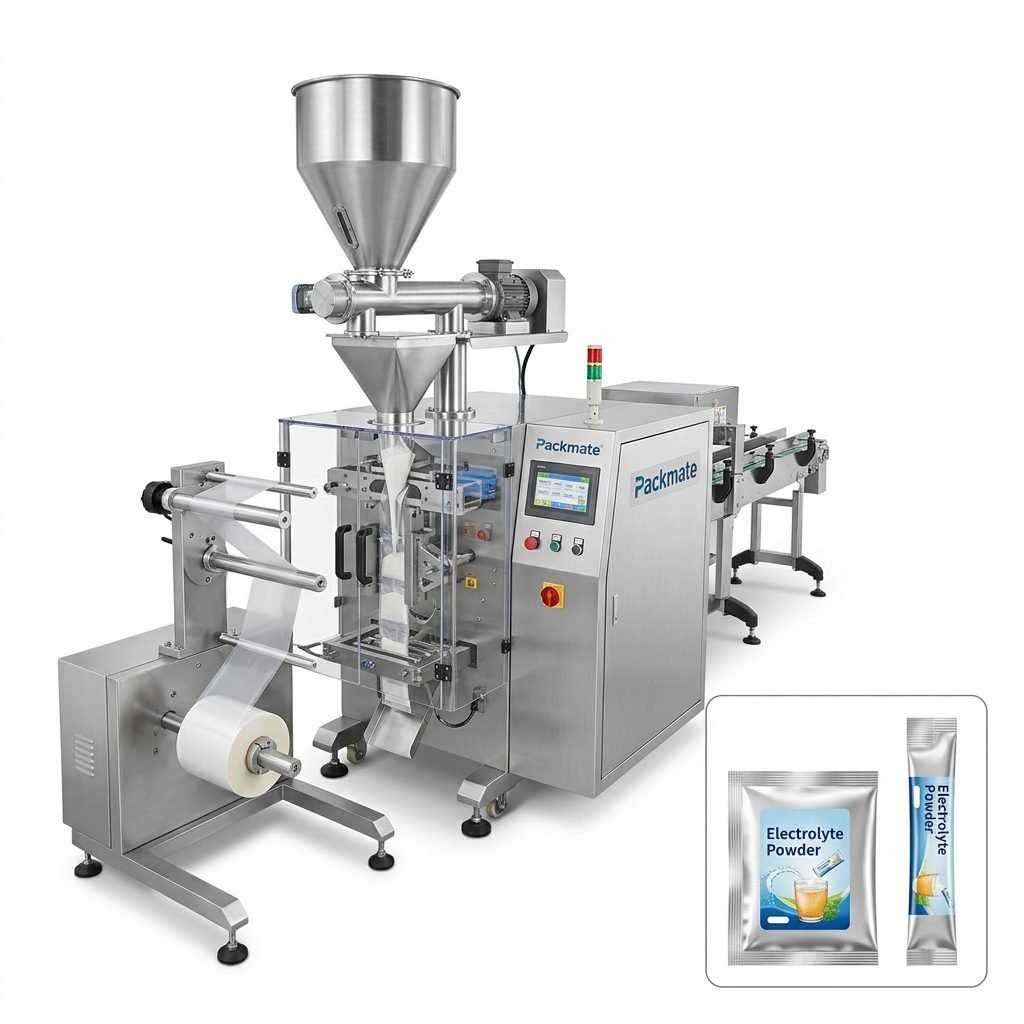
The industry continues to evolve. We are seeing a rise in flexible packaging for honey, such as pouches and stick packs, which require different machinery like sachet and stick pack machines. Sustainability is also a major driver, with machines needing to handle recyclable or compostable materials. Furthermore, Industry 4.0 integration is becoming standard, with machines offering IoT connectivity for real-time monitoring of output, efficiency, and predictive maintenance alerts, all accessible from a mobile device.
In conclusion, a dedicated honey bottle packaging machine is far more than just a piece of equipment; it is the core of a modern, competitive, and hygienic production facility. By carefully selecting a machine matched to your specific needs, maintaining it diligently, and leveraging the expertise of established manufacturers, you can achieve the levels of efficiency, consistency, and quality that today’s market demands. The initial investment paves the way for long-term savings, scalability, and brand protection.
Frequently Asked Questions (FAQs)
1. What type of filling system is best for raw, crystallized honey?
For honey with a tendency to crystallize or containing wax particles, a positive displacement piston filler is highly recommended. Its robust design can handle particulates without clogging, and it provides excellent volumetric accuracy regardless of the product’s viscosity changes. Some systems may also include heated hoppers or jackets to keep the honey in a more fluid state during filling.
2. Can one machine handle different bottle sizes and honey types?
Yes, most modern machines are designed with quick-changeover features. This includes adjustable bottle guides, interchangeable filling nozzles, and tool-less change parts for cappers. Changing the fill volume is typically done via the machine’s touchscreen PLC. However, a complete changeover between vastly different container sizes or from liquid to creamed honey may require more time and part swaps.
3. How do I ensure accurate fill levels to comply with regulations?
Accuracy is achieved through regular calibration and using a precision weighing system. Many advanced fillers are equipped with in-line checkweighers that automatically reject under or over-filled bottles. It is also crucial to control the honey’s temperature and air content (foam), as these affect volume. Maintaining your machine’s seals and piston rings is vital to prevent drift in fill accuracy over time.
4. What are the key hygiene considerations for a honey filler?
Hygiene is paramount. Opt for a machine with a sanitary design: stainless steel product contact surfaces, minimal crevices, and easy disassembly for cleaning. Implement strict SOPs for cleaning before and after production runs. Using food-grade lubricants and ensuring the production environment is clean will prevent contamination and product spoilage.
5. What support can I expect from a manufacturer like Packmate?
Reputable manufacturers provide comprehensive support. This typically includes detailed installation guidance, on-site or remote operator training, a thorough maintenance manual, and access to spare parts. Many, like Packmate, also offer after-sales service plans and technical support to help troubleshoot issues and minimize downtime, ensuring your investment is protected for the long term.