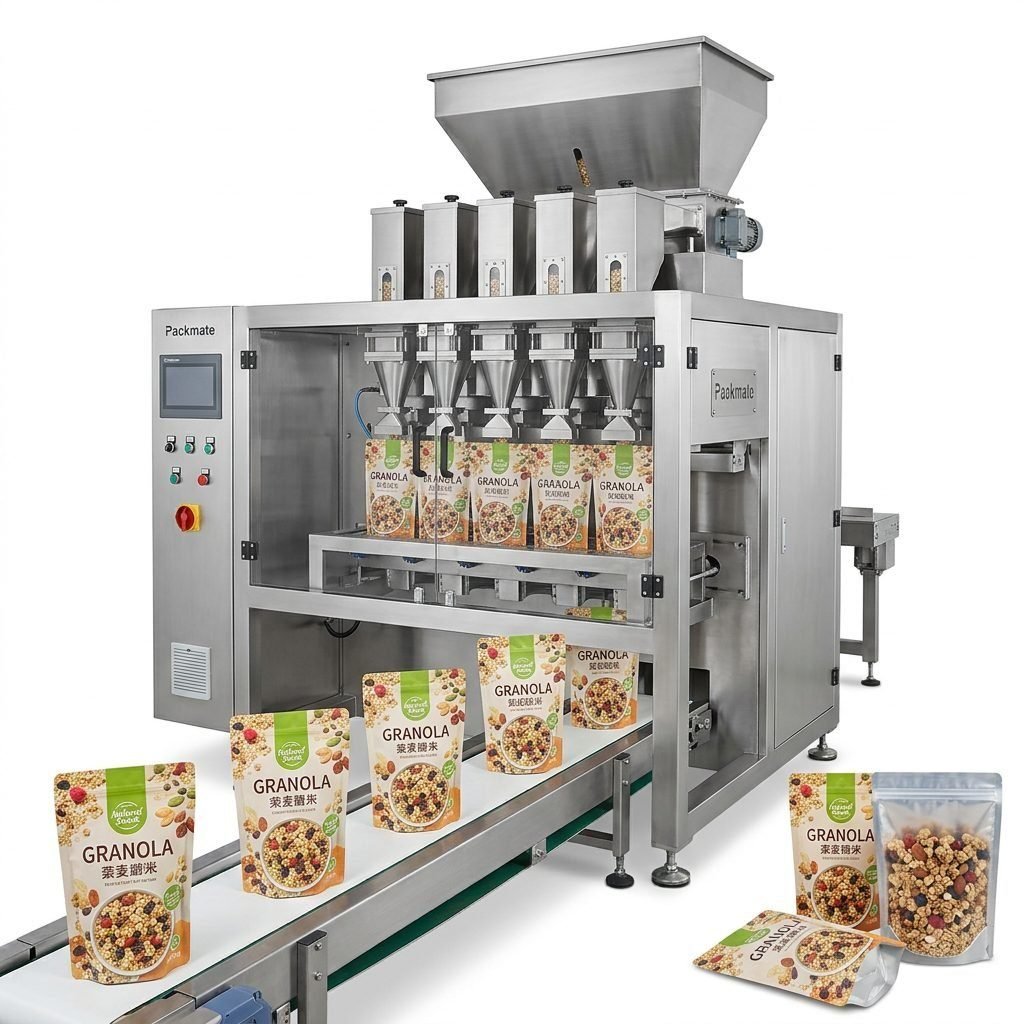
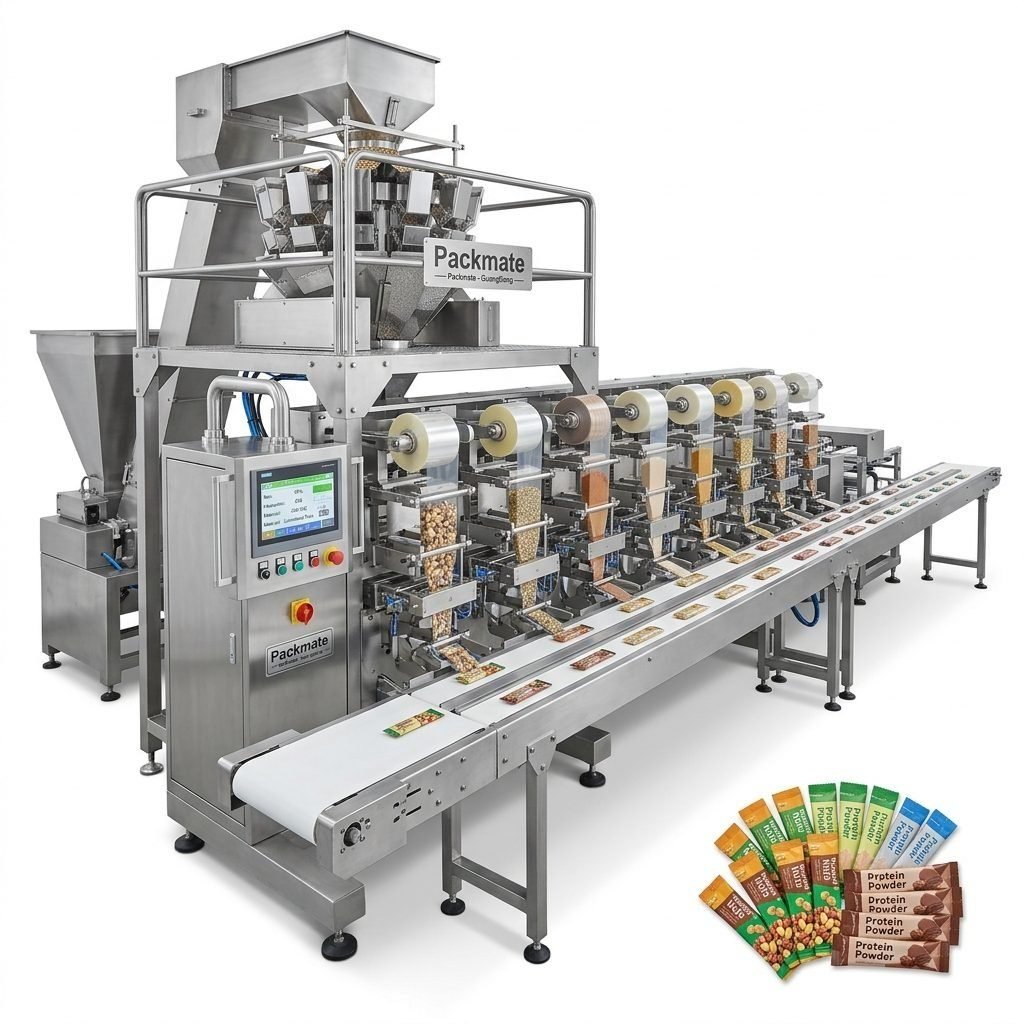
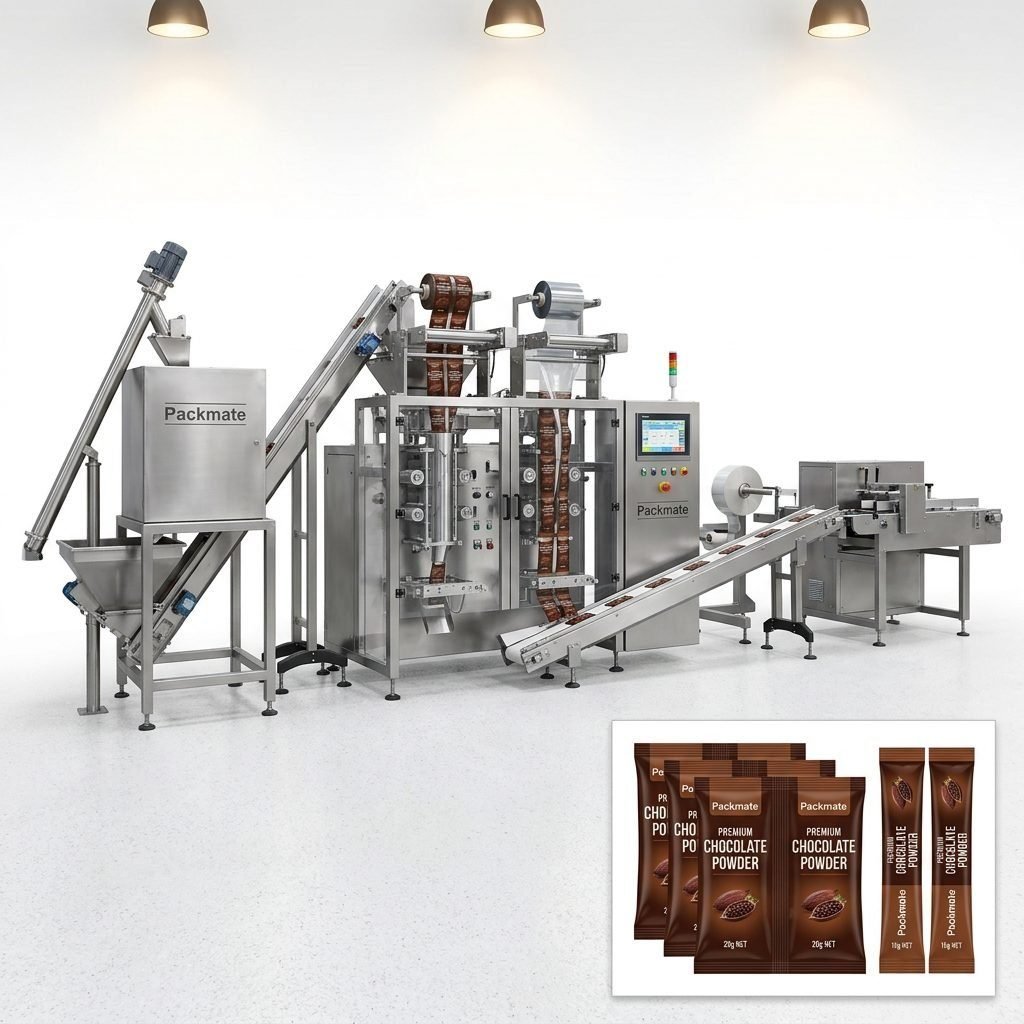
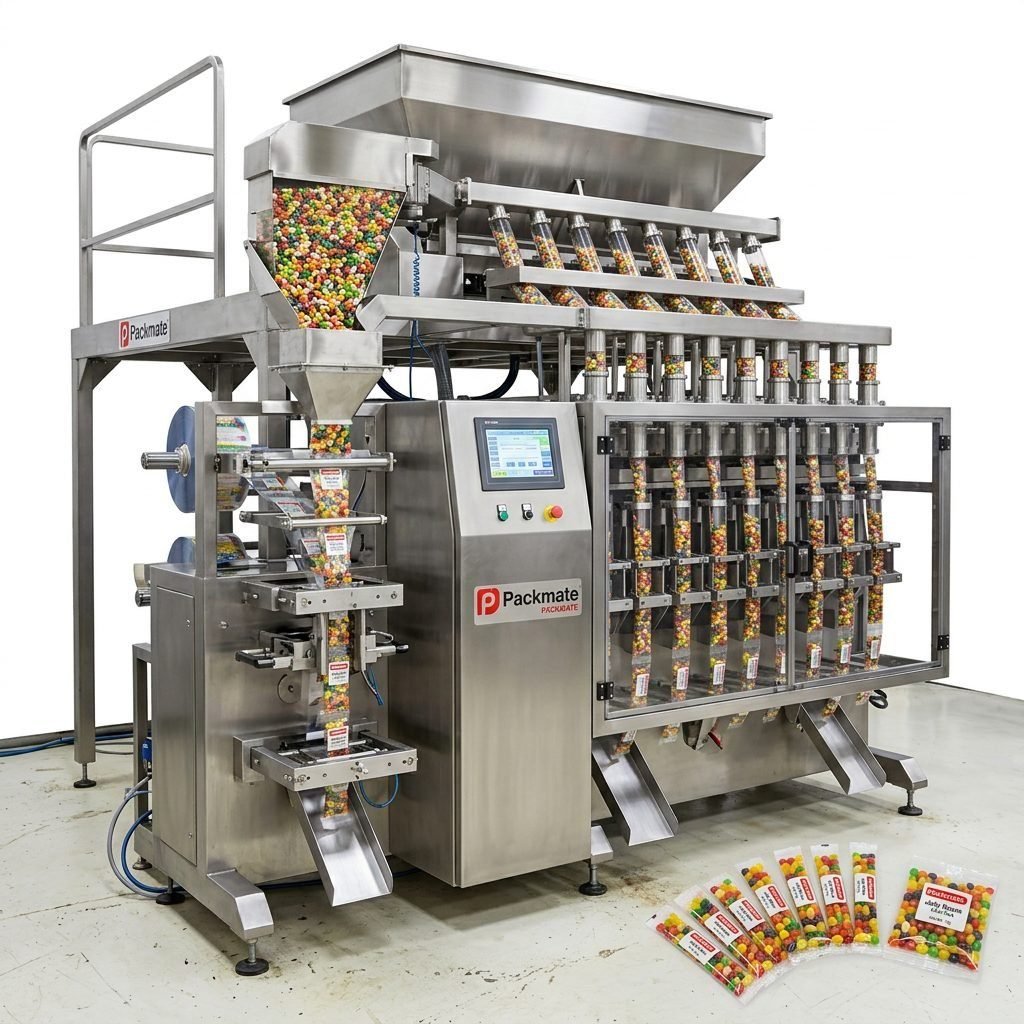
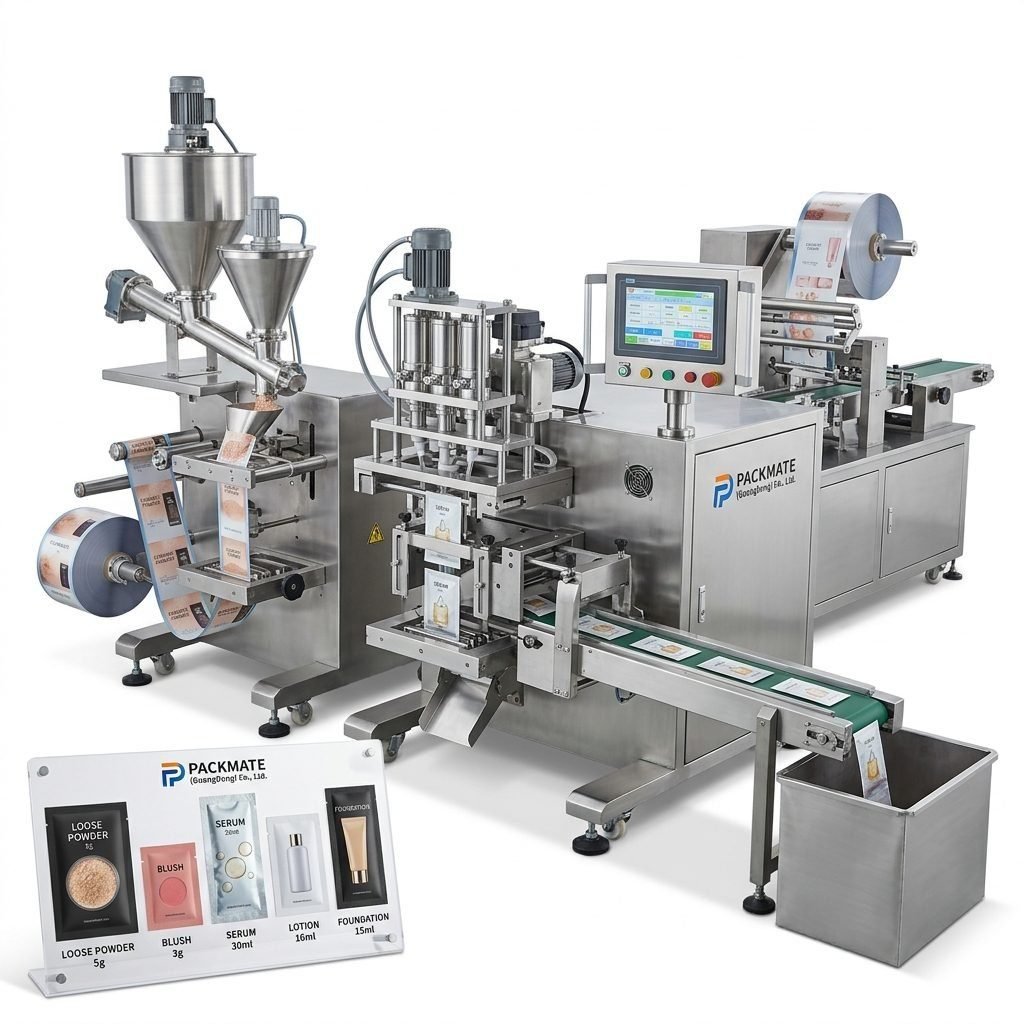
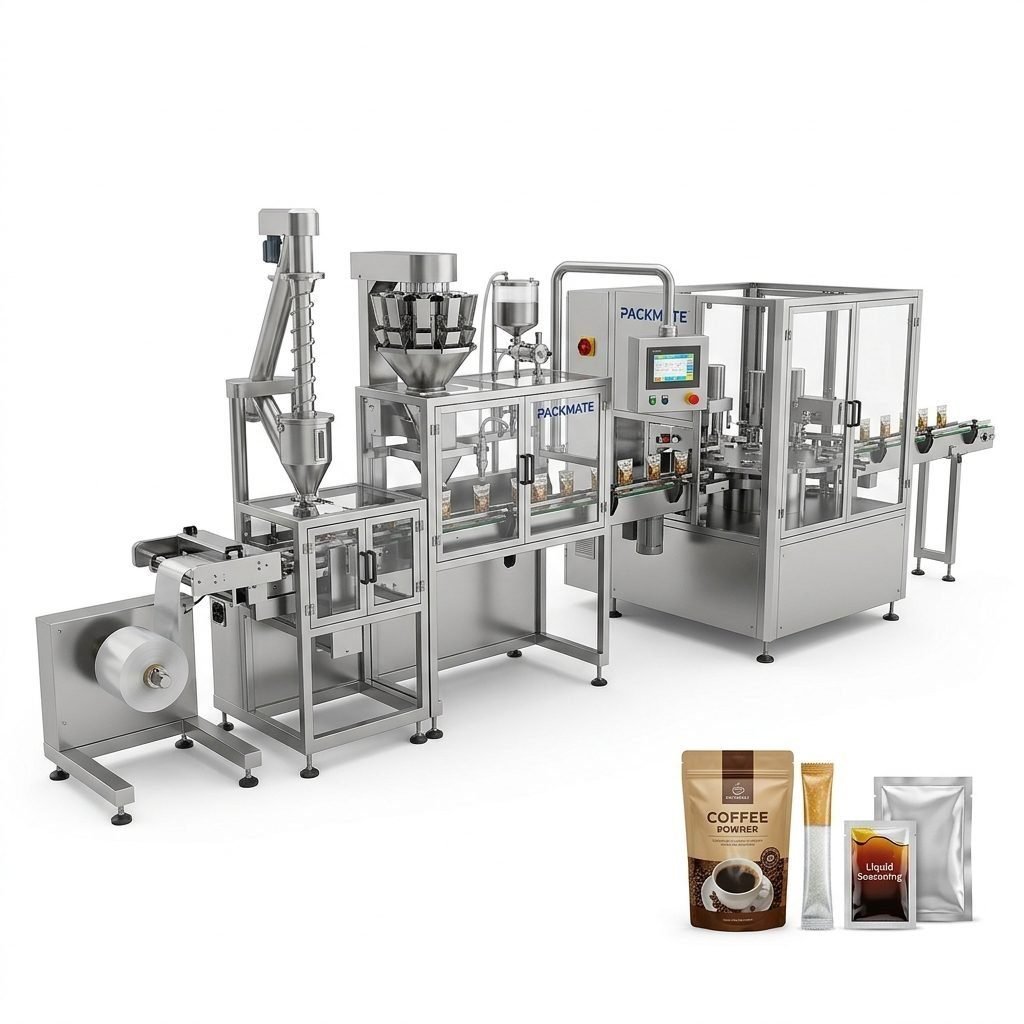
In the competitive world of food and health product manufacturing, presentation and efficiency are paramount. For producers of honey sticks—a convenient, single-serve favorite—selecting the right packaging machinery is a critical business decision. This guide delves into the world of honey stick packaging machines, exploring the various types available, their significant benefits, and providing a clear framework for how to choose the perfect system for your production needs.
Understanding Honey Stick Packaging Machines
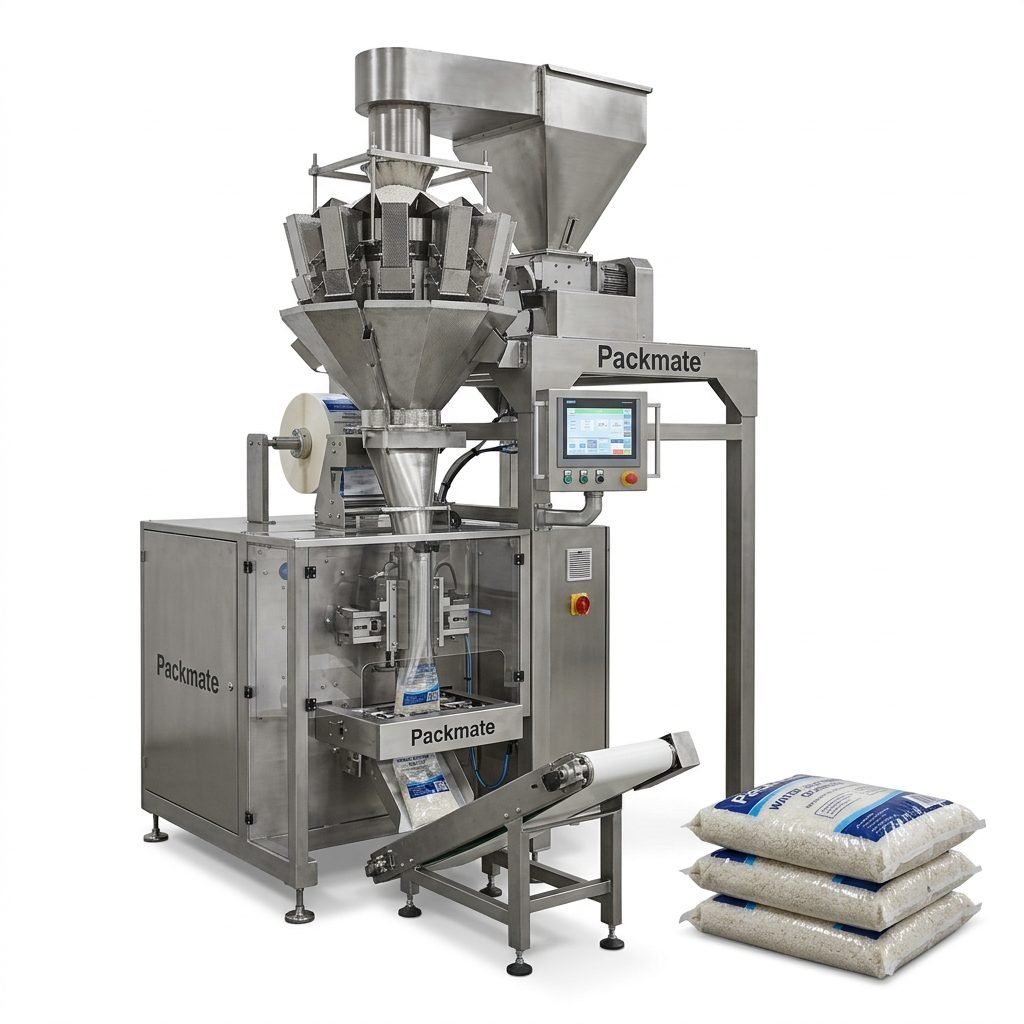
A honey stick packaging machine is a specialized form of vertical form-fill-seal (VFFS) equipment designed to create, fill, and seal long, narrow stick packs. These machines use a roll of packaging film, form it into a tube, seal it longitudinally, create a bottom seal, precisely dose the liquid honey, and then seal the top to create individual, hygienic, and portable sticks. The automation of this process is key to achieving high output, consistent quality, and minimal waste.
Core Operational Stages:
Film Feeding & Forming: The packaging material is drawn from a roll and shaped into a tube around a forming collar.
Longitudinal Sealing: The film’s edges are sealed together to create a continuous tube.
Bottom Cross Sealing & Cutting: A horizontal seal creates the bottom of one stick and the top of the next, simultaneously cutting them apart or leaving them connected in a chain.
Precise Filling: A liquid pump or auger filler injects a pre-set volume of honey into the formed tube.
Top Cross Sealing: The filled tube is sealed above the product, completing the individual stick pack.
Primary Types of Honey Stick Packaging Machines
The choice of machine largely depends on your required production speed and level of automation. Manufacturers like Packmate Machinery offer a range to suit different scales of operation.
1. Single-Lane Stick Pack Machines
Ideal for start-ups, small batch producers, or businesses with lower volume requirements. These machines produce one stick at a time, offering an affordable entry point into automated packaging. They are compact, easier to operate and maintain, and provide excellent flexibility for frequent product changeovers. While speeds are lower compared to multi-lane systems, they deliver reliable and consistent packaging quality.
2. Multi-Lane Stick Pack Machines
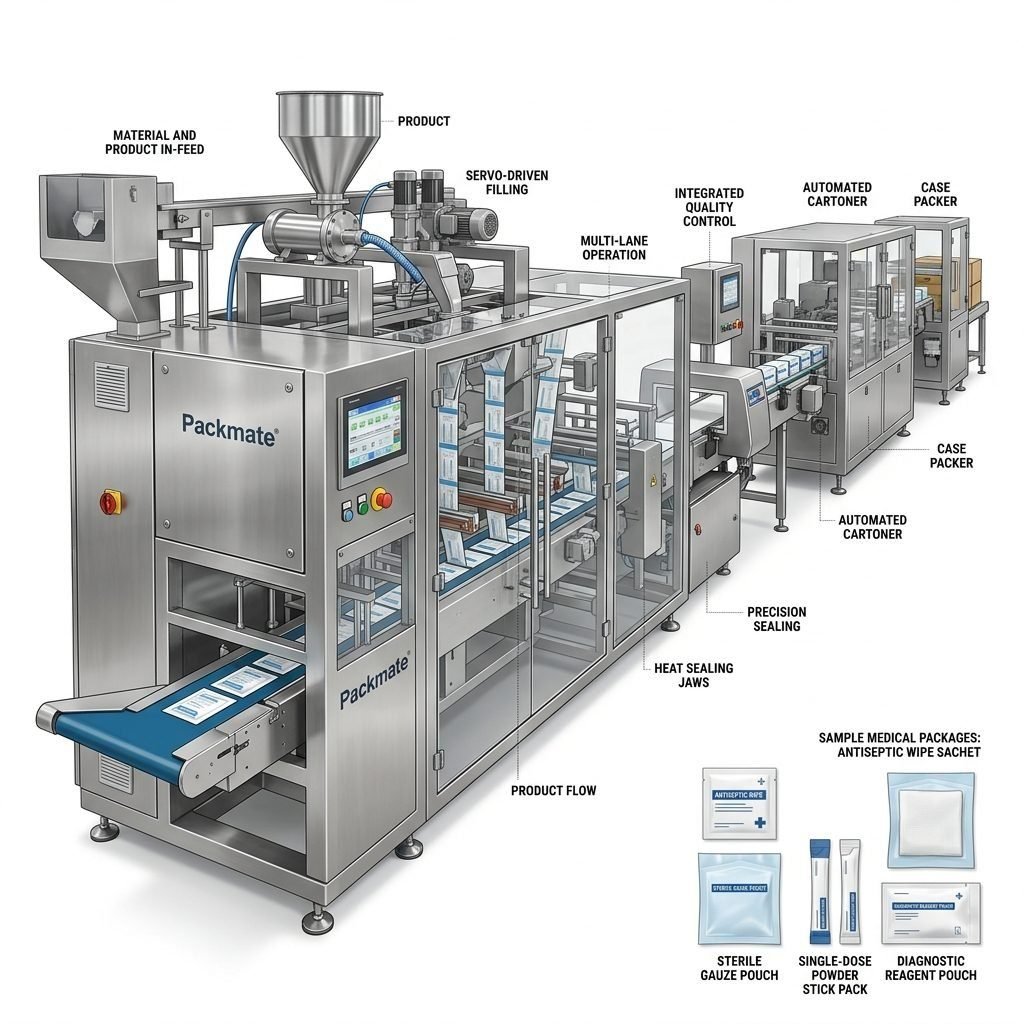
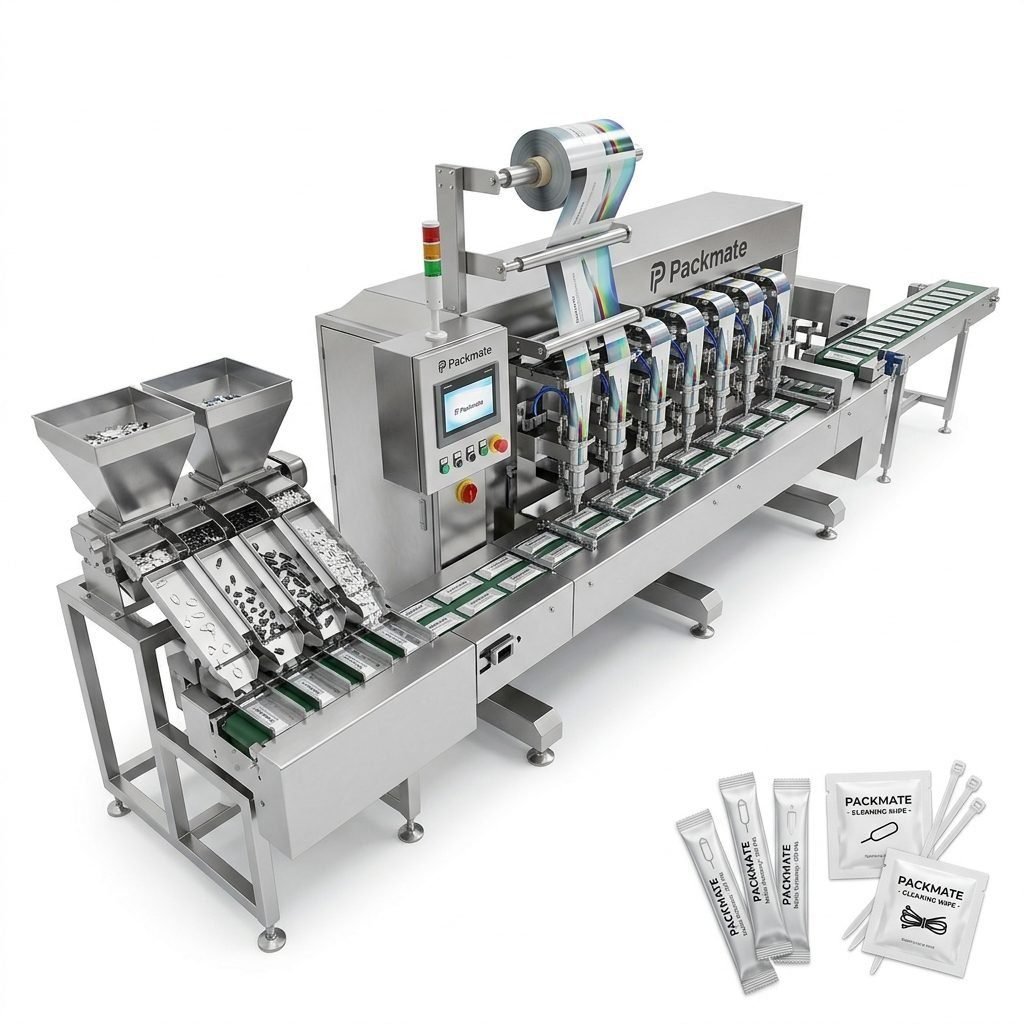
Designed for medium to high-volume production, these are the workhorses of the industry. They operate multiple packaging lanes (e.g., 4, 6, 8, or more) simultaneously from a single film roll and drive system. This parallel processing dramatically increases output, making them highly cost-effective for large-scale manufacturing. They represent a significant step up in efficiency and are a core product in lines such as Packmate’s Sachet & Stick Pack Machines series.
3. Integrated Stick Pack Packaging Lines
This is a complete, turnkey solution that goes beyond a single machine. It typically includes the stick pack machine integrated with upstream and downstream equipment like automatic feeders, checkweighers, date coders, and collating/cartoning systems. This level of automation maximizes productivity, minimizes manual handling, and ensures a seamless, controlled production flow. For businesses looking to scale, exploring a complete Filling & Packaging Line is often the most strategic investment.
Key Benefits of Automated Honey Stick Packaging
Operational & Economic Advantages
Dramatically Increased Productivity: Machines can produce hundreds or thousands of sticks per minute, far surpassing manual or semi-automatic methods.
Superior Consistency and Hygiene: Automated filling ensures each stick contains the exact same amount of honey. The closed, automated process minimizes product exposure to air and human contact, enhancing shelf life and safety.
Significant Material Savings: Precise control over film feeding and sealing reduces material waste, optimizing packaging costs.
Labor Cost Reduction: Automation frees up skilled workers for quality control, maintenance, and supervision rather than repetitive manual tasks.
Enhanced Brand Presentation: Machines create clean, uniform, and professional-looking seals, which strengthens brand perception on retail shelves.
How to Choose the Right Machine: A Step-by-Step Guide
Selecting equipment is an investment. Here’s a framework to guide your decision-making process.
Step 1: Assess Your Production Requirements
Be clear on your current and projected future output (sticks per minute/hour). Determine the stick dimensions (length, width) and the fill volume of honey. Also, consider the type of packaging material you plan to use (e.g., specific laminate films).
Step 2: Define Your Automation Level & Budget
Decide between a standalone machine or a full line. Your budget must account not only for the initial purchase but also for installation, training, and potential future upgrades. A machine from a reputable supplier like Packmate, with over 30 years of expertise, often offers better long-term value through reliability and support.
Step 3: Evaluate Machine Features & Flexibility
Key features to look for include:
Changeover ease for different stick sizes,
Precision filling system (e.g., servo-driven pumps for accuracy),
User-friendly PLC touchscreen interface,
and Robust construction with stainless steel contact parts for durability and hygiene.
Step 4: Prioritize Supplier Support and Reliability
The manufacturer’s reputation is crucial. Investigate their after-sales service, availability of spare parts, warranty terms, and technical support. A supplier with a strong track record, such as one with a 20,000㎡ modern facility and over 50 machine models, is more likely to provide dependable equipment and long-term partnership. Reviewing their project cases can provide real-world validation.
Step 5: Request a Demo or Trial
Whenever possible, request a live demonstration or a production trial using your specific honey and packaging material. This is the best way to verify machine performance, output speed, and final pack quality before making a commitment.
Frequently Asked Questions (FAQ)
What is the typical production speed of a honey stick machine?
Speeds vary widely by type. A single-lane machine may produce 60-120 sticks per minute, while a multi-lane machine (e.g., 8 lanes) can achieve 400-800 sticks per minute or more, depending on the model and configuration.
Can one machine handle different stick sizes and products?
Yes, most modern machines are designed for quick changeovers. By changing the forming collar, sealing jaws, and adjusting the fill volume via the control panel, you can switch between different stick dimensions and even package other viscous liquids like syrup or sauce.
What packaging materials are suitable for honey sticks?
Honey is sensitive to moisture and oxygen. Machines typically use laminated films, such as PET/AL/PE or PET/MPET/PE, which provide an excellent barrier against moisture, oxygen, and light to preserve product freshness and quality.
How do I ensure consistent fill accuracy with viscous honey?
This depends on the filling system. For honey, servo-driven piston pumps or time-pressure fillers are highly recommended. They offer precise volumetric control unaffected by the viscosity changes that can occur with temperature fluctuations, ensuring each stick has the exact same net weight.
What kind of maintenance does the machine require?
Regular daily cleaning of product contact parts is essential. Periodic maintenance includes lubricating moving parts, checking seal jaw integrity, and inspecting electrical components. Choosing a supplier that provides comprehensive manuals, training, and readily available service support is vital for maintaining optimal machine uptime.