Securing the right packaging equipment is a critical investment for any business looking to streamline operations, enhance product presentation, and boost profitability. However, navigating the process of obtaining an accurate and competitive quote can be complex. A well-prepared quote request not only ensures you receive comparable offers but also lays the foundation for a successful long-term partnership with your equipment supplier. This guide will walk you through the essential steps to get the best packaging equipment quote tailored to your specific business needs.
Understanding Your Packaging Requirements
Before you even begin requesting quotes, you must have a crystal-clear understanding of your own requirements. This is the single most important factor in receiving a useful and accurate quote. Vague requests lead to generic responses that may not address your core challenges.
Key questions to ask yourself and your team:
• What type of product are you packaging? (e.g., granules, powders, liquids, solids)
• What is your desired packaging format? (e.g., sachets, stick packs, pouches, bags)
• What is your current and projected production speed (units per minute)?
• What are your material specifications? (film type, thickness, laminate structure)
• What level of automation do you need? (manual loading, semi-automatic, fully automatic line)
• What is your available factory floor space and utility (power, air) capacity?
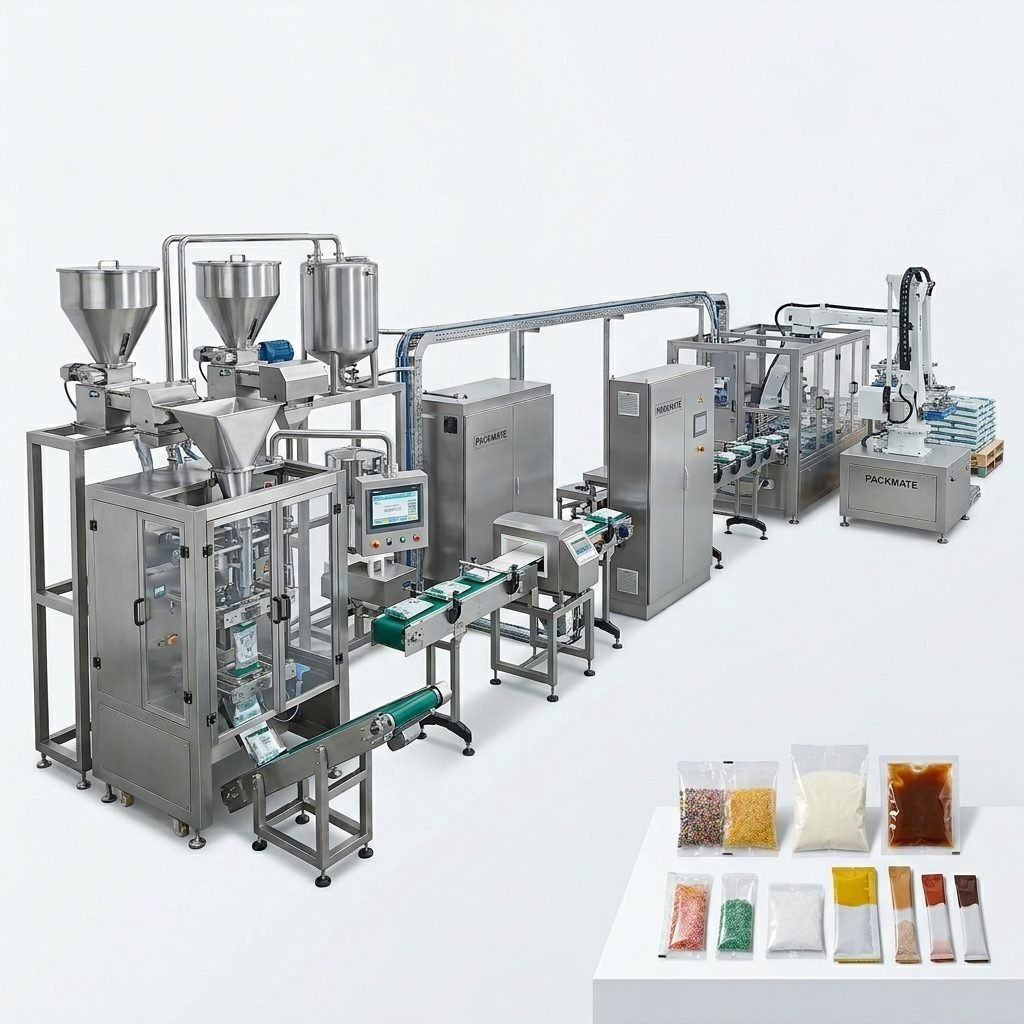
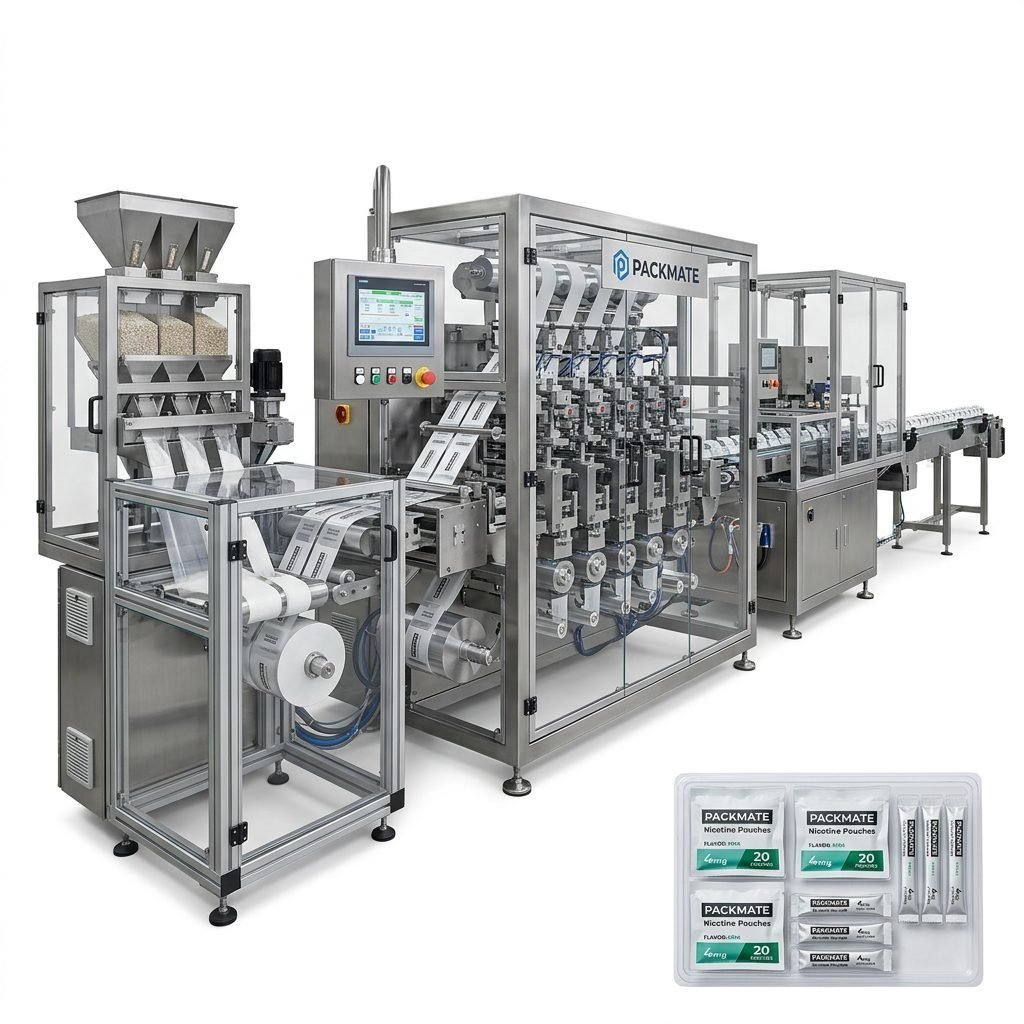
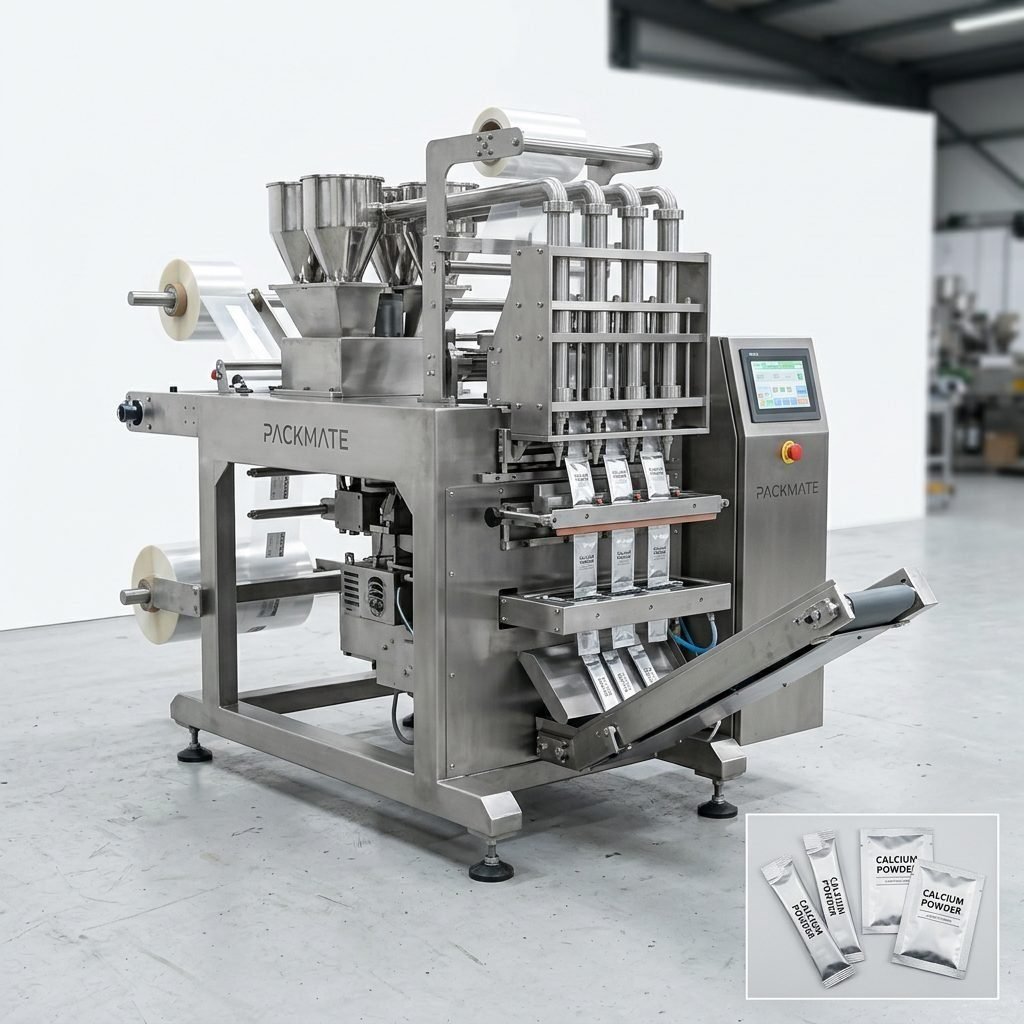
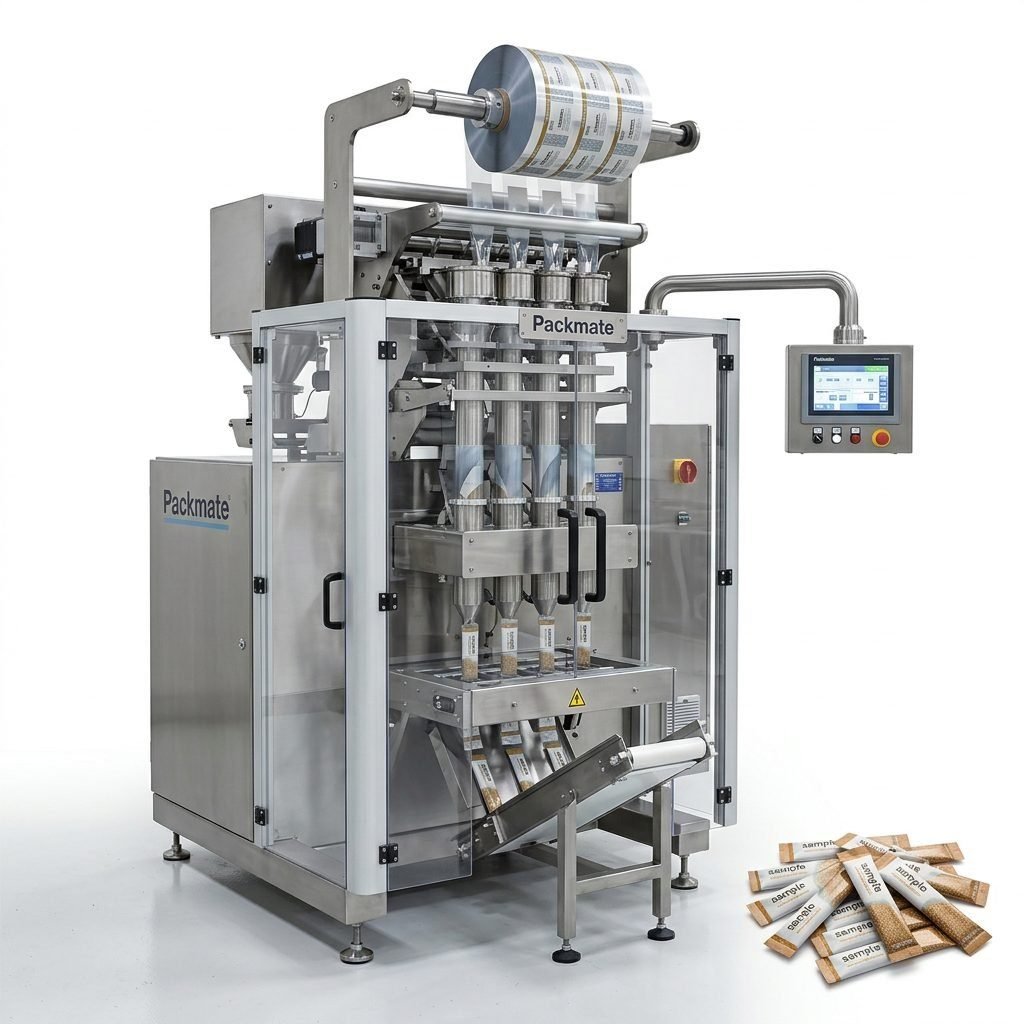
For businesses dealing with specific products like powders or health supplements, understanding the nuances of your material is crucial. A supplier with expertise in your niche, such as a manufacturer specializing in sachet and stick pack machines for powders, will provide more insightful recommendations than a generalist.
Researching Potential Suppliers
Not all packaging machinery manufacturers are created equal. Your goal is to identify reputable suppliers who have proven experience with applications similar to yours. A supplier’s background can tell you a lot about their capability and reliability.
Look for companies with a substantial track record. For instance, a company like Packmate Machinery, with over 30 years in the industry and a history of developing over 50 machine models, demonstrates a depth of engineering knowledge and stability. Review their case studies and client testimonials to see real-world applications. A strong certification portfolio (like CE, ISO) is also a strong indicator of quality and commitment to international standards.
Preparing a Comprehensive Request for Quotation (RFQ)
A detailed RFQ is your communication blueprint. It eliminates assumptions and ensures all suppliers are bidding on the exact same scope. This allows for a true apples-to-apples comparison later.
Your RFQ should include:
1. Company & Project Overview: Briefly introduce your business and the goal of the project.
2. Detailed Technical Specifications: List all the answers from your internal requirement analysis.
3. Desired Machine Features: Mention must-have features (e.g., servo drives, touchscreen HMI, CIP/SIP systems) and nice-to-have options.
4. Commercial Terms: Specify the currency (USD, EUR, etc.), preferred Incoterms (FOB, CIF, etc.), and destination port.
5. Quote Breakdown Request: Ask for a clear breakdown of costs: machine price, optional accessories, spare parts kit, shipping, installation, and training.
6. Request for Supporting Documents: Ask for machine datasheets, layout drawings, a list of recommended spare parts, and warranty terms.
Evaluating and Comparing Quotes
When quotes start arriving, resist the urge to simply compare the bottom-line price. A significantly lower price often indicates corners cut on components, after-sales service, or machine durability. A holistic evaluation is essential.
Compare the technical solutions proposed. Did one supplier suggest a more innovative or efficient line layout? Scrutinize the component brands. Are they using reputable, globally recognized parts for PLCs, drives, and seals? Examine the warranty and service terms. What is the warranty period? What remote and on-site support is included? A company offering comprehensive service and support is investing in your long-term success.
Pro Tip: Create a comparison matrix. List each supplier in a column and key criteria (Price, Technical Score, Warranty, Delivery Time, Reputation) in rows. Assign weighted scores to each criterion based on your priorities to make an objective decision.
Negotiating and Finalizing the Deal
Once you’ve shortlisted one or two preferred suppliers, enter the negotiation phase. Use the clarity from your comparison matrix. You can negotiate on price, but also on payment terms, delivery schedule, or the inclusion of extra training or spare parts.
Always request a final, detailed proforma invoice that includes every agreed-upon item and term before making any payment. Ensure you understand the installation and commissioning process. Will they send engineers, or is it your responsibility? Clarifying these points upfront prevents costly misunderstandings and project delays.
Conclusion: Beyond the Quote
Obtaining the best packaging equipment quote is a meticulous process of preparation, research, and analysis. It’s about finding the right partner, not just the right price. A supplier who takes the time to understand your needs, like those focused on providing complete turnkey packaging solutions, becomes a valuable asset to your business growth. By following these steps, you position yourself to make an informed investment that will deliver efficiency, reliability, and a strong return for years to come.
Frequently Asked Questions (FAQs)
Q1: How far in advance should I start the quoting process for new packaging equipment?
A: Start at least 4-6 months before your ideal installation date. This allows ample time for thorough supplier research, RFQ preparation, quote evaluation, negotiation, manufacturing, and sea freight. Rushing the process can lead to oversights and poor supplier selection.
Q2: What is typically NOT included in a standard packaging machine quote?
A: Standard quotes often exclude: domestic freight from your port to the factory, customs duties and taxes, foundation/utility hookup work at your site, peripheral equipment not specified (like checkweighers or cartoners), and consumable spare parts beyond the initial kit. Always ask for a “scope of supply” document.
Q3: Is it better to buy a single machine or a complete integrated packaging line?
A: It depends on your volume and labor costs. A single machine is a lower upfront investment but may require more manual handling. A fully integrated filling and packaging line, while more expensive initially, maximizes throughput, minimizes labor, and ensures consistent packaging quality with less product waste.
Q4: How can I verify a supplier’s manufacturing capability without visiting their factory?
A: Request a virtual factory tour via video call. Ask for detailed photos and videos of their production floor, assembly process, and testing procedures. Check their equipment list and inquire about their quality control checks at each stage. Reputable suppliers are transparent and proud to showcase their facilities.
Q5: What ongoing costs should I budget for after purchasing the equipment?
A: Beyond the machine price, budget for: annual preventive maintenance, a reserve for critical spare parts, potential utility consumption increases, operator training refreshers, and any software update fees. A reliable supplier will help you forecast these costs.