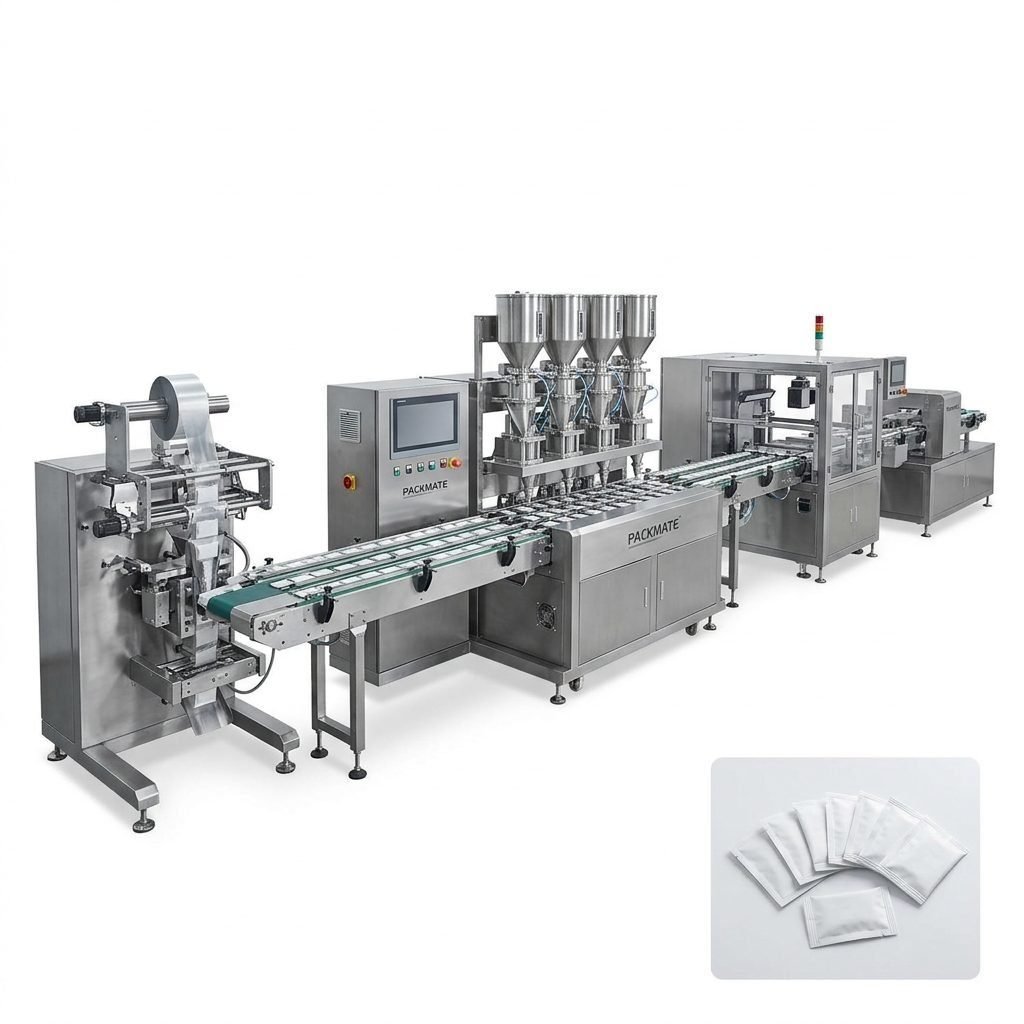
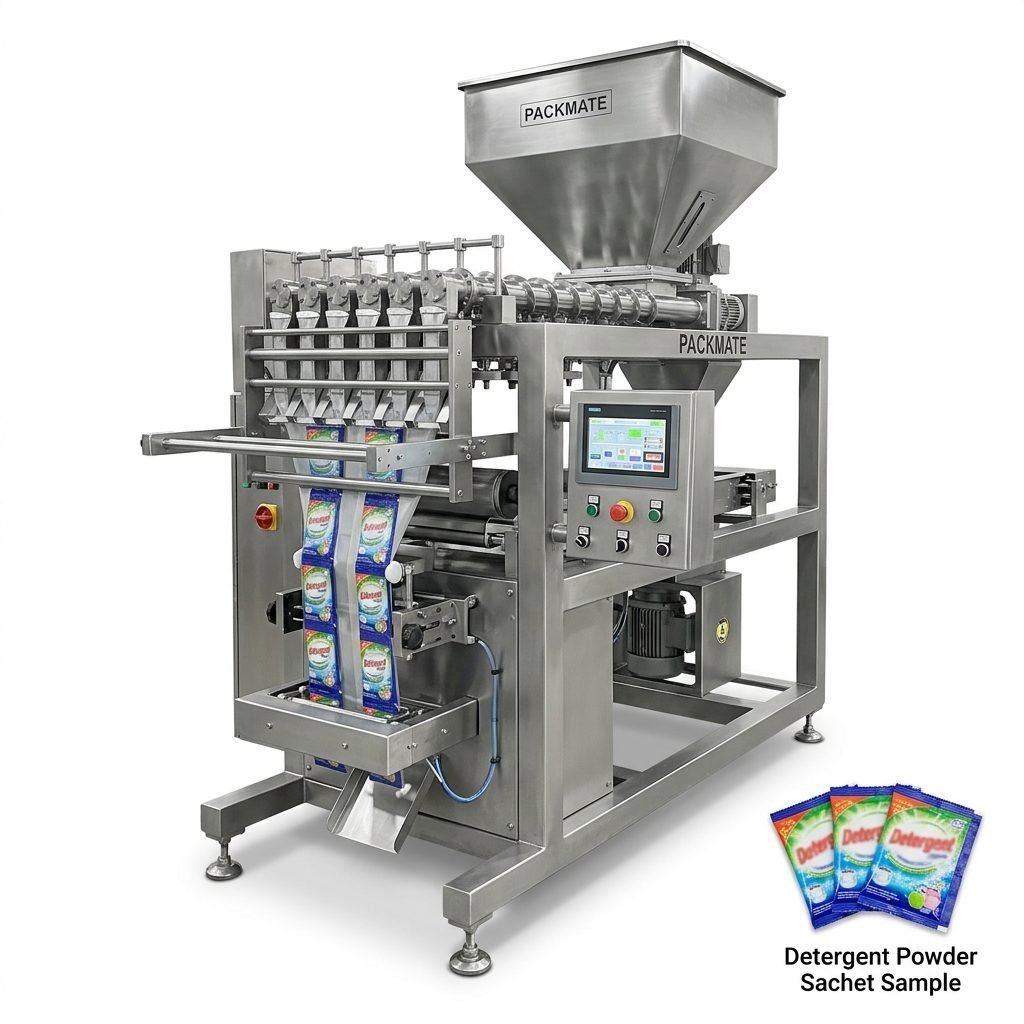
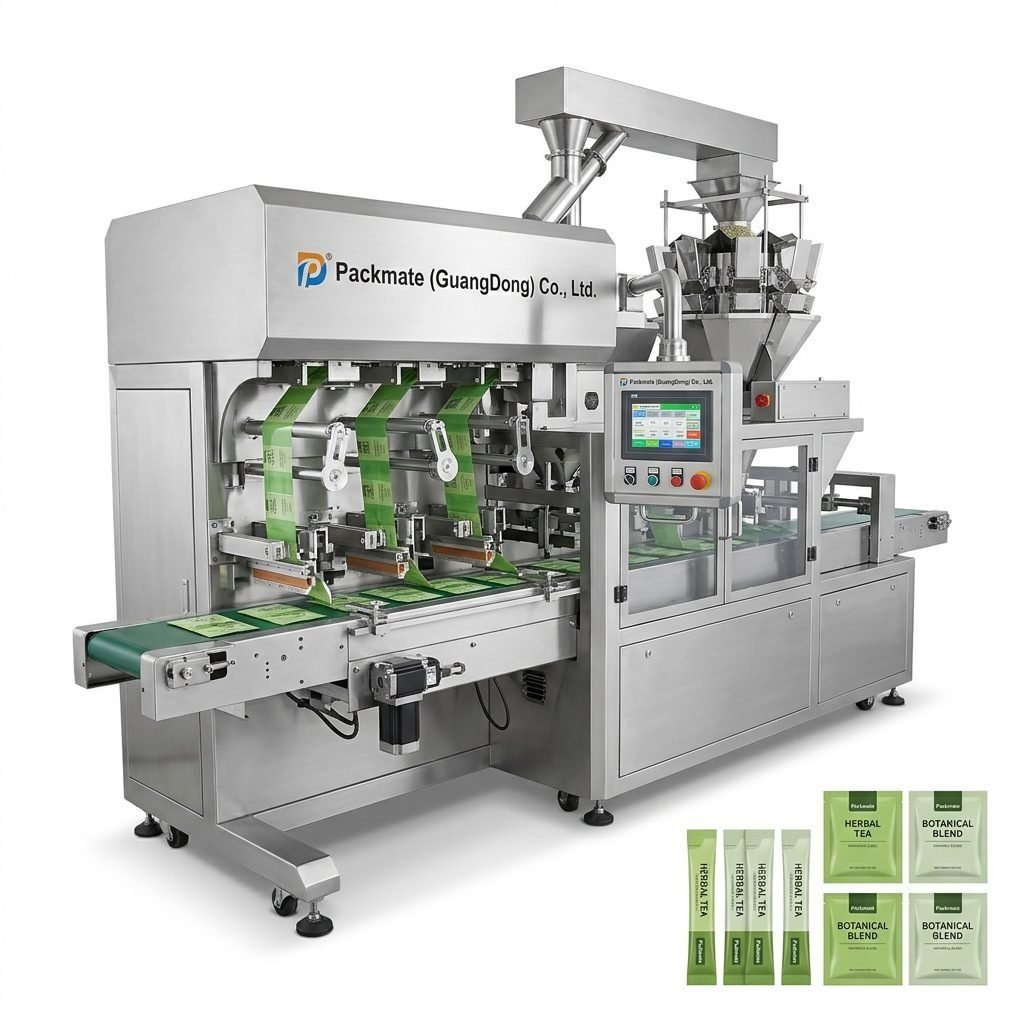
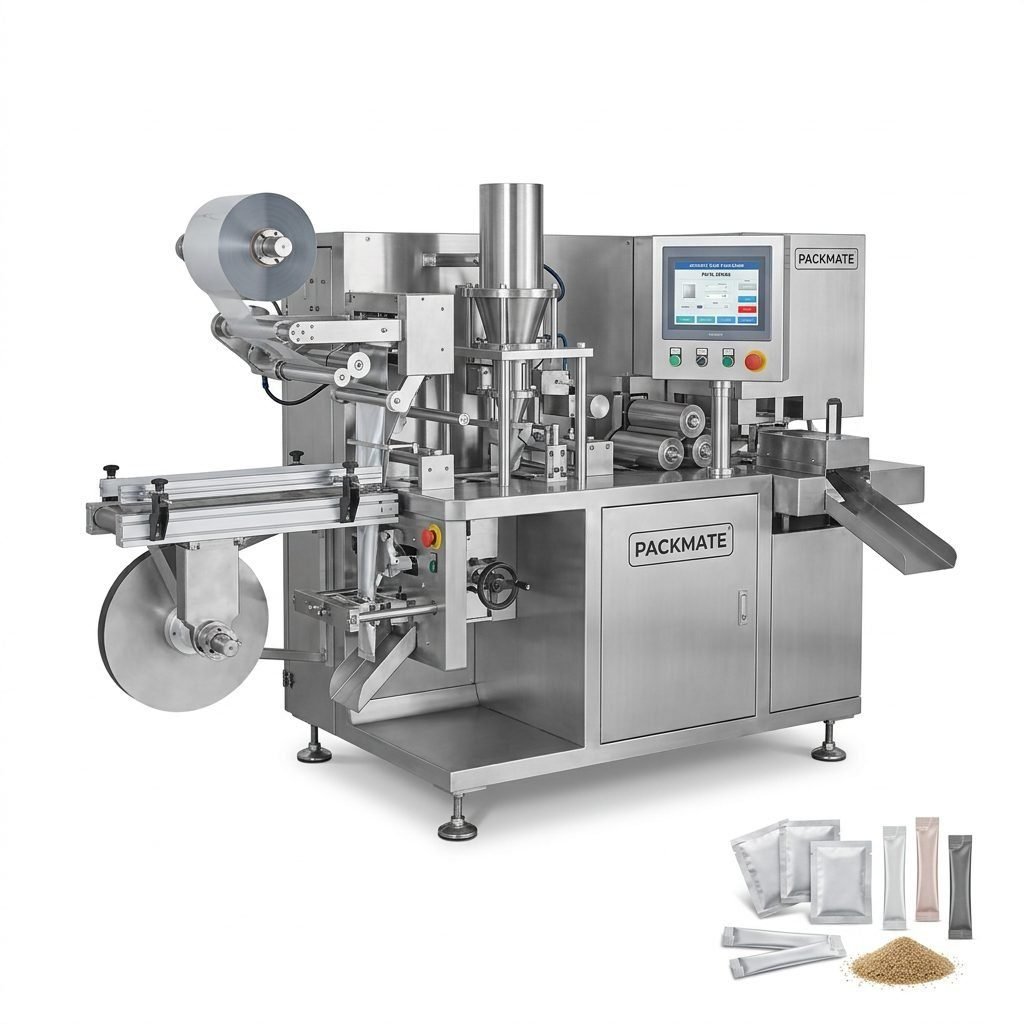
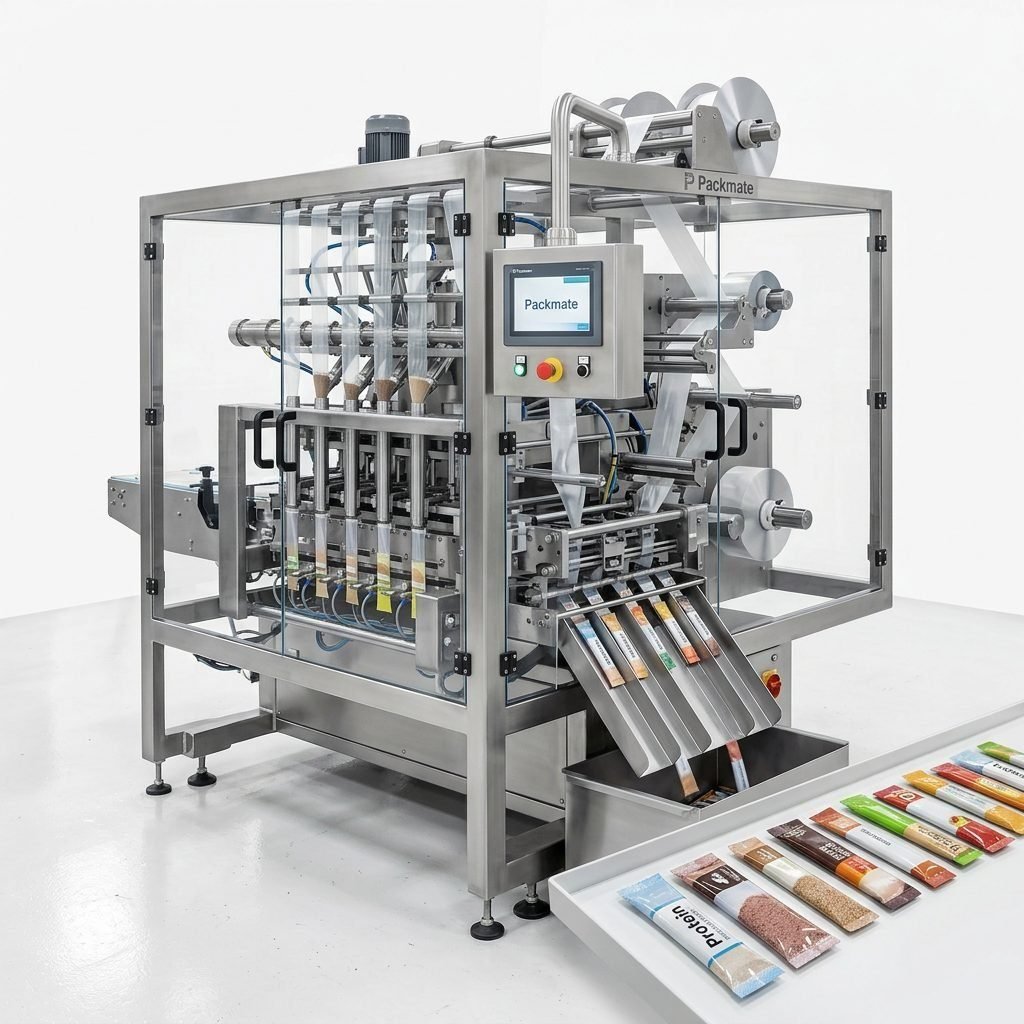
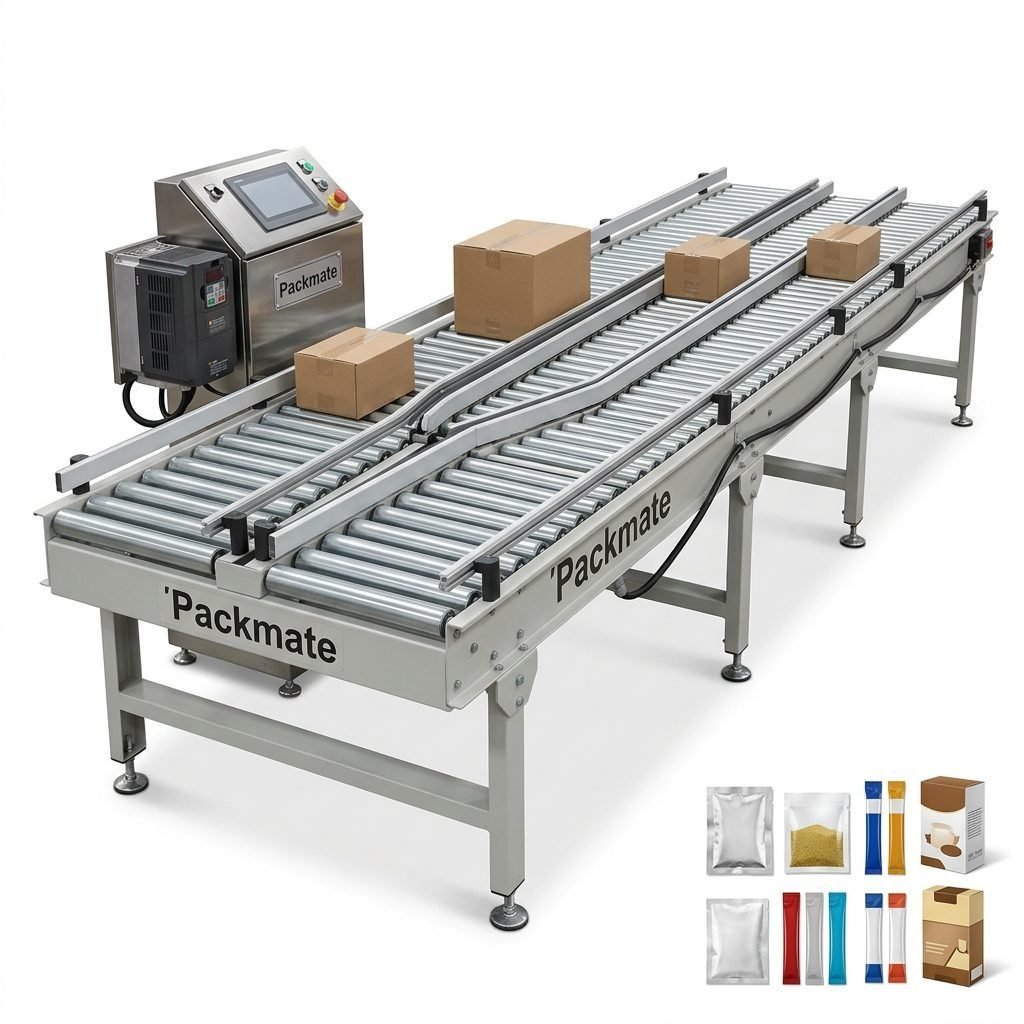
Triangle packaging machinery, a specialized subset of packaging automation, is engineered to handle products with triangular or pyramidal shapes, a common form factor for items like tea bags, condiment sachets, and certain confectioneries. This machinery is vital for industries where product presentation, space efficiency, and distinctive branding are key. The process typically involves forming a triangular pouch from a roll of packaging film, precisely measuring and filling the product, and then sealing it with clean, consistent seals. This guide delves into the types of triangle packaging machines, their diverse applications, and critical factors to consider when purchasing one for your production line.
Core Types of Triangle Packaging Machinery
The market offers several configurations of triangle packaging machines, each suited to different production scales and product characteristics. Understanding these types is the first step in selecting the right equipment.
Vertical Form-Fill-Seal (VFFS) Triangle Packers
These are the most common type. A roll of flat film is formed into a vertical tube, and the bottom is sealed to create a triangular-shaped bag. The product is dropped into this bag from above, and the top is then sealed before being cut off. VFFS machines are highly versatile and efficient for medium to high-speed production of free-flowing granular or powdered products.
Key Advantage: Excellent for high-volume output and allows for quick packaging material changeovers, making them ideal for manufacturers producing multiple product lines.
Horizontal Form-Fill-Seal (HFFS) Triangle Packers
In this system, the film is fed horizontally. The machine forms the triangular pouch, fills it, and seals it in a lying-down position. HFFS machines are often preferred for more delicate, non-free-flowing, or larger products that might be damaged by a vertical drop. They can also handle more complex multi-layer laminates with ease.
Pre-Made Pouch Triangle Packers
This machinery uses pre-formed, empty triangular pouches. The machine’s function is to open the pouch, fill it with the product, and then seal it closed. This method is typically used for lower-speed operations, premium products, or when the packaging material is not suitable for the form-fill-seal process (e.g., rigid or specialty materials).
Important Consideration: The choice between VFFS, HFFS, and pre-made pouch systems hinges on your product’s physical properties, desired production speed, and packaging material specifications. A professional packaging machine supplier can help analyze your needs to recommend the optimal type.
Primary Uses and Industry Applications
Triangle packaging is not just about aesthetics; it serves practical purposes in various sectors. Its compact shape reduces shelf space, offers a unique unboxing experience, and can be designed for easy tearing or opening.
Food & Beverage Industry
This is the largest application area. Triangle pouches are ubiquitous for single-serving items.
Sugar, instant coffee, milk powder, drink mixes, and spices are classic examples. The shape is also popular for dips, sauces (like ketchup or soy sauce), and salad dressings in foodservice. For tea, the pyramid-shaped bag allows more room for tea leaves to expand, purportedly improving infusion, making it a preferred choice for premium tea brands.
Pharmaceutical & Healthcare
Single-dose packaging is critical in this field. Triangle sachets are used for powdered supplements, electrolyte mixes, effervescent tablets, and medicinal powders. The packaging provides excellent barrier properties against moisture and light, ensuring product stability and precise dosage.
Other Industries
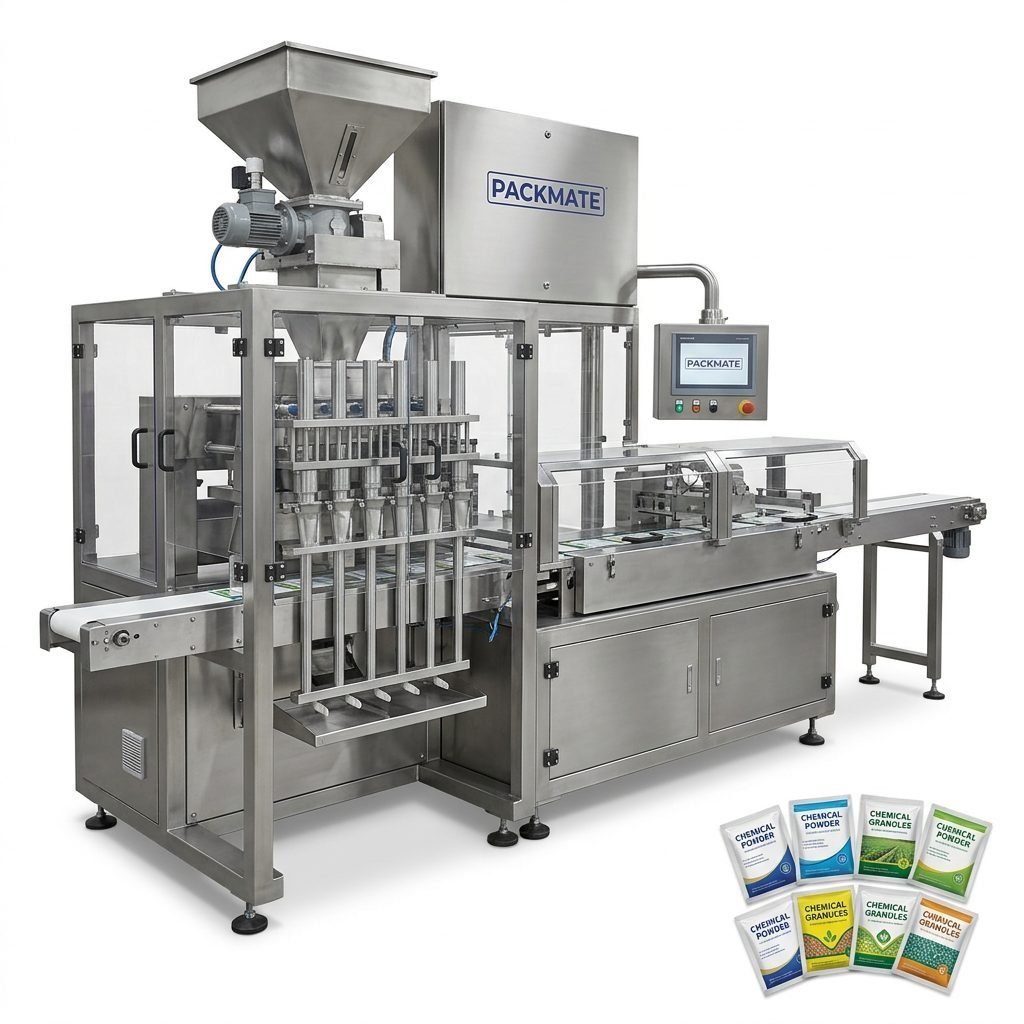
The application extends to agrochemicals (for seed coatings, fertilizers), cosmetics (single-use samples of face masks, bath salts), and hardware (small screws, adhesives). The versatility of the format makes it a go-to for any industry requiring small, sealed, and distinctive unit doses.
Comprehensive Buying Guide: Key Factors to Evaluate
Investing in triangle packaging machinery is a significant decision. Beyond the initial cost, you must evaluate several technical and service-related factors to ensure a successful, long-term investment.
1. Machine Specifications and Performance
• Production Speed (Pouches/Minute): Match the machine’s output to your current and projected future demand. A machine that is too slow creates bottlenecks; one that is too fast for your operation is an unnecessary capital expense.
• Packaging Size Range: Ensure the machine can handle the minimum and maximum dimensions (length, width) of the triangular pouches you plan to use, with room for future product variations.
• Product Compatibility: The filling system must be compatible with your product’s characteristics—whether it’s granular, fine powder, sticky, or liquid. Discuss this in detail with the manufacturer.
2. Automation and Control Features
Modern machinery should offer user-friendly PLC (Programmable Logic Controller) touchscreen interfaces for easy operation, recipe storage, and changeover. Look for features like automatic film tracking, fault diagnosis alarms, and counters. The level of automation—from semi-automatic to fully automatic with integrated weighing systems—should align with your labor strategy and quality control requirements.
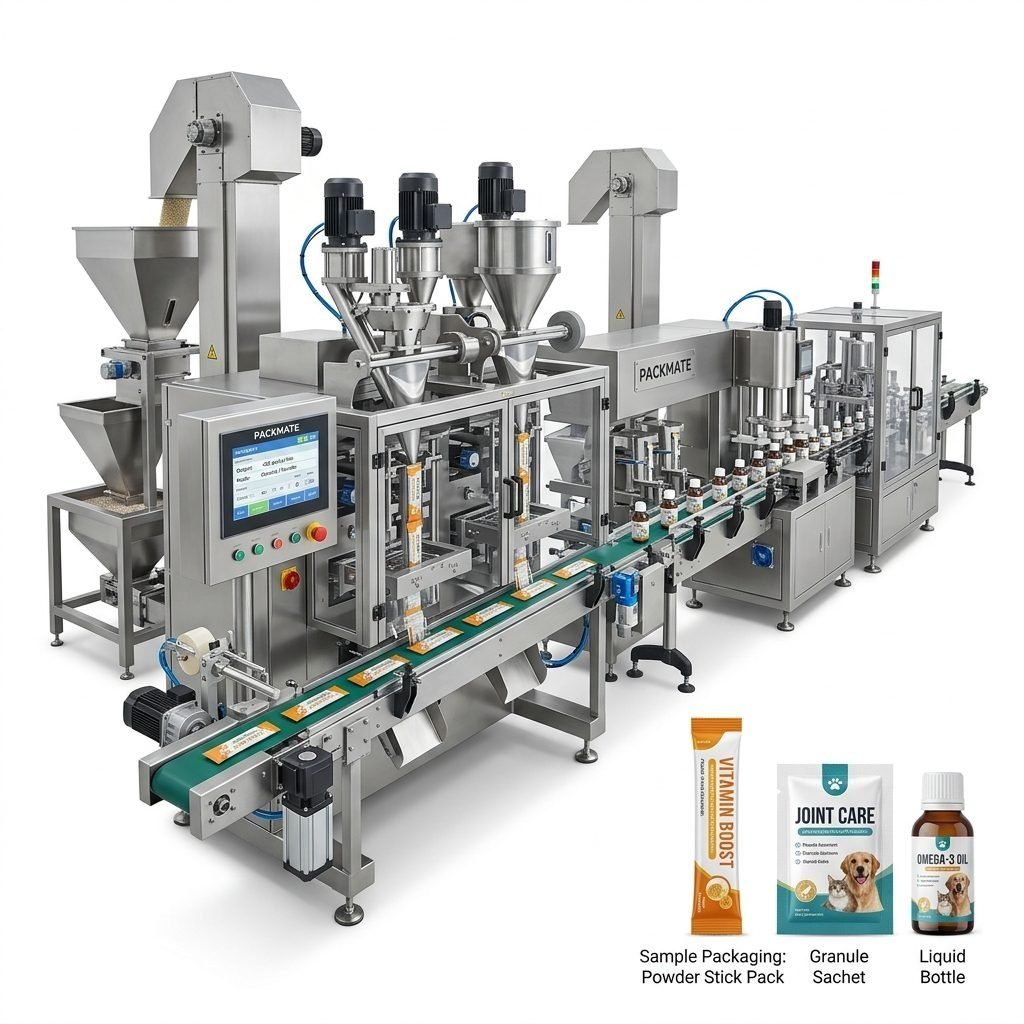
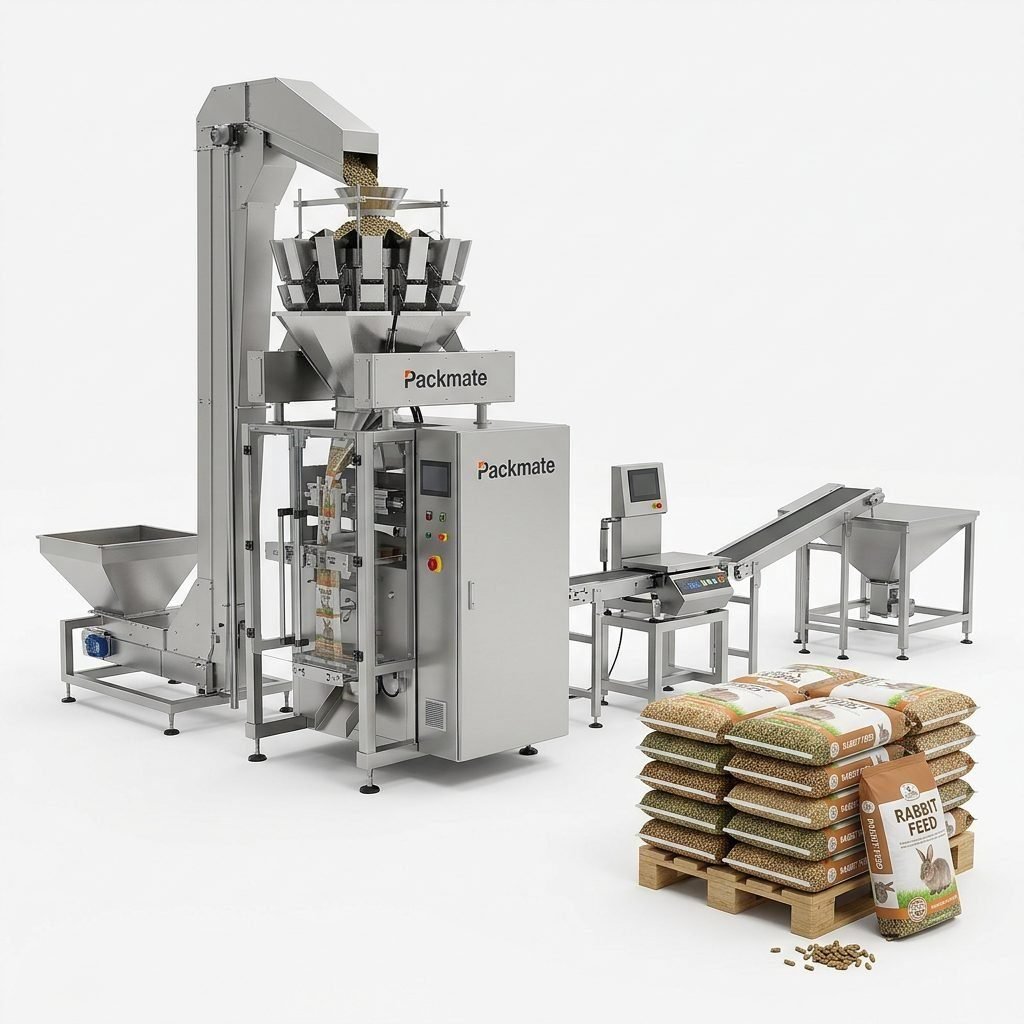
Pro Tip: When evaluating suppliers, consider companies with a proven track record like Packmate Machinery. With over 22 years of development and a 20,000㎡ modern facility, such manufacturers bring deep expertise in integrating reliable filling and packaging lines, which is crucial for a seamless production setup.
3. Build Quality and Supplier Support
The machine’s construction (e.g., stainless steel contact parts for food/pharma) dictates its durability and hygiene. Crucially, assess the supplier’s after-sales service: availability of spare parts, technical support (on-site or remote), warranty terms, and availability of operator training. A reliable partner will provide comprehensive support to minimize downtime.
4. Total Cost of Ownership (TCO)
Look beyond the purchase price. Factor in operational costs (energy consumption, compressed air), maintenance costs, and the cost of packaging materials the machine is optimized for. A slightly more expensive machine that is more efficient and reliable often has a lower TCO over its lifespan.
Frequently Asked Questions (FAQs)
What is the typical production speed of an automatic triangle packaging machine?
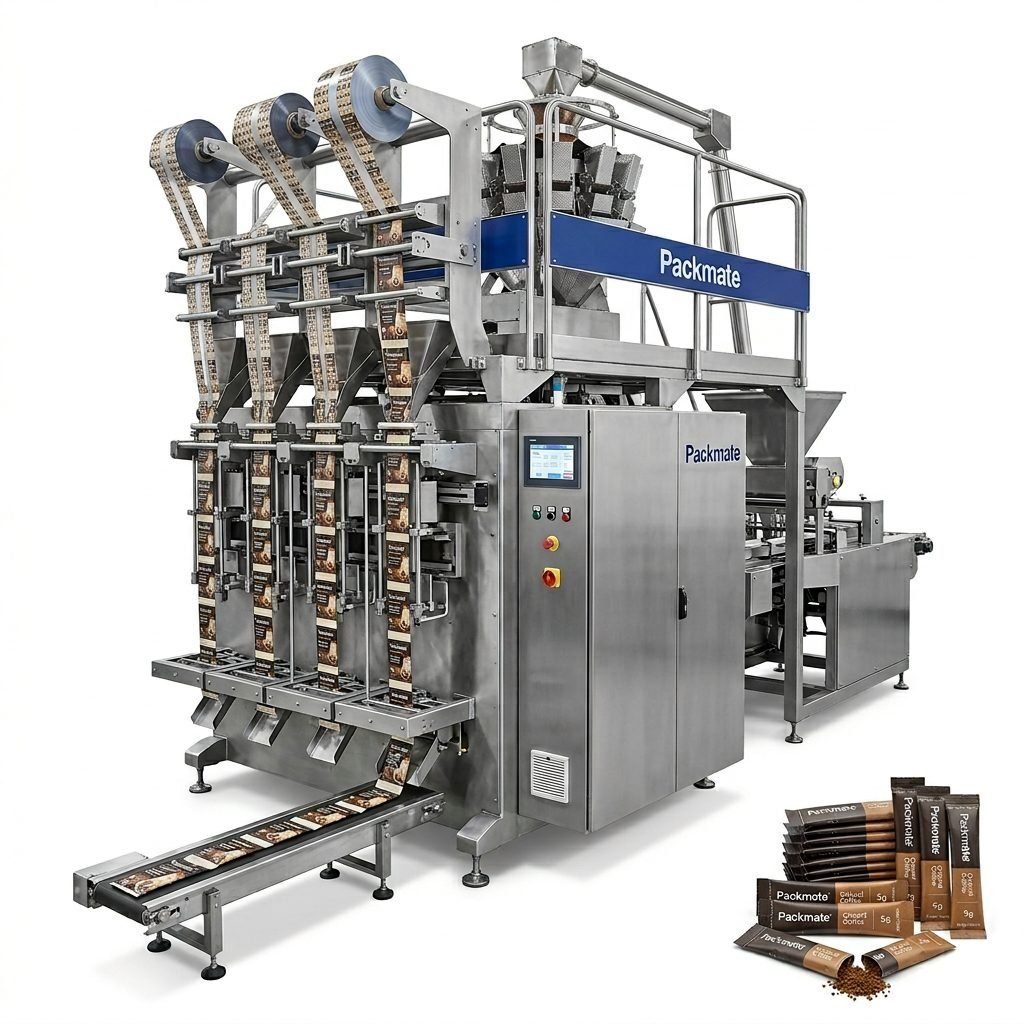
Speeds vary widely based on machine type and pouch size. Standard vertical form-fill-seal machines can range from 40 to 120 pouches per minute. High-speed multi-lane systems, like some sachet and stick pack machines, can achieve significantly higher outputs. The specific speed for your product should be confirmed through a factory test.
Can one machine handle different sizes of triangle pouches?
Yes, most modern machines are designed with changeover capabilities. However, changing the pouch size typically requires adjusting or changing mechanical parts like forming tubes and sealing jaws. The time and complexity of this changeover vary by machine design, so it’s an important point to discuss with the supplier.
What packaging films are suitable for triangle packaging?
Common materials include laminates of PET/PE, PET/AL/PE, or OPP/CPP, chosen for their barrier properties (moisture, oxygen), sealability, and printability. The choice depends entirely on the product’s sensitivity. Your machine supplier should be able to recommend compatible film structures.
How important is after-sales service when purchasing this machinery?
Extremely important. Packaging machines are long-term investments. Reliable after-sales service—including readily available spare parts, prompt technical support, and preventive maintenance programs—is essential to ensure maximum uptime, productivity, and the longevity of your equipment.
Is it possible to get a customized solution for a unique product?
Absolutely. Reputable manufacturers like Packmate, with over 50 machine models developed from their experience, often offer customization. This can include special filling systems for non-standard products, unique sealing patterns, or integration with specific upstream/downstream equipment like auxiliary packaging equipment to create a complete turnkey line.