In the fast-paced world of food production, efficiency is not just a goal—it’s a necessity. For bakeries, both large-scale industrial operations and artisanal shops, the right packaging machinery can be the difference between thriving and merely surviving. The packaging stage is critical; it’s the final touchpoint before your product reaches the consumer, impacting shelf life, freshness, presentation, and overall brand perception. Selecting the best bakery packaging machines is therefore a strategic investment that directly influences your bottom line and operational efficiency.
Why Specialized Bakery Packaging Machines Are Essential
Bakery products present unique challenges. They range from delicate pastries and soft bread to hard biscuits and powdery mixes. Each type requires a specific handling and packaging approach to prevent damage, preserve moisture content (or lack thereof), and maintain aesthetic appeal. Manual packaging is not only slow and labor-intensive but also inconsistent, leading to product waste and potential contamination.
Modern bakery packaging machines automate these processes with precision. They ensure each item is sealed perfectly, extending shelf life by creating a consistent barrier against air, moisture, and contaminants. This automation translates to higher output, reduced labor costs, minimized product giveaway, and impeccable packaging quality—key factors for efficient food production.
Key Types of Bakery Packaging Machines
The market offers a variety of machines tailored to different bakery formats. Understanding these types is the first step in making an informed choice for your production line.
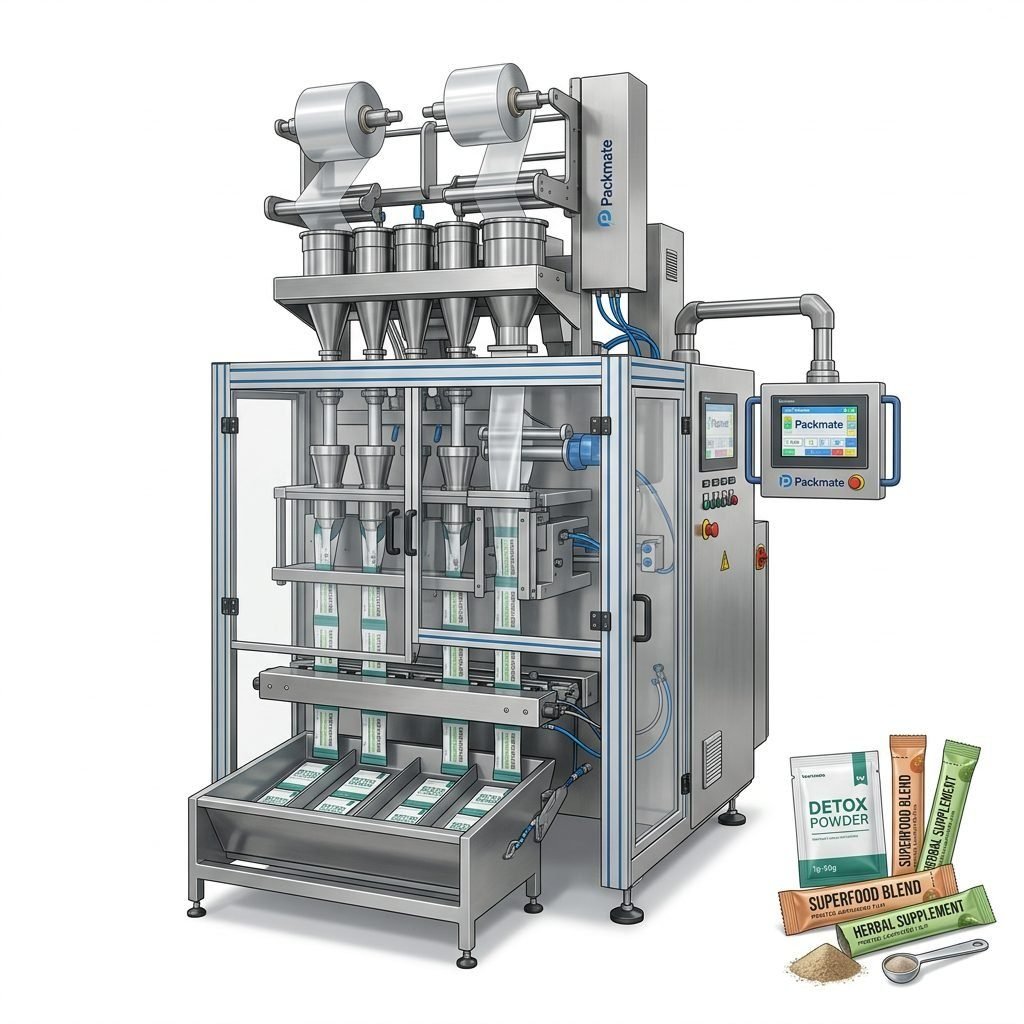
1. Vertical Form-Fill-Seal (VFFS) Machines
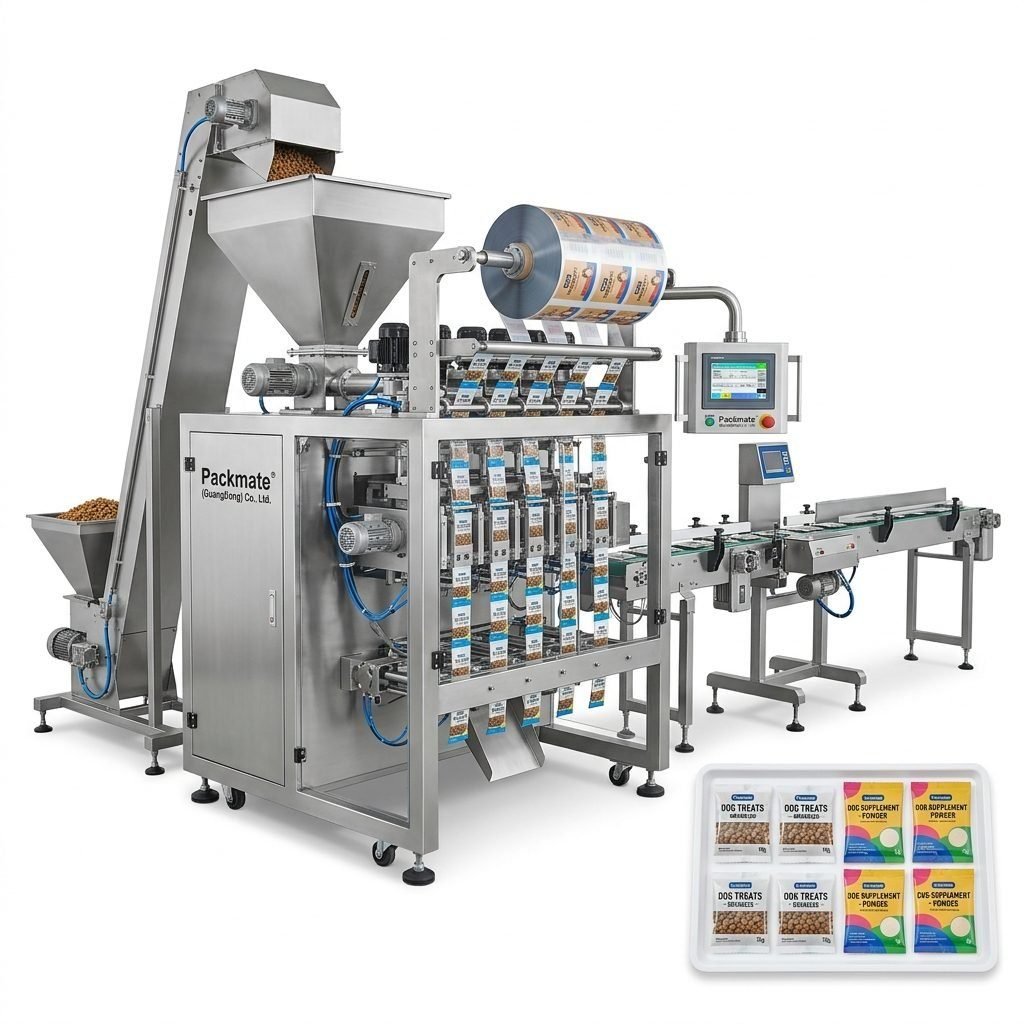
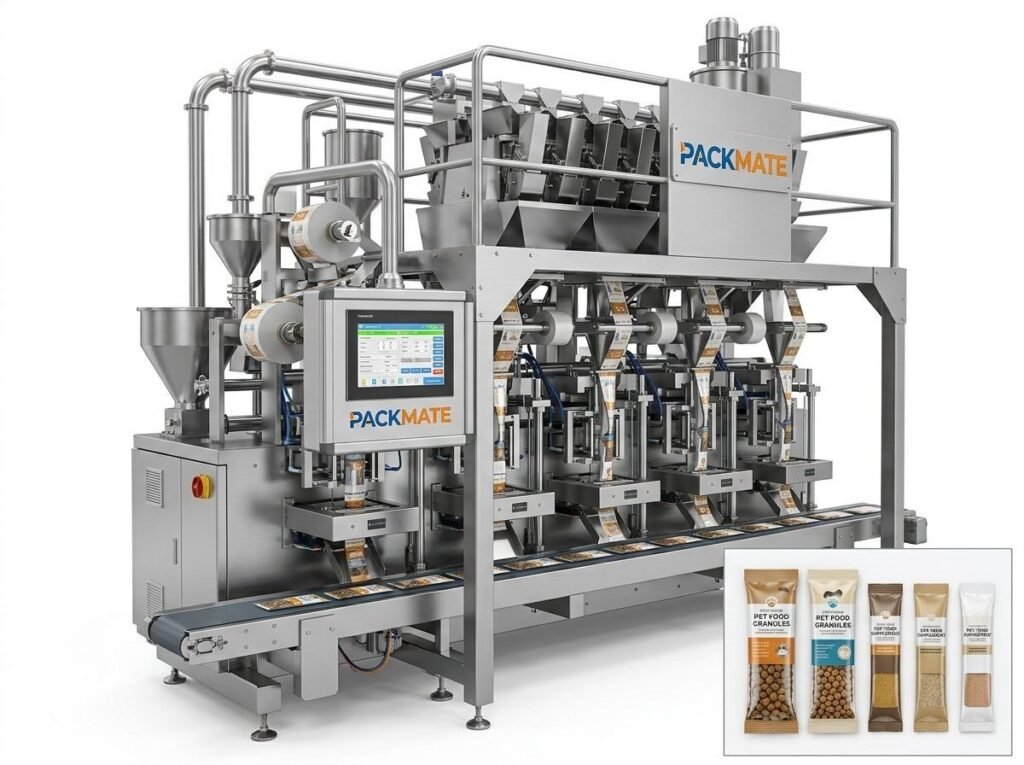
These are the workhorses for packaging free-flowing and semi-free-flowing products. Ideal for items like breadcrumbs, cake mixes, cookie dough balls, or individually wrapped baked goods. A VFFS machine forms a bag from a roll of film, fills it with a pre-measured amount of product, and seals it—all in one continuous, high-speed operation. They are incredibly versatile and space-efficient.
2. Horizontal Flow Wrappers
Perfect for wrapping individual items like bread loaves, rolls, muffins, bars, and biscuits. The product is placed on a sheet of film, which is then folded around it and sealed at the ends and back. This method provides a tight, secure, and attractive wrap that is common in supermarket bakery sections.
3. Tray Sealing Machines
For premium bakery items, pastries, or multi-component products, tray sealing is often the preferred method. Products are placed in pre-formed trays or containers, and a lidding film is heat-sealed over the top. This method offers excellent product protection, superior presentation, and can be used for modified atmosphere packaging (MAP) to significantly extend freshness.
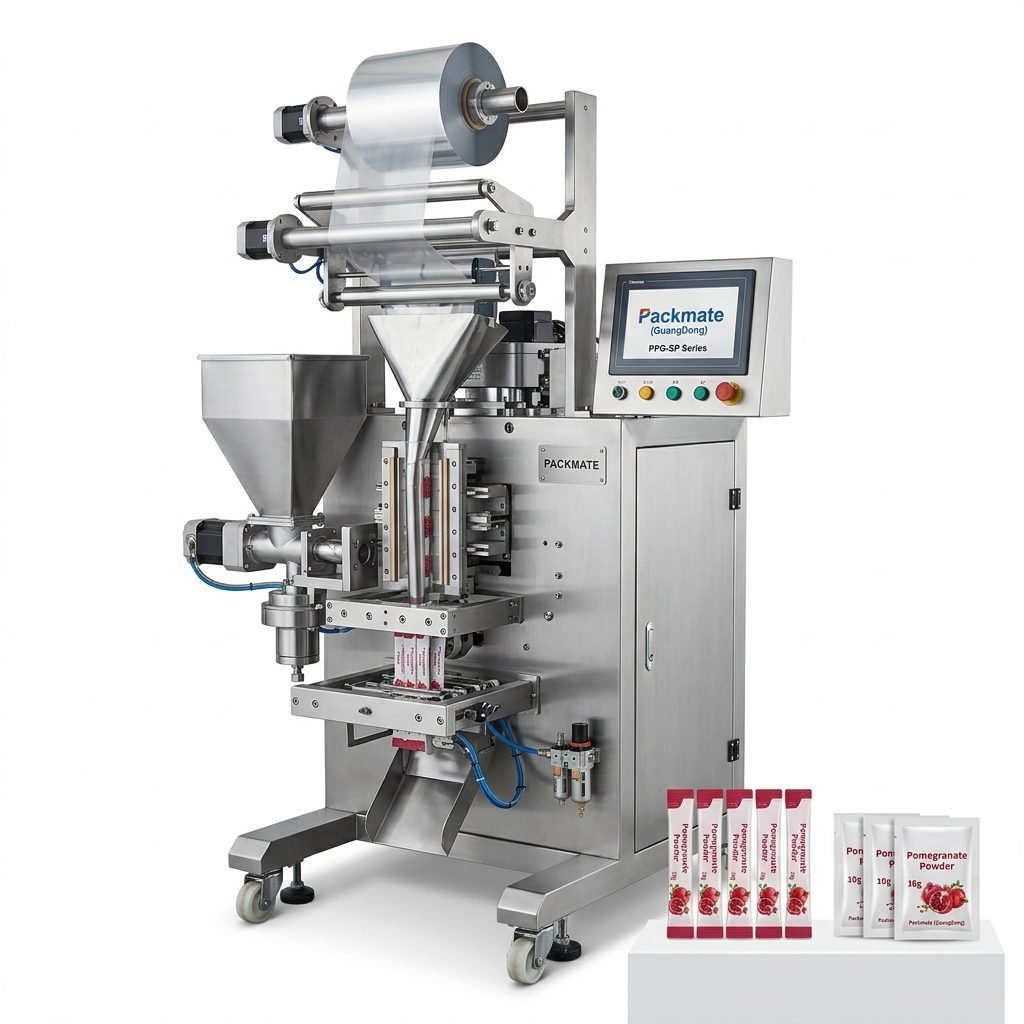
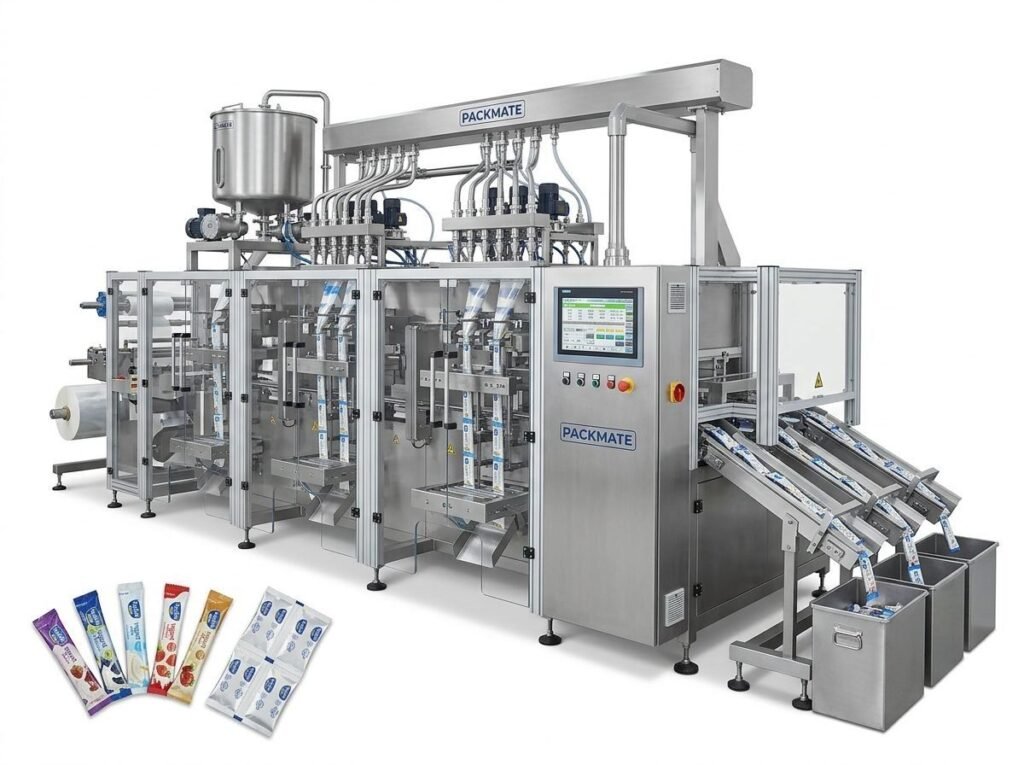
4. Sachet and Stick Pack Machines
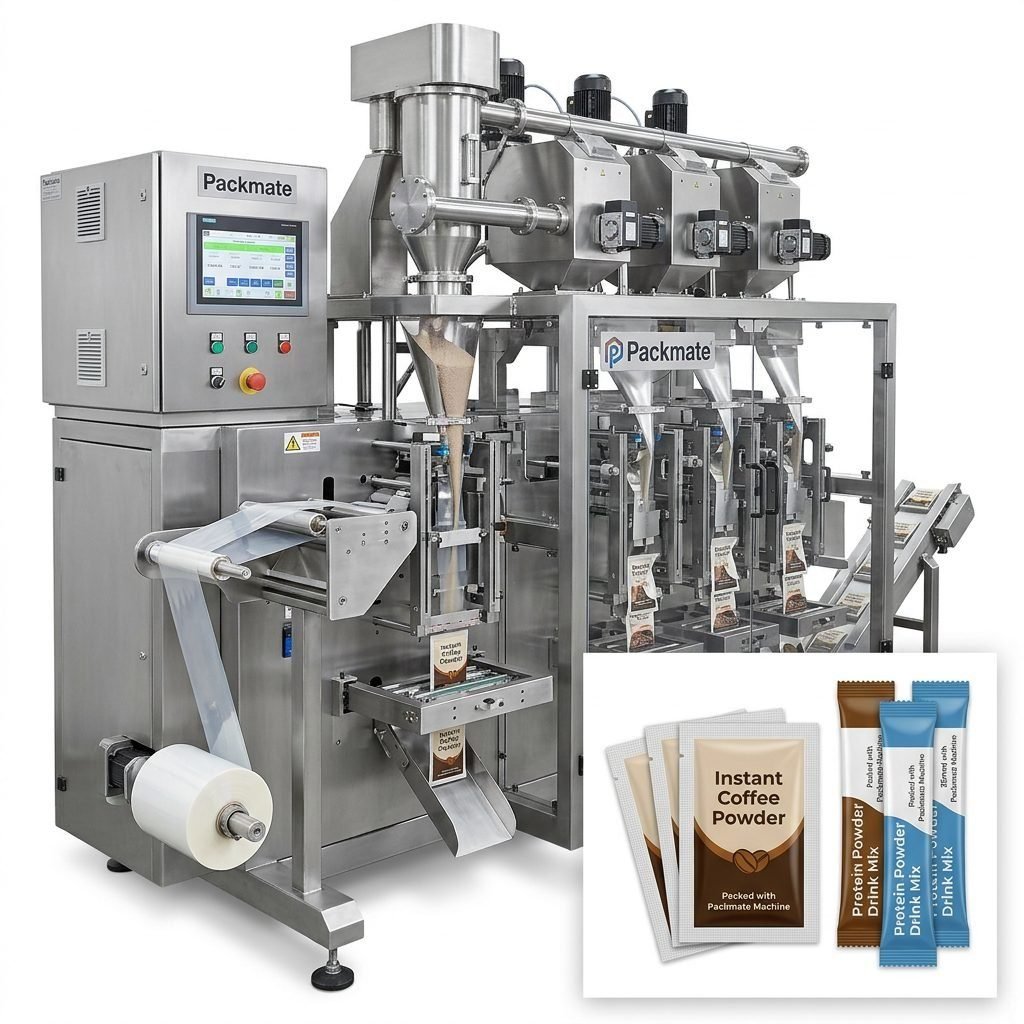
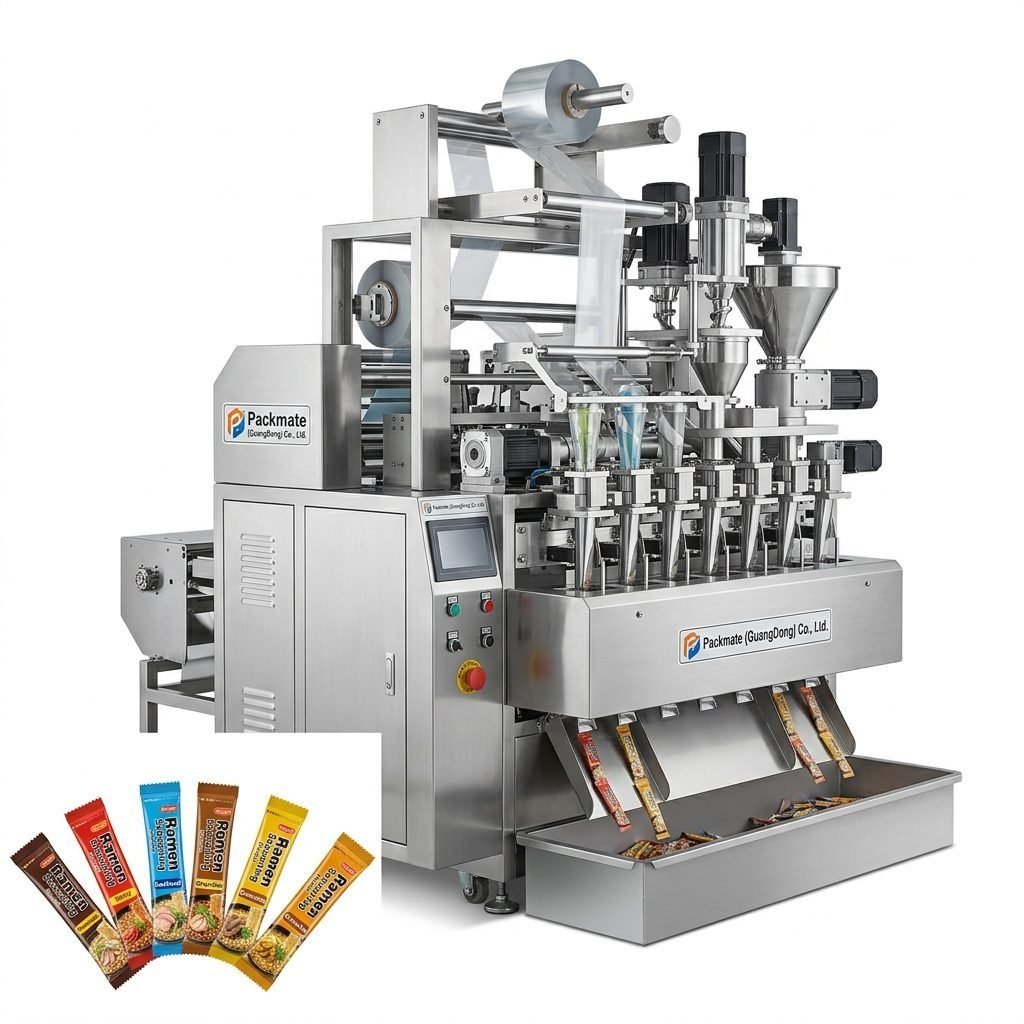
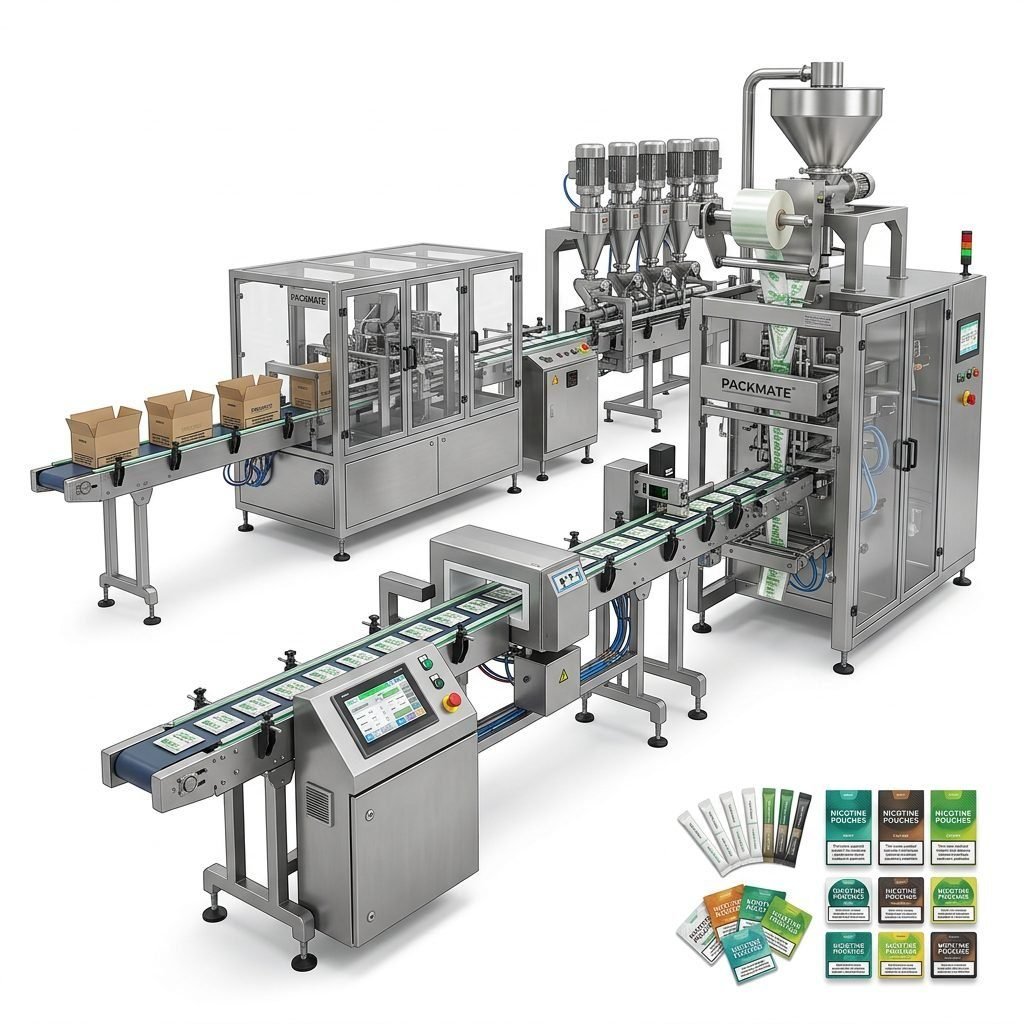
Essential for single-serve portions. These machines are perfect for packaging items like drink powders for bakery cafes, icing sugar, decorative sprinkles, or instant dessert mixes. Companies like Packmate Machinery specialize in high-speed, multi-lane sachet and stick pack machines that offer remarkable efficiency for portion-controlled products.
Features to Look for in an Efficient Machine
Beyond the machine type, specific features separate adequate equipment from the best-in-class solutions that drive efficient production.
Speed and Output: Measured in packs per minute (PPM), this should align with your current and projected production volumes. High-speed machines from established manufacturers can dramatically increase throughput.
Versatility and Changeover Time: Can the machine handle different product sizes and packaging materials? Quick-changeover systems are vital for bakeries that produce multiple product lines, minimizing downtime between batches.
Accuracy and Precision: Look for machines with advanced weighing systems (like multi-head weighers) and servo-driven technology. This ensures precise filling, which reduces product giveaway—a critical cost-saving factor.
Hygienic Design and Ease of Cleaning: Food safety is paramount. Machines should have smooth, stainless-steel surfaces, minimal crevices, and be designed for easy disassembly and cleaning to meet stringent hygiene standards.
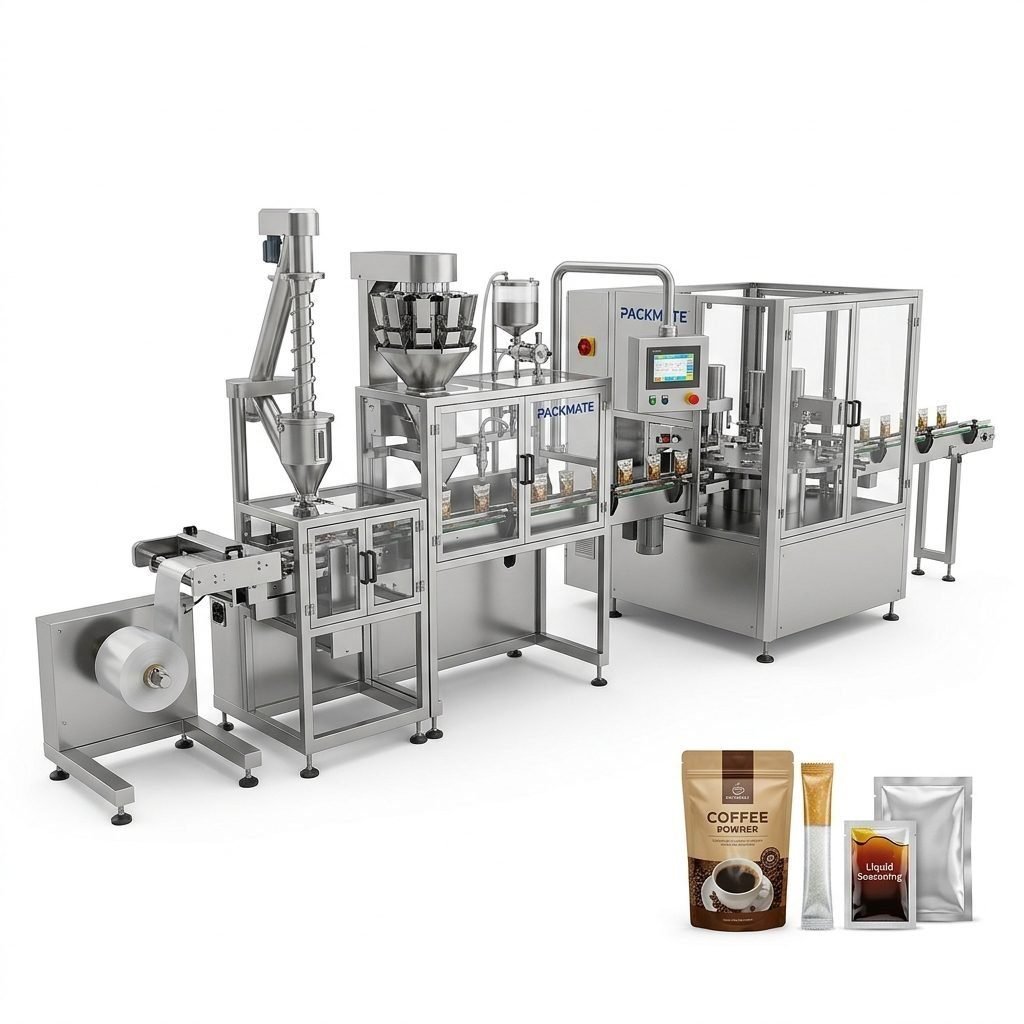
Integration Capability: The best machines can seamlessly integrate into a complete filling and packaging line, working in harmony with depositors, conveyors, checkweighers, and cartoners for a fully automated process.
Durability and Support: Invest in machinery built with robust components from a manufacturer with a proven track record. Reliable after-sales service, readily available spare parts, and technical support are non-negotiable for maintaining continuous operation.
The Role of a Trusted Manufacturer: Packmate Machinery
Choosing a machine is also about choosing a partner. With over 30 years of expertise, Packmate (GuangDong) Co., Ltd. embodies the innovation and reliability needed in this sector. Starting from a small workshop in 1993, the company’s founder, Mr. Jiang Sha, was driven by a passion for automation that solved real productivity challenges. This foundational spirit persists today.
The company’s evolution, detailed in its Company History, shows a clear trajectory from specialized sachet machines to providing comprehensive turnkey solutions. Their 20,000㎡ modern facility houses advanced production and testing equipment, ensuring every machine meets high standards before shipment. For a bakery looking to scale, partnering with an experienced manufacturer like Packmate means accessing not just a machine, but a complete packaging solution backed by deep engineering knowledge and global support.
Maximizing Efficiency in Your Bakery Workflow
Integrating new packaging equipment is a process. To maximize ROI and efficiency, consider these steps:
1. Audit Your Current Process: Identify bottlenecks, waste areas, and quality issues in your existing packaging line.
2. Define Your Requirements: Be clear on product types, required speeds, packaging materials, and available floor space.
3. Request Demos and References: See machines in action, preferably with a product similar to yours. Speak to existing clients of the manufacturer.
4. Plan for Integration: Work with the supplier to plan the installation, operator training, and initial production runs.
5. Monitor and Optimize: After installation, track key metrics like output, waste, and downtime to continuously improve the process.
By following a structured approach, you ensure the new machinery becomes a core asset that enhances every aspect of your food production efficiency.
Conclusion
Investing in the best bakery packaging machines is a decisive move toward building a more efficient, profitable, and competitive food production business. The right equipment safeguards product quality, boosts output, and reduces operational costs. From versatile VFFS machines to high-speed sachet packers, the technology available today can be tailored to meet the specific needs of any bakery operation. Partnering with a seasoned and innovative manufacturer provides the technological edge and support necessary to navigate this vital aspect of modern food production successfully.
Frequently Asked Questions (FAQs)
1. What is the most important factor when choosing a bakery packaging machine?
The most critical factor is matching the machine’s capabilities to your specific product characteristics and production volume. A machine perfect for wrapping bread loaves will not work for packaging powdered sugar. Always start with a detailed analysis of your product and throughput needs.
2. How can packaging machines extend the shelf life of bakery products?
Advanced machines create consistent, hermetic seals that lock out air and moisture, the primary causes of staling and mold growth. Some machines can also perform Modified Atmosphere Packaging (MAP), replacing the air inside the package with a gas mixture (like nitrogen or CO2) that drastically slows down spoilage.
3. Are automated packaging machines suitable for small artisanal bakeries?
Absolutely. The market offers compact, semi-automatic, and tabletop models designed for lower volumes. These machines bring the benefits of consistency, speed, and hygiene to smaller operations, allowing them to scale production professionally without a massive initial investment.
4. What kind of maintenance do these machines require?
Regular preventive maintenance is key. This typically includes daily cleaning, lubrication of moving parts as specified by the manufacturer, and periodic inspection of seals, cutters, and sensors. Choosing a supplier with a strong service and support network ensures you have access to maintenance expertise and genuine spare parts.
5. Can one machine handle multiple different bakery products?
Many machines are designed for versatility. Look for models with quick-changeover features for different bag sizes, film types, or product shapes. However, there are limits; a machine designed for solid items generally cannot switch to liquids without significant modification. Discuss your full product range with the equipment supplier during the selection process.