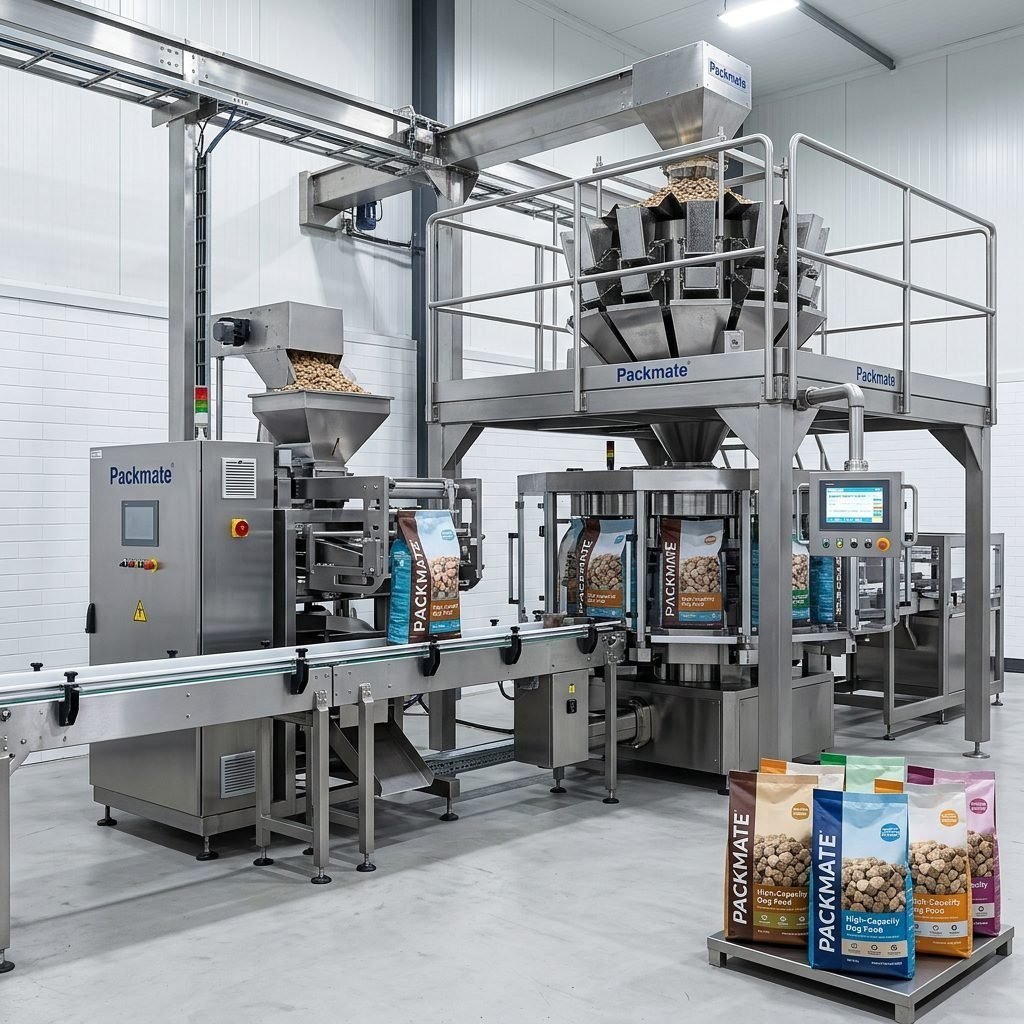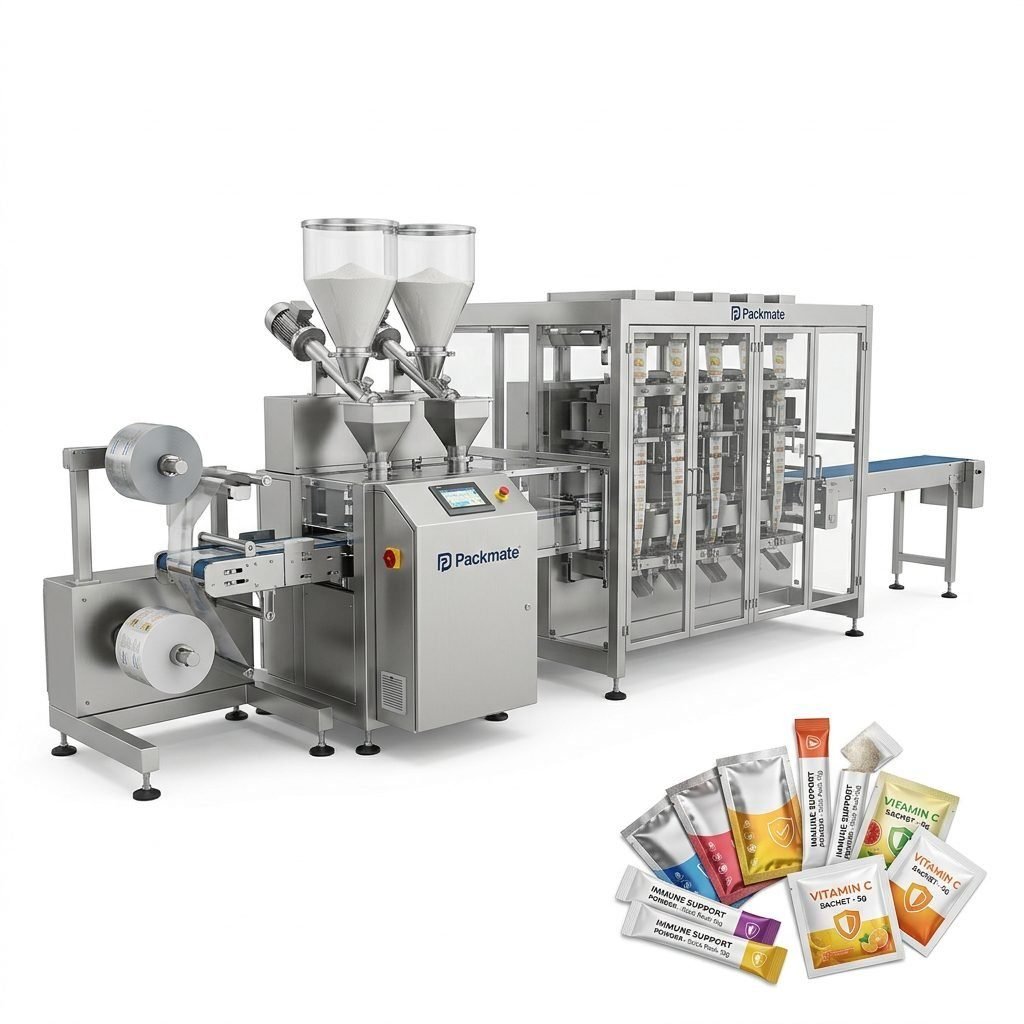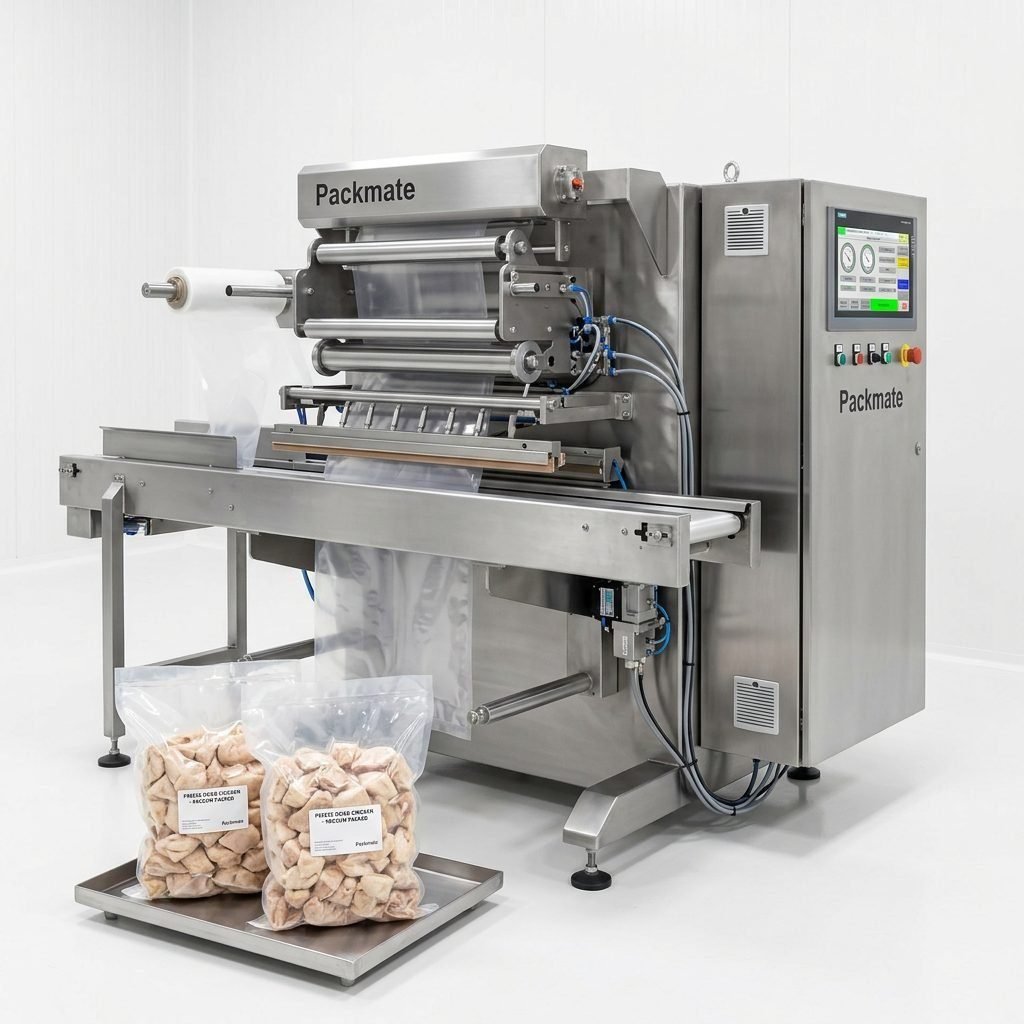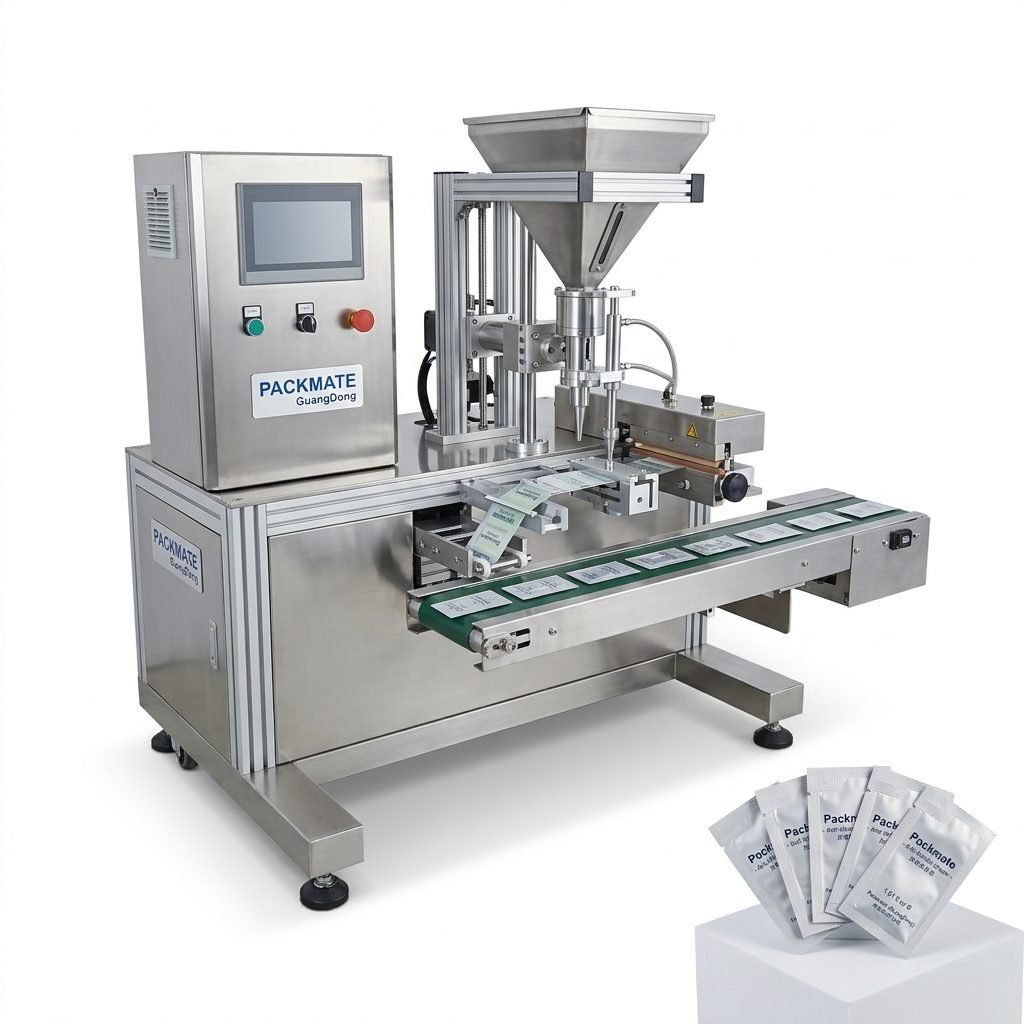
In the dynamic world of manufacturing and product distribution, the Pacific region stands as a powerhouse of innovation and industrial output. For businesses operating within this vast and diverse area, from the technologically advanced hubs of Japan and South Korea to the growing industrial sectors in Southeast Asia and Oceania, selecting the right packaging machinery is a critical decision. Efficient packaging is not just about containment; it’s about preserving product integrity, optimizing logistics, enhancing brand appeal, and meeting the specific cultural and regulatory demands of local markets. This guide delves into the essential types of packaging machinery, their practical applications, and provides a comprehensive framework for making an informed purchase, tailored to the unique needs of Pacific-based operations.
Core Types of Packaging Machinery
The packaging process is multifaceted, and machinery is designed to handle each stage with precision. Understanding these core types is the first step in identifying what your production line requires.
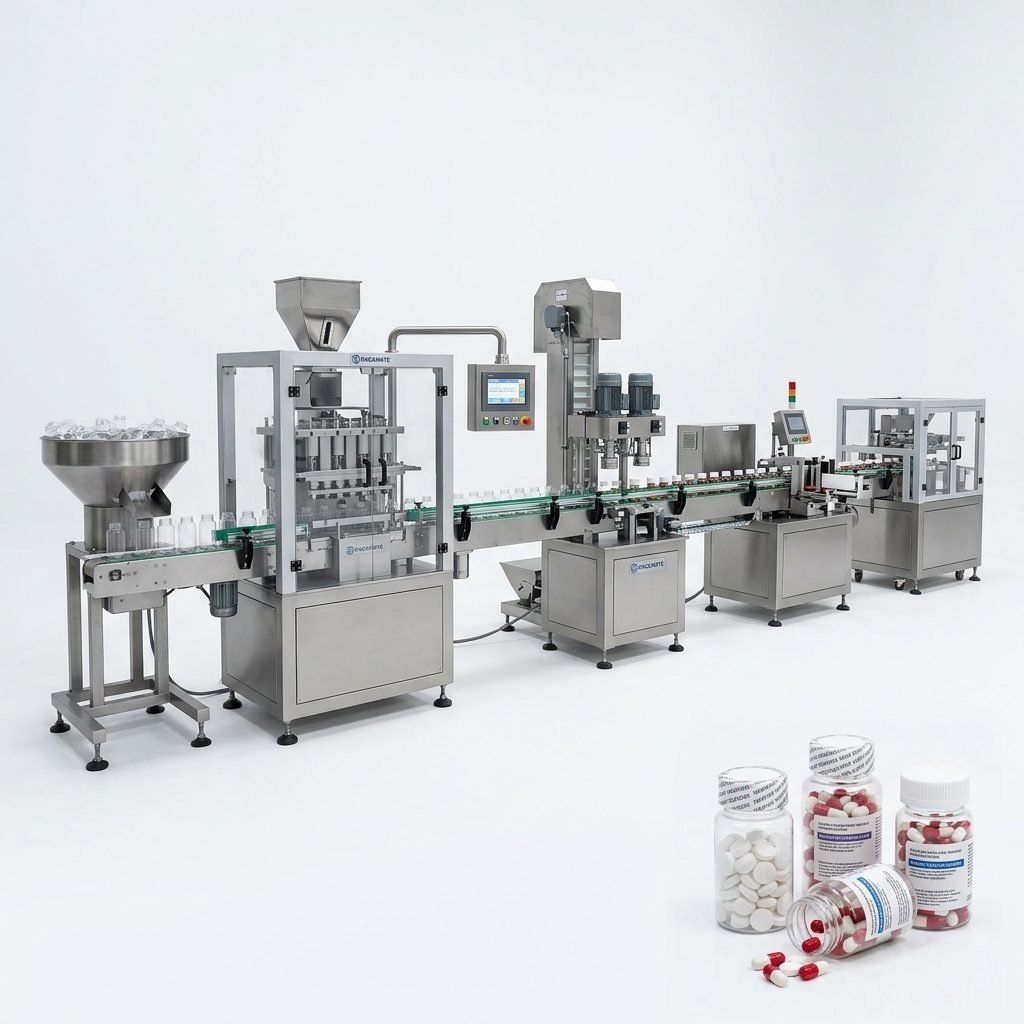
Filling and Sealing Machines
These are the workhorses of primary packaging, responsible for accurately dispensing a product into its container and hermetically sealing it. They are categorized by the product form they handle:
Liquid Fillers: Ideal for beverages, oils, sauces, and pharmaceuticals. They range from simple gravity fillers to sophisticated volumetric piston fillers and pressure fillers for carbonated drinks. In regions like Japan, where presentation and precision are highly valued, machines offering exceptional fill accuracy and cleanliness are paramount.
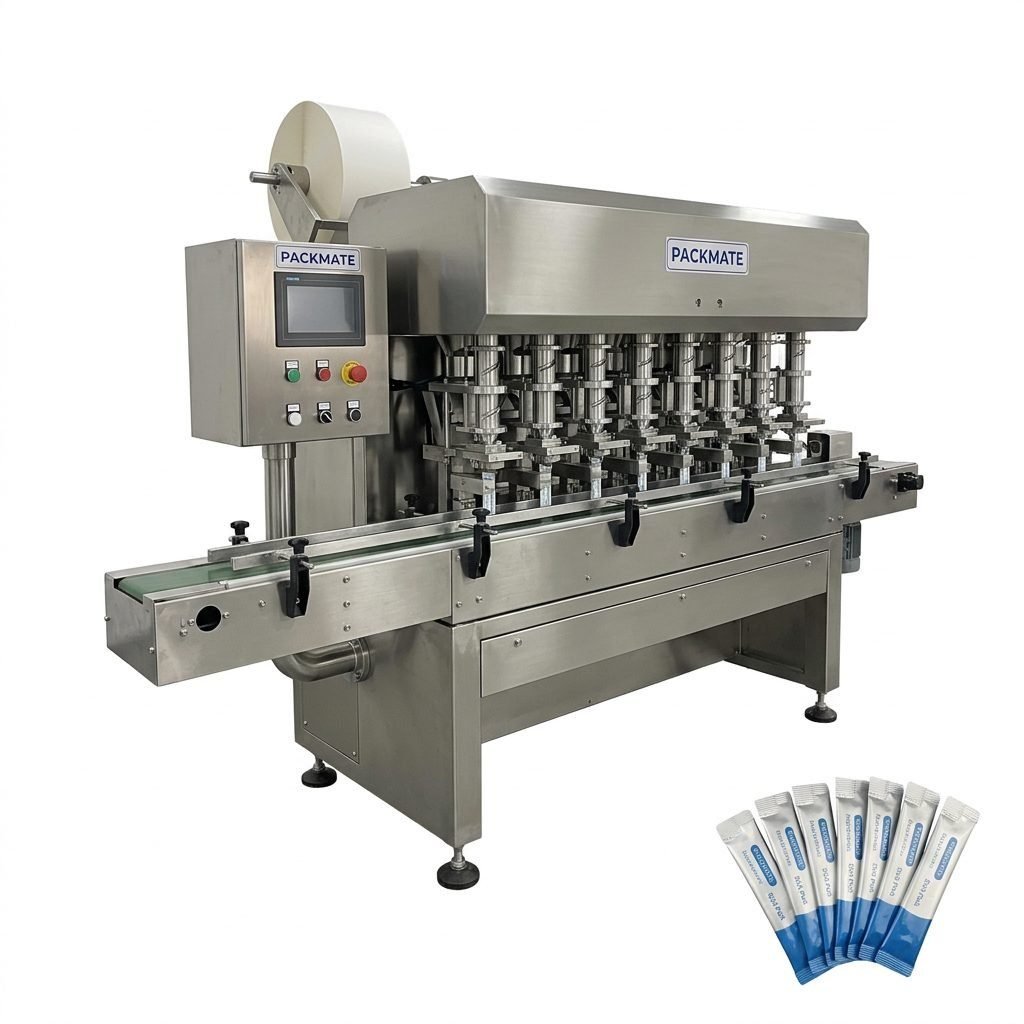
Powder and Granule Fillers: Used for coffee, spices,奶粉 (milk powder), pharmaceuticals, and detergent powders. Auger fillers are most common, using a screw mechanism for volumetric dispensing. Net weigh fillers offer higher accuracy by weighing each dose. For the thriving health supplement markets in Australia and New Zealand, consistent and contamination-free powder filling is a non-negotiable requirement.
Sealing Machines: This includes induction sealers for tamper-evident caps on bottles, heat sealers for pouches and blister packs, and capping machines for screws caps, corks, or press-on lids.
Form-Fill-Seal (FFS) Machines
FFS machines represent a high level of automation by creating the packaging from a roll of film, filling it with product, and sealing it—all in one continuous operation. They are incredibly efficient and reduce packaging material inventory.
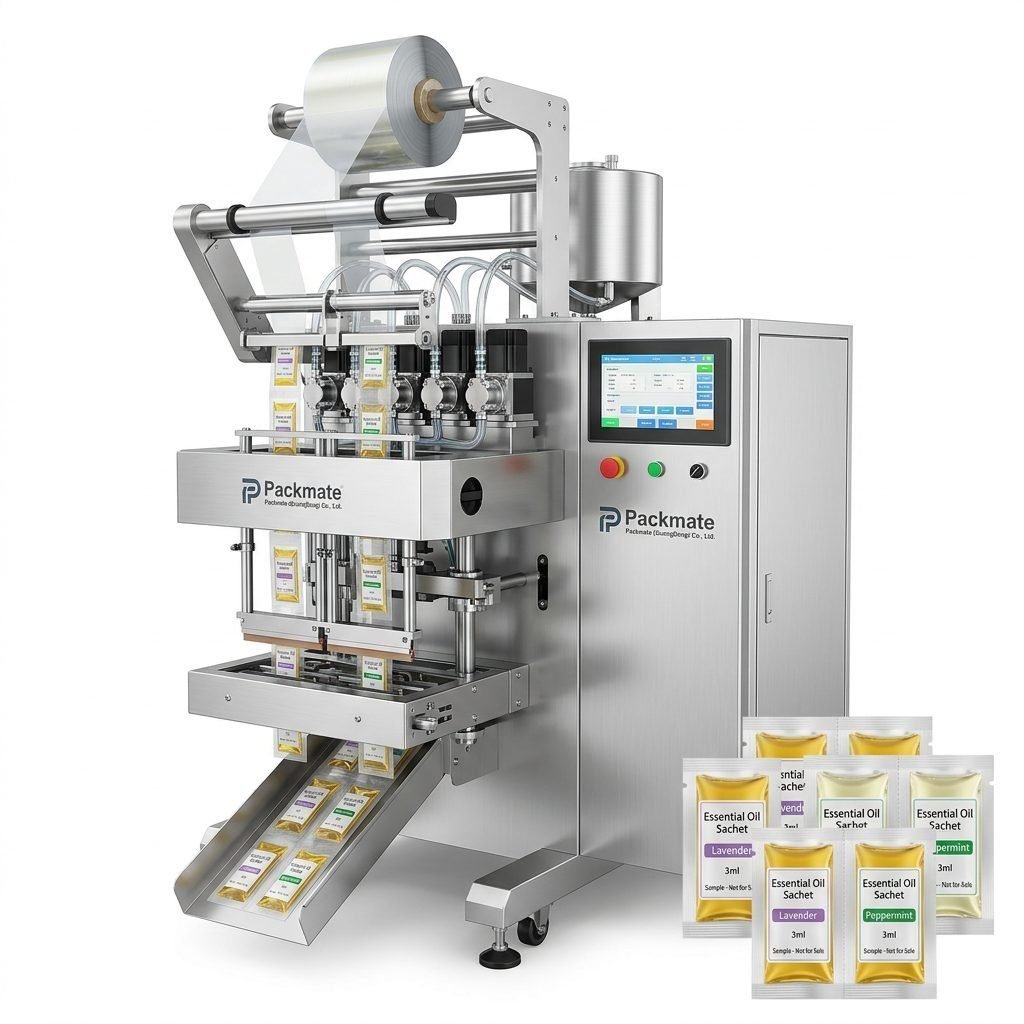
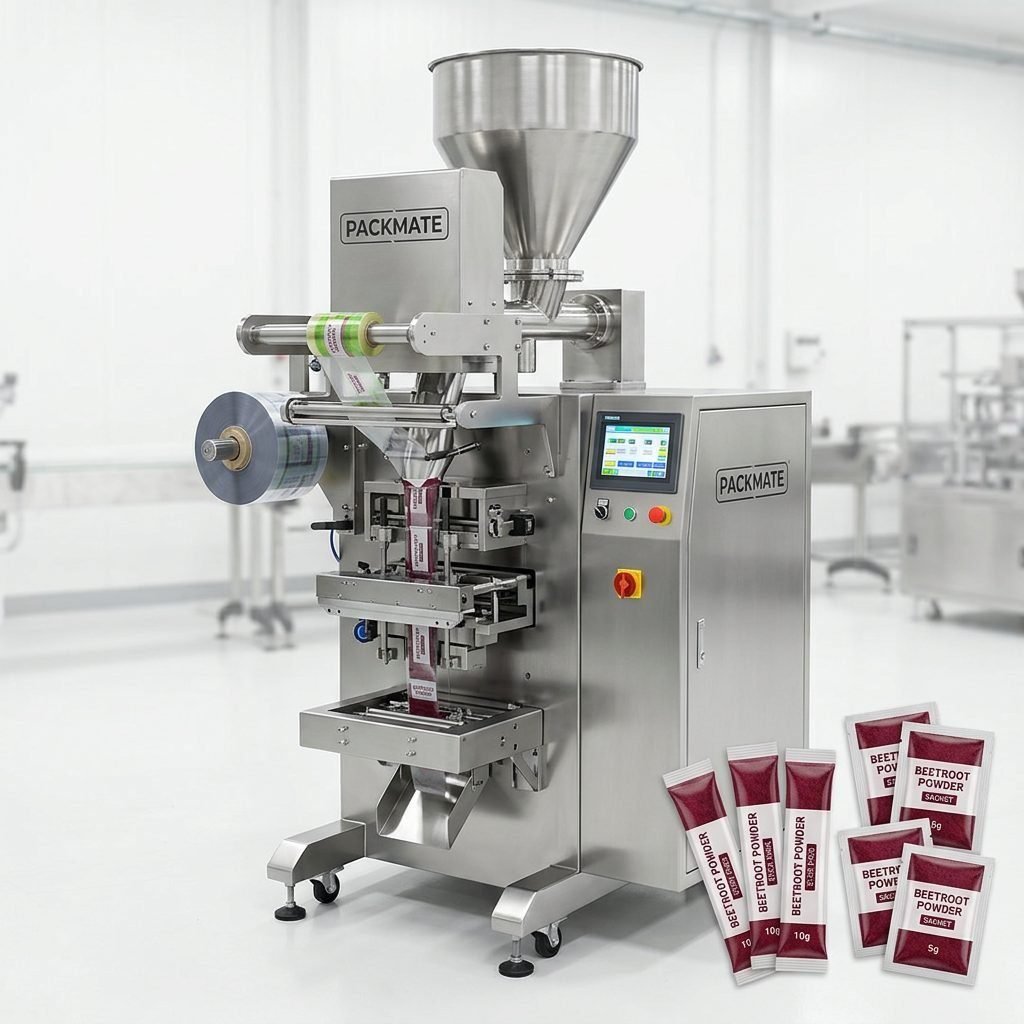
Vertical Form-Fill-Seal (VFFS): Predominantly used for packaging powders, granules, snacks, and liquids into pillow bags or gusseted bags. They are ubiquitous in the snack food industry across Southeast Asia.
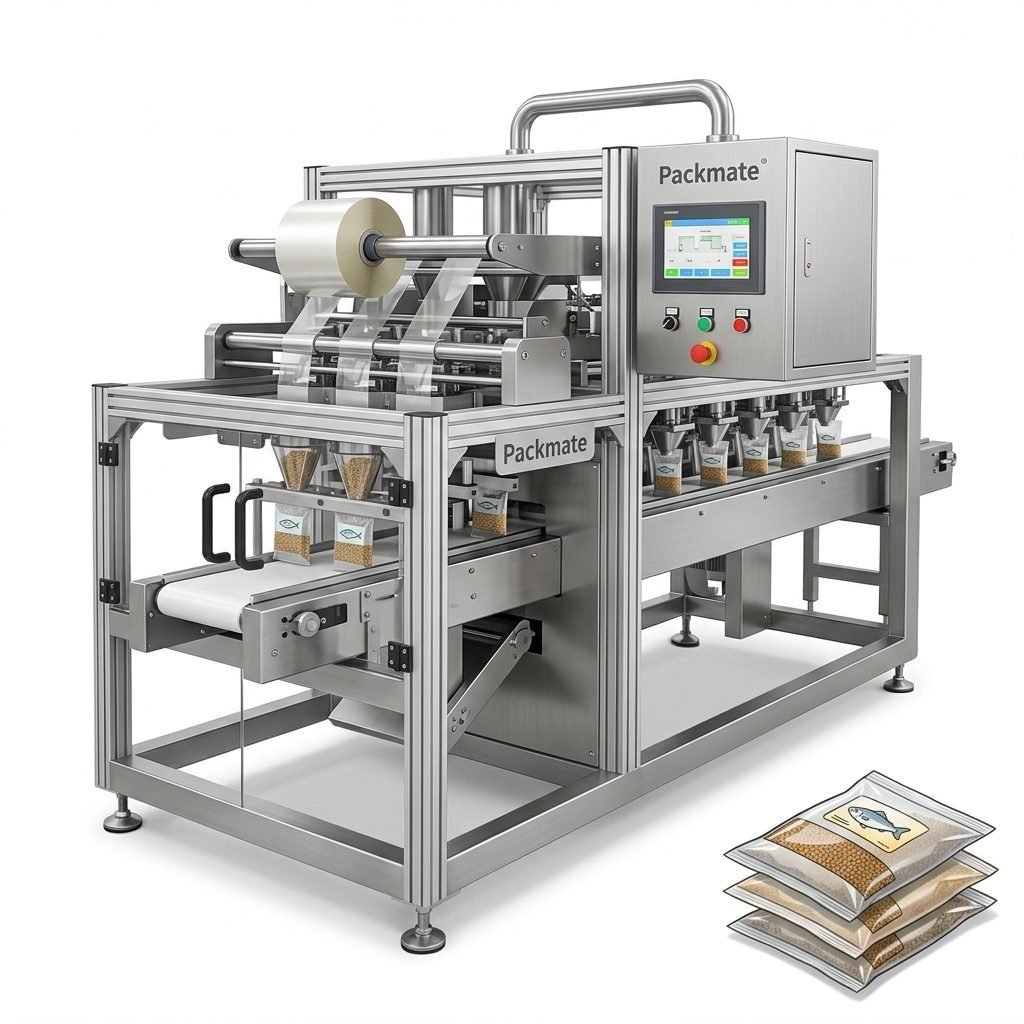
Horizontal Form-Fill-Seal (HFFS): Often used for more rigid items, baked goods, or for creating blister packs for pharmaceuticals and small consumer goods. The precision of HFFS is crucial for markets with strict pharmaceutical packaging standards, such as Singapore.
For businesses looking to enter the lucrative sachet market for single-serve condiments, shampoos, or instant beverages popular across the Philippines and Indonesia, specialized sachet and stick pack machines offer the perfect FFS solution.
Labeling and Coding Machines
Once a product is packaged, it needs identification. This category ensures compliance and brand communication.
Label Applicators: Automatically apply pressure-sensitive labels to bottles, boxes, or pouches. Options include front/back labeling, wrap-around labeling, and precision top labeling.
Coders and Markers: Print essential information like batch numbers, expiry dates, barcodes, and logos directly onto the packaging or label. Technologies include inkjet, laser, and thermal transfer printing. Meeting the bilingual labeling requirements common in countries like Canada (English/French) or regions of the Pacific with multiple languages often necessitates versatile coding systems.
Cartoning and Case Packing Machines
These machines handle secondary packaging, grouping primary packages into cartons or cases for shipment.
Cartoners: Erect cartons from flat blanks, insert the primary products (like bottles or pouches), and close them. They can include leaflet insertion for instructions, a common requirement for pharmaceuticals and electronics.
Case Packers and Sealers: Automatically load filled cartons or primary packages into shipping cases and then seal the cases with tape or glue. Robust case packing is vital for the long export supply chains many Pacific-based manufacturers rely on.
For operations that require a complete, integrated solution, exploring a full filling and packaging line can streamline the entire process from primary to secondary packaging.
Key Applications and Industry Uses
Packaging machinery is not one-size-fits-all; its application is deeply tied to industry-specific needs.
Food and Beverage Industry
This is the largest end-user sector. Machinery here must prioritize hygiene (often requiring food-grade stainless steel construction), speed, and adaptability to handle diverse products from fresh produce to frozen goods. In cultures where food presentation is an art form, such as in Japan, machinery that ensures pristine, consistent packaging is highly valued. Aseptic packaging machines are also critical for extending shelf life without refrigeration, a significant advantage in tropical climates.
Pharmaceutical and Healthcare
Precision, sterility, and tamper-evidence are non-negotiable. Machinery must comply with stringent Good Manufacturing Practice (GMP) standards. Blister packers, vial fillers, and strip packagers dominate this field. The demand for reliable, compliant packaging solutions is consistently high across developed Pacific economies.
Cosmetics and Personal Care
This industry balances high-speed production with aesthetic perfection. Packaging machinery for creams, lotions, and serums must be gentle on containers, offer precise filling to avoid waste of expensive products, and often integrate with elegant labeling solutions. The booming K-beauty (Korean beauty) industry is a prime example of where packaging innovation meets consumer appeal.
Industrial and Chemicals
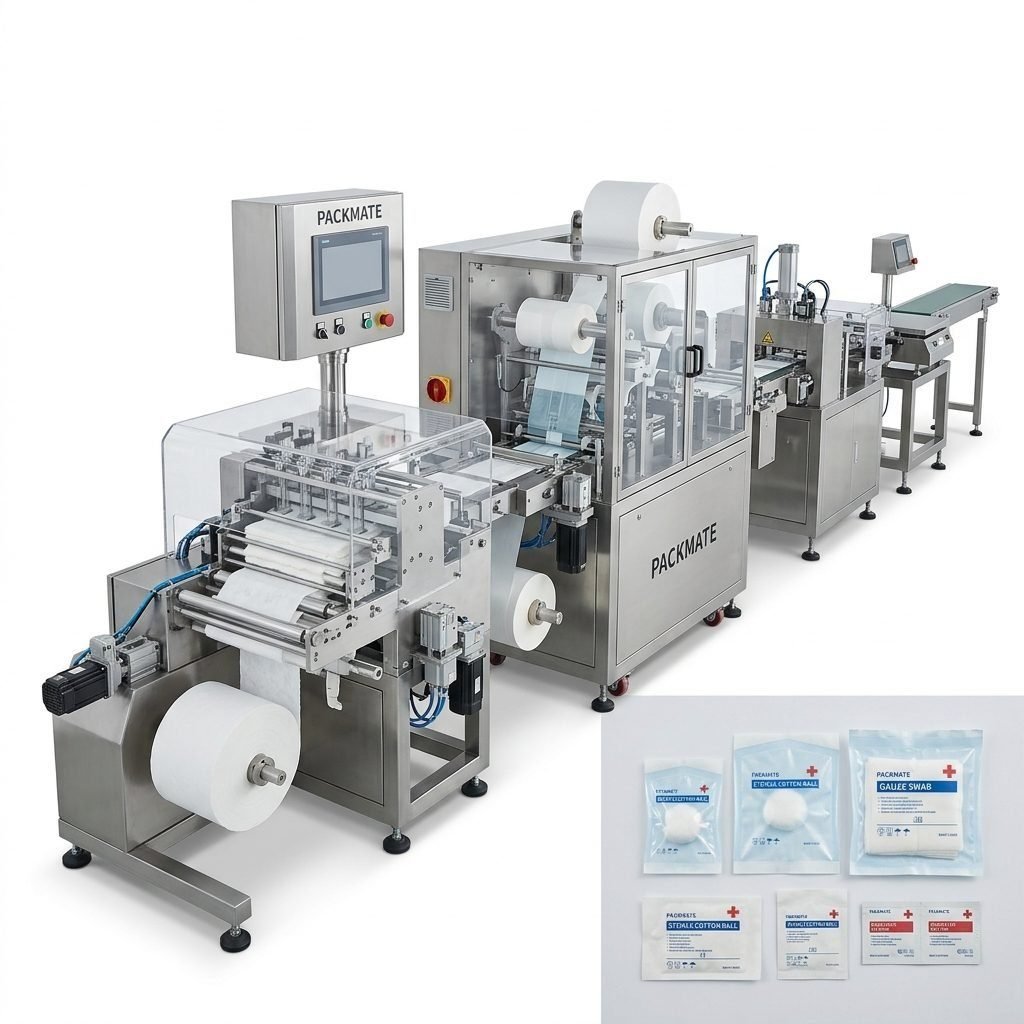
Durability and safety are key. Machinery for packaging adhesives, lubricants, or industrial powders needs to be robust, often explosion-proof, and capable of handling heavy-duty materials and large bag sizes. Bag and pouch packaging machines designed for these applications focus on reliability and containment strength.
A Strategic Buying Guide for Pacific Businesses
Investing in packaging machinery is a significant decision. Follow this strategic guide to ensure your investment aligns with your business goals.
Step 1: Define Your Requirements
Start with a clear internal audit. What are you packaging (product characteristics)? What is your required output speed (bags/per minute)? What packaging materials will you use (film type, bag style)? What are your floor space and utility (power, air) constraints? Also, consider future growth—can the machine handle potential new products or higher volumes?
Step 2: Research and Shortlist Suppliers
Look for suppliers with a strong reputation and proven experience in your specific industry. A manufacturer with deep expertise, like Packmate Machinery, which has over 30 years in the field, brings invaluable knowledge of technical challenges and solutions. Evaluate their global support network, which is crucial for Pacific businesses that may be far from European or North American manufacturing hubs.
Step 3: Evaluate Technology and Compatibility
Scrutinize the machine’s technical specifications. Does it use servo motors for precision and energy efficiency? Is the control system user-friendly? Most importantly, request a live or video demonstration using your own product and packaging materials. This is the only way to truly assess performance, speed, and compatibility.
Step 4: Consider Total Cost of Ownership (TCO)
Look beyond the initial purchase price. Factor in installation costs, training for your operators, ongoing maintenance, spare parts availability, energy consumption, and potential downtime. A slightly more expensive machine from a reputable supplier with excellent local service support often has a lower TCO than a cheaper, unsupported alternative.
Step 5: Assess After-Sales Support and Service
This is critical. Ensure the supplier offers comprehensive installation, operator training, and readily available technical support. Check their warranty terms and the availability of spare parts in your region. A reliable partner will help you maximize uptime and productivity for years to come.
Step 6: Review Compliance and Safety
Verify that the machinery meets all relevant local and international safety standards (e.g., CE, UL). For food or pharmaceutical applications, confirm the materials in contact with the product are certified and the design allows for easy cleaning and maintenance to meet hygiene protocols.
Conclusion
Selecting the right Pacific packaging machinery is a strategic investment that directly impacts your operational efficiency, product quality, and market competitiveness. By thoroughly understanding the different machine types, aligning them with your specific industry applications, and following a diligent, step-by-step buying process, you can make a choice that drives growth and reliability. Partnering with an experienced and supportive manufacturer provides not just a machine, but a long-term solution for your packaging challenges.
Frequently Asked Questions (FAQ)
What is the most important factor when choosing packaging machinery for a new business?
The most critical factor is product-machine compatibility. Before any purchase, you must test the machine with your actual product and packaging materials. A machine’s rated speed and specs are meaningless if it cannot handle your product’s unique characteristics (e.g., viscosity, abrasiveness, flowability) reliably.
How do I decide between a semi-automatic and a fully automatic machine?
The choice depends on your production volume and budget. Semi-automatic machines require more manual labor for loading or actuation but have a lower initial cost. They are suitable for low to medium output or pilot production. Fully automatic machines offer higher speed, consistency, and lower labor costs per unit, making them ideal for medium to high-volume production lines. Consider your growth projections when deciding.
What kind of maintenance do packaging machines typically require?
Regular preventative maintenance is key. This daily includes cleaning to prevent product buildup, and weekly/monthly tasks involve lubricating moving parts, checking seals and wear parts, and calibrating scales or fill volumes. Always follow the manufacturer’s maintenance schedule. Choosing a supplier with clear manuals and available spare parts, like those found on the service page of established companies, greatly simplifies maintenance.
Can one machine handle multiple different products or package sizes?
Many modern machines are designed with changeover flexibility. Look for machines with quick-change parts (like augers, filling heads, or forming tubes) and digital controls that allow you to save settings for different products. The time and tooling required for changeover vary significantly between models, so this is a vital question to ask during a demonstration.
Where can I see examples of machinery in action or get specific technical advice?
Reputable manufacturers typically provide extensive resources. You can review detailed product information and specifications online, study real-world application cases, and most importantly, contact their sales engineering team directly. They can arrange product-specific demonstrations and provide tailored consultations based on your production goals.