The pharmaceutical industry operates under some of the most stringent regulations globally, where product safety, sterility, and stability are paramount. At the heart of ensuring these standards is pharmaceutical packaging equipment. This machinery does more than just encase a product; it protects it from contamination, preserves its efficacy, ensures accurate dosing, and provides critical information to the end-user. For manufacturers, selecting the right packaging machinery is a critical investment that impacts efficiency, compliance, and ultimately, patient safety.
Core Types of Pharmaceutical Packaging Equipment
The packaging process is multi-stage, requiring specialized equipment for each step. Understanding the primary types is the first step in making an informed purchase.
1. Primary Packaging Equipment
This equipment handles the immediate container that is in direct contact with the pharmaceutical product. Its role is to maintain sterility and integrity.
Blistering Machines: These form, fill, and seal (FFS) tablets, capsules, or lozenges into individual blisters on a plastic/foil sheet. They are essential for unit-dose packaging, providing excellent barrier properties against moisture and light.
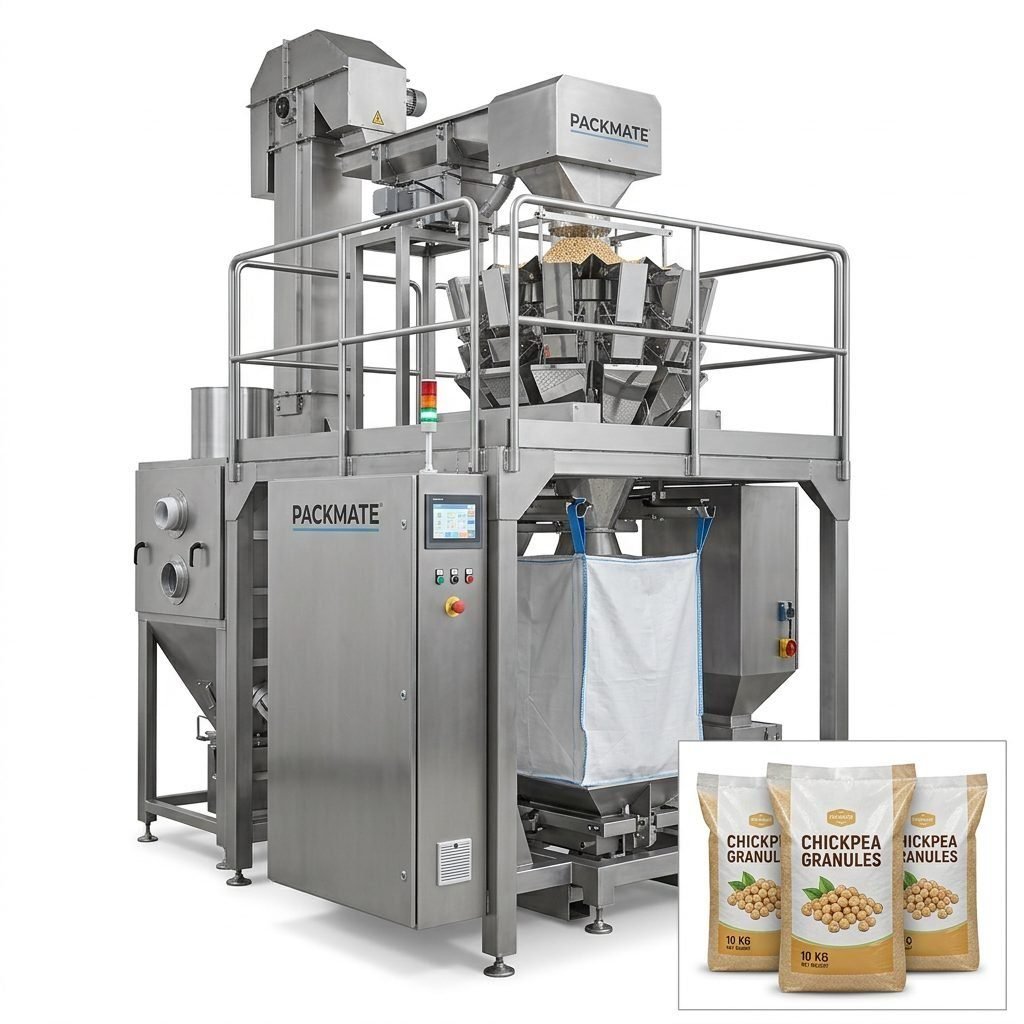
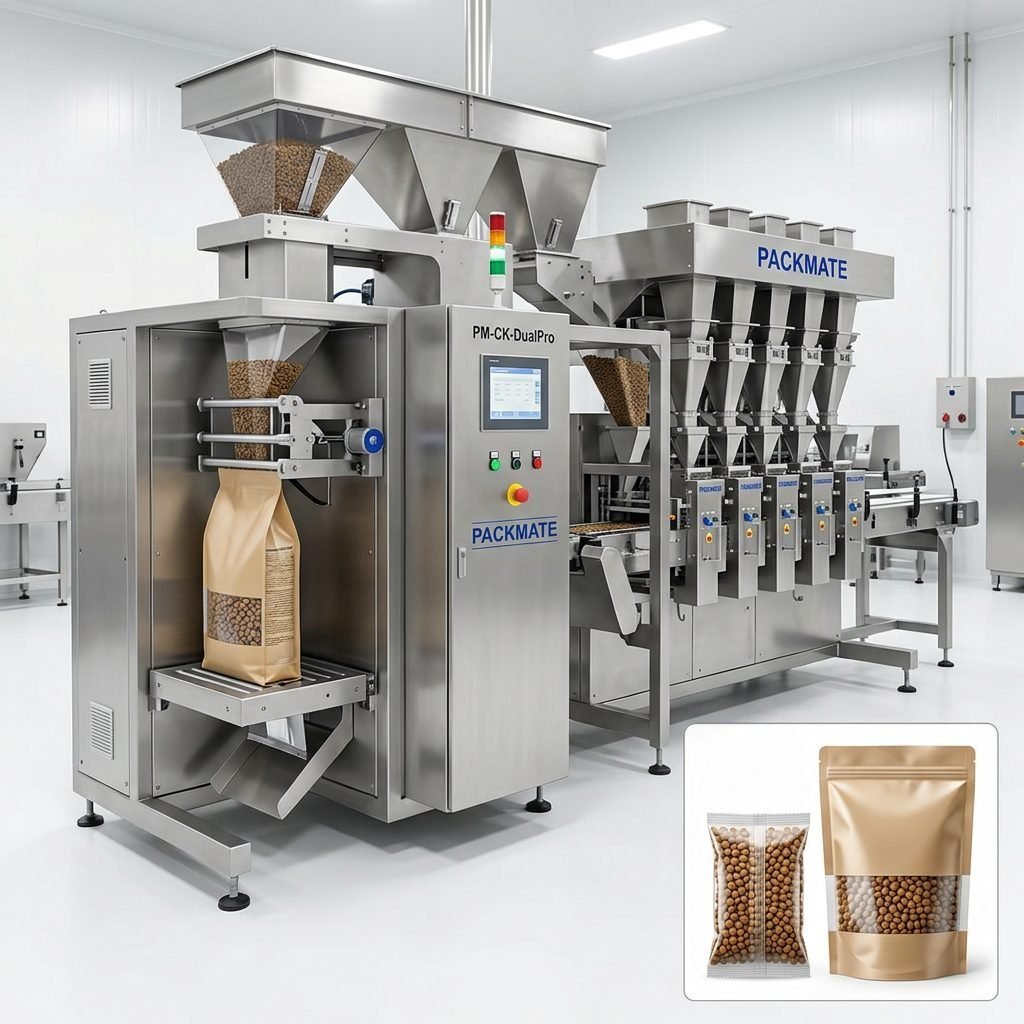
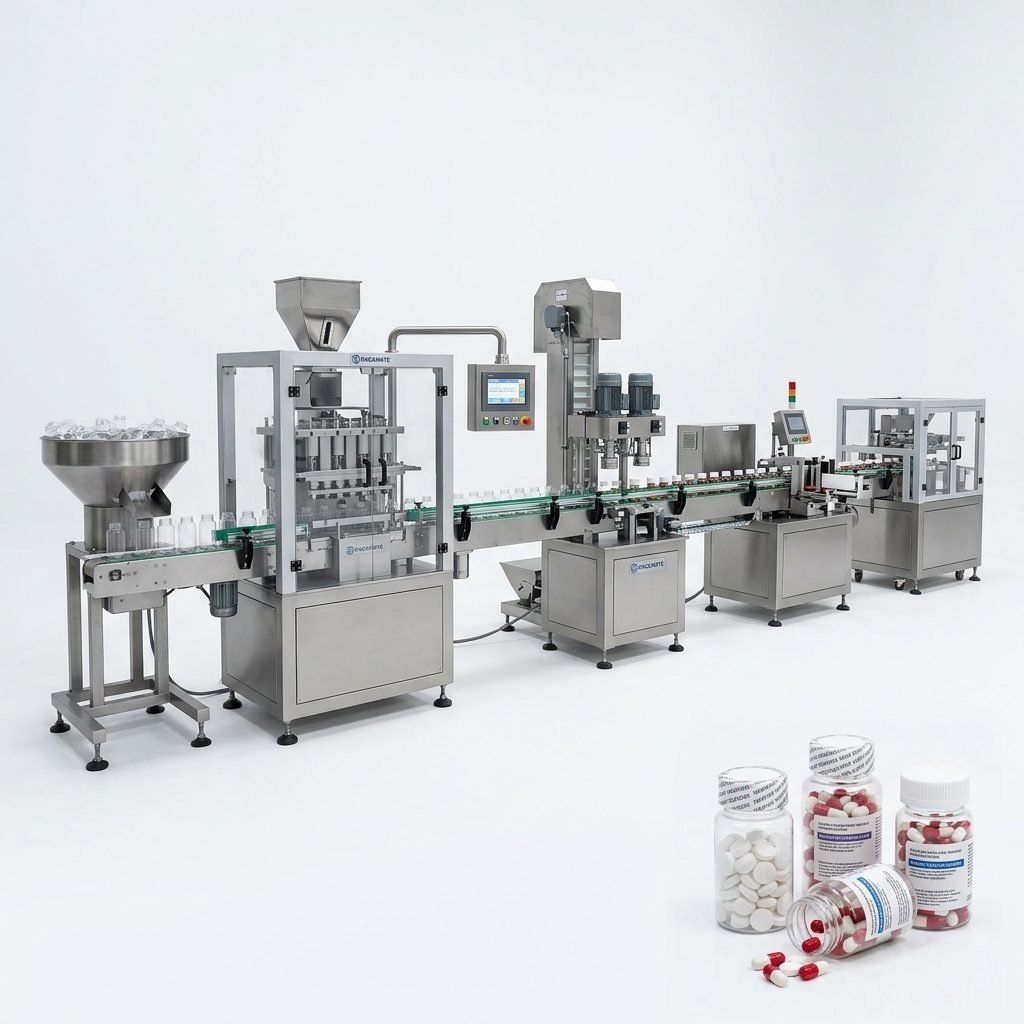
Bottle Filling and Capping Lines: Automated systems that fill liquid or solid doses (like tablets) into bottles, apply child-resistant or tamper-evident caps, and seal them. They often integrate with weighing systems for high precision.
Ampoule and Vial Fillers: Highly specialized, sterile machines used for injectable drugs. They fill and seal glass ampoules or vials in a controlled, aseptic environment.
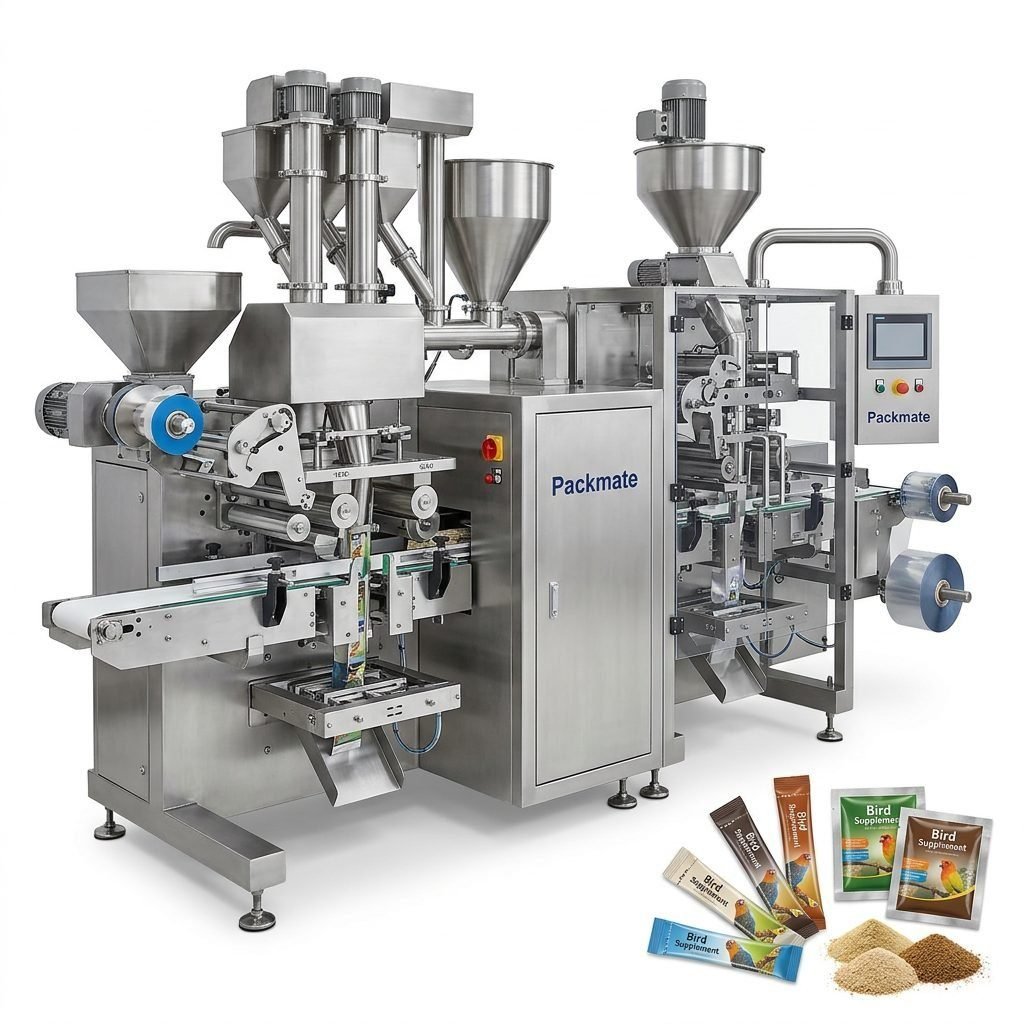
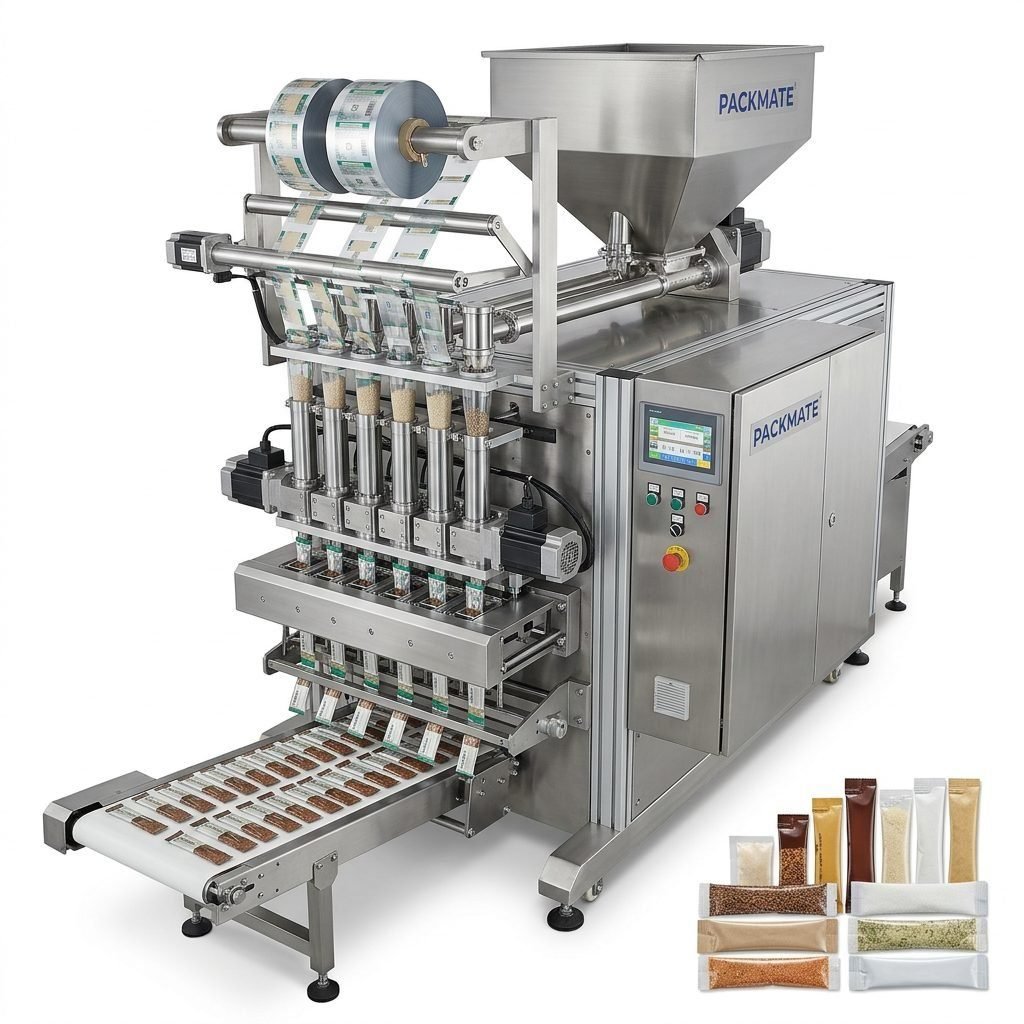
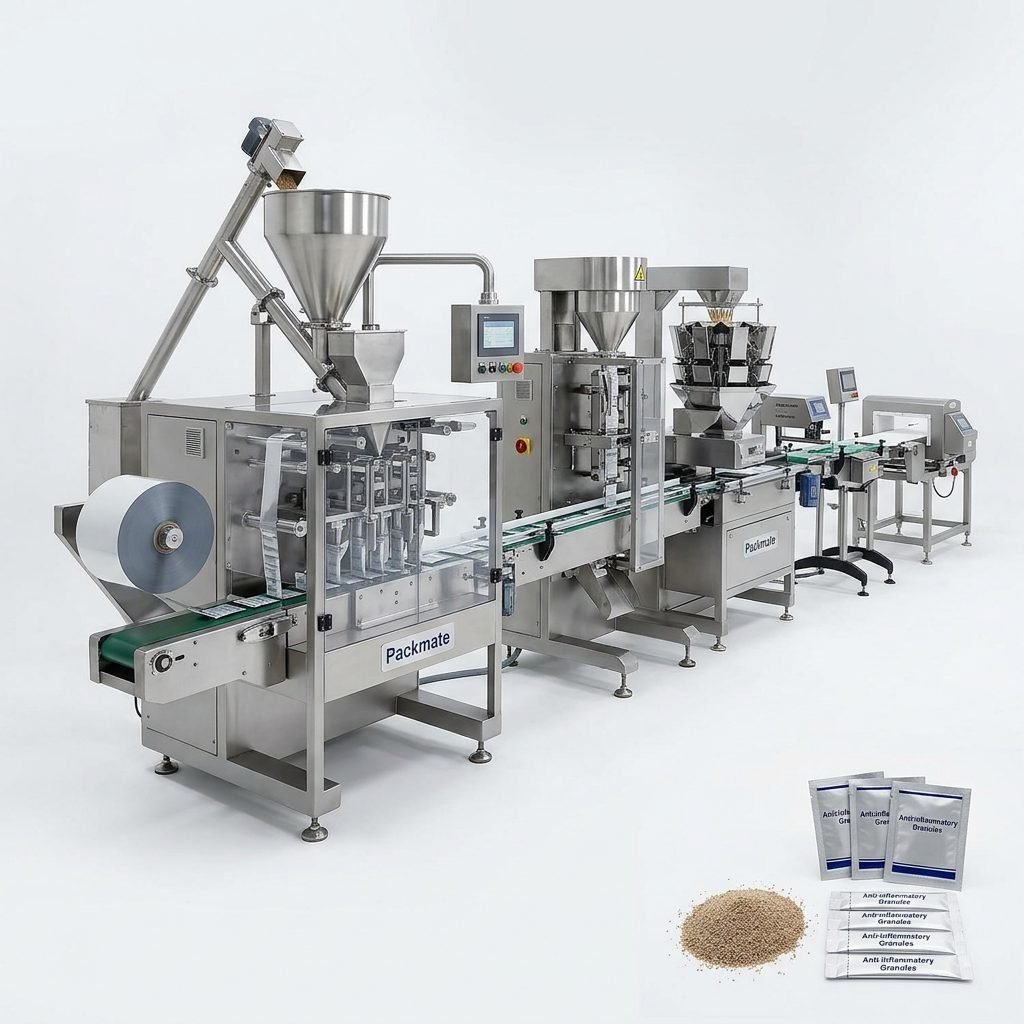
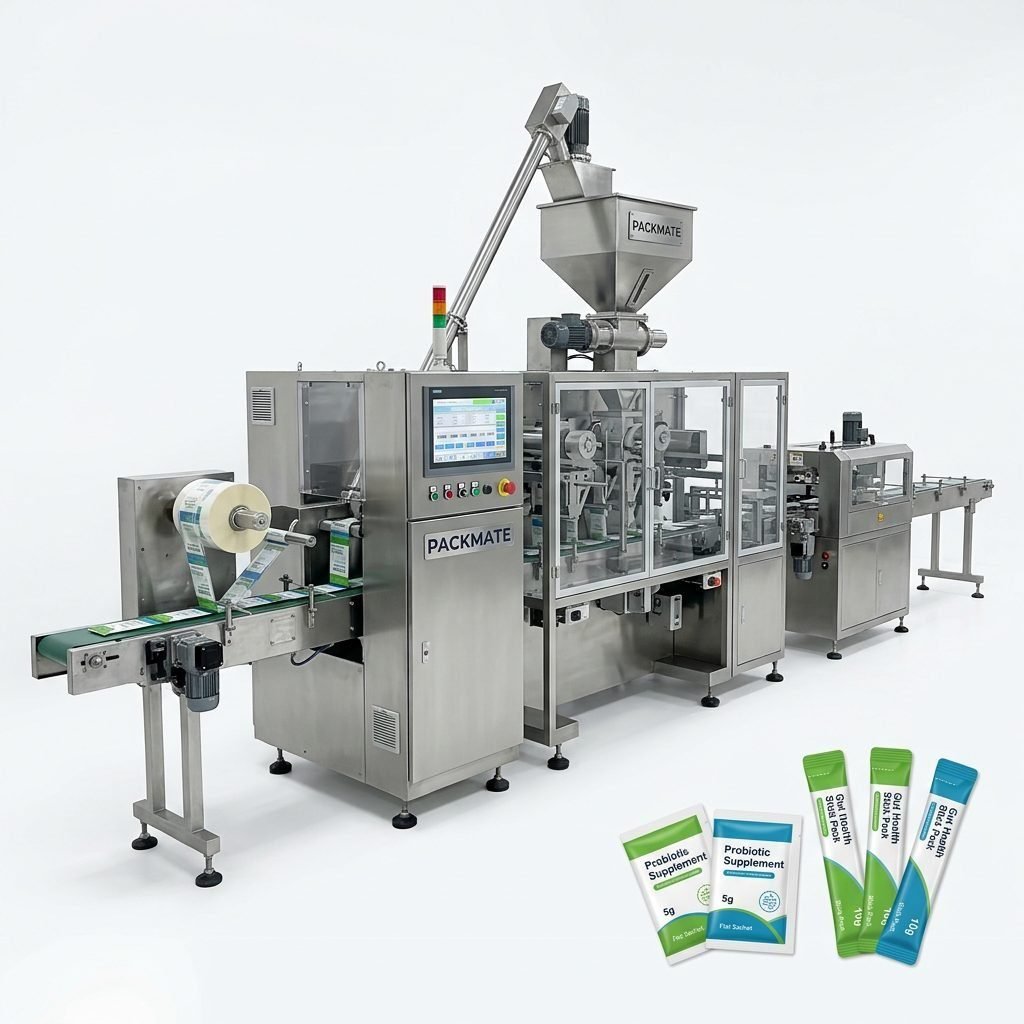
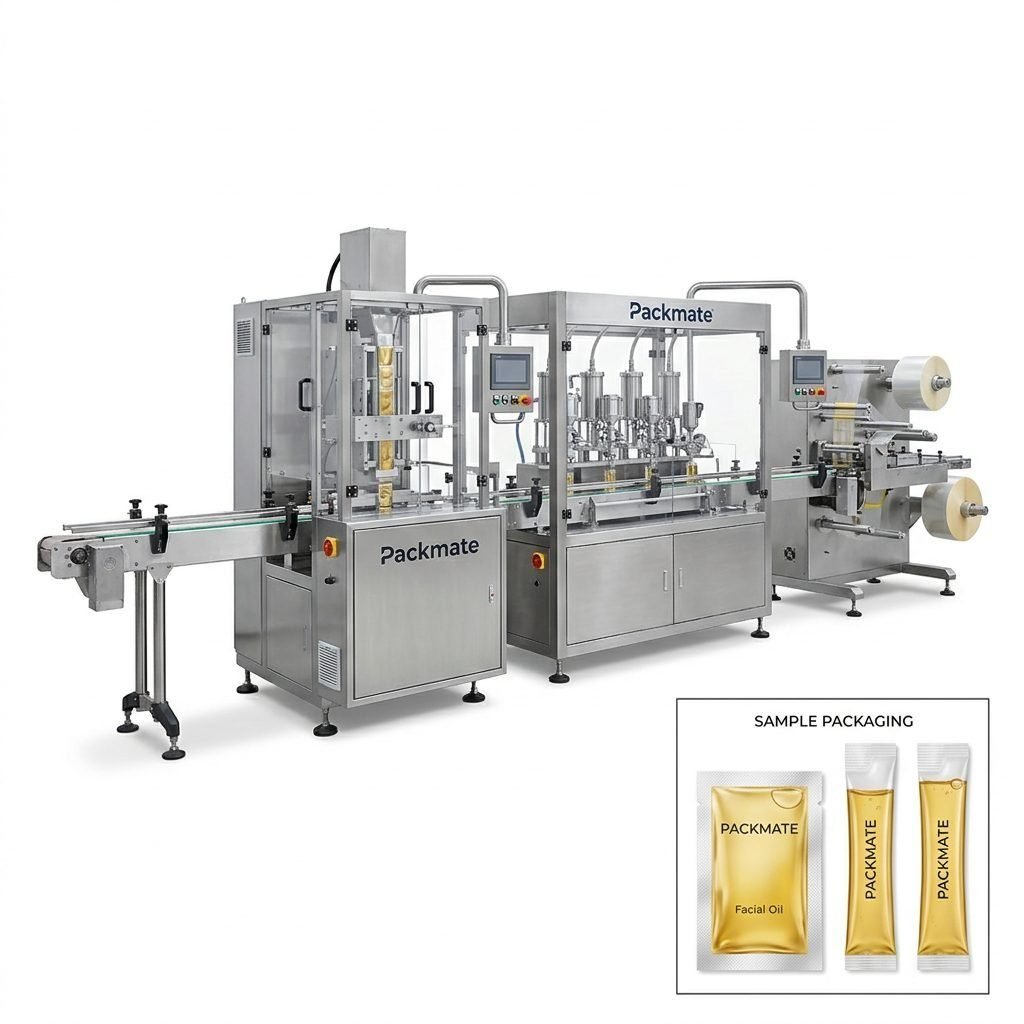
Sachet & Stick Pack Machines: Ideal for single-dose powders, granules, or liquids (like oral rehydration salts or effervescent powders). These machines, such as those offered by Packmate Machinery, create sealed, portable packets that enhance patient convenience and dosage accuracy.
2. Secondary Packaging Equipment
This machinery handles the external packaging that groups and protects the primary packages, often adding crucial labeling.
Cartoning Machines: Automatically erect cardboard cartons, insert blisters, bottles, or leaflets, and close them. They are vital for creating the final retail box.
Labeling Systems: Apply product labels, barcodes, expiry dates, and lot numbers with high accuracy. This is critical for traceability and regulatory compliance.
Bundling and Shrink Wrapping Machines: Group multiple cartons together into bundles for distribution, often wrapping them in clear film for stability and tamper evidence.
3. Ancillary and Support Equipment
These systems support the core packaging line, ensuring smooth, continuous, and compliant operation.
Checkweighers: Installed inline to verify the weight of each filled package, rejecting any under or over-weight units. This is non-negotiable for dosage accuracy.
Serialization and Aggregation Systems: With track-and-trace regulations (like the EU FMD or US DSCSA), these systems assign and print unique serial numbers on packages and aggregate them to case/pallet levels for full supply chain visibility.
Vision Inspection Systems: Use cameras and sensors to check for defects like missing tablets in blisters, incorrect labels, or damaged seals, ensuring 100% product quality control.
Cleaning-in-Place (CIP) & Sterilization Systems: Essential for equipment handling sterile products, allowing for thorough cleaning without disassembly to prevent cross-contamination.
Key Applications and Uses in the Pharma Sector
Pharmaceutical packaging equipment is not one-size-fits-all. Its application varies significantly based on the drug form and market requirements.
Solid Dosage Forms (Tablets, Capsules): Primarily use blister packing machines and bottle filling lines. The choice often depends on dosage regimen and patient demographics—blister packs aid compliance for daily medications.
Liquid Dosage Forms (Syrups, Injectables): Rely on liquid fillers (volumetric or piston-based) coupled with capping or sealing machines. Ampoule fillers are dedicated to sterile injectables.
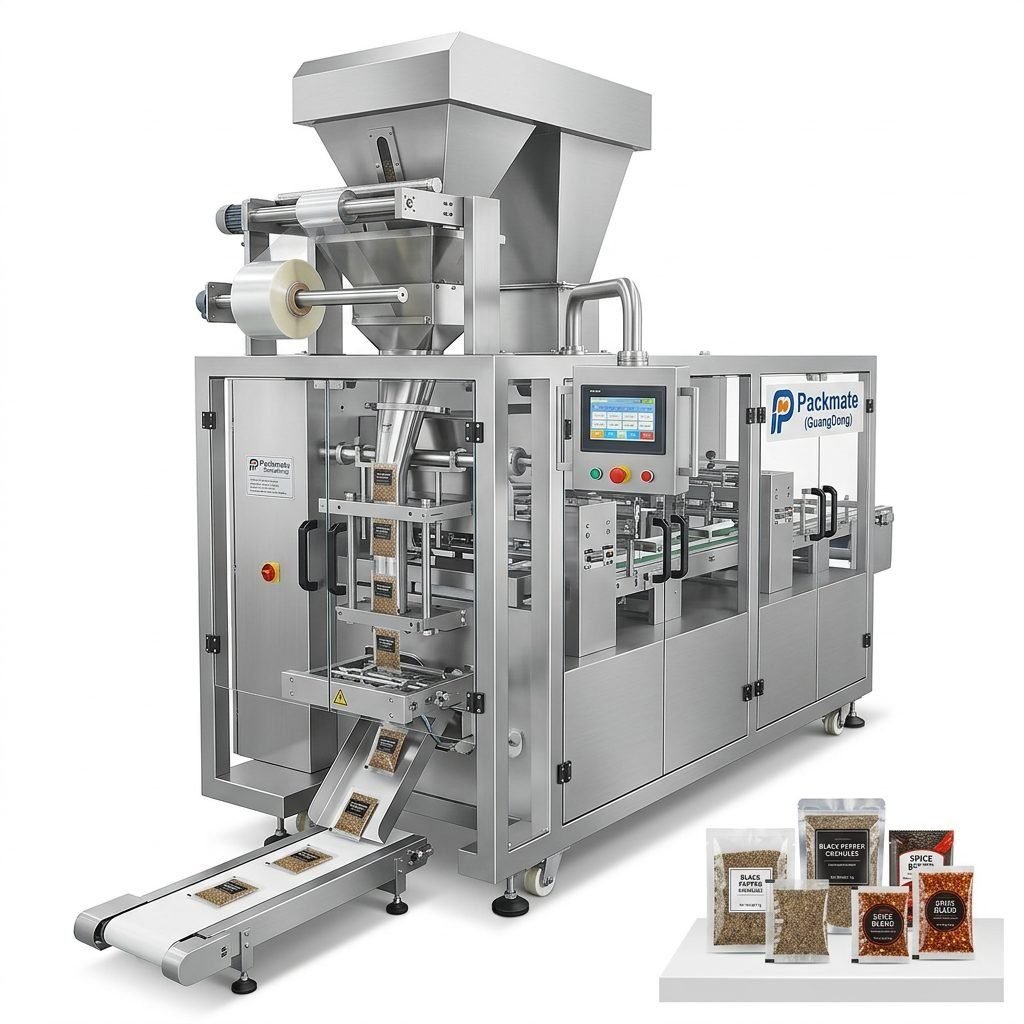
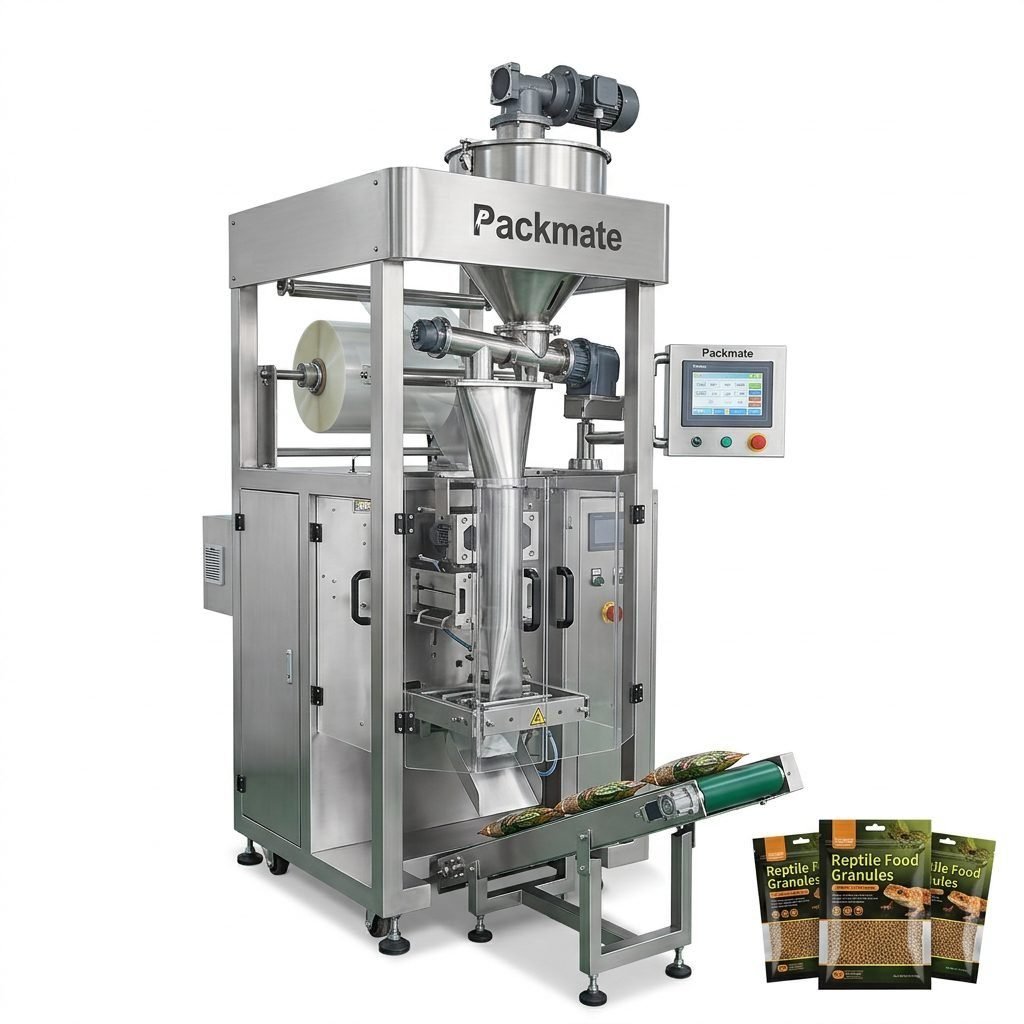
Powders and Granules: Utilize pouch packaging machines or specialized stick pack machines. These are perfect for antibiotics, powdered supplements, or single-serve nutraceuticals.
Ointments and Creams: Employ tube filling and sealing machines, which can handle viscous products and apply various closure types.
Comprehensive Buying Guide: What to Consider
Investing in pharmaceutical packaging machinery is a major decision. Here are the critical factors to evaluate.
1. Compliance and Validation
This is the foremost priority. The equipment must be designed for easy cleaning and validation to meet GMP (Good Manufacturing Practice), FDA, and other regional regulatory standards. Look for machines with documentation packages (DQ, IQ, OQ, PQ protocols) and constructed with sanitary, corrosion-resistant materials like 304 or 316L stainless steel.
2. Production Requirements
Speed & Output: Match the machine’s speed (packages per minute) to your current and projected production volumes. Over-specifying can be as costly as under-specifying.
Flexibility & Changeover: Can the machine handle multiple package sizes or formats with quick, tool-less changeovers? This is crucial for contract manufacturers or companies with diverse product lines.
Product Compatibility: Ensure the machine’s filling mechanism (auger, piston, volumetric) is suitable for your product’s characteristics (viscosity, abrasiveness, hygroscopicity).
3. Technology and Integration
Modern lines are about connectivity and data. Seek equipment with PLC controls, HMI touchscreens, and data logging capabilities. It should seamlessly integrate with upstream (production) and downstream (serialization, cartoning) equipment. Consider future-proofing with options for IoT connectivity for predictive maintenance.
4. Supplier Evaluation
The manufacturer is as important as the machine. A partner like Packmate Machinery, with over 30 years of expertise, brings invaluable reliability. Assess their:
Industry Experience & Reputation: Do they have a proven track record in pharmaceutical packaging? Ask for client references in your sector.
Service and Support: Availability of spare parts, on-site technicians, remote support, and comprehensive training is critical for minimizing downtime.
After-Sales Service: Ensure they offer installation, commissioning, and ongoing maintenance contracts. A global service network is a plus for international companies.
5. Total Cost of Ownership (TCO)
Look beyond the initial purchase price. Calculate TCO by factoring in:
- Energy consumption and utility requirements (compressed air, nitrogen).
- Cost and availability of consumables (forming films, sealing jaws).
- Expected maintenance costs and mean time between failures (MTBF).
- Potential for upgrades or retrofits as regulations evolve.
Future Trends in Pharma Packaging Machinery
The industry is rapidly evolving. Smart packaging with embedded sensors, greater adoption of sustainable/biodegradable materials requiring new sealing technologies, and the rise of personalized medicine leading to demand for smaller, more flexible batch production equipment are key trends. Investing in adaptable machinery from an innovative supplier positions a company for these future challenges.
Frequently Asked Questions (FAQs)
1. What is the most critical feature to look for in pharmaceutical packaging equipment?
The absolute most critical feature is GMP compliance and validation readiness. The machine must be designed with cleanability, traceability, and documentation in mind to meet stringent global regulatory standards. Without this, the equipment cannot be used in a regulated production environment.
2. How important is machine flexibility for a pharmaceutical manufacturer?
Flexibility is increasingly vital. The ability to perform quick changeovers between different product formats or package sizes allows manufacturers to respond to market demands, run smaller batches efficiently (important for orphan drugs), and maximize the utility of their capital investment. It reduces downtime and increases overall line efficiency.
3. Can the same packaging machine handle both pharmaceuticals and nutraceuticals?
Potentially, yes, but with major caveats. The machine’s construction (e.g., sanitary design) must meet the higher pharmaceutical standards. Furthermore, rigorous cleaning and changeover procedures must be validated to prevent cross-contamination. It’s often more straightforward to use dedicated lines or work with a manufacturer experienced in both sectors to ensure compliance.
4. What are the ongoing costs associated with owning packaging machinery?
Beyond the purchase price, owners must budget for preventive maintenance, spare parts, consumables (like sealing films or labels), utilities (power, compressed air), and potential software updates. Labor for operation and maintenance also contributes to the total cost of ownership. A reliable supplier will help you forecast these costs accurately.
5. Why is supplier after-sales support so crucial in this industry?
Pharmaceutical production schedules are tight, and downtime is extremely costly, both financially and in terms of patient supply. Comprehensive after-sales support—including readily available spare parts, fast-response technical service, and operator training—ensures maximum equipment uptime, maintains product quality, and protects your investment over the machine’s entire lifespan.