Navigating the world of packaging equipment can be a complex task. Whether you are a startup in the food industry, a pharmaceutical company scaling production, or a health supplement brand looking to improve efficiency, understanding the types of equipment, their specific uses, and key buying considerations is crucial for operational success and cost-effectiveness. This comprehensive guide aims to demystify packaging machinery and its essential parts, providing you with the knowledge needed to make informed decisions for your business.
Core Types of Packaging Equipment
The packaging machinery market is diverse, with equipment designed for specific functions, product types, and output volumes. Choosing the right type is the first step toward an optimized production line.
1. Filling and Sealing Machines
These are the workhorses of any packaging line, responsible for accurately dispensing product into containers and securely sealing them. They vary greatly based on the product form:
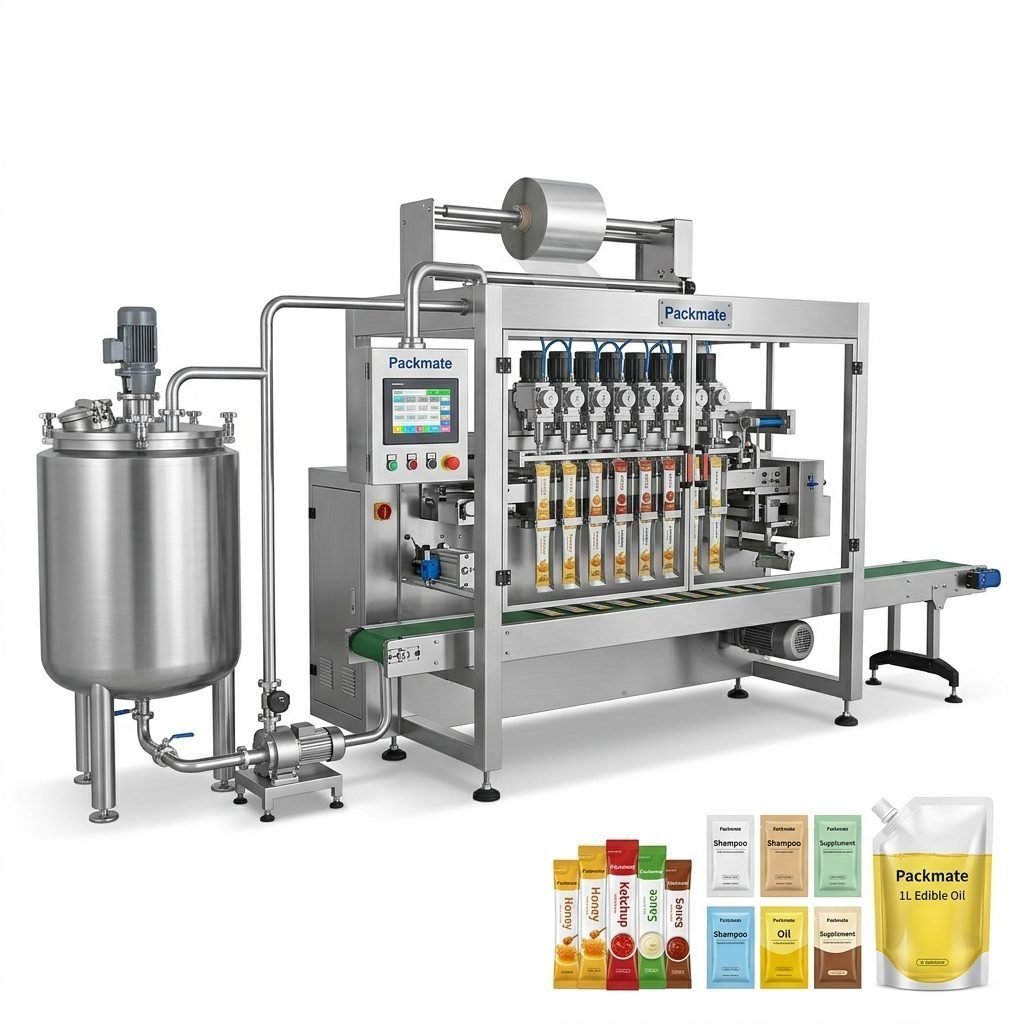
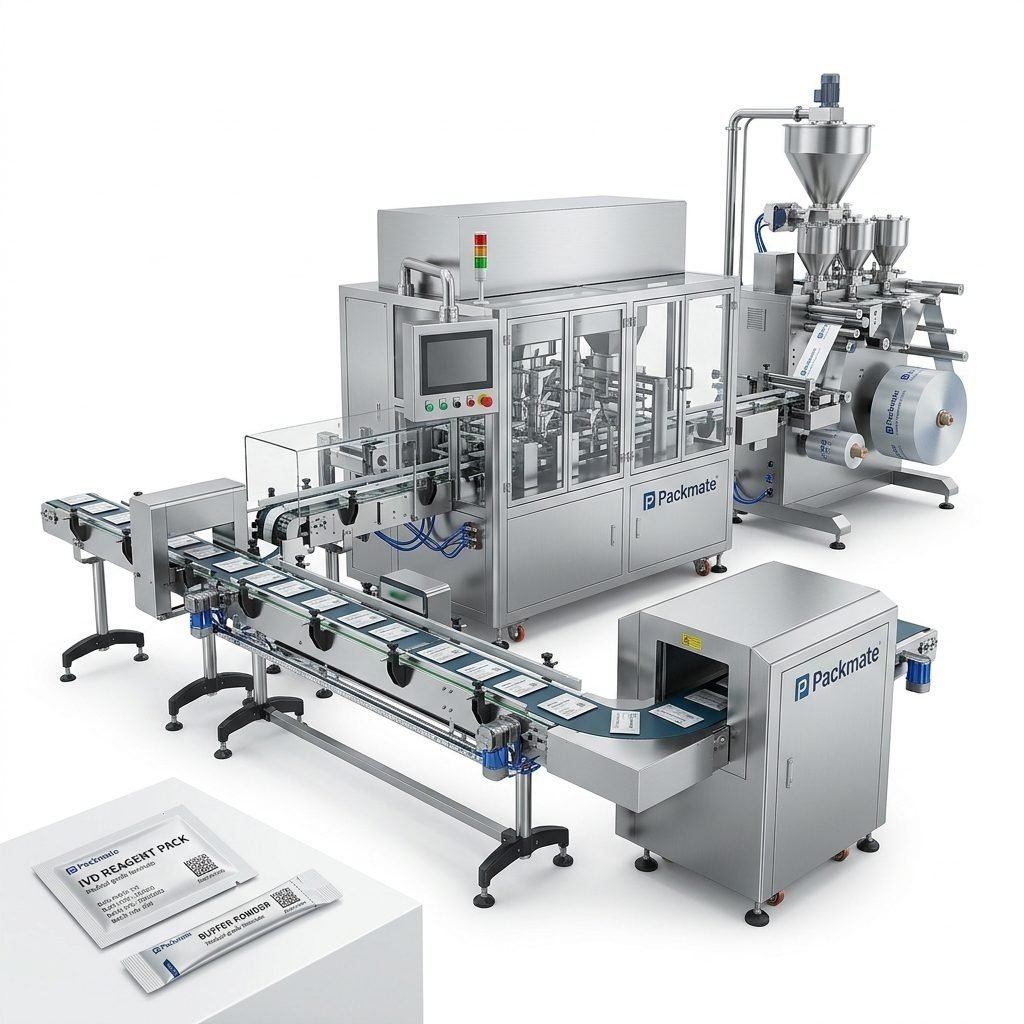
Liquid Fillers: Ideal for beverages, oils, sauces, and pharmaceuticals. They use technologies like piston, gravity, or volumetric filling for precision. For high-speed, multi-lane applications, advanced filling & packaging lines integrate seamlessly with other machinery.
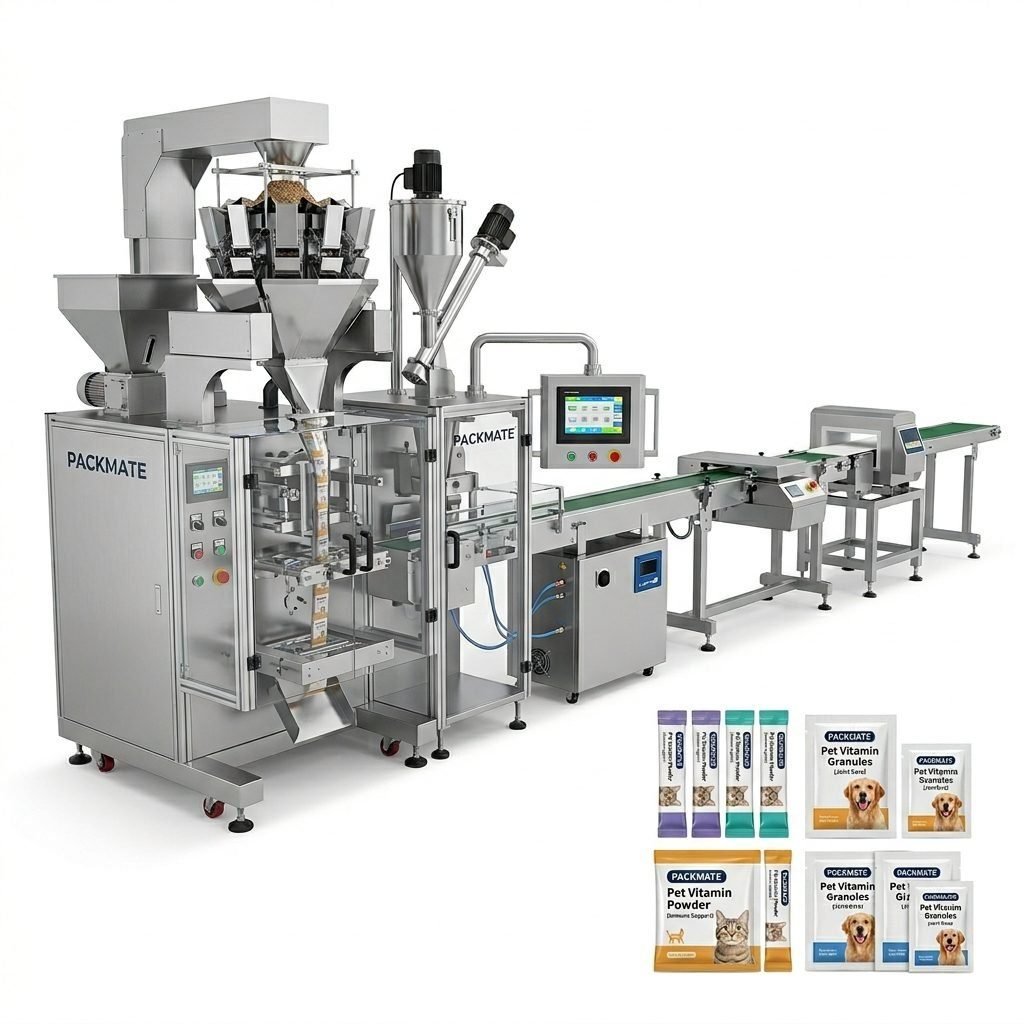
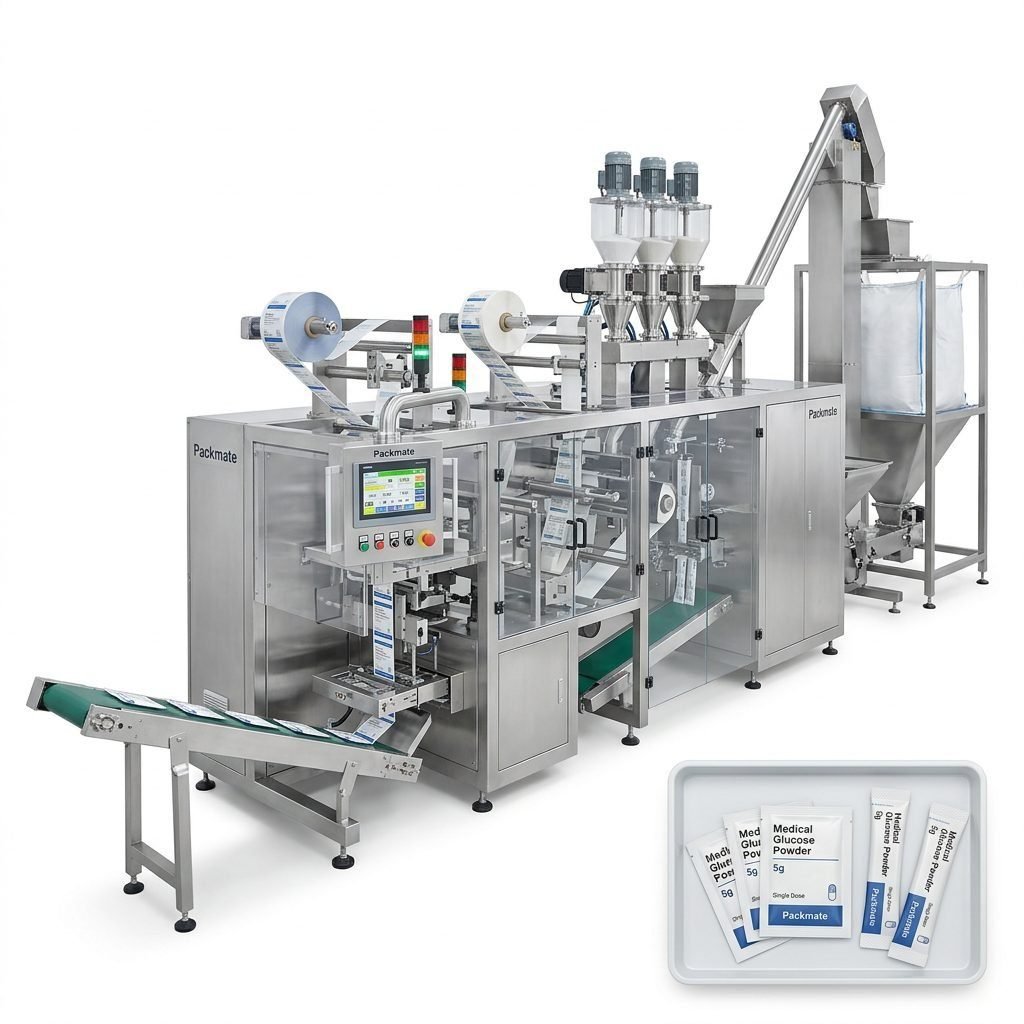
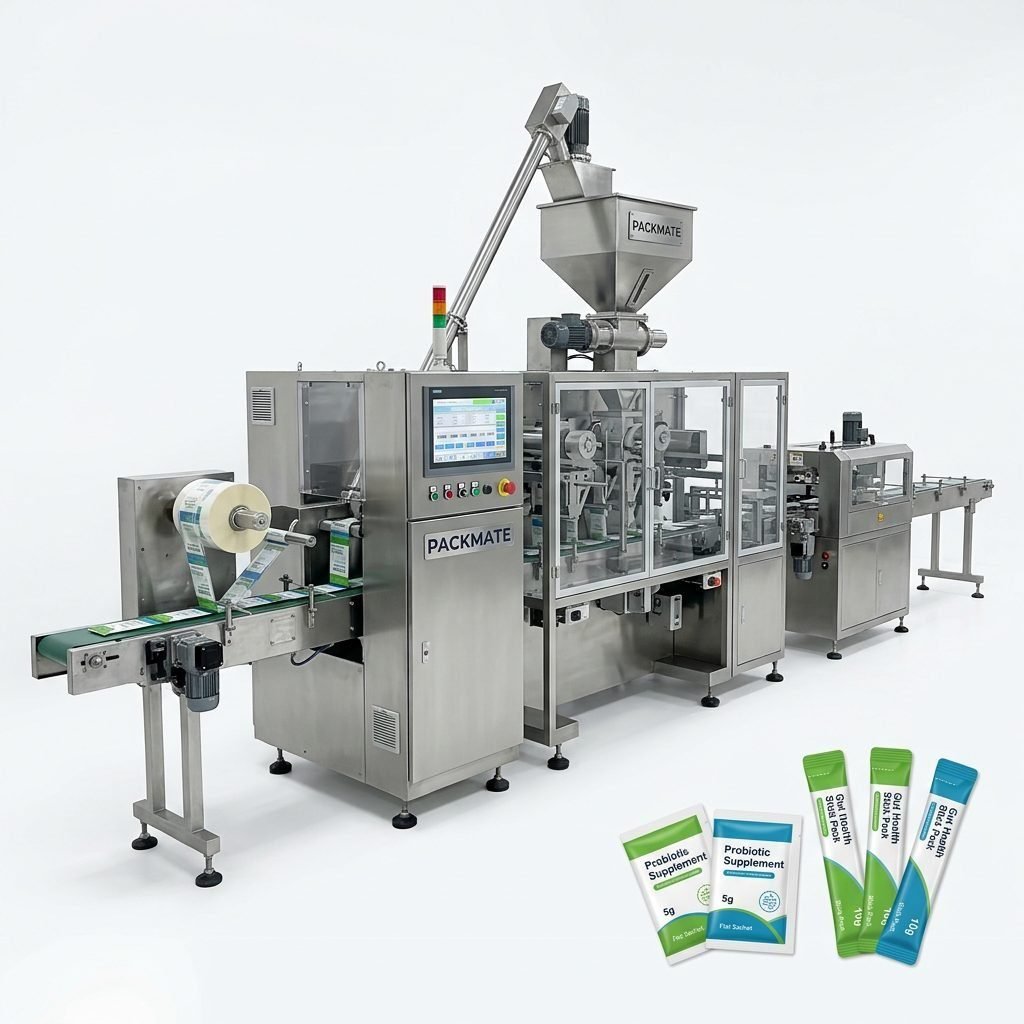
Powder and Granule Fillers: Essential for coffee, spices, protein powders, and pharmaceuticals. Auger fillers are common, using a screw mechanism for consistent measurement. For stick pack formats, specialized sachet & stick pack machines offer excellent solutions.
2. Form-Fill-Seal (FFS) Machines
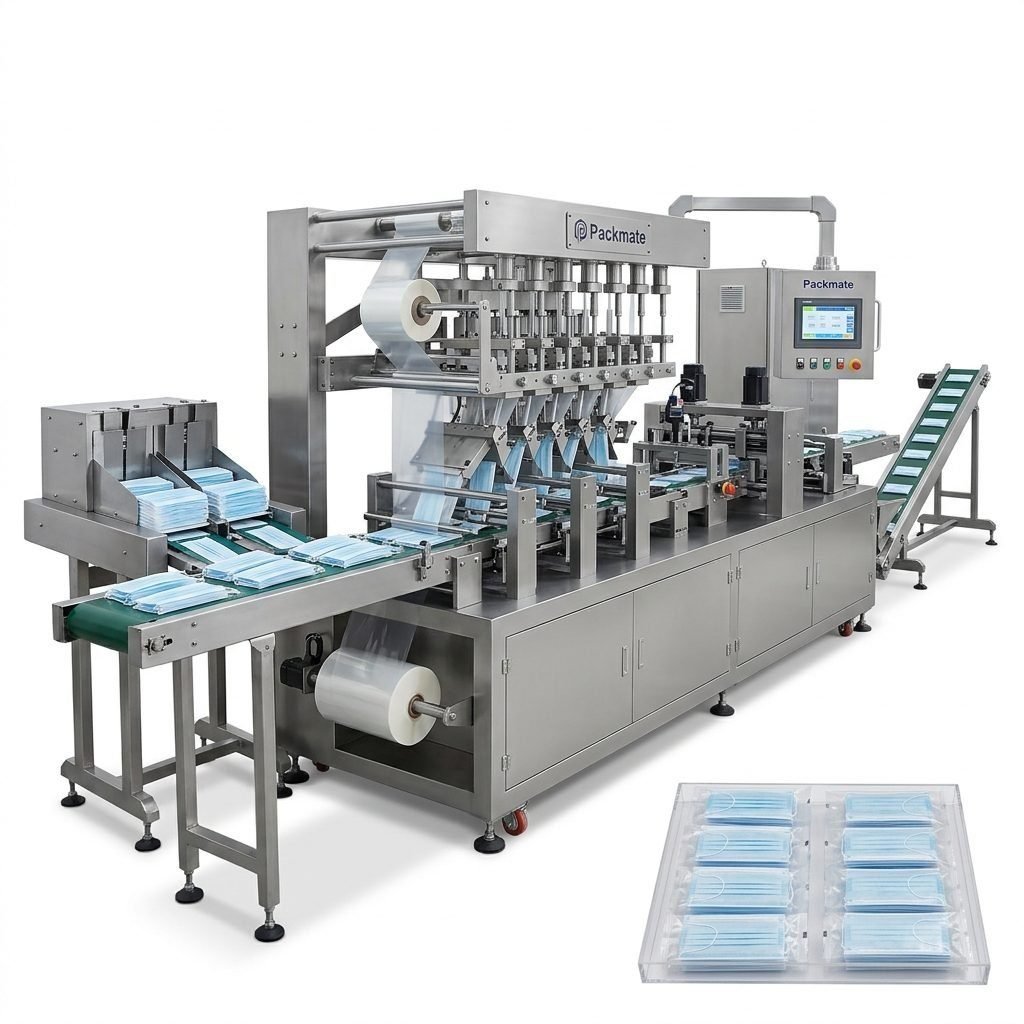
FFS machines are highly efficient, integrated systems that form the packaging from a roll of film, fill it with product, and seal it—all in one continuous operation. They are perfect for creating bags, pouches, and sachets on-demand, reducing material waste and storage needs.
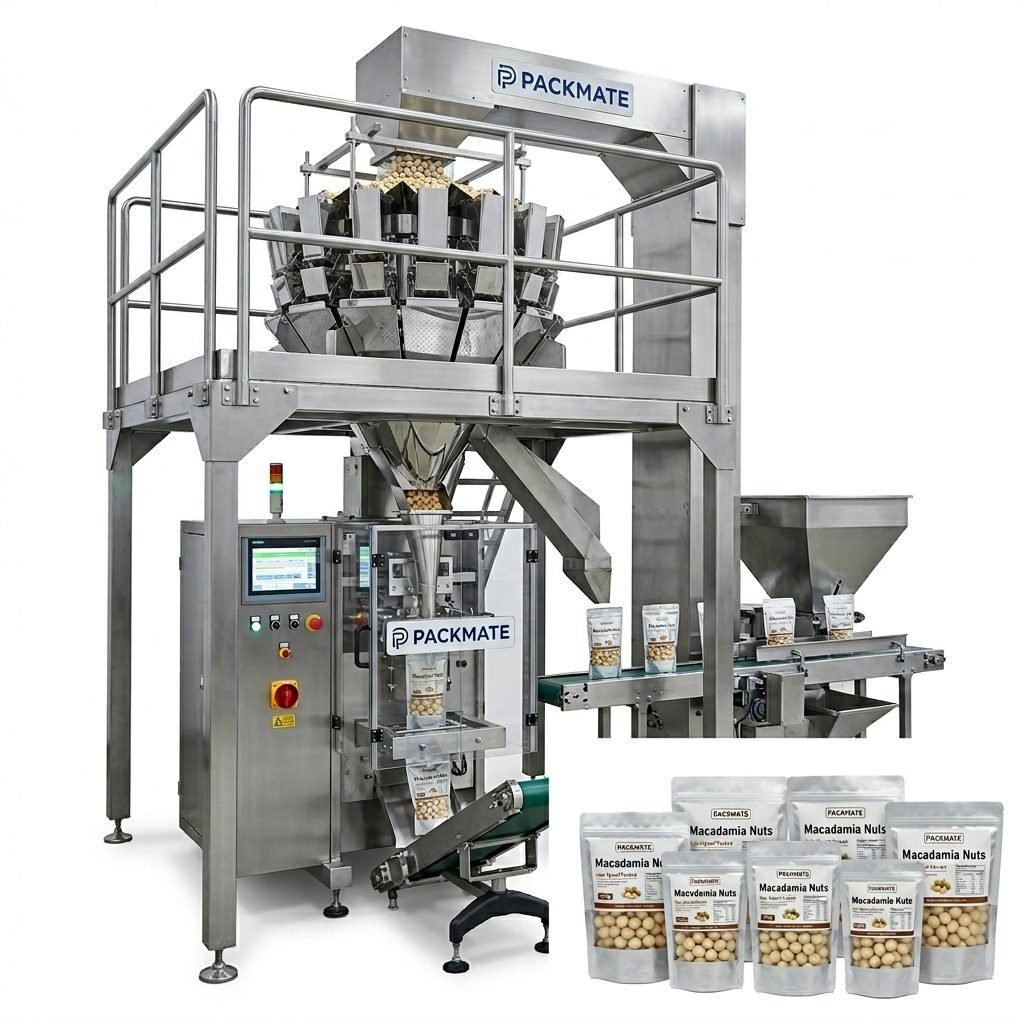
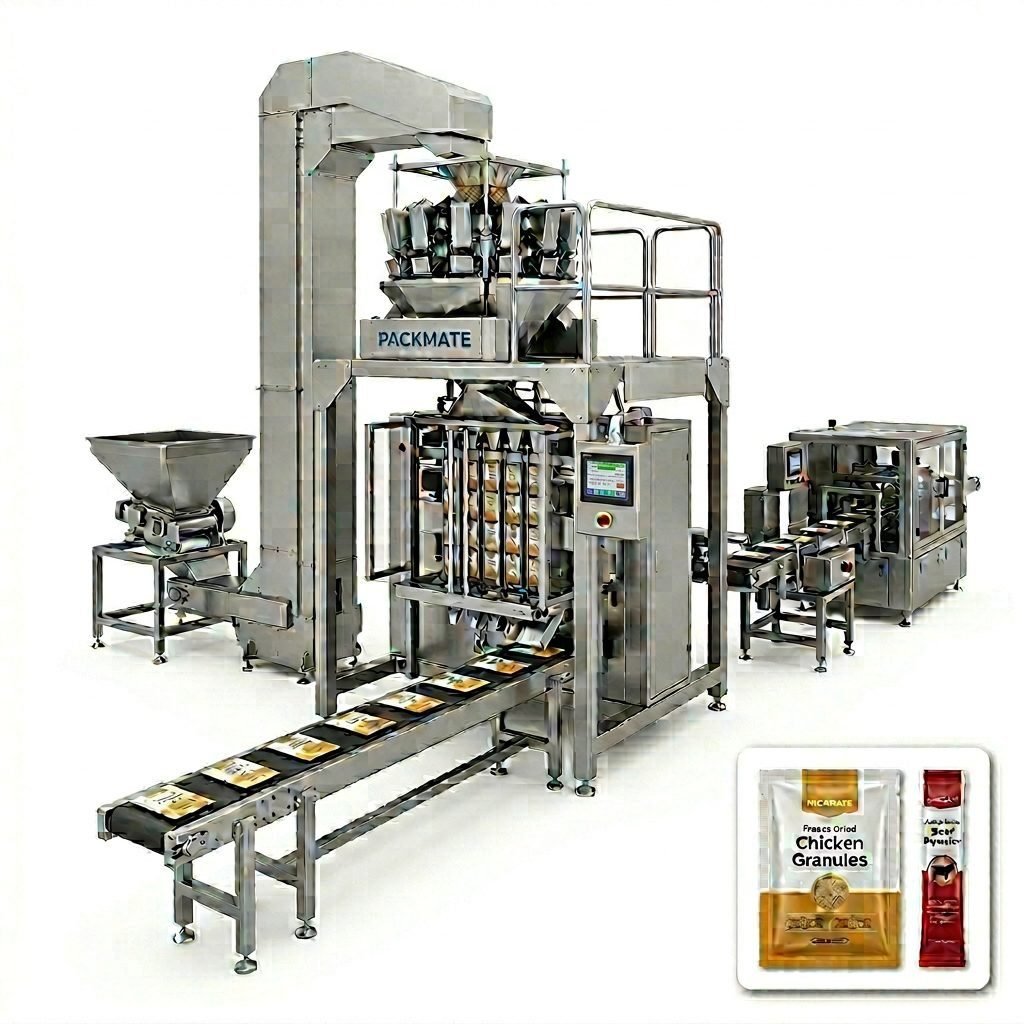
Vertical Form-Fill-Seal (VFFS): Common for packaging snacks, nuts, frozen foods, and hardware items. The bag is formed vertically around a filling tube.
Horizontal Form-Fill-Seal (HFFS): Often used for biscuits, candy bars, and medical devices, where the product is placed on a flat web of film before being wrapped.
3. Labeling, Coding, and Marking Equipment
This category ensures your product meets regulatory requirements and brand standards. Equipment includes label applicators, inkjet coders, laser markers, and vision inspection systems to verify date codes, batch numbers, and label placement accuracy.
4. Ancillary and Auxiliary Equipment
No packaging line is complete without supporting machinery. This includes:
- Conveyors: Transport products between different stations.
- Checkweighers: Ensure each package meets the declared weight, critical for compliance and cost control.
- Cartoners and Case Packers: Automate the secondary packaging process. Reliable auxiliary packaging equipment is key to a smooth, end-to-end operation.
Essential Packaging Machine Parts and Components
Understanding key components helps with maintenance, troubleshooting, and specifying replacement parts. The longevity of your equipment often depends on the quality of these critical parts.
Drive Systems and Motors
The heart of the machine. Servo motors offer superior precision, speed control, and energy efficiency compared to traditional mechanical drives, allowing for quick changeovers and complex motion profiles.
Filling Nozzles and Augers
Directly contact the product. Nozzles must be made of food-grade or sanitary materials (like stainless steel) and designed to prevent dripping. Augers must be precisely machined to match product characteristics (e.g., grain size, cohesiveness) for accurate fill weight.
Heating Elements and Seal Bars
Critical for creating strong, hermetic seals on plastic films. Consistent temperature control is vital. Poor seals lead to product spoilage and customer complaints. Quality seal bars are durable and evenly distribute heat.
Sensors and Control Systems
The “brain” and “nervous system” of modern equipment. Photoelectric sensors detect product presence, encoders monitor position, and PLCs (Programmable Logic Controllers) orchestrate all movements. A user-friendly HMI (Human-Machine Interface) is essential for operators.
Key Uses and Industry Applications
Packaging equipment is not one-size-fits-all. Its application dictates the required features, materials, and hygiene standards.
Food & Beverage: Demands speed, hygiene, and versatility. Machines must handle diverse products (chips, coffee, sauces) and often require easy-clean designs and compatibility with various film types. High-speed bag & pouch packaging machines are prevalent here.
Pharmaceutical & Healthcare: Prioritizes absolute accuracy, traceability, and sterility. Equipment often operates in cleanrooms, with features like wash-down capabilities, validated processes, and extensive documentation for regulatory compliance (e.g., FDA, GMP).
Cosmetics & Personal Care: Balances efficiency with aesthetic presentation. Precision filling of creams, lotions, and serums into attractive bottles, tubes, or sachets is key. Flexibility for small batch runs of different products is often valuable.
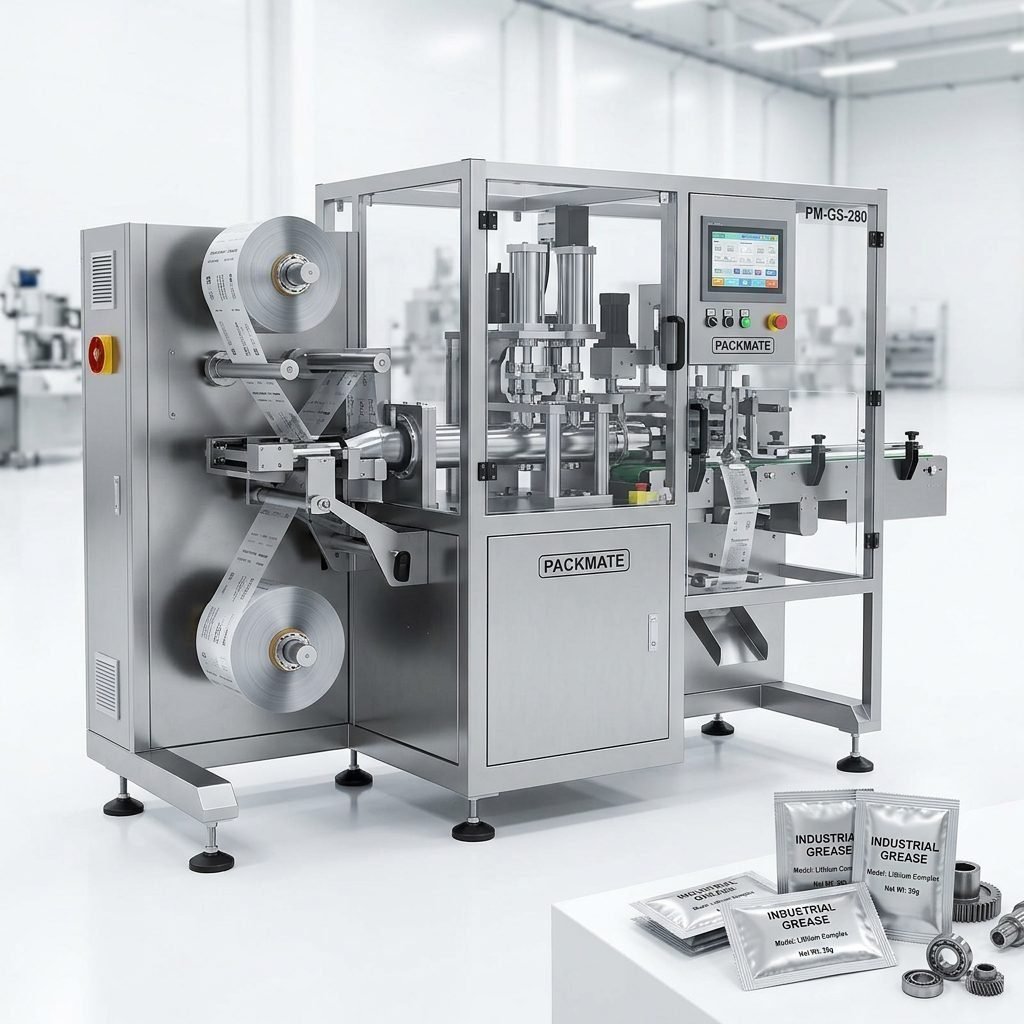
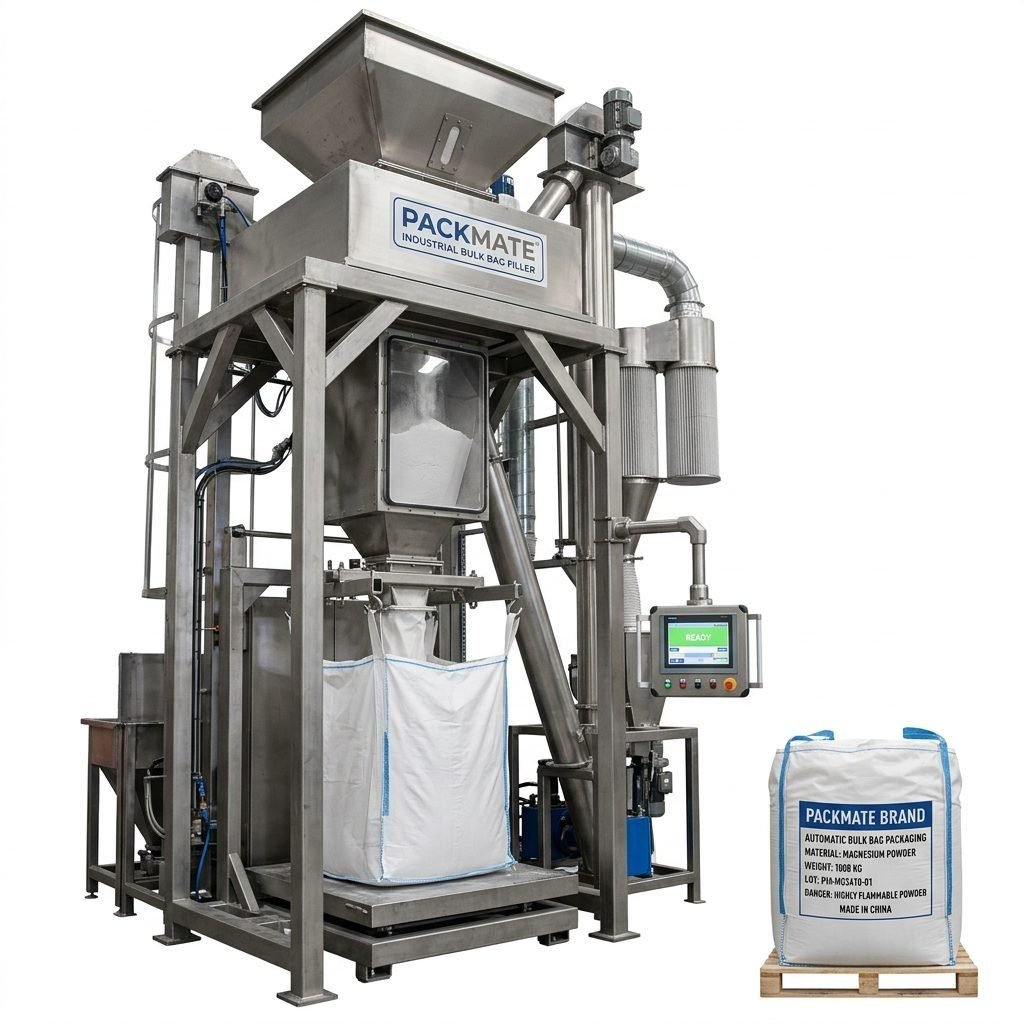
Industrial & Chemical: Focuses on durability, safety, and handling hazardous or abrasive materials. Machines are built with robust components and may require explosion-proofing or special corrosion-resistant coatings.
Critical Buying Tips for Packaging Equipment
Investing in packaging machinery is a significant decision. These tips will guide you toward a purchase that delivers long-term value.
1. Define Your Requirements Precisely
Before contacting suppliers, know your: Product type (solid, liquid, powder), desired packaging format (pouch, stick pack, bottle), production speed (units per minute), available floor space, and budget. This clarity streamlines the selection process.
2. Prioritize Quality and Reliability Over Initial Price
A cheaper machine may have higher long-term costs due to frequent breakdowns, poor product yield (waste), and costly downtime. Invest in robust machinery from reputable manufacturers known for durability and precision engineering.
3. Evaluate Technology and Ease of Use
Modern machines with servo drives and intuitive PLC controls offer greater flexibility, easier changeovers, and simpler maintenance. Consider the skill level of your operators and the availability of clear documentation and training from the supplier.
4. Assess Supplier Support and Service
The relationship with your supplier is crucial. Inquire about: Warranty terms, availability of spare parts, technical support (remote and on-site), and preventive maintenance programs. A supplier with a strong global service network, like Packmate Machinery, provides invaluable peace of mind.
5. Request a Live Demonstration or Trial
Whenever possible, see the machine run with a product similar to yours. A trial can reveal practical issues with handling, sealing, or speed that aren’t apparent in a brochure. It’s the best way to validate performance claims.
6. Consider Future Scalability
Think about your growth plans. Can the machine handle slightly different products or higher speeds in the future? Choosing modular equipment or a supplier that offers a range of packing machines makes future upgrades smoother.
Frequently Asked Questions (FAQs)
1. What is the most important factor when choosing packaging equipment?
The most critical factor is matching the machine’s capabilities precisely to your specific product and production requirements. A machine perfect for coffee beans may fail miserably with a fine talcum powder. Define your product characteristics, output goals, and packaging format first.
2. How do I calculate the Return on Investment (ROI) for a packaging machine?
ROI is calculated by considering the machine cost against savings and gains. Key factors include: Labor cost reduction (automation vs. manual), increased output speed, reduced material waste (from accurate filling), lowered product giveaway, and improved product quality leading to fewer returns.
3. What regular maintenance do packaging machines require?
Regular maintenance is vital. Daily tasks include cleaning and visual inspection. Weekly/monthly tasks involve lubricating moving parts, checking seal bar temperatures, and calibrating sensors. Always follow the manufacturer’s maintenance schedule and use recommended lubricants and parts.
4. Can one machine handle multiple different products?
Many modern machines offer good flexibility, but changeover time and complexity vary. “Quick-change” tooling kits for different pouch sizes or nozzle types are available. For vastly different products (e.g., liquids to powders), dedicated machines are often more efficient. Discuss your product mix with the supplier.
5. Is new or used packaging equipment a better choice?
This depends on budget and risk tolerance. New equipment offers the latest technology, full warranty, and supplier support. Used equipment has a lower upfront cost but may come with hidden wear, obsolete controls, and limited support. For critical applications, new or professionally refurbished machines from the OEM are generally recommended.