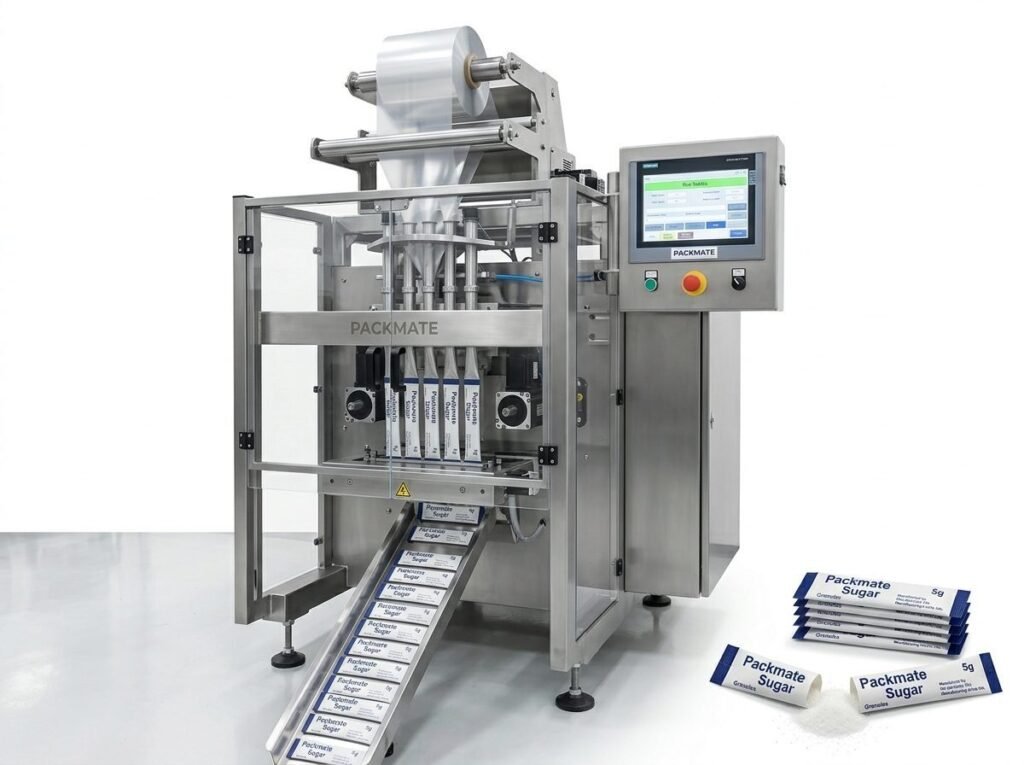
In the highly regulated and precision-driven pharmaceutical industry, drug packaging machines play a critical role in ensuring product safety, efficacy, and compliance. Selecting the right equipment is not just an operational decision; it’s a strategic investment in quality and patient trust. This guide provides a comprehensive overview of the types of drug packaging machines available and essential buying tips to help you make an informed decision.
Understanding Drug Packaging Machine Fundamentals
Drug packaging machines are specialized equipment designed to handle pharmaceuticals’ unique requirements. They must operate in controlled environments, often with strict cleanliness standards, and handle products ranging from tablets and capsules to powders, liquids, and ointments with extreme accuracy. The primary functions include dosing, filling, sealing, labeling, and cartoning. Reliability and precision are non-negotiable, as any error can have significant consequences.
Modern machines integrate advanced technologies like vision inspection systems, weight checkers, and serialization modules to meet track-and-trace regulations such as the U.S. Drug Supply Chain Security Act (DSCSA) or the EU Falsified Medicines Directive. This technological integration is crucial for maintaining supply chain integrity.
Key Types of Drug Packaging Machines
The pharmaceutical packaging landscape features a variety of machines, each suited for specific product forms and output requirements. Understanding these types is the first step in narrowing down your options.
Blister Packaging Machines
These are among the most common machines for solid oral dosages like tablets and capsules. They form a cavity (blister) from a roll of plastic or foil, place the product into the cavity, and seal it with a lidding material. They offer excellent product protection, visibility, and patient compliance through unit-dose packaging. High-speed blister lines can integrate with cartoners for complete primary and secondary packaging.
Bottle Filling and Capping Lines
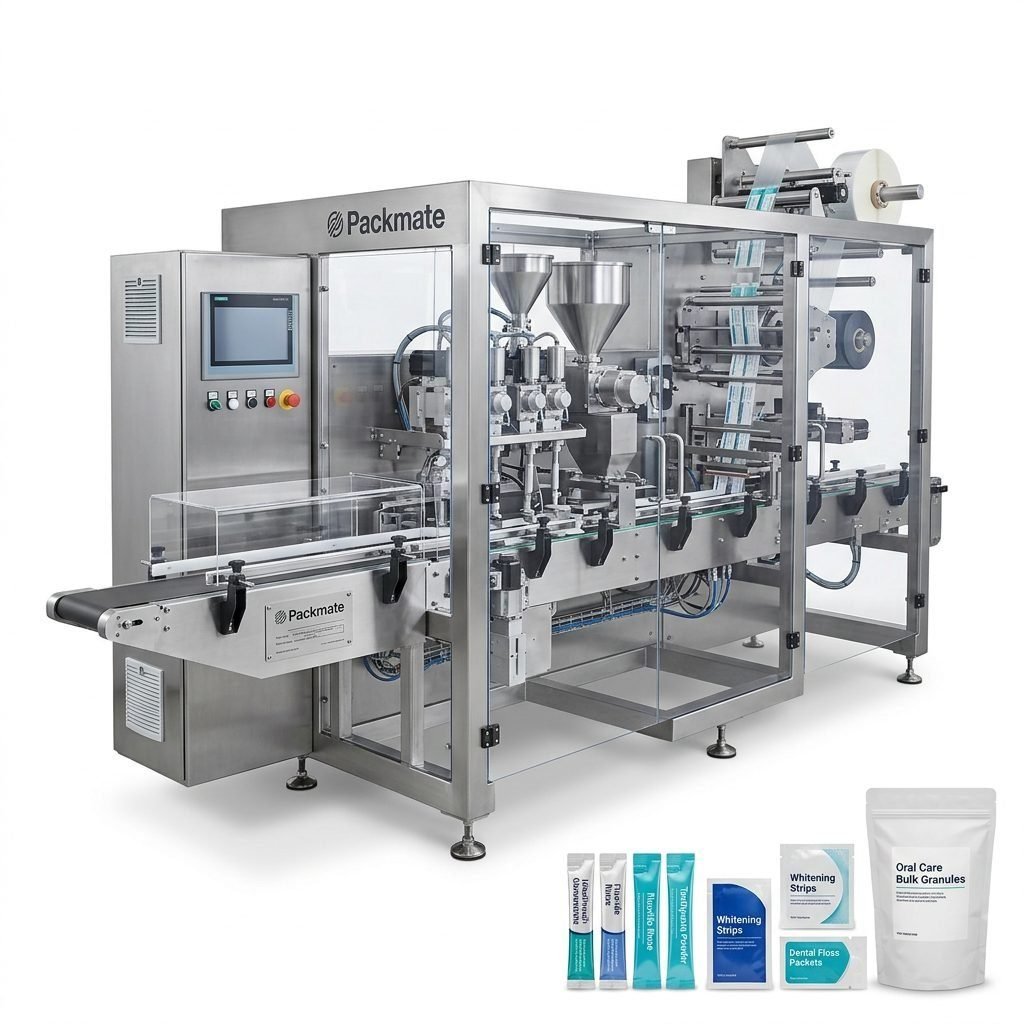
Ideal for tablets, capsules, liquids, and powders in bulk or prescription quantities. A typical line consists of several modules: an unscrambler to orient bottles, a filler (such as an auger filler for powders or a pump filler for liquids), a cottoner (if required), a capper, and a labeler. These lines are highly versatile and can be configured for different container sizes and shapes. For reliable filling and packaging lines, partnering with an experienced manufacturer is key.
Sachet and Stick Pack Machines
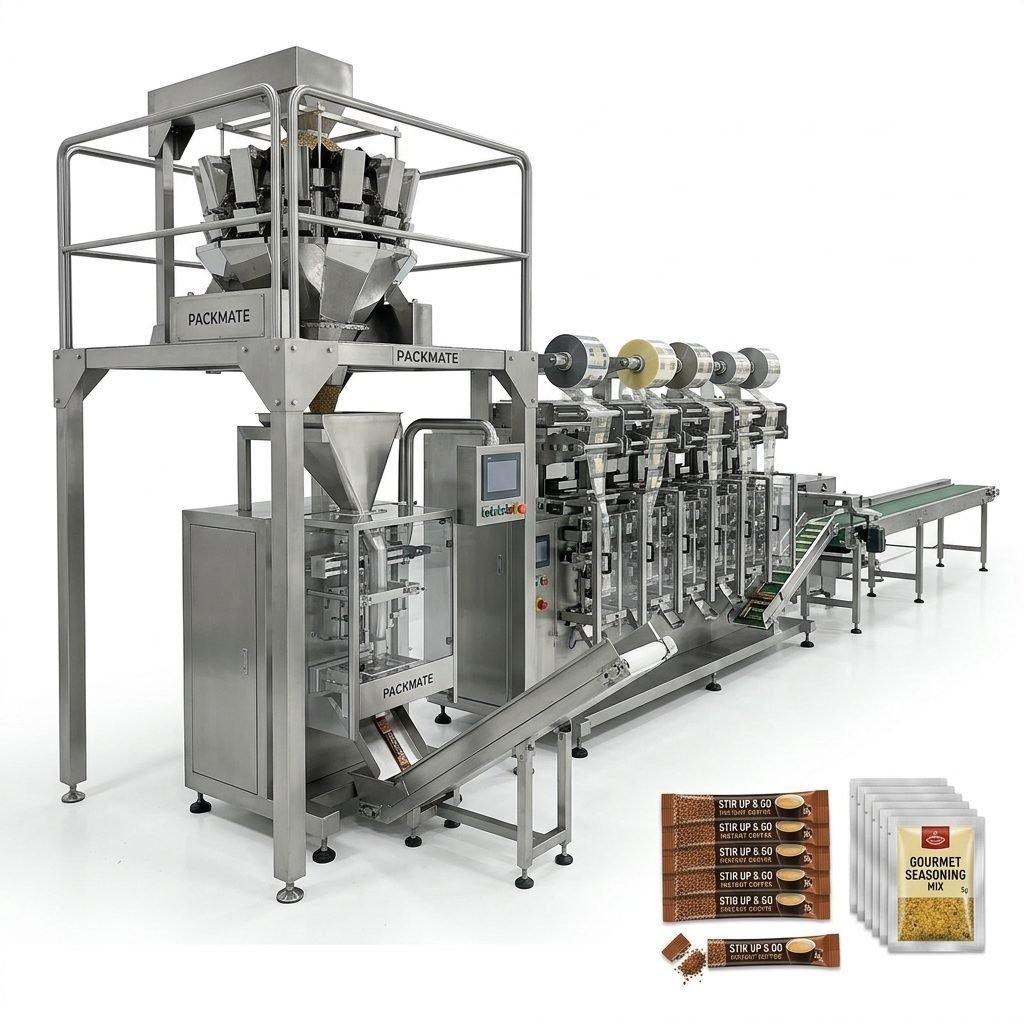
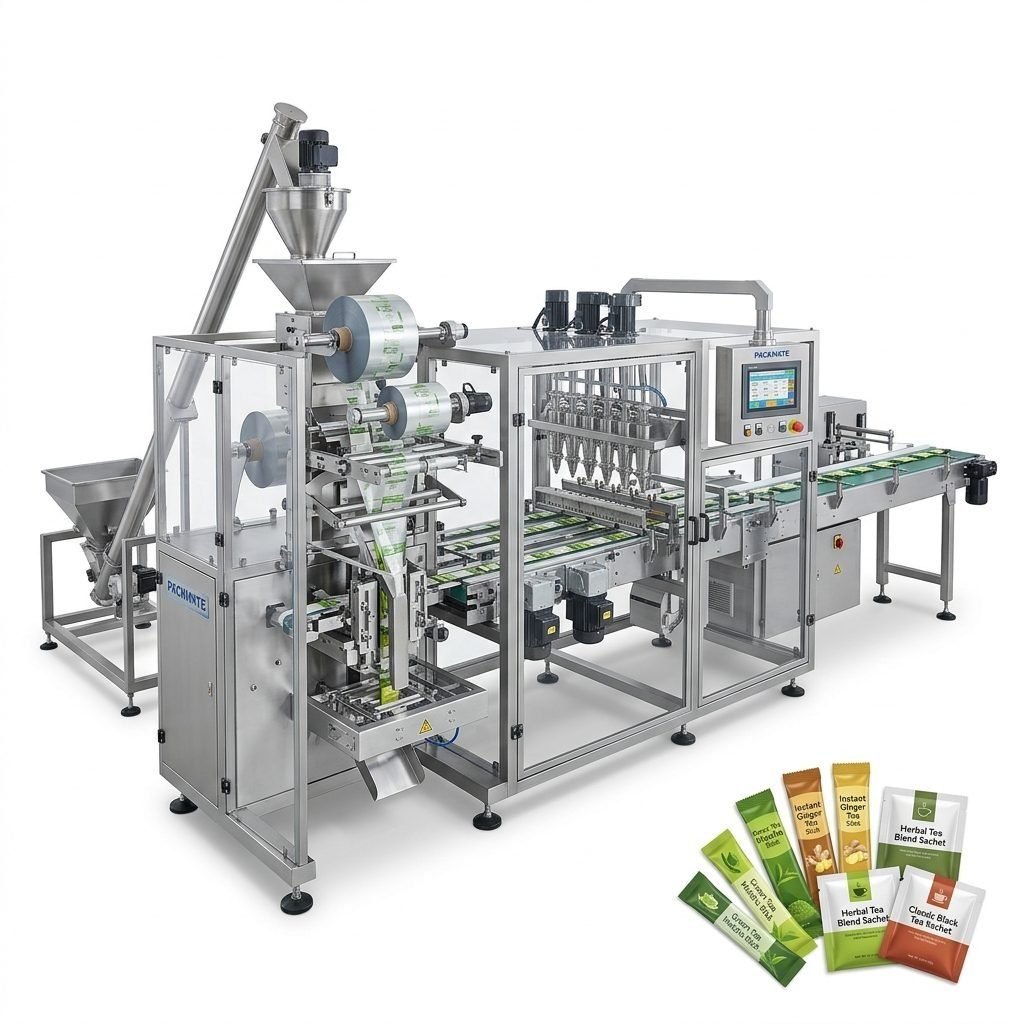
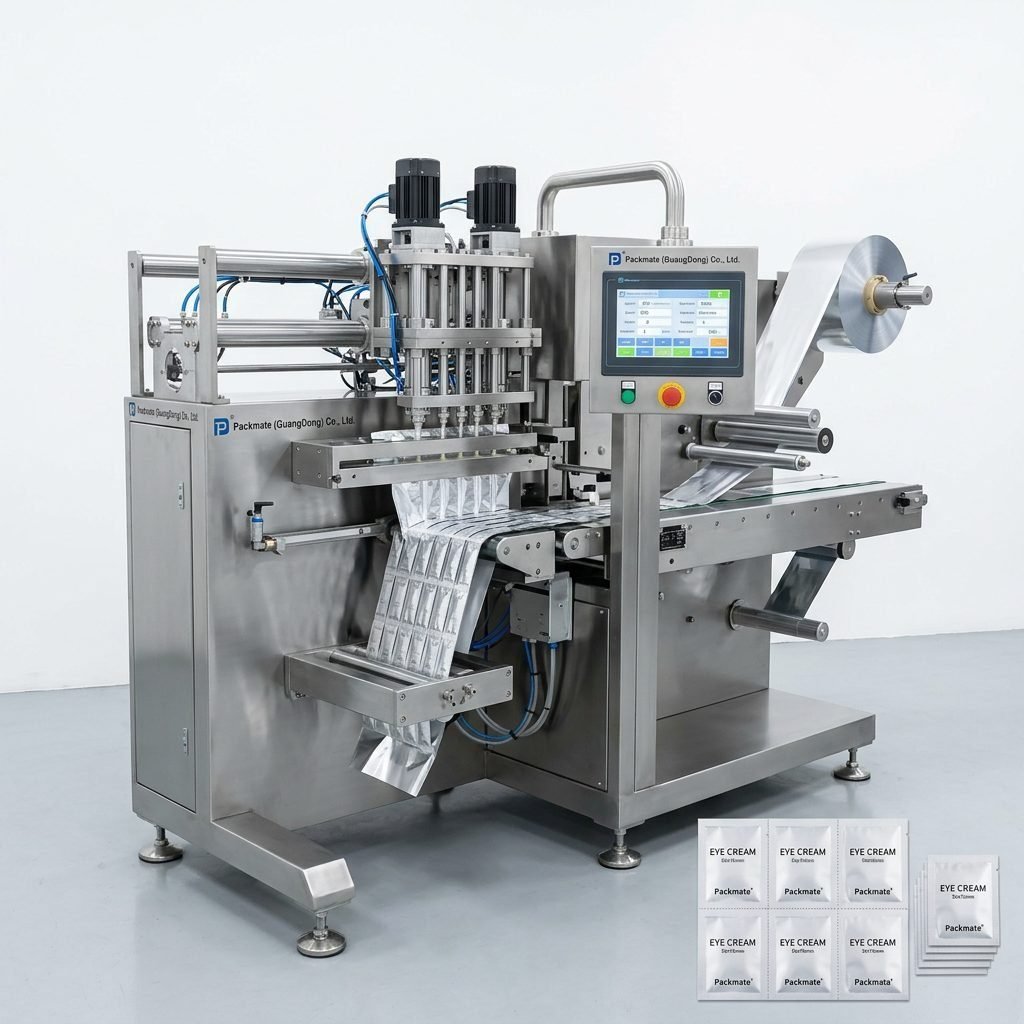
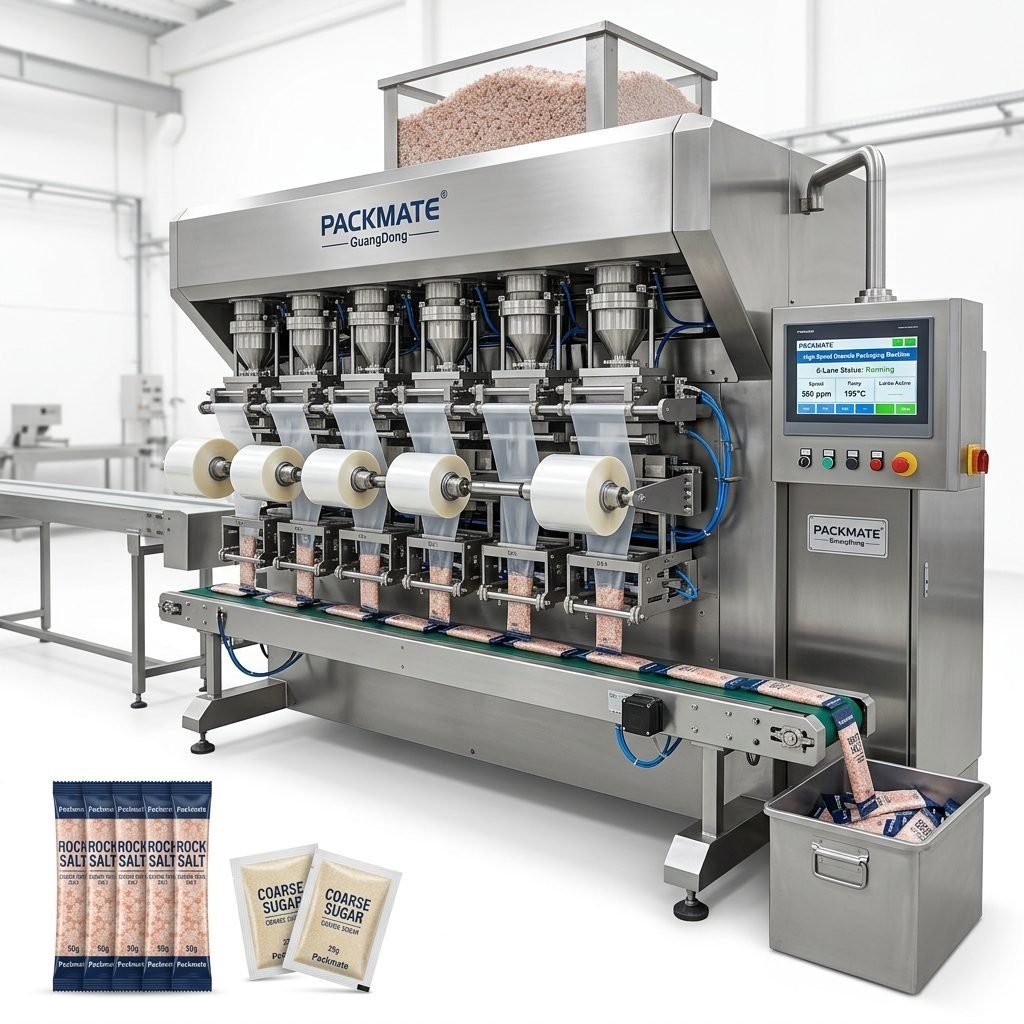
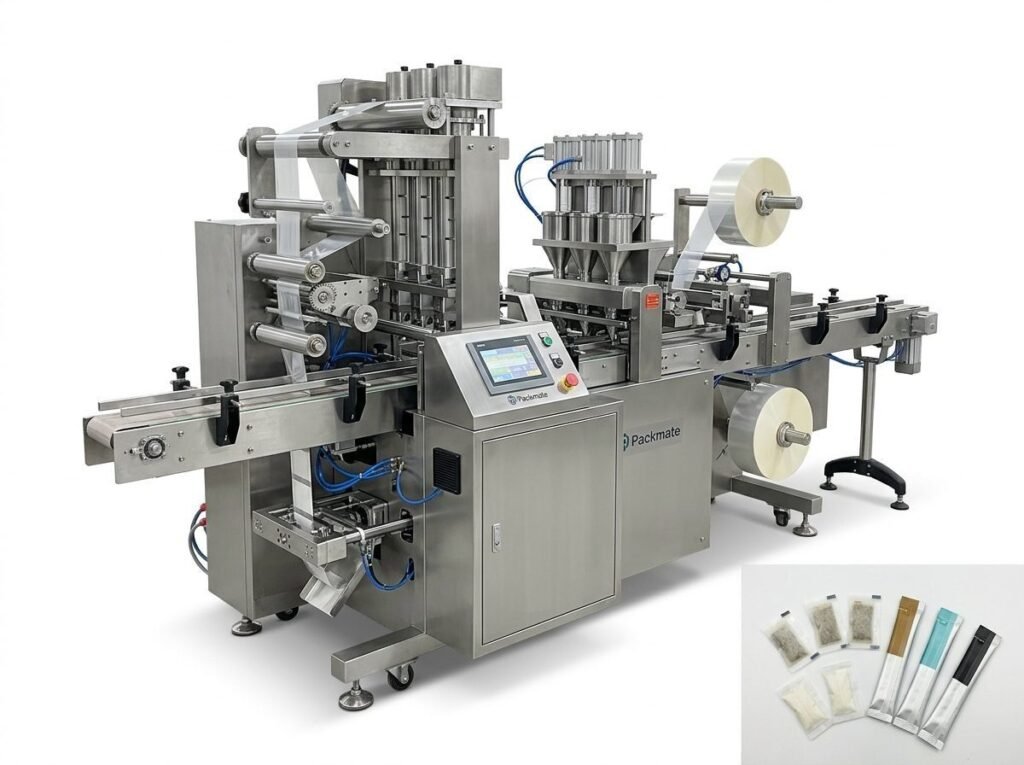
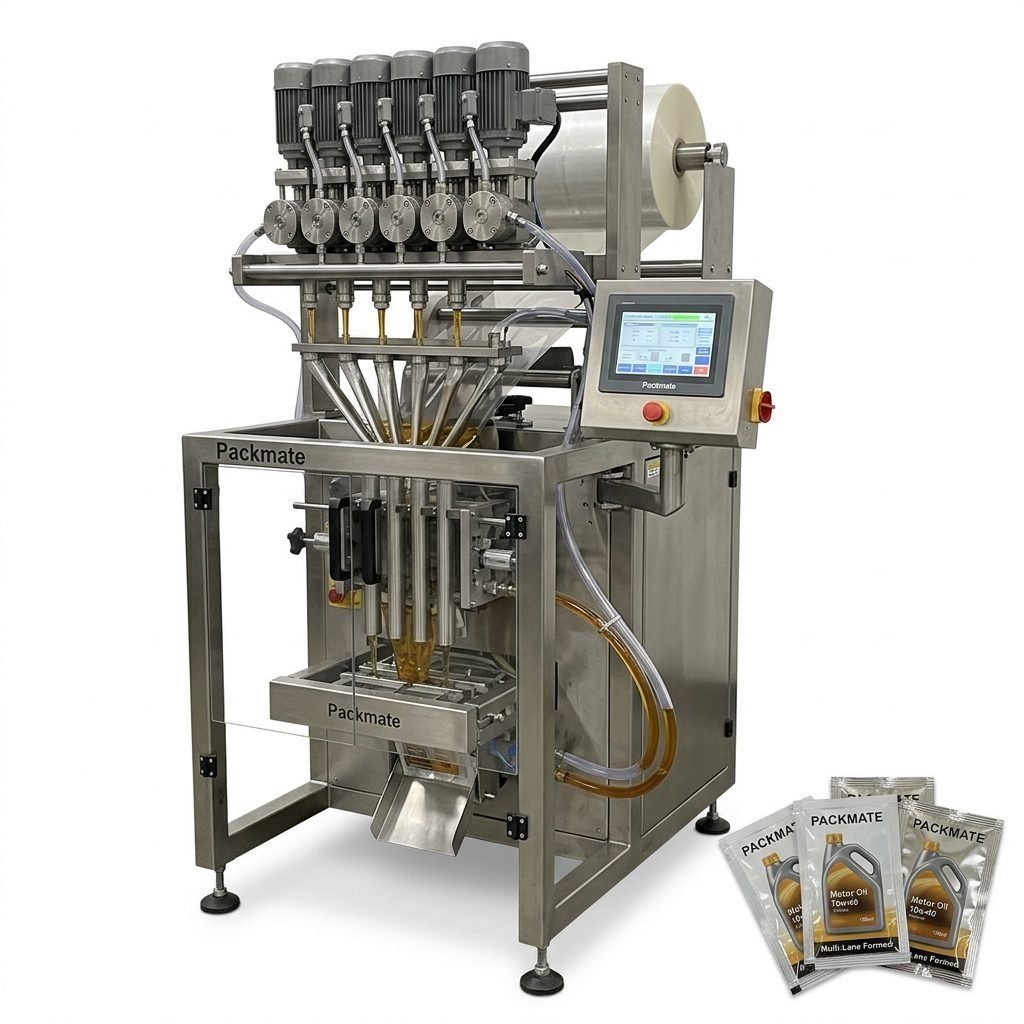
Perfect for unit-dose powders, granules, or liquids, such as oral rehydration salts, instant drink mixes, or liquid pharmaceuticals. These machines form, fill, and seal small pouches from a roll of laminated film. They are compact, minimize product waste, and enhance convenience for end-users. For high-volume production, multi-lane sachet and stick pack machines significantly boost output.
Cartoning Machines
Used for secondary packaging, these machines erect cartons, insert product leaflets, load the primary packaged product (blisters, bottles, sachets), and close the carton. They often include systems for batch coding and serialization. Automatic cartoners are essential for achieving high-speed, end-of-line packaging efficiency.
Auxiliary and Specialized Equipment
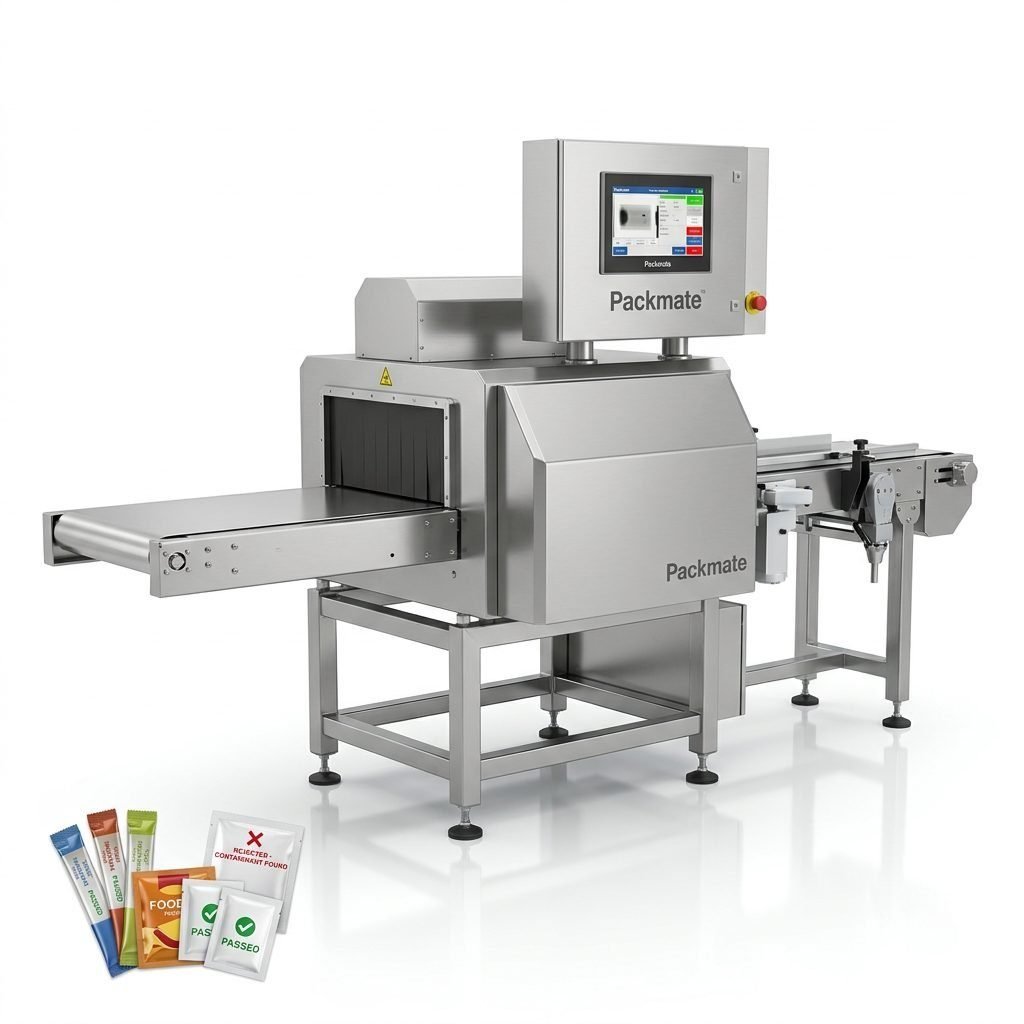
This category includes checkweighers to ensure correct fill weight, vision inspection systems to detect missing tablets or printing defects, serialization and aggregation equipment for regulatory compliance, and label printers and applicators. While not always the primary machine, this auxiliary packaging equipment is vital for a complete, compliant, and quality-assured packaging line.
Essential Buying Tips for Your Investment
Choosing a drug packaging machine requires careful consideration of technical, regulatory, and supplier factors. A rushed decision can lead to downtime, compliance issues, and lost revenue.
1. Define Your Product and Process Requirements
Start with a clear specification: What is the physical form of your drug (solid, powder, liquid)? What are the required output speed (packs per minute) and accuracy (dosing tolerance)? What packaging materials will you use (film type, carton board)? Will you need future flexibility for different product sizes or formats? Answering these questions creates a foundation for comparing machines.
2. Prioritize Compliance and Validation Support
The machine must be designed for easy cleaning and maintenance to meet GMP (Good Manufacturing Practice) standards. Inquire about the documentation package—a robust Factory Acceptance Test (FAT), detailed user manuals, and, crucially, a Validation Support Package (IQ/OQ/PQ protocols). This support is invaluable for passing regulatory audits and getting your line operational quickly.
3. Evaluate Technology and Integration Capability
Look for machines with a modern control system (e.g., PLC with HMI touchscreen) for ease of operation and recipe management. Assess its ability to integrate with upstream and downstream equipment (like checkweighers or serialization units) through standard communication protocols. A machine that acts as an island will create bottlenecks.
Pro Tip: Always request a live or recorded product test using your specific materials (or close substitutes). Observing the machine handle your actual product is the best way to gauge its performance, accuracy, and potential for waste.
4. Assess the Manufacturer’s Reputation and Service
The machine’s quality is only as good as the company behind it. Research the manufacturer’s history, experience in the pharmaceutical sector, and client testimonials. A supplier with deep expertise, like Packmate Machinery with over 30 years in precision packaging, brings invaluable knowledge. Crucially, examine their after-sales service structure—availability of spare parts, technical support response time, and field service engineers.
5. Consider Total Cost of Ownership (TCO)
Look beyond the initial purchase price. Calculate the TCO by factoring in energy consumption, expected maintenance costs, changeover times (which affect productivity), and potential yield loss (product waste). A slightly more expensive machine with higher efficiency, lower waste, and easier maintenance will often provide a far better return on investment over its lifespan.
Conclusion: Partnering for Success
Investing in a drug packaging machine is a significant step that impacts your product quality, regulatory standing, and operational efficiency. By thoroughly understanding the different machine types and meticulously applying the buying tips outlined above, you can select equipment that not only meets today’s needs but also adapts to future challenges. The goal is to find a reliable partner—a machine and a manufacturer—that ensures your packaging process is a pillar of strength in your pharmaceutical operation.
Frequently Asked Questions (FAQ)
What are the most critical GMP considerations for a drug packaging machine?
The machine must be constructed with easy-to-clean, non-shedding materials (like stainless steel) on contact surfaces. Its design should prevent cross-contamination, allow for sanitization, and provide clear documentation for operational and maintenance procedures to ensure consistent, validated performance.
How important is machine flexibility for pharmaceutical packaging?
Flexibility is increasingly important due to shorter product lifecycles and the need for contract packaging. Machines with quick-change parts and recipe storage allow for faster changeovers between different product formats or batch sizes, reducing downtime and increasing overall equipment effectiveness (OEE).
What is serialization, and do I need it on my packaging line?
Serialization involves assigning a unique identifier (like a 2D data matrix code) to each saleable unit of a drug. It is a legal requirement in many major markets (U.S., EU, China, etc.) for track-and-trace. If you sell in these regions, you must integrate serialization capabilities, either immediately or with a clear, feasible upgrade path for your equipment.
Can one machine handle both primary and secondary packaging?
Typically, these are separate but integrated processes. A primary machine (e.g., blister packer) handles the product’s immediate packaging. A secondary machine (e.g., cartoner) packages the primary packs into boxes. Modern turnkey lines seamlessly connect these machines into a single, coordinated system for maximum efficiency.
What kind of after-sales support should I expect from the manufacturer?
You should expect comprehensive support including: detailed installation guidance, operator and maintenance training, readily available spare parts inventory, remote technical support (phone/online), and access to field service engineers for on-site repairs or complex maintenance. A strong service commitment minimizes production downtime.