The world of packaging is a dynamic and critical component of modern manufacturing, serving as the final guardian of product integrity, brand identity, and consumer convenience. For businesses across the food, pharmaceutical, and health industries, selecting the right packaging machinery is not merely an operational decision—it is a strategic investment that impacts efficiency, scalability, and market competitiveness. This expert guide delves into the core solutions offered by the packaging machinery sector and highlights the industry leaders who are setting the standards for innovation and reliability.
The Evolution of Packaging Automation
The journey from manual packing to fully automated, intelligent lines represents one of the most significant industrial transformations. Early packaging was labor-intensive, prone to inconsistencies, and limited in speed. Today, the landscape is dominated by high-speed, precision machines that integrate weighing, filling, sealing, and labeling into seamless systems. This evolution has been driven by demands for higher hygiene standards, particularly in food and pharma, the need for cost reduction, and the relentless pursuit of faster time-to-market. Modern solutions now incorporate IoT sensors for predictive maintenance and data analytics for optimizing the entire packaging process, marking a shift from simple automation to smart, connected production ecosystems.
Key Market Drivers
The packaging machinery market is propelled by several powerful forces. The global rise in e-commerce demands durable, secure, and aesthetically pleasing packaging that survives the logistics chain while enhancing unboxing experiences. Simultaneously, sustainability pressures are pushing manufacturers to develop machines capable of handling recyclable, biodegradable, or reduced-material packaging formats without compromising speed. Furthermore, stringent regulatory compliance, especially in pharmaceuticals (e.g., track-and-trace serialization) and food safety, mandates machinery with unparalleled accuracy and documentation capabilities. These drivers ensure that the industry remains in a constant state of innovation and adaptation.
Core Packaging Machinery Solutions
Understanding the array of available machinery is the first step toward an optimized packaging line. Solutions are typically categorized by their function and the type of package they produce.
Vertical Form-Fill-Seal (VFFS) & Pouch Machines
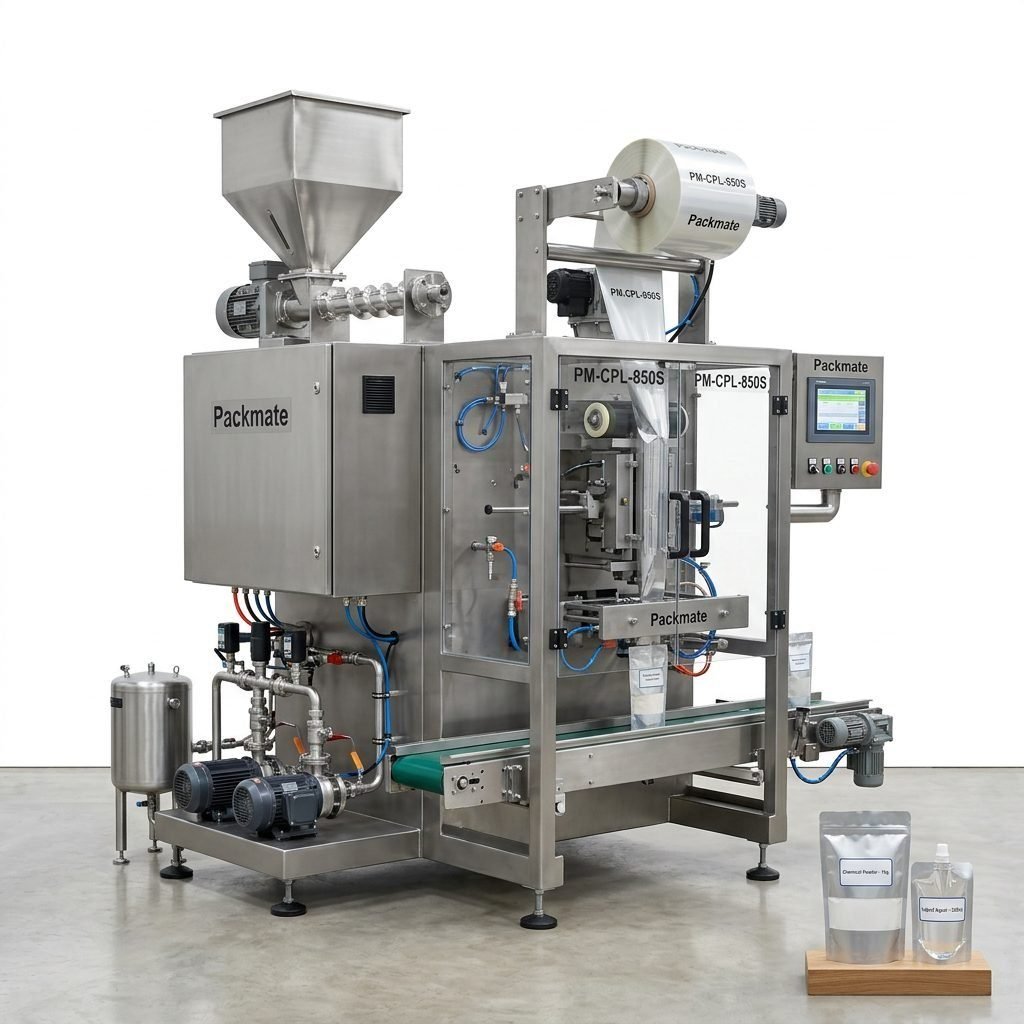
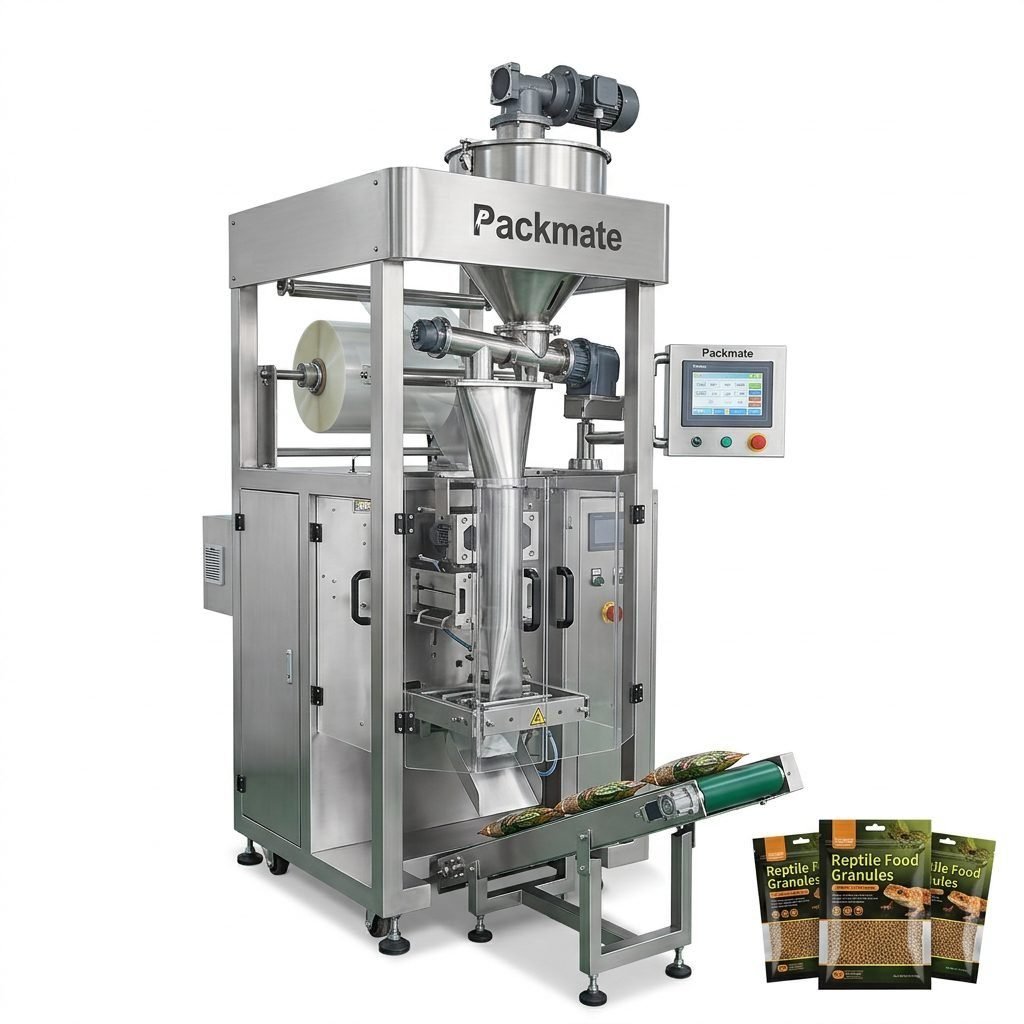
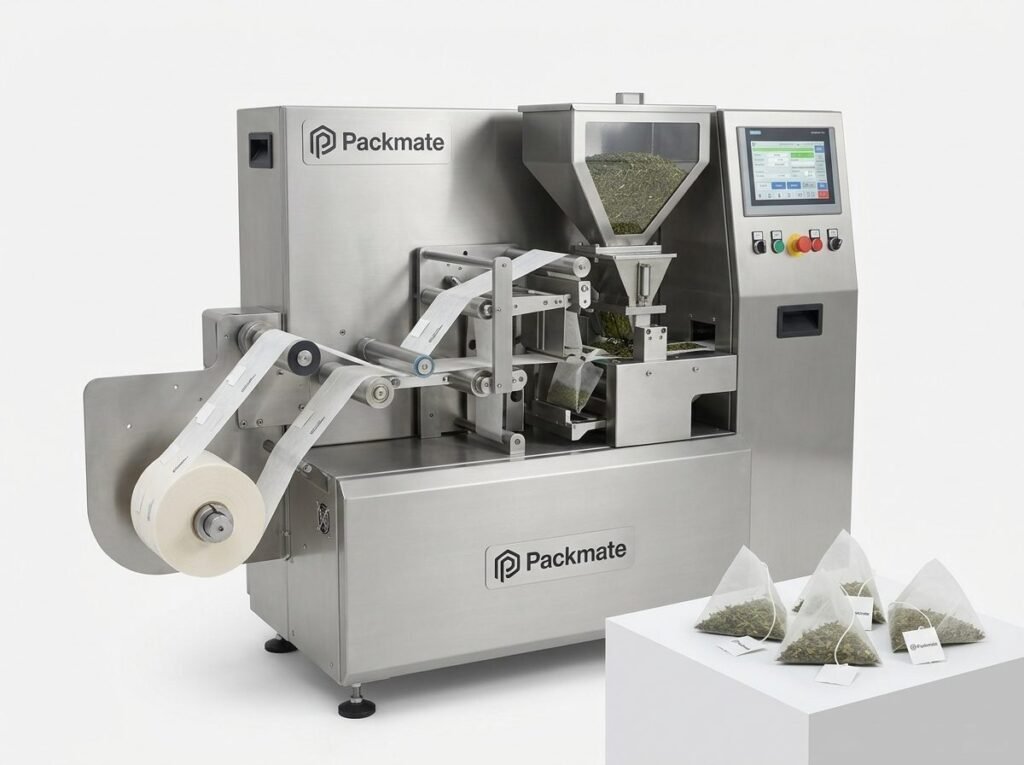
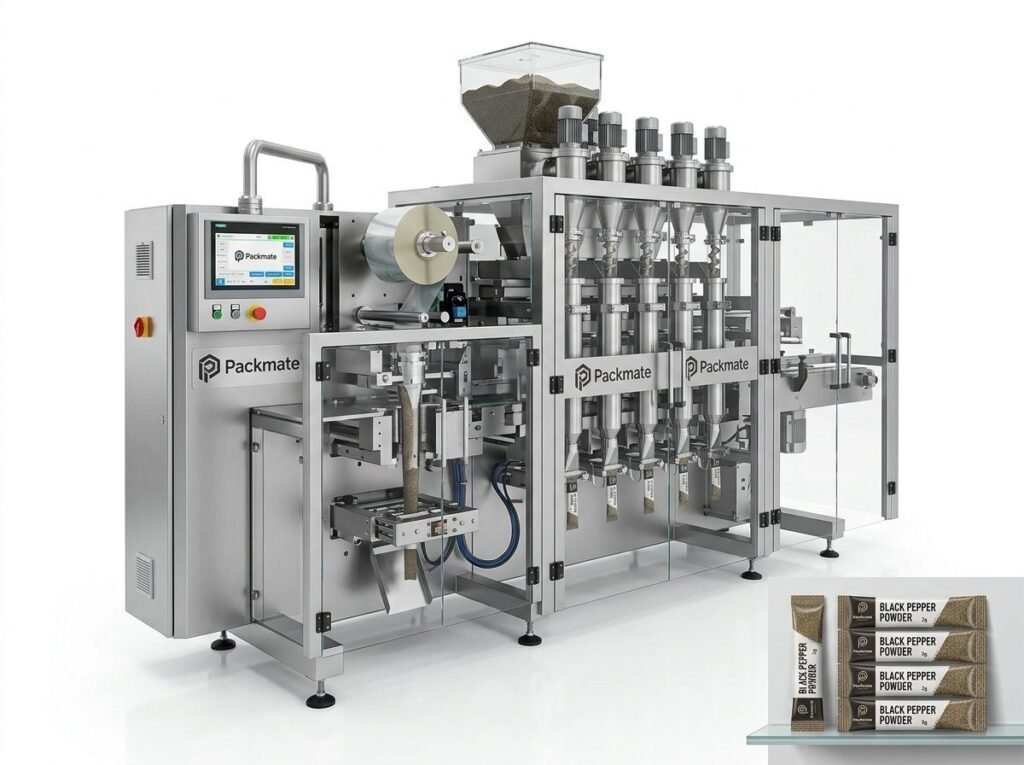
These are the workhorses of the industry, creating bags from a roll of film, filling them with product, and sealing them in one continuous operation. Ideal for granules, powders, and snacks, they offer exceptional flexibility in bag size and shape. For businesses looking to enter this space, exploring dedicated bag & pouch packaging machines is essential to find a system that matches your production volume and product characteristics.
Sachet and Stick Pack Machines
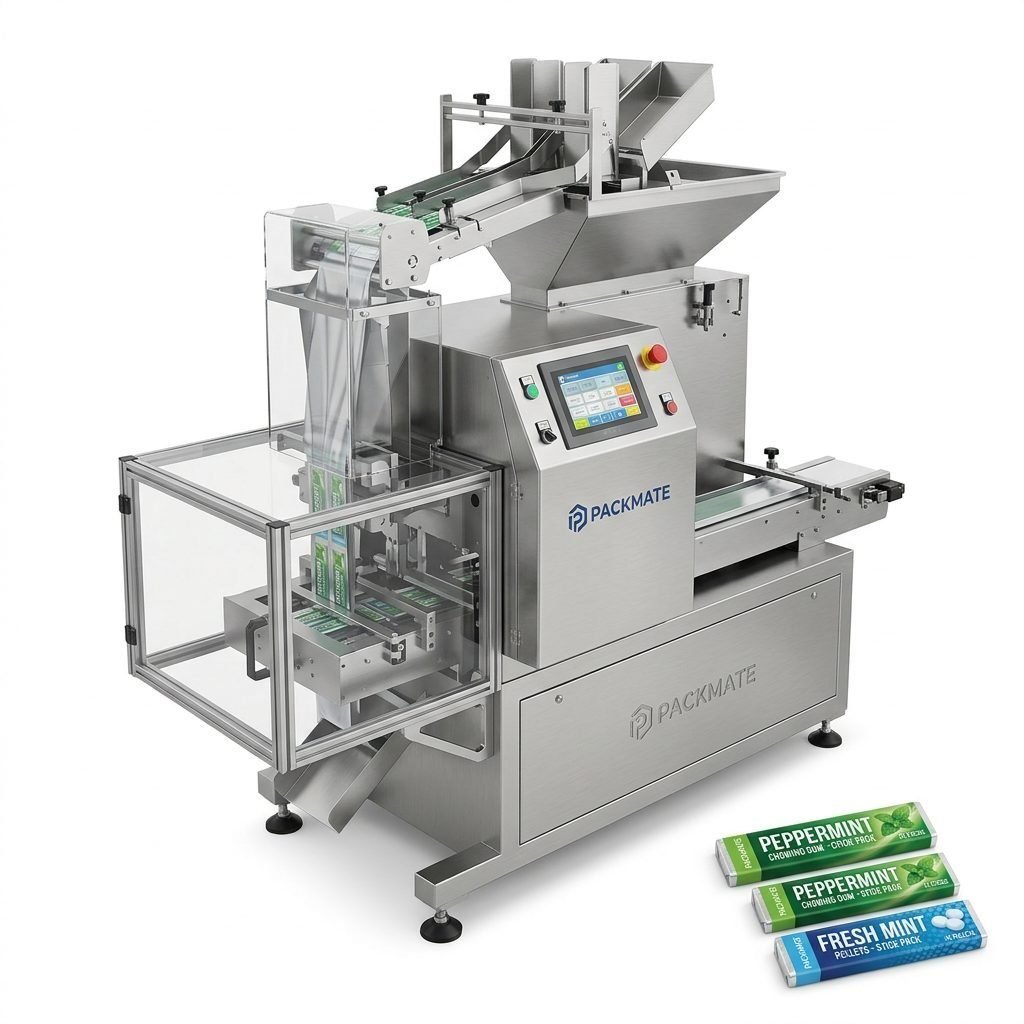
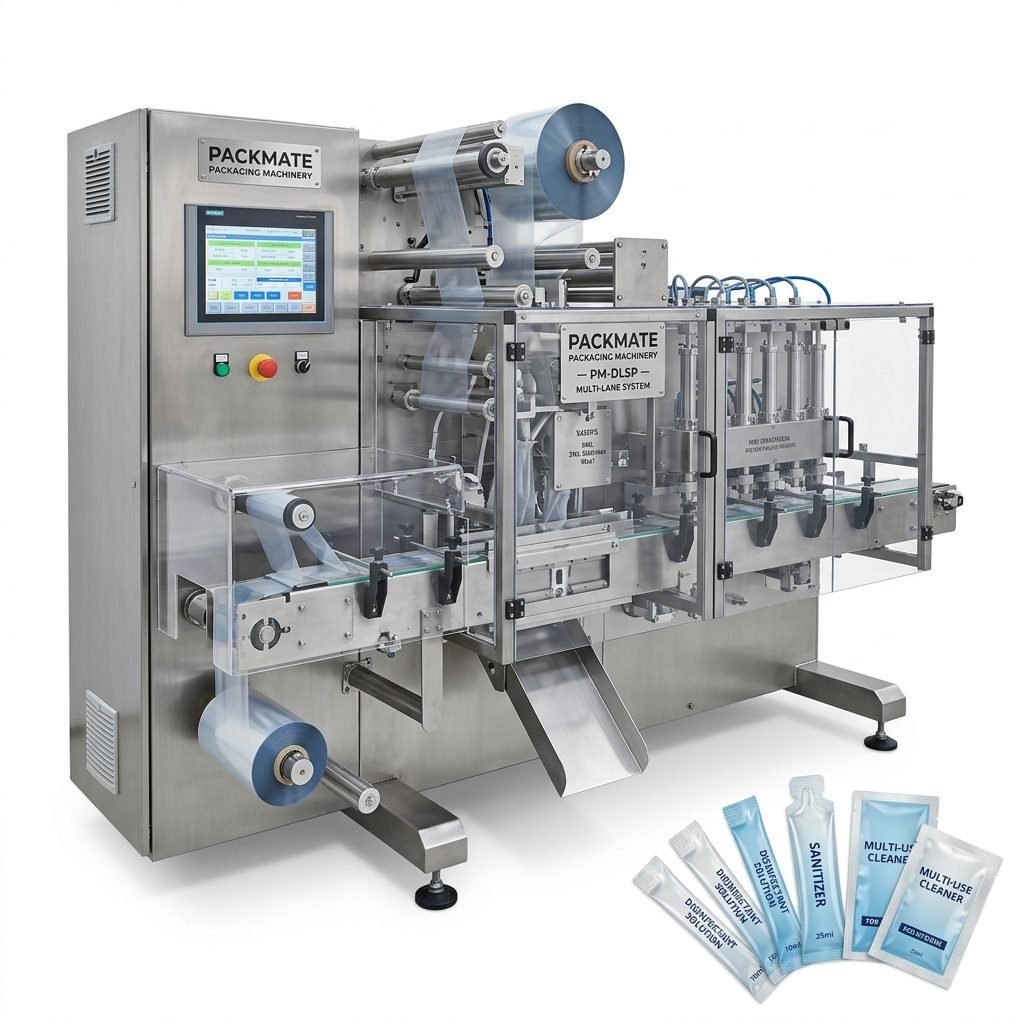
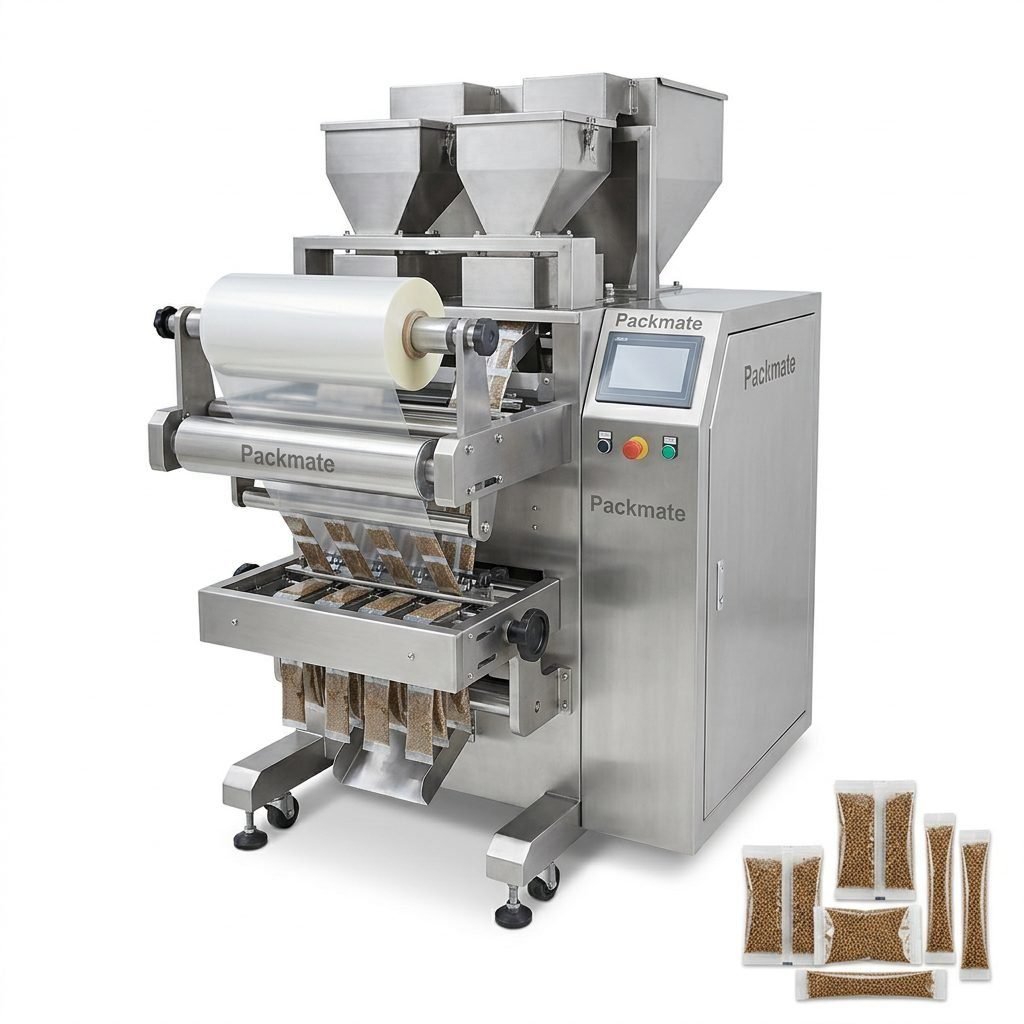
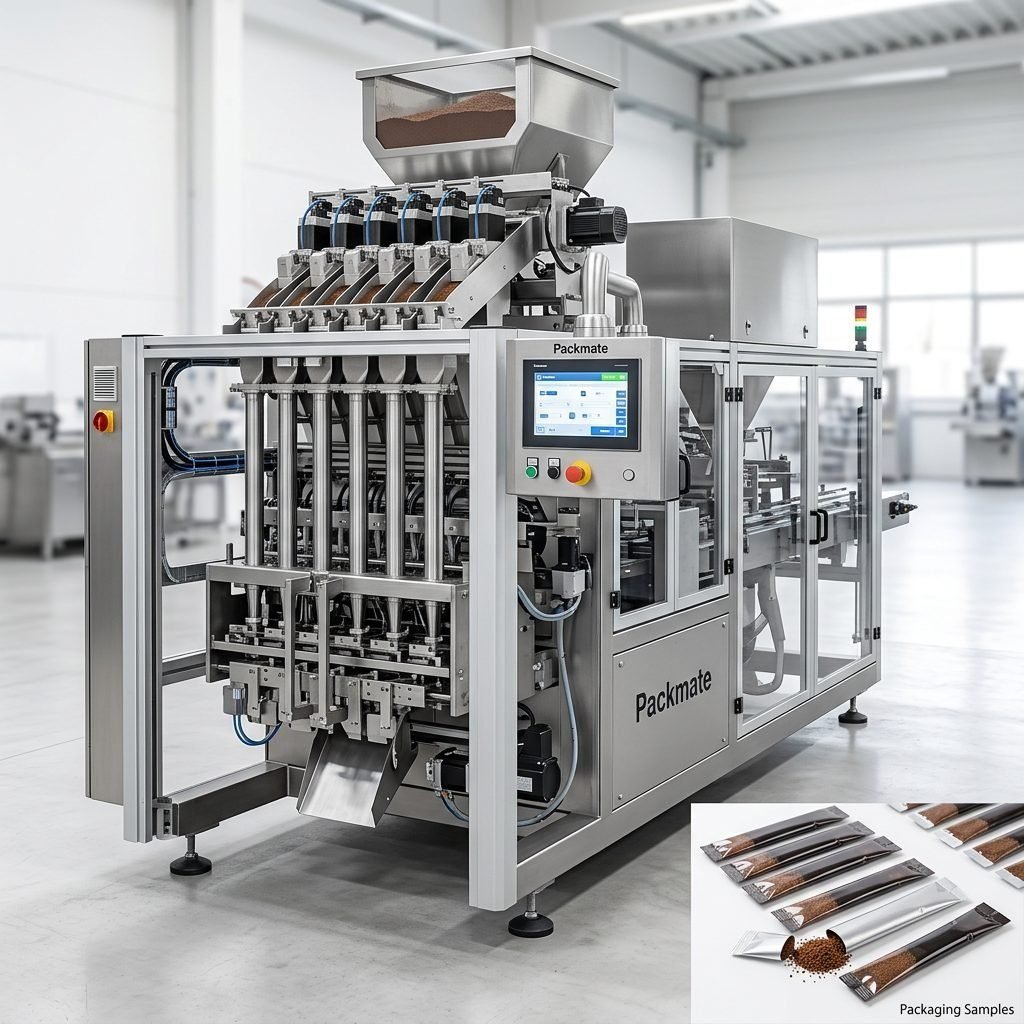
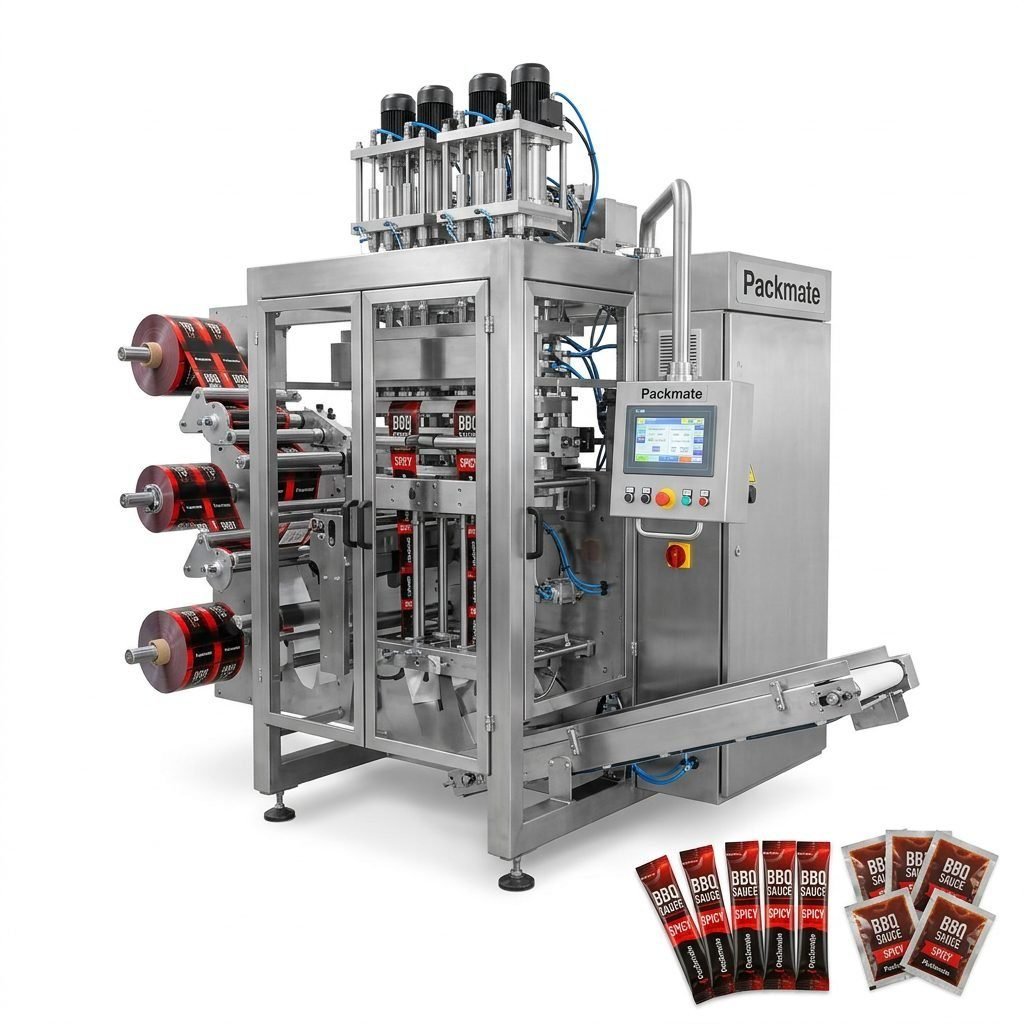
Designed for single-serve portions of liquids, powders, or gels—such as condiments, instant coffee, or pharmaceuticals—these machines deliver high precision in small-dose filling. Multi-lane configurations dramatically increase output, making them cost-effective for high-volume products. Leading manufacturers offer comprehensive sachet & stick pack machines that integrate seamlessly with upstream and downstream equipment.
Integrated Weighing and Filling Systems
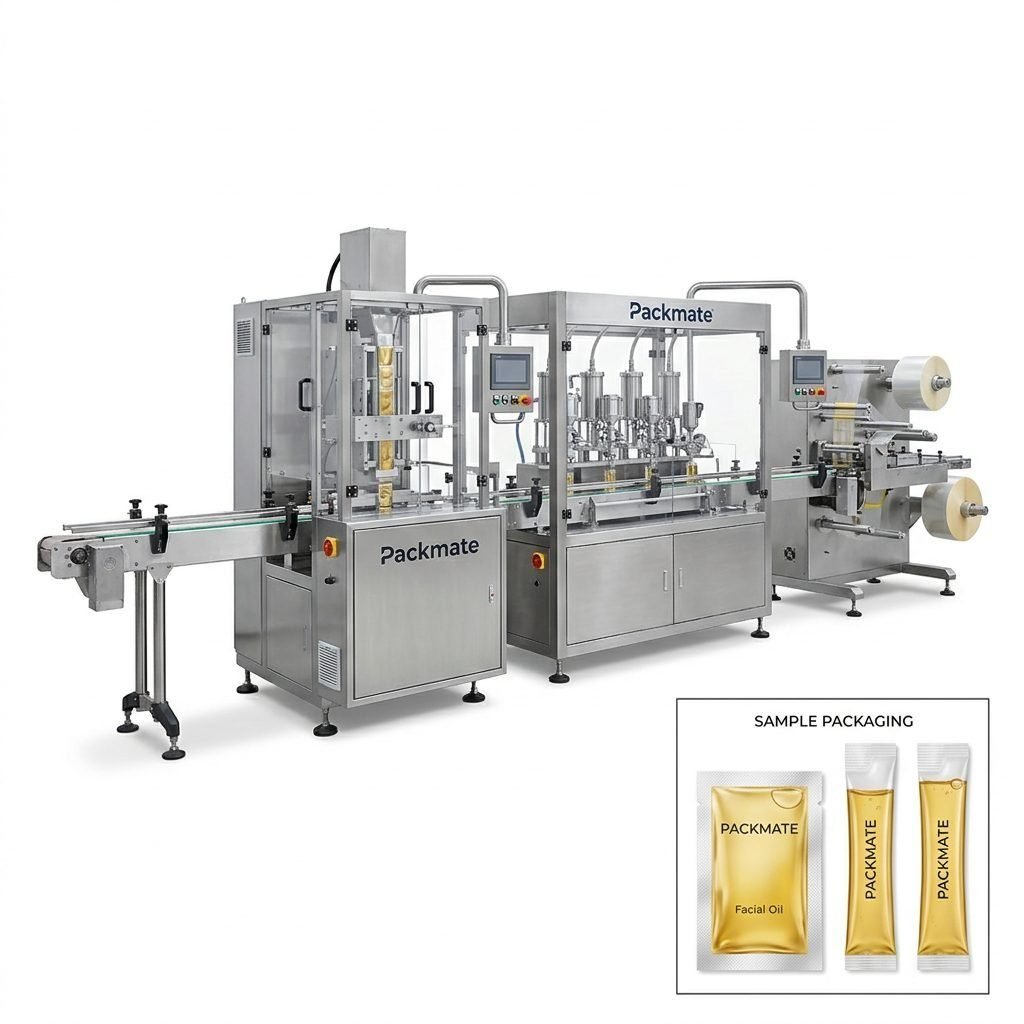
Accuracy is paramount, and nowhere more so than in filling operations. Modern weighing & packaging systems combine multi-head weighers, auger fillers, or liquid pumps with advanced controllers to ensure each package meets exact weight specifications, minimizing giveaway and ensuring compliance. These systems form the core of any reliable filling & packaging line.
The Turnkey Solution Advantage
For many companies, especially those expanding or launching new products, piecing together individual machines from different vendors is a complex and risky endeavor. This is where industry leaders distinguish themselves by providing complete turnkey solutions. A turnkey project involves a single supplier designing, manufacturing, installing, and commissioning an entire packaging line tailored to specific products and outputs. This approach guarantees system compatibility, reduces project management overhead, ensures a single point of accountability, and typically results in a faster and smoother ramp-up to full production capacity.
Spotlight on Industry Leadership: The Packmate Example
Sustained leadership in this sector is built on a foundation of experience, technological investment, and a deep understanding of client needs. A prime example is Packmate (GuangDong) Co., Ltd., operating globally under the Packmate Machinery brand. With a history rooted in a founder’s passion for automation since 1993, the company formalized in 2003 and has grown into a benchmark for intelligent packaging equipment.
Their leadership is quantifiable: over 30 years of expertise condensed into more than 50 machine models, produced in a modern 20,000㎡ facility. This scale allows them to serve a global clientele with reliable solutions for granules, powders, and liquids. Their evolution from small sachet machines to multi-lane stick pack lines and comprehensive packing machine portfolios mirrors the market’s own growth and diversification.
The Pillars of Sustainable Leadership
What sets true industry leaders apart are the non-negotiable pillars they uphold:
- Relentless Innovation: Continuously integrating new technologies like servo drives, touch-screen HMIs, and connectivity features to enhance speed, precision, and user-friendliness.
- Quality as a Culture: Embedding quality checks at every stage, from R&D and sourcing to assembly and testing, ensuring every machine delivers promised performance and durability.
- Global Support Vision: Establishing a robust network for installation, training, spare parts, and technical support, recognizing that a machine’s value is fully realized only through its lifelong operation.
Future Trends Shaping the Industry
The frontier of packaging machinery is being redrawn by several converging trends. Artificial Intelligence (AI) and Machine Learning are moving beyond data collection to active process optimization, predicting failures, and self-adjusting parameters for different materials. Flexibility and Quick Changeover will become even more critical as consumer markets fragment, requiring machines that can handle short runs of diverse package sizes and materials with minimal downtime. Furthermore, the push for the Circular Economy will drive development of machines specifically engineered for mono-material plastics or novel biodegradable substrates.
Making the Right Investment
Choosing packaging machinery is a significant capital decision. Beyond initial cost, savvy buyers evaluate Total Cost of Ownership (TCO), which includes energy consumption, maintenance needs, expected lifespan, and potential for future upgrades. Partnering with a reputable leader who offers transparent communication, detailed case studies, and thorough after-sales service mitigates risk. The goal is to find a partner, not just a vendor—a company whose mission and vision align with your own growth trajectory.
Frequently Asked Questions (FAQs)
What is the most important factor when choosing a packaging machine?
While speed and price are often initial considerations, the compatibility of the machine with your specific product (flow characteristics, abrasiveness, hygiene requirements) is paramount. A machine that works perfectly for coffee beans may fail with sticky powder. Always conduct product tests with your potential supplier.
How can I ensure my packaging line is future-proof?
Opt for machinery from manufacturers committed to modular design and software-upgradable controls. Discuss your medium-term business plans with them to ensure the chosen system has the capacity and flexibility to accommodate new package sizes, formats, or higher speeds with minimal additional investment.
What does ‘turnkey solution’ actually include?
A full turnkey solution typically encompasses consultation & line design, machinery manufacturing, factory acceptance testing, installation & commissioning at your site, operator training, and initial production support. The provider handles all interfaces between different equipment, delivering a production-ready line.
How critical is after-sales service for packaging machinery?
Extremely critical. Packaging machines are complex and downtime is costly. A strong after-sales service offering—including readily available spare parts, remote diagnostic support, and responsive field service engineers—is essential for maintaining high overall equipment effectiveness (OEE) and protecting your investment.
Can one machine handle different types of packaging materials?
Many modern machines offer a degree of flexibility, but there are limits. Switching from a standard plastic film to a paper-based or compostable laminate often requires changes to sealing jaws, temperature profiles, and possibly film handling systems. It’s crucial to define all intended materials during the procurement phase to ensure the machine is correctly configured.