In the fast-paced world of cosmetics manufacturing, efficiency is not just a goal—it’s a necessity. The right packaging machinery can be the difference between meeting market demand and falling behind. For brands looking to scale production, enhance product presentation, and maintain stringent quality control, investing in top-tier cosmetic packaging machines is a strategic imperative. This guide explores the key machines that drive efficient production lines, helping you make informed decisions for your business growth.
The Heart of the Line: Primary Packaging Machines
At the core of any cosmetic production are the machines that handle the primary packaging—the direct contact between product and container. Efficiency here directly impacts output, waste, and consistency.
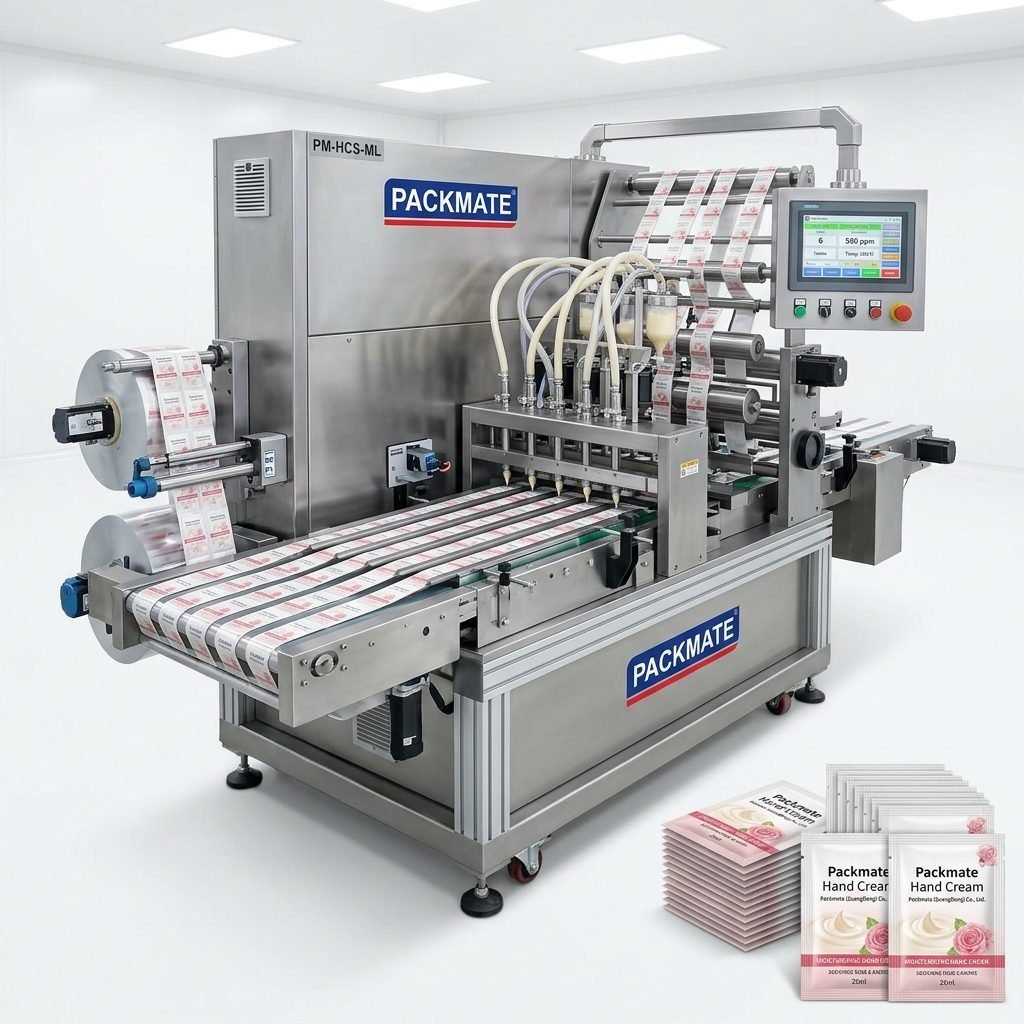
Automatic Liquid Filling Machines: These are indispensable for products like serums, toners, and foundations. Modern rotary filling machines offer high-speed, precision dosing with minimal drop loss. Look for models with servo-driven pumps and no-drip nozzles, which are crucial for handling expensive cosmetic formulations without waste. Their ability to integrate seamlessly with capping stations creates a continuous, efficient flow.
For powders, such as eyeshadows or loose foundations, auger filler machines provide unparalleled accuracy. The best systems feature touch-screen controls for recipe management, allowing quick changeovers between different products and shades, which is vital for catering to diverse cosmetic lines.
Versatile Solution: Sachet & Stick Pack Machines
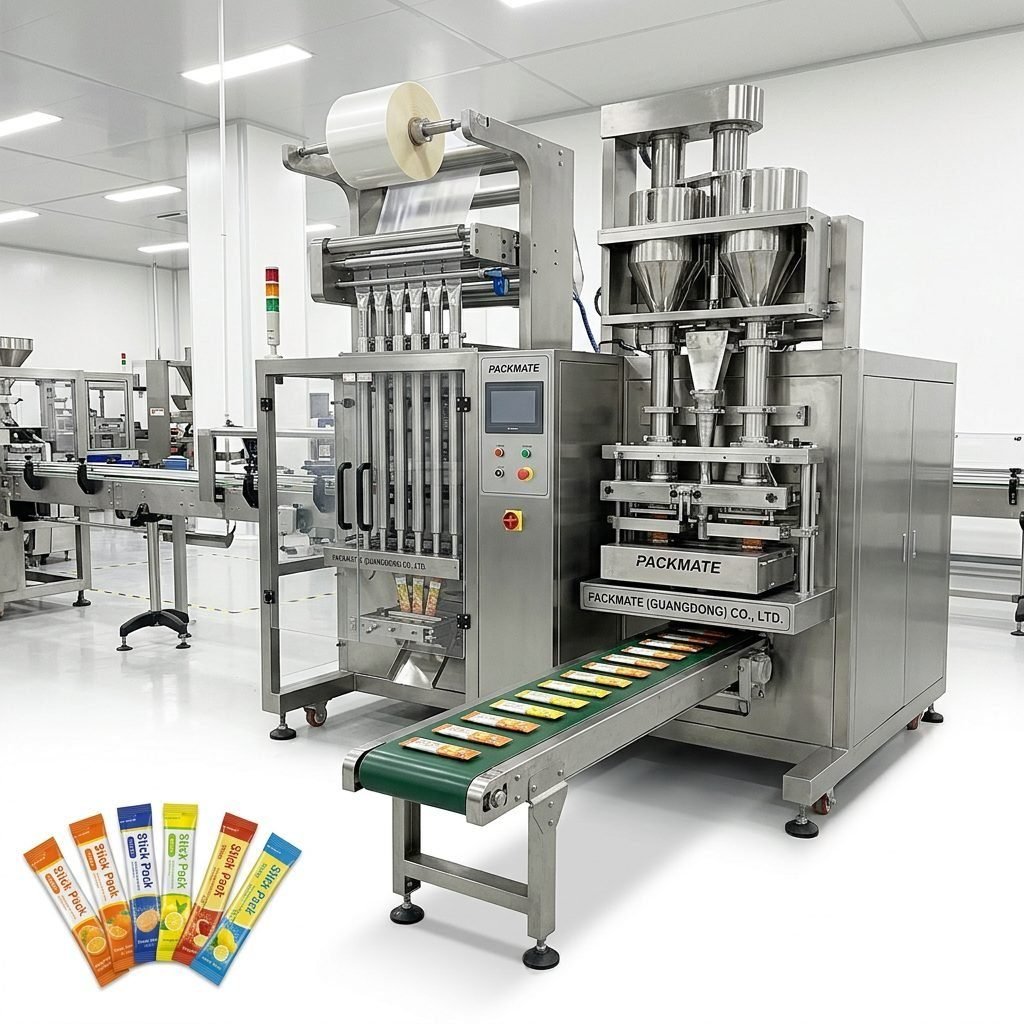
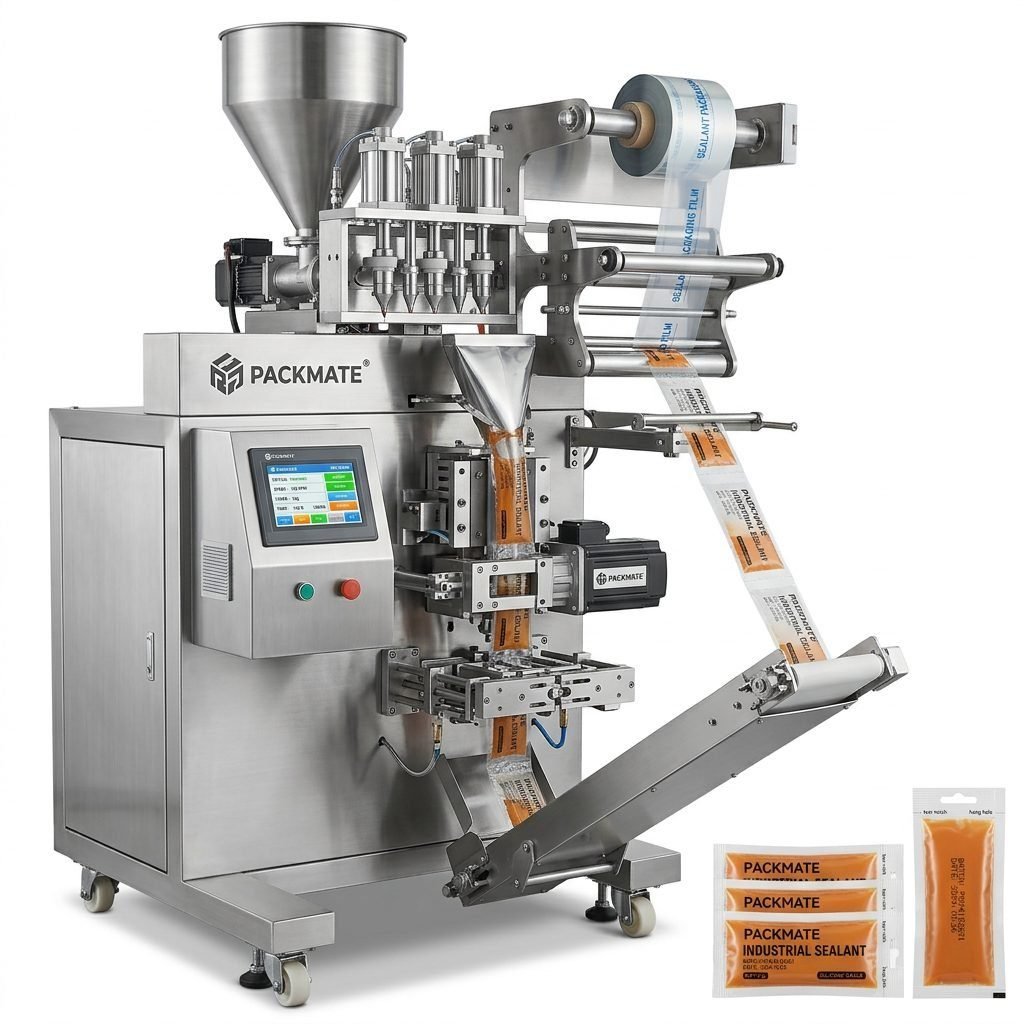
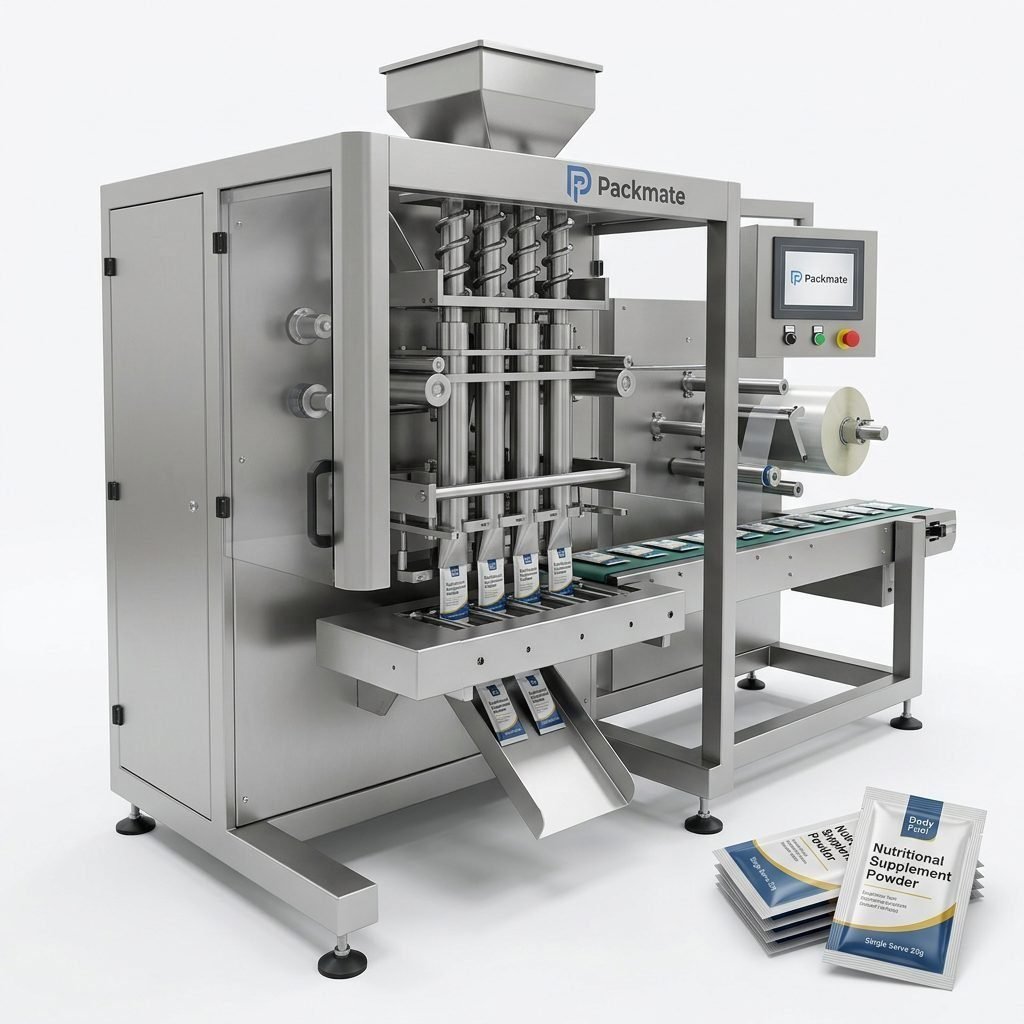
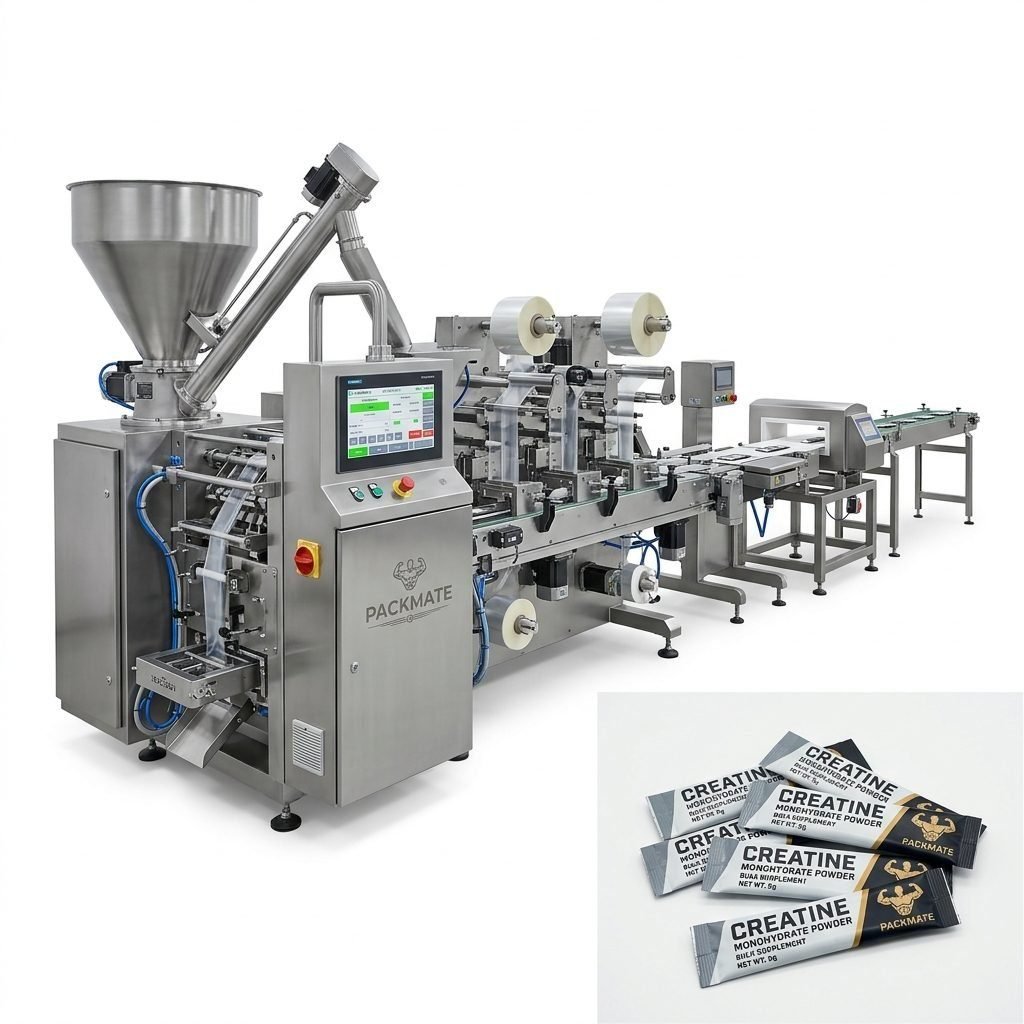
Single-use samples, travel-sized products, and portion-controlled items have surged in popularity. Sachet and stick pack machines are engineered for high efficiency in this niche. Multi-lane designs can produce thousands of units per hour, making them perfect for promotional campaigns or skincare sample kits. The efficiency gain comes from their compact packaging, which reduces material costs and shipping weight.
Sealing the Deal: Capping, Sealing, and Labeling
Once filled, containers must be securely closed and branded. This stage ensures product integrity and shelf appeal.
Automatic Screw Cappers: For bottles with twist-off caps, automatic cappers apply consistent torque. This prevents both leakage from under-tightening and cap damage from over-tightening. An efficient line uses a belt-driven or chuck-style capper that can handle various cap sizes with quick adjustments.
Induction Sealers: These machines apply an airtight, tamper-evident inner seal to bottles and jars. They are critical for product safety and extending shelf life. Efficiency is measured by the seal strength and the machine’s speed, which must match the output of the filling station.
Labeling is the final touch. Wrap-around or front-and-back labelers apply labels with precise registration at high speeds. Modern vision inspection systems can be integrated to reject any mislabeled products automatically, ensuring 100% quality compliance without slowing down the line.
The Backbone: Bag & Pouch Packaging Systems
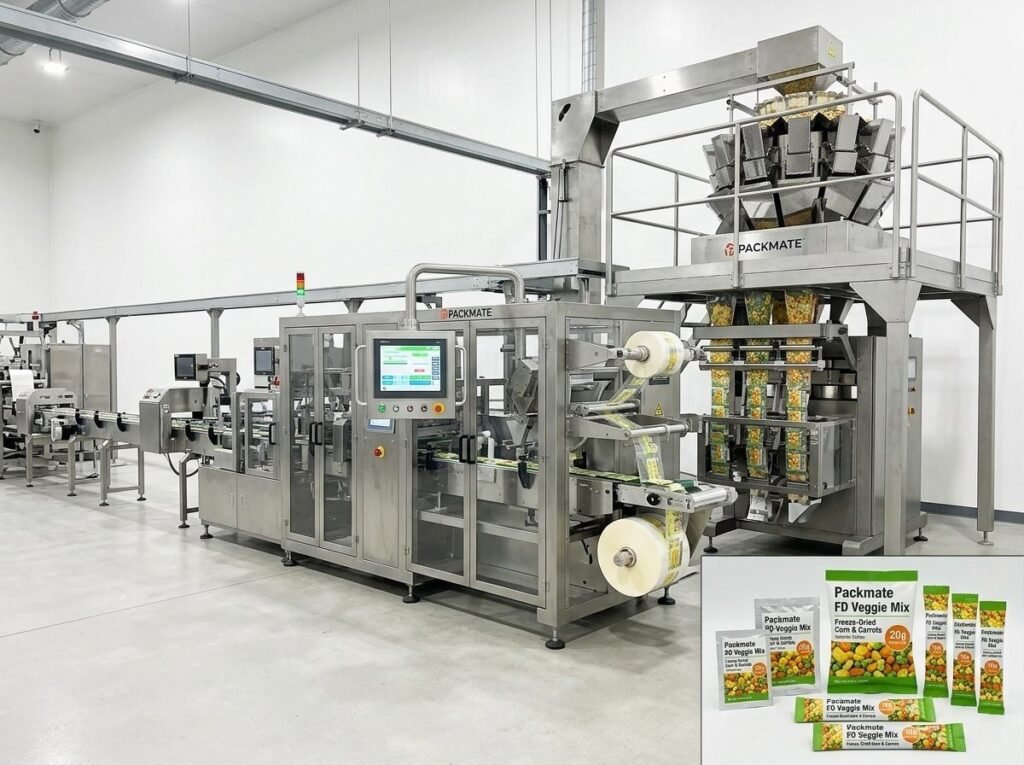
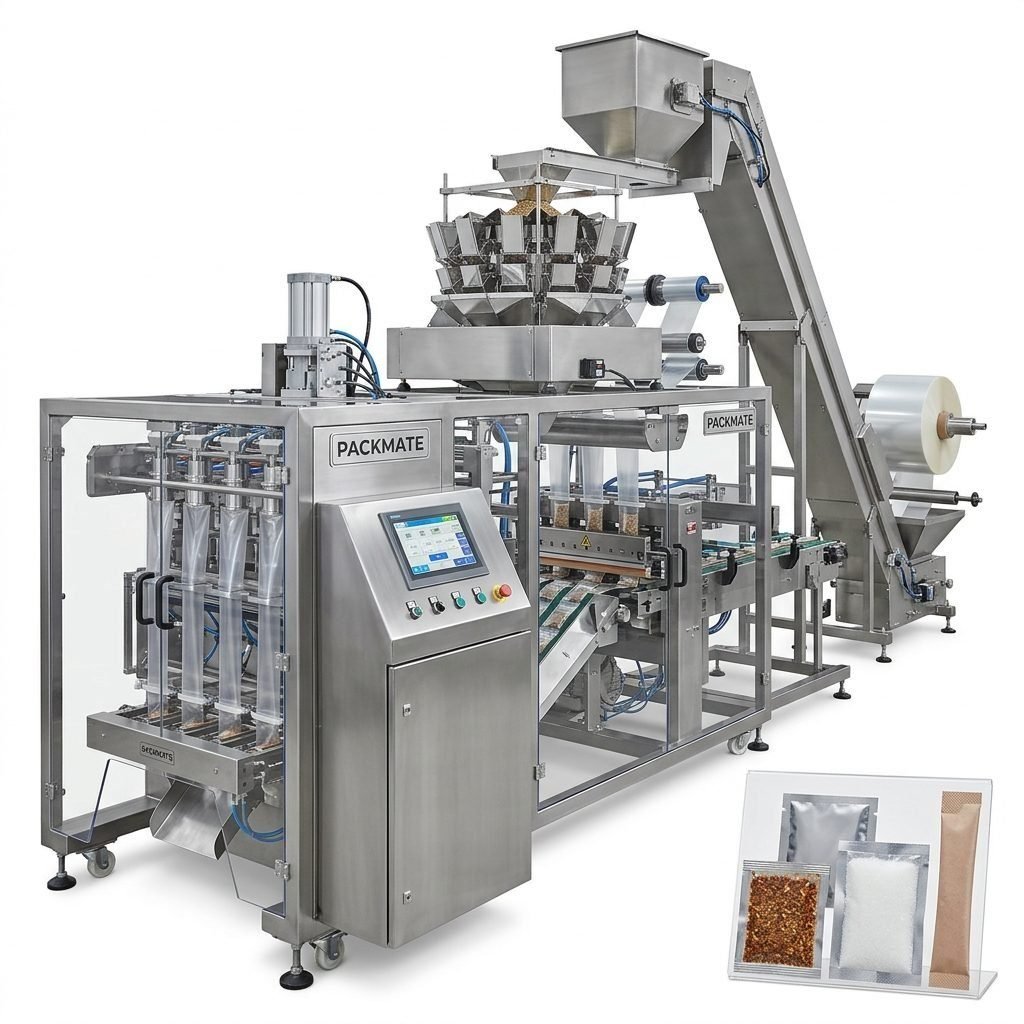
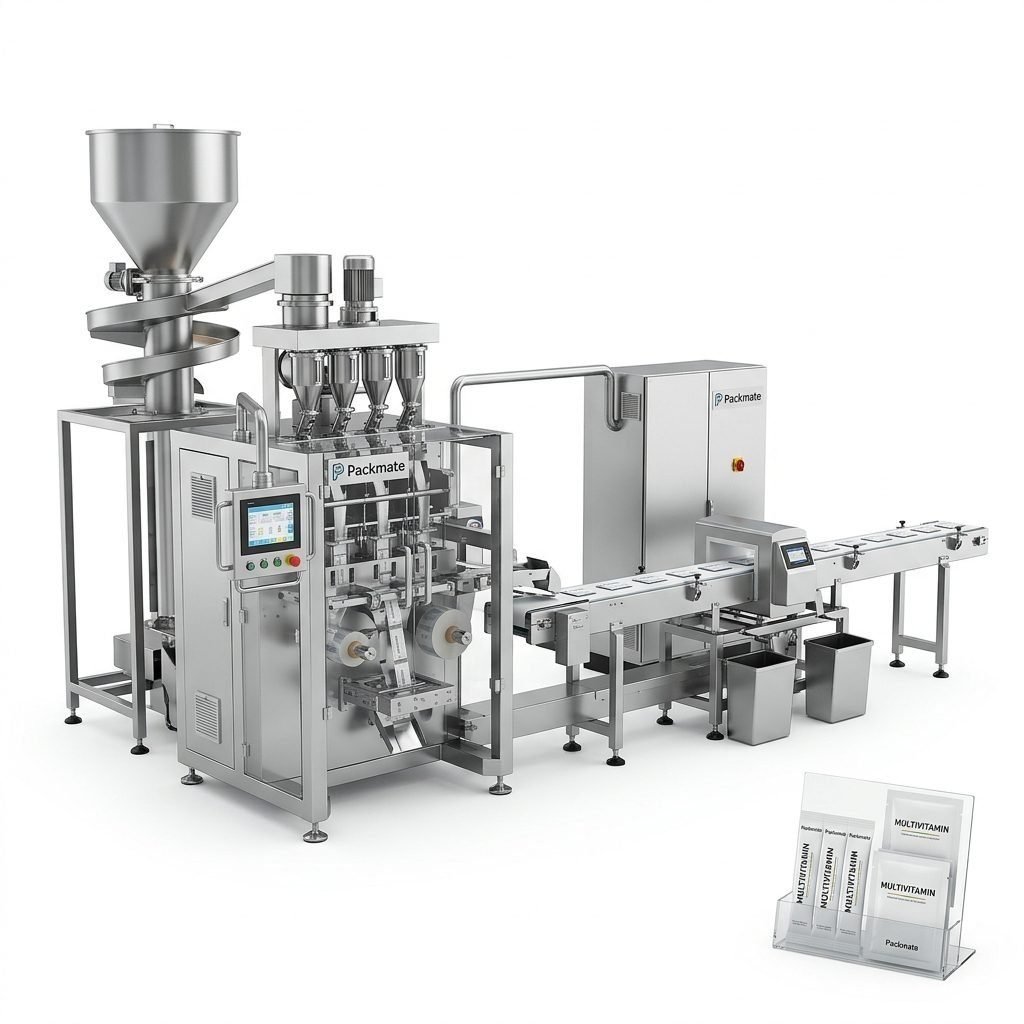
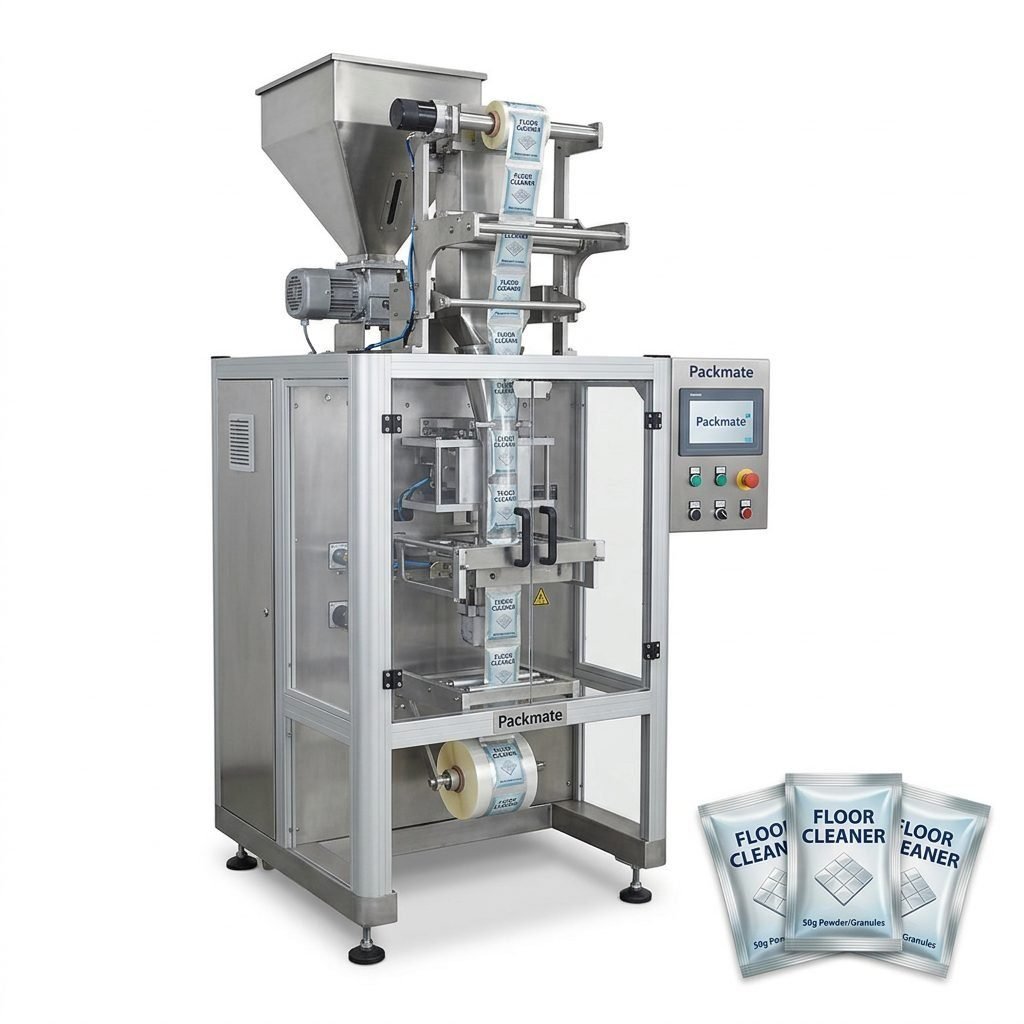
For masks, wipes, or bulk powders, flexible packaging is often the most efficient format. Bag and pouch packaging machines form, fill, and seal packages from a roll of film in one continuous operation. Vertical form-fill-seal (VFFS) machines are particularly efficient for free-flowing products, minimizing floor space while maximizing output. The key to efficiency here is the integration of high-accuracy weighing systems to ensure each pouch contains the exact amount of product.
Integration is Key: Complete Packaging Lines
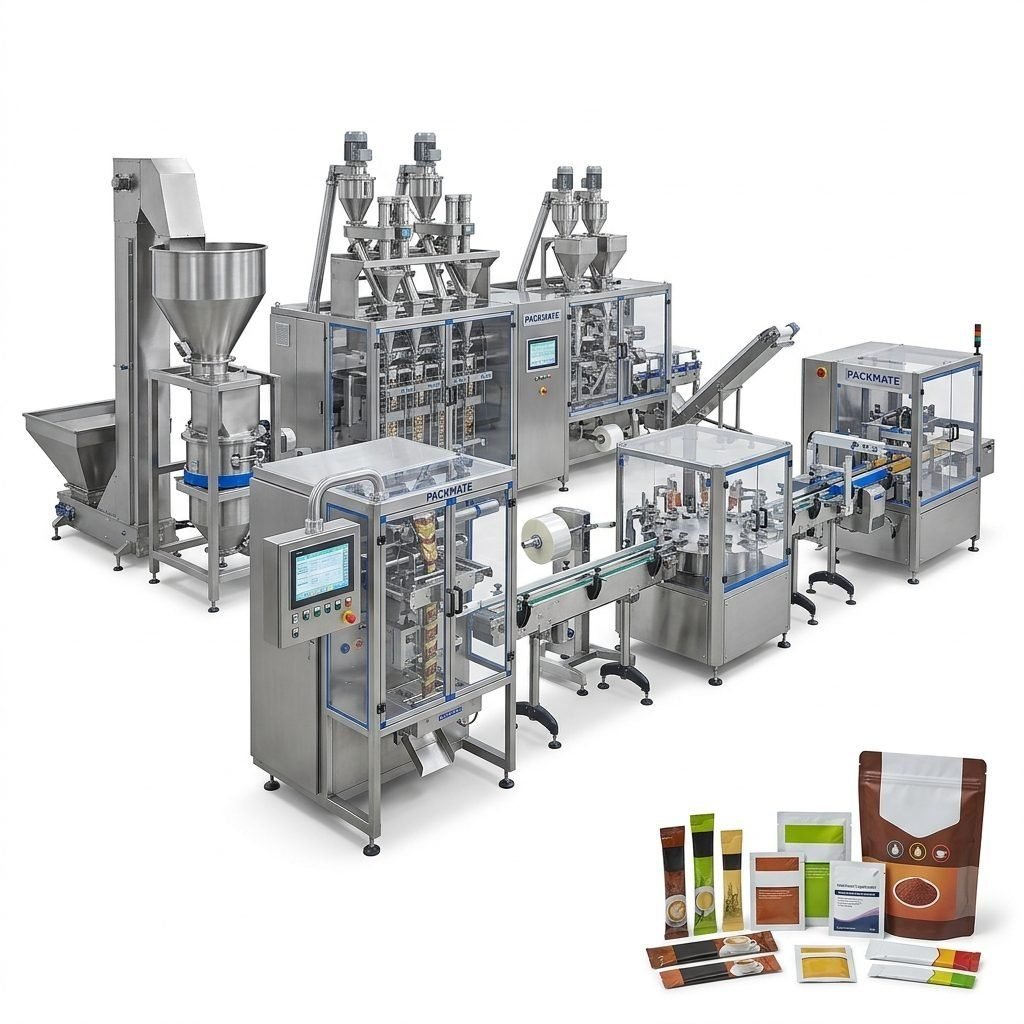
True efficiency is not achieved by standalone machines but by a synchronized system. A turnkey packaging line integrates filling, capping, sealing, and labeling into one cohesive unit.
For example, a line for cosmetic jars might include a jar unscrambler, a powder filler, an induction sealer, a screw capper, and a labeler, all connected by a synchronized conveyor system. The major efficiency boost comes from reduced manual handling, lower labor costs, consistent throughput, and minimized risk of contamination. Companies like Packmate Machinery, with over 30 years of expertise, specialize in designing such integrated filling and packaging lines tailored to specific production needs.
Choosing the Right Machine for Maximum Efficiency
Selecting equipment requires a careful analysis of your specific needs. Consider your primary product type (liquid, powder, cream), container shapes and sizes, desired output speed (units per hour), and floor space. Furthermore, prioritize machines with easy-to-clean designs (often CIP – Clean-in-Place) to meet cosmetic industry hygiene standards and facilitate quick changeovers between product batches.
Ultimately, the top cosmetic packaging machines are those that offer reliability, precision, speed, and flexibility. By investing in the right technology, manufacturers can achieve efficient production that scales with demand, maintains impeccable quality, and protects brand reputation in a competitive global market. For a comprehensive look at available technologies, visiting a manufacturer’s homepage is an excellent starting point.
Frequently Asked Questions (FAQs)
Q: What is the most important factor when choosing a cosmetic filling machine?
A: Precision and hygiene are paramount. The machine must dispense the exact amount of product consistently to control costs and ensure customer satisfaction. It must also be constructed with materials and a design that allows for thorough, easy cleaning to prevent cross-contamination between product runs.
Q: How can I improve the efficiency of my existing packaging line?
A: Focus on bottlenecks. Often, adding an automatic unscrambler to feed containers or integrating a faster labeler can significantly boost overall line speed. Also, consider retrofitting older machines with modern servo drives for more precise control and quicker changeovers.
Q: Are multi-lane stick pack machines suitable for small-batch production?
A: While designed for high volume, many modern multi-lane machines offer excellent flexibility. They allow you to run fewer lanes or have quick-change parts for different pouch sizes, making them more adaptable for smaller batches than dedicated single-lane machines, provided the initial investment is justified.
Q: What kind of maintenance do high-speed cosmetic packaging lines require?
A: Regular preventive maintenance is crucial. This includes daily cleaning, lubrication of moving parts as per the manufacturer’s schedule, and periodic inspection of wear parts like seals, gaskets, and filling nozzles. A well-maintained machine prevents unplanned downtime and maintains consistent efficiency.
Q: Can one machine handle packaging for both liquids and powders?
A: Generally, no. Liquid fillers and powder fillers use fundamentally different dosing technologies (pumps vs. augers). However, some advanced modular systems allow you to swap out the filling head. It’s more common and efficient to have dedicated lines for different product types or to use a versatile pouch machine that can handle both with the appropriate filling attachment.