In the competitive landscape of modern manufacturing, the efficiency and reliability of your production line are paramount. Selecting the right packaging machinery is not merely an operational decision; it is a strategic investment that impacts productivity, product quality, and ultimately, your bottom line. Optimal packaging machinery solutions are those that seamlessly integrate into your existing workflow, enhance speed and accuracy, and offer the flexibility to adapt to changing market demands and product types.
The Core Components of an Optimal Packaging Line
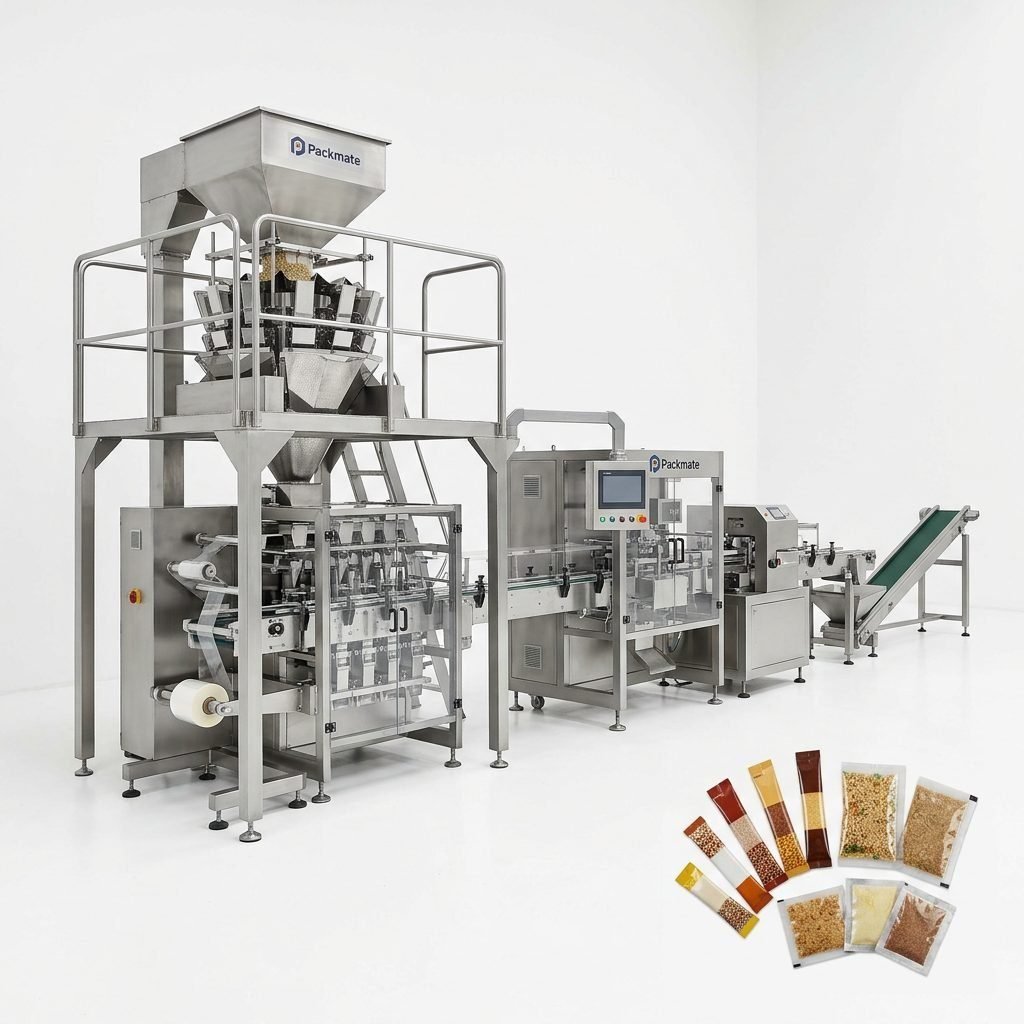
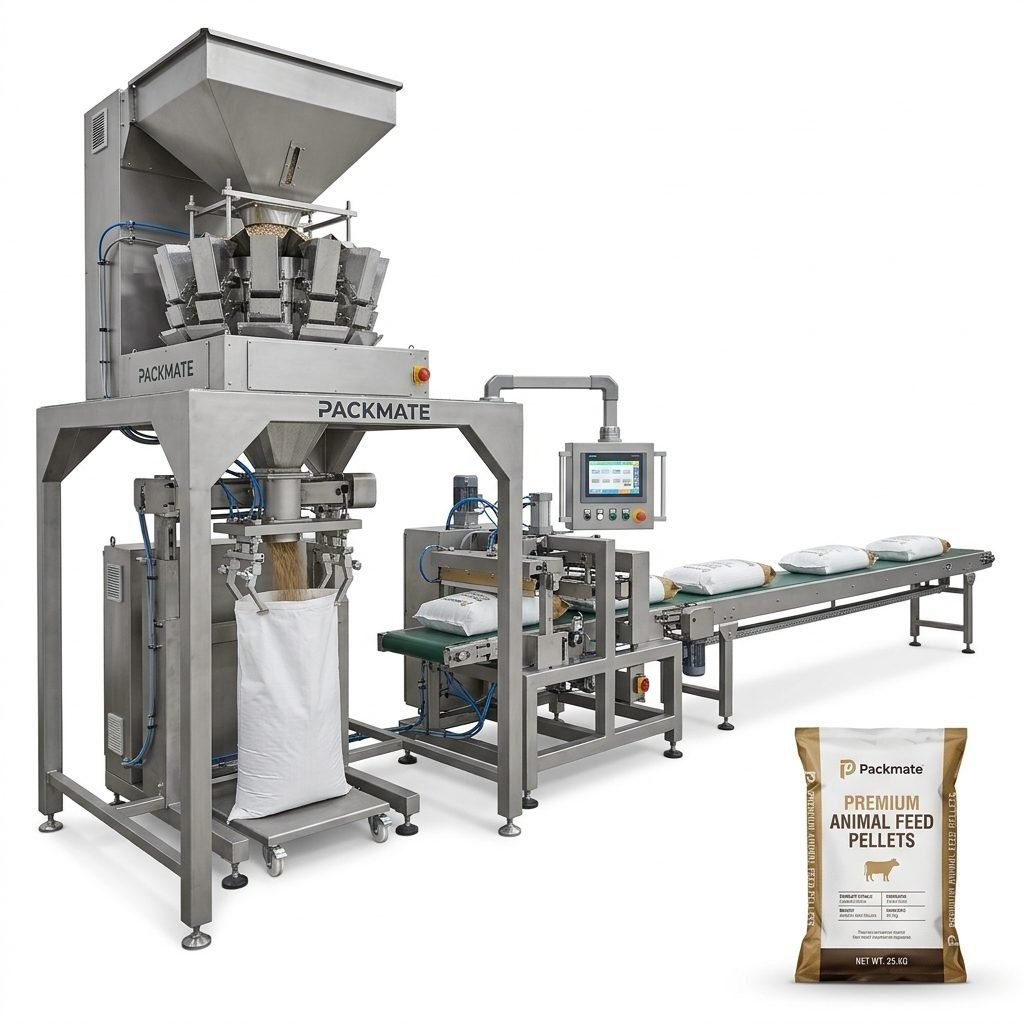
An optimal packaging solution is a symphony of coordinated machines, each performing a critical function. It begins with precise weighing and feeding systems that ensure accurate product dosage, a fundamental step for cost control and regulatory compliance in industries like food and pharmaceuticals. This is followed by the forming, filling, and sealing processes, which can range from high-speed sachet production to robust bag and pouch packaging.
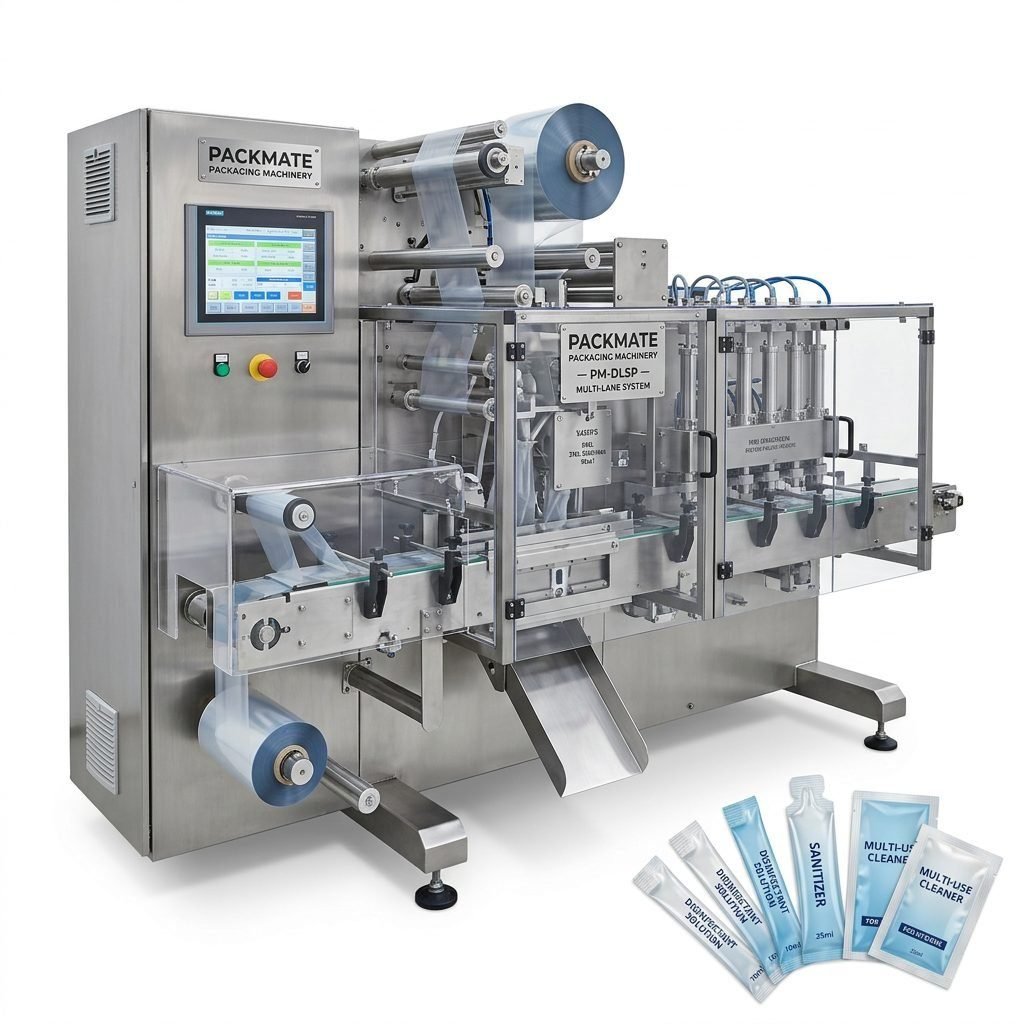
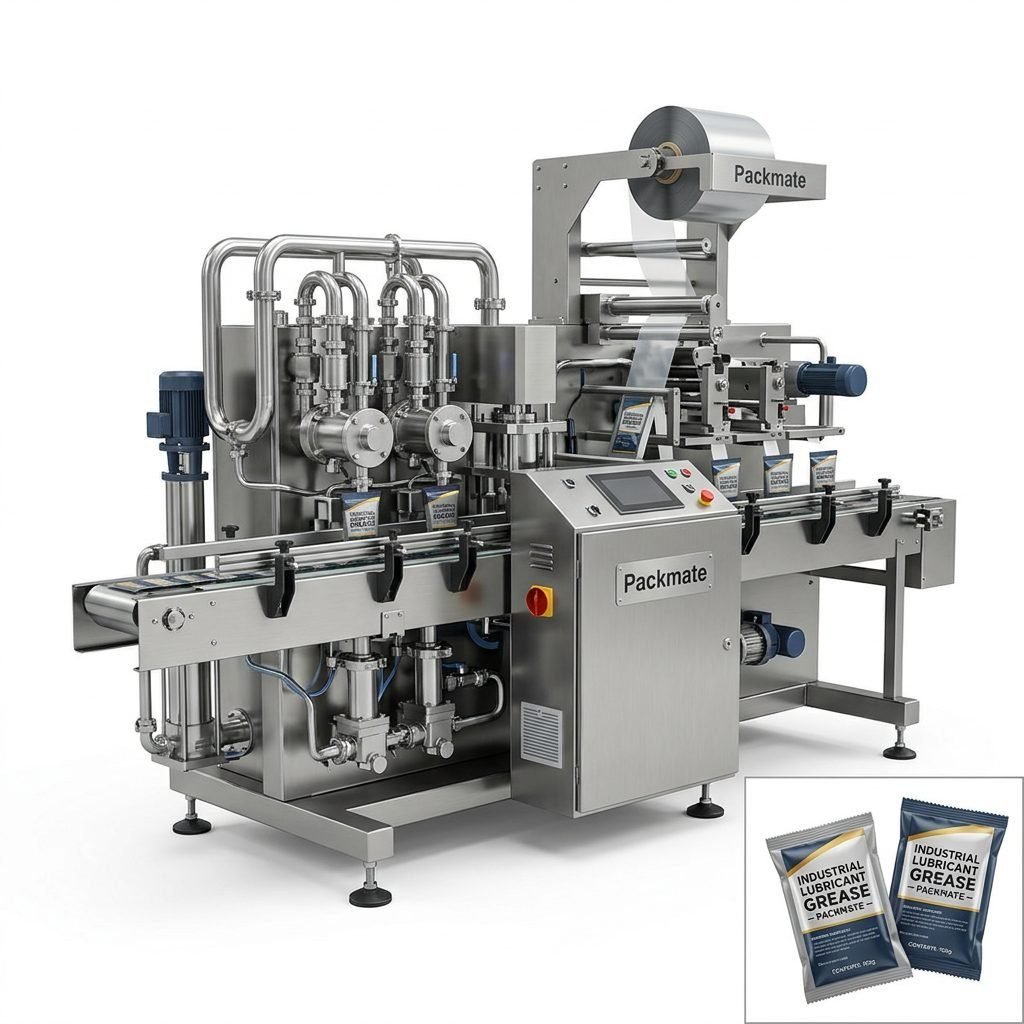
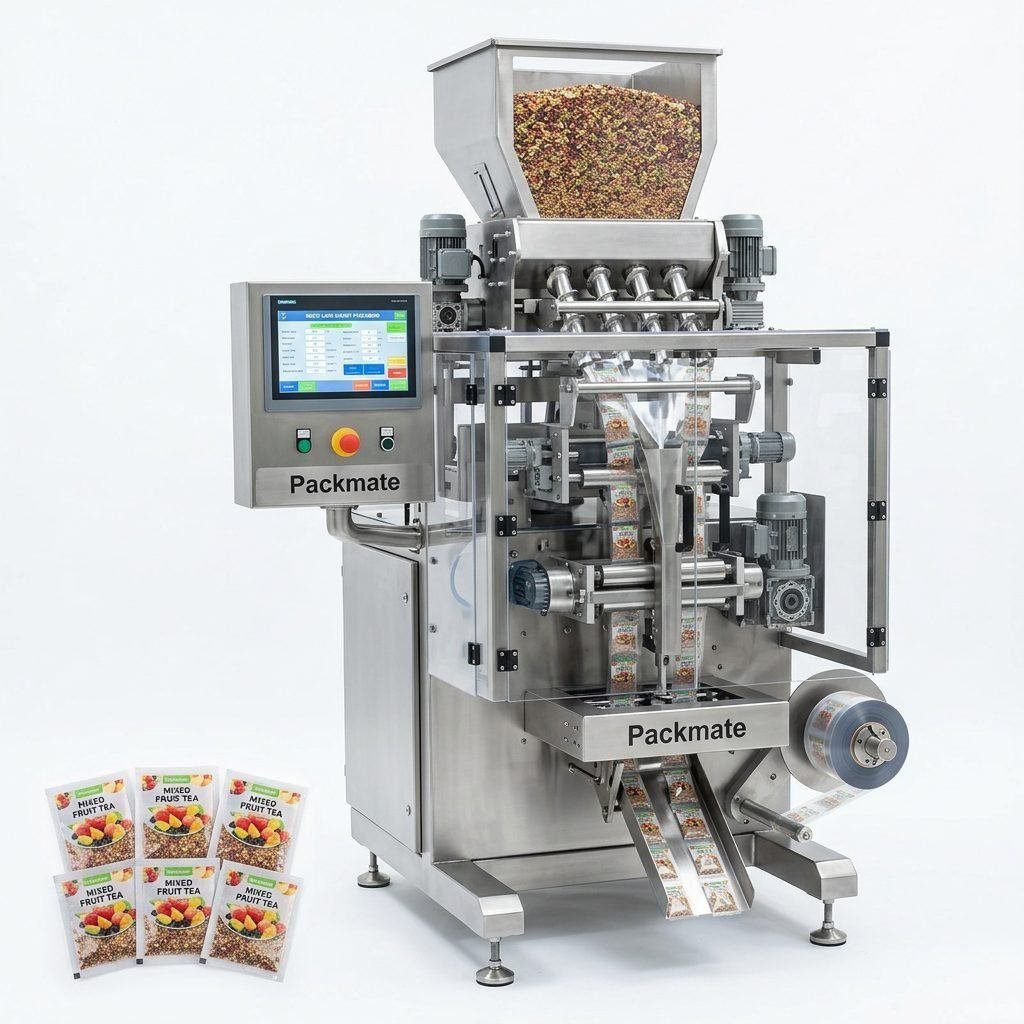
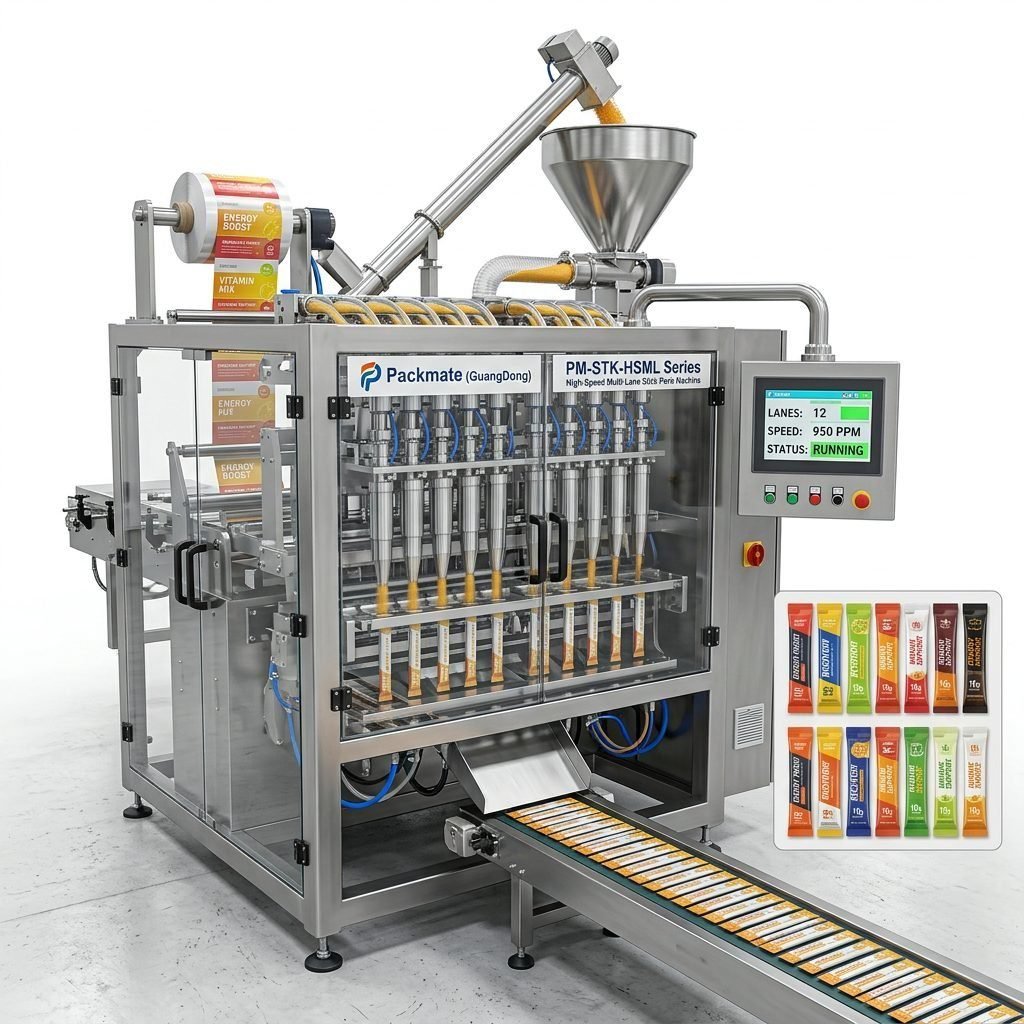
For granular products like coffee or sugar, a multi-lane stick pack machine offers unparalleled output, while for powders and liquids, specialized auger or liquid pumps ensure clean, spill-free filling. The journey of Packmate Machinery, from a visionary workshop in 1993 to a company with over 22 years of formal development, exemplifies the deep expertise required to master these diverse technologies. Their evolution into providing complete filling and packaging lines underscores the importance of a holistic, turnkey approach.
Key Considerations for Machinery Selection
Choosing the optimal machinery requires a careful analysis of several factors beyond just the machine’s price tag.
Product Characteristics: The physical properties of your product—whether it’s a free-flowing granule, a hygroscopic powder, or a viscous liquid—dictate the type of filling system needed. Machinery must be compatible with the product to ensure consistency and prevent waste.
Production Speed and Scalability: Your required output (packs per minute) is a primary driver. Furthermore, consider future growth; can the line be easily upgraded or integrated with additional modules?
Flexibility and Changeover Time: In today’s market, the ability to quickly switch between different pack sizes or product types is a significant competitive advantage. Machines designed for easy changeover minimize downtime.
Hygiene and Compliance Standards: For food, pharmaceutical, and health products, adherence to strict hygiene standards (like GMP) and the use of food-grade materials (e.g., 304/316 stainless steel) are non-negotiable.
The Role of Innovation and Reliability
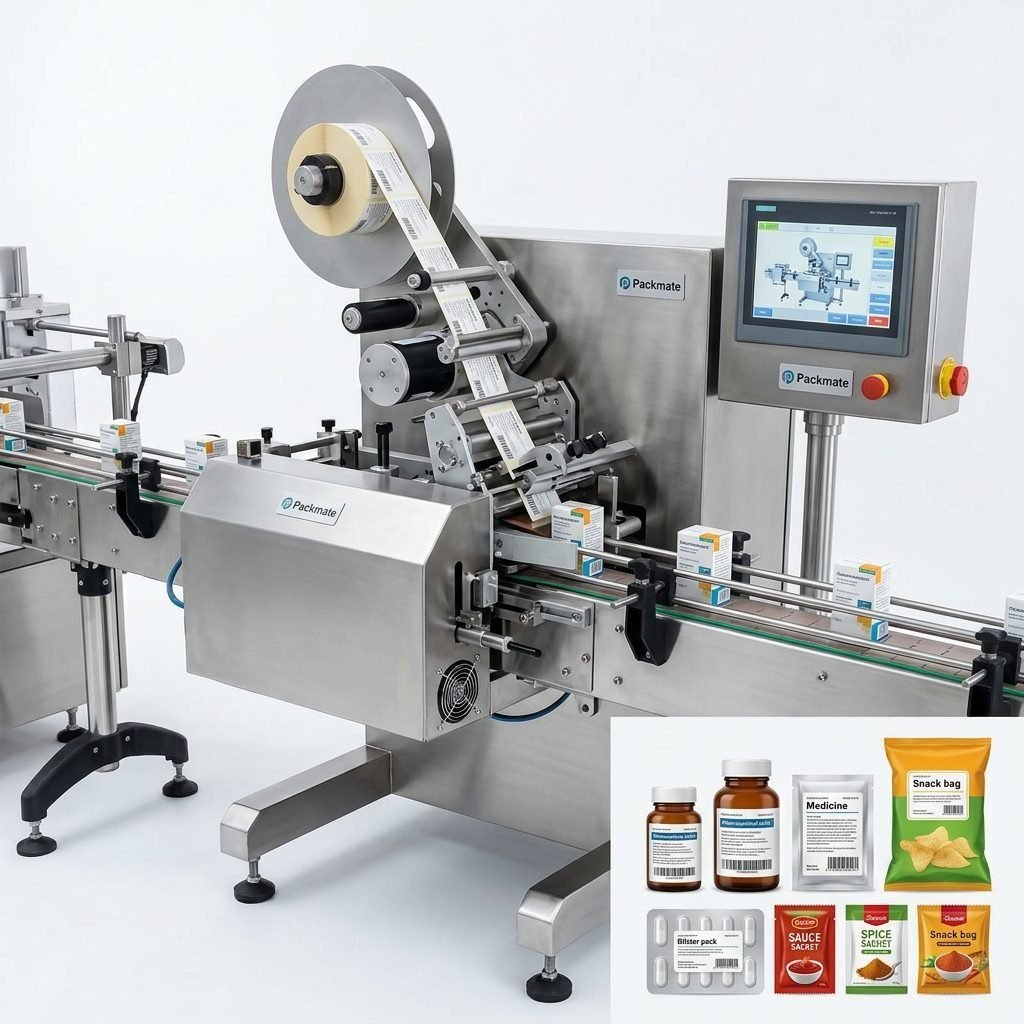
Modern packaging lines are increasingly intelligent. Features like touch-screen HMI (Human-Machine Interface) controls, automatic fault detection, and production data tracking are becoming standard. These innovations not only make operation simpler but also provide valuable insights for process optimization and preventative maintenance. However, innovation must be built upon a foundation of rock-solid reliability. A machine that frequently breaks down negates any speed advantage. This is where the legacy of a manufacturer matters. A company like Packmate, with its 30+ years of cumulative expertise and a 20,000㎡ modern manufacturing facility, invests in rigorous testing to ensure its packing machines deliver consistent, uninterrupted performance on your factory floor.
Integrating Solutions for Specific Packaging Formats
The definition of “optimal” varies significantly with the desired packaging format. Let’s explore solutions for two prevalent types.
1. Sachet & Stick Pack Packaging Lines
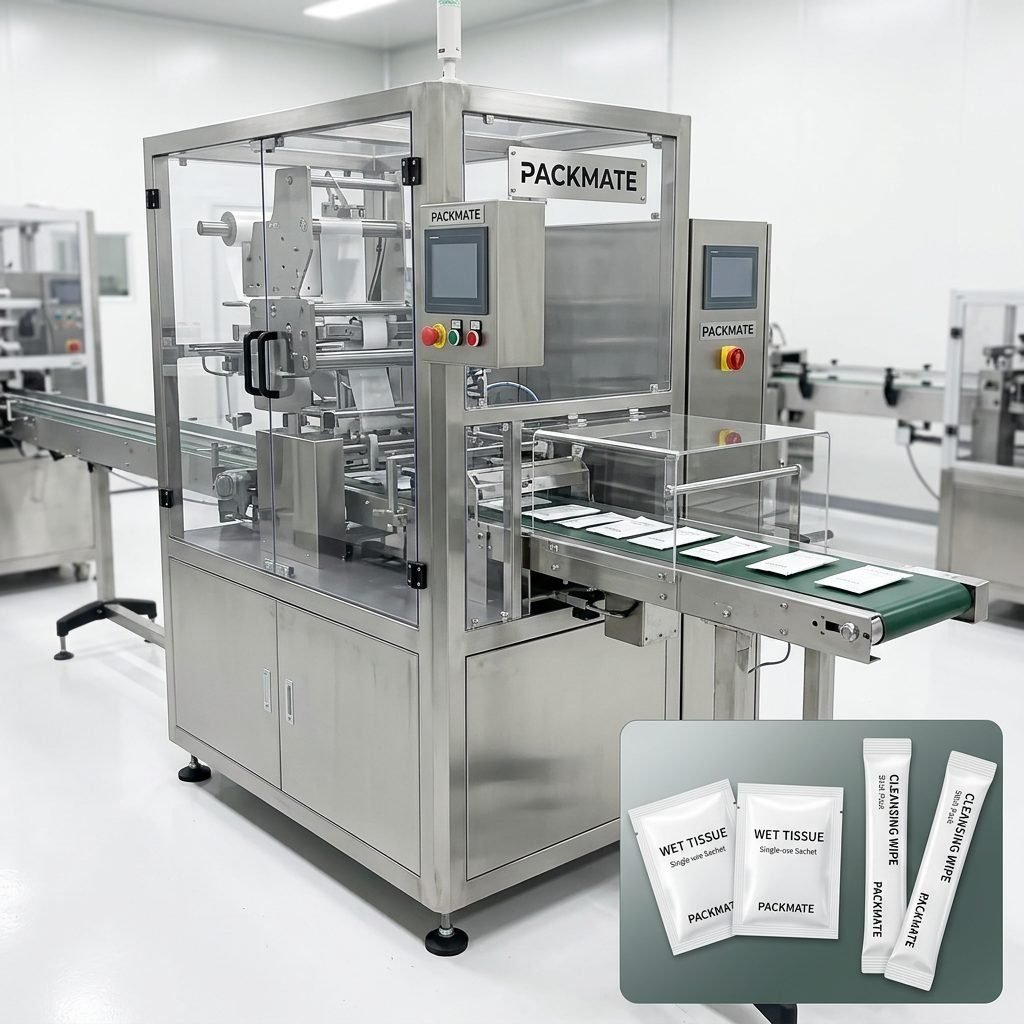
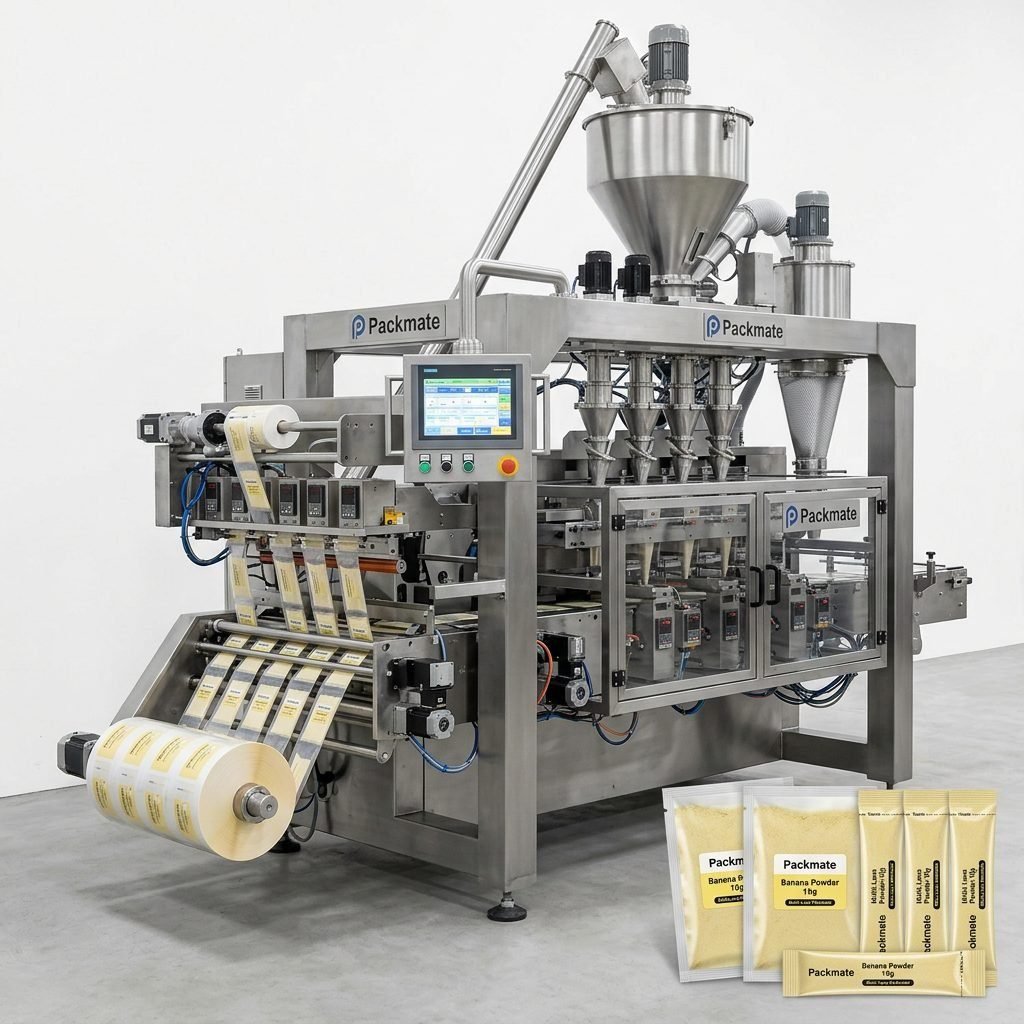
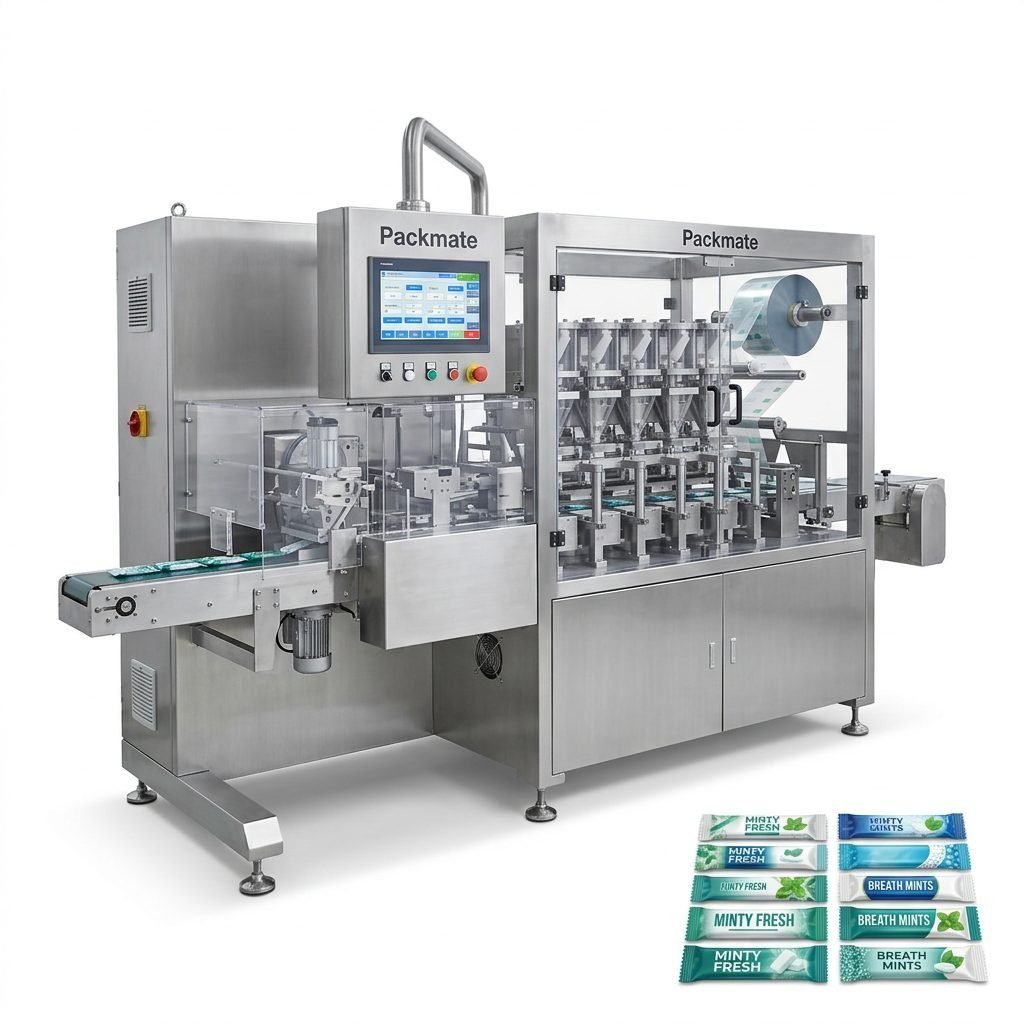
Ideal for single-serve portions of products like instant beverages, condiments, or pharmaceutical powders, these lines require high precision and blistering speed. An optimal solution here often involves a multi-lane configuration, where several packaging tracks run in parallel from a single feeding system, dramatically multiplying output. The machinery must handle various laminate materials with precision to ensure perfect seals that preserve product freshness. Exploring a manufacturer’s range of sachet and stick pack machines can reveal the level of specialization available for this format.
2. Bag & Pouch Packaging Machinery
For larger quantities, stand-up pouches, flat bags, or vacuum bags are preferred. This sector demands robustness and versatility. Optimal machinery for bags and pouches often includes integrated weighing systems, gas flushing for preservation (modified atmosphere packaging), and advanced sealing technologies. The ability to handle different film types and produce a variety of bag styles (e.g., gusseted, zipper) from one machine platform is a key value proposition. Manufacturers with a broad portfolio, including dedicated bag and pouch packaging machines, are well-positioned to provide tailored solutions for snacks, grains, or frozen foods.
Beyond the Machine: The Value of Partnership
Procuring optimal packaging machinery extends beyond the purchase order. It is the beginning of a partnership. A reputable supplier provides comprehensive support, including in-depth feasibility analysis, factory layout planning, installation supervision, and thorough operator training. Post-installation, access to readily available spare parts and responsive technical service is critical for minimizing lifecycle costs and ensuring long-term ROI. This commitment to total customer support is what transforms a machinery purchase into a true production line solution.
As demonstrated by Packmate’s mission to provide complete turnkey packaging solutions, the goal is to deliver more than just equipment—it’s to deliver confidence, efficiency, and a tangible competitive edge for your production operations, helping you meet market demands with agility and superior quality.
Frequently Asked Questions (FAQs)
1. How do I determine the right packaging machine speed for my needs?
Calculate your current and projected future daily/weekly production volume in packs. Divide this by your available operating hours to find your required average packs-per-minute (PPM) rate. It is generally advisable to choose a machine rated 10-20% above this calculated rate to account for peak demand and provide a buffer for efficient operation.
2. What are the most important factors for packaging food products?
Hygiene and preservation are paramount. The machine must be constructed with food-grade stainless steel, allow for easy cleaning (CIP/SIP capabilities are a plus), and should support packaging formats and sealing methods that ensure product shelf-life, such as vacuum or gas flushing for modified atmosphere packaging (MAP).
3. Can one machine handle different types of products and package sizes?
Many modern machines are designed with flexibility in mind. Look for features like quick-change form-fill-seal (FFS) tooling, adjustable dosing systems (e.g., interchangeable augers or pumps), and programmable recipes stored in the control system. However, the degree of flexibility varies, so discussing your specific product range with the supplier is crucial.
4. What kind of after-sales support should I expect?
Comprehensive support includes detailed installation guidance (onsite or remote), thorough training for your operators and maintenance staff, a clear warranty policy, access to a readily available inventory of common spare parts, and prompt technical support via phone, email, or remote diagnostics. A reliable supplier will have a dedicated service team.
5. How does a turnkey packaging line differ from buying individual machines?
A turnkey solution is a fully integrated, ready-to-run system. The supplier takes responsibility for designing the entire line flow, selecting and interfacing all compatible machines (e.g., conveyors, checkweighers, cartoners), programming the unified control system, and commissioning the entire line to meet your specified output and quality targets. This single-point accountability reduces project risk and complexity for the buyer.