In the fast-paced world of manufacturing and distribution, efficiency is paramount. Box packaging machines stand as the backbone of countless industries, automating the crucial final step of preparing products for shipment and sale. These machines not only dramatically increase packaging speed but also ensure consistency, reduce labor costs, and minimize material waste. For businesses looking to scale operations or improve their packaging line, understanding the different types of machines, their specific applications, and the key factors in selecting the right one is essential for making a sound investment.
Understanding the Core Types of Box Packaging Machines
The term “box packaging machine” encompasses a wide range of equipment, each designed for a specific function in the boxing process. The right choice depends entirely on your product type, volume requirements, and desired level of automation.
Automatic Carton Erectors and Sealers
These are the workhorses of high-volume operations. Automatic carton erectors take flat, die-cut corrugated blanks and form them into boxes ready for product insertion. They are often integrated with automatic bottom sealers, which apply tape or hot melt adhesive to securely close the box bottom. This creates a seamless flow: a box is formed, its bottom is sealed, it is moved into position for filling, and then it proceeds to the top sealing station. This type of system is ideal for industries like food and beverage, pharmaceuticals, and consumer goods where thousands of uniform boxes are processed daily.
Case Packers and Tray Packers
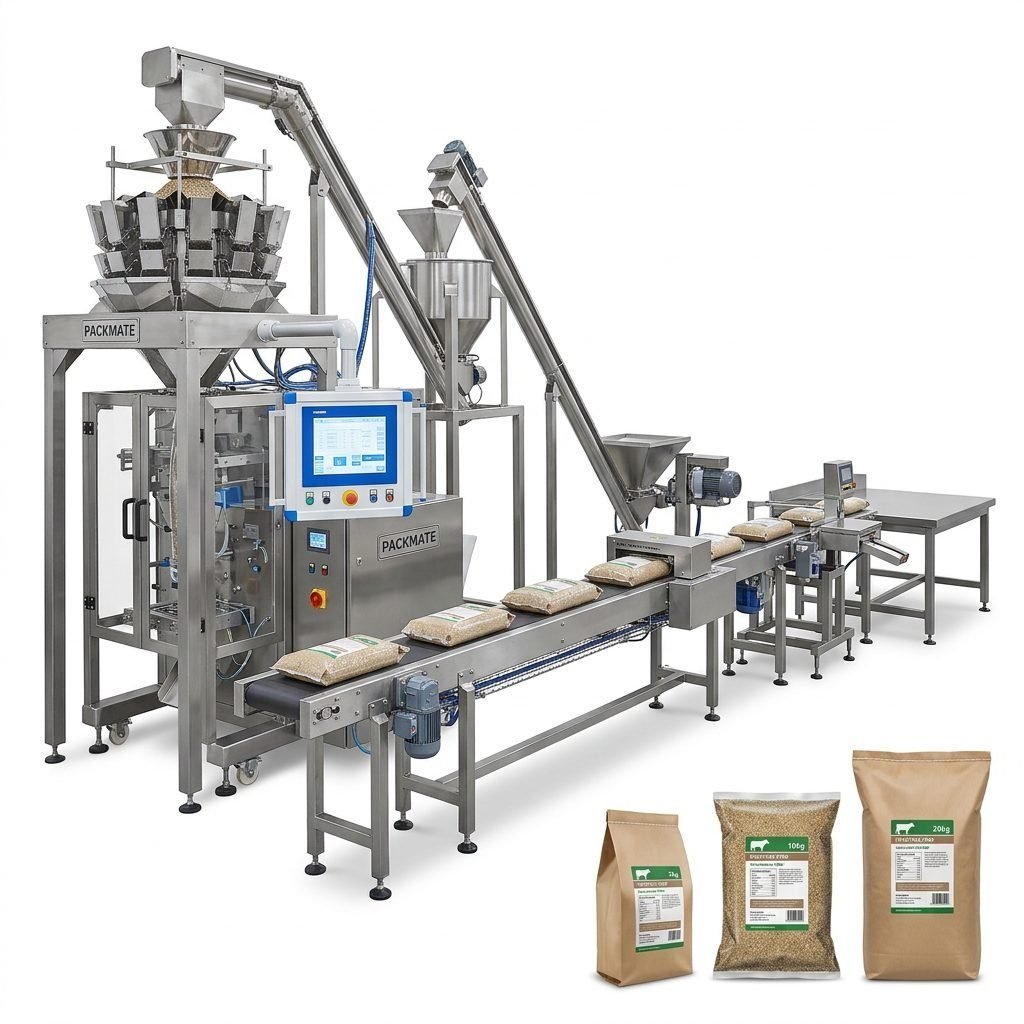
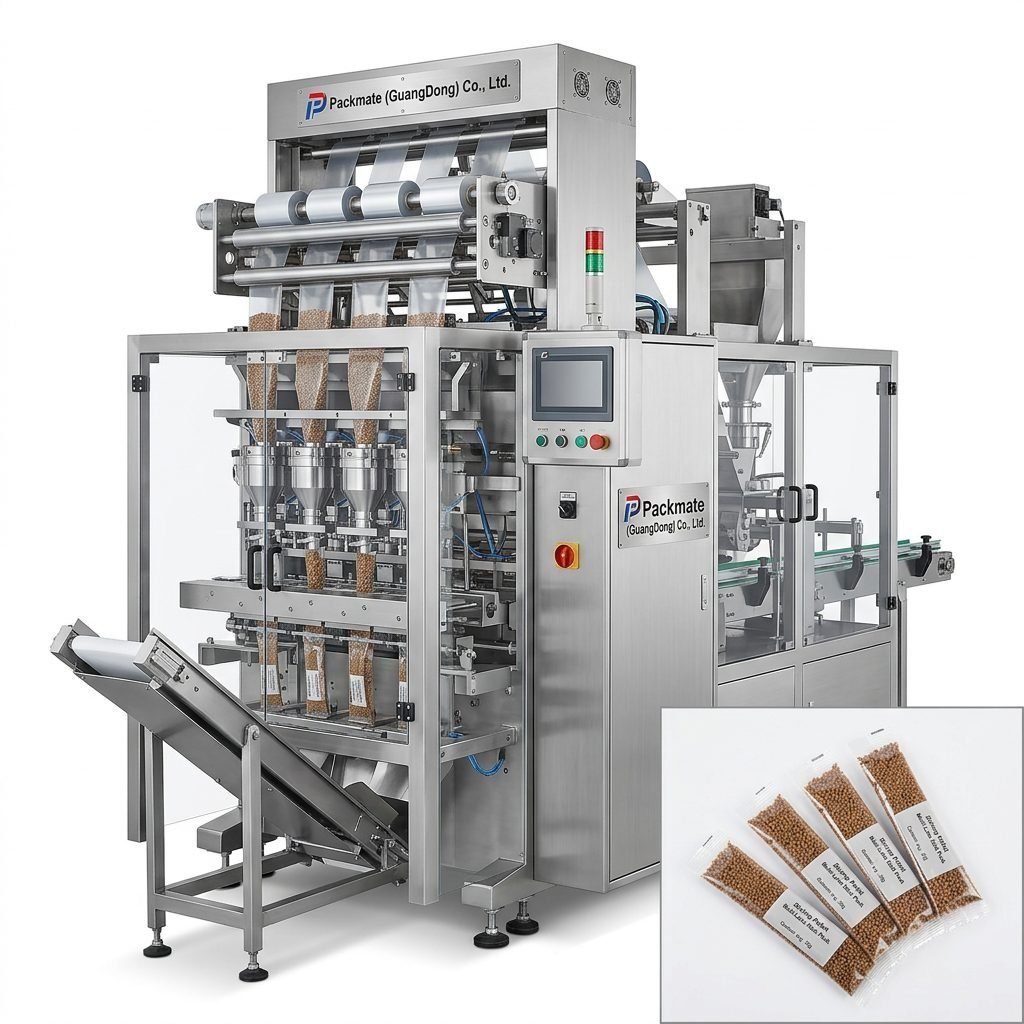
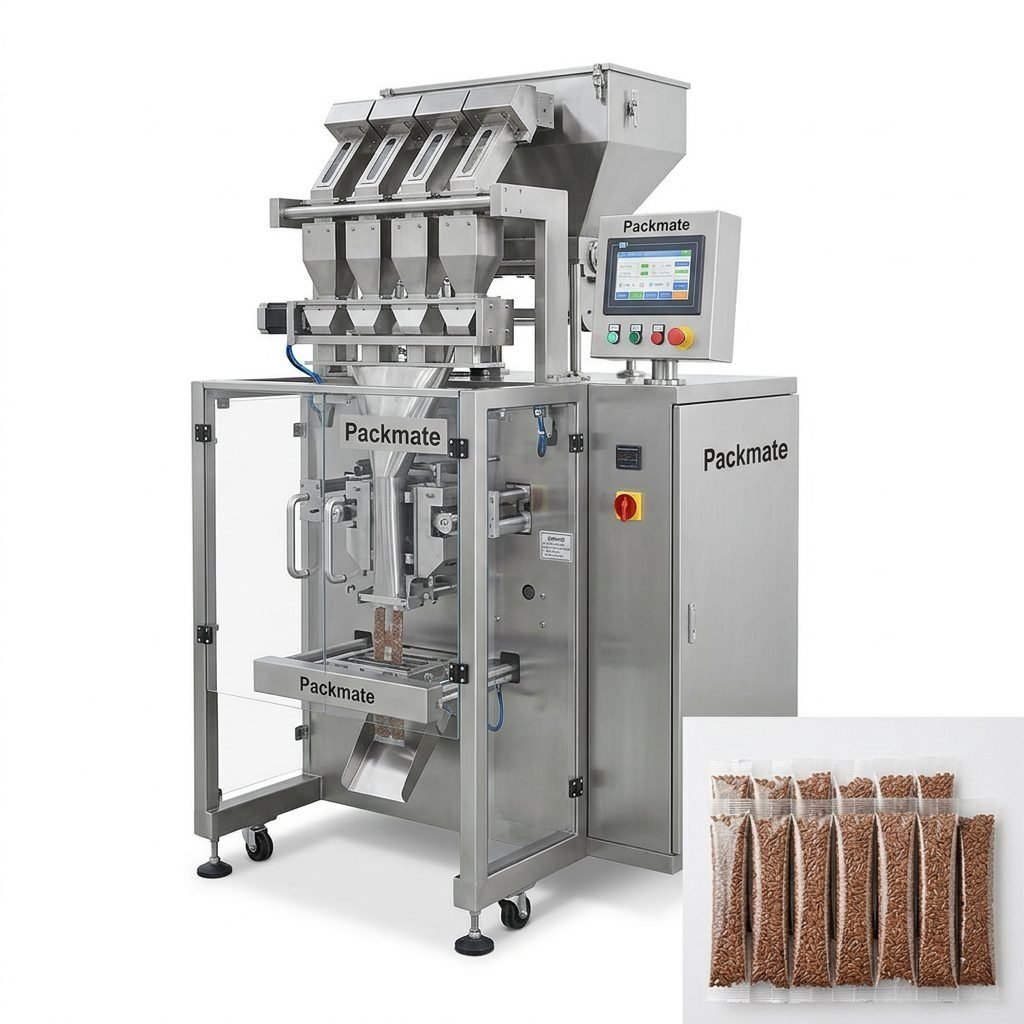
This category focuses on the act of loading products into the waiting containers. Case packers are designed to take multiple primary product units—such as bottles, cans, pouches, or bags—and neatly arrange and insert them into a larger shipping case or box. Tray packers perform a similar function but use trays, which may or may not have a lid. Machines can be vertical (dropping products into the case from above) or horizontal (pushing products in from the side). The complexity ranges from simple drop packers to sophisticated robotic pick-and-place systems that offer incredible flexibility for handling diverse product shapes and patterns.
Robotic Palletizing Systems
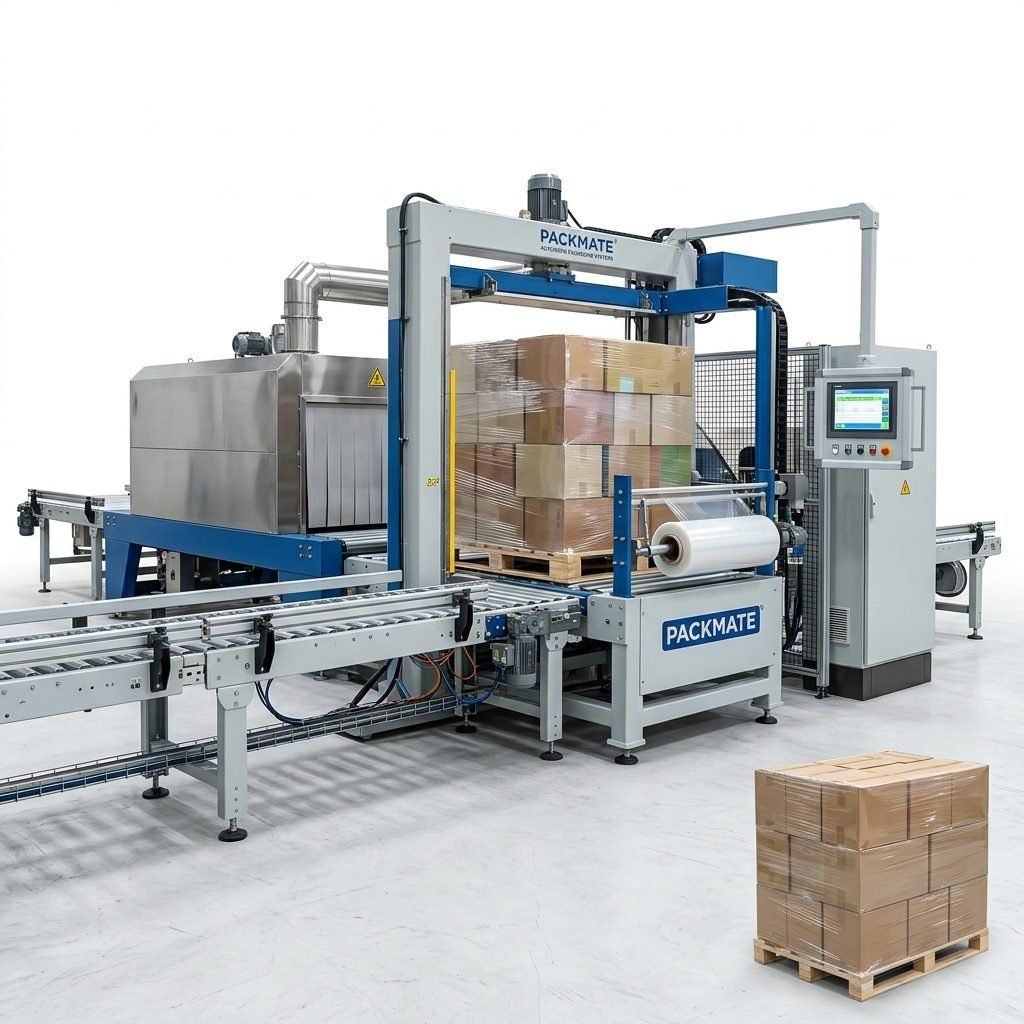
Once boxes are sealed and ready for shipment, they need to be stacked onto pallets. Robotic palletizers automate this physically demanding and repetitive task. Using advanced vision systems and programmable logic, robotic arms can pick up boxes and place them in precise, stable patterns on a pallet. This ensures maximum space utilization, load stability for safe transport, and consistent pallet builds. The shift from manual to robotic palletizing is a significant step in achieving a fully automated end-of-line packaging solution.
Specialized Machines: Bag-in-Box and Wrap-Around
Beyond standard corrugated boxes, specialized machines cater to unique packaging formats. Bag-in-box machines are crucial for liquid products like wine, syrup, or industrial fluids. They automatically place a sterile bag inside a corrugated box and then fill it with the liquid product. Wrap-around machines, on the other hand, form a box directly around a group of products, creating a snug, custom-fit package that uses less material than a pre-formed box. This is highly efficient for bundling items like beverage cans or cartons.
Key Applications Across Major Industries
The versatility of box packaging machines makes them indispensable across a broad spectrum of sectors. Each industry has unique requirements that drive the specifications for speed, hygiene, precision, and flexibility.
Food & Beverage: This is one of the largest application areas. Machines must handle high speeds, comply with strict hygiene standards (often requiring stainless steel construction and easy-clean designs), and manage a variety of products from cereal boxes to frozen food packages and beverage multipacks. Reliability is critical to prevent costly production line stoppages.
Pharmaceuticals and Healthcare: In this regulated environment, precision and traceability are non-negotiable. Packaging machines must ensure 100% accuracy in count and placement, often incorporating check-weighing and vision inspection systems. They must also be validated to meet Good Manufacturing Practice (GMP) standards. Serialization—printing unique codes on each package for tracking—is often integrated into the boxing process.
E-commerce and Logistics: The boom in online shopping has created a demand for machines that can produce a high mix of box sizes on demand. On-demand box erectors and right-sizing systems create a box tailored to the exact dimensions of the order’s contents, eliminating wasted void fill and reducing shipping costs. Speed and quick changeover between box sizes are key metrics here.
Consumer Goods and Electronics: From toys to smartphones, packaging here must be both protective and presentable. Machines need gentle handling to avoid damaging products and often include insert placement (for manuals or accessories) and final retail-ready boxing that looks impeccable on store shelves.
Your Comprehensive Buying Guide: What to Consider
Investing in a box packaging machine is a significant decision. A thorough evaluation based on your specific needs will lead to a successful purchase that delivers a strong return on investment.
1. Assess Your Product and Production Requirements
Start with the basics. What are you packaging? Define the size, weight, shape, and fragility of your product. What is your required output speed (boxes per minute/hour)? What are your current and projected future production volumes? Answering these questions will narrow down the machine type (e.g., case packer vs. tray packer) and the necessary level of automation. Consider visiting a manufacturer like Packmate Machinery to see machines in action and discuss your specific application.
2. Evaluate Machine Flexibility and Changeover
If you run multiple product lines or frequently change packaging formats, machine flexibility is crucial. Look for features like tool-less changeover, where operators can switch between different box sizes or product patterns quickly using simple mechanical adjustments and digital recipes stored in the machine’s Human-Machine Interface (HMI). This minimizes downtime and maximizes overall equipment effectiveness (OEE).
3. Prioritize Integration and Compatibility
Your new machine won’t operate in a vacuum. It must integrate seamlessly with your upstream equipment (like fillers and labelers) and downstream systems (like conveyors and palletizers). Ensure compatibility in terms of communication protocols (e.g., Ethernet/IP, Profinet), physical dimensions, and line speed. A trusted supplier can often provide a complete, integrated line, such as the filling and packaging lines offered by experienced manufacturers.
4. Scrutinize Build Quality and Supplier Support
The machine’s construction determines its longevity and reliability. Look for robust frames, high-quality drives and sensors, and food-grade or pharmaceutical-grade materials where applicable. Equally important is the supplier’s reputation. Do they offer comprehensive after-sales support, including installation, training, readily available spare parts, and responsive technical service? A company with a long history, like Packmate with over two decades of development, often brings proven reliability and support structures.
5. Analyze Total Cost of Ownership (TCO)
Look beyond the initial purchase price. Calculate the Total Cost of Ownership, which includes energy consumption, required maintenance, cost of consumables (like tape or adhesive), potential downtime costs, and expected lifespan. A slightly more expensive machine with higher efficiency, lower maintenance needs, and better reliability will almost always provide a better long-term value than a cheaper, less robust alternative.
FAQs: Common Questions About Box Packaging Machines
What is the typical payback period for an automatic box packaging machine?
The payback period varies greatly depending on the machine’s cost, the labor costs it replaces, and the increase in output efficiency. For many businesses replacing manual lines, payback can be achieved in 1 to 3 years through labor savings, reduced product damage, and higher throughput.
Can one machine handle multiple, very different box sizes?
Yes, many modern machines are designed for quick changeover. Look for models with “tool-less” or “quick-change” features, where adjustments are made via digital inputs and simple mechanical clamps rather than wrench-based changes, allowing switchovers in minutes.
How important is after-sales service when choosing a supplier?
Extremely important. Even the best machines require maintenance and occasional troubleshooting. A supplier with a strong global service network, like those with extensive project case studies worldwide, ensures you have access to technical support, genuine spare parts, and operator training, which is critical for minimizing downtime.
What certifications should I look for, especially in food or pharmaceutical packaging?
For food contact, machines should be constructed with materials compliant with FDA or EU regulations. For pharmaceuticals, evidence of GMP-compliant design and the ability to support validation protocols is key. Reputable manufacturers will have relevant certifications for their equipment.
Is retrofitting or upgrading an old packaging line feasible?
Often, yes. Instead of a full line replacement, you can integrate a new automatic case packer or palletizer into an existing line. A qualified supplier can audit your current setup and propose upgrade solutions that improve bottleneck areas, which can be a more cost-effective path to increased automation.