In the competitive world of food processing, pharmaceuticals, and consumer goods, product freshness and shelf life are paramount. The double chamber vacuum packaging machine stands as a critical piece of equipment for businesses aiming to achieve superior product preservation. This guide delves into everything you need to know about these machines, from their core functionality to essential buying considerations.
How a Double Chamber Vacuum Packaging Machine Works
The operation is elegantly efficient. Products are placed in bags inside one of the two chambers. The lid closes, and a pump evacuates the air, creating a vacuum. Once the desired vacuum level is reached, the machine seals the bag with a heated sealing bar. The key advantage of the double chamber design is productivity: while one chamber is in the vacuum and seal cycle, the operator can be loading the other chamber, ensuring a continuous workflow with minimal downtime.
Core Components and Their Functions
Understanding the main parts helps in evaluating machine quality:
Vacuum Pump: The heart of the system. Rotary vane pumps are common for their reliability and strong vacuum performance. Pump size directly impacts evacuation speed.
Sealing System: Typically consists of a nickel-chromium heating wire or strip within a silicone sealing bar. A good system ensures consistent, strong seals even on wrinkled bags.
Control Panel: Modern machines feature digital microprocessors for precise control over vacuum time, seal time, and cooling time, often with memory for different product settings.
Pro Tip: For oily or powdery products, look for machines with an additional “gas flush” option. This feature replaces the vacuumed air with an inert gas like nitrogen before sealing, further inhibiting bacterial growth and preventing product crushing.
Key Benefits for Your Business
Investing in a double chamber vacuum sealer delivers tangible returns:
Extended Shelf Life: By removing oxygen, the primary agent in oxidation and microbial growth, products like meats, cheeses, and prepared foods last 3-5 times longer.
Enhanced Product Presentation & Safety: Vacuum packaging shrinks the bag tightly around the product, improving appearance and creating a tamper-evident barrier that protects against contamination.
Reduced Food Waste & Inventory Management: Longer shelf life means less spoilage and more flexible production scheduling. It also allows for bulk purchasing and portion-controlled packaging.
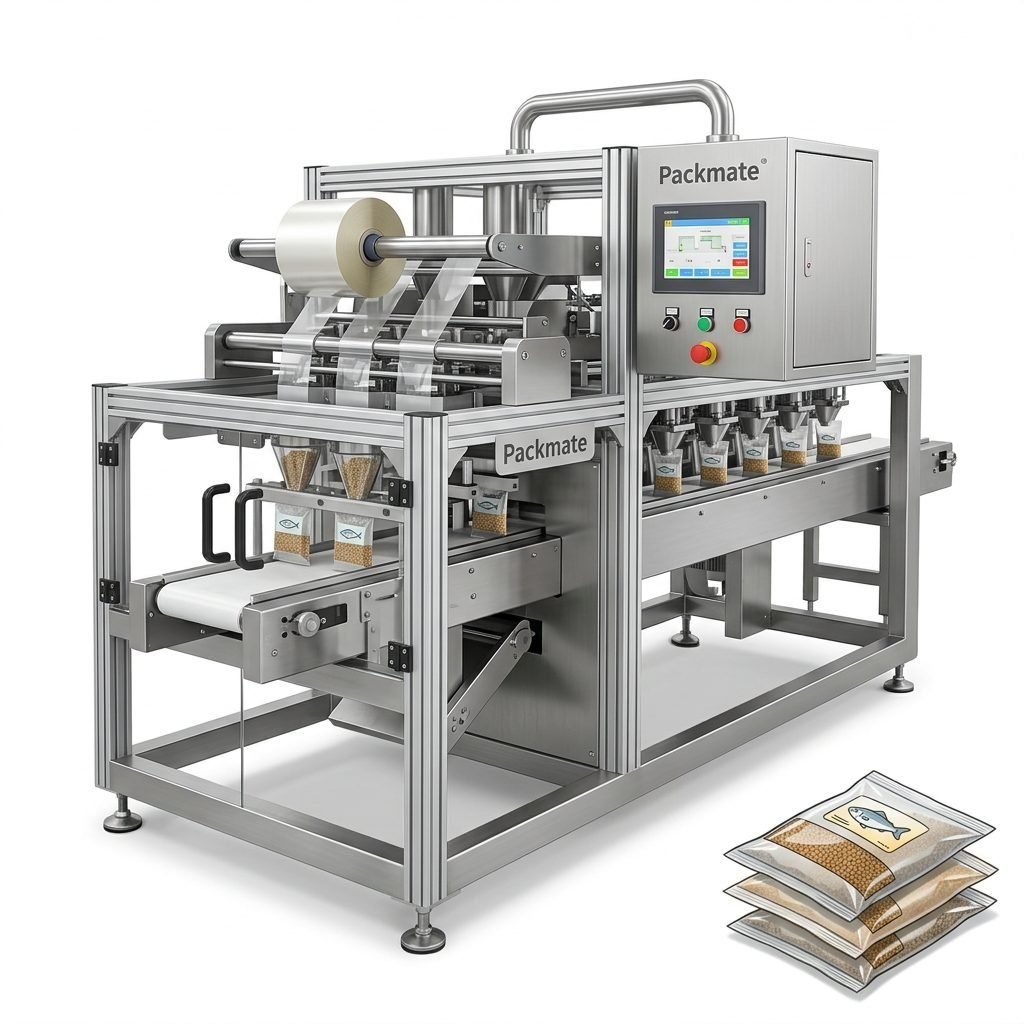
Space Efficiency: Vacuum-packed products take up less volume in storage and transportation, optimizing logistics costs. For businesses seeking comprehensive solutions, exploring integrated filling and packaging lines can streamline the entire process from product handling to final packaging.
Critical Buying Guide: What to Look For
Choosing the right machine requires careful evaluation of several factors to match your specific operational needs.
1. Chamber Size and Bag Dimensions
This is the most crucial specification. Measure the maximum dimensions (Length x Width x Depth) of the products you plan to package. The chamber must be larger than your product and the open bag. Ensure the sealing bar length is sufficient for your bag width.
2. Vacuum Pump Performance
Pump power, measured in cubic meters per hour (m³/h) or liters per minute (L/min), determines how quickly air is removed. A more powerful pump is essential for large chambers or dense loads. Ultimate vacuum level, measured in millibar (mbar) or inches of mercury (inHg), indicates how strong a vacuum it can pull; lower numbers are better.
3. Construction Quality and Durability
The machine’s frame should be made of robust stainless steel, especially for food and wet environments. Look for thick chamber lids with strong hinges and reliable lid-locking mechanisms. The quality of components directly impacts longevity and reliability, a principle that leading manufacturers like Packmate Machinery prioritize in their engineering.
4. Control System and Programmability
A user-friendly digital control panel with clear displays is a must. The ability to save multiple programs for different products saves significant time and reduces operator error. Advanced features might include a bar code reader for automatic setting recall or network connectivity for data logging.
5. Safety and Ease of Use
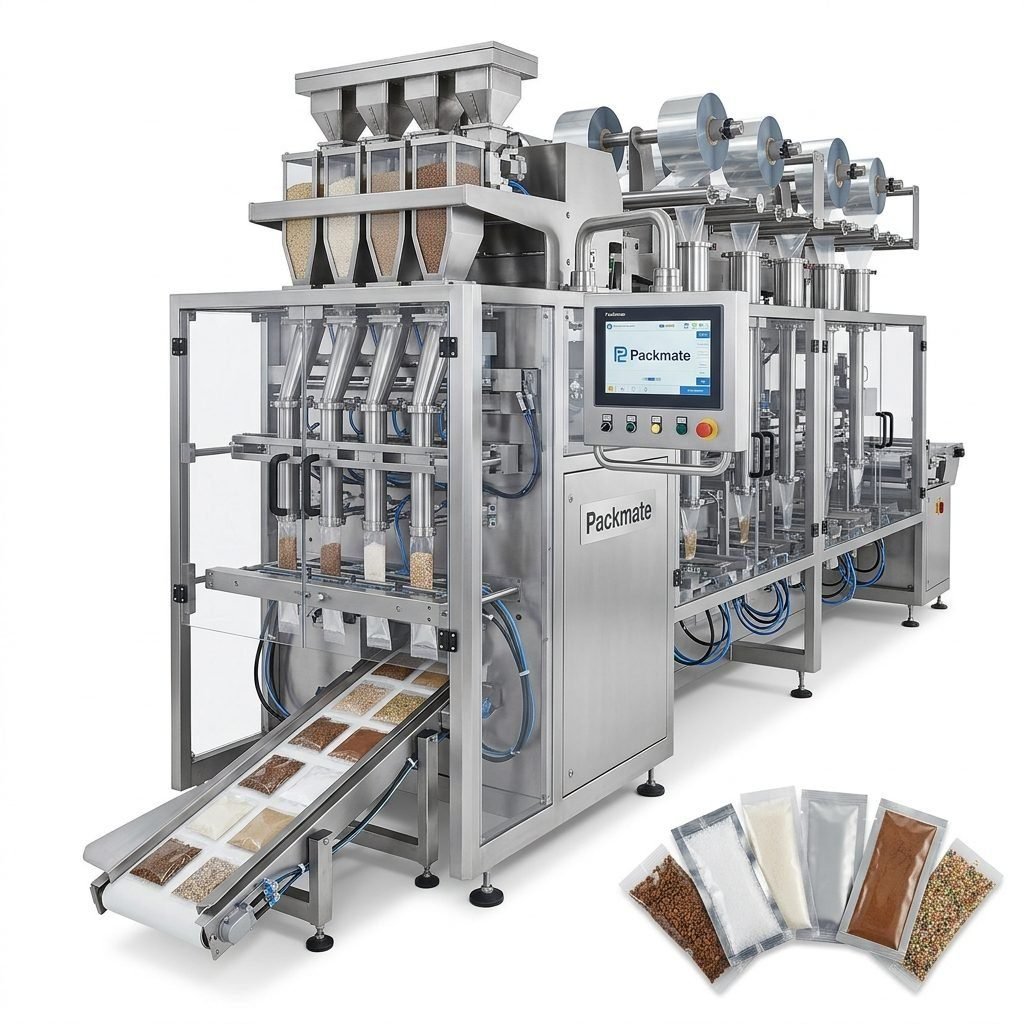
Essential safety features include thermal overload protection for the sealing bar and a safety interlock that prevents the lid from opening during a cycle. Ergonomic design, such as a comfortable working height and easy-to-clean surfaces, improves daily operation. For specialized applications, such as packaging granular products, a dedicated weighing and packaging system might be a more suitable upstream solution.
Applications Across Industries
The versatility of double chamber vacuum sealers makes them indispensable in various sectors:
Food Processing: Meats (fresh, cured, smoked), seafood, cheeses, prepared meals, coffee, nuts, and dried fruits.
Pharmaceutical & Medical: Sterilizing medical kits, packaging hygroscopic raw materials, and protecting sensitive components.
Electronics: Protecting components from moisture and corrosion during storage or shipping.
Chemical & Industrial: Packaging chemicals, reagents, and spare parts that are sensitive to air or moisture.
Maintenance and Operational Best Practices
Regular maintenance ensures peak performance and extends machine life:
Daily: Wipe down the chamber and sealing bar area to remove any debris or moisture. Check the silicone sealing gasket for damage.
Weekly/Monthly: Check and clean the air filter on the vacuum pump. Inspect the sealing bar for residue buildup and clean it with a non-abrasive pad.
Oil Change (for oil-lubricated pumps): Follow the manufacturer’s schedule, typically every 3-6 months of continuous use, using only the recommended vacuum pump oil.
Always use bags specifically designed for vacuum packaging. They are made from multi-layer laminated materials (like PA/PE) that provide the necessary barrier properties and heat-sealability. Using improper bags will lead to seal failures and poor vacuum retention.
Frequently Asked Questions (FAQ)
What is the main difference between a single and double chamber vacuum machine?
The primary difference is productivity. A single chamber machine requires the operator to wait for the entire vacuum and seal cycle to finish before loading the next batch. A double chamber machine allows loading and unloading to happen in one chamber while the other is operating, creating a near-continuous production flow and significantly higher output.
Can I use any plastic bag with a vacuum sealer?
No. You must use bags made from multi-layer vacuum packaging film (e.g., nylon/polyethylene laminate). These films are designed to be airtight, puncture-resistant, and capable of forming a strong heat seal. Standard plastic bags or zipper bags are not suitable and will not hold a vacuum.
How deep of a vacuum can these machines achieve?
Commercial-grade double chamber machines can typically achieve a vacuum level between 1 and 10 mbar (0.75 to 7.5 Torr), which removes over 99% of the air from the package. The exact level depends on the pump’s capability, the bag material, and the product’s characteristics.
What maintenance does the vacuum pump require?
The most critical maintenance is regular oil changes for oil-lubricated rotary vane pumps, as contaminated oil reduces performance. The air intake filter must also be kept clean. For oil-free pumps, maintenance mainly involves checking for wear on internal components as per the manufacturer’s guidelines. A reliable supplier will offer comprehensive service and support to ensure your equipment runs smoothly.
Are there machines that can handle liquid products?
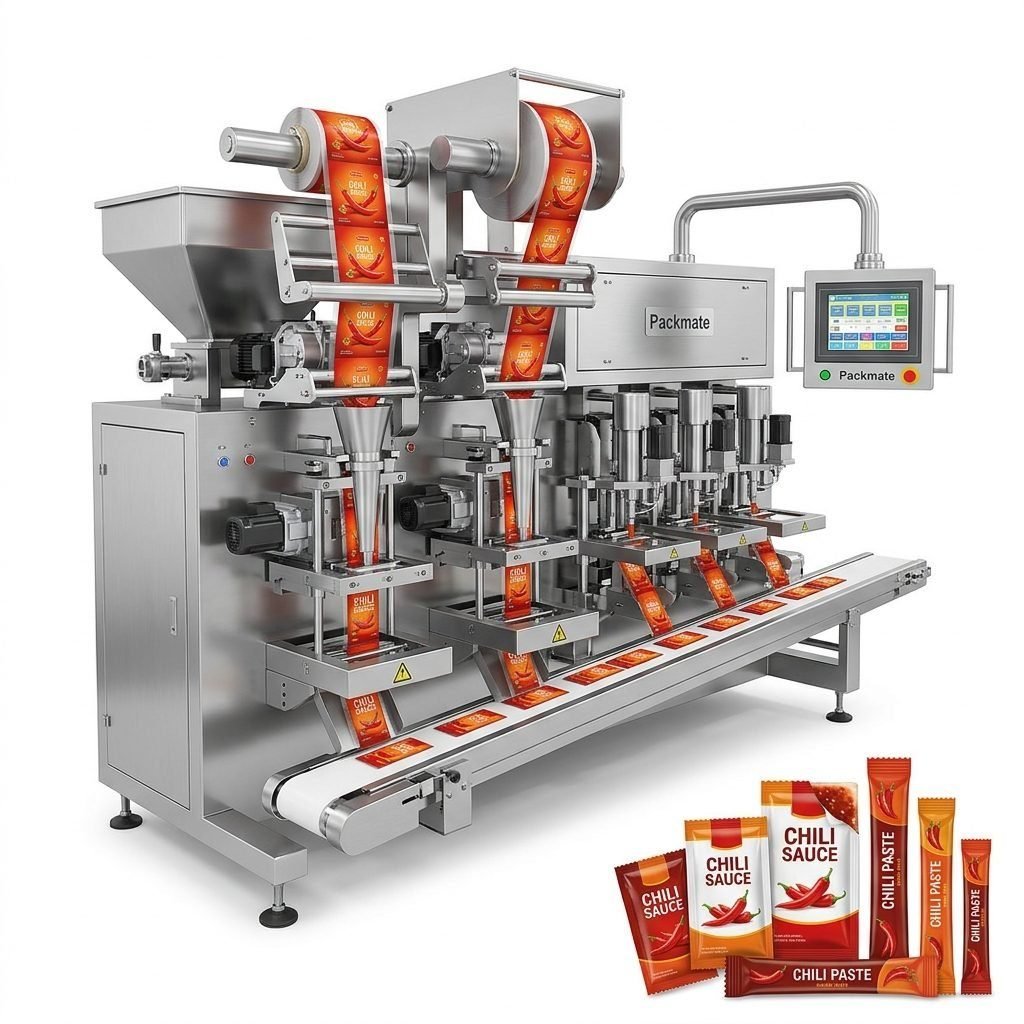
Yes, but standard vacuum chambers are not designed for liquids, which can be sucked into the pump. For liquid or semi-liquid products (like soups, sauces, or marinated meats), you need a machine with specific programming, often called “soft vacuum” or “pulse vacuum” settings, that gently removes air in stages to prevent liquid boil-over. Alternatively, consider a bag and pouch packaging machine with a nozzle filler designed for liquids.