In the fast-paced world of food production, frozen food packaging is a critical link in the supply chain that ensures product safety, extends shelf life, and maintains quality from the factory to the consumer’s freezer. The right packaging machine is not just a piece of equipment; it’s an investment in efficiency, brand integrity, and customer satisfaction. This guide delves into the various types of frozen food packaging machines, their specific applications, and provides a comprehensive buying guide to help you make an informed decision for your business.
Core Types of Frozen Food Packaging Machines
The market offers a diverse range of machinery tailored to different frozen products, from individual vegetables to ready-to-eat meals. Understanding the core types is the first step.
Vertical Form Fill Seal (VFFS) Machines
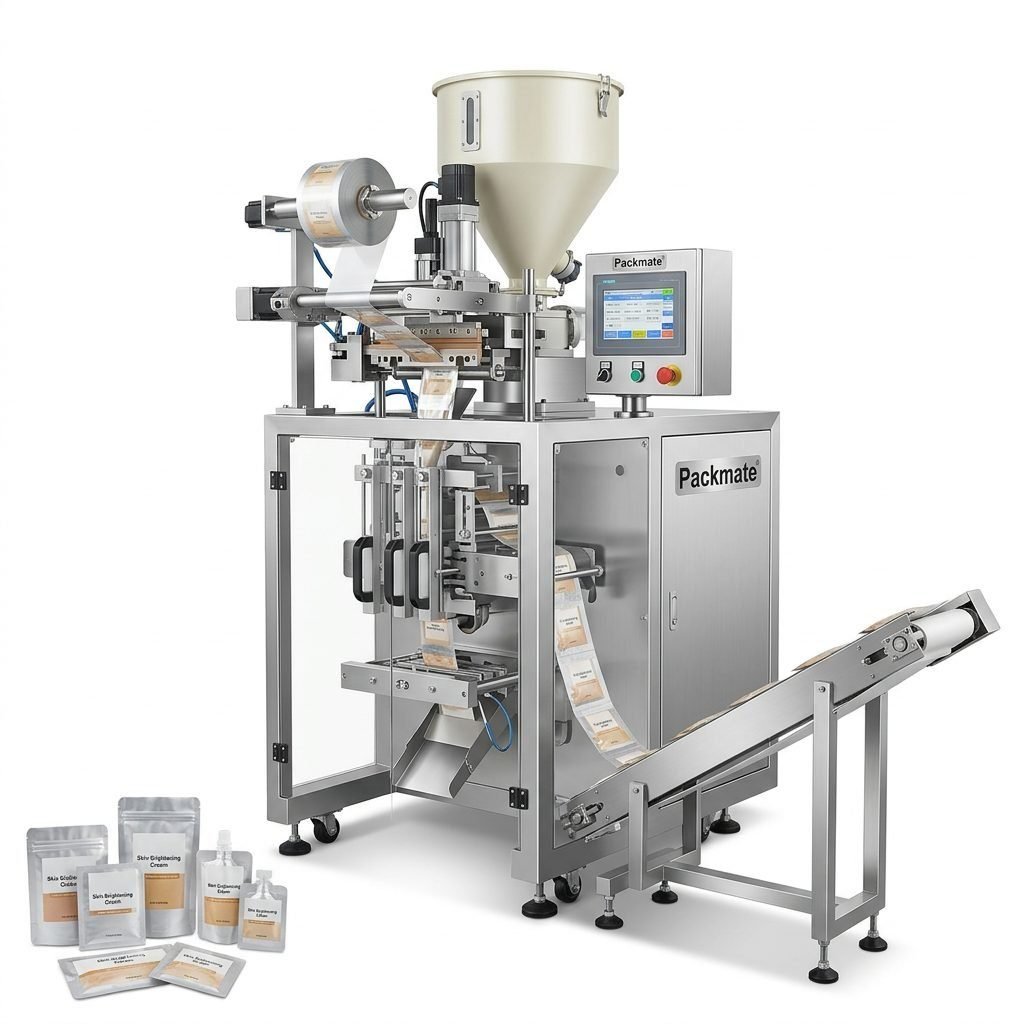
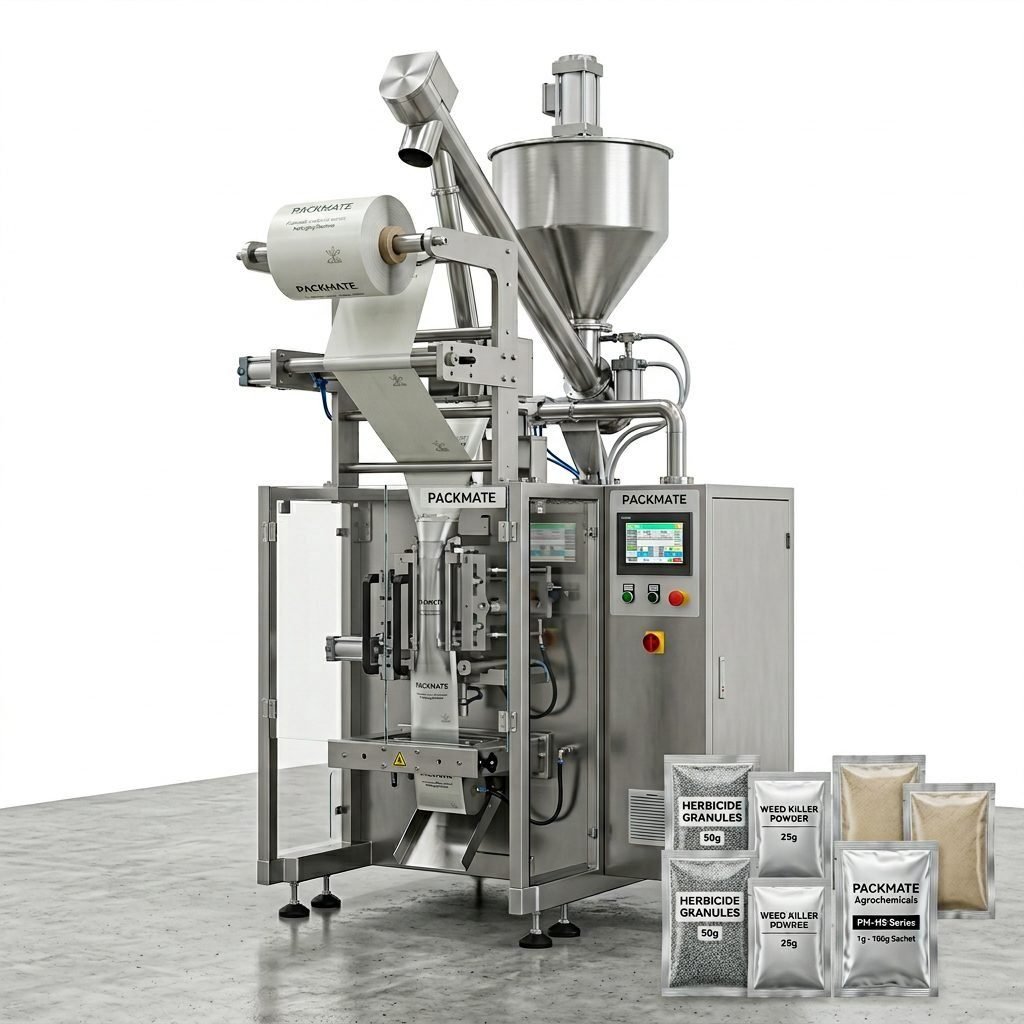
These are the workhorses of the industry, ideal for packaging free-flowing products like frozen peas, corn, or french fries. The machine forms a bag from a roll of film, fills it with the product, and seals it—all in one continuous vertical motion. They are renowned for their high speed and efficiency, making them perfect for high-volume operations.
Horizontal Form Fill Seal (HFFS) Machines
When packaging needs to be more rigid or structured, HFFS machines come into play. They are excellent for creating trays or cartons for frozen meals, pizzas, or fish fillets. The machine forms the package horizontally, places the product inside, and then applies a lidding film. This method offers superior product presentation and can handle more delicate items.
Thermoforming Machines
For premium frozen products requiring an exceptional barrier and a vacuum-sealed appearance, thermoforming machines are the top choice. They heat a plastic sheet and form it into precise cavities. The product is loaded, a top film is applied, and the package is hermetically sealed. This is common for high-value seafood, meats, and gourmet ready meals, providing excellent protection against freezer burn.
Cartoning and Case Packing Systems
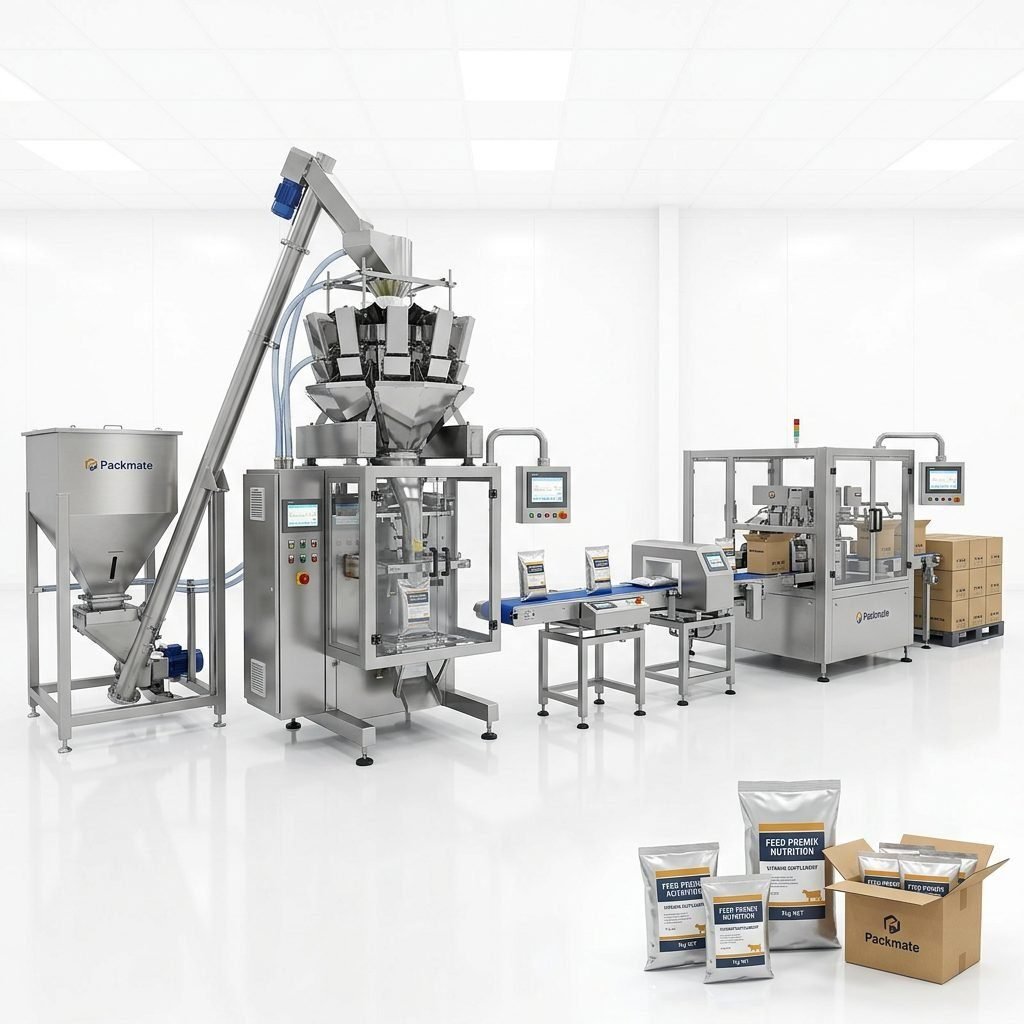
After primary packaging, secondary packaging is essential. Automatic cartoners erect, load, and seal cartons around individual frozen food packages. Case packers then take these cartons and efficiently place them into shipping cases. Integrating these with your primary filling & packaging lines creates a seamless, end-to-end automation solution.
Key Applications and Product Suitability
Matching the machine to the product is crucial. Here’s how different machines serve various segments of the frozen food market.
Frozen Fruits & Vegetables
Typically packaged using VFFS machines with multi-head weighers for accuracy. The packaging must be durable to withstand the hard, frozen product and prevent punctures.
Frozen Ready Meals & Entrees
This category heavily relies on HFFS and thermoforming machines. They allow for compartmentalized trays, clear viewing windows, and easy-to-open features that are critical for consumer convenience.
Frozen Seafood & Meat
Often requires vacuum skin packaging (VSP) or modified atmosphere packaging (MAP), frequently achieved with advanced thermoformers. This removes air to drastically reduce oxidation and freezer burn, preserving taste and texture.
Essential Buying Guide: What to Consider
Investing in a frozen food packaging machine is a significant decision. Here are the critical factors to evaluate.
1. Production Speed and Output Requirements
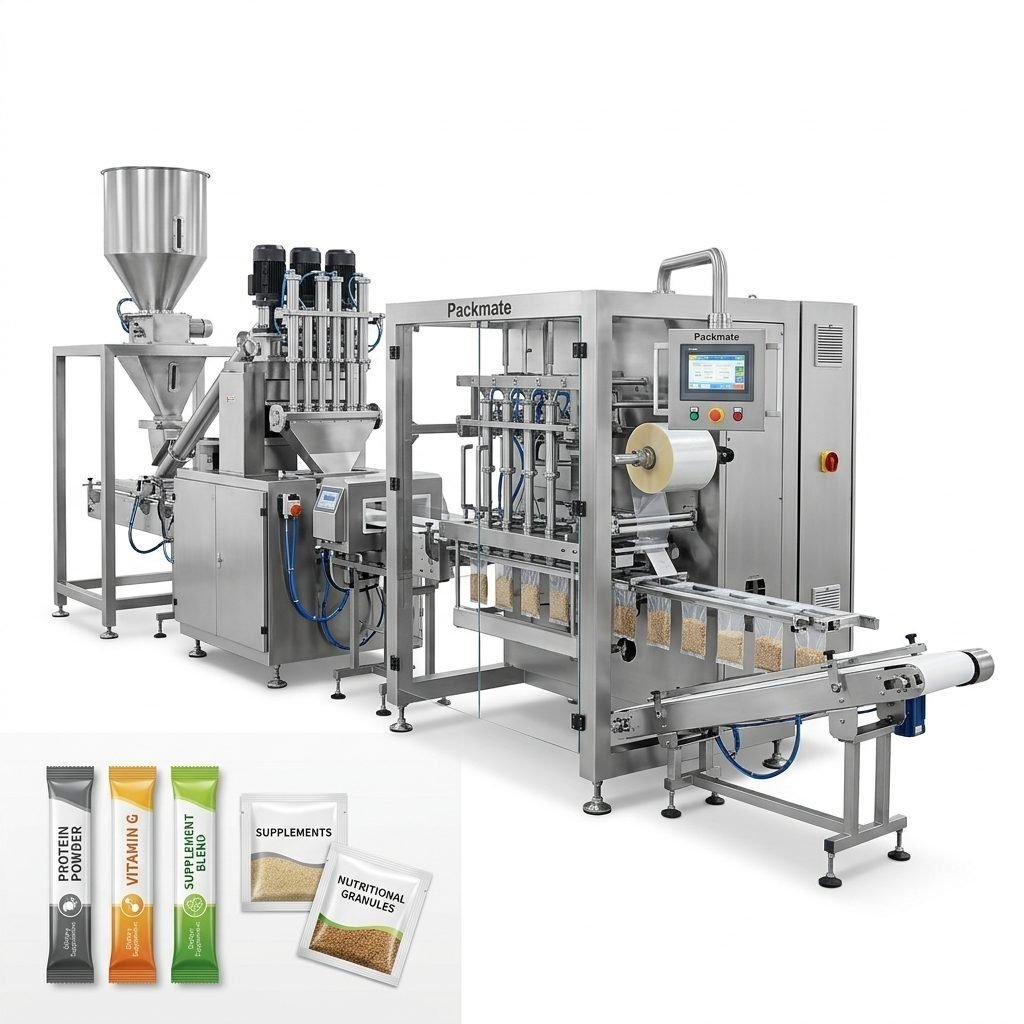
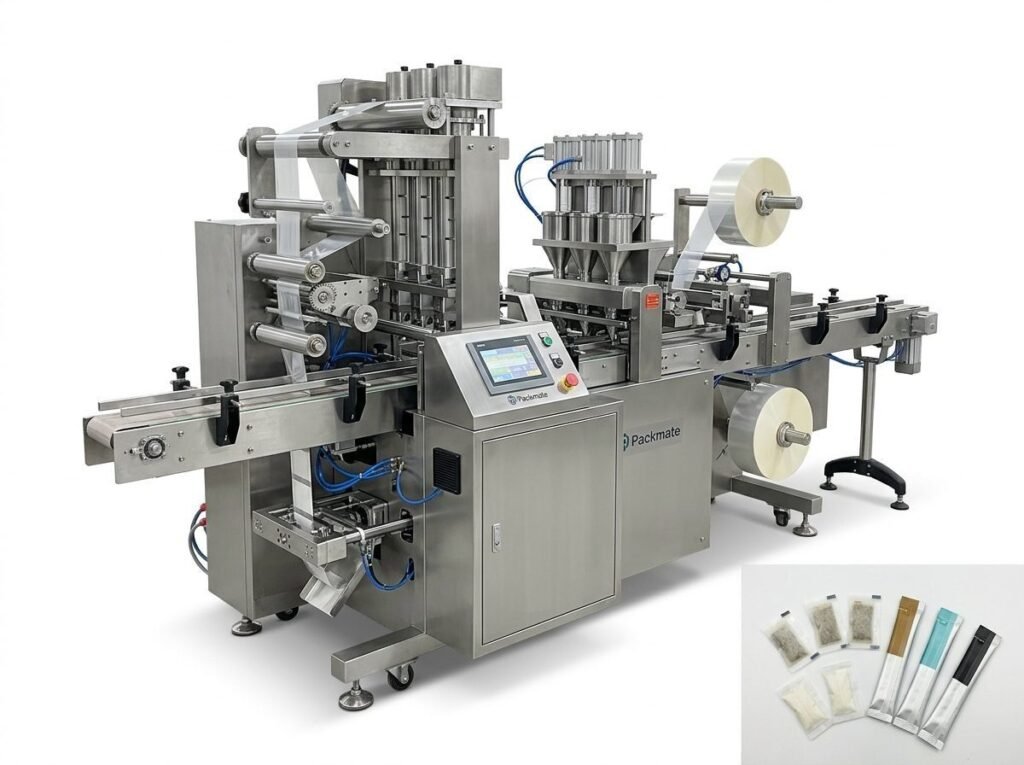
Calculate your current and projected future output. Machine speeds are measured in packages per minute (PPM). A multi-lane stick pack machine for small portions will have a different speed metric than a large bag packer. Always plan for growth to avoid bottlenecking your line.
2. Packaging Material Compatibility
The machine must be compatible with the films or laminates you plan to use. Frozen food packaging often requires multi-layer films with excellent moisture and oxygen barriers (like PET/PE or NY/PE). Ensure the machine’s sealing jaws, temperature controls, and film handling systems are designed for these materials.
3. Hygiene and Sanitation Design
Frozen food plants have stringent hygiene standards. Look for machines with stainless steel construction, smooth surfaces without crevices, and easy access for cleaning and maintenance (CIP/SIP capabilities where possible).
4. Automation and Integration Level
Consider how the machine will fit into your existing line. Does it need to integrate with checkweighers, metal detectors, or weighing & packaging systems? Modern machines with PLC controls and Industry 4.0 connectivity offer better data tracking and smoother integration.
5. Supplier Reliability and Support
This is perhaps the most important non-technical factor. Choose a manufacturer with a proven track record in the food industry. Evaluate their after-sales service, availability of spare parts, and technical support. A company like Packmate Machinery, with decades of experience and a global service network, provides peace of mind that your production line will have minimal downtime.
Trends Shaping the Future
The frozen food packaging machinery sector is evolving rapidly. Sustainability is a major driver, with a push towards machines that can handle recyclable or compostable mono-material films. Smart packaging with QR codes for traceability is also on the rise, requiring machines capable of precision printing and coding. Furthermore, flexibility is key; manufacturers demand machines that can quickly switch between package sizes and formats to accommodate shorter production runs and more product variety.
Frequently Asked Questions (FAQs)
What is the most cost-effective packaging machine for frozen vegetables?
For bulk frozen vegetables like peas or diced carrots, a Vertical Form Fill Seal (VFFS) machine paired with an automatic weigher is typically the most cost-effective solution due to its high speed and relatively lower initial investment compared to thermoformers.
Can one machine handle both frozen and ambient temperature products?
Some machines are designed with this flexibility in mind, but it requires careful configuration. You would need adjustable sealing parameters for different film types and potentially different product handling systems. It’s best to discuss this specific need with your machine supplier during the planning stage.
How important is Modified Atmosphere Packaging (MAP) for frozen foods?
While freezing itself preserves food, MAP is crucial for high-value products like seafood, premium meats, and certain prepared foods. By replacing oxygen with nitrogen or carbon dioxide, MAP prevents oxidation (freezer burn) and flavor degradation during long-term storage, significantly enhancing quality and shelf life.
What maintenance is required for frozen food packaging machines?
Regular maintenance is vital. Daily cleaning to remove food particles and moisture, weekly checks of sealing jaws and cutters for wear, and periodic lubrication as per the manufacturer’s manual are essential. A robust preventative maintenance schedule from your supplier can prevent unexpected breakdowns.
Where can I see these machines in operation or get a custom quote?
Reputable manufacturers often have showrooms or client case studies. You can visit the case study section of a supplier’s website or contact them directly to discuss your project requirements, arrange a live demonstration, or request a tailored quotation based on your specific production needs.