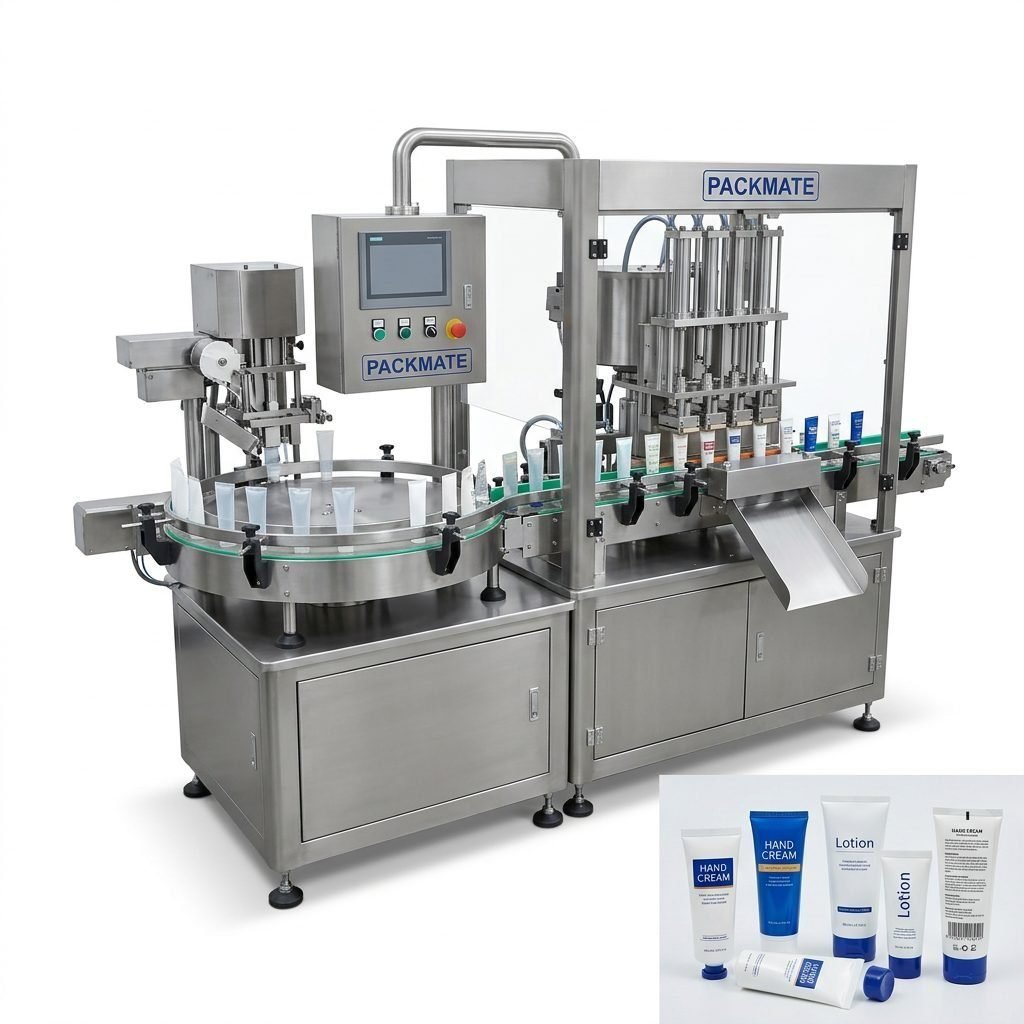
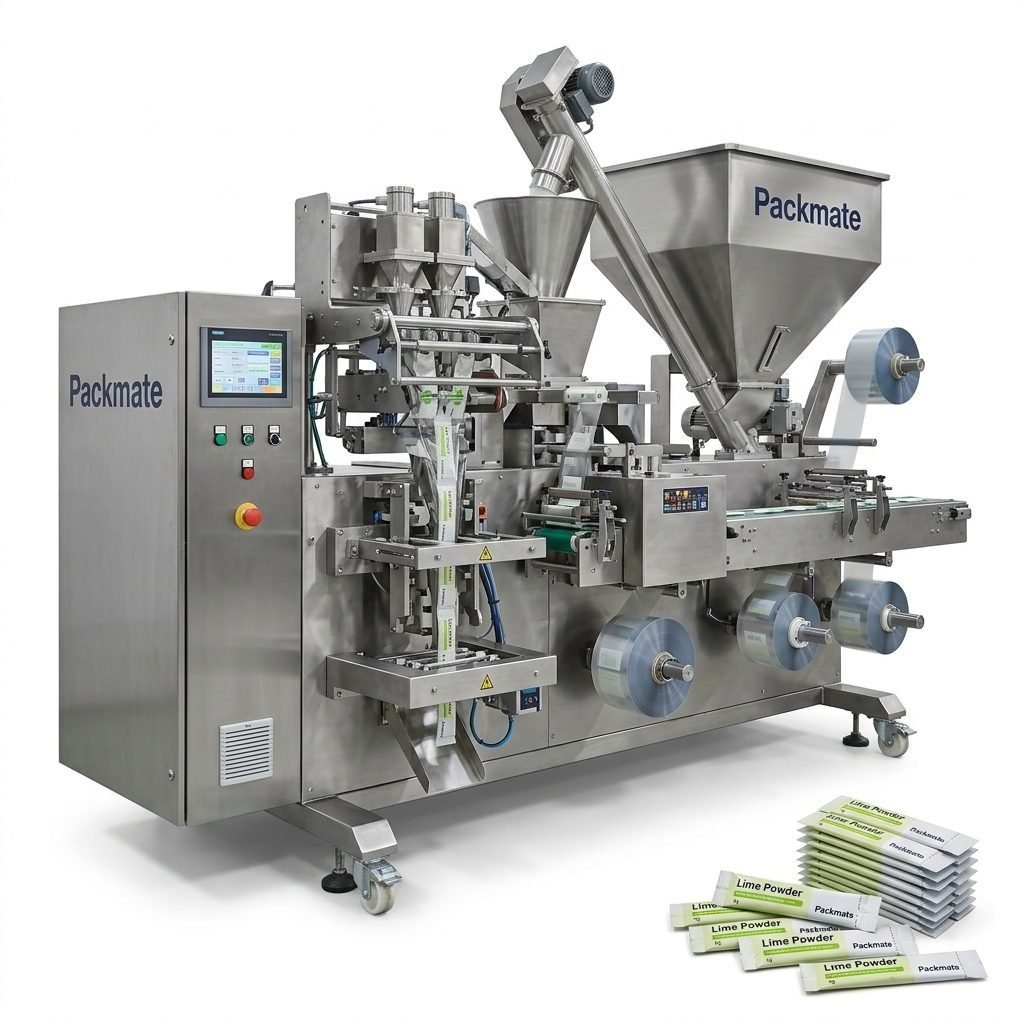
In today’s competitive market, efficient and reliable packaging is crucial for product protection, brand presentation, and operational success. Shrink packaging equipment plays a pivotal role in this process, offering businesses a versatile solution for bundling, securing, and enhancing the visual appeal of their products. Whether you’re packaging food items, pharmaceuticals, consumer goods, or industrial components, selecting the right shrink packaging solution can significantly impact your bottom line by reducing material waste, increasing throughput, and ensuring consistent quality.
Understanding Shrink Packaging Technology
Shrink packaging involves wrapping a product or group of products with a plastic film that, when heat is applied, contracts tightly to conform to the shape of the contents. This process creates a secure, tamper-evident, and visually clean package. The core equipment for this operation typically includes a sealer to create a loose pouch or sleeve around the product and a heat tunnel or chamber where the film shrinks. Modern systems are highly automated, integrating conveyors, temperature controls, and sometimes even labeling stations to create a seamless production line.
The choice of film—such as Polyolefin (POF), Polyvinyl Chloride (PVC), or Polyethylene (PE)—is equally important and depends on the product’s requirements for clarity, strength, shrinkage rate, and environmental considerations. A reliable equipment supplier will guide you in selecting both the right machine and the compatible film for optimal results.
Key Benefits for Your Business Operations
Investing in a robust shrink packaging system delivers tangible advantages. First, it enhances product protection from dust, moisture, and handling damage during storage and transit. Second, it improves operational efficiency by automating a manual process, allowing your staff to focus on higher-value tasks. Third, it provides excellent branding opportunities; a tight, professional-looking package improves shelf appeal and consumer perception. Finally, it can lead to material savings compared to other packaging forms, as the film uses minimal material to create a secure seal.
Selecting the Right Equipment: A Strategic Guide
Choosing the perfect shrink packaging solution requires a careful analysis of your specific needs. Here are the critical factors to consider:
1. Product Specifications and Volume
What are the dimensions and shapes of your products? Do you need to bundle multiple items together? Your answer determines the required tunnel size and conveyor width. More importantly, assess your production volume. For lower to medium output, a basic L-sealer with a heat tunnel might suffice. For high-speed, continuous production, an automated sleeve wrapper or a fully integrated packaging line is essential.
2. Level of Automation
Equipment ranges from manual systems, where an operator places the product in a pre-made bag, to fully automatic systems that integrate product feeding, film wrapping, sealing, and shrinking with minimal human intervention. The decision hinges on your labor costs, desired output speed, and consistency requirements.
Pro Tip: When planning for future growth, consider equipment with scalability. A modular system that allows you to add automation components later can be a more cost-effective long-term investment than replacing an entire unit.
3. Integration with Existing Lines
Your new shrink wrapper shouldn’t be an island. It needs to communicate and synchronize with your upstream and downstream equipment, such as fillers, cartoners, or case packers. Ensure the equipment supplier understands your complete workflow and can provide a compatible solution or necessary auxiliary equipment for smooth integration.
Why Partner with an Experienced Manufacturer?
The quality and reliability of your shrink packaging equipment are paramount. Downtime equals lost revenue. Partnering with a seasoned manufacturer like Packmate Machinery offers distinct benefits. With over 30 years of expertise in designing intelligent packaging solutions, such manufacturers bring deep technical knowledge to the table. They don’t just sell machines; they provide turnkey solutions tailored to your product—be it granules, powders, or liquids.
An established manufacturer will have a proven track record, a modern facility for quality control (like Packmate’s 20,000㎡ factory), and a comprehensive portfolio. They can offer everything from a standard sachet machine to a complex, custom-engineered shrink packaging system. Their ongoing support, from installation and training to maintenance and spare parts, ensures your investment continues to perform for years to come.
Future-Proofing Your Packaging Investment
The packaging industry is evolving with trends toward sustainability, smart packaging, and greater flexibility. When selecting equipment, consider its adaptability. Can it run with newer, recyclable or bio-based shrink films? Does it have the control system sophistication to connect with factory IoT networks for predictive maintenance and data analytics? Choosing a forward-thinking partner ensures your equipment remains an asset, not a liability, as market demands shift.
Ultimately, the top shrink packaging solution is one that aligns perfectly with your current operational needs while offering the durability and adaptability to grow with your business. It’s an investment in efficiency, product integrity, and brand value.
Frequently Asked Questions (FAQ)
What types of products are best suited for shrink packaging?
Shrink packaging is incredibly versatile. It is ideal for bundling multi-packs (bottles, cans), securing irregularly shaped items, creating tamper-evident seals on software boxes or pharmaceuticals, and providing a protective overwrap for food trays, books, and consumer goods. It works well with both rigid and soft products.
How do I choose between a heat gun, a heat tunnel, and a shrink chamber?
A heat gun is for very low-volume, manual operations. A heat tunnel is the most common choice for production lines; products on a conveyor pass through it for consistent, all-around shrinking. A shrink chamber (or oven) is used for larger, palletized loads or products that need to be stationary during the shrinking process.
What is the typical maintenance required for a shrink wrapper?
Regular maintenance includes cleaning the sealing wire and heat elements, checking and adjusting the conveyor belt tension, lubricating moving parts as per the manual, and ensuring air filters (if equipped) are clean. A preventive maintenance schedule from your supplier is crucial to avoid unexpected breakdowns.
Can shrink packaging equipment handle different film types?
Most quality machines can handle multiple film types, but adjustments are necessary. The key variables are heat temperature and conveyor speed. Switching from a thick PVC film to a thin POF film, for example, requires lowering the temperature and potentially increasing the speed. Your equipment manual and supplier should provide specific guidelines.
Where can I see examples of successful shrink packaging applications?
Reputable manufacturers often showcase their work through case studies. You can explore real-world applications and solutions on their website, such as in the case study section, to see how similar businesses have implemented and benefited from their equipment.