In today’s fast-paced production environments, selecting the best packaging equipment is not merely a purchase; it’s a strategic investment in operational efficiency, product integrity, and long-term profitability. The right machinery can dramatically streamline workflows, reduce waste, and ensure consistent, high-quality output. For businesses in sectors like food, pharmaceuticals, and health products, where precision and hygiene are non-negotiable, this choice becomes even more critical. This guide explores the key considerations and leading solutions for achieving truly efficient packaging operations.
The Core Pillars of Efficient Packaging Operations
Efficiency in packaging transcends simple speed. It’s a multifaceted concept built on several interdependent pillars that together define a world-class production line.
Speed and Throughput: The Engine of Output
At its most basic, efficiency is measured in units per minute. High-speed machines, such as advanced multi-lane stick pack and sachet packaging lines, are designed to maximize output. However, true speed is sustainable speed—maintaining peak performance over long production runs without sacrificing accuracy or causing excessive downtime for maintenance.
Accuracy and Precision: Eliminating Costly Giveaway
Precision in filling, sealing, and counting directly impacts the bottom line. Overfilling leads to product giveaway, while underfilling can result in regulatory non-compliance and customer dissatisfaction. Modern weighing and packaging systems utilize sophisticated load cells and feedback mechanisms to ensure each pouch, stick pack, or bag meets exact weight specifications, minimizing waste and protecting profit margins.
Flexibility and Changeover Time: Adapting to Market Demands
The ability to quickly switch between different product formats, sizes, or materials is a hallmark of an efficient operation. Equipment designed with tool-less changeovers or quick-release mechanisms can reduce switchover time from hours to minutes. This flexibility allows producers to respond swiftly to custom orders, seasonal products, or new market trends without crippling downtime.
Reliability and Uptime: The Foundation of Consistent Flow
The most efficient machine is one that runs consistently. Reliability is built on robust engineering, high-quality components, and intelligent design that minimizes wear and tear. Choosing equipment from manufacturers with a proven track record, like Packmate Machinery with over 30 years of expertise, ensures your line keeps moving, meeting deadlines and delivery schedules without unexpected interruptions.
Integration and Automation: The Smart Factory Backbone
Isolated machines create bottlenecks. True efficiency is achieved when equipment is integrated into a seamless filling and packaging line. This includes upstream integration with product feeders and downstream integration with cartoning, case packing, and palletizing systems. Automation, guided by PLCs and HMI interfaces, reduces manual handling, lowers labor costs, and enhances overall line control and data collection.
Key Takeaway:
Do not evaluate equipment on a single metric. The best production packaging equipment delivers an optimal balance of speed, accuracy, flexibility, and rock-solid reliability, all while being capable of integrating into a broader automated system.
Evaluating Your Packaging Equipment Needs
Before exploring specific machine types, a thorough internal assessment is essential. This foundational step ensures your investment aligns perfectly with your operational goals.
Product Characteristics: Is your product a granule, a fine powder, a viscous paste, or a liquid? Each type demands specific filling technology—auger fillers for powders, piston fillers for liquids, volumetric cups for granules. The product’s flowability, abrasiveness, and sensitivity (e.g., to oxygen or moisture) will dictate material handling and sealing requirements.
Output Requirements: Project your current and future production volumes. A machine that is underpowered will become a bottleneck, while an oversized one represents an unnecessary capital outlay and may operate inefficiently at lower speeds. Consider peak seasons and potential business growth over the next 5-7 years.
Packaging Format: The end package dictates the machine category. Are you producing small single-serve sachets for condiments, sleek stick packs for supplements, stand-up pouches for snacks, or larger bags for bulk ingredients? Each format, from bags and pouches to specialized formats, requires dedicated forming, filling, and sealing mechanisms.
Budget and ROI: Consider the total cost of ownership, not just the purchase price. Factor in energy consumption, maintenance costs, required operator skill level, and expected lifespan. The most efficient equipment often justifies a higher initial investment through faster payback periods derived from reduced waste, lower labor costs, and higher output.
Spotlight on High-Efficiency Packaging Solutions
Based on the core pillars of efficiency, let’s examine some of the most impactful types of packaging equipment driving modern operations.
Vertical Form-Fill-Seal (VFFS) Machines
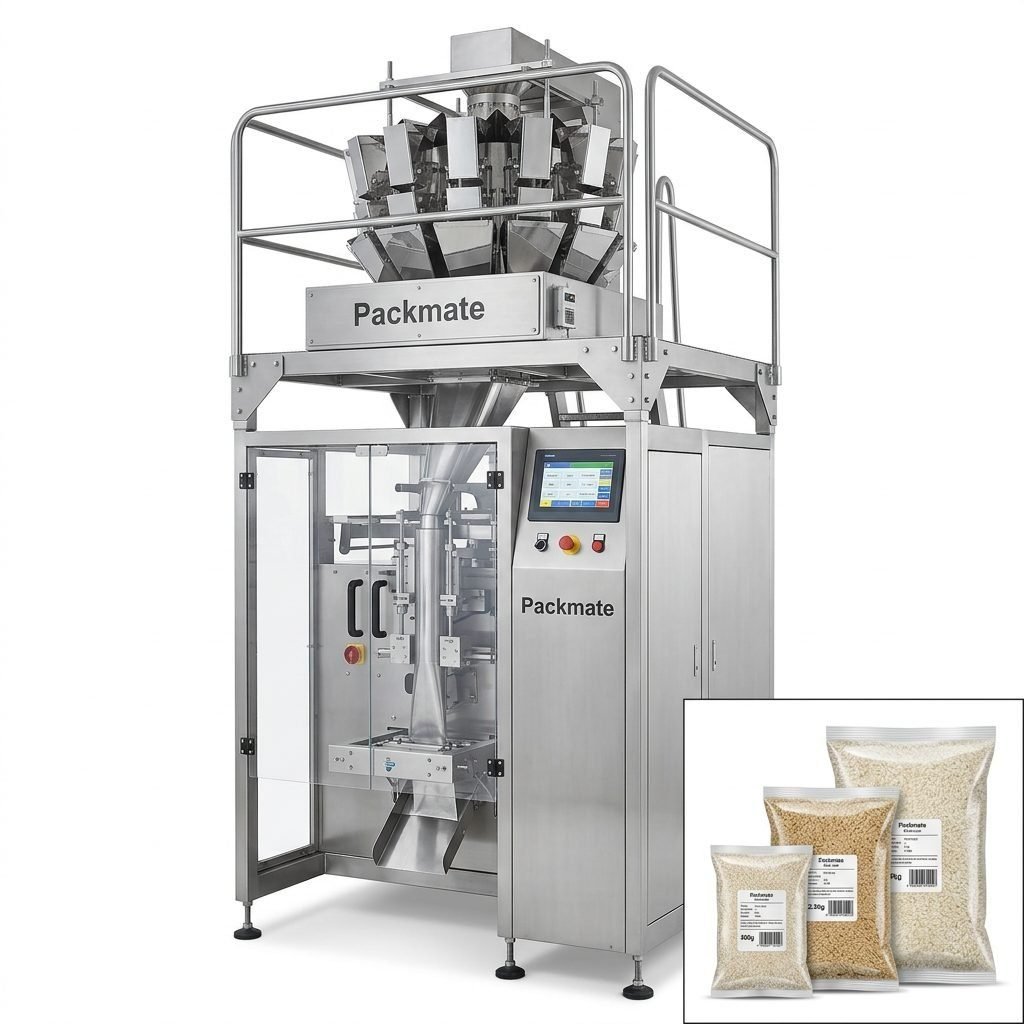
The workhorse of flexible packaging. VFFS machines form a bag from a roll of film, fill it with product, and seal it—all in one continuous, vertical motion. Their efficiency lies in high speed, minimal floor space requirements, and versatility in bag styles (pillow, gusseted, stand-up). Modern VFFS systems feature advanced servo drives for precise film control and integrated checkweighers for real-time weight feedback.
Multi-Lane Stick Pack & Sachet Machines
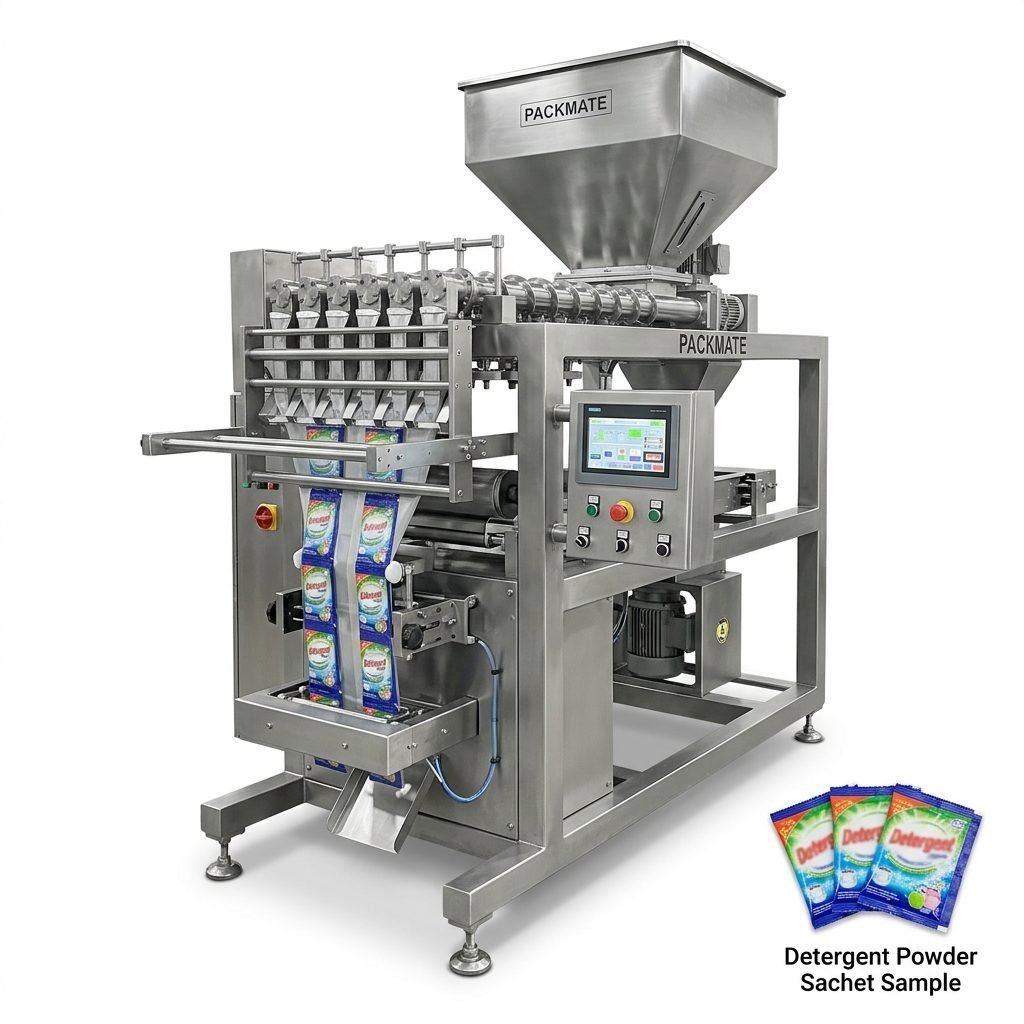
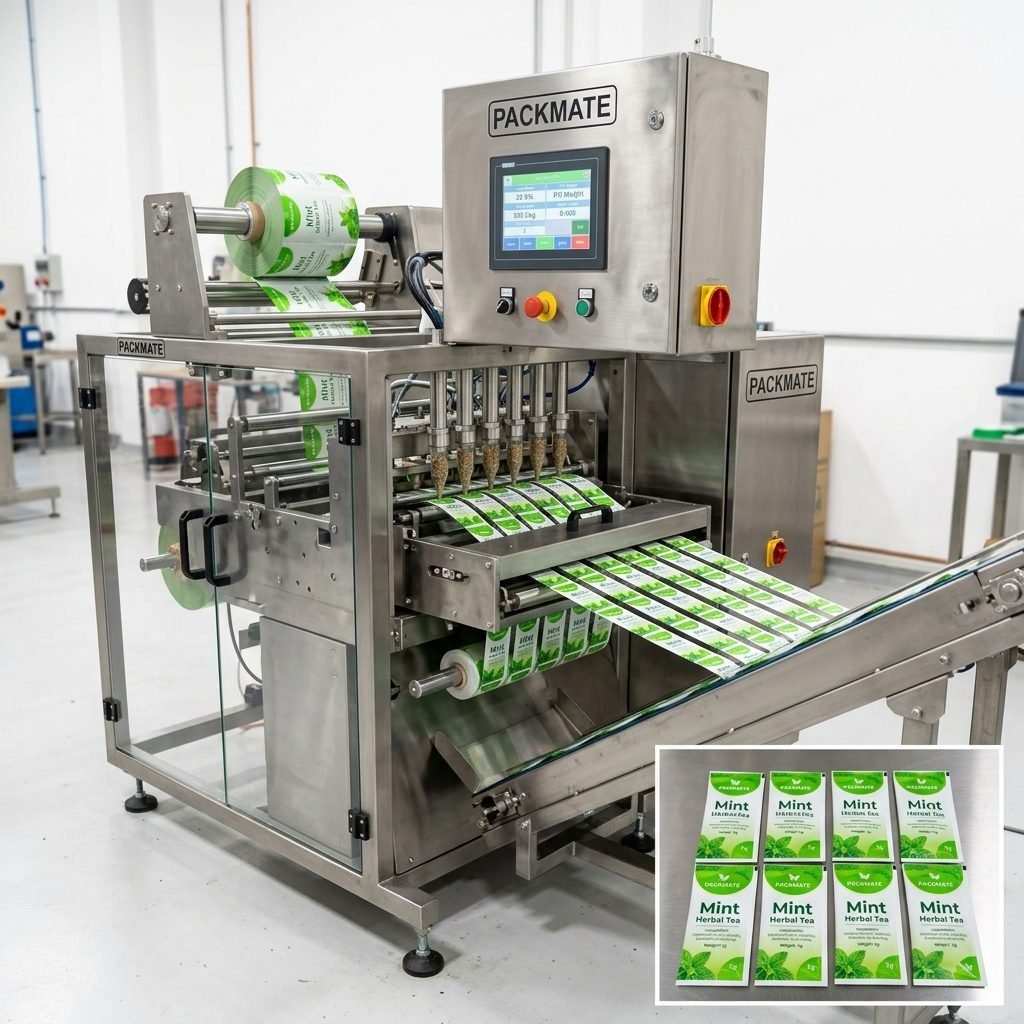
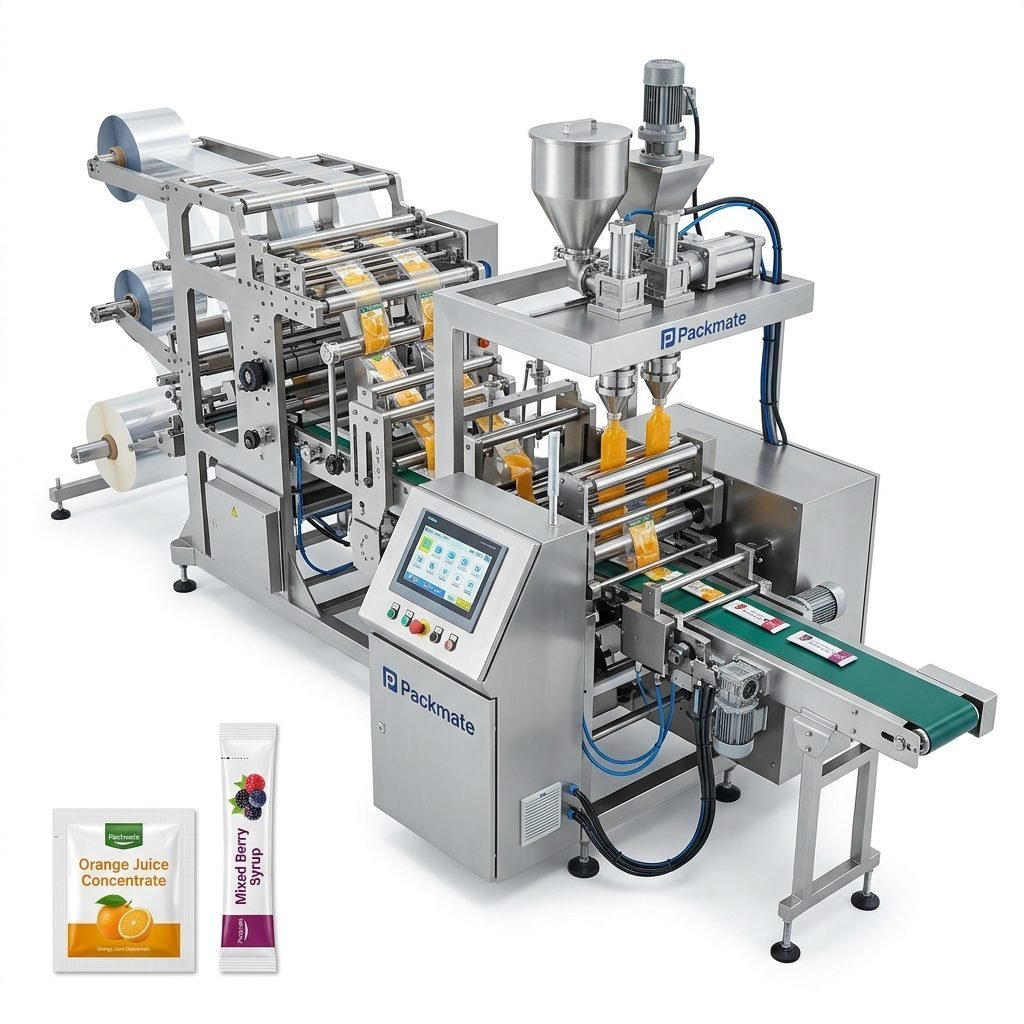
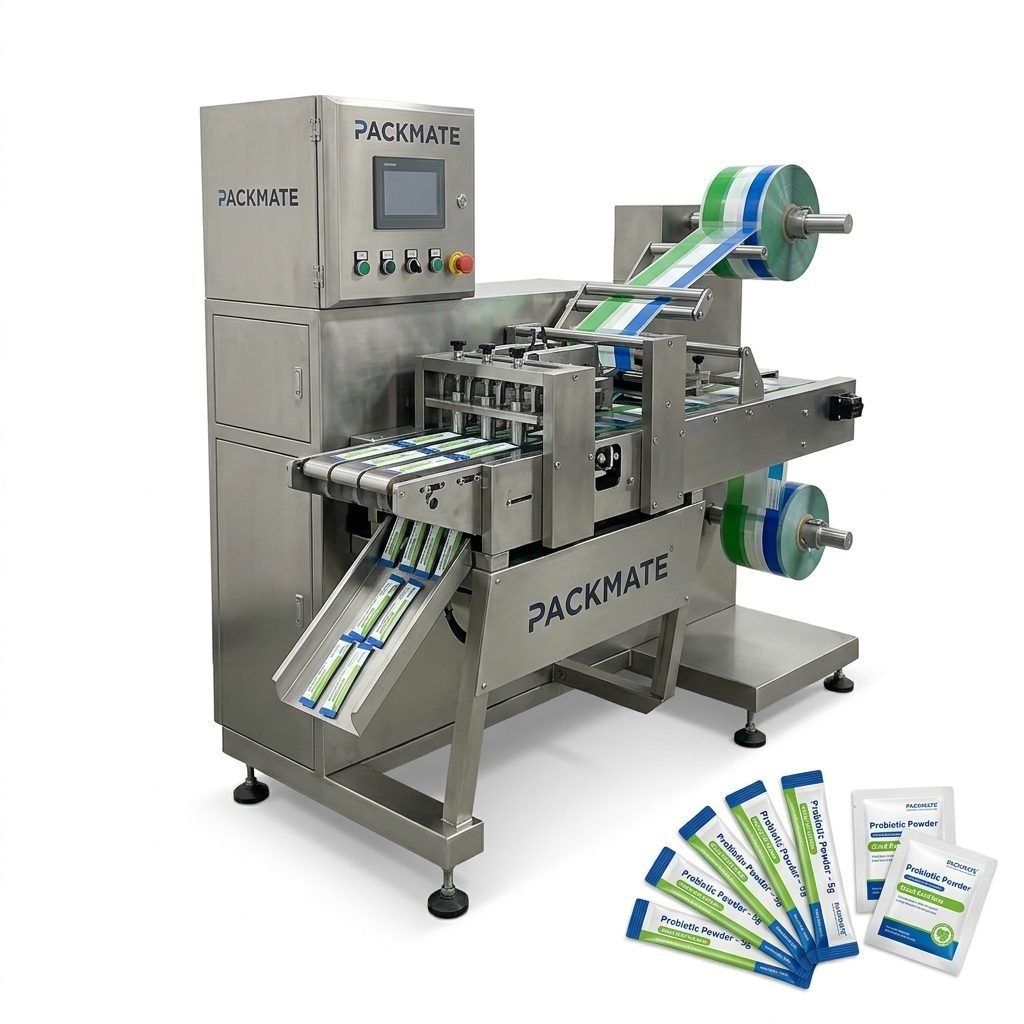
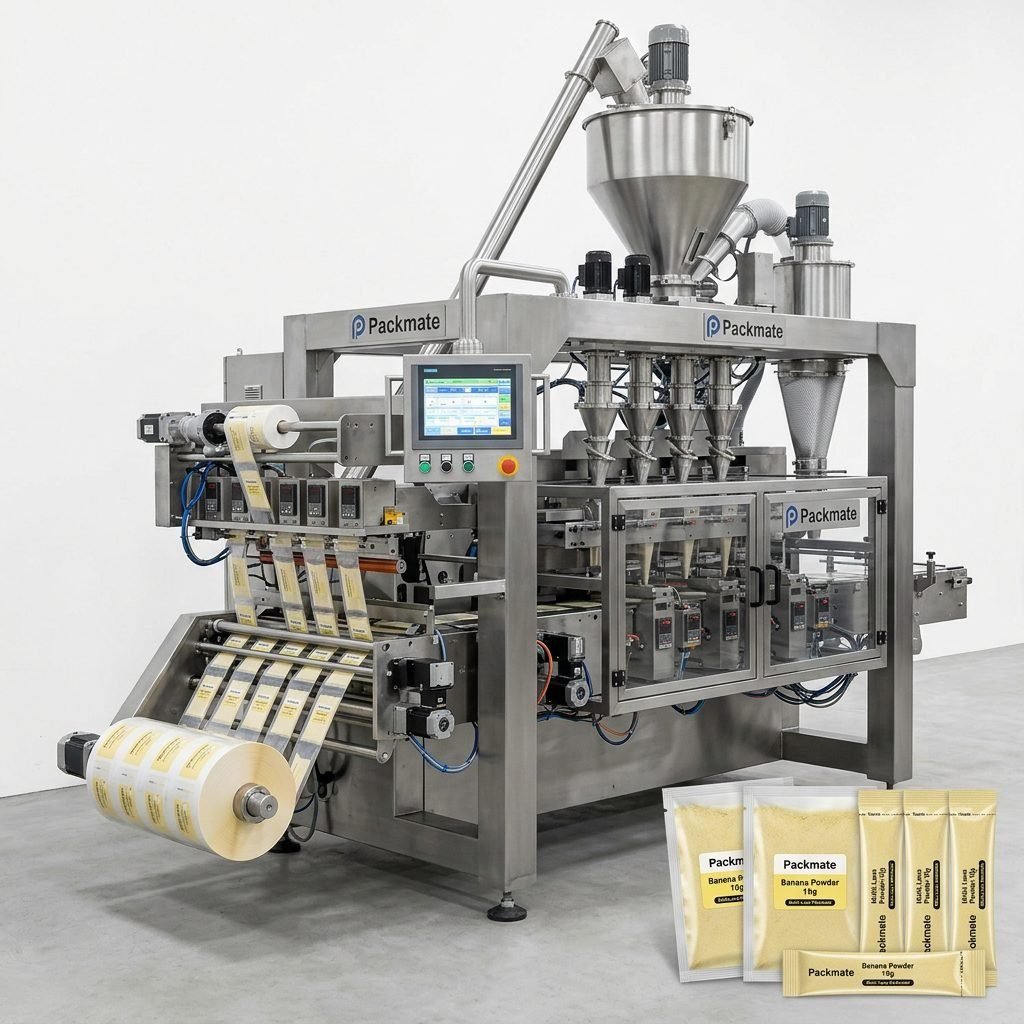
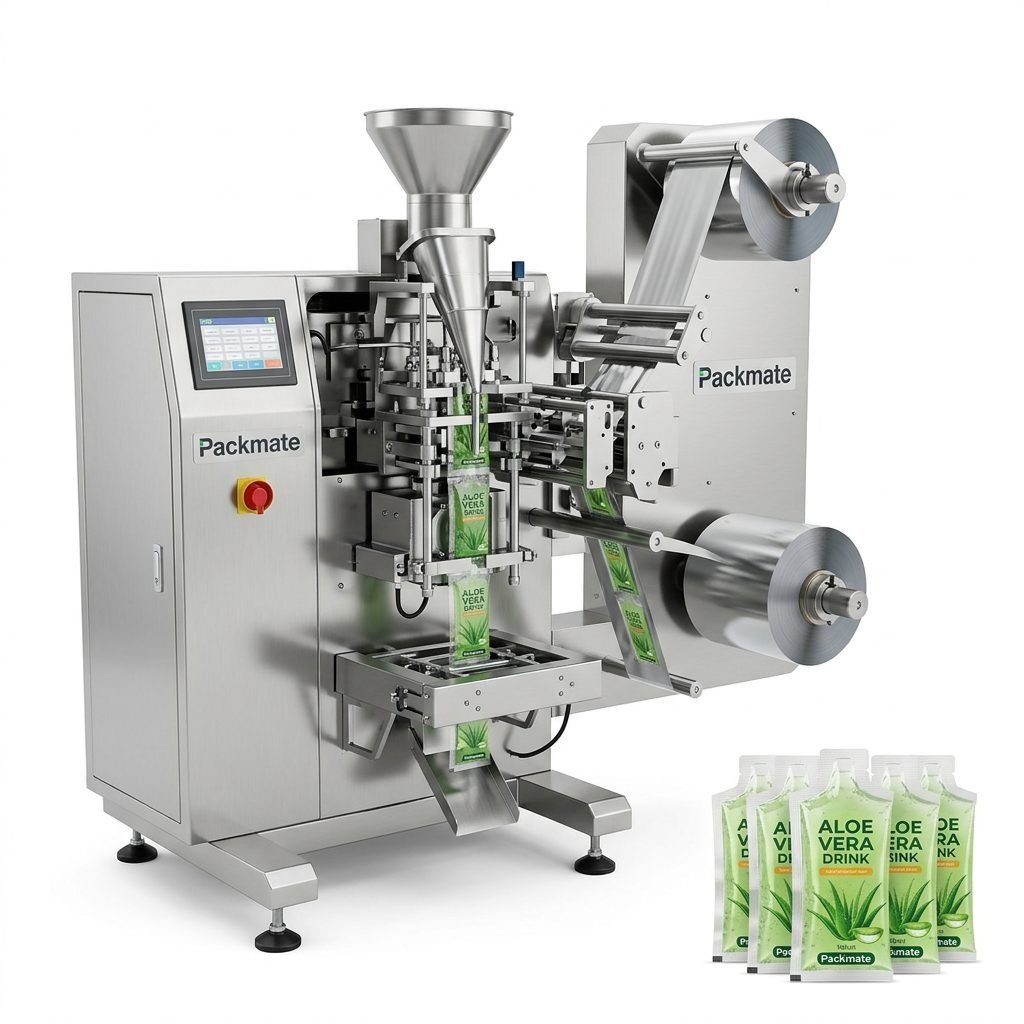
For high-volume production of small, precise doses, multi-lane machines are unparalleled. By running multiple packaging lanes in parallel, they multiply output without exponentially increasing the machine’s footprint. These are ideal for pharmaceuticals, dietary supplements, instant beverages, and condiment samples. Efficiency is achieved through synchronized lane operation, ultra-precise micro-filling, and rapid, clean seals.
Automated Weighing and Filling Systems
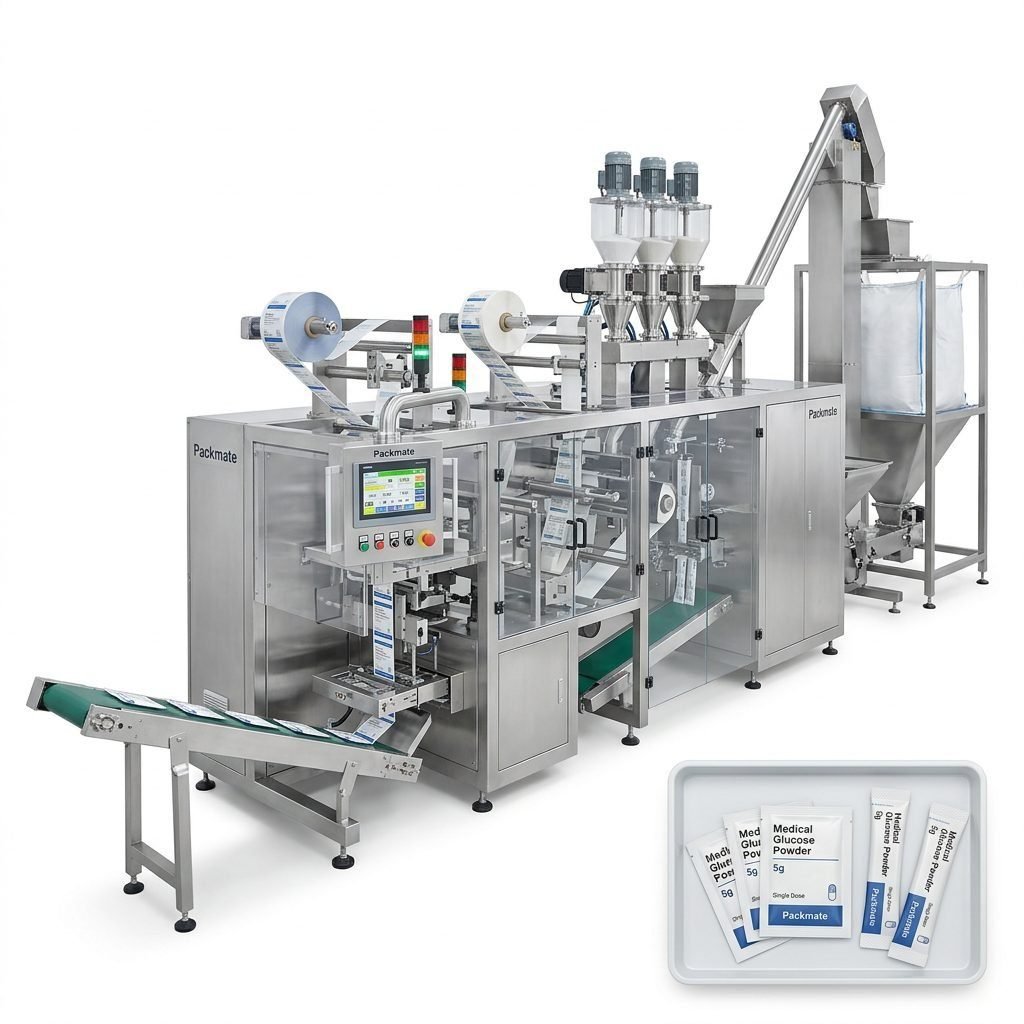
At the heart of accuracy lies the weighing system. Multi-head weighers use a combination of weigh buckets and computer algorithms to achieve lightning-fast, precise combinations for free-flowing products like snacks, nuts, and hardware. For non-free-flowing products, automated auger or linear filler systems provide consistent volumetric dispensing. Their efficiency directly translates to material savings and compliance.
Complete Turnkey Packaging Lines
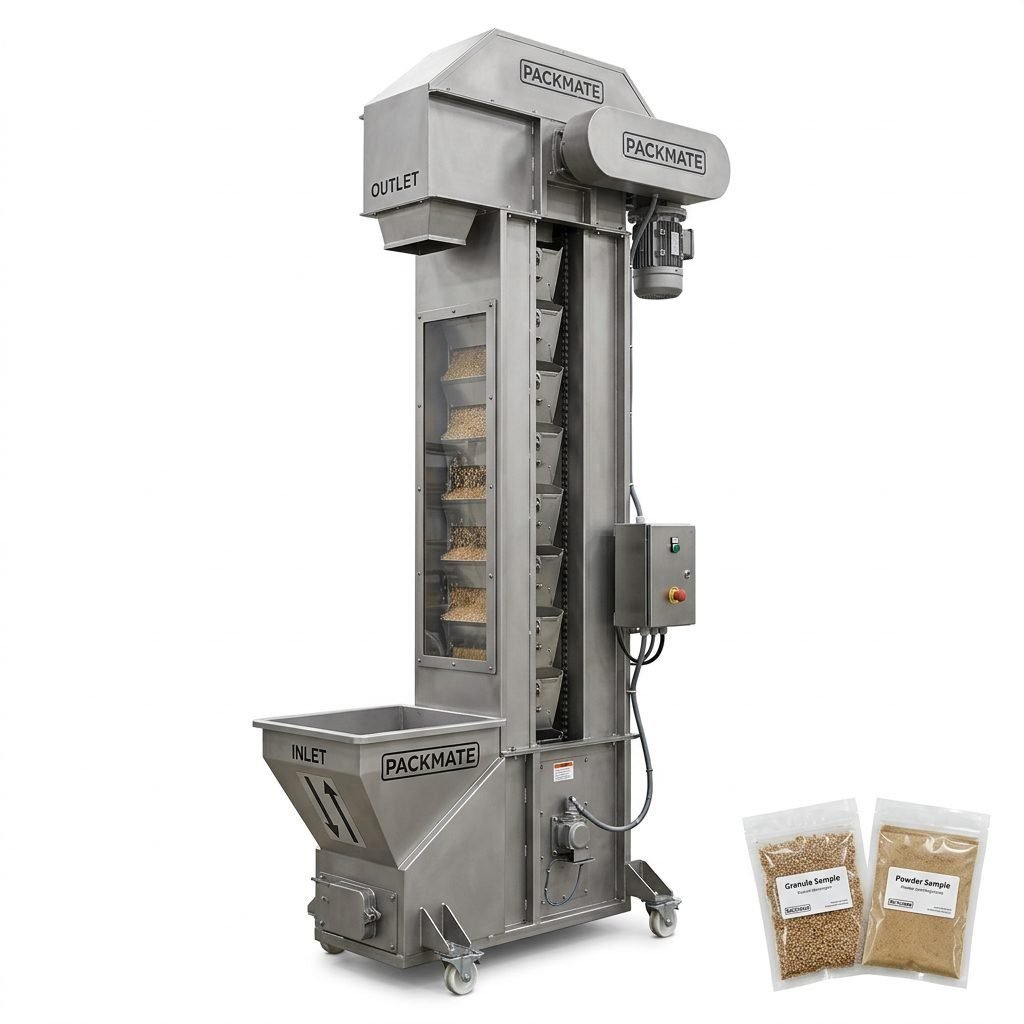
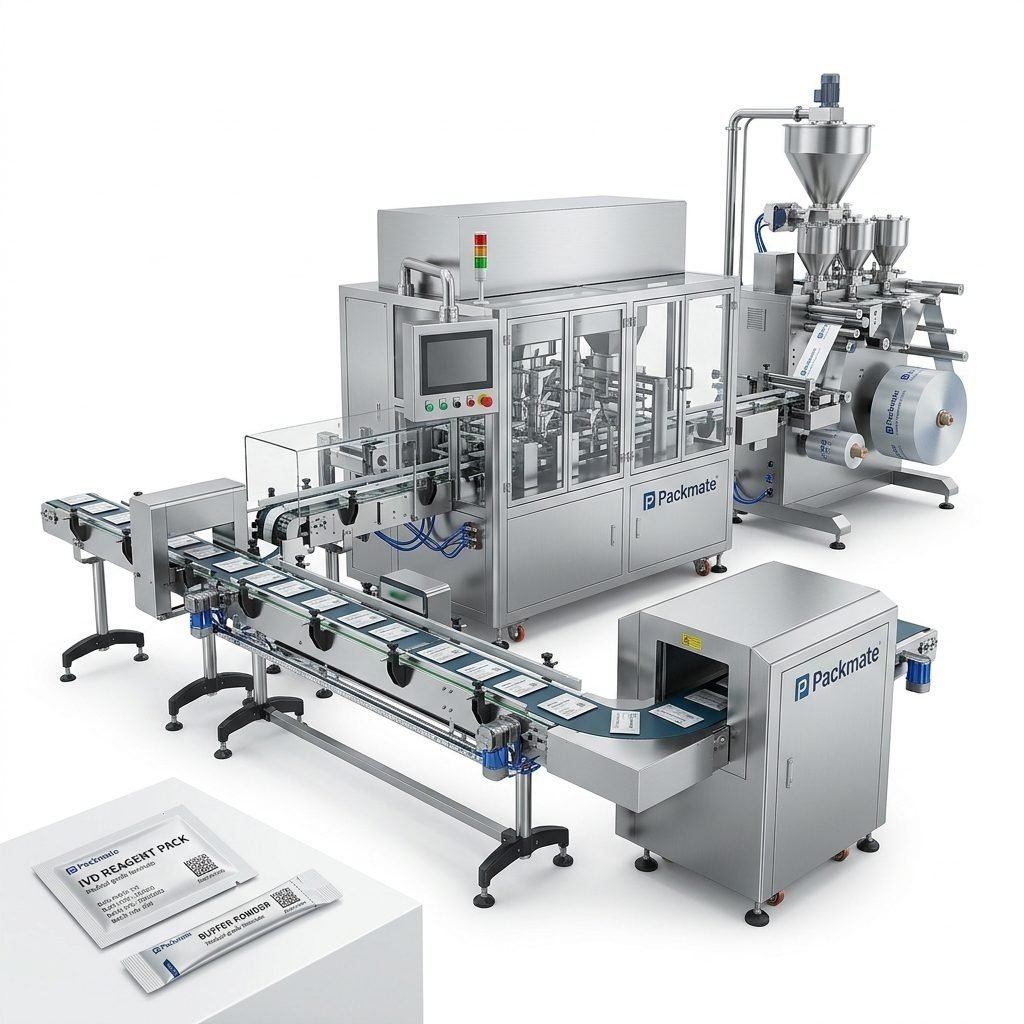
The pinnacle of operational efficiency is a fully integrated line. This goes beyond a single machine to encompass the entire flow from product inlet to palletized outfeed. A turnkey solution might include a bulk feeder, multi-head weigher, VFFS machine, metal detector, checkweigher, cartoner, and case packer. The major efficiency gain here is in seamless material handling, eliminated manual transfer points, and unified control and monitoring from a single interface.
The Packmate Advantage: Engineering Efficiency from the Ground Up
With a legacy spanning over 22 years of company development and a 20,000㎡ modern manufacturing facility, Packmate Machinery embodies the principles of efficient packaging. The company’s journey, from a focused workshop to a provider of over 50 machine models, is rooted in solving real-world production challenges. Their equipment is designed not just for performance, but for sustainable, reliable operation in demanding environments. From robust sachet and stick pack machines to comprehensive weighing and packaging systems, Packmate’s solutions are built to deliver the uptime, precision, and integration capabilities that define best-in-class efficient operations.
Implementing for Maximum Efficiency
Selecting the right equipment is only half the battle. Proper implementation is key to unlocking its full potential.
Professional Installation and Training: Work with the supplier for correct installation and comprehensive operator and maintenance technician training. A well-trained team can optimize machine settings, perform preventative maintenance, and troubleshoot minor issues, preventing prolonged stoppages.
Preventative Maintenance Program: Efficiency decays without care. Implement a scheduled maintenance program based on the manufacturer’s guidelines. Regularly cleaning, lubricating, and inspecting wear parts like sealing jaws, cutters, and filters prevents catastrophic failures and maintains consistent performance.
Data Monitoring and Analysis: Utilize the machine’s data output. Monitor Overall Equipment Effectiveness (OEE), track downtime reasons, and analyze weight variation trends. This data-driven approach allows for continuous improvement, identifying root causes of inefficiency for targeted corrective actions.
Frequently Asked Questions (FAQs)
What is the most important factor when choosing packaging equipment for efficiency?
While speed is often the first consideration, reliability and consistent uptime are arguably more critical for long-term efficiency. A slightly slower machine that runs 95% of the time is often more productive than a faster machine plagued by frequent breakdowns and adjustments.
How can I improve the efficiency of my existing packaging line?
Conduct a full line audit to identify bottlenecks. Often, adding auxiliary equipment like automated carton feeders, case erectors, or a more advanced checkweigher can resolve a critical slowdown without replacing the entire line. Also, review and optimize your preventative maintenance schedules.
Is fully automated equipment always the most efficient choice?
Not always. The efficiency gain from automation must justify the investment. For lower-volume, high-mix production, semi-automatic machines with quick changeovers might offer better overall operational flexibility and efficiency. The decision should be based on a detailed analysis of volumes, labor costs, and required flexibility.
How does packaging equipment impact sustainability goals?
Efficient equipment directly supports sustainability. Precision filling reduces product waste (giveaway). Machines capable of running thinner, recyclable, or mono-material films help reduce packaging waste. Furthermore, energy-efficient servo motors and optimized thermal sealing systems lower the carbon footprint of the packaging process itself.
What support should I expect from the equipment manufacturer?
Look for a manufacturer that offers comprehensive support beyond the sale. This includes detailed technical documentation, readily available spare parts, responsive remote technical support, and available on-site service. A partner invested in your long-term operational success, like Packmate with its dedicated service ethos, is crucial for maintaining peak efficiency throughout the machine’s lifecycle.