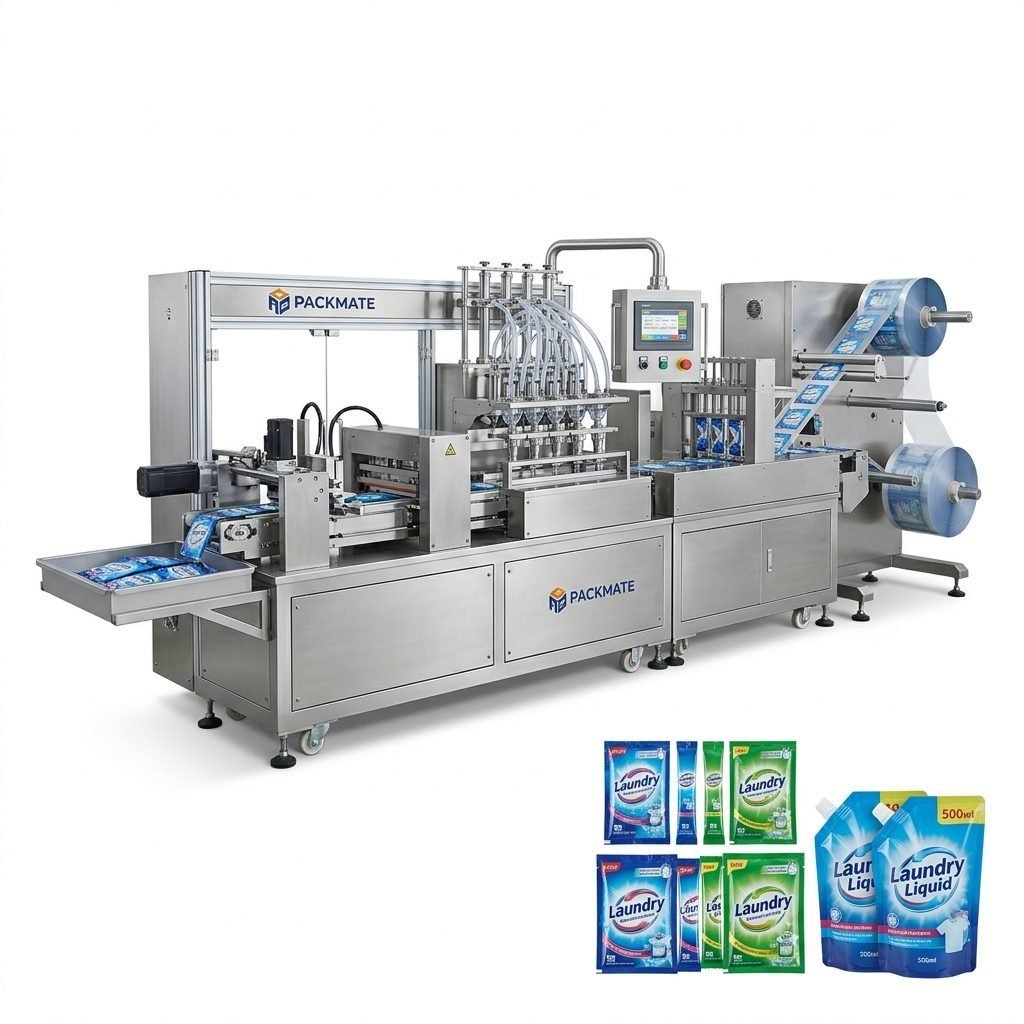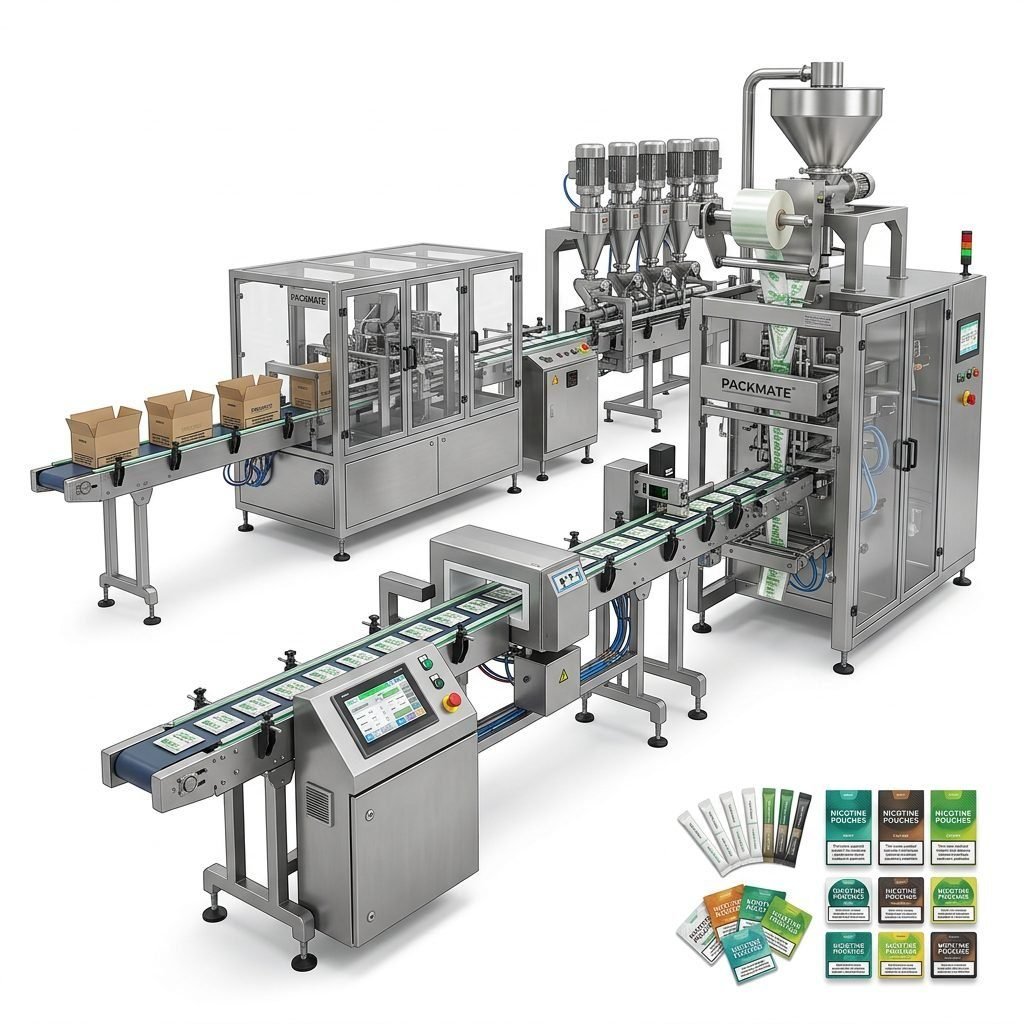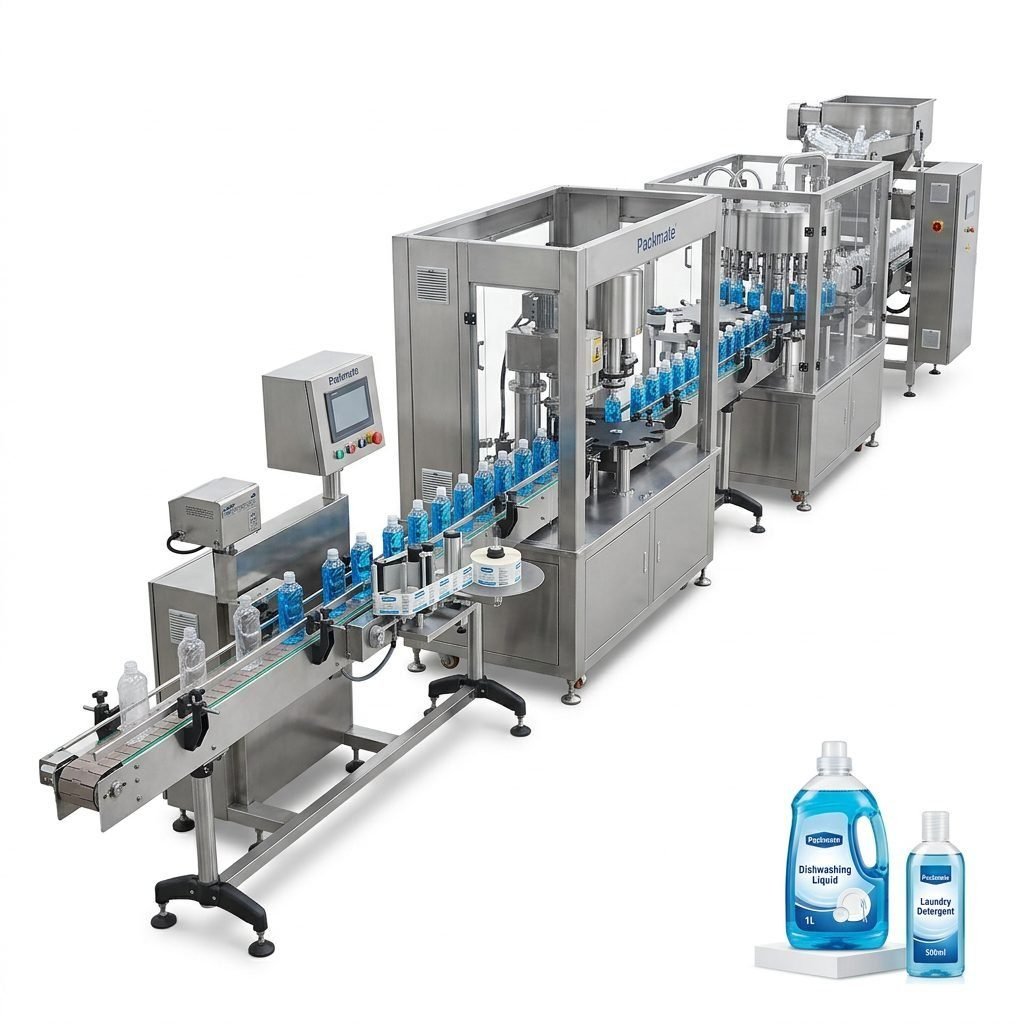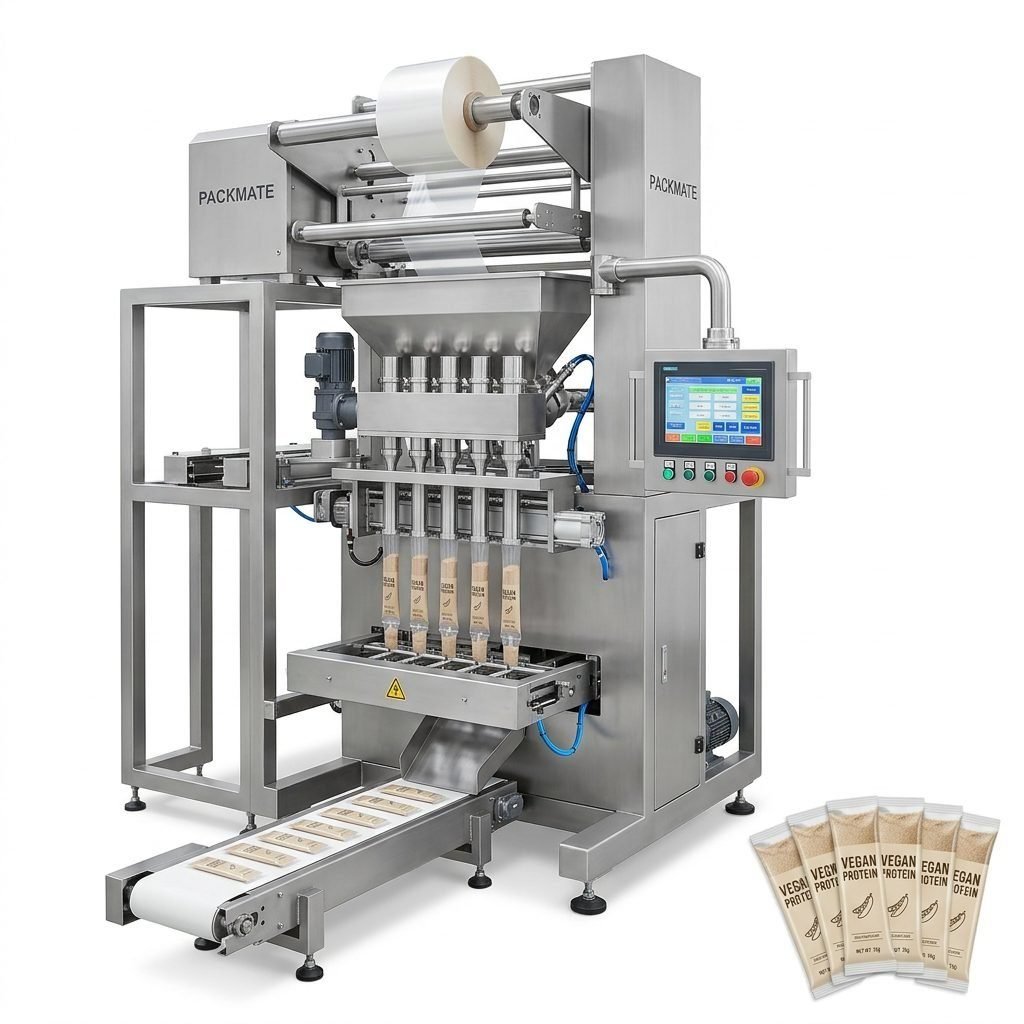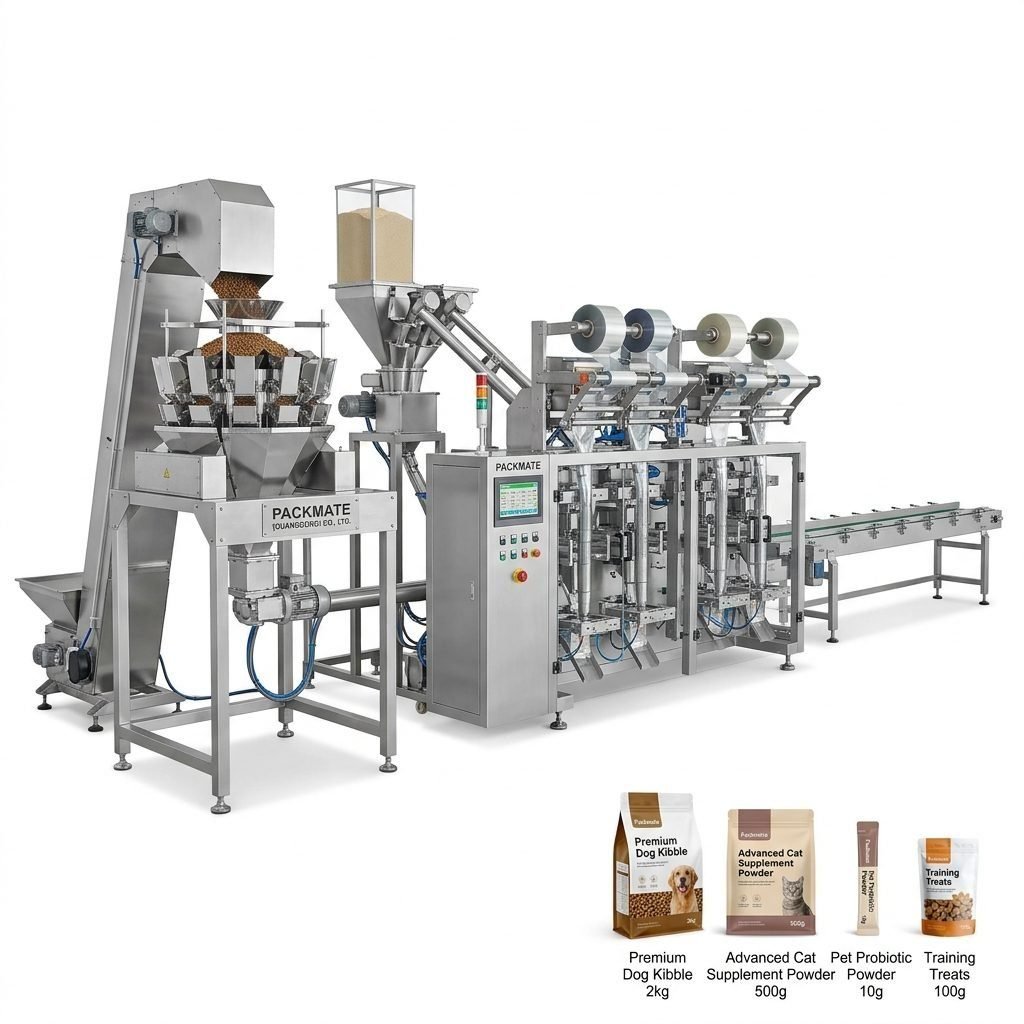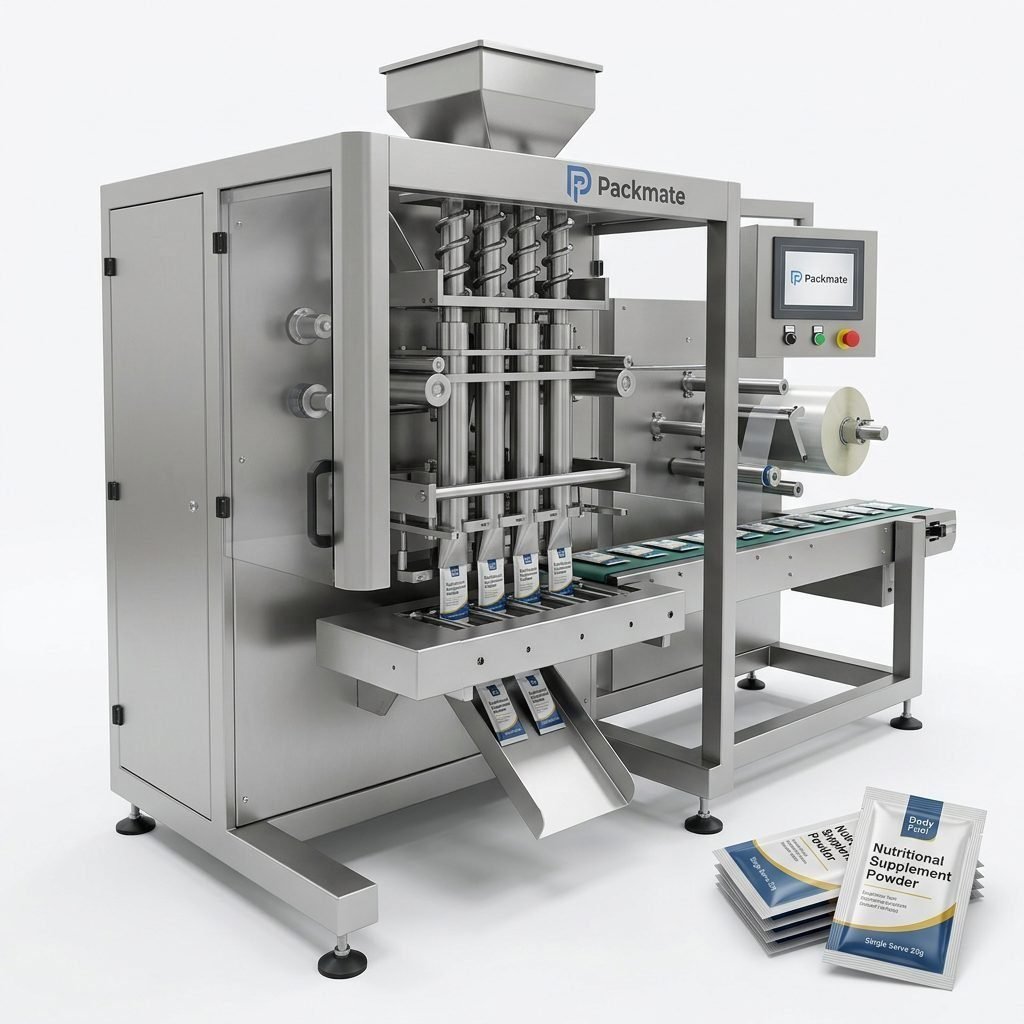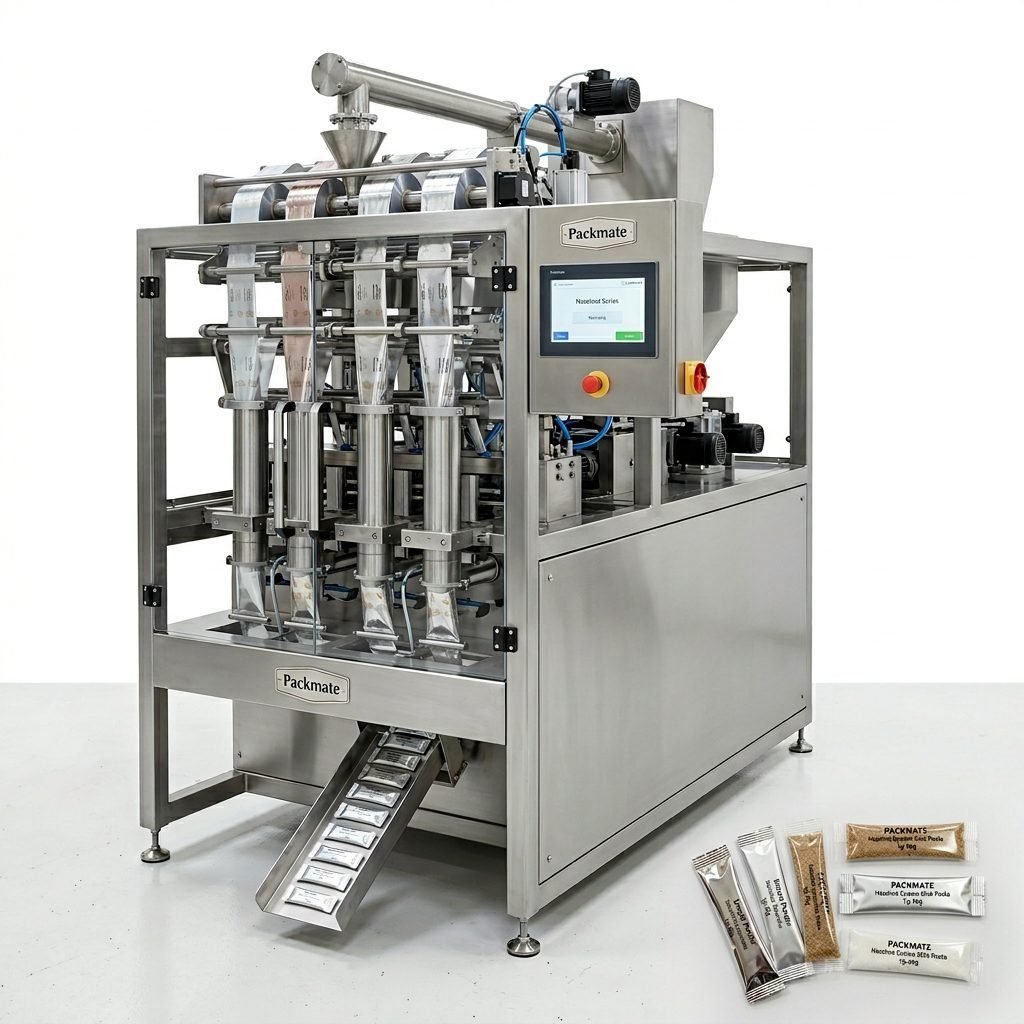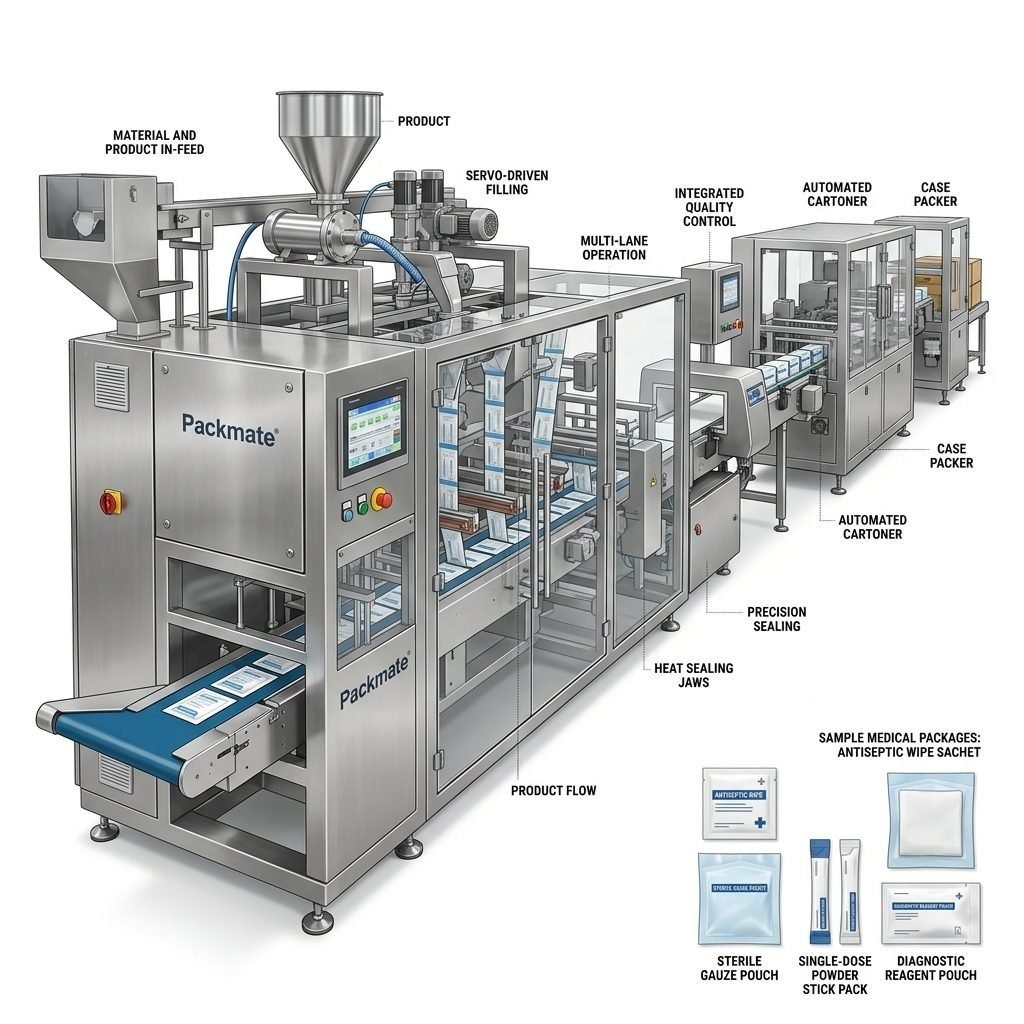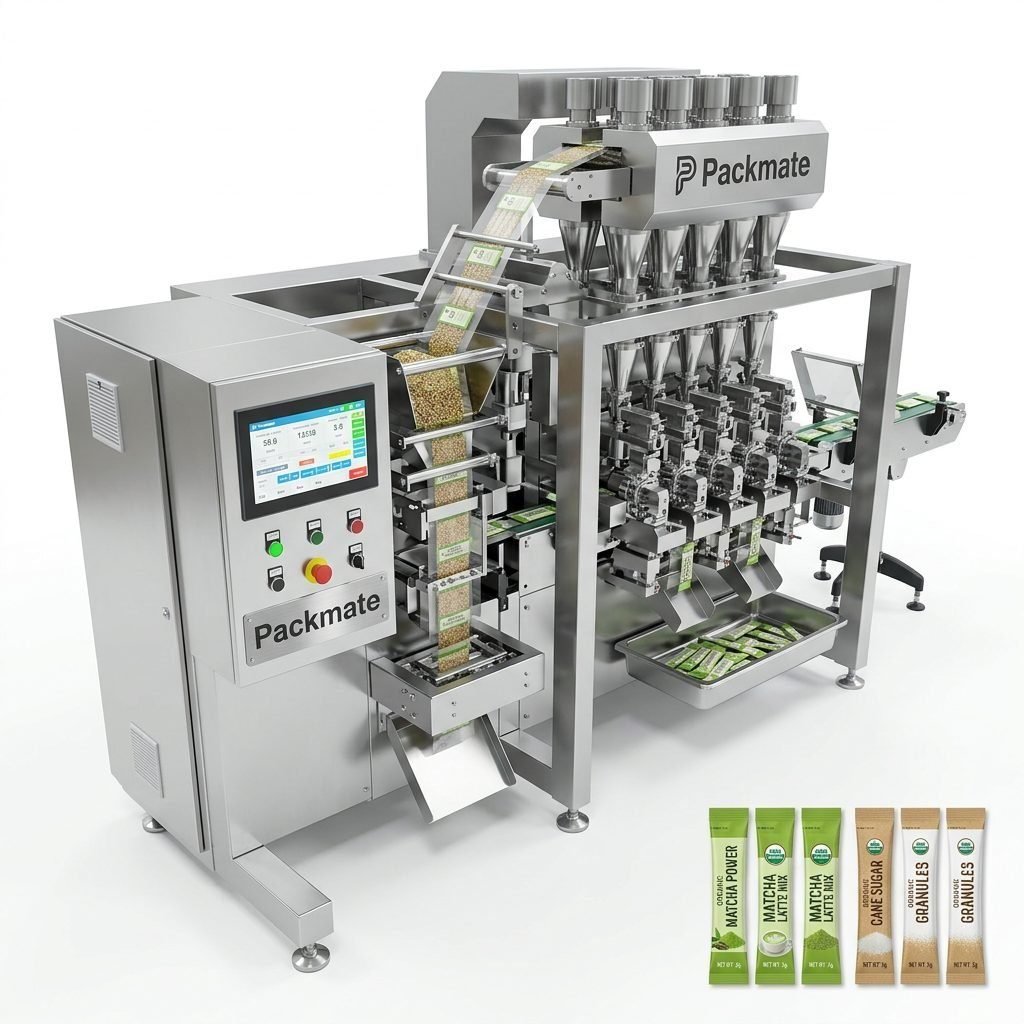
In the fast-paced world of manufacturing and logistics, efficient box production is not just a goal—it’s a necessity for staying competitive. Cardboard packaging machines are the unsung heroes behind the countless boxes that protect and deliver products globally. Selecting the right machinery can dramatically enhance production speed, reduce material waste, and ensure consistent quality. This article explores the top cardboard packaging machines that drive efficient box production, helping businesses streamline their operations and meet market demands.
The Core of Modern Packaging: Automated Corrugated Box Making
The journey from flat corrugated board to a sturdy, ready-to-use box is a marvel of engineering. Modern packing machines automate this process with precision. High-speed flexo folder-gluers take printed and scored corrugated sheets, fold them into shape, and apply adhesive to the seams, creating finished boxes at astonishing rates. For operations requiring versatility, die-cutting machines are indispensable. They can cut intricate window patterns, handles, and unique shapes, adding significant value to the final packaging. The integration of computerized control systems allows for quick changeovers between different box sizes and styles, minimizing downtime and maximizing throughput. This level of automation is crucial for businesses that supply to diverse sectors like e-commerce, food and beverage, and electronics.
Key Features of High-Efficiency Machines
When evaluating top-tier cardboard packaging equipment, several features stand out. Look for machines with servo-driven motors for exceptional accuracy and energy savings. Advanced pre-feed and suction systems ensure sheets are fed smoothly without jams, maintaining a consistent production flow. Furthermore, machines equipped with automatic waste removal keep the work area clean and reduce manual intervention. The reliability of these systems is paramount, as echoed by the philosophy of companies like Packmate Machinery, which emphasizes building durable and innovative solutions based on decades of experience. Investing in machines with these features translates to long-term operational stability and lower total cost of ownership.
Streamlining End-of-Line Processes: Case Erectors, Packers, and Sealers
Efficient box production doesn’t end with a formed box. The subsequent steps of erecting, packing, and sealing are equally critical. Automatic case erectors transform flat corrugated blanks into open containers in a fraction of a second. These are then seamlessly transferred to filling and packaging lines, where products are loaded automatically. Robotic case packers offer incredible flexibility, gently placing bottles, pouches, or other items into boxes with precise patterns. Finally, automatic case sealers apply tape or hot melt glue to securely close the box. A fully integrated line that combines these machines creates a continuous, high-volume packaging system that drastically reduces labor costs and human error. This holistic approach to packaging automation is what allows major brands to scale their operations efficiently.
The Role of Auxiliary Equipment
To achieve peak efficiency, primary machines must be supported by robust auxiliary equipment. Auxiliary packaging equipment like automatic palletizers, stretch wrappers, and conveyors form the backbone of a material handling system. High-speed bundlers can group multiple boxes together for easier shipping and handling. Furthermore, inline printing and labeling systems allow for last-minute variable data printing, such as barcodes, expiry dates, or batch numbers, directly onto the box. This eliminates the need for a separate labeling process and ensures traceability. Integrating these components creates a synchronized production cell that optimizes the entire workflow from a single blank to a palletized load ready for dispatch.
Sustainability and Material Optimization
Today’s top cardboard packaging machines are designed with sustainability in mind. Advanced software allows for nesting optimization, which calculates the most efficient layout for die-cutting shapes from a corrugated sheet, minimizing raw material waste. Machines can also be configured to work with a higher percentage of recycled fiber content without compromising performance. Additionally, the precision of modern gluers and sealers ensures the correct amount of adhesive is used, preventing excess. By reducing waste at the source, these machines not only lower material costs but also contribute significantly to a company’s environmental goals, making the packaging process greener and more responsible.
Choosing the Right Machine for Your Business Needs
Selecting the ideal cardboard packaging machine requires a careful analysis of your specific needs. Consider your production volume, box size range, and required changeover frequency. For high-volume, single-SKU production, a dedicated high-speed folder-gluer is ideal. For businesses with diverse, short-run needs, a modular machine with quick-setup capabilities is more suitable. It’s also vital to consider the machine’s footprint and integration potential with your existing lines. Partnering with a manufacturer that offers comprehensive service and support, from installation to spare parts, ensures your investment is protected and your production remains uninterrupted for years to come.
Ultimately, investing in top cardboard packaging machinery is an investment in the future of your business. The gains in speed, consistency, and cost-efficiency directly impact your bottom line and your ability to serve customers reliably. By understanding the different technologies available—from automated forming to intelligent sealing and integration—you can build a packaging operation that is not just efficient, but also agile and sustainable.
Frequently Asked Questions (FAQs)
What is the typical production speed of a modern automatic folder-gluer?
Speeds vary by model and box complexity, but high-end machines can produce from 15,000 to over 40,000 boxes per hour. The speed is influenced by factors like box size, flute type, and the number of printing colors.
Can one machine handle a wide variety of box styles and sizes?
Yes, many modern machines are designed for flexibility. With quick-change tooling and digital setups, changeover between different box sizes and styles (like RSC, HSC, or trays) can often be accomplished in minutes, making them perfect for mixed-SKU production environments.
How important is servo technology in packaging machinery?
Extremely important. Servo motors provide precise control over every movement, leading to higher accuracy in folding and gluing, reduced mechanical wear, significant energy savings, and simpler maintenance compared to traditional mechanical drives.
What kind of maintenance do these machines require?
Regular preventative maintenance is key. This typically includes daily cleaning of glue systems and rollers, lubrication of moving parts as per the manufacturer’s schedule, and periodic inspection of belts, bearings, and cutting tools. A good service contract can help manage this proactively.
Is it possible to integrate a new box machine into an existing automated line?
Absolutely. Most leading manufacturers design machines with integration in mind, offering standard communication protocols (like Ethernet/IP) and adjustable conveyor interfaces. A qualified systems integrator or the machine supplier can design the necessary linkages for a seamless flow.