In the rapidly evolving coffee industry, the demand for convenient, single-serve options like coffee pods has skyrocketed. For businesses looking to enter or scale in this market, investing in a reliable coffee pod packaging machine is a critical step. This guide provides a comprehensive overview of everything you need to know, from how the machines work to key buying considerations.
Understanding Coffee Pod Packaging Machines
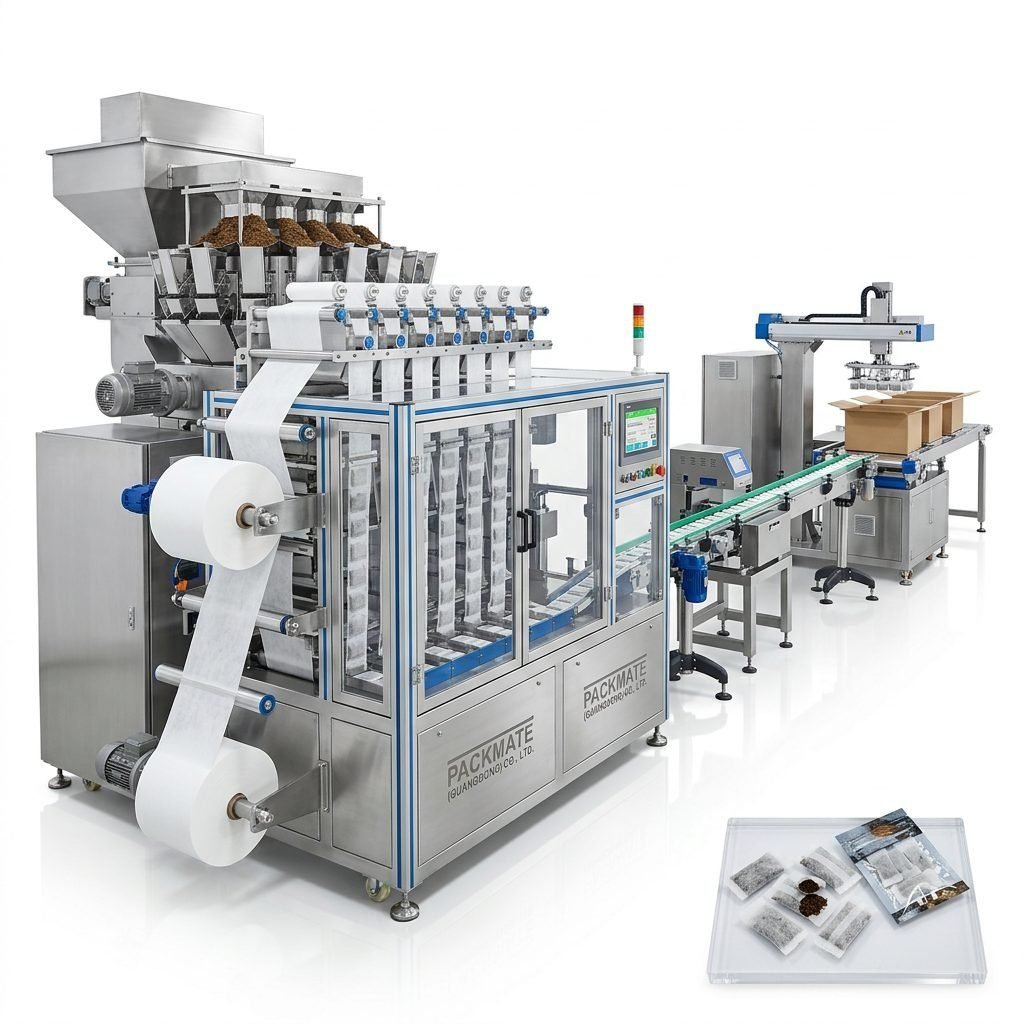
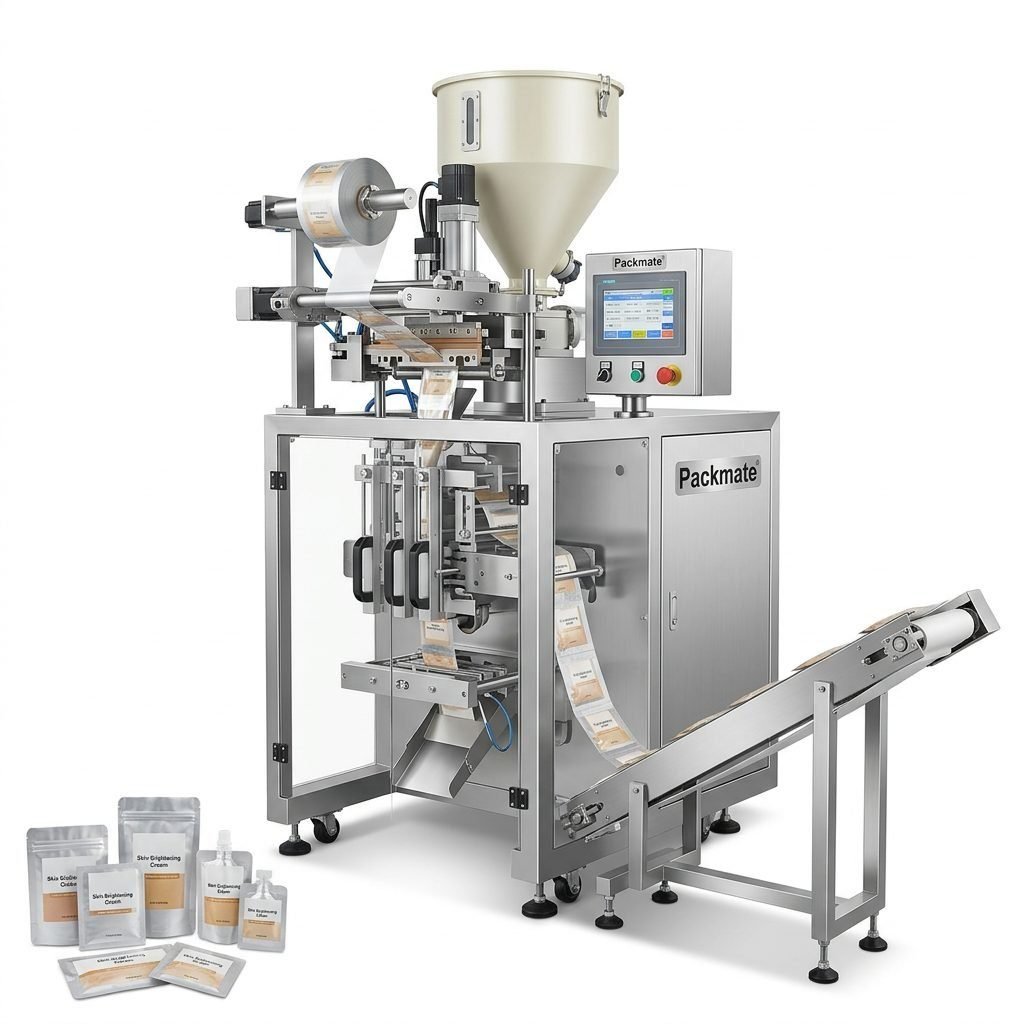
A coffee pod packaging machine is a specialized piece of equipment designed to automatically fill, seal, and package pre-portioned ground coffee into individual pods or capsules. These machines are engineered for high-speed, consistent, and hygienic production, ensuring each pod meets strict quality and freshness standards. The process typically involves forming the pod material (often filter paper or biodegradable PLA), dosing the precise amount of coffee, applying the top lid, and sealing it all under controlled atmospheric conditions to preserve aroma and extend shelf life.
Modern machines often integrate nitrogen flushing technology. This process displaces oxygen inside the pod with inert nitrogen, drastically slowing oxidation and staling, which is crucial for maintaining premium coffee quality from production to consumption.
Core Components and Workflow
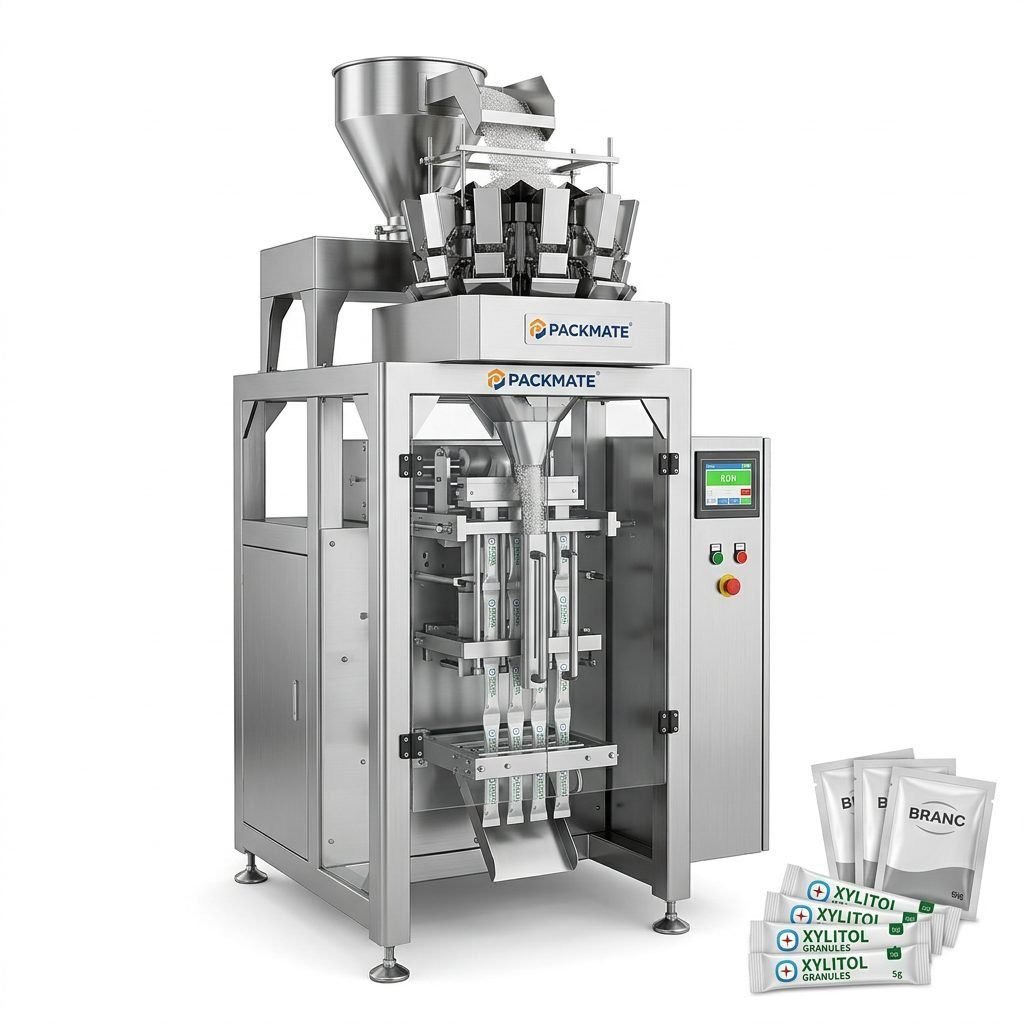
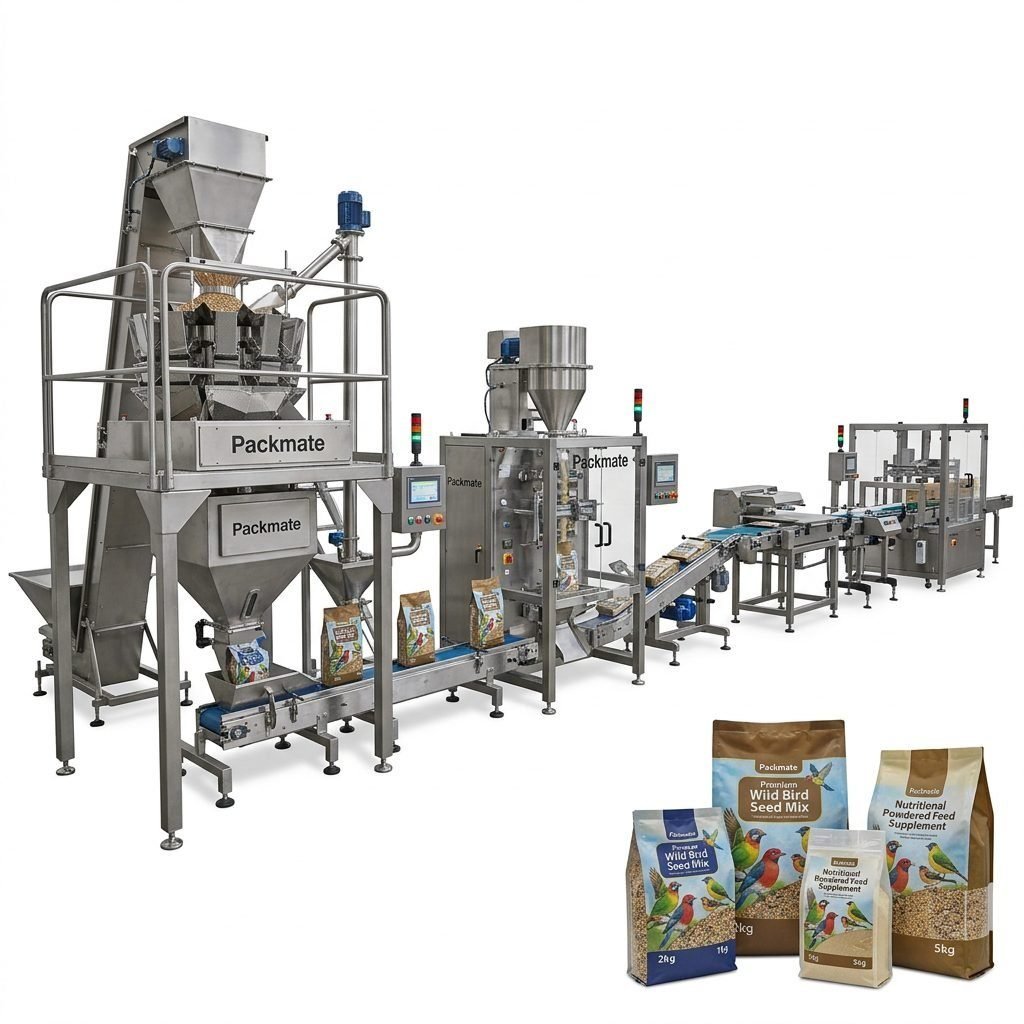
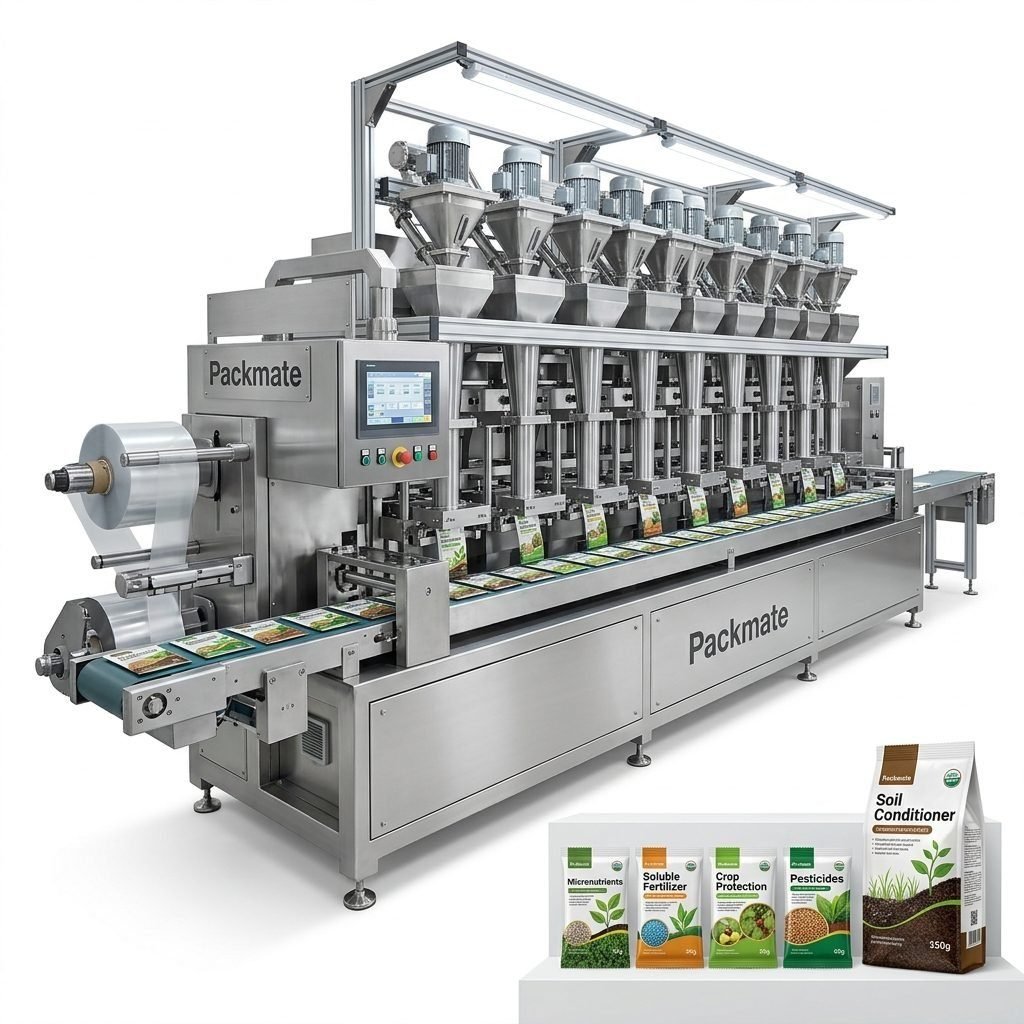
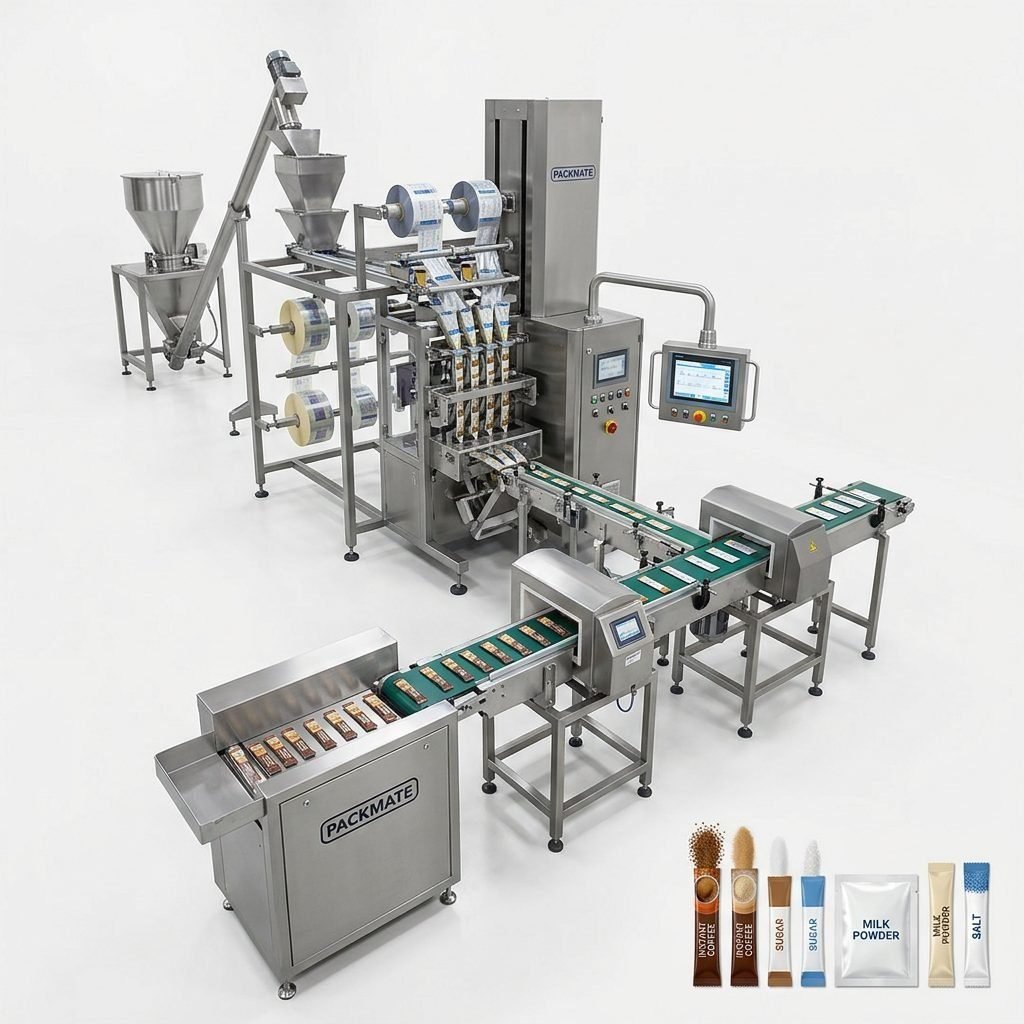
The efficiency of a pod packaging line hinges on its integrated components. A typical system includes a pod forming unit, a precision volumetric or weigh-fill doser, a lid placement and sealing station, and often a nitrogen flushing chamber. Advanced models may include vision inspection systems to reject defective pods and integrated cartoning or flow-wrapping for secondary packaging. Understanding this workflow helps in identifying the right machine configuration for your specific output and quality goals.
Key Benefits for Your Business
Investing in an automated packaging solution offers transformative advantages. Primarily, it ensures remarkable consistency in fill weight and seal integrity, which directly impacts product quality and customer satisfaction. Automation also leads to significant increases in production speed, allowing you to meet market demand efficiently. Furthermore, it reduces labor costs and minimizes human contact with the product, enhancing overall hygiene and safety compliance. For brands, this reliability is the foundation of a strong market reputation.
Driving Sustainability in Packaging
Today’s consumers and regulators increasingly favor sustainable practices. Leading manufacturers, like Packmate Machinery, are at the forefront of developing machines compatible with compostable and biodegradable materials. Choosing equipment that can handle these innovative substrates allows your brand to reduce environmental impact and appeal to eco-conscious customers, turning a operational necessity into a marketable advantage.
Types of Coffee Pod Packaging Machines
Selecting the correct machine type depends on your production scale, pod format, and material.
- Vertical Form-Fill-Seal (VFFS) Machines: Ideal for high-volume production of standard pod shapes. They form the pod from a roll of film, fill it, and seal it in a continuous motion.
- Pre-Made Pod Fillers: These machines are designed to handle pre-formed pod cups. They are often simpler and perfect for small to medium businesses or those using unique, rigid pod designs.
- Rotary Cup Fillers: Used for high-speed filling of pre-made cups in a rotary indexing system, excellent for large-scale production lines with multiple filling heads.
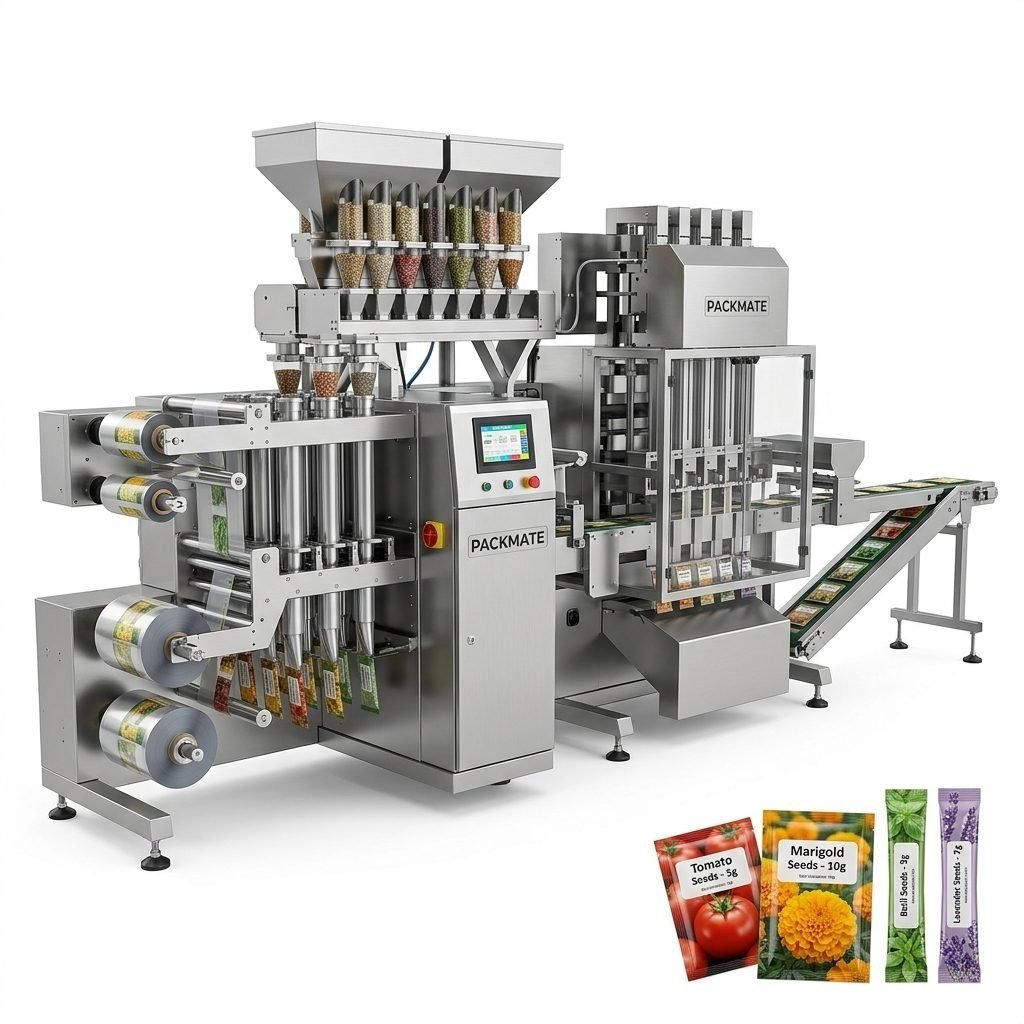
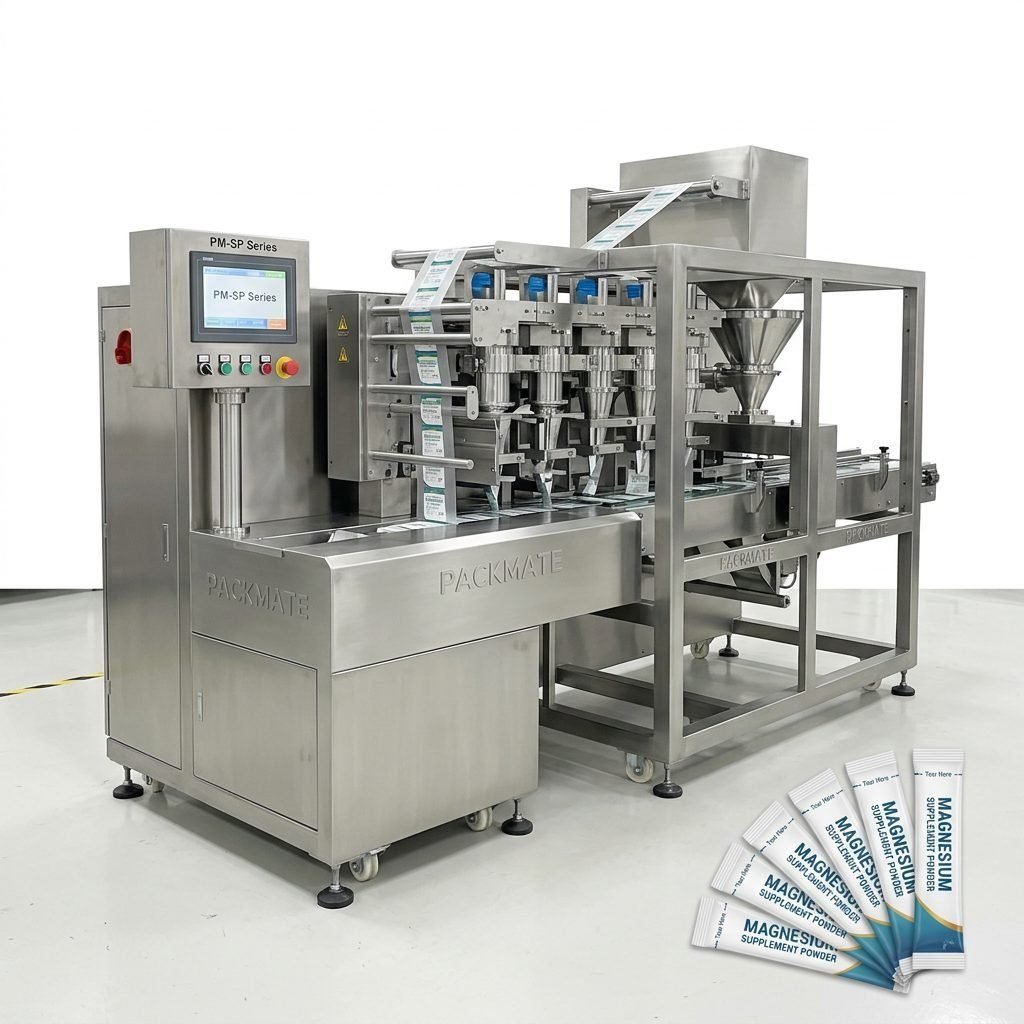
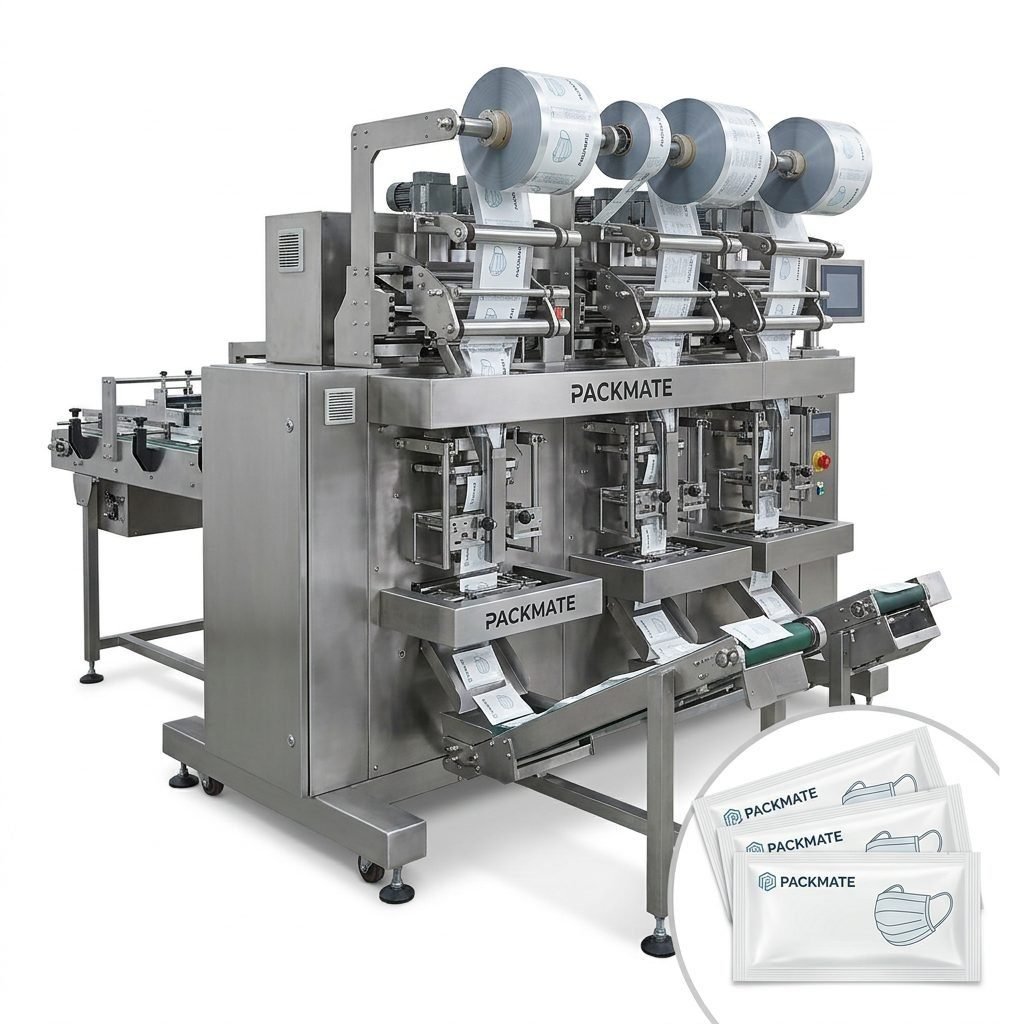
Exploring specific machine categories, such as sachet and stick pack machines, can provide insights into technologies that are often adapted for pod packaging, especially for flat-style coffee bags.
Essential Buying Guide and Tips
Making an informed purchase requires careful evaluation of several factors beyond just the price tag.
1. Assess Your Production Requirements
Start by defining your target output (pods per minute/hour), the specific pod size and material you plan to use, and your available factory space. This will narrow down the machine type and size. Consider not only current needs but also potential future expansion to avoid outgrowing your equipment too quickly.
2. Prioritize Machine Quality and Durability
The build quality determines longevity and uptime. Look for machines constructed with food-grade stainless steel (e.g., SUS304) for critical parts, ensuring corrosion resistance and ease of cleaning. Robust servo motors and precision components from reputable brands reduce maintenance frequency and ensure consistent operation under continuous use.
3. Evaluate Technology and Control Systems
A user-friendly PLC-based touchscreen interface is vital for easy operation, recipe changeovers, and troubleshooting. Features like automatic weight feedback adjustment, tool-less changeover parts for different pod sizes, and comprehensive data recording for quality tracking add significant value and operational efficiency.
Pro Tip: Always request a live or recorded production test using your specific coffee blend and packaging materials. This is the most reliable way to verify machine performance, fill accuracy, and seal quality before finalizing your investment.
4. Consider Supplier Reputation and Support
The manufacturer’s expertise is as important as the machine itself. A supplier with deep industry experience, like Packmate Machinery with over 30 years in packaging solutions, brings invaluable knowledge. Review their after-sales service structure: availability of spare parts, technical support responsiveness, and training provisions. A reliable partner ensures your line remains productive for years.
5. Understand Total Cost of Ownership (TCO)
Look beyond the initial purchase price. Factor in installation costs, energy consumption, required maintenance, and potential downtime costs. A slightly higher upfront investment in a more efficient, reliable machine from a reputable supplier often results in a lower TCO and better return on investment through higher productivity and fewer operational headaches.
Integration into Full Production Lines
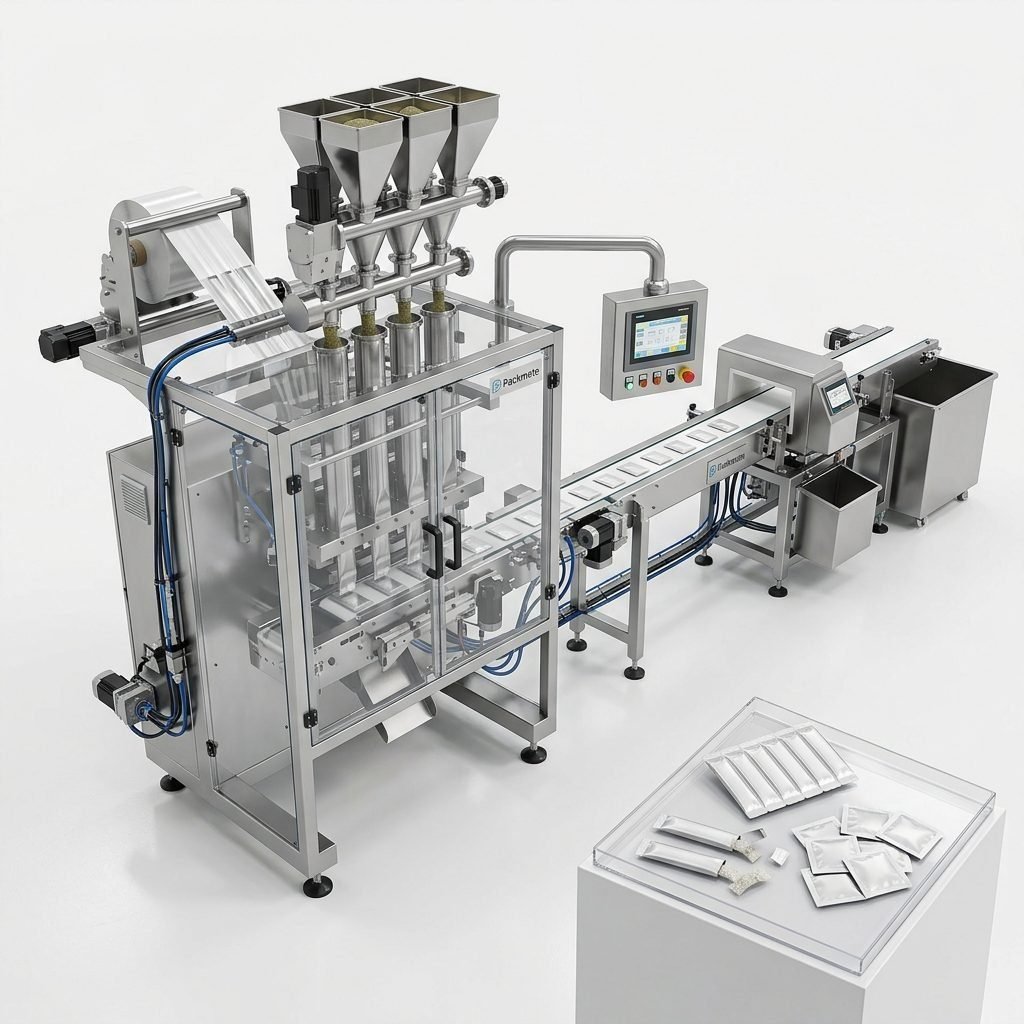
For complete automation, the pod packaging machine is just one node. It can be integrated with upstream equipment like coffee grinders and blenders, and downstream systems like weighing and packaging systems for cartoning or case packing. Planning for this integration from the start ensures seamless material flow and maximizes overall line efficiency.
Frequently Asked Questions (FAQs)
What is the typical production speed of a coffee pod machine?
Speeds vary widely based on machine type and pod complexity. Entry-level machines may produce 60-120 pods per minute, while high-end, multi-lane rotary systems can exceed 400 pods per minute. Your required output is the key determining factor.
Can one machine handle different pod sizes and materials?
Yes, many modern machines are designed for quick changeover. However, this requires purchasing and installing different forming tools or cup holders for each size. The ease and time required for changeover is a critical feature to discuss with the supplier.
How important is nitrogen flushing, and is it mandatory?
While not mandatory, nitrogen flushing is highly recommended for quality-centric brands. It is the most effective method to preserve freshness, aroma, and shelf life by creating a protective atmosphere inside the pod, making it a standard feature on most professional-grade machines.
What kind of maintenance does these machines require?
Regular daily cleaning is essential. Maintenance typically involves lubricating moving parts, checking seal integrity, and calibrating scales. A good supplier will provide a detailed maintenance schedule and training. Choosing a machine with accessible design simplifies routine upkeep.
Where can I see these machines in operation or get a catalog?
Reputable manufacturers often showcase their equipment at global trade shows or offer factory visit opportunities. You can also typically request a detailed product catalog and specification sheets directly from their website, such as the download catalog page.