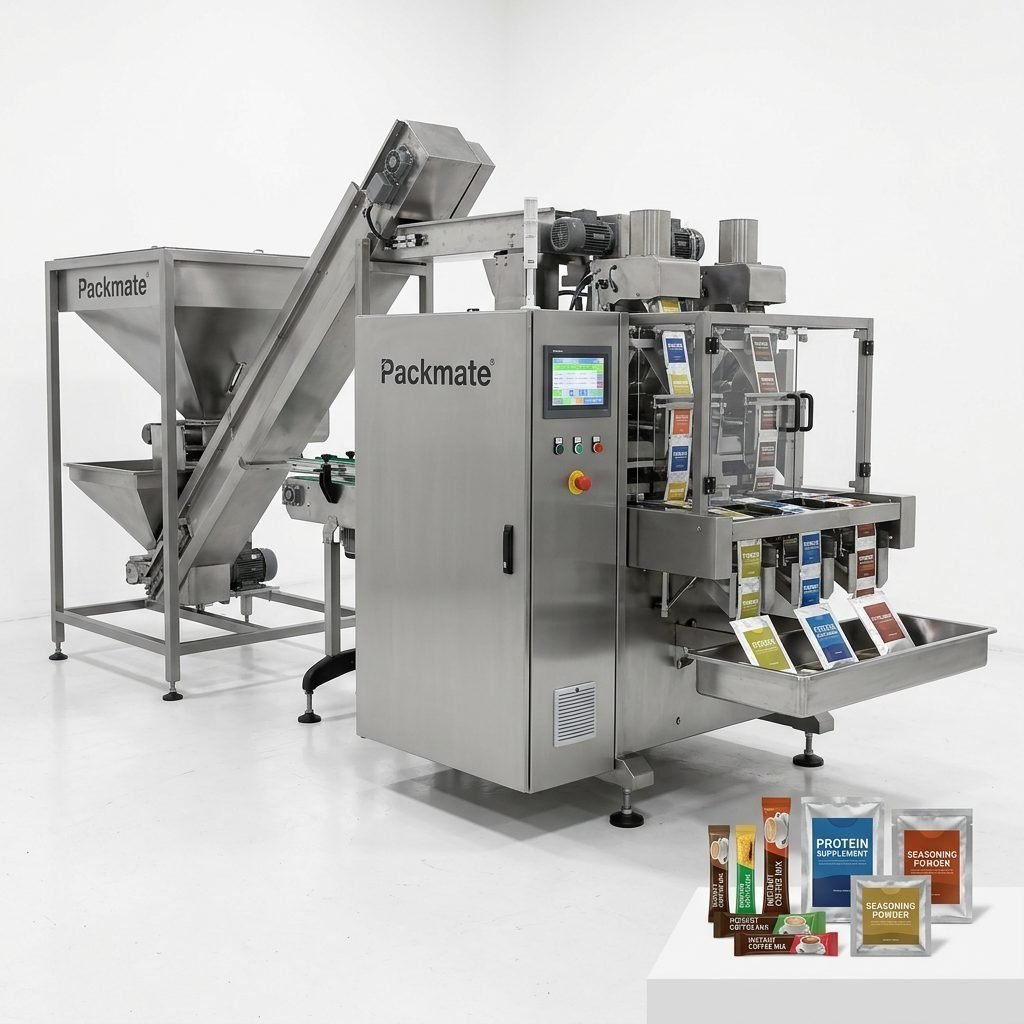
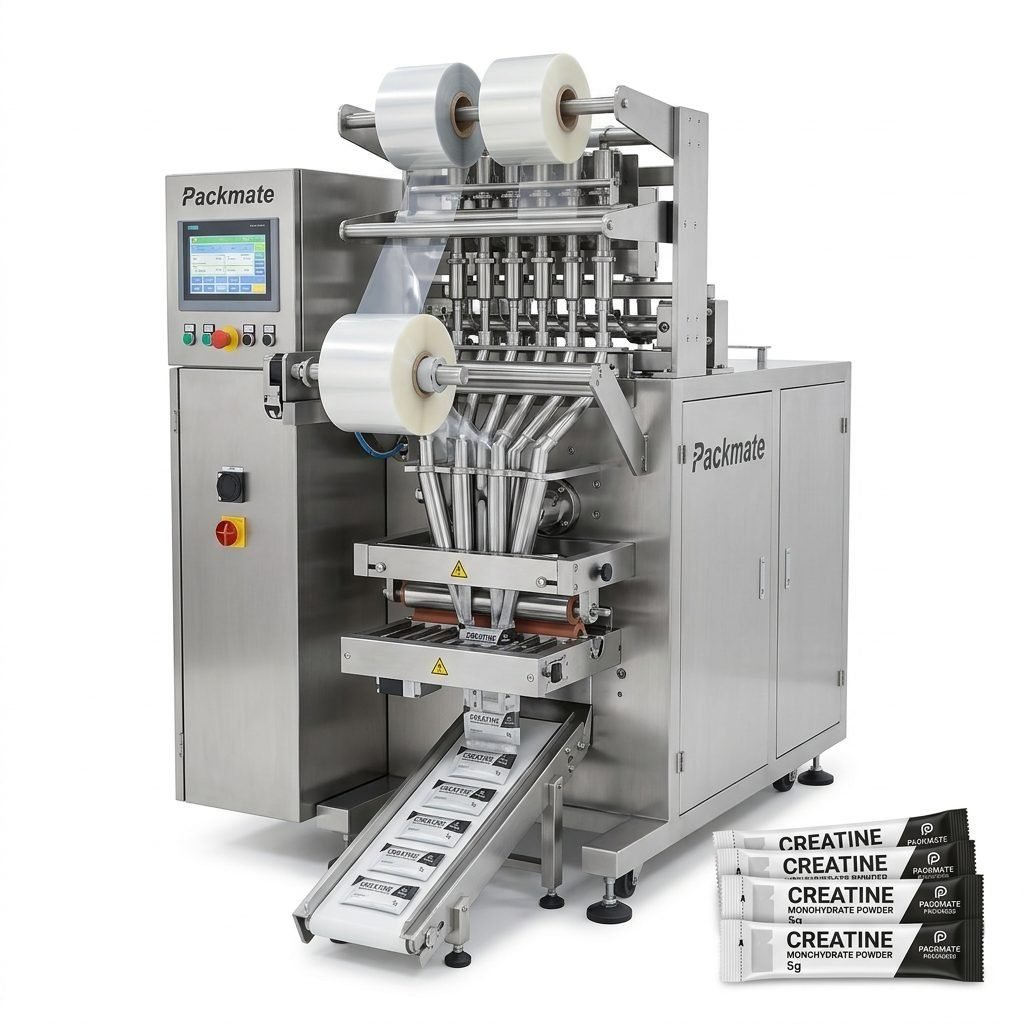
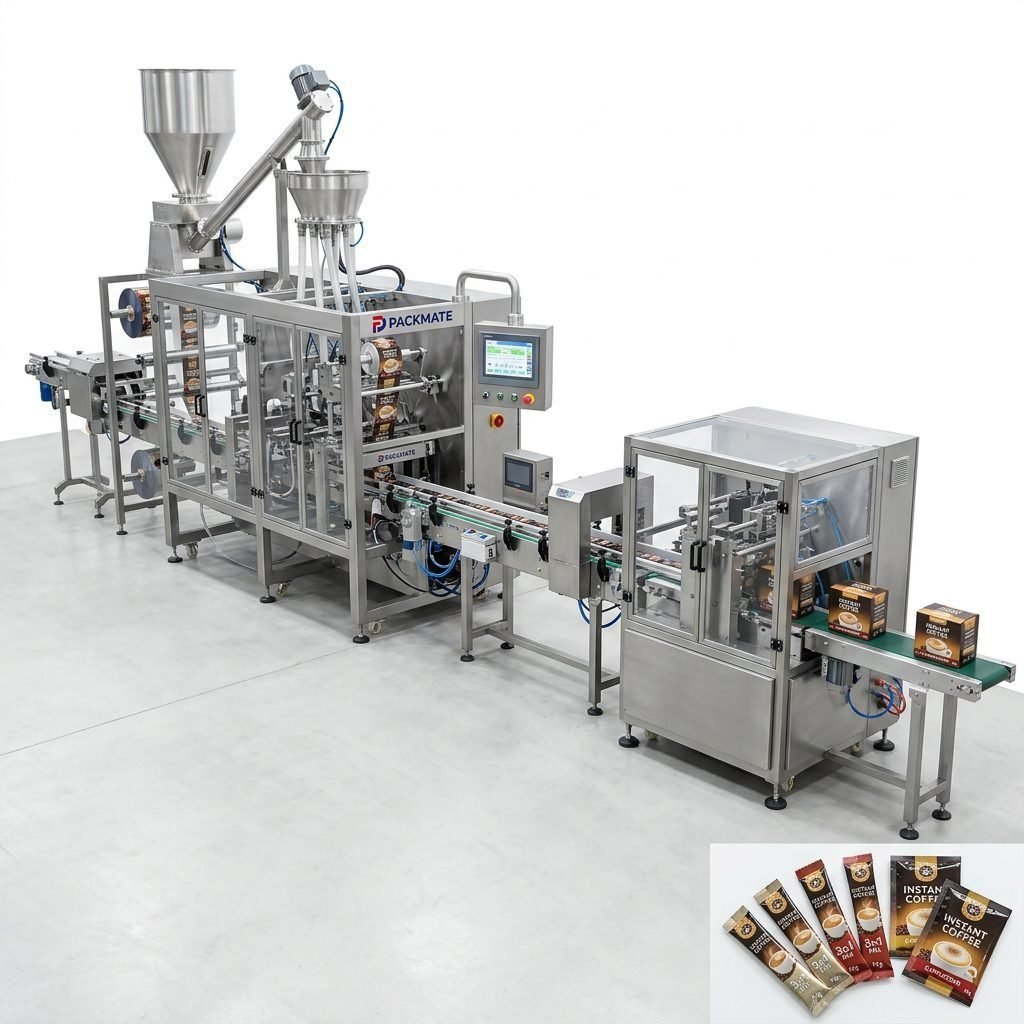
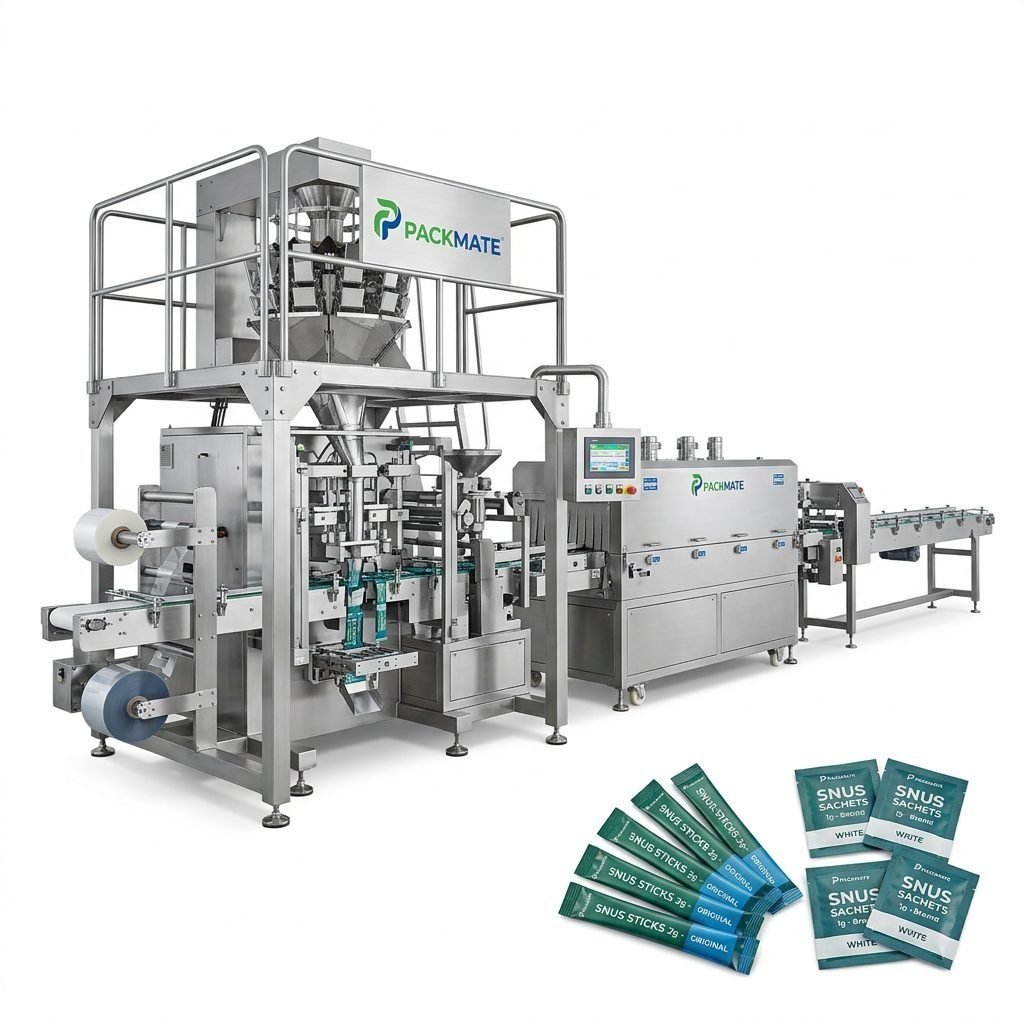
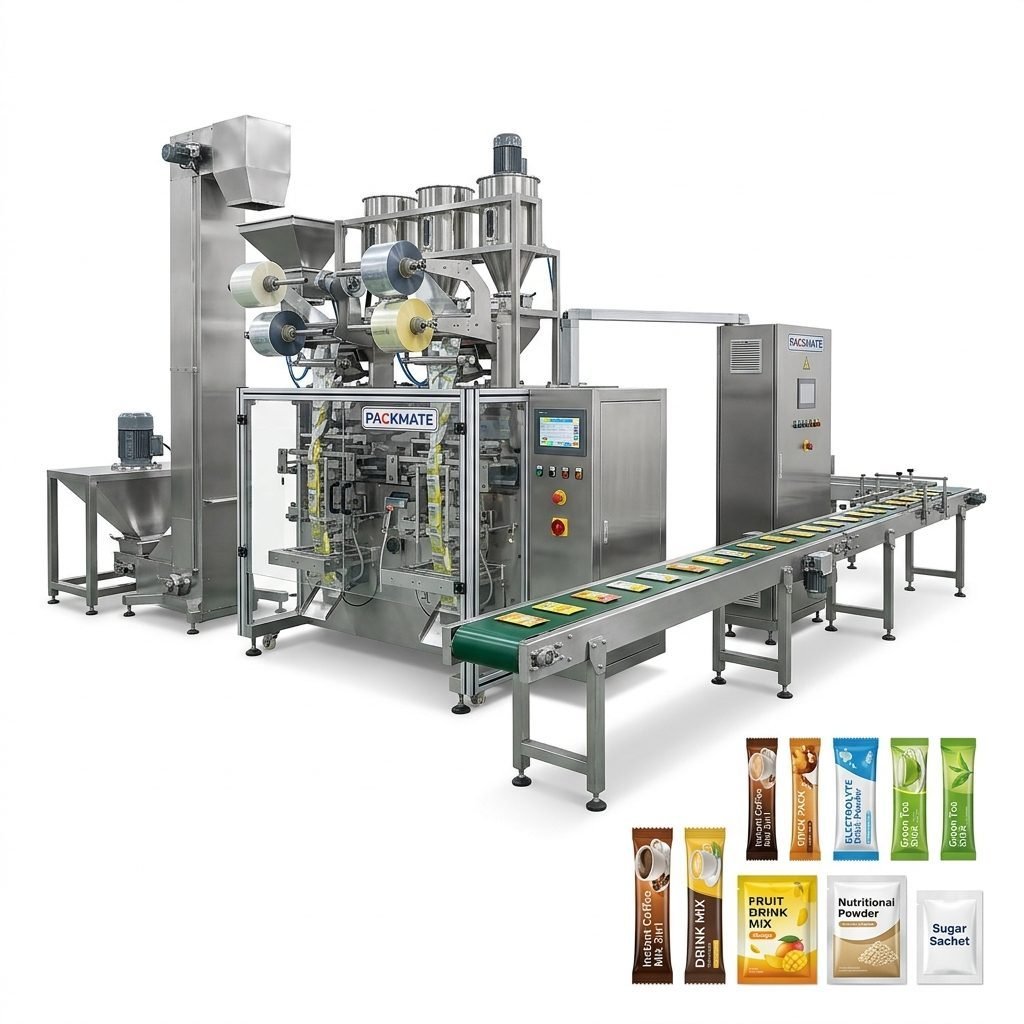
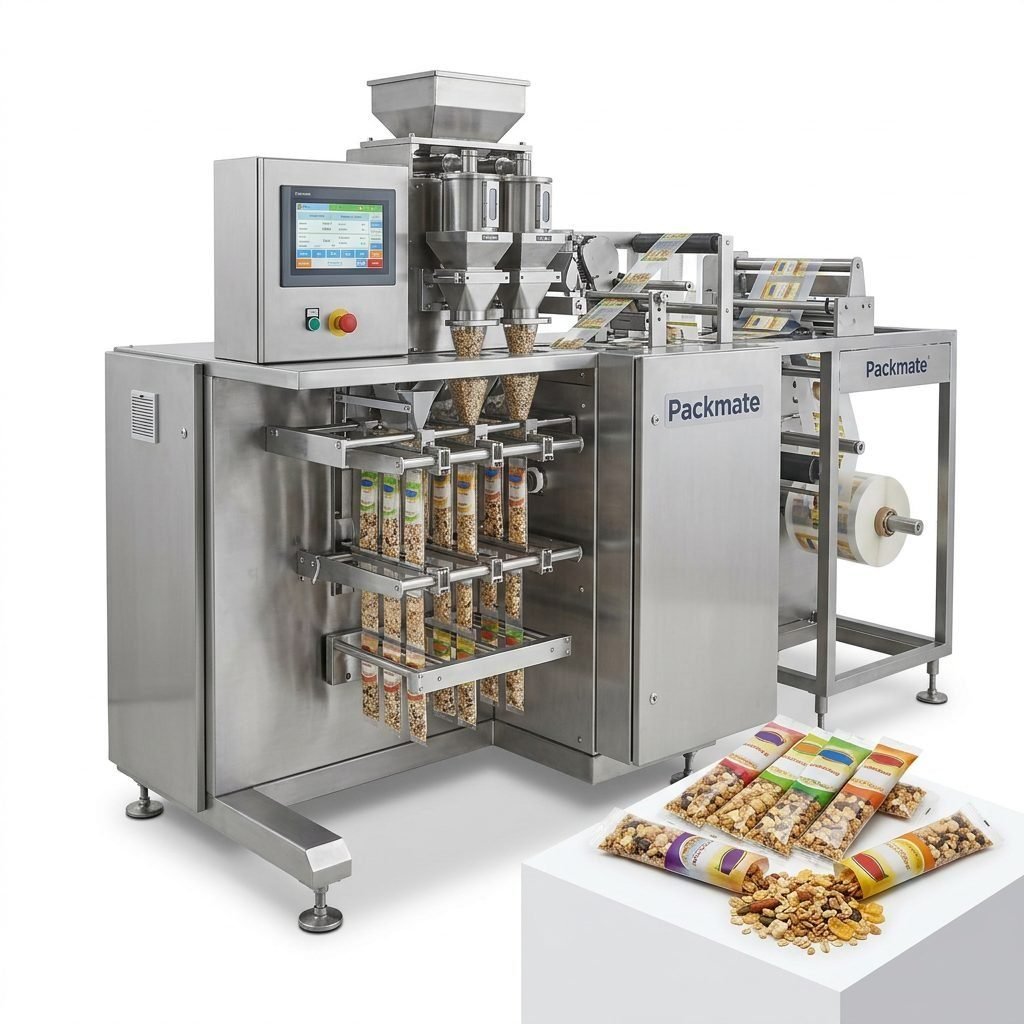
Packaging machines are the backbone of modern production lines, ensuring products are sealed, protected, and presented efficiently. However, like any complex machinery, they are prone to operational hiccups that can disrupt workflow and impact output. Understanding these common issues and their solutions is crucial for maintaining productivity. This guide delves into frequent problems encountered with various packaging equipment, from sachet and stick pack machines to larger filling and packaging lines, and provides practical steps to diagnose and fix them.
Inconsistent Sealing and Heat-Related Issues
One of the most prevalent problems in packaging is inconsistent or failed sealing. This often manifests as packages that are not fully closed, have weak seals, or show burnt marks on the film.
Primary Causes and Fixes:
Temperature Fluctuations: The sealing jaws may be at an incorrect temperature. Solution: Use a calibrated thermometer to check the jaw temperature against the film manufacturer’s specifications. Adjust the temperature controller accordingly. Allow sufficient warm-up time for the machine to reach a stable temperature.
Contaminated Sealing Jaws: Residue from previous runs or product spillage can prevent proper heat transfer. Solution: Regularly clean the sealing jaws with a soft, non-abrasive cloth and approved cleaner. Ensure the area is cool before cleaning to avoid injury.
Worn or Damaged Jaw Insulation: Over time, the insulation on heating elements can degrade. Solution: Inspect the jaws for visible damage or uneven heating. Replace the heating elements or insulation strips as per the machine manual.
Incorrect Pressure: The pressure applied by the sealing jaws might be too high or too low. Solution: Check and calibrate the pneumatic pressure settings. Ensure the jaw alignment is parallel to apply even pressure across the seal.
Inaccurate Product Weighing and Filling
For machines that handle granules, powders, or liquids, inaccurate filling is a critical issue that leads to product giveaways, underfilled packages, and compliance problems.
Key Point: Inaccuracies often stem from a combination of mechanical wear, calibration drift, and material characteristics like density variation or static cling.
Troubleshooting Steps for Filling Systems:
Check the Weighing System: For multi-head weighers or auger fillers, ensure load cells are not obstructed and are free from vibration. Perform a zero-point calibration.
Inspect the Filling Nozzles: Look for clogs, wear, or damage on nozzles, especially when handling sticky products. Clean or replace nozzles regularly.
Review Material Properties: Changes in material density, moisture content, or flowability can drastically affect fill volume. Ensure material is consistent and properly conditioned before packaging.
Verify Auger or Pump Settings: For volumetric fillers, confirm the auger size, speed, or pump stroke length is correctly set for the target fill weight. Re-calibrate after any product changeover.
Film Feeding and Web Tension Problems
Improper film handling causes wrinkles, misregistration, and frequent breaks, halting the entire packaging line.
Common Symptoms:
- Film constantly breaking or tearing.
- Printed graphics on the film are misaligned with the cut or seal points.
- Wrinkles forming in the film web before sealing.
- Uneven film roll unwinding.
Diagnosis and Resolution:
Web Tension: Incorrect tension is a primary culprit. Too much tension causes breaks; too little causes misalignment and wrinkles. Adjust the tension brakes or clutches according to the film type and speed. Modern machines with automatic tension control should have their sensors checked.
Film Roll and Guides: Ensure the film roll is mounted correctly and spins freely. Check all guide rollers for free rotation and alignment. A single stuck roller can introduce drag and cause wrinkles.
Registration Mark Sensors: If prints are misaligned, clean the photoelectric sensor eye. Check its positioning relative to the registration marks and adjust the sensitivity if needed. Ensure the film is tracking straight.
Mechanical Jams and Component Wear
Jams in the product feed, cutting mechanism, or discharge conveyor are disruptive and can cause component damage.
Preventive Maintenance is Key: Most jams are symptoms of wear or misalignment. Establish a routine maintenance schedule to inspect and lubricate moving parts like chains, gears, and bearings. Pay close attention to the cutting blades and anvils—dull blades cause poor cuts and material buildup.
Immediate Action for a Jam: Always follow lock-out/tag-out procedures. Clear the jam carefully, removing all product and film debris. Before restarting, manually cycle the machine to ensure all mechanisms move freely and return to their home positions.
Electrical and Control System Faults
Unexpected stops, unresponsive controls, or erratic machine behavior often point to electrical issues.
Systematic Checks:
1. Check the Error Code: Modern machines display error codes on the HMI (Human-Machine Interface). Consult the manual for the specific code’s meaning.
2. Power Supply: Verify that the machine is receiving stable power within the required voltage range. Check circuit breakers and fuses.
3. Sensors and Actuators: Proximity sensors, limit switches, and solenoids are common failure points. Use a multimeter to test their function. Clean optical sensors from dust.
4. PLC and Connections: While complex, sometimes simply cycling power can reset a confused PLC. Check for loose wires in terminal blocks, especially in areas with vibration.
Summary of Common Problems and Quick Fixes
Regular maintenance, proper operator training, and understanding your specific equipment—whether it’s a standard bag & pouch packaging machine or a complex integrated line—are the best defenses against downtime. For persistent or complex issues, always refer to the manufacturer’s manual or contact their technical service team for support. Here is a quick recap of the top issues:
1. Poor Seal Integrity: Caused by incorrect temperature, pressure, or dirty jaws. Fix by calibrating heat, adjusting pressure, and maintaining clean sealing surfaces.
2. Filling Inaccuracy: Stemming from uncalibrated scales, clogged nozzles, or material variance. Fix through regular calibration, nozzle maintenance, and controlling material properties.
3. Film Web Issues: Including breaks and misalignment due to incorrect tension or faulty sensors. Fix by adjusting tension controls and ensuring all guides and sensors are clean and functional.
4. Mechanical Jams: Often a result of component wear or misalignment. Prevent with scheduled lubrication and inspection of cutting blades and moving parts.
5. Electrical Faults: Manifest as random stops or control errors. Troubleshoot by checking error codes, power supply, and the status of key sensors and connections.