In today’s fast-paced industrial landscape, efficiency is not just a goal—it’s a necessity for survival and growth. For businesses handling granules, powders, and liquids across sectors like food, pharmaceuticals, and health products, the right packaging machinery is the cornerstone of operational success. Selecting a top-tier packaging machine company can transform production lines, ensuring speed, accuracy, and reliability that directly impact the bottom line. This article explores key players and considerations for finding the most efficient industrial packaging solutions.
The Hallmarks of a Leading Packaging Machine Provider
What truly sets apart the top companies in this competitive field? It goes beyond simply offering a machine for sale. Leading providers distinguish themselves through a combination of deep engineering expertise, proven reliability, and a commitment to continuous innovation. They understand that a packaging line is the final, critical touchpoint before a product reaches the consumer, making precision and consistency non-negotiable.
Companies that have stood the test of time, often with decades of experience, bring invaluable problem-solving knowledge to the table. They have navigated evolving market demands, regulatory changes, and technological shifts. This history translates into robust machine designs that minimize downtime and maximize output. Furthermore, a true industry leader doesn’t just sell equipment; it partners with clients to deliver complete turnkey packaging solutions, integrating various machines into a seamless, efficient system.
Innovation and Customization: Driving Modern Efficiency
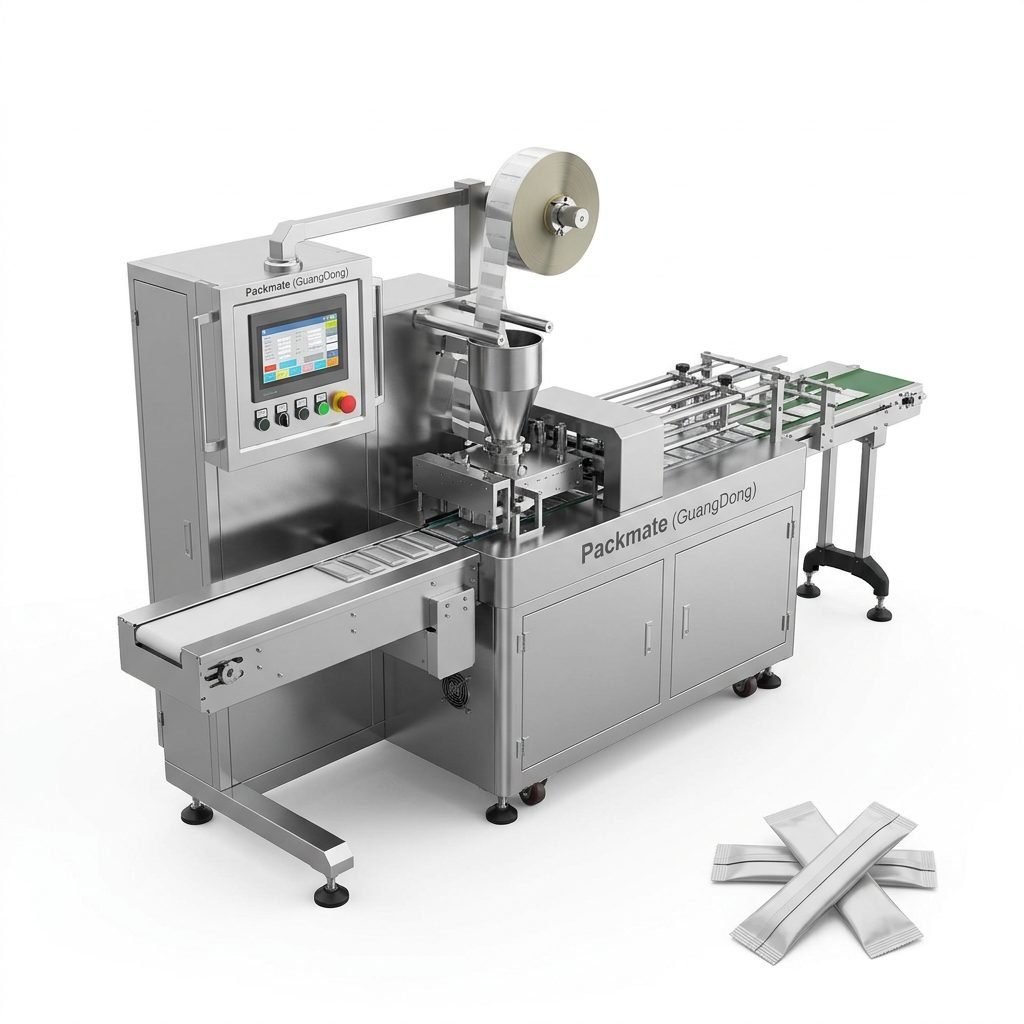
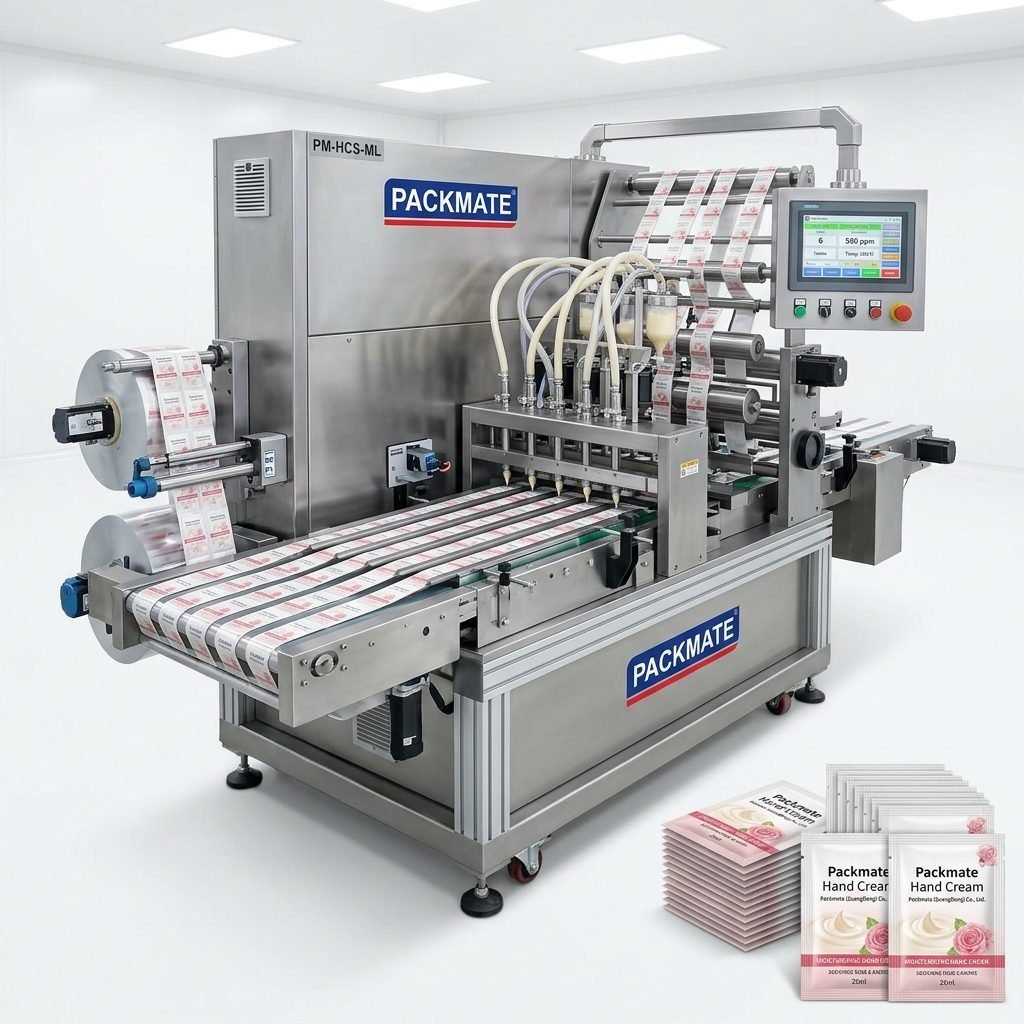
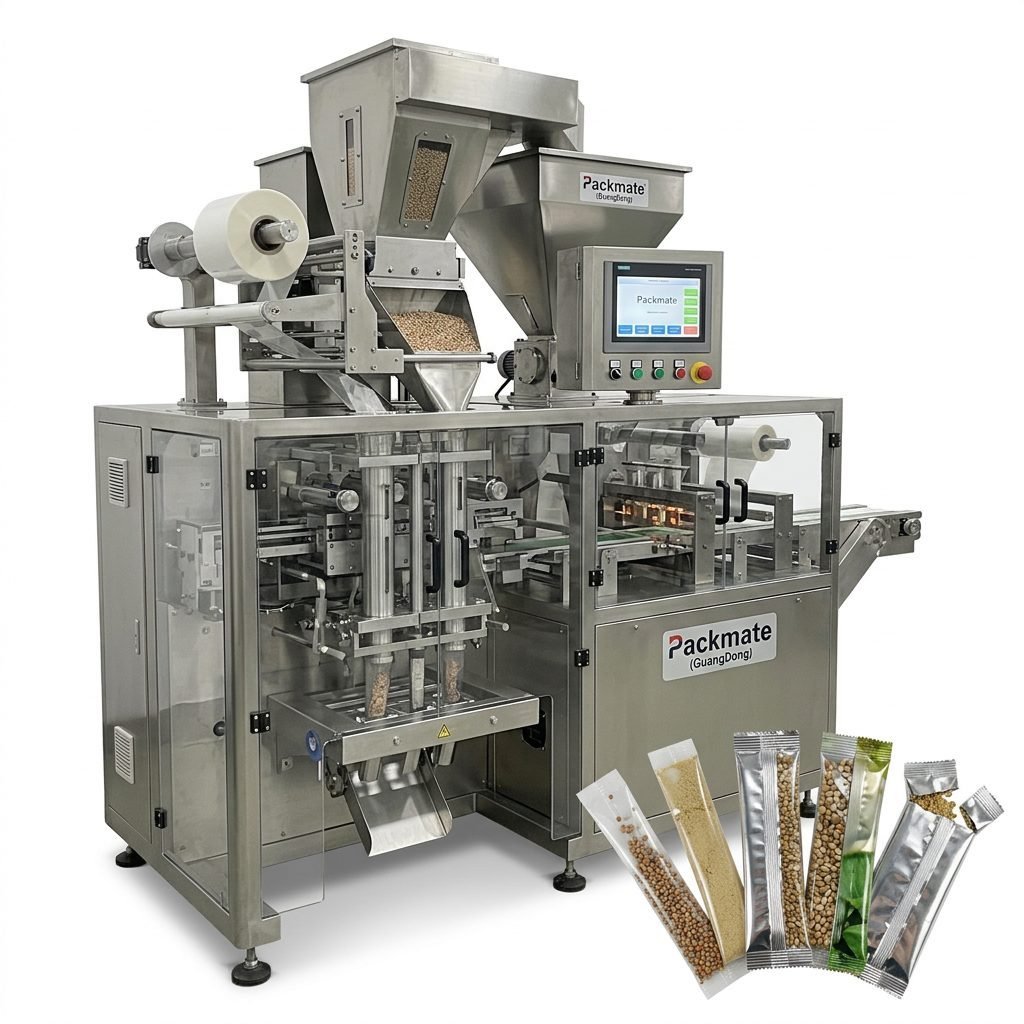
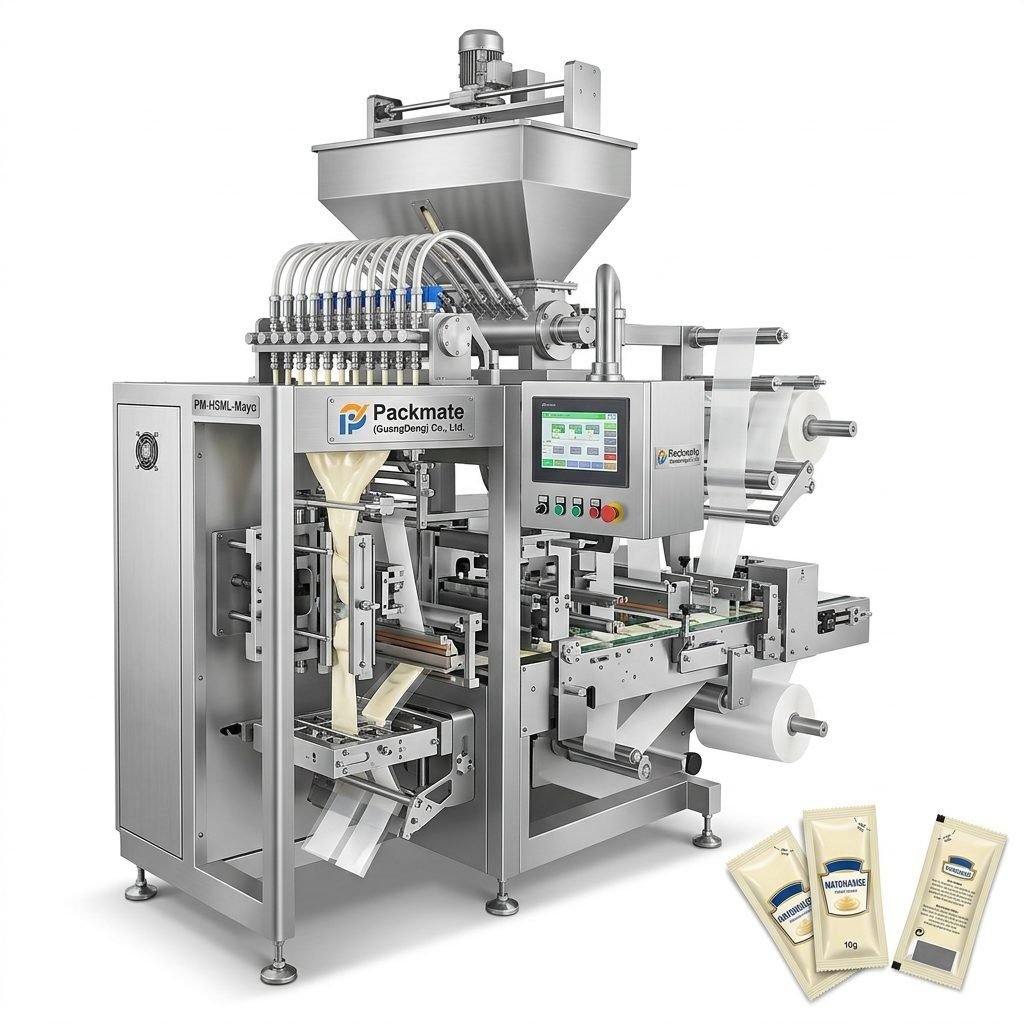
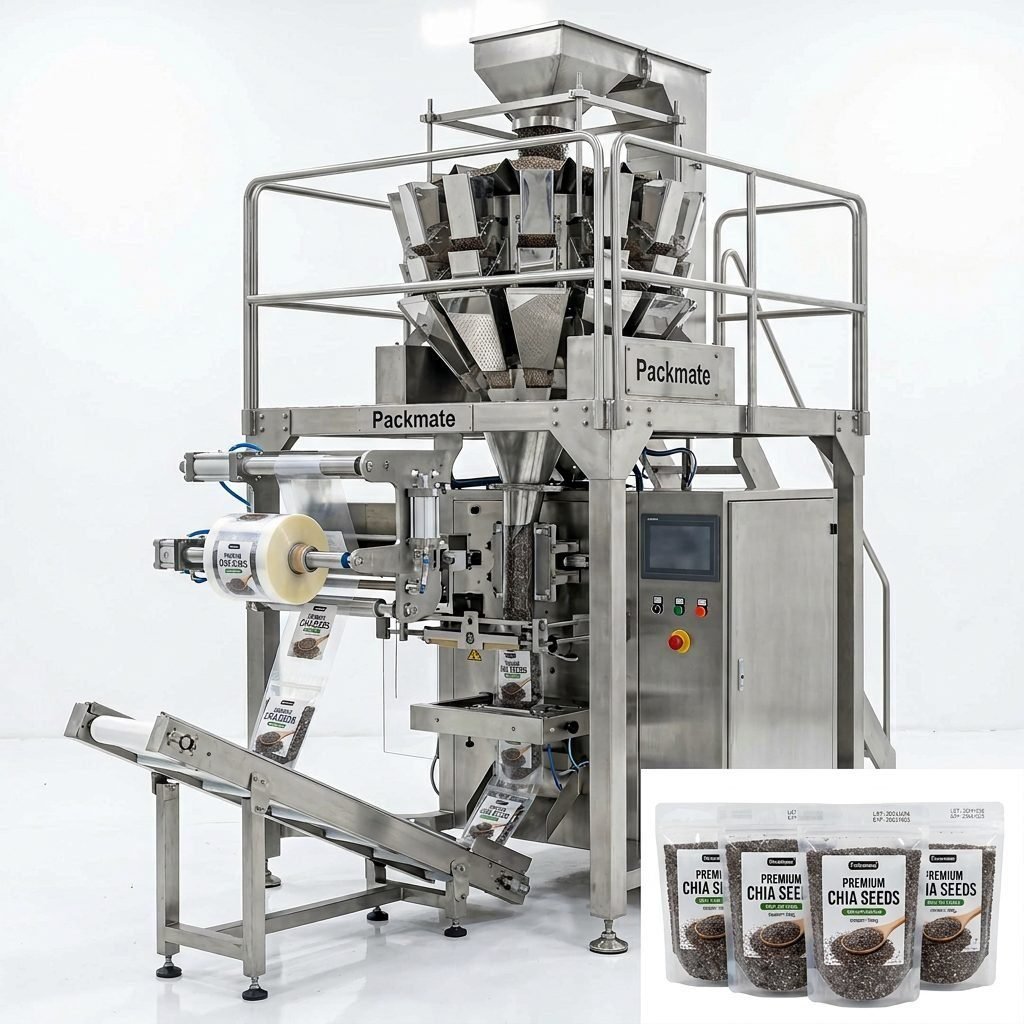
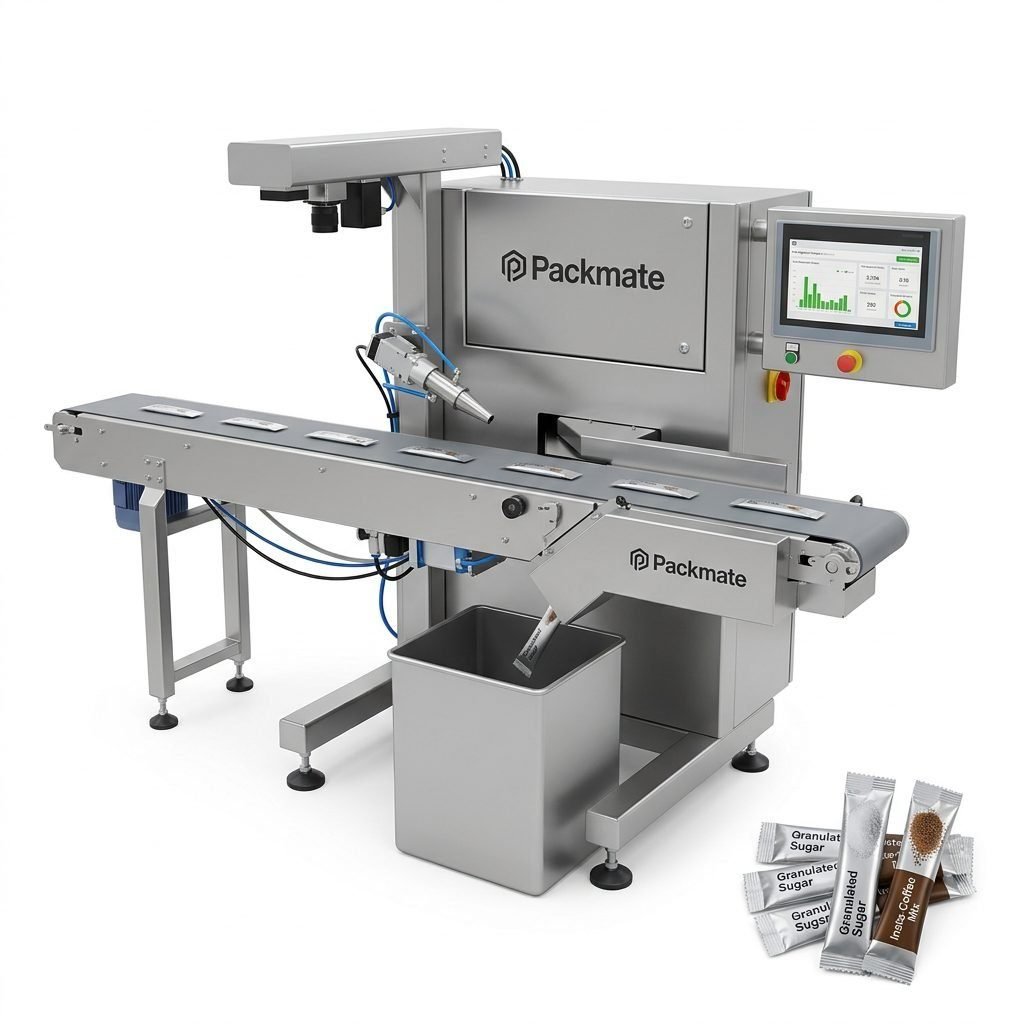
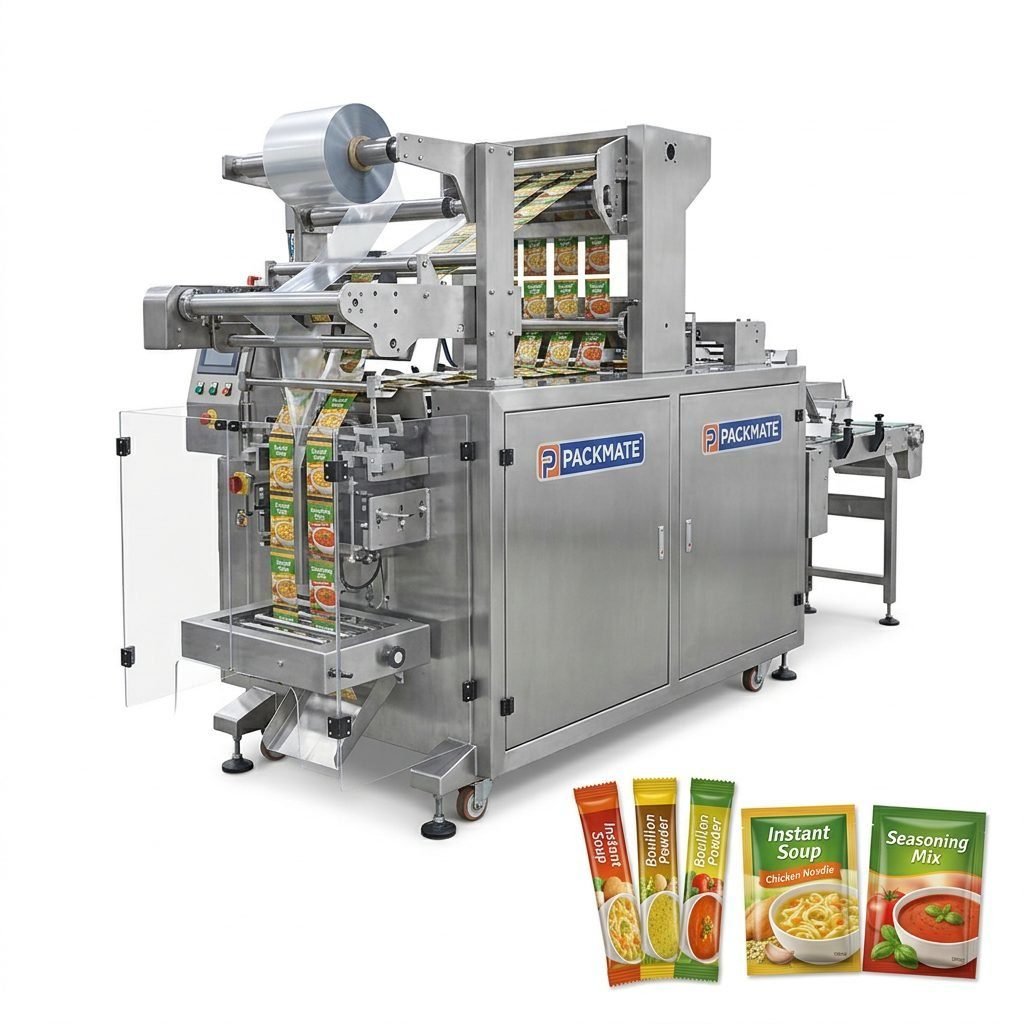
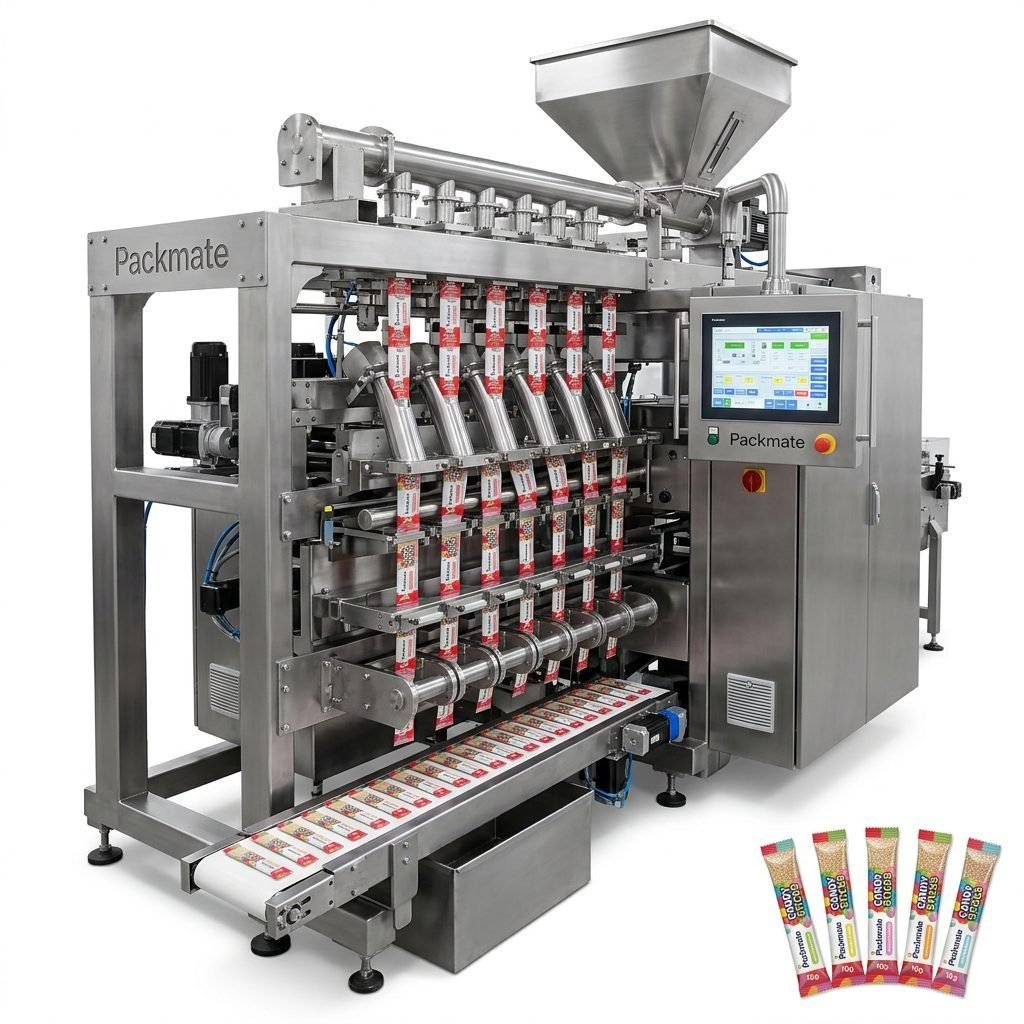
The demand for flexibility in packaging is higher than ever. Consumers seek convenience, and brands require distinct, shelf-standing formats. This has propelled innovation in machine capabilities. Modern top companies offer a diverse portfolio, from high-speed sachet and stick pack machines perfect for single-serve portions to sophisticated weighing and packaging systems that ensure perfect dose accuracy for premium products.
Customization is a critical differentiator. The ability to tailor a machine’s parameters—be it bag size, filling technology, or sealing method—to a specific product’s unique characteristics is what creates genuine efficiency. This bespoke approach reduces material waste, improves product presentation, and optimizes the entire packaging workflow. It requires a provider with a strong R&D department and a willingness to co-engineer solutions with the client.
The Role of Manufacturing Scale and Technological Infrastructure
A company’s physical and technological backbone is a strong indicator of its capability. A large, modern manufacturing facility, often spanning tens of thousands of square meters, allows for controlled, quality-focused production. Within such a facility, advanced production lines and dedicated testing areas are essential. Here, every machine component and assembled unit can be rigorously tested under simulated real-world conditions before shipment.
This scale ensures consistency in build quality and enables the company to maintain a comprehensive inventory of parts, which is crucial for after-sales support. When evaluating a provider, consider their investment in infrastructure. A company operating from a 20,000㎡ factory with over 100 pieces of advanced production equipment is demonstrably committed to industrial-grade output and has the capacity to handle large, complex orders with reliable timelines.
A Spotlight on Packmate Machinery: A Case Study in Growth and Expertise
Examining a specific company’s journey can illuminate the path to becoming a top provider. Packmate (GuangDong) Co., Ltd., operating under the brand Packmate Machinery, exemplifies this evolution. Founded on a vision for automation and productivity, the company’s story began in a small workshop in 1993, driven by the perseverance of its founder, Mr. Jiang Sha. This hands-on, problem-solving origin laid a foundation of practical innovation.
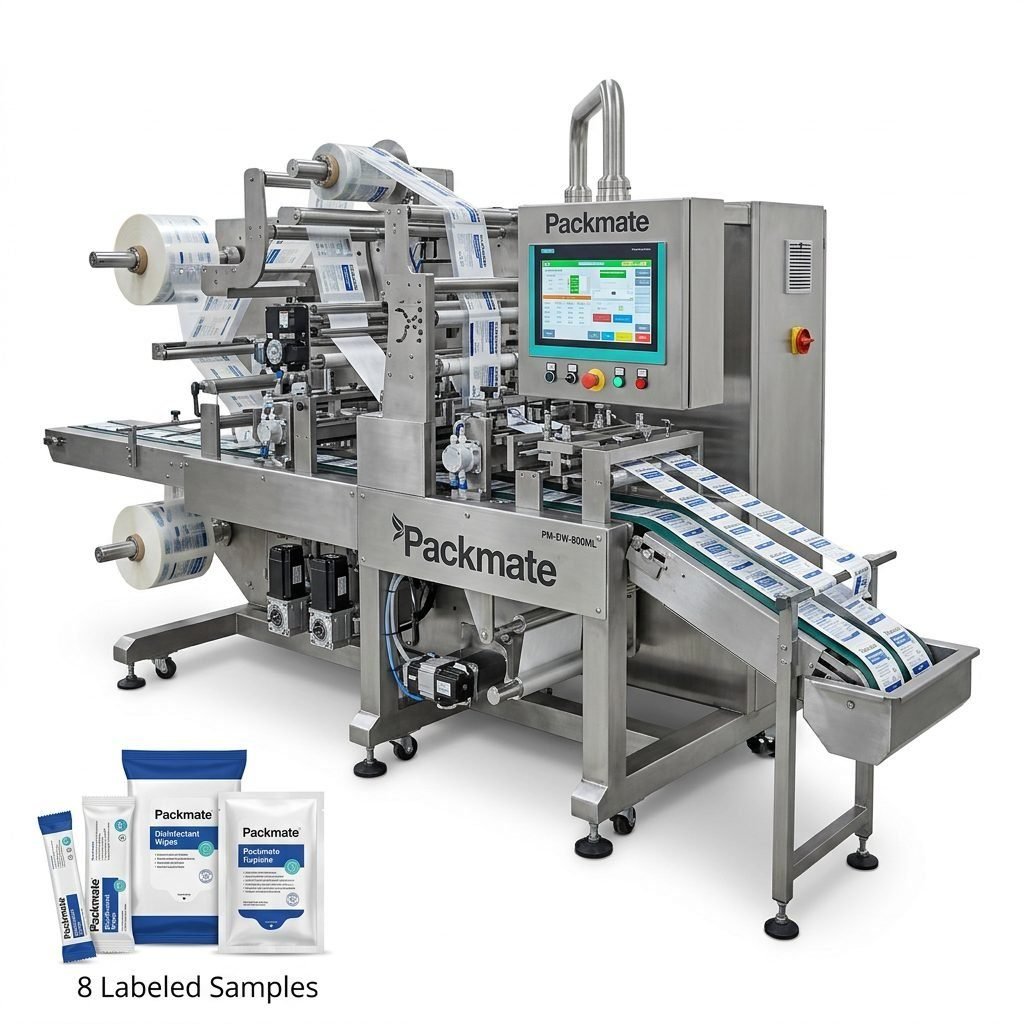
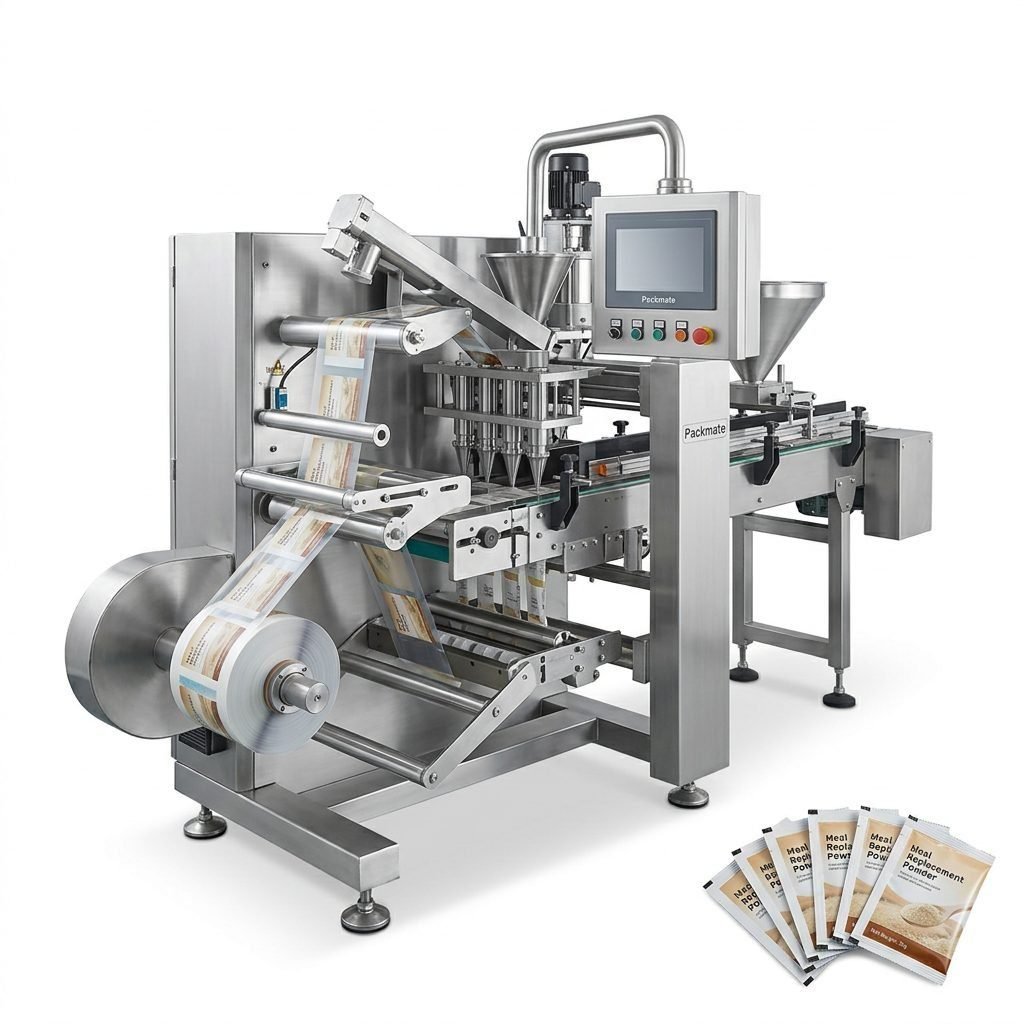
The company’s formal incorporation in 2003 marked the beginning of structured growth, uniting skilled engineers to focus on small sachet packaging machines. Recognizing market trends, a significant expansion occurred in 2012 with the introduction of multi-lane stick pack machines. This strategic move to offer diverse bag and pouch packaging machines allowed them to serve a broader client base seeking efficiency through higher output formats.
Key Milestones in Packmate’s Development:
- 1993: Origins in hands-on machine design and prototyping.
- 2003: Official company establishment in Zhongshan, Guangdong.
- 2012: Strategic expansion into multi-lane stick pack machinery.
- 2020: Corporate restructuring to align with the Greater Bay Area’s dynamic economy, reinforcing its market position.
- Present: Offering over 50 machine models and integrated filling and packaging lines for global clients.
Today, with over 30 years of collective expertise, Packmate serves a global clientele from its significant manufacturing base. The company’s development of more than 50 machine models showcases a commitment to addressing varied packaging needs, while its focus on turnkey solutions underscores a holistic approach to client success. This journey from a passionate startup to an established manufacturer mirrors the qualities that define a top packaging machine company: adaptability, technical depth, and a relentless focus on client-centric solutions.
Selecting Your Ideal Packaging Partner: Critical Factors
Choosing the right company is a strategic decision. Beyond technical specifications, consider these factors:
Industry-Specific Experience: Does the provider have a proven track record in your specific sector (e.g., food-grade standards, pharmaceutical compliance)? Their familiarity with your industry’s challenges is invaluable.
After-Sales and Service Network: Efficient machinery requires reliable support. Evaluate the company’s service infrastructure, availability of spare parts, and technical support responsiveness, both locally and internationally.
Commitment to Quality and Certification: Look for international quality management certifications. These are objective indicators of standardized manufacturing processes and a quality-conscious corporate culture.
Global Perspective and Local Support: A company with international experience understands diverse market requirements. The ability to offer localized support, whether through agents or direct service teams, ensures smooth operation wherever your facility is located.
Conclusion: Investing in Efficiency for Long-Term Success
Partnering with a top packaging machine company is an investment in the foundational efficiency of your production process. It’s about securing a partnership that provides not just a machine, but reliability, innovation, and support. In an era where speed-to-market and operational agility are paramount, the right packaging equipment partner becomes a key ally in achieving sustainable growth and maintaining a competitive edge. By prioritizing expertise, technological capability, and a proven history of solving complex packaging challenges, businesses can ensure their packaging operations are a source of strength, not a bottleneck.
Frequently Asked Questions (FAQs)
1. What industries do top packaging machine companies typically serve?
Leading packaging machinery providers often have expertise across multiple demanding sectors. The most common include the food and beverage industry (for granules, powders, spices, liquids), the pharmaceutical and nutraceutical industry (requiring high precision and cleanliness), and the health & personal care industry (for products like teas, supplements, and cosmetics). Many also serve chemical, agricultural, and other industrial segments.
2. Why is a “turnkey solution” important when selecting a provider?
A turnkey solution means the provider takes responsibility for delivering a complete, ready-to-operate packaging line. This is crucial because it ensures seamless integration of different machines (e.g., feeding, weighing, filling, sealing), eliminates compatibility issues between equipment from different vendors, provides a single point of contact for service, and often results in a faster, more optimized overall setup compared to piecing together machines from multiple suppliers.
3. How important is the manufacturing scale of the equipment supplier?
Very important. A supplier with a large, modern manufacturing facility typically has better quality control processes, more advanced testing capabilities, and greater production capacity. This scale often translates into higher build quality, more consistent machine performance, and the ability to fulfill large orders reliably. It also usually indicates a stronger financial footing for long-term parts supply and technical support.
4. What should I look for in after-sales service?
Key after-sales service elements include: Availability of genuine spare parts, responsive technical support (via phone, email, or remote access), options for on-site engineer visits, availability of operation and maintenance training for your staff, and clear service agreements. A global network of service agents or offices is a significant advantage for international clients.
5. Can packaging machines be customized for my specific product?
Yes, customization is a standard offering from top-tier companies. Reputable providers will work with you to adjust machine parameters like bag size and shape, filling volume and accuracy, sealing type, feeding systems, and software interfaces. They may even undertake custom engineering projects for highly unique products or packaging formats. Always discuss your specific product characteristics and requirements in detail during the consultation phase.