In the competitive dairy industry, efficiency, hygiene, and product integrity are non-negotiable. Selecting the right packaging machinery is a critical investment that directly impacts production speed, operational costs, and the final quality that reaches the consumer. This guide delves into the world of dairy packaging machines, exploring the best types for various products and outlining key factors to consider for building an efficient, reliable production line.
The Critical Role of Packaging in Dairy Production
Dairy packaging serves far more than just a container function. It is the final guardian of product safety and quality. Effective packaging must provide an absolute barrier against moisture, oxygen, and light to prevent spoilage and preserve nutritional value. It must also maintain structural integrity during filling, sealing, and transportation. Beyond protection, the packaging is a powerful marketing tool on the shelf, influencing consumer perception and purchase decisions. Therefore, the machinery that creates this packaging must operate with precision, consistency, and superior hygiene standards to meet stringent food safety regulations globally.
Why Efficiency Matters
Modern dairy processing operates on high volumes with tight margins. Efficient packaging lines minimize product giveaway through accurate filling, reduce downtime with reliable machinery, and optimize labor costs through automation. An efficient line from a trusted manufacturer like Packmate Machinery can significantly boost your overall plant throughput and profitability.
Best Machine Types for Different Dairy Products
Not all dairy products are packaged the same. The ideal machine is chosen based on product viscosity, required shelf life, and portion size.
1. Liquid Milk & Beverages: Filling & Sealing Lines
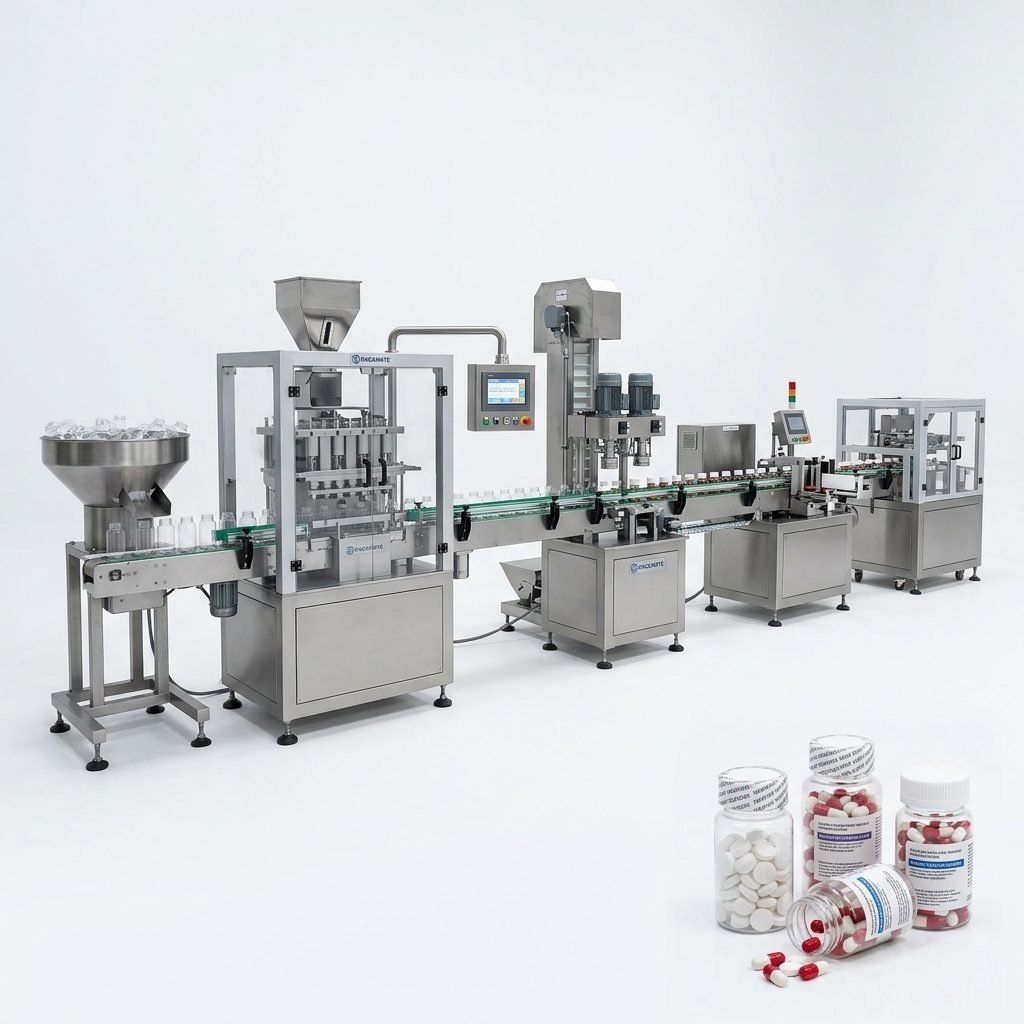
For milk, flavored milk, and dairy drinks, automated filling lines are paramount. These typically integrate bottle unscramblers, air cleaners, liquid fillers, capping machines, and labelers. Key considerations include filling accuracy to avoid under or overfills, and the ability to handle different container materials like HDPE bottles or cartons. Aseptic filling machines are the gold standard for long-life (UHT) products, creating a sterile environment to package products without refrigeration.
2. Yogurt, Desserts & Creams: Cup Filling and Sealing Machines
This category requires machines that can handle viscous products cleanly and seal various lid types (foil, plastic). Multi-lane filling systems dramatically increase output for small cups. Machines must offer gentle product handling to maintain texture and prevent air inclusion. For products with fruit puree or granola additions, sophisticated multi-head dosing systems are integrated into the filling and packaging lines.
3. Cheese (Shredded, Sliced, Blocks): Weighing & Form-Fill-Seal
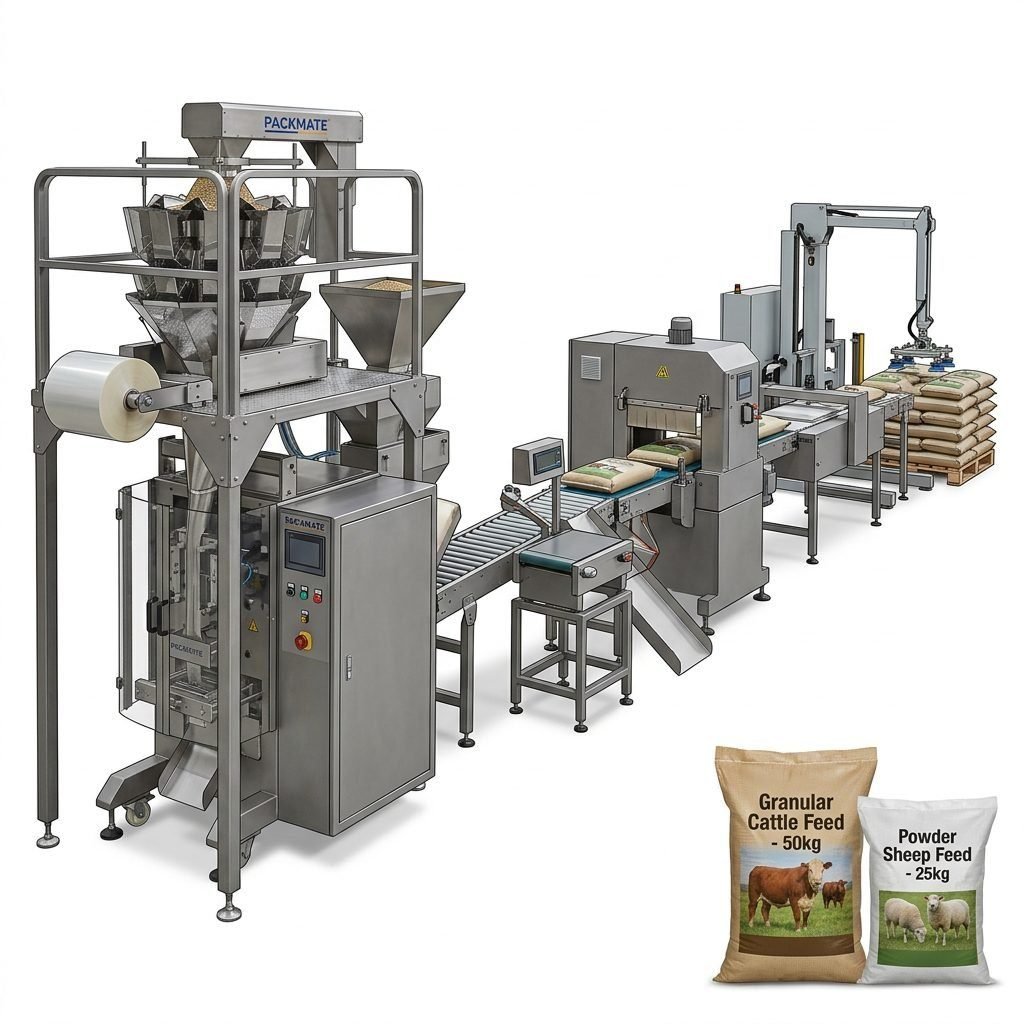
Cheese packaging often relies on advanced weighing and packaging systems. For shredded cheese, multi-head weighers provide unparalleled speed and portioning accuracy, feeding into vertical form-fill-seal (VFFS) machines that create bags from a roll of film. For sliced cheese and small blocks, horizontal flow wrappers or customized cartoning solutions are common. The machinery must ensure a tight seal to maintain freshness and prevent clumping in shredded products.
4. Powdered Milk & Dairy Ingredients: Stick Pack & Sachet Machines
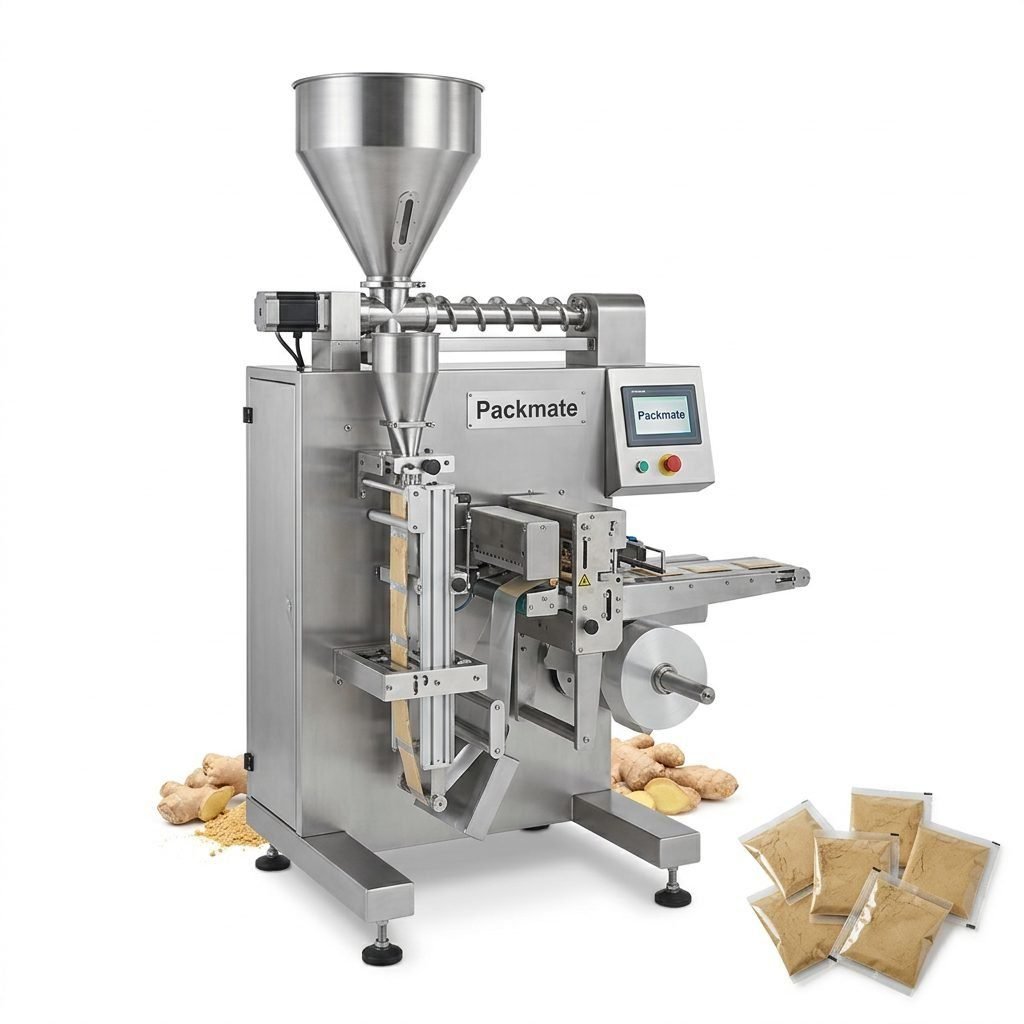
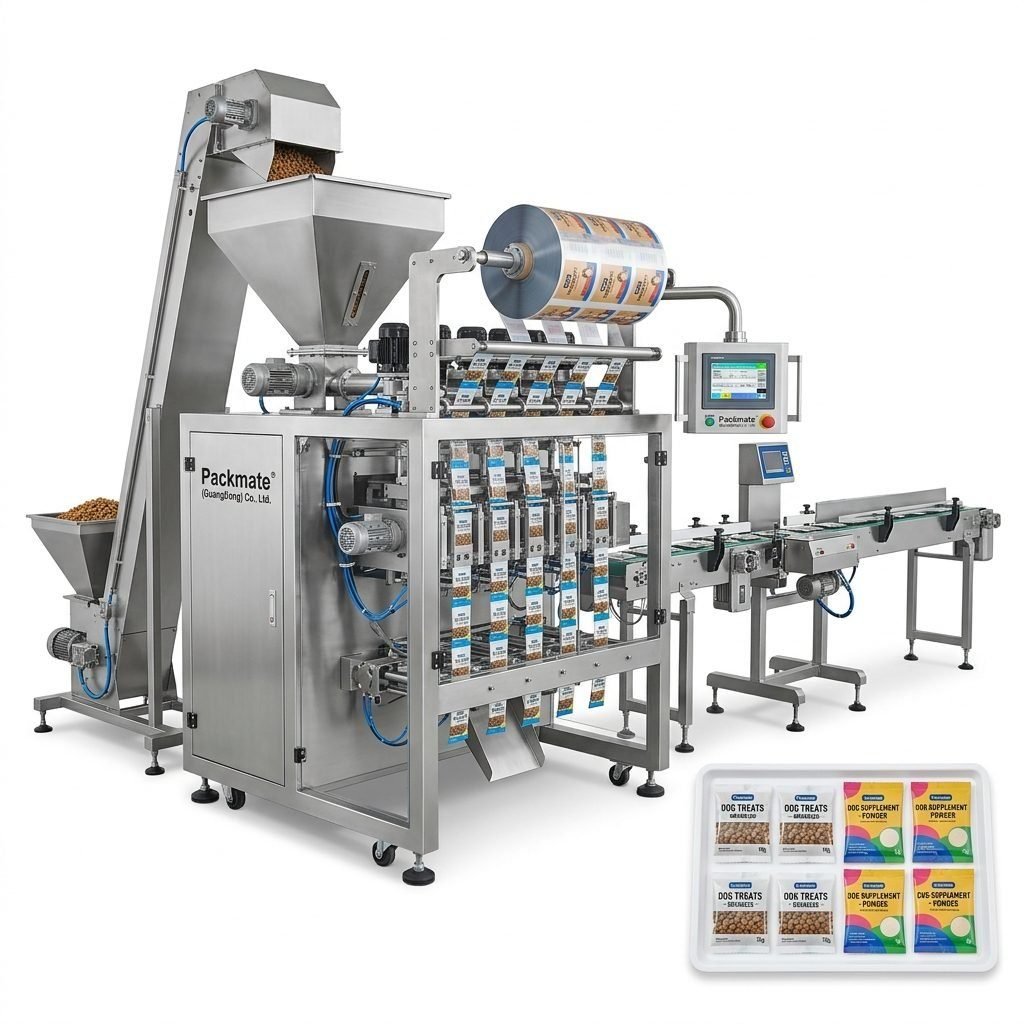
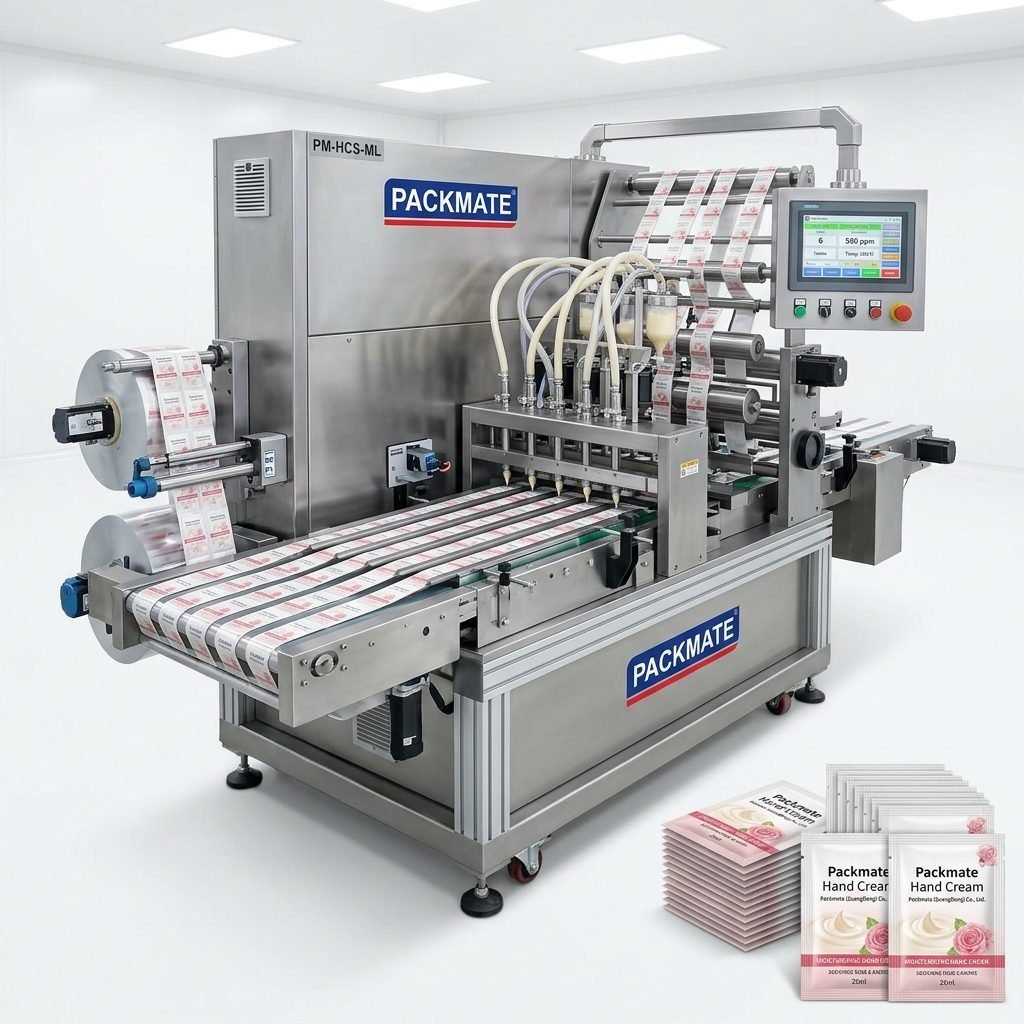
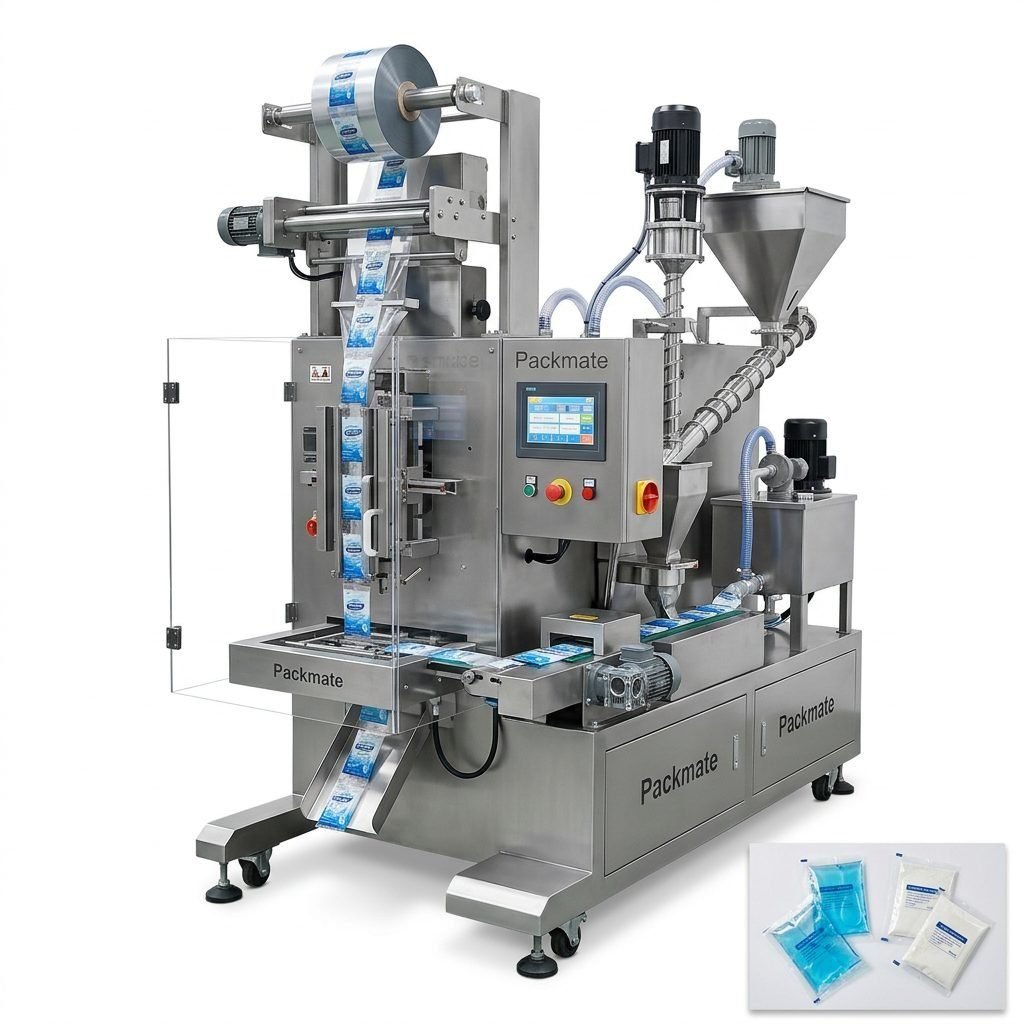
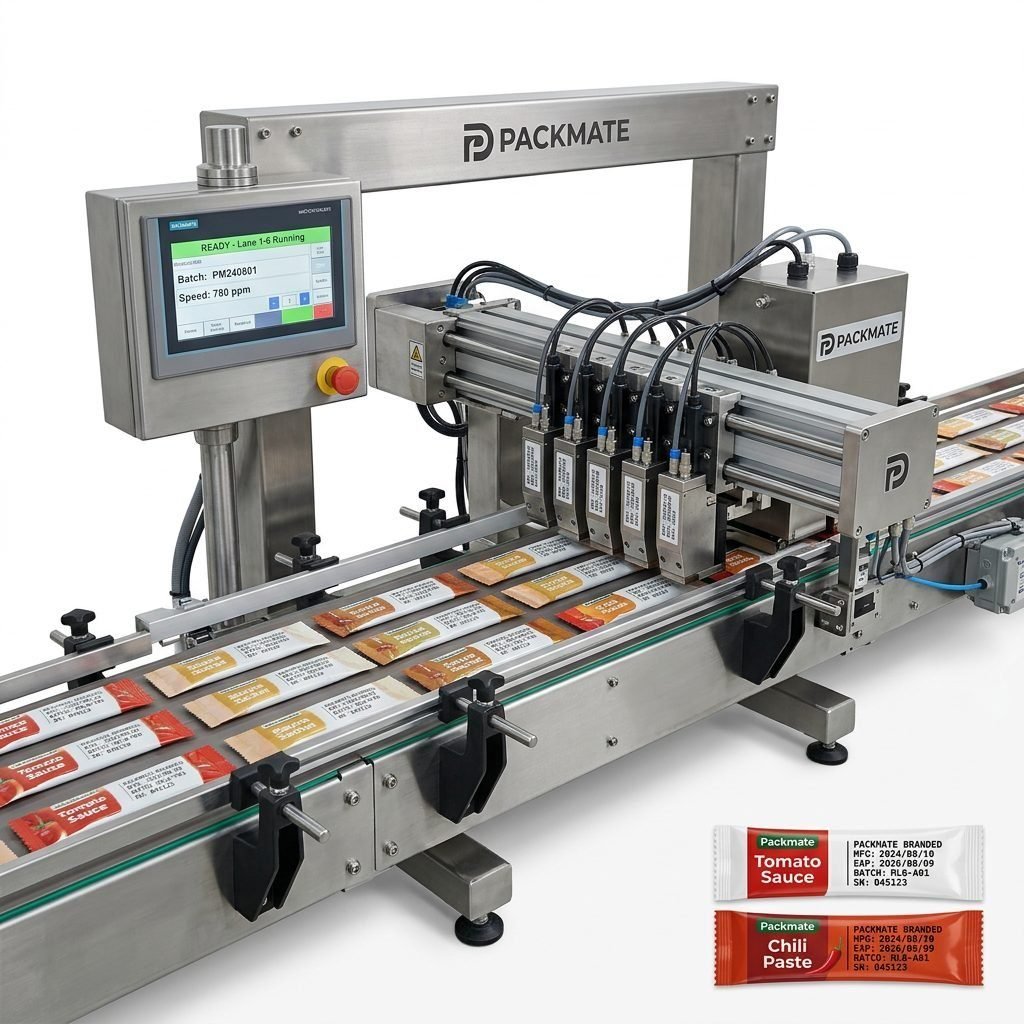
Single-serve portions of milk powder, creamers, or protein supplements are ideally packaged using high-speed stick pack or sachet machines. These machines form, fill, and seal packages from roll stock in one continuous operation. They are excellent for ensuring precise dosage and extended shelf life. For manufacturers requiring high output, multi-lane sachet and stick pack machines from experienced providers can run multiple lanes simultaneously, maximizing efficiency.
Key Features for an Efficient Dairy Packaging Line
- Hygienic Design: All surfaces should be easy to clean, with minimal crevices. Stainless steel (304 or 316 grade) construction is essential for product contact parts.
- Accuracy & Consistency: Look for machines with servo-driven technology for precise control over film feeding, filling volumes, and sealing parameters.
- Changeover Flexibility: Quick and simple changeovers between package sizes or products are vital for reducing downtime in facilities producing multiple SKUs.
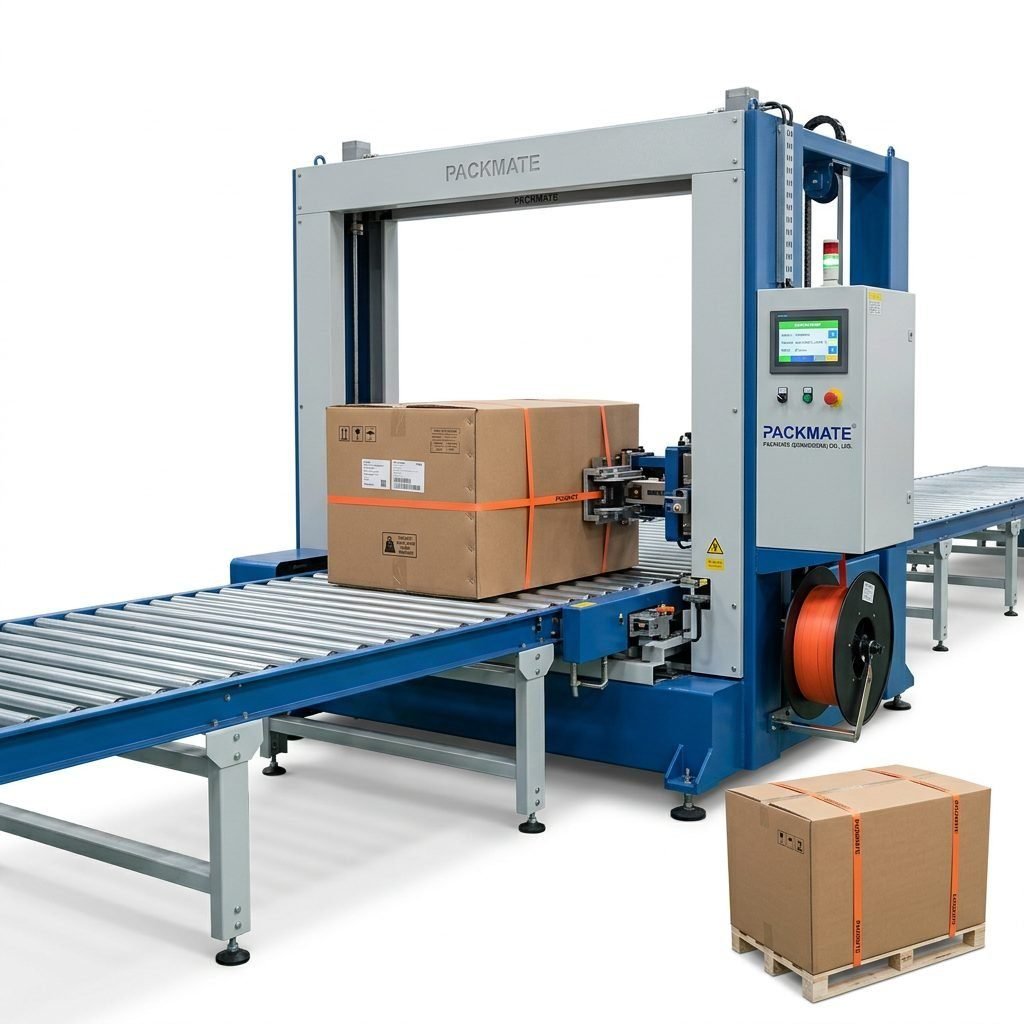
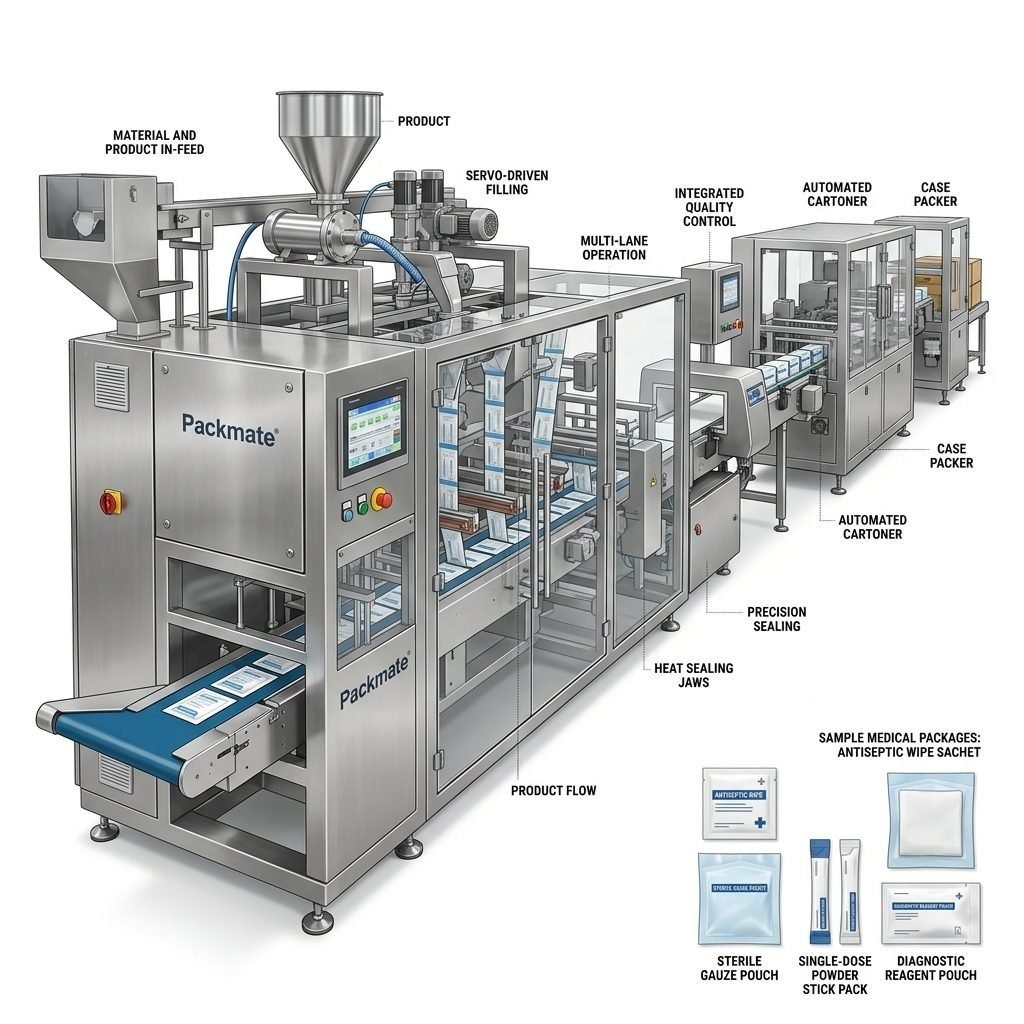
- Integration Capability: The best machines are designed to integrate seamlessly with upstream (mixers, processors) and downstream (cartoners, case packers) equipment.
- Reliability & Support: Choose equipment from manufacturers with a proven track record of durability and who offer comprehensive after-sales service and spare parts.
Investing in a Turnkey Solution
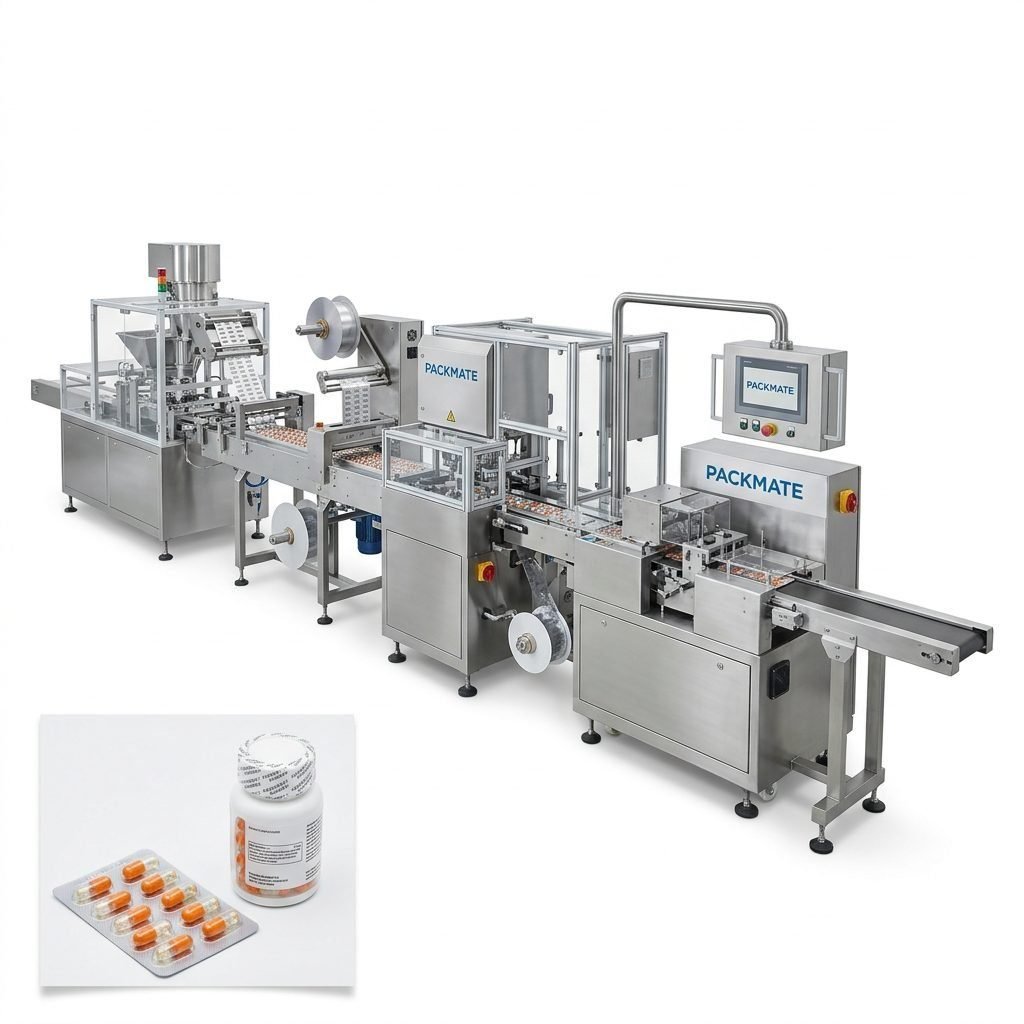
For new production lines or major upgrades, partnering with a supplier that offers complete turnkey solutions can be highly advantageous. This approach involves a single provider, like Packmate (GuangDong) Co., Ltd., handling everything from initial design and machinery selection to installation, commissioning, and operator training. This ensures compatibility between all line components, streamlines the project timeline, and provides a single point of accountability. With over 30 years of expertise in packaging granules, powders, and liquids, such partners bring invaluable experience to the complex demands of dairy packaging.
Conclusion
Selecting the best dairy packaging machinery is a strategic decision that underpins production efficiency, product quality, and business growth. By understanding the specific needs of your product—whether it’s liquid, viscous, solid, or powdered—and prioritizing features like hygiene, accuracy, and reliability, you can build a packaging line that delivers exceptional performance. Investing in quality equipment from established manufacturers is an investment in the long-term success and reputation of your dairy brand.
Frequently Asked Questions (FAQs)
1. What is the most important factor when choosing a dairy packaging machine?
The most critical factor is hygienic design and construction to comply with food safety standards (like FDA, EHEDG). The machine must be easy to clean and sanitize, typically using food-grade stainless steel, to prevent bacterial contamination and ensure product safety.
2. Can one machine handle different types of dairy products?
Some machines offer flexibility, but significant product changes (e.g., from liquid milk to thick yogurt) usually require different filling systems. However, many modern machines are designed for quick changeovers between different package sizes or similar-viscosity products, improving line flexibility.
3. How can I improve the efficiency of my existing packaging line?
Efficiency can be improved by upgrading key components like fillers or sealers to faster, more accurate models, integrating automation for tasks like carton loading, and implementing predictive maintenance schedules to reduce unplanned downtime. An audit from a packaging specialist can identify key bottlenecks.
4. What is the benefit of a multi-lane stick pack machine for dairy powders?
A multi-lane machine runs multiple packaging lanes in parallel from a single base. This architecture dramatically increases output without a proportional increase in floor space or complexity, making it ideal for high-volume production of single-serve milk powder, creamer, or protein supplements.
5. Why should I consider a turnkey packaging solution provider?
A turnkey provider manages the entire project from concept to production-ready line. This saves you time and coordination effort, ensures all equipment components are compatible, and provides a single source for technical support and service, reducing operational risks.