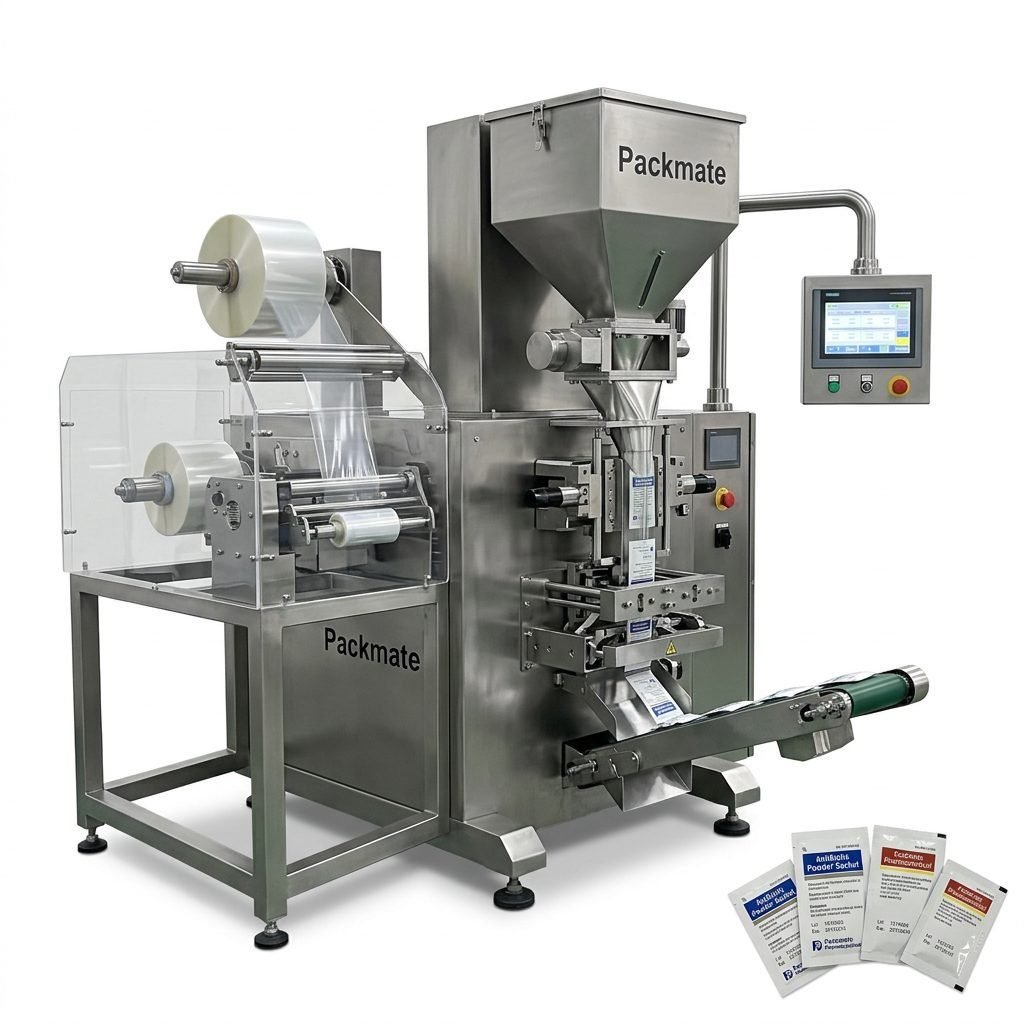
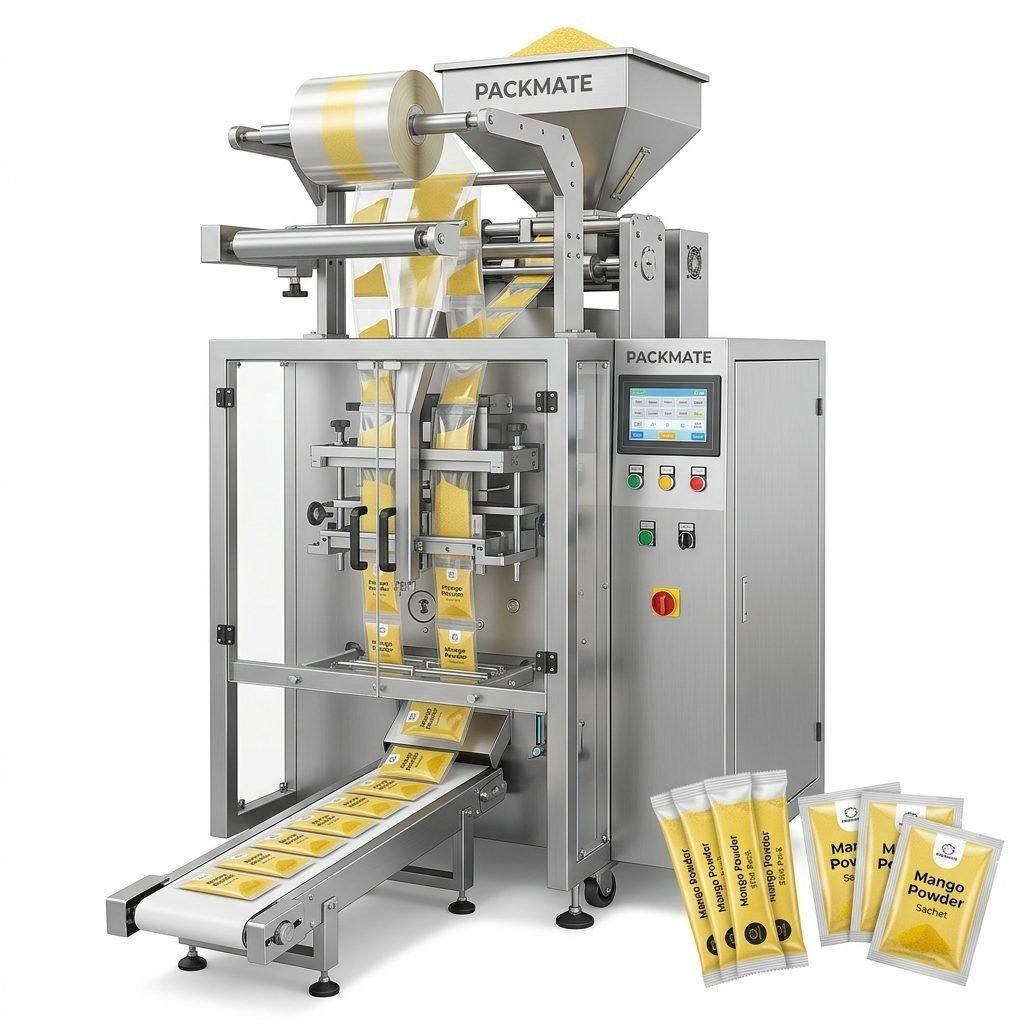
In the fast-paced world of snack food manufacturing, efficiency is the cornerstone of profitability. A potato chip packaging machine is not just a piece of equipment; it’s the final, critical link in your production chain that determines product presentation, shelf life, and overall operational throughput. Selecting and optimizing the right packaging system can dramatically reduce waste, minimize downtime, and ensure your crispy products reach consumers in perfect condition. This guide delves into the essential aspects of potato chip packaging machinery, providing insights for businesses aiming to streamline their production for maximum output and quality.
Core Functions of a Modern Potato Chip Packager
The primary role of the packaging machine is to create a protective barrier against moisture, air, and light—the main enemies of potato chip freshness. Modern machines integrate several key functions into a seamless line. The process typically begins with weighing and portioning, where precise scales ensure each bag contains the correct net weight, a critical factor for consumer trust and regulatory compliance. This is followed by bag forming, filling, and sealing. High-speed machines form bags from a roll of laminated film, often incorporating a gas flush system. Nitrogen flushing is particularly vital for chips, as it displaces oxygen inside the bag to prevent staleness and rancidity, significantly extending shelf life.
Key Packaging Materials for Chips
The choice of packaging film is as important as the machine itself. Most chips are packaged in multi-layer laminated films that combine:
- Barrier Properties: Layers like metallized film or aluminum foil to block light and oxygen.
- Strength: Polyester or nylon layers for puncture and tear resistance.
- Sealability: An inner layer of polyethylene (PE) or cast polypropylene (CPP) that heat-seals reliably.
Advanced films also offer excellent printability for vibrant branding and necessary nutritional information.
Types of Packaging Machines for Chip Production
Choosing the right machine type depends on your production volume, bag style, and flexibility needs.
Vertical Form-Fill-Seal (VFFS) Machines
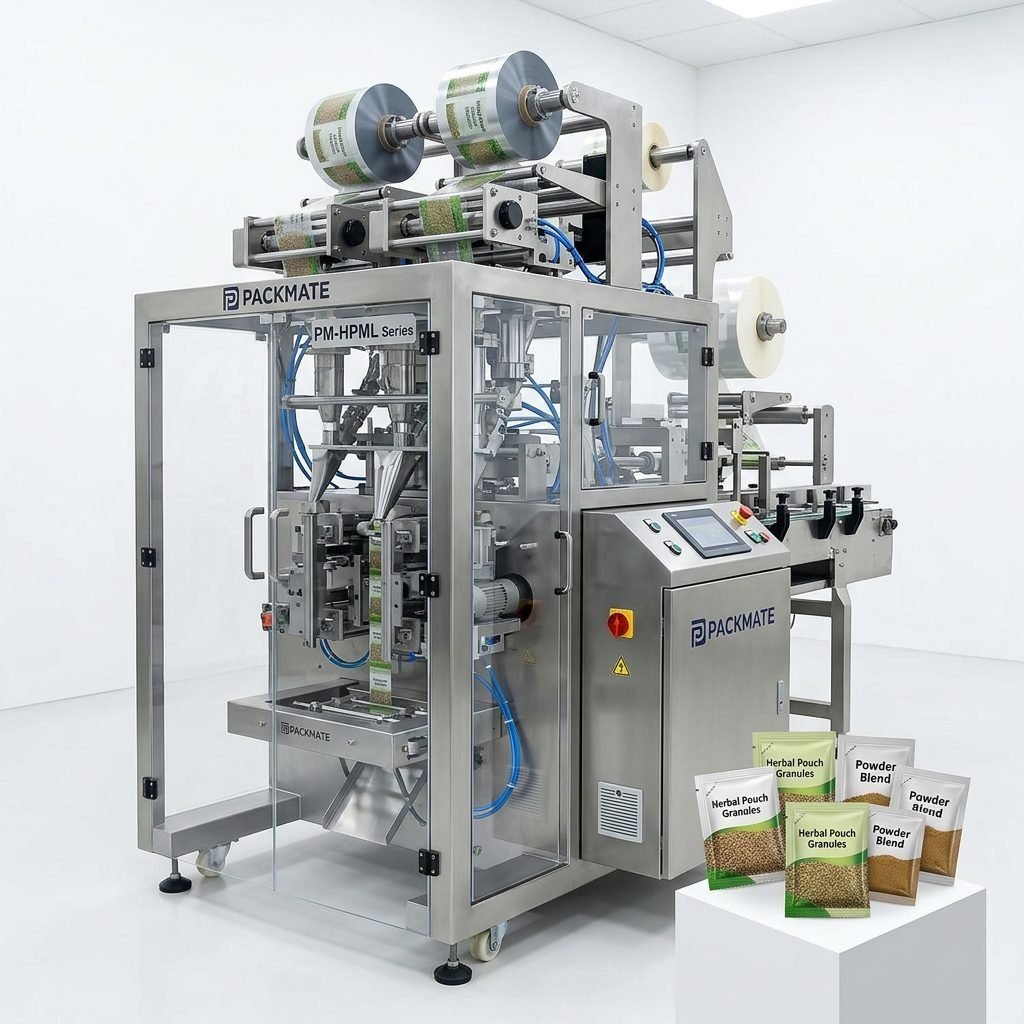
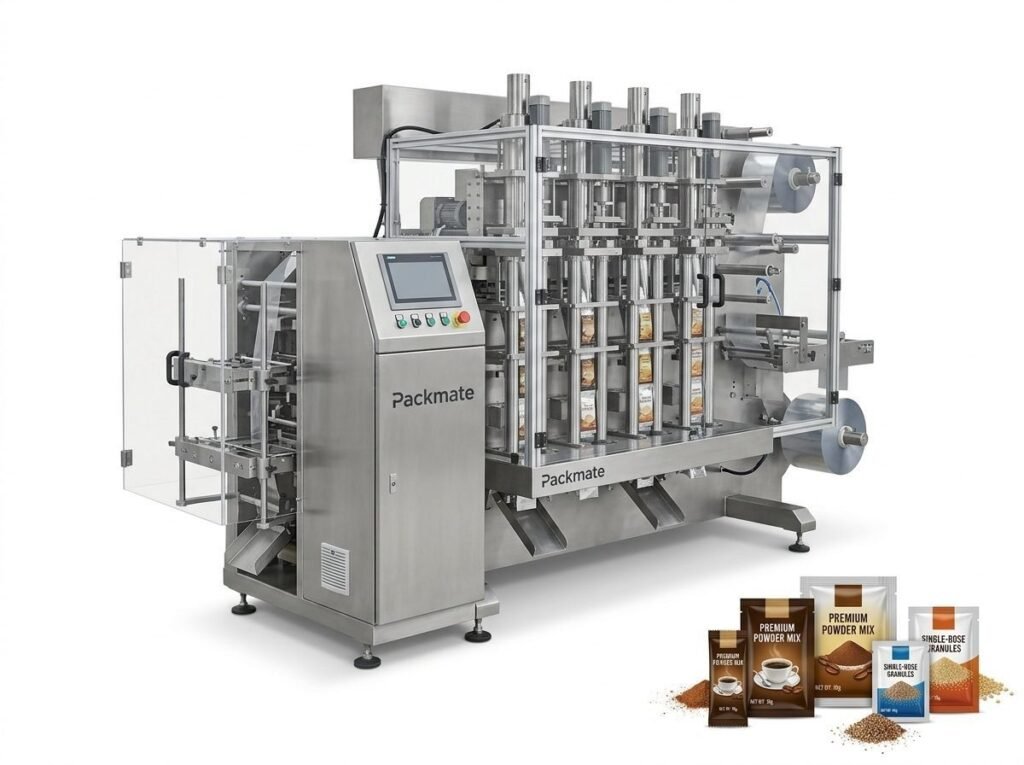
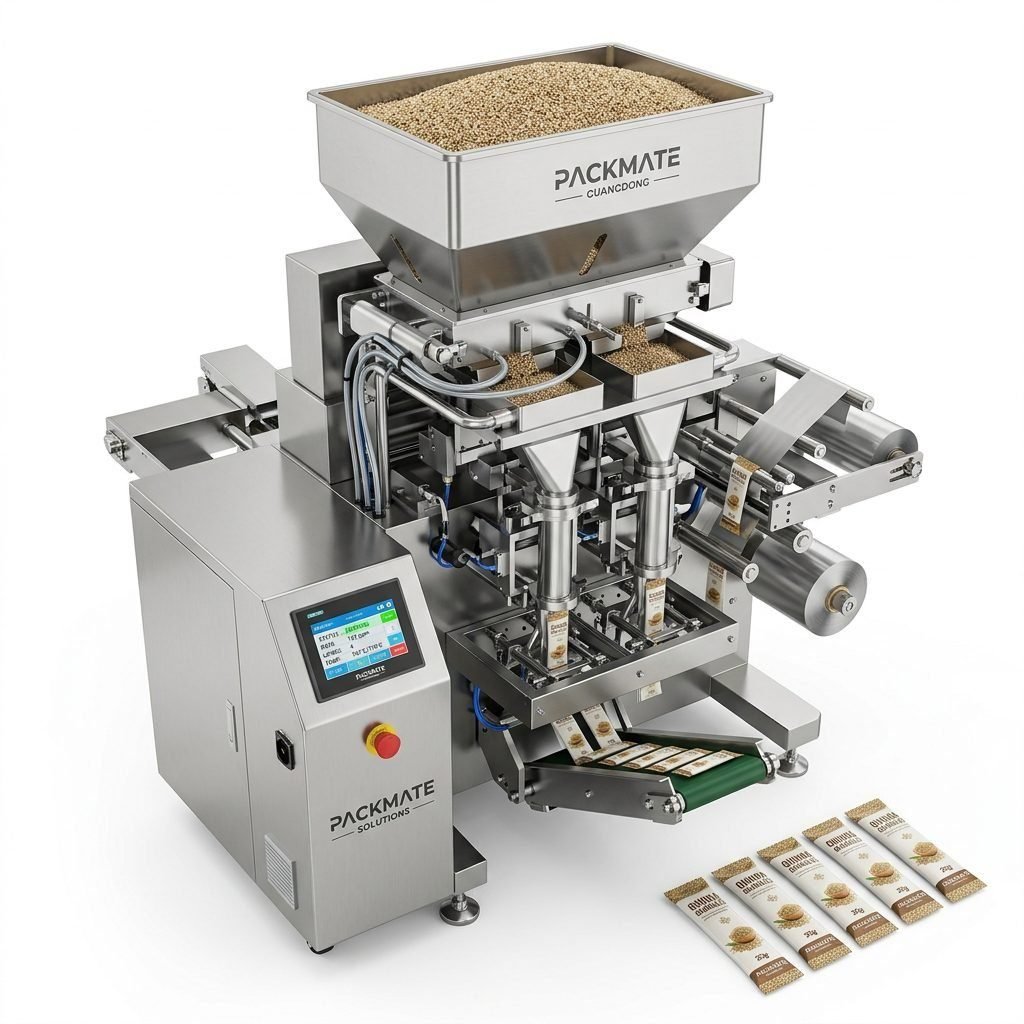
The most common and versatile solution for chip packaging. A VFFS machine uses a roll of flat film to form a bag vertically around a filling tube. Chips are dropped into the forming bag, which is then sealed and cut off. These machines are ideal for producing pillow bags or gusseted bags at high speeds, ranging from dozens to hundreds of bags per minute. Their compact footprint and quick changeover capabilities make them suitable for various bag sizes and styles. For a closer look at these systems, explore our range of Bag & Pouch Packaging Machines.
Pre-Made Bag Machines
This system uses bags that are already pre-formed, often with complex shapes, windows, or high-quality printed graphics. The machine’s function is to open, fill, and seal these pre-made bags. While generally slower than VFFS, they offer superior graphic presentation and are perfect for premium or specialty chip lines where brand image on the shelf is paramount.
Integrating into a Complete Production Line
A standalone packaging machine is part of a larger ecosystem. For peak efficiency, it must be perfectly synchronized with upstream and downstream equipment.
- Upstream: This includes conveyors feeding chips from the fryer/cooling system, and crucially, multi-head weighers. These sophisticated scales use multiple buckets to achieve ultra-fast and precise combinations to meet the target weight, essential for lightweight, voluminous products like chips.
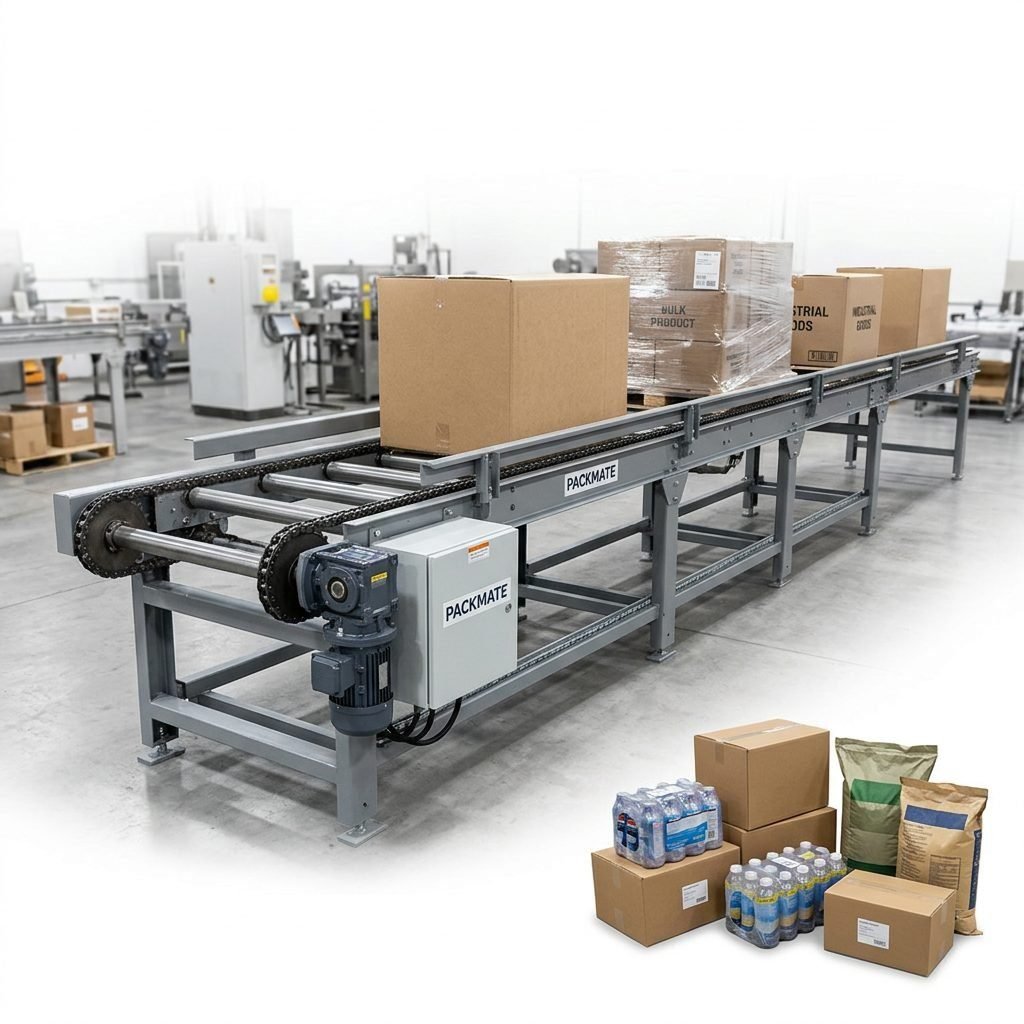
- Downstream: After sealing, bags are conveyed to checkweighers (to verify weight accuracy), metal detectors, and finally to auxiliary equipment like cartoners, case packers, and palletizers for shipping.
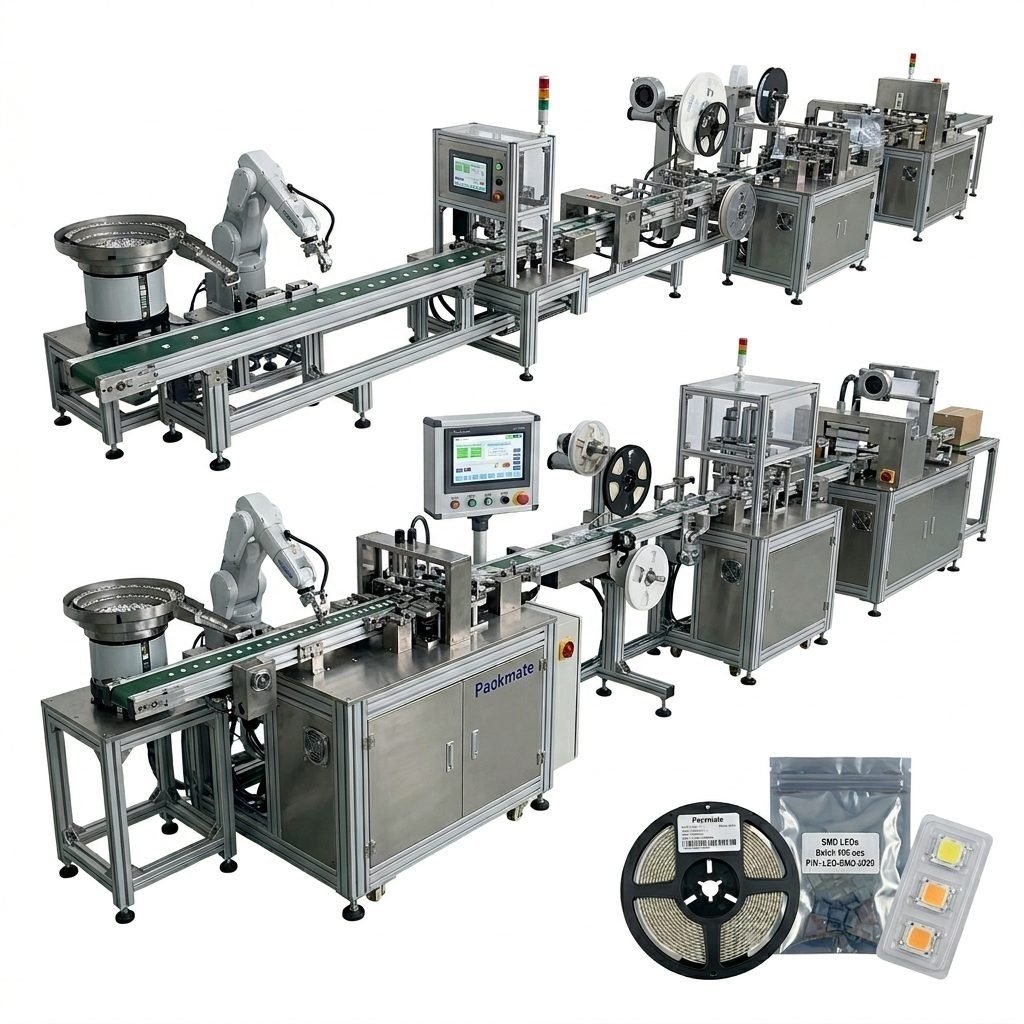
Investing in a well-integrated, turnkey packaging line from a single supplier like Packmate ensures compatibility, reduces integration headaches, and provides a single point of service and support.
Critical Factors for Efficient Operation
Maximizing the efficiency of your packaging line goes beyond just buying a fast machine.
Minimizing Downtime & Changeovers
Unplanned stops kill efficiency. Look for machines with robust, simple designs and easy access for cleaning and maintenance. Quick-change parts, such as pre-configured film roll assemblies and sealing jaw inserts, can reduce the time to switch between different bag sizes or products from hours to minutes. Regular preventative maintenance based on the manufacturer’s schedule is non-negotiable.
Operator Training & Safety: A well-trained operator can identify minor issues before they cause major stoppages. Ensure your team is thoroughly trained on machine operation, basic troubleshooting, and safety protocols. Modern machines feature comprehensive safety guards and interlocks to protect personnel.
Data & Monitoring: Contemporary packaging machines are equipped with PLCs and HMIs (Human-Machine Interfaces) that provide real-time data on speed, output, downtime reasons, and error logs. Analyzing this data is key to identifying bottlenecks and implementing continuous improvement strategies for Overall Equipment Effectiveness (OEE).
Selecting the Right Machine Partner
The choice of manufacturer is a long-term strategic decision. With over 30 years of expertise in packaging automation, Packmate Machinery embodies the reliability and innovation needed in this sector. Our journey, from a focused workshop to a company with a 20,000㎡ modern facility, has been built on solving real production challenges. We understand that an efficient potato chip packaging line requires more than a standard machine—it requires a solution tailored to your specific product characteristics, factory layout, and growth ambitions. Our team provides comprehensive support from initial consultation and factory testing to installation, training, and after-sales service.
Future Trends in Chip Packaging
The industry continues to evolve towards greater sustainability and smart technology. Expect increased use of recyclable or compostable mono-material films, though these present new challenges for barrier properties and machine runnability. Industry 4.0 integration will become standard, with machines offering deeper connectivity for predictive maintenance, remote diagnostics, and seamless data flow into factory-wide MES (Manufacturing Execution Systems).
Frequently Asked Questions (FAQ)
1. What is the typical speed range for a potato chip VFFS machine?
Speeds vary greatly based on bag size and machine configuration. Standard machines can range from 60 to 120 bags per minute, while high-speed, multi-lane systems can exceed 200 bags per minute. The correct speed for you depends on your upstream production capacity.
2. Why is nitrogen flushing so important for packaging potato chips?
Nitrogen is an inert gas. Flushing the bag with nitrogen before sealing removes oxygen, which prevents oxidative rancidity of the oils in the chips and stops the growth of aerobic microbes. This is the single most effective method to preserve crispiness and flavor for months.
3. How often should the packaging machine be serviced?
A robust preventative maintenance (PM) schedule is essential. Daily cleaning and visual checks should be performed by operators. Professional technical service, including lubrication, calibration, and wear-part inspection, should be conducted quarterly or semi-annually, as per the manufacturer’s manual, or based on runtime hours.
4. Can one machine handle different bag sizes and styles?
Yes, most modern VFFS machines are designed for quick changeover. By changing the forming tube, sealing jaws, and film reel, and inputting new parameters into the control system, you can switch between different pillow bag sizes relatively quickly. Switching to a completely different style (e.g., to a gusseted bag) may require more extensive kit changes.
5. What are the most common causes of packaging downtime?
The most frequent issues include film breaks or misfeeds, weighing system inaccuracies leading to under/overfills, sealing problems (due to contaminated jaws or incorrect temperature/pressure), and simple product jams at the infeed. A reliable machine design and proper operator training minimize these occurrences.